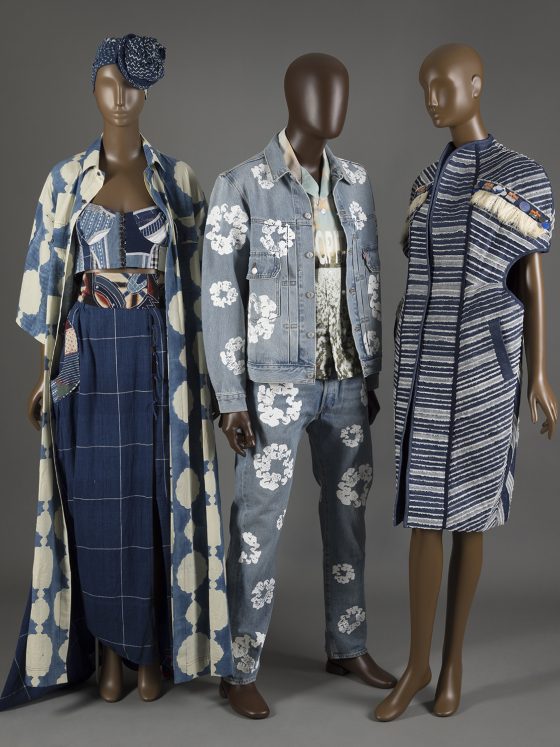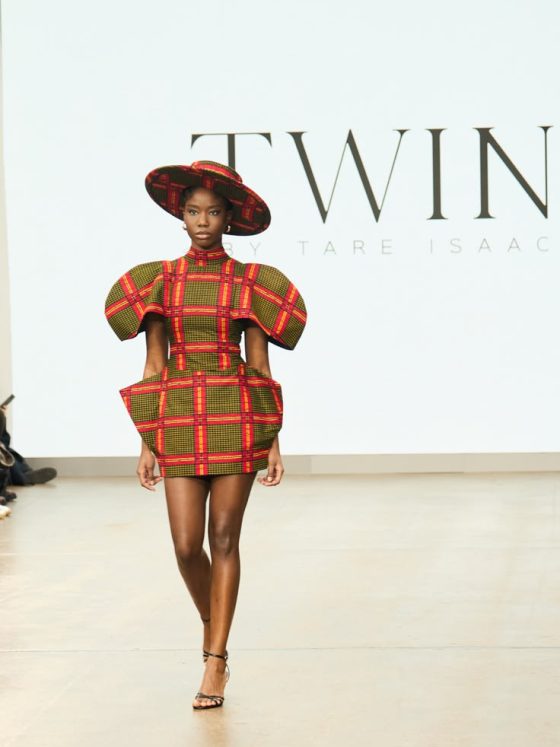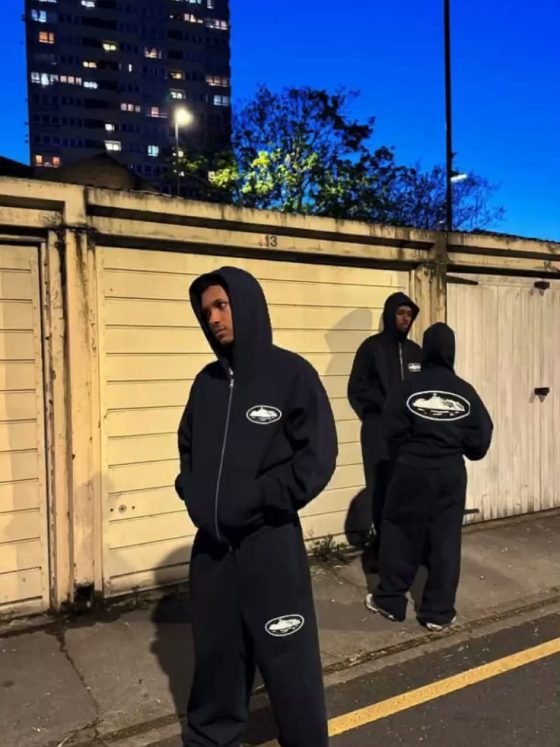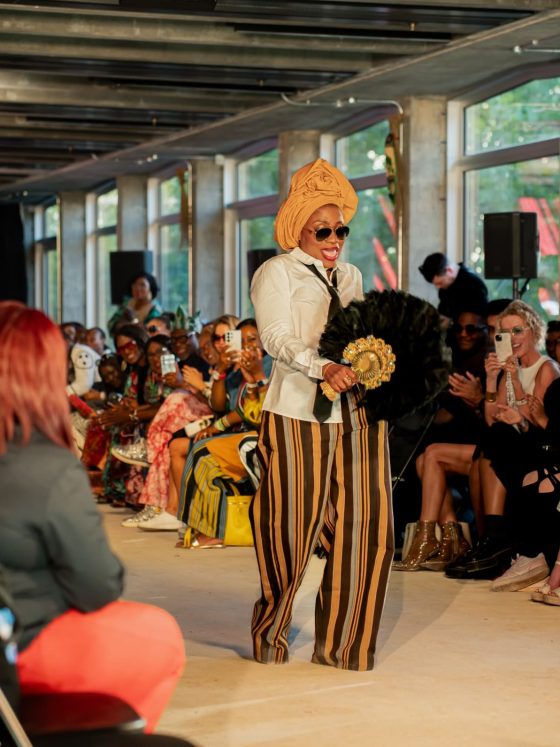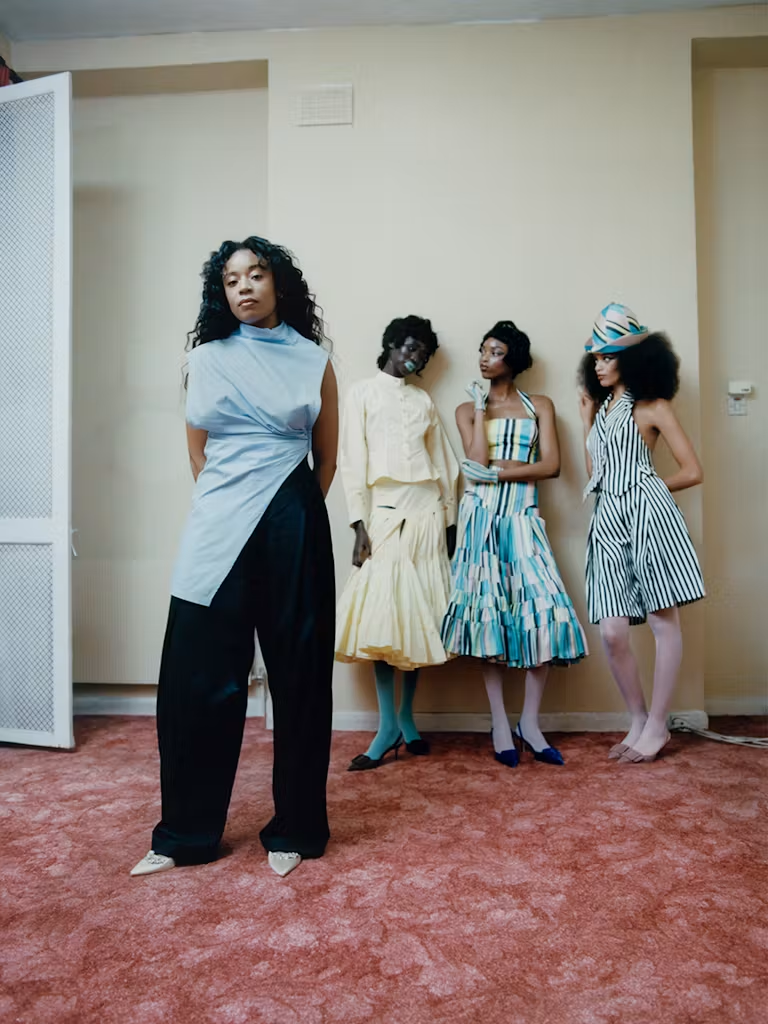
In 2026, Grace Wales Bonner, a South London-born designer of Jamaican and English heritage and one of the defining voices in British menswear, was appointed Creative Director of Hermès Menswear. She will present her first collection for the house in January 2027. Hermès, one of the most institutionally conservative luxury houses in the world, chose a Black British woman whose entire design practice is built on the intellectual and aesthetic history of the African diaspora to succeed Veronique Nichanian, who had held the position for 37 years. The appointment is the single most significant event in African-heritage British fashion since the current generation of designers began showing on the London Fashion Week schedule, and it is the right starting point for any serious assessment of where African fashion intelligence in the UK currently stands.
Grace Wales Bonner is now Creative Director of Hermes Menswear. Tolu Coker opened London Fashion Week for King Charles. The African-heritage designer moment in Britain is not emerging. It has arrived.
The Designer Landscape in 2026
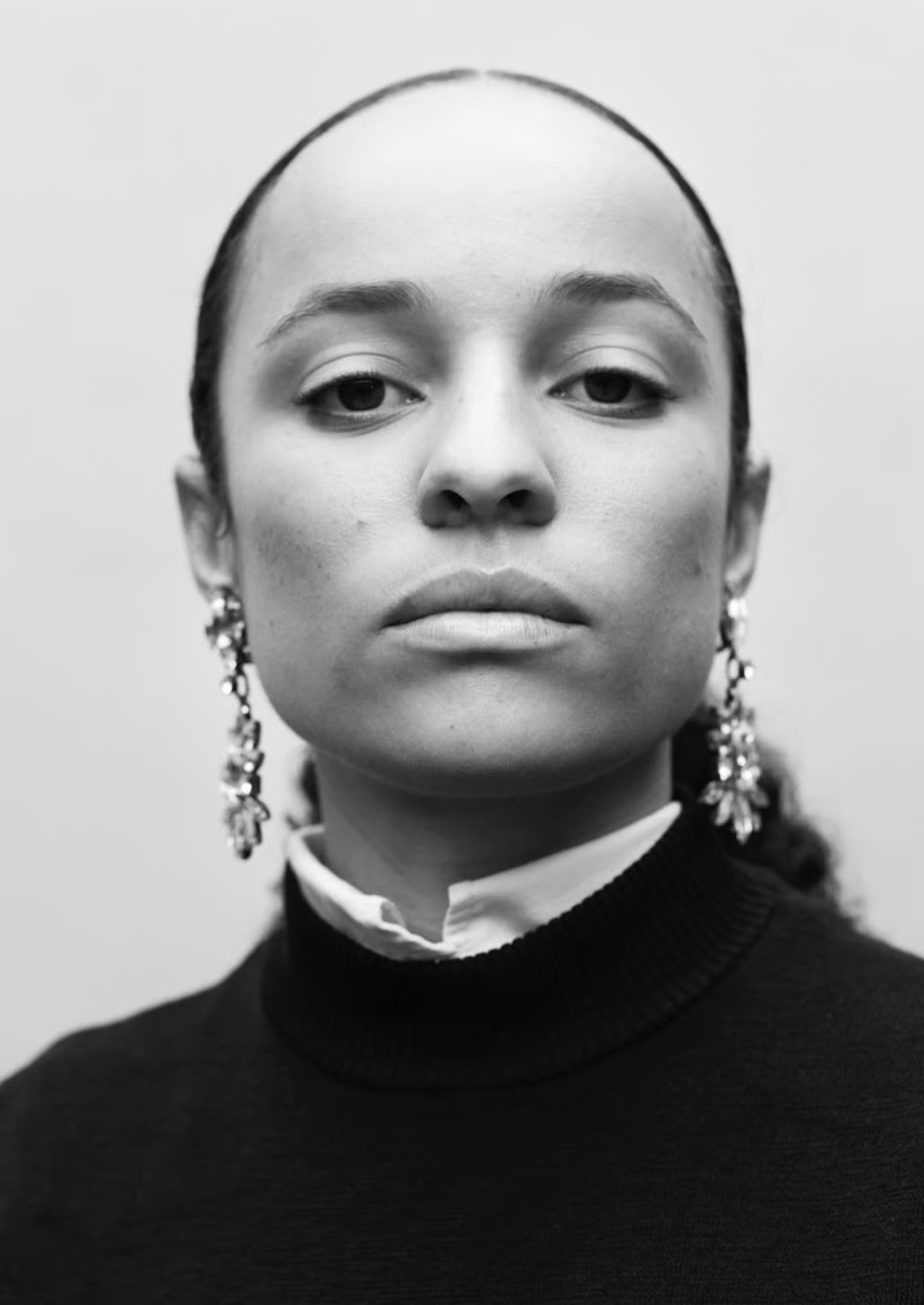
The African-heritage designers currently shaping British fashion represent different generational positions, different institutional relationships, and different arguments about what being a Black British designer with African roots means in practice. What they share is a moment: the Fashion Awards 2025, held in December at the Royal Albert Hall, placed Grace Wales Bonner as a nominee for British Menswear Designer of the Year (which she won, as documented by Wallpaper’s 2025 Fashion Awards coverage), Tolu Coker as a Vanguard Award nominee, and Foday Dumbuya of Labrum London as a Menswear Designer nominee. Three designers of African heritage nominated across the evening’s major categories is not a diversity initiative. It is a reflection of where the creative centre of British fashion actually is in 2026.
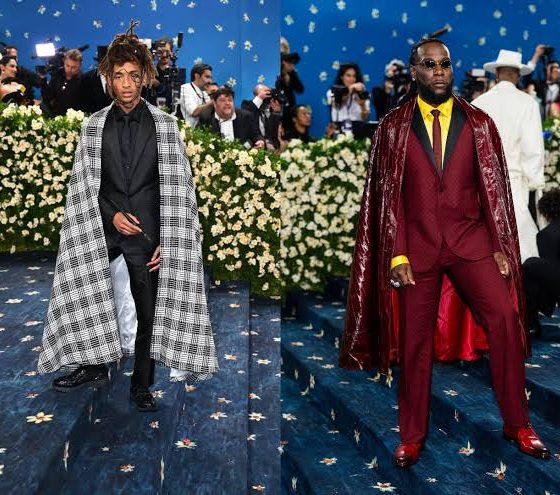
Grace Wales Bonner founded her label in 2014, graduated from Central Saint Martins, received the CFDA Award for International Men’s Designer of the Year in 2021, won British Menswear Designer of the Year at the Fashion Awards in 2024, hosted the 2025 Met Gala themed “Superfine: Tailoring Black Style,” and has now been appointed to lead Hermès Menswear. As the AOL/AP coverage of the Hermès appointment confirms, she is the first Black woman to lead creative direction at the French house. Her designs have been worn by Solange, Lewis Hamilton, FKA Twigs, Kendrick Lamar, and Naomi Campbell. She has collaborated with Adidas, Stüssy, and Yohji Yamamoto’s Y-3. These are not markers of an emerging designer. They are the documented record of a designer at the apex of the global fashion industry.
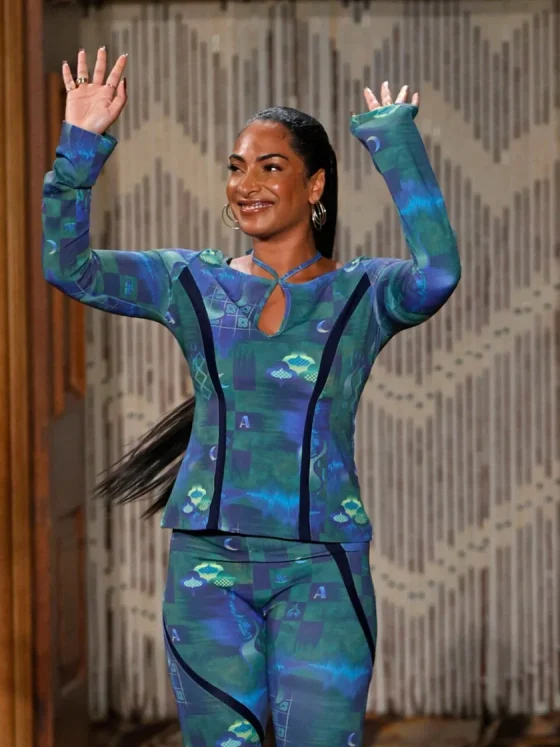
Tolu Coker is a British-Nigerian fashion and textiles designer, illustrator, and multi-disciplinary artist who graduated from Central Saint Martins with First Class Honours in Fashion Design and Textile Print. She launched her brand in 2021, was a 2025 LVMH Prize semifinalist, was nominated for the Vanguard Award at the Fashion Awards 2025, and opened London Fashion Week AW26 for King Charles III, as confirmed by Culturins Magazine’s LFW 2026 coverage. Her AW26 Survivor’s Remorse collection featured British heritage tartans in Yoruba colours, corseted jackets, and pleated skirts in a design language that holds British tailoring and Nigerian cultural heritage simultaneously without either cancelling the other. She is 32. The trajectory is vertical.
Priya Ahluwalia launched her label in 2018, drawing from her Nigerian and Indian heritage, redefining sustainable menswear through storytelling rooted in Lagos and London. Her collaboration record includes Mulberry and Adidas. Foday Dumbuya’s Labrum London, which tells the stories of Sierra Leone and the West African diaspora through tailoring, has been nominated at the Fashion Awards and documented by Grazia as one of the defining Black British brands currently shaping not just Black British fashion but British fashion at large. Nicholas Daley, Feben, and Torishéju Dumi extend the landscape further. The generation is not a cohort. It is a movement with multiple distinct positions.
“Grace’s appetite and curiosity for artistic practice strongly resonate with Hermès’ creative mindset and approach.” — Pierre-Alexis Dumas, General Artistic Director of Hermès, on the appointment of Grace Wales Bonner, 2026
What the Designers Are Building
The distinction between a designer who generates attention and a designer who builds commercial infrastructure is the distinction this series has applied consistently, from KAHINDO and lemlem in the US market to MaXhosa in South Africa. Applied to the UK African-heritage designer landscape, the picture is one of multiple tiers simultaneously. Wales Bonner is now operating at the institutional apex of the global luxury industry as Creative Director of Hermès Menswear, which is a different commercial position from any independent label, however well-received. Tolu Coker has BFC NEWGEN support, LVMH Prize recognition, and a growing stockist list. Ahluwalia has major-brand collaboration credits and documented press coverage across Vogue, WWD, and Dazed. Labrum London has Fashion Awards nominations. None of these is the same thing as a Nordstrom stockist or a confirmed annual revenue figure. They represent a different stage of the build in a different market context.
The UK fashion market’s institutional infrastructure for supporting African-heritage designers is more developed than it was five years ago. The British Fashion Council’s NEWGEN programme has supported Tolu Coker. The Fashion Awards nomination process now regularly includes designers of African heritage in its major categories. The London Fashion Week schedule has become a credible platform for this generation. What remains underdeveloped is the retail infrastructure that converts institutional recognition into sustained commercial revenue. As Omiren Styles has documented in its analysis of what separates e-commerce from physical retail, the gap between press recognition and stockist relationships is structural, not incidental. The UK’s African-heritage designers are building the first condition. The second requires the UK retail market to move toward them with the same speed they are moving toward it.
The Diaspora Retail Market
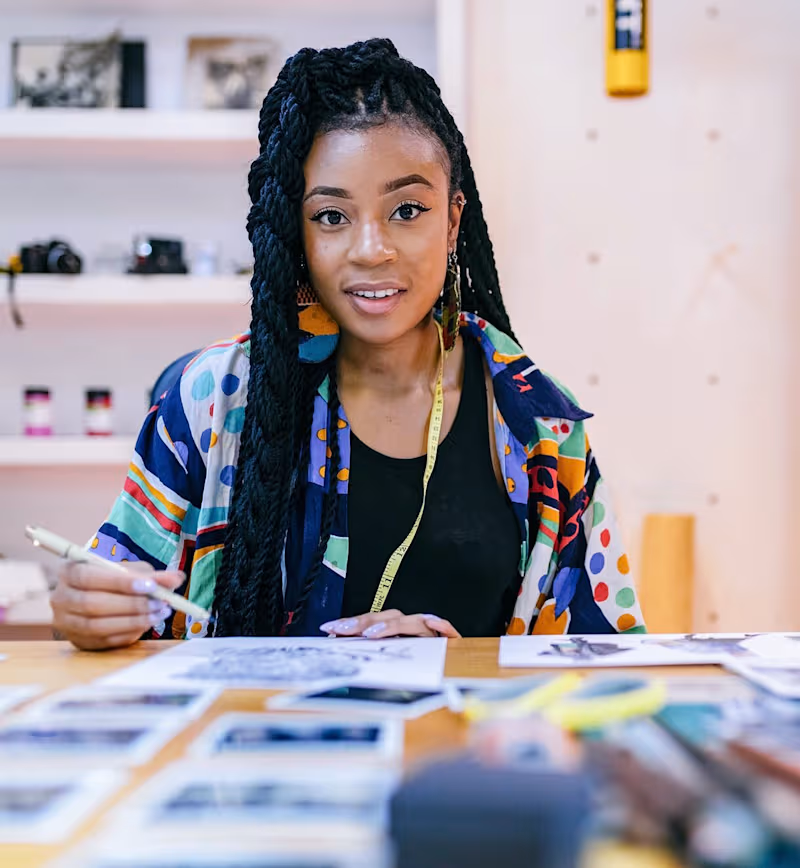
The African diaspora in the UK represents a specific and significant retail market that the mainstream fashion industry has not fully understood. Research cited by Wifitalents’ Africa Fashion Industry data report indicates that 55% of the African diaspora in the UK purchase at least one item of African-branded apparel per year. The UK’s African-origin population, concentrated in London but with significant communities in Birmingham, Manchester, Leeds, and Bristol, has purchasing power that the generic “multicultural consumer” framing of mainstream retail consistently underestimates.
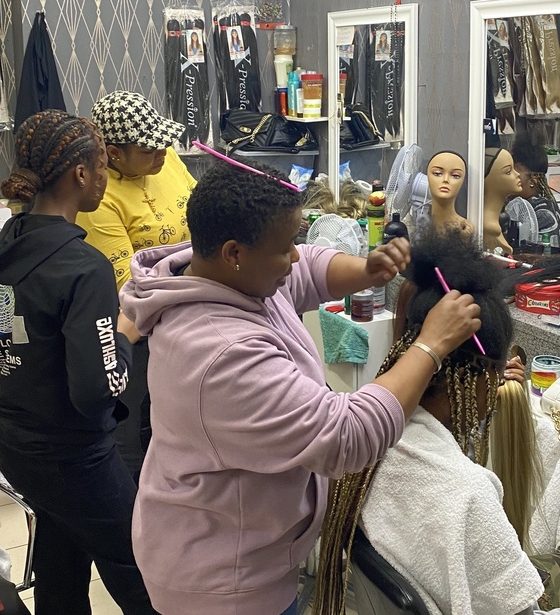
The diaspora retail infrastructure that has developed in the UK operates across several distinct formats. Market and high-street shops in areas of concentrated African population, including Peckham, Brixton, Dalston, and Tottenham in London, provide everyday access to African print fabric, ready-to-wear garments, and accessories. Concept stores and curated boutiques in these areas and in more central locations have begun to carry contemporary African designers alongside African fabric. As Omiren Styles has documented in its guide to shopping African fashion, the best diaspora boutiques in the UK operate with editorial clarity: they can tell you the designer, the country of origin, the textile tradition, and the cultural context of what they sell. Shops that cannot provide this information are distributing African fashion without the knowledge that gives it meaning.
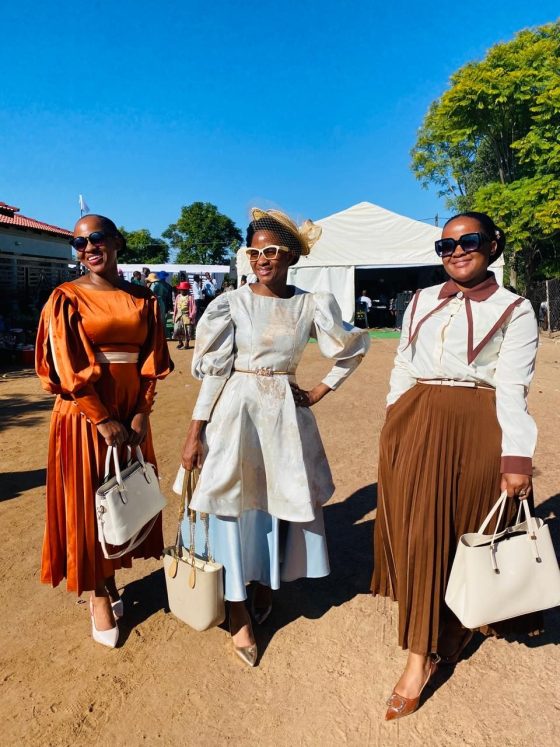
The owambe economy, the Nigerian diaspora’s occasion-wear culture built around weddings, naming ceremonies, graduations, and church events, generates consistent and significant demand for agbada, aso-ebi, lace, and premium occasion wear. This economy operates largely outside the mainstream fashion industry’s understanding. It is served by a combination of Lagos-based designers shipping to UK diaspora clients, UK-based tailors and sewists working in specific community networks, and occasion-wear boutiques whose customer knowledge and fabric relationships are sophisticated in ways that are not visible to the mainstream fashion press. The owambe economy is not a niche. It is a significant commercial ecosystem that the UK African diaspora has built and that deserves the same analytical attention the fashion press gives to any other major consumer segment.
Africa Fashion Week London and the Institutional Ecosystem
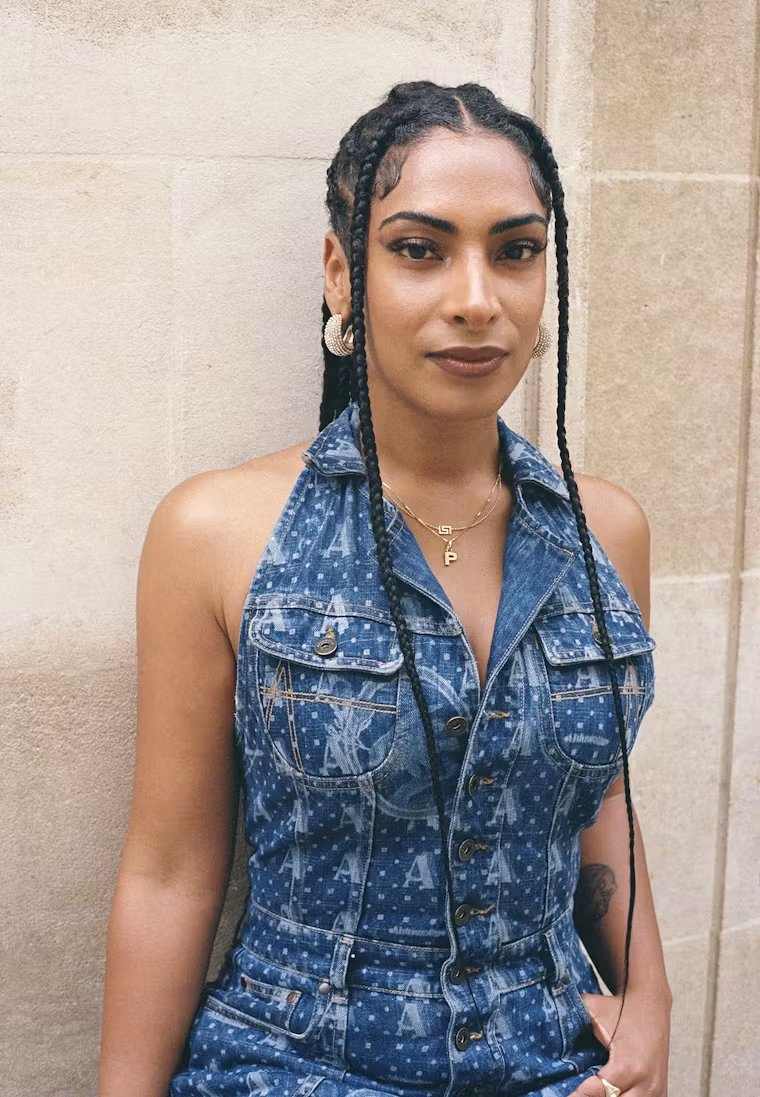
Africa Fashion Week London (AFWL), held annually at the BFC Venue on the Strand, represents the most established institutional platform for African designers to show in a London context. AFWL provides runway access to designers from across the continent and from the diaspora who are not yet on the London Fashion Week schedule but who are building toward that visibility. As Omiren Styles documented in its original UK launch strategy research, AFWL has been identified as an immediate Tier 1 target for brands seeking institutional UK credibility. The platform’s runway has produced brands that have subsequently moved onto the LFW schedule, making it a documented pipeline rather than a parallel system.
The wider UK institutional ecosystem for African-heritage fashion also includes the African-Caribbean Fashion Network, diaspora business networks with fashion sector components, and the growing number of UK universities with significant African and African-heritage student populations who are building the next generation of designers, buyers, and fashion entrepreneurs. As Omiren Styles has argued in its analysis of the African fashion ecosystem in London, the infrastructure exists. What it requires now is the commercial pipeline between institutional recognition and retail revenue that turns creative talent into commercially sustainable businesses.
The Omiren Argument
The appointment of Grace Wales Bonner as Creative Director of Hermès Menswear is the most significant institutional endorsement of African-heritage fashion intelligence in British fashion history. It follows the British Fashion Awards consistently recognising this generation, London Fashion Week platforming them, and the global fashion press treating their work with the intellectual seriousness it deserves. The argument that African-heritage fashion in Britain is emerging is no longer available. It has been succeeded by the argument that it has arrived, and that the question now is whether the UK retail market, the institutional funding ecosystem, and the mainstream fashion press will build the commercial infrastructure that keeps it here.
As Omiren Styles has documented across its analysis of African diaspora fashion, the designers of African heritage who are reshaping British fashion are not borrowing from African tradition. They are translating it: making responsible decisions about how meaning moves between cultural systems, what survives the crossing, and what must be invented to fill the gap where direct equivalence does not exist. Wales Bonner doing this at Hermès is the same intellectual operation that Tolu Coker is doing at a BFC NEWGEN level and that the owambe economy is doing at a community level. They are all African fashion intelligence, expressed at different scales, in different institutional contexts, in the same city. As Omiren Styles has argued, African fashion has always been making arguments that the mainstream fashion industry was not yet equipped to receive. The British fashion industry is now equipped. The question is what it does with that.
Grace Wales Bonner is not the ceiling of what African-heritage British fashion can become. She is the proof of concept. The infrastructure that allows the next Wales Bonner to emerge in a context that supports her sooner is the work that remains.
ALSO READ
- Second-Generation African Designers Are Not Borrowing From Heritage. They Are Translating It.
- Why UK Diaspora Dress Codes Change by Occasion: Owambe, Church, and the Office
- The London African Fashion Ecosystem: What It Is and What It Still Needs
- African Fashion Is Not Emerging. It Has Always Been Here.
Frequently Asked Questions
Which African-heritage designers are most significant in UK fashion in 2026?
Grace Wales Bonner is the most institutionally significant: British Menswear Designer of the Year at the Fashion Awards 2024, CFDA Award for International Men’s Designer of the Year 2021, 2025 Met Gala host committee, and now appointed Creative Director of Hermès Menswear. Tolu Coker, British-Nigerian, opened London Fashion Week AW26 for King Charles III, is a 2025 LVMH Prize semifinalist and Fashion Awards Vanguard nominee. Priya Ahluwalia, drawing from her Nigerian and Indian heritage, has collaboration credits with Mulberry and Adidas. Foday Dumbuya’s Labrum London, rooted in Sierra Leone and the West African diaspora, received Fashion Awards menswear nominations. All are confirmed by the Fashion Awards 2025 shortlists and independent editorial coverage.
What is the Grace Wales Bonner Hermès appointment?
Grace Wales Bonner was appointed Creative Director of Hermès Menswear following the departure of Veronique Nichanian, who had held the position for 37 years. Wales Bonner will present her first collection for the house in January 2027. She is the first Black woman to lead creative direction at the French house. As confirmed by Hermès General Artistic Director Pierre-Alexis Dumas, “Grace’s appetite and curiosity for artistic practice strongly resonate with Hermès’ creative mindset and approach.” The appointment follows Wales Bonner winning British Menswear Designer of the Year at the Fashion Awards 2024, hosting the 2025 Met Gala, and building a decade of critically acclaimed work whose central argument is the intellectual and aesthetic richness of the African diaspora.
What is the owambe economy and why does it matter to UK African fashion?
The owambe economy is the Nigerian diaspora’s occasion-wear culture built around weddings, naming ceremonies, graduations, and church events, generating consistent and significant demand for agbada, aso-ebi, lace, and premium occasion wear. In the UK, this economy is served by Lagos-based designers shipping to diaspora clients, UK-based tailors and sewists operating in specific community networks, and occasion-wear boutiques with sophisticated customer knowledge and fabric relationships. It operates largely outside the mainstream fashion industry’s visibility while generating commercial activity that is significant in scale. As Omiren Styles has documented, the owambe aesthetic is one of the most culturally specific and commercially significant dress cultures in the UK diaspora.
What is Africa Fashion Week London?
Africa Fashion Week London (AFWL) is an annual runway platform held at the BFC Venue on the Strand that provides showcase access to African designers and African-diaspora designers who are not yet on the London Fashion Week schedule. It functions as a documented pipeline: designers who have shown at AFWL have subsequently moved onto the LFW schedule. It is the most established institutional platform for African-origin fashion in a London context. Omiren Styles has identified it as a Tier 1 target for brands seeking UK institutional credibility.
How large is the African diaspora fashion market in the UK?
Research indicates that 55% of the African diaspora in the UK purchase at least one item of African-branded apparel per year, according to data compiled in Wifitalents’ Africa Fashion Industry statistics report. The UK’s African-origin population, concentrated in London with significant communities in Birmingham, Manchester, Leeds, and Bristol, represents purchasing power that mainstream retail’s generic multicultural consumer framing consistently underestimates. The owambe occasion-wear economy, the diaspora boutique retail network, and the growing mainstream retail demand for African-heritage fashion from UK consumers more broadly all constitute components of a market that is larger and more commercially sophisticated than its mainstream representation suggests.