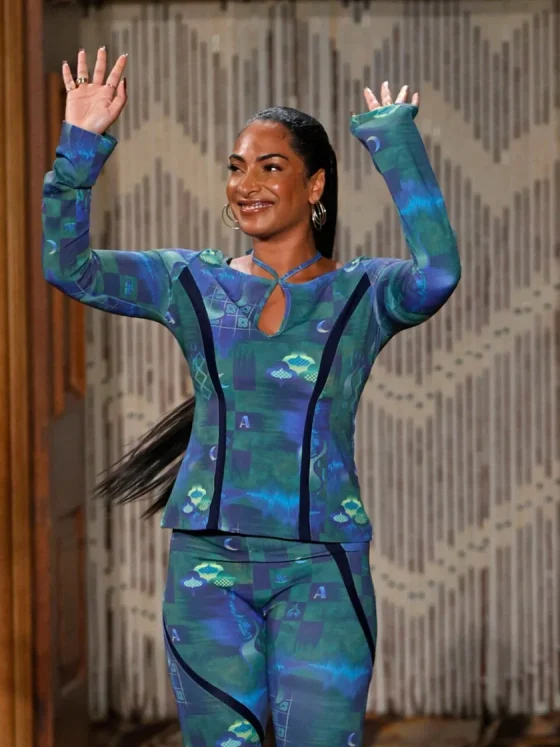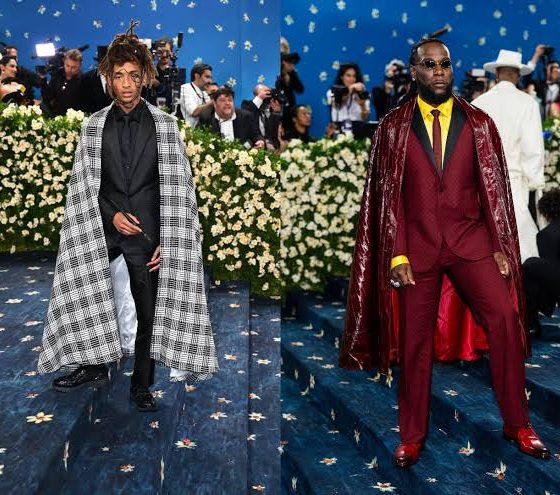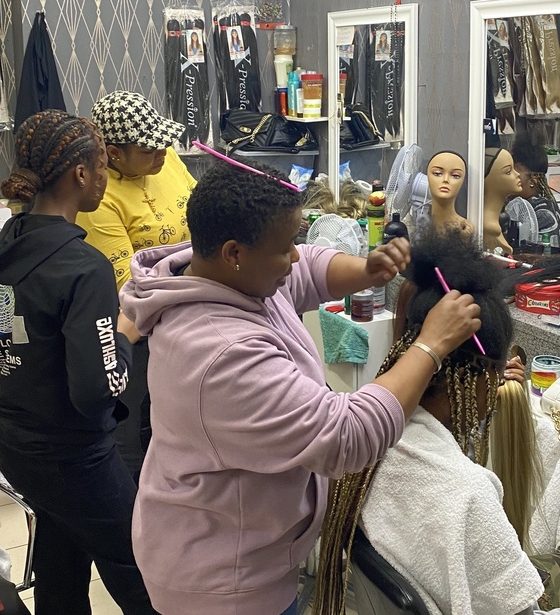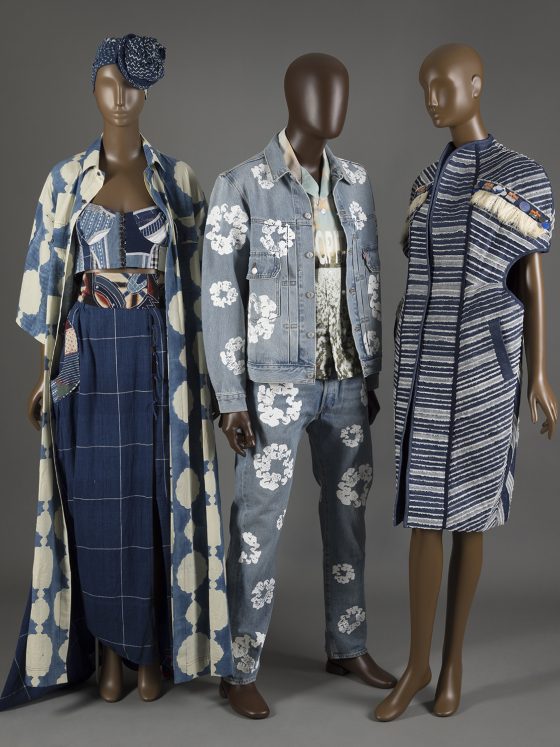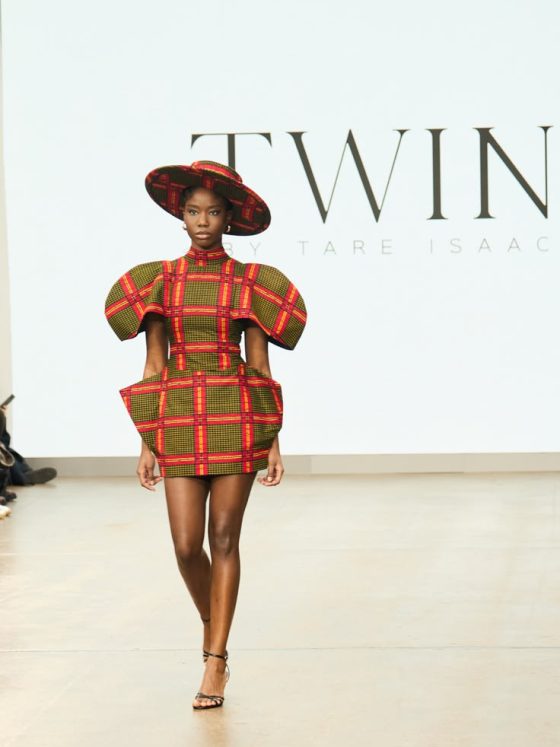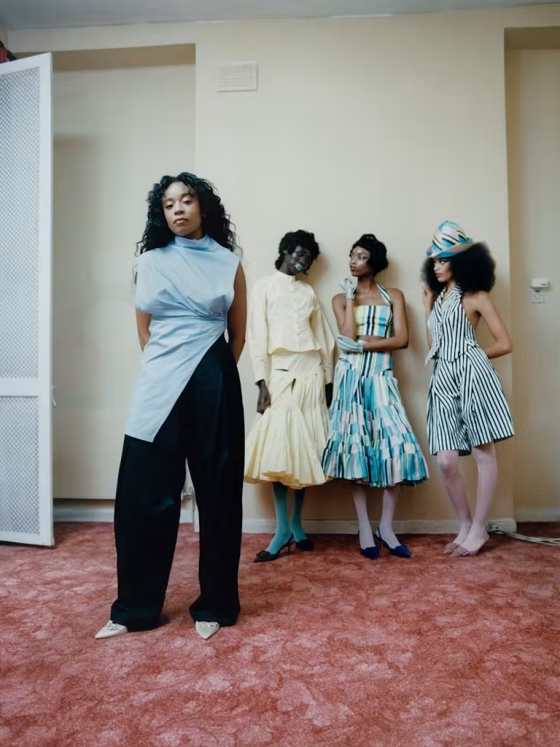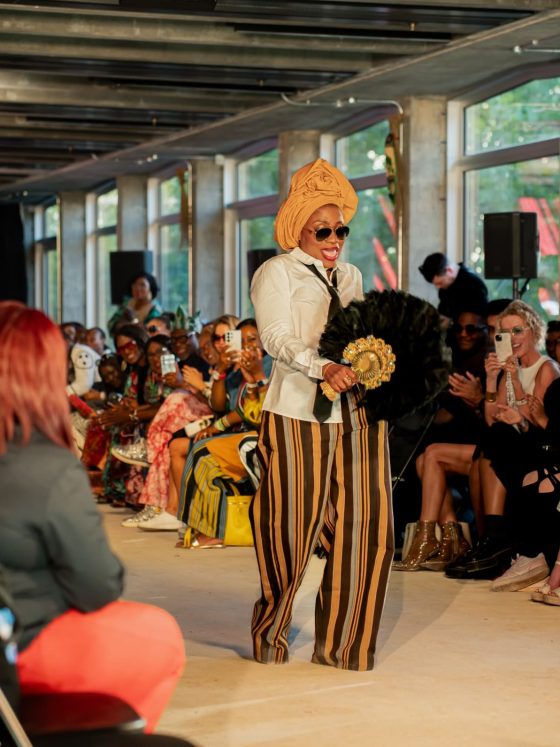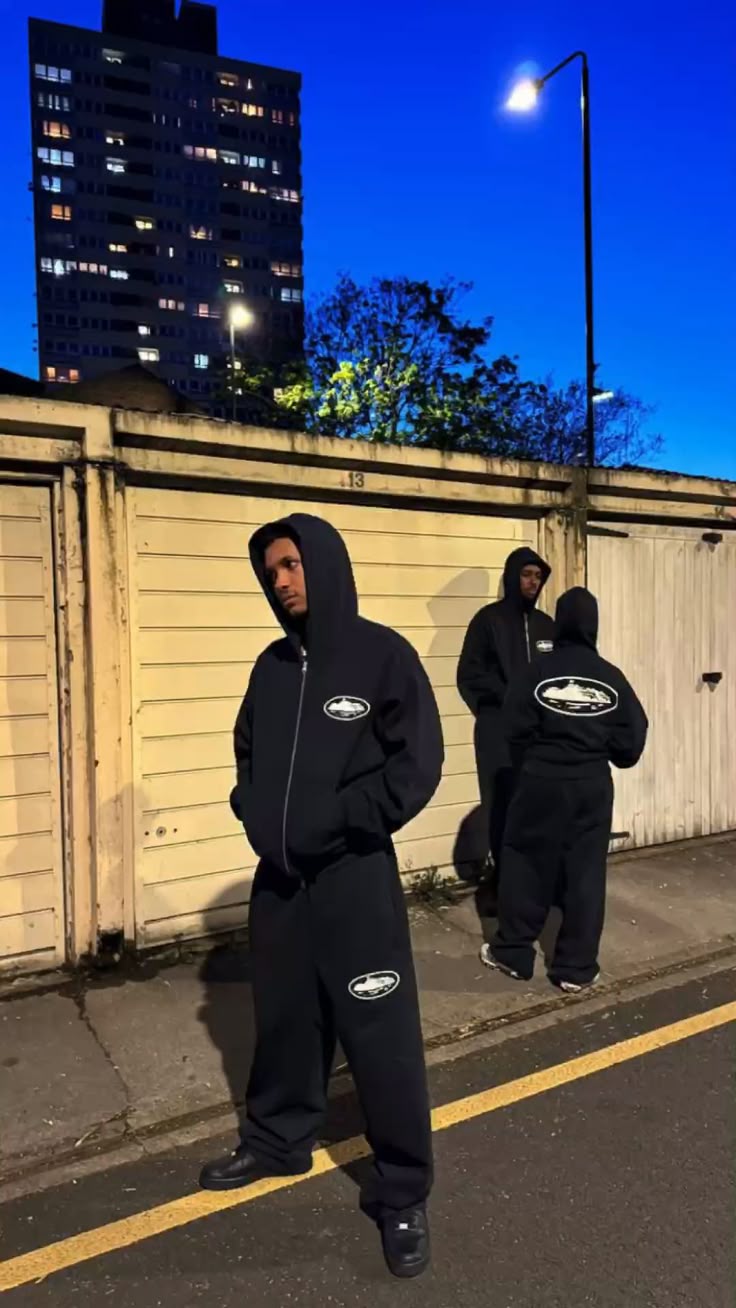
The phrase “hood luxury” did not come from a fashion editor. It came from Skepta, the British-Nigerian rapper and filmmaker from Tottenham who launched MAINS in 2017, took a hiatus, returned to London Fashion Week in September 2023 with a 40-look collection inspired by his hometown, and has since shown three seasons on the LFW schedule. As the MAINS brand documentation confirms, Skepta’s design philosophy is built on the idea that elevated design and everyday wearability are not opposites, that the specific style intelligence of a Black British childhood in Tottenham is a legitimate creative resource for a luxury fashion label. Three seasons into the LFW schedule, with WWD and Hypebeast both documenting his collections, and with chief designer Mikey Pearce cementing MAINS as one of the week’s most anticipated shows, the phrase has become a framework. This article uses it as one.
Black British style in 2026 is not a trend story. It is a structural story about what happens when a generation of designers, musicians, and communities builds fashion from the inside of lived Black British experience rather than from the outside of cultural observation. Grace Wales Bonner is now Creative Director of Hermès Menswear. Tolu Coker opened London Fashion Week AW26 for King Charles III. Bianca Saunders is in the Fashion Museum Bath’s Dress of the Year collection. The architecture of British fashion’s creative centre has changed. This article documents what it changed from and what it changed into.
Grace Wales Bonner is now at Hermes. Skepta’s MAINS is three seasons deep at LFW. Bianca Saunders is in the Fashion Museum. Black British style in 2026 is not arriving. It has arrived.
Hood Luxury: What the Concept Actually Means
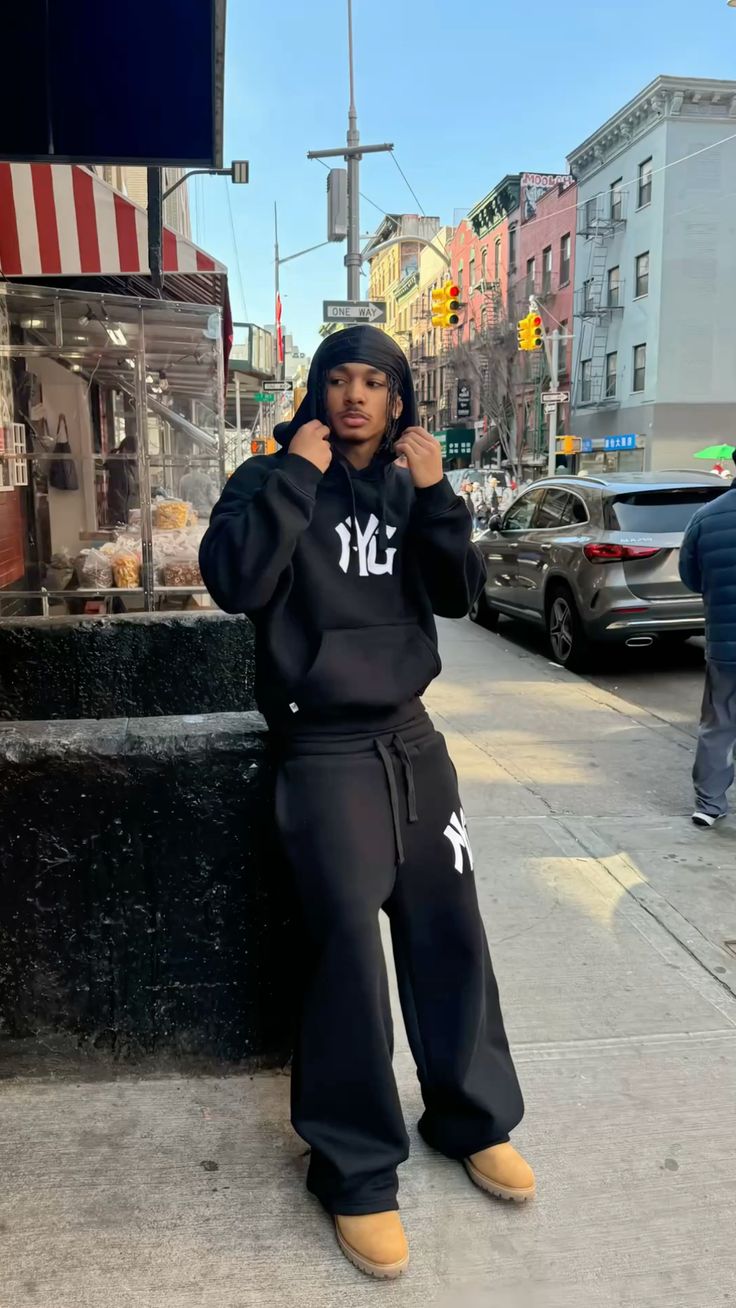
Hood luxury is a specific design argument, not a marketing phrase. It names the creative position of designers who draw on the specific aesthetic intelligence of Black British working-class communities, the precise attention to grooming and dress that characterises getting ready for church, for a wedding, for a birthday party in a community where clothing is understood as social communication. The Windrush generation that arrived in Britain from the Caribbean brought with them a sartorial tradition in which dressing well was an act of dignity in a hostile environment. As the V&A Dundee’s exhibition on Nicholas Daley documents, Daley’s Jamaican-Scottish heritage is rooted in exactly this tradition: his grandfather was a shoemaker, his father and uncles dressed with the sartorial precision of men who understood that how they presented themselves in Britain mattered in ways it did not need to matter at home. The luxury fashion industry did not invent that precision. It discovered it.
Skepta’s MAINS is the most public articulation of hood luxury as a commercial proposition. His SS26 “EuroTrash” collection, documented by Hypebeast as one of LFW’s strongest showings, drew on 1990s British underground club culture, dirty bins and party flyers as runway props, double-collared shirting and corseted bottoms as garments. The reference was the 1993 Channel 4 show hosted by Jean Paul Gaultier and Antoine de Caunes, which Skepta has cited as formative for his sense of style. The collection was not nostalgia. It was a demonstration that the cultural references of a Black British teenage experience in the 1990s are as legitimate a source for luxury fashion as any Parisian atelier’s archive.
“MAINS is for everyone, and not just for fans.” — Skepta, on the MAINS brand philosophy, documented by SHOWstudio.
The Designers Carrying the Argument

The designer landscape for Black British fashion in 2026 is wide and internally diverse. What connects it is not a shared aesthetic but a shared relationship to cultural inheritance: each of these designers has built a creative practice from the specific materials of their Black British identity rather than abstracting that identity into a generic multicultural positioning.
Bianca Saunders was selected by British Fashion Council Chief Executive Caroline Rush for the Fashion Museum Bath’s Dress of the Year 2023, the award’s 60th edition, with a menswear look specifically commissioned for Somerset House’s “The Missing Thread: Untold Stories of Black British Fashion” exhibition. Saunders, a BFC NEWGEN alumna, has built a quietly revolutionary menswear practice around sculptural tailoring, unexpected fabrics, and vibrant colours that challenge traditional notions of masculinity from within British tailoring tradition rather than in opposition to it. Her presence in the Fashion Museum’s permanent collection is institutional confirmation of a practice that has been building that authority since her Central Saint Martins graduation.
Nicholas Daley launched his eponymous brand in 2015 after graduating from Central Saint Martins in 2013. His practice is built on his Jamaican-Scottish dual heritage, and his collections, whose titles (‘Culture Clash’, ‘Dreader than Dread’, ‘Calypso’, ‘Anansi Rhythm’, ‘Blackwatch’, ‘Juteopolis’, ‘Madras’) make the cultural geography explicit, incorporate live musical performances, collaborations with UK manufacturers, and partnerships with Fred Perry, Adidas, Woolmark, and Clarks, as V&A Dundee’s Studio Nicholas Daley exhibition documents. The Clarks collaboration is specifically noted as rooted in the brand’s documented history in Jamaica: Clarks shoes have been a mark of status in Jamaican style culture for decades, and Daley’s engagement with that lineage is an example of how hood luxury draws on specific documented cultural histories rather than generic Black aesthetic references.
Feben Vemmenby, a BFC NEWGEN designer and Central Saint Martins graduate, has built a following for sculptural silhouettes, distorted seams, and what Stylist’s coverage of Black female fashion brands describes as “a deep interrogation of identity and the Black female gaze.” Her celebrity wearers include Beyoncé, Michaela Coel, and Erykah Badu: a list that signals cultural credibility across three distinct audiences simultaneously. Torishéju Dumi, described by PAUSE Magazine as British-Nigerian-Brazilian, works in luxury womenswear and menswear drawing on deadstock fabrics, spiritual themes, and sculptural tailoring, and was nominated for the Fashion Awards 2025 Vanguard Award alongside Tolu Coker. Mowalola Ogunlesi, whose Central Saint Martins debut “Psychedelic” in 2017 fused Nigerian psychedelic rock influences with PVC and leather, has become one of the most recognised names in London’s new wave, a position built on consistent aesthetic conviction rather than institutional programme recognition.
The Dress Codes That Predated the Runways
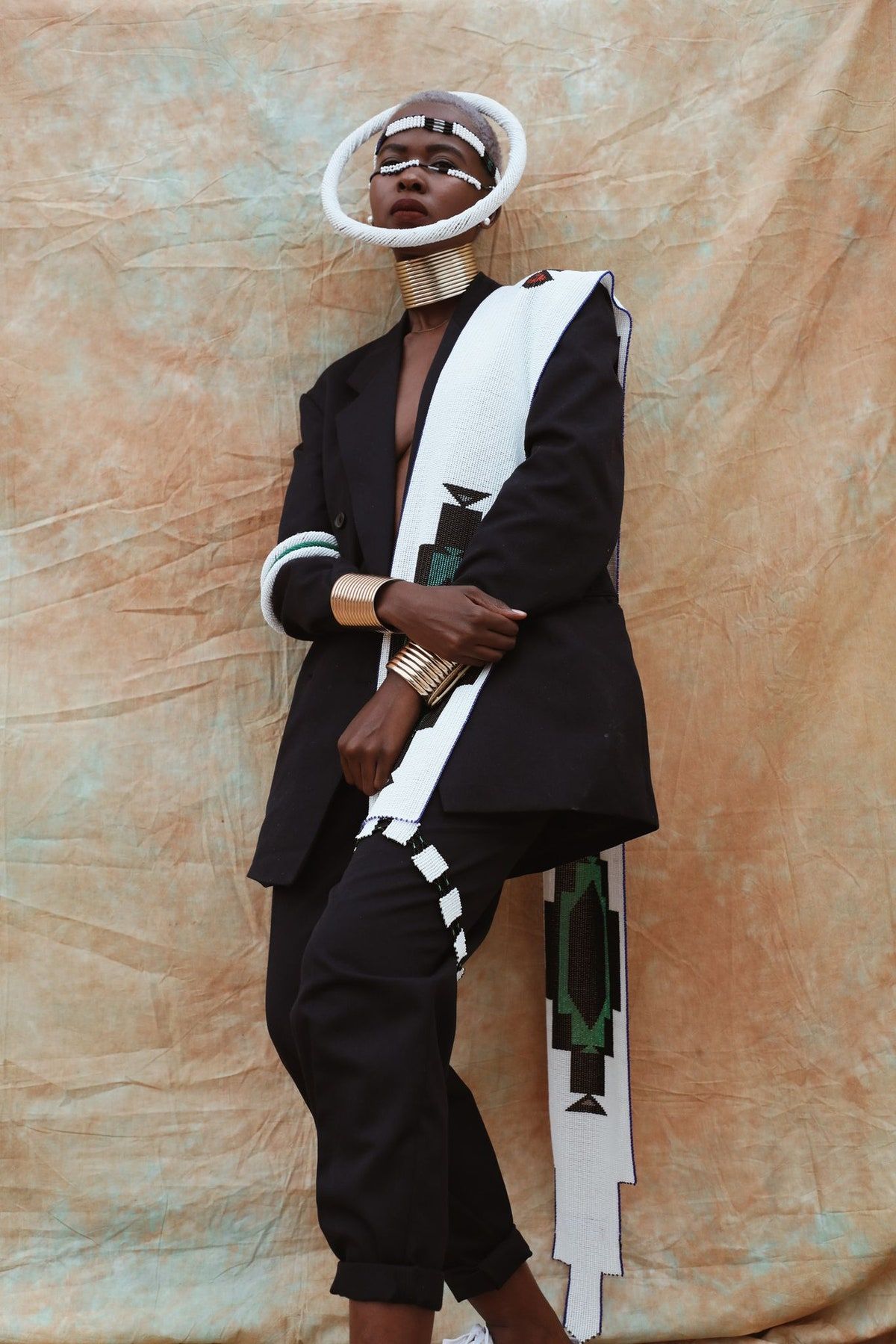
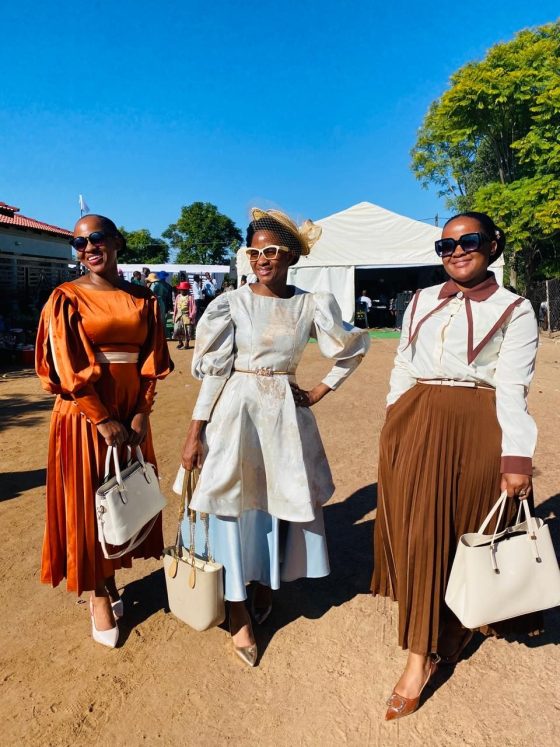
Before any of these designers showed at London Fashion Week, Black British communities had already built the dress code systems that their work draws on. The church dress code: the Sunday best that West African and Caribbean communities in Britain maintained as a practice of dignity and collective presentation, where getting dressed for church is a statement about the community’s seriousness and self-respect. The owambe dress code: the Nigerian diaspora’s occasion-wear culture for weddings, naming ceremonies, and celebrations, where aso-ebi fabric coordination is a social practice that requires as much knowledge and intention as any designer brief. As Omiren Styles has documented in its analysis of UK diaspora dress codes, these codes are specific, internally logical, and commercially significant in ways that the mainstream fashion press has not systematically documented.
The funeral dress code: the specific vocabulary of mourning dress in West African and Caribbean British communities, where colour signals community affiliation and the precise combination of black, white, or red communicates something specific about the mourner’s relationship to the deceased. The carnival dress code: the Notting Hill Carnival costume tradition, whose construction, colour, and spectacle represent a specific creative practice with its own history, its own master craftspeople, and its own aesthetic logic. As Omiren Styles has documented in its analysis of the African origins of carnival costume, the traditions that appear at Notting Hill Carnival carry African aesthetic inheritance across centuries of Caribbean history. They are not street entertainment. They are a living design practice.
These dress codes are the source material that hood luxury draws on: not as nostalgia or cultural preservation but as a living creative resource that the designers working within it understand from the inside. The difference between a designer who has worn aso-ebi to a wedding and one who has researched aso-ebi for a collection is the difference between cultural intelligence and cultural reference. The Black British fashion generation of 2026 operates from the first position.
Cultural Luxury: Beyond Hood Luxury
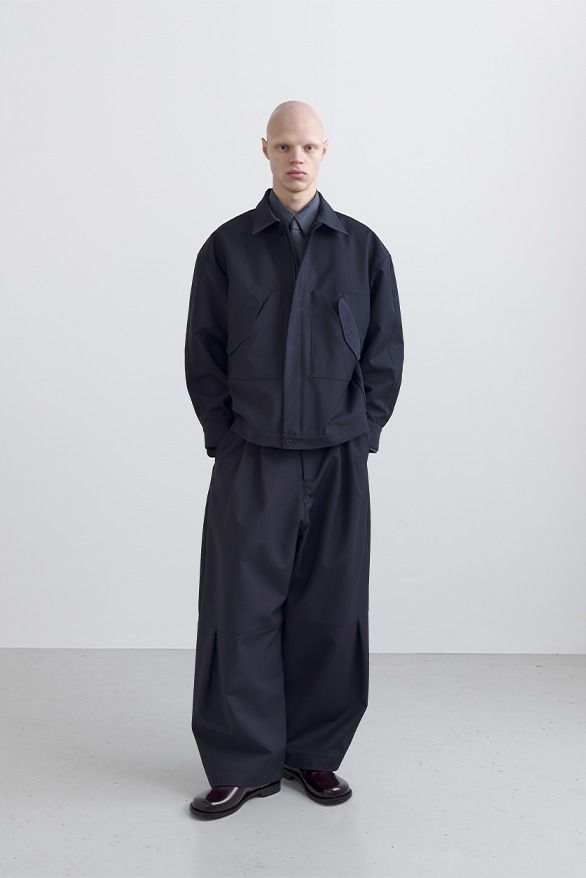
Hood luxury is one articulation of a broader condition: Black British cultural luxury. Cultural luxury is the design argument that the specific knowledge systems, aesthetic practices, and community dress codes of Black British life constitute a form of luxury that the mainstream fashion industry has historically undervalued and is now catching up with. Wales Bonner’s appointment at Hermès is the most institutionally visible confirmation of this argument. The entire body of her work, and the intellectual and aesthetic framework of African and Caribbean diaspora history that underpins it, is now the creative direction of one of the most valuable luxury houses in the world.
Cultural luxury differs from hood luxury in scope rather than kind. Hood luxury names the specific working-class Black British experience as creative source. Cultural luxury names the broader intellectual and aesthetic tradition of the African diaspora, including the scholarly, the artistic, and the ceremonial, as a luxury resource. Wales Bonner’s work in both registers simultaneously- the tailoring of Savile Row and the aesthetics of the Black Atlantic, the football kit and the Jamaican heritage- is what makes her the most complete articulation of what Black British cultural luxury means at its highest development. As Omiren Styles has documented in its analysis of African fashion intelligence in the UK, the creative centre of British fashion has moved, and moved in the direction of this tradition rather than away from it.
The Institutional Recognition and Its Limits
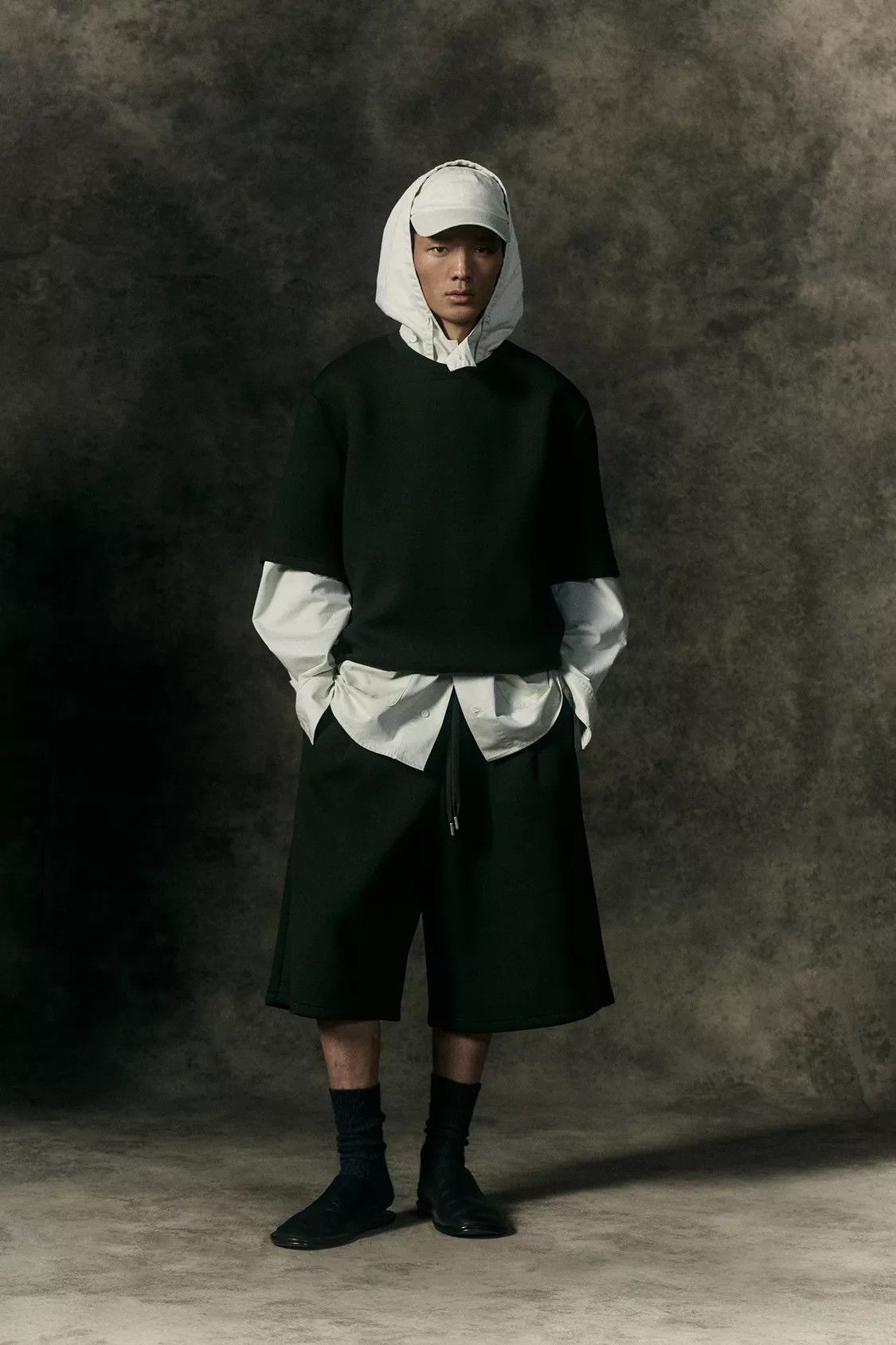
The institutional recognition of Black British fashion in 2026 is real and significant. The Fashion Awards, the BFC NEWGEN programme, the V&A Dundee, the Fashion Museum Bath, the LVMH Prize shortlists: all of these have recognised this generation with specific, named honours. As Omiren Styles documented in its broader analysis of African fashion intelligence in the UK, the question now is whether the UK retail market will build the commercial infrastructure that converts this institutional recognition into sustained revenue for the designers being recognised.
The gap between a Fashion Awards nomination and a Nordstrom stockist relationship is not automatically closed by the nomination. The gap between a BFC NEWGEN grant and a commercial production model that sustains a brand across ten seasons is not automatically closed by the grant. The institutional recognition is the first condition. The commercial infrastructure is the second. The Black British designers who are building both simultaneously, who are using institutional recognition as the opening for retail conversations rather than as the endpoint, are the ones building what lasts. The ones who are generating institutional recognition without building the commercial infrastructure are building a different kind of career, which may or may not be what they intend.
The Omiren Argument
Black British style in 2026 is not a trend. It is the visible surface of a creative tradition that has been building in Black British communities since the Windrush generation brought its sartorial precision to a country that did not always recognise what it was seeing. The designers documented in this article are not the beginning of that tradition. They are its current most visible expression, the generation that has taken the church dress code and the owambe aesthetic and the Jamaican tailoring tradition and the Tottenham hood luxury and the Afrofuturist dress politics and made them legible to an international fashion system that is now, finally, paying attention.
Paying attention is not the same as understanding. The Fashion Awards nomination does not automatically mean the nominating institution understands why Bianca Saunders’s menswear is significant, or what Nicholas Daley’s Clarks collaboration means to someone who grew up knowing that Clarks shoes in Jamaica have a specific cultural weight that Clarks shoes in Dundee do not carry. Understanding requires the kind of contextual knowledge that this generation of designers has and that the institutions recognising them are still building. As Omiren Styles has argued, the traditions that the mainstream fashion industry discovers are never as new as the discovery implies. Black British style has been doing exactly what Wales Bonner, Skepta, Saunders, Daley, Coker, Feben, Torishéju, and Mowalola are now being recognised for, in community spaces, in church halls, in carnival costume workshops, and in Tottenham ateliers, for generations before the cameras turned up.
The cameras are now pointing at what was always there. The work now is making sure the commercial infrastructure follows the cameras, rather than the cameras moving on before the infrastructure arrives.
ALSO READ
- African Fashion Intelligence in the UK: Designers, Retail and Diaspora Style
- Why UK Diaspora Dress Codes Change by Occasion: Owambe, Church, and the Office
- Second-Generation African Designers Are Not Borrowing From Heritage. They Are Translating It.
- The African Origins of Carnival Costume: Feathers, Beads, and the Masquerade Tradition
Frequently Asked Questions
What is hood luxury and where does the phrase come from?
Hood luxury is the design philosophy articulated by Skepta, the British-Nigerian rapper and filmmaker from Tottenham, to describe his MAINS label’s approach: elevated design drawn from the specific aesthetic intelligence of Black British working-class communities, where clothing has always been understood as social communication and getting dressed is an act of dignity and self-presentation. As documented on the MAINS website, the brand is built on Skepta’s specific Tottenham experience and his belief that hood luxury is “for everyone, and not just for fans.” Three seasons into the London Fashion Week schedule, the concept has become a framework for understanding the broader creative argument that Black British designers are making.
Which Black British designers are most significant in 2026?
Grace Wales Bonner, now Creative Director of Hermès Menswear and British Menswear Designer of the Year at the Fashion Awards 2024, is the most institutionally significant. Tolu Coker, British-Nigerian, opened LFW AW26 for King Charles III and was a 2025 LVMH Prize semifinalist. Bianca Saunders was selected for the Fashion Museum Bath’s Dress of the Year 2023, a BFC NEWGEN alumna whose menswear practice has received institutional confirmation at the highest level of the British fashion establishment. Nicholas Daley, Jamaican-Scottish, founded his label in 2015 and was the subject of a V&A Dundee exhibition. Skepta’s MAINS has shown three seasons at LFW. Feben, Torishéju Dumi, and Mowalola Ogunlesi complete the named generation.
What are the Black British dress codes that predate the runway recognition?
Four are documented most clearly. The church dress code: the Sunday best maintained by West African and Caribbean British communities as a practice of dignity and collective presentation. The owambe dress code: the Nigerian diaspora’s occasion-wear culture for weddings, naming ceremonies, and celebrations, documented by Omiren Styles as one of the UK’s most commercially significant diaspora fashion systems. The funeral dress code: the specific vocabulary of mourning dress in West African and Caribbean British communities where colour signals community affiliation. The carnival dress code: the Notting Hill Carnival costume tradition, whose construction carries African aesthetic inheritance across centuries of Caribbean history.
What is MAINS London?
MAINS is the fashion label of British-Nigerian rapper, producer, and filmmaker Skepta, founded in 2017 and returning to London Fashion Week in September 2023. Chief designer Mikey Pearce and graphic designer Johnson Orchid work with Skepta on the collections. The brand has shown three seasons: SS24 (the return collection), SS25 “MAINS University” (collegiate references, 80 Vincent Square), and SS26 “EuroTrash” (1990s British underground club culture, documented by Hypebeast as one of LFW’s strongest showings). The brand’s philosophy of “hood luxury” treats the aesthetic intelligence of Black British working-class communities as legitimate source material for luxury fashion.
What is the gap between institutional recognition and commercial sustainability for Black British designers?
A Fashion Awards nomination, a BFC NEWGEN grant, or a V&A exhibition confirm institutional recognition of creative quality. They do not automatically produce the stockist relationships, wholesale pricing architecture, and production consistency that make a fashion brand commercially sustainable across multiple seasons. The Black British designers building both simultaneously, using institutional recognition as the opening for retail conversations, are the ones building what lasts. Those generating recognition without building commercial infrastructure are on a different trajectory. Omiren Styles applies the same evidentiary standard here that it applies across all its analysis of African and diaspora fashion: the strongest signal of commercial sustainability is a named stockist in a named city, not a named award in a named ceremony.