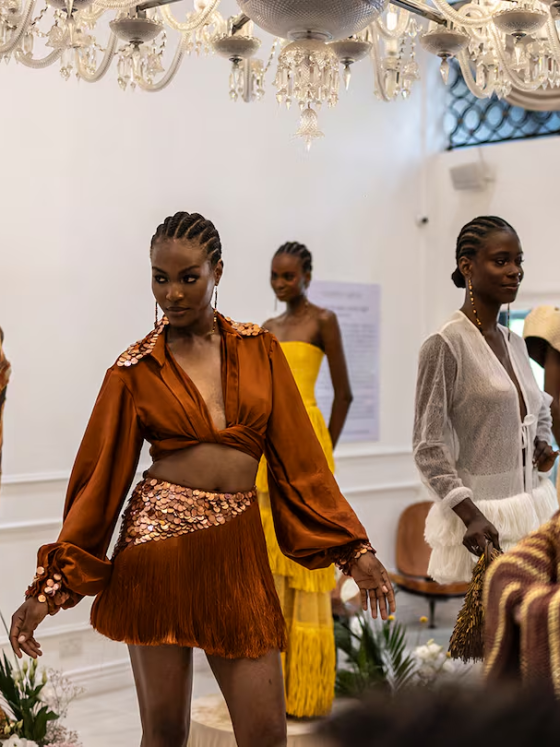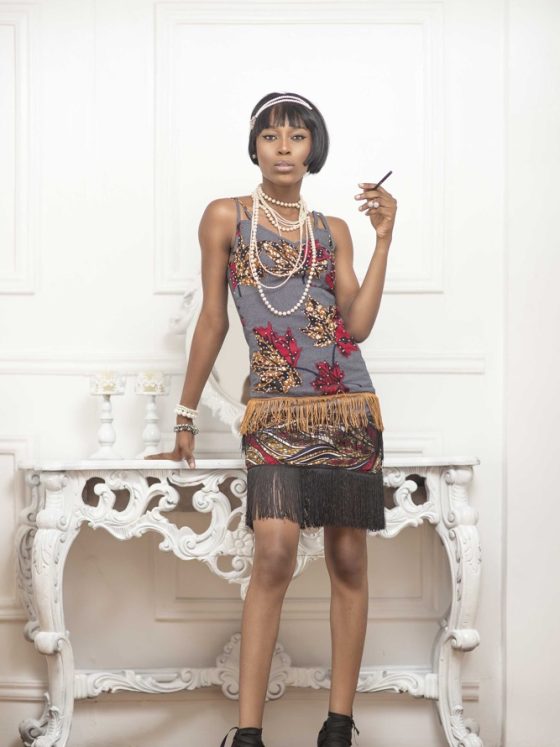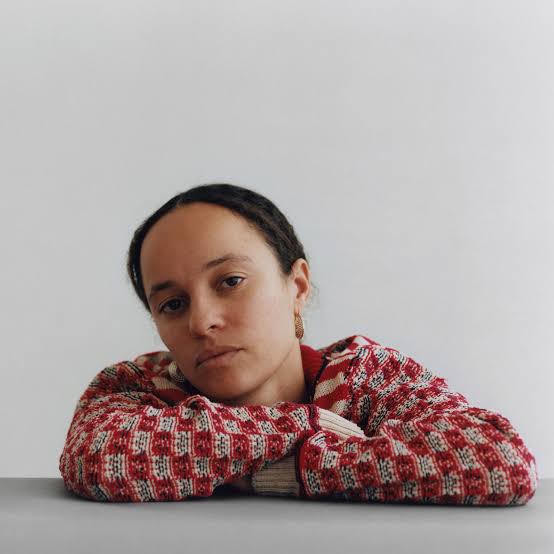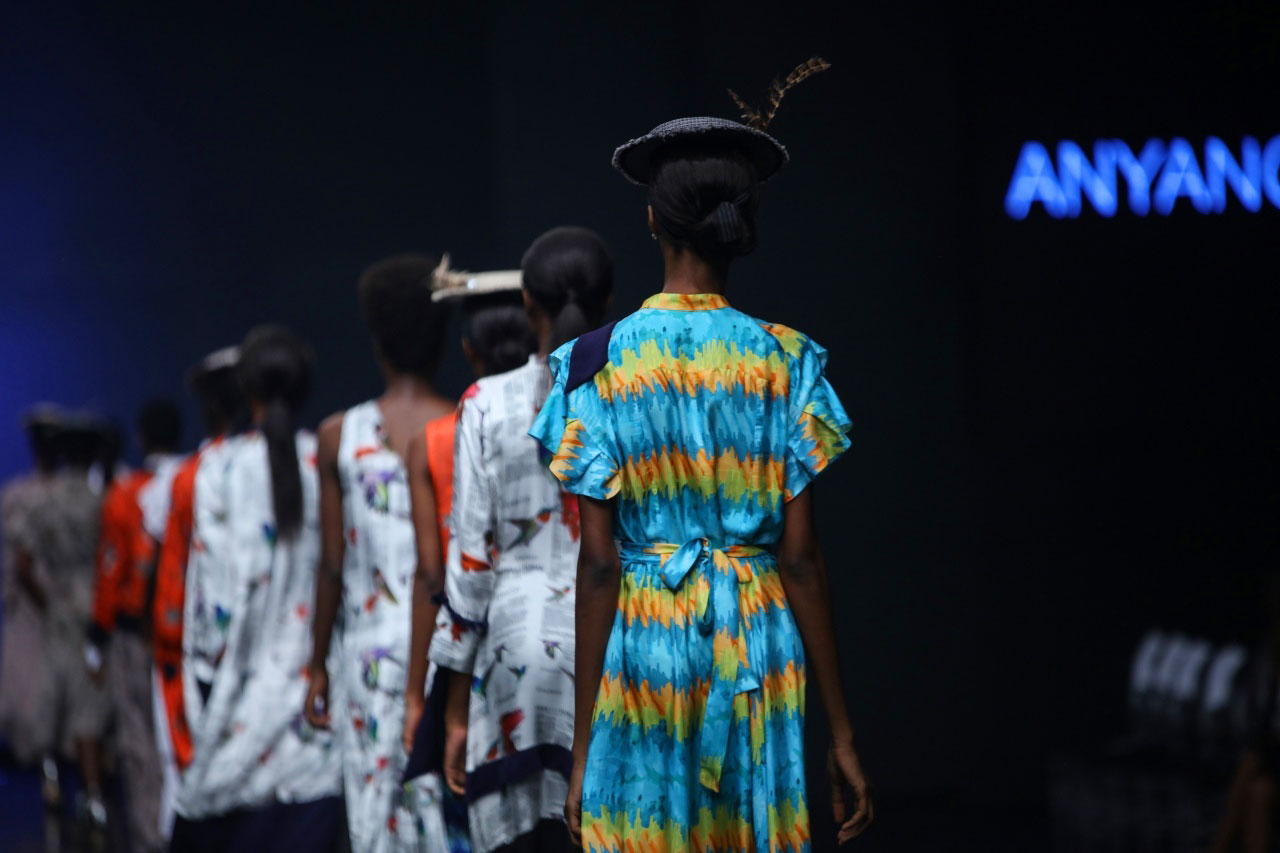
There is a specific quality to Anyango Mpinga’s work that becomes clear once you understand its origins. The soundwave dress from her 2018 Phonology series features a print made from the sound of the words “I love you,” recorded in 25 languages, 10 of them Kenyan. The idea came from a conversation about the physics of sound. It was designed, printed, and made into a garment. The dress is now part of her international exhibition record. Mpinga is a Kenyan interdisciplinary artist and designer working at the intersection of fashion, visual storytelling, and social impact. Her practice is rooted in circular design, cultural preservation, and environmental stewardship.
The Omiren Argument: Anyango Mpinga did not enter fashion through a school door or a fashion house internship. She built her practice from a media career, a pivot, and a decade of consistent work. Her label is the record of that construction, and it has been visible on international runways since 2015.
Kenyan fashion designer Anyango Mpinga did not enter fashion through a school door or a fashion house internship. She built her practice from a media career, a pivot and a decade of consistent work. This is her record.
From Media to Fashion: The Formation of a Practice
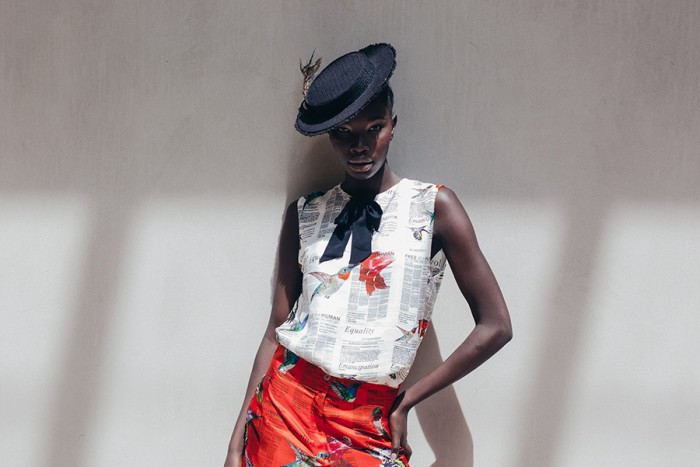
Born and raised in Nairobi to a Kenyan mother and a Tanzanian father, Mpinga graduated with a BA in Social Communication with a major in radio production. She worked in the media industry as an events and public relations manager, a product development and branding consultant, and as an on-air radio presenter. Her formal pivot into fashion came in 2010, when she served as project director for the inaugural edition of the Hub of Africa Fashion Week in Addis Ababa. She described the experience as the moment she was inspired to take her love for fashion beyond a hobby.
Back in Nairobi, she started her label Kipusa in 2011. Her vision was to build a brand synonymous with elegance, authenticity, and style. She rebranded as Anyango Mpinga in 2015, launching her eponymous luxury label and establishing a design philosophy centred on slow fashion, circular production, and cultural documentation. As a Kenyan fashion designer, she built this philosophy into a business from Nairobi outward, rather than waiting for a foreign fashion house to confer legitimacy.
Mpinga describes herself as always having been artistic, but she is precise about the difference between artistic sensibility and professional practice. She made the latter through years of building client relationships, developing bespoke print processes, and showing at a sequence of international platforms that she approached with deliberate consistency.
The International Record
Her label has shown at runways in Tokyo, Paris, New York, London, Milan, Bangkok, and Porto, among others. At Lagos Fashion Week 2018, she presented collections that reinforced her status as one of the most visible Kenyan designers on that platform. She showed work at the Hub of Africa Fashion Week in Addis Ababa, where her Broderie L’Anglais collection received prominent attention. Filmmaker Wanuri Kahiu and other international figures have worn her collections. She was one of a small number of designers included in Beyoncé’s Black Parade directory of Black-owned businesses.
At New York Fashion Week 2022, Mpinga was named a Conscious Fashion Campaign Honoree. She was featured on a Times Square billboard, one of the most visible public spaces in global fashion culture. This was not a debut. It was a culmination of over a decade of work that had already circulated internationally. Through her work as a commercial creative, she has worked with clients including Adidas, Christian Dior, Nespresso and Longchamp. This is what an international record looks like for a Kenyan fashion designer who built her own platform: multiple cities, multiple disciplines, and commissions from global brands.
Circular Fashion as a Design Philosophy, Not a Marketing Term
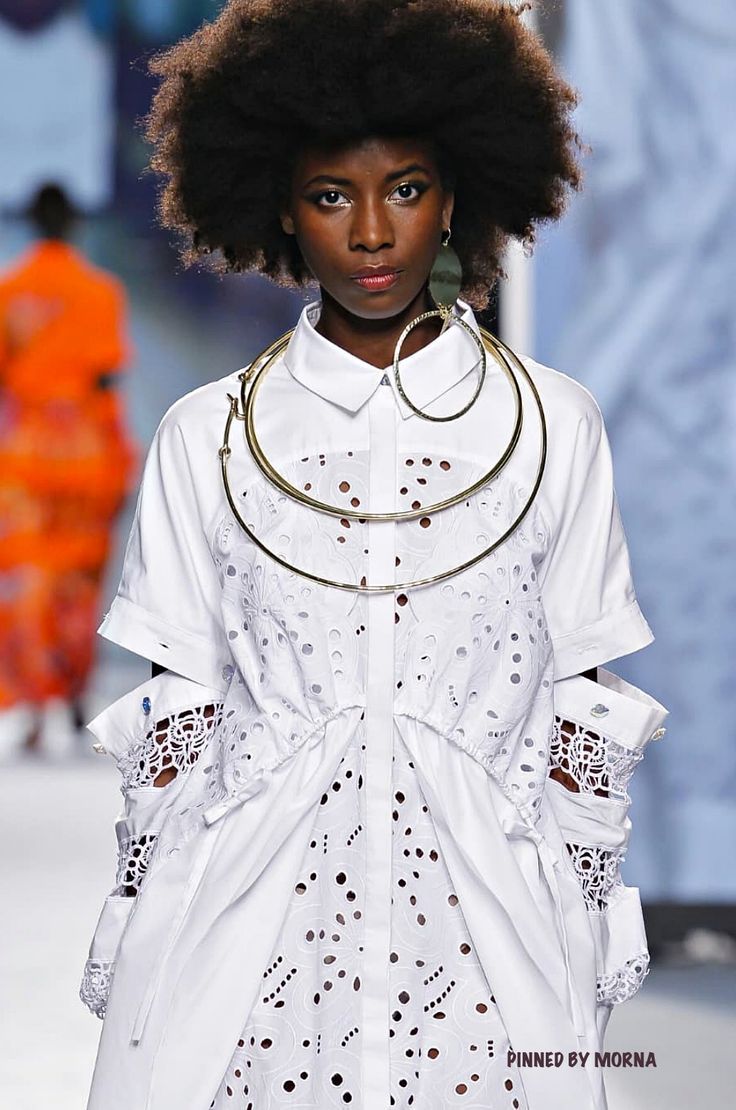
Design Indaba selected Mpinga to take part in their Colours of Africa initiative with Google Arts and Culture, in which she captured the spirit of Kenya in a colour. She was described as an eco-innovator who has embraced the principles of circular fashion to explore radical systems in textile design. In a fashion industry that uses sustainability as a marketing category, Mpinga’s position is different: she uses fashion as a tool to document culture, generate income for artisans, and argue for a production model that does not treat waste as the default.
She received the She Trades Collective (ITC Geneva) International Design Award from Luxe USA in 2016. She was nominated for designer of the year at the Kenya Fashion Awards in 2015. In 2021, she launched the Free as a Human initiative, donating proceeds from branded merchandise to HAART Kenya, a non-profit combating human trafficking in East Africa, and supporting HAART Kenya’s safe house for young women survivors of modern slavery. In her practice, fashion has always had a function beyond the garment. Her stated goal has not changed since 2011: to make work that stands for something meaningful and has a measurable positive impact on her immediate environment.
ALSO READ
- Stella Jean: The First Black Italian Designer Who Forced Milan to Look
- Lesotho’s Basotho Blanket: How a Colonial Gift Became a Symbol of Sovereignty
- Shweshwe: How South Africa’s German-Indian Fabric Became an Afrocentric Fashion Statement
The Commercial Practice and Its Influence
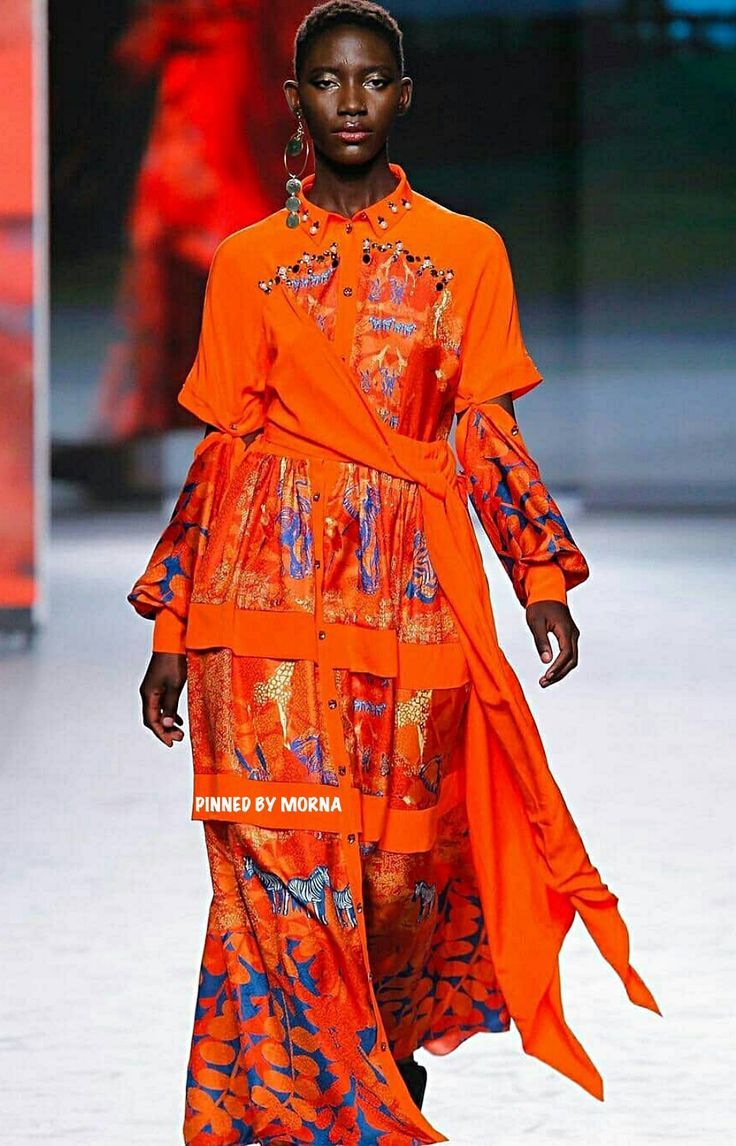
Mpinga’s commercial work runs parallel to her artistic practice. She has worked with artisans in Kenya and internationally, producing handcrafted bags through her manufacturing partnership with Luxury Leather Africa, a Nairobi-based operation founded by French master craftsman Edmond Chesneau. Her limited-edition jewellery features signature feather tassels, gold-plated pendants, and ethically sourced ostrich feathers. Her scarification-derived prints have been applied to luxurious silks, producing signature garments that simultaneously carry both cultural documentation and commercial value.
This dual-track, artistic series and commercial product is not a compromise of either. Mpinga’s commercial practice funds the material costs of her artistic work. Her artistic work establishes the cultural authority from which her commercial pieces draw meaning. The two are inseparable, and that inseparability is part of what makes her work a useful model for Kenyan fashion practitioners seeking to build sustainable businesses without abandoning creative integrity.
The international trajectory of her label demonstrates that this model works. From Kipusa in 2011 to a Times Square billboard in 2022, Mpinga built her platform through consistent output, deliberate exhibition selection, and a practice that refuses to separate the aesthetic from the ethical. That is not an easy thing to maintain across twelve years of professional work. The fact that she has done so is the most significant part of her record.
The fashion industry’s vocabulary for practitioners like Mpinga tends toward inspiration and emerging talent. Both are inadequate. She is a practitioner with a twelve-year international record, a defined commercial operation, and a precise artistic philosophy. The vocabulary that applies to her work is the same vocabulary that applies to any designer working at the same level anywhere else: she is established, she is operating at an international scale, and she is producing work that the industry has recognised with commissions, honours, and exhibition invitations from some of the most significant fashion and cultural platforms in the world for designers working at her level.
“Anyango Mpinga did not enter fashion through a school door. She built her practice in Kenya from a media career, a pivot, and a decade of consistent work. The label is the record of that construction.”
Frequently Asked Questions
Who is Anyango Mpinga?
Anyango Mpinga is a Kenyan fashion designer and interdisciplinary artist born and raised in Nairobi, with a Kenyan mother and Tanzanian father. She holds a BA in Social Communication and worked in media before pivoting to fashion. She launched her label Kipusa in 2011, rebranded as Anyango Mpinga in 2015, and has since shown internationally in Tokyo, Paris, New York, London, Milan, Bangkok, and Porto.
What is Anyango Mpinga known for?
She is known for her circular fashion practice, using recycled textiles and regenerative production techniques; her bespoke print design process, which documents cultural references through textiles; her international runway presence across multiple continents; her 2018 Phonology series including the soundwave dress printed with the phrase ‘I love you’ in 25 languages; and her NYFW 2022 recognition as a Conscious Fashion Campaign Honoree with a Times Square billboard.
Has Anyango Mpinga shown internationally?
Yes. Her label has shown at runways in Tokyo, Paris, New York, London, Milan, Bangkok, and Porto. She showed at Lagos Fashion Week 2018. She was honoured at New York Fashion Week 2022. She showed at the Hub of Africa Fashion Week in Addis Ababa. She was included in Beyoncé’s Black Parade directory. These milestones position her among the most internationally visible Kenyan fashion designers of her generation.
What is circular fashion, and how does Anyango Mpinga practise it?
Circular fashion describes a production model that eliminates waste by keeping materials in use through recycling, upcycling, and regenerative manufacturing. Mpinga applies these principles by using recycled textiles and upcycled materials, designing for longevity rather than seasonal trend cycles, and generating income for artisans rather than industrial manufacturers. Design Indaba described her as an eco-innovator exploring radical systems in textile design.
What awards has Anyango Mpinga received?
She received the She Trades Collective (ITC Geneva) International Design Award from Luxe USA in 2016. She was nominated for designer of the year at the Kenya Fashion Awards in 2015. At NYFW 2022, she was a Conscious Fashion Campaign Honoree. Design Indaba selected her for its Colours of Africa initiative in partnership with Google Arts and Culture.
Explore more from our Directory, where Africa’s most significant fashion practitioners are documented with precision.