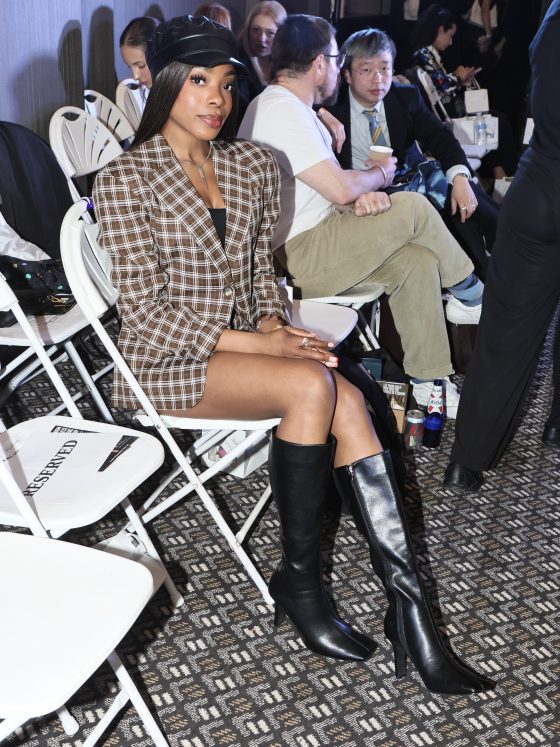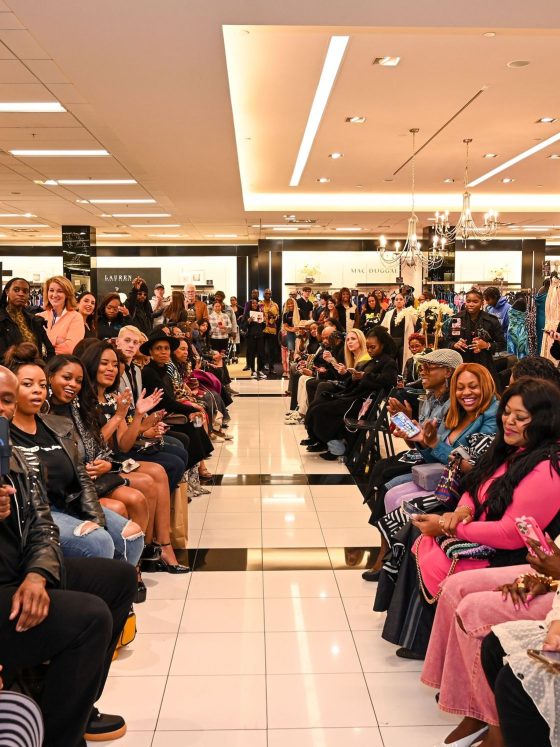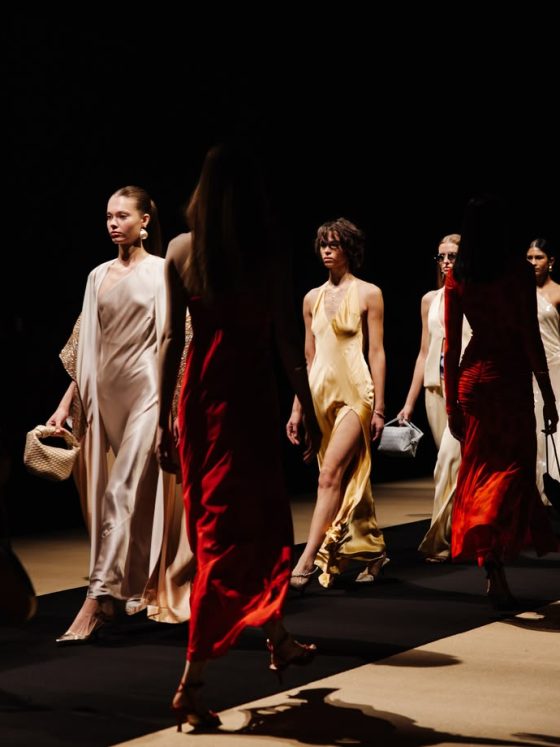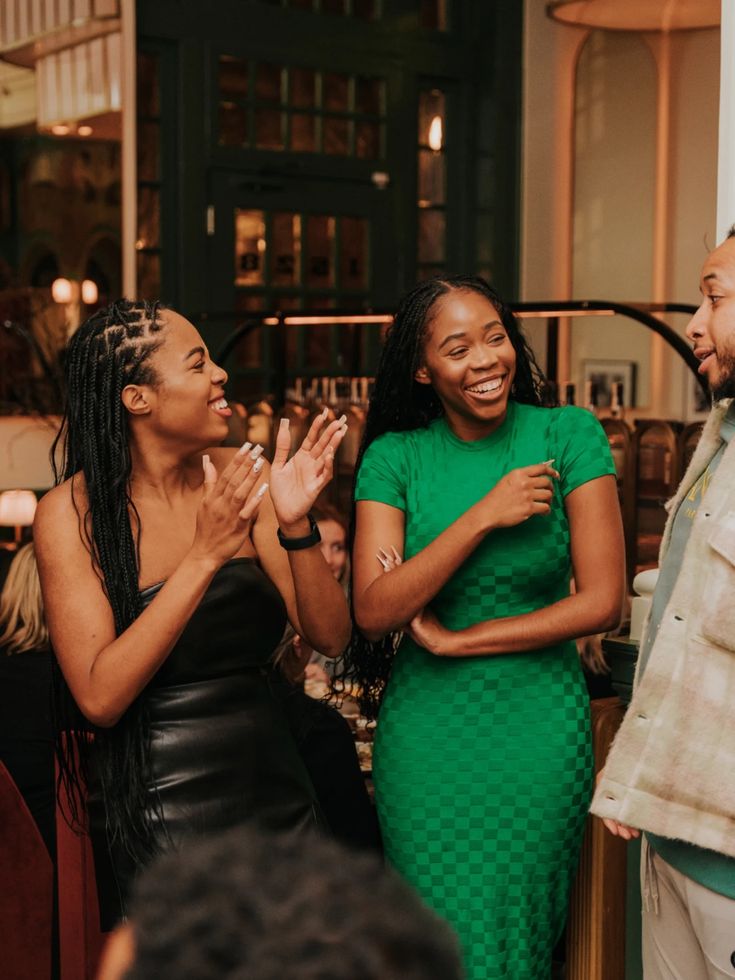
An event is neither a business moment nor a relationship-building tool. It is both simultaneously, and the brands that extract maximum value from events are the ones designed for both functions from the start.
The mistake is treating them as separate agendas: commercial conversations happen in one part of the event, community-building in another, and the two are planned independently. In practice, the most commercially productive events are ones where the relational environment is designed well enough that commercial conversations feel like a natural extension of the relationship. And the most durable relational outcomes are produced in events where there is a clear commercial reason for the right people to be in the room together.
Both functions reinforce each other when designed together. When planned separately, each weakens the other.
How African and diaspora fashion brands design events that produce both commercial outcomes and lasting relationships simultaneously: the planning logic, structure, and follow-up that make both possible.
Why Business and Relationships Cannot Be Separated in Fashion Events
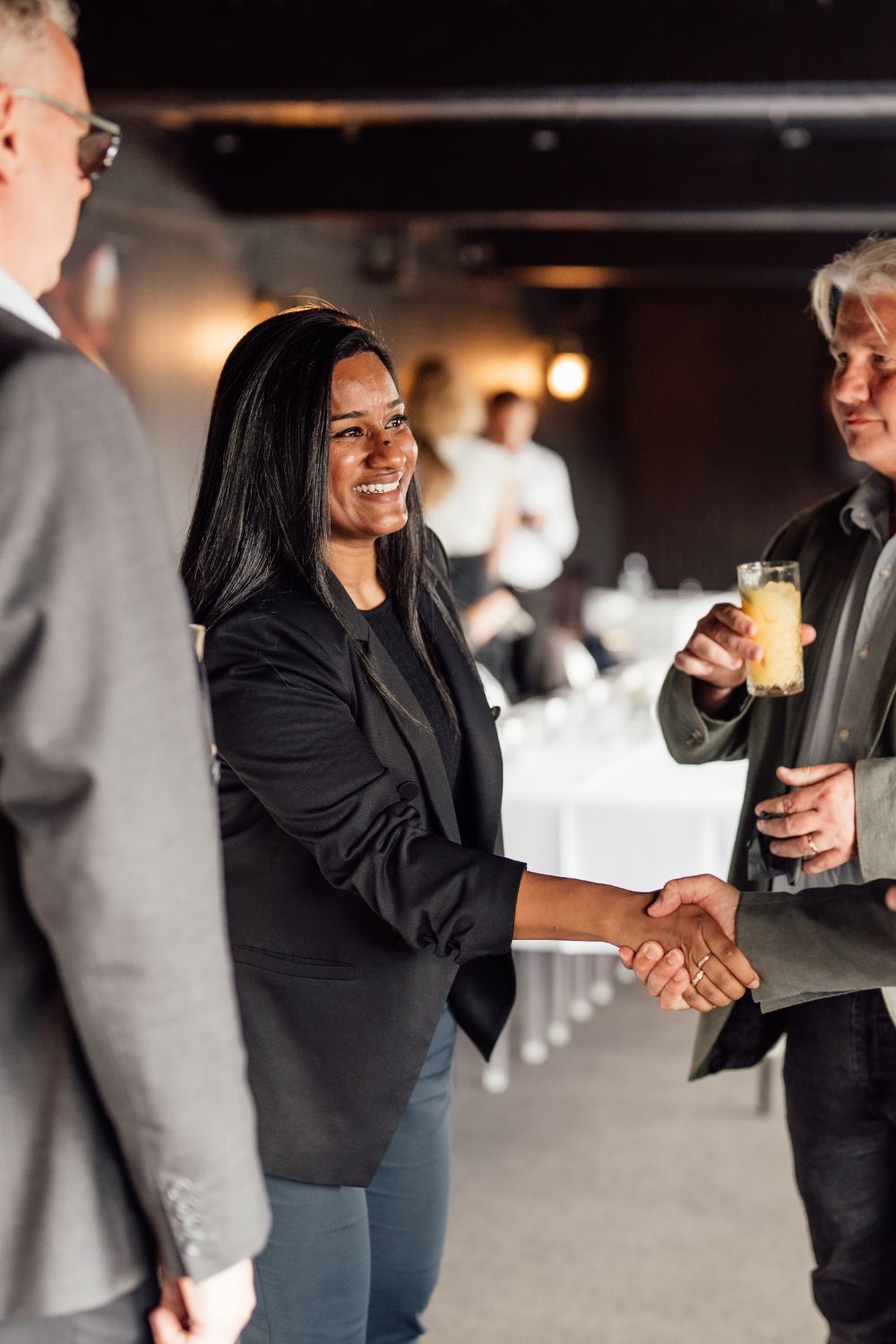
A faA purely commercial fashion event, every element is designed to produce an immediate transaction, but it does not produce the kind of relationship that sustains commercial partnerships over time. The buyer who attends a trade-show-style event where they feel managed toward a sale leaves with a commercial impression rather than a relational one.
A purely relational fashion event, where the atmosphere and experience are excellent, but there is no structure for commercial conversations, produces an enjoyable evening, but no commercial traction. The buyer who has a wonderful time but never has a substantive conversation about the collection leaves with a positive impression that does not translate into a stocking decision.
The integration works because the best commercial outcomes in fashion are almost always relational rather than transactional. A buyer who has met the founder, understands the brand’s creative logic, and feels personally connected to what the brand is building is a buyer who makes a commercial commitment that a buyer who received a PDF lookbook cannot replicate.
The commercial outcome is not competing for the same space in that event. They are produced by the same environment and designed correctly.
This means the event planning is not about whether to prioritise commercial or educational ones. The question is how to design an event in which the relational environment makes commercial conversations feel natural, and the commercial structure gives the right people a reason to be in the room and a clear path to the outcomes the brand needs.
What Integration Looks Like: An Accra Scenario
A Ghanaian womenswear brand is twelve months into its second collection cycle. The founding team has identified three commercial priorities: a retail partnership with a respected Accra boutique, a feature in an established pan-African fashion publication, and a collaboration with a textile producer whose fabrics would strengthen the next collection.
Rather than pursuing each through separate outreach, they design a single event to advance all three simultaneously.
The guest list is an integration tool.
The guest list is built around the three priorities. The boutique buyer is invited with a special note from the founder that references the boutique’s aesthetic and explains why the collection belongs there. The publication’s fashion editor is invited to write about the collection’s cultural argument, framed as a story rather than a product pitch. The textile producer is invited as a creative collaborator, not a vendor.
The remaining twenty guests are drawn from the creative community: photographers, stylists, and designers whose presence signals the brand’s position within the Accra creative ecosystem and whose attendance makes the evening feel like a cultural moment rather than a sales event.
The event structure as a version mechanism
The event opens with the collection displayed in the space —no, the founder circulates. Forty-five minutes in, a short conversation with the textile producer is scheduled: the founder shows two pieces from the current collection and explains the direction she wants the next one to take. The textile producer responds with questions. A follow-up meeting is agreed upon before the evening ends.
The boutique buyer spends twent20tes with the collection, handling pieces, asking about construction and pricing. A team member with commercial authority is present for the conversation. By the end of the evening, the buyer had asked for a formal proposal.
The press editor has taken photographs of three specific looks and has spoken to the founder for fifteen minutes about the collection’s relationship to contemporary Ghanaian professional culture. She leaves with a press pack and a follow-up email in her inbox the following morning.
Three commercial priorities. One event. All three advanced because the event was designed for both business and relationships simultaneously.
Designing for Commercial Outcomes
Commercial outcomes do not happen at events by accident. They are produced by specific design decisions that create the conditions for commercial conversations to begin and progress.
Commercial clarity in the guest list
Every guest on the list with commercial potential needs a specific commercial reason to be there and a specific commercial conversation the event is designed to facilitate. A buyer invited to a general brand event may or may not engage commercially. A buyer invited with a personal note that references a specific reason the collection is relevant to their market is a buyer who arrives with a commercial frame already in place.
This specificity is not aggressive. It is respectful: the buyer knows why they are there, understands what the brand is hoping to discuss, and can choose to engage or not engage on theirn their own terms. The commercial conversation that follows from this foundation is more productive than one that emerges from a general social situation.
Structuring commercial access
The run of show needs to create the conditions for commercial conversations without forcing them. This means building time into the event when the brand’s commercial team is available and identifiable, when the collection is accessible for close examination, and when the room’s energy is calm enough for a substantive conversation to develop. The most common structural failure is front-loading all the energy into the opening and leaving no space for commercial conversations to develop. A run of show that peaks too early leaves the second half of the event with dissipating energy and no mechanism for the commercial conversations the event was designed to produce.
The commercial follow-up plan
Every commercial conversation that begins at an event needs a next step agreed upon before the guest leaves the room. Not a vague follow-up, a specific action: a meeting request, a proposal to be sent, a sample to be delivered.
The commercial follow-up plan should be prepared before the event. Who is responsible for following up with each commercial priority guest? By when? With what material? The brands that convert the highest proportion of event conversations into commercial outcomes are the ones that treat follow-up as a production task assigned in the pre-production phase, rather than as an ask arising after the event.
Designing for Relational Outcomes
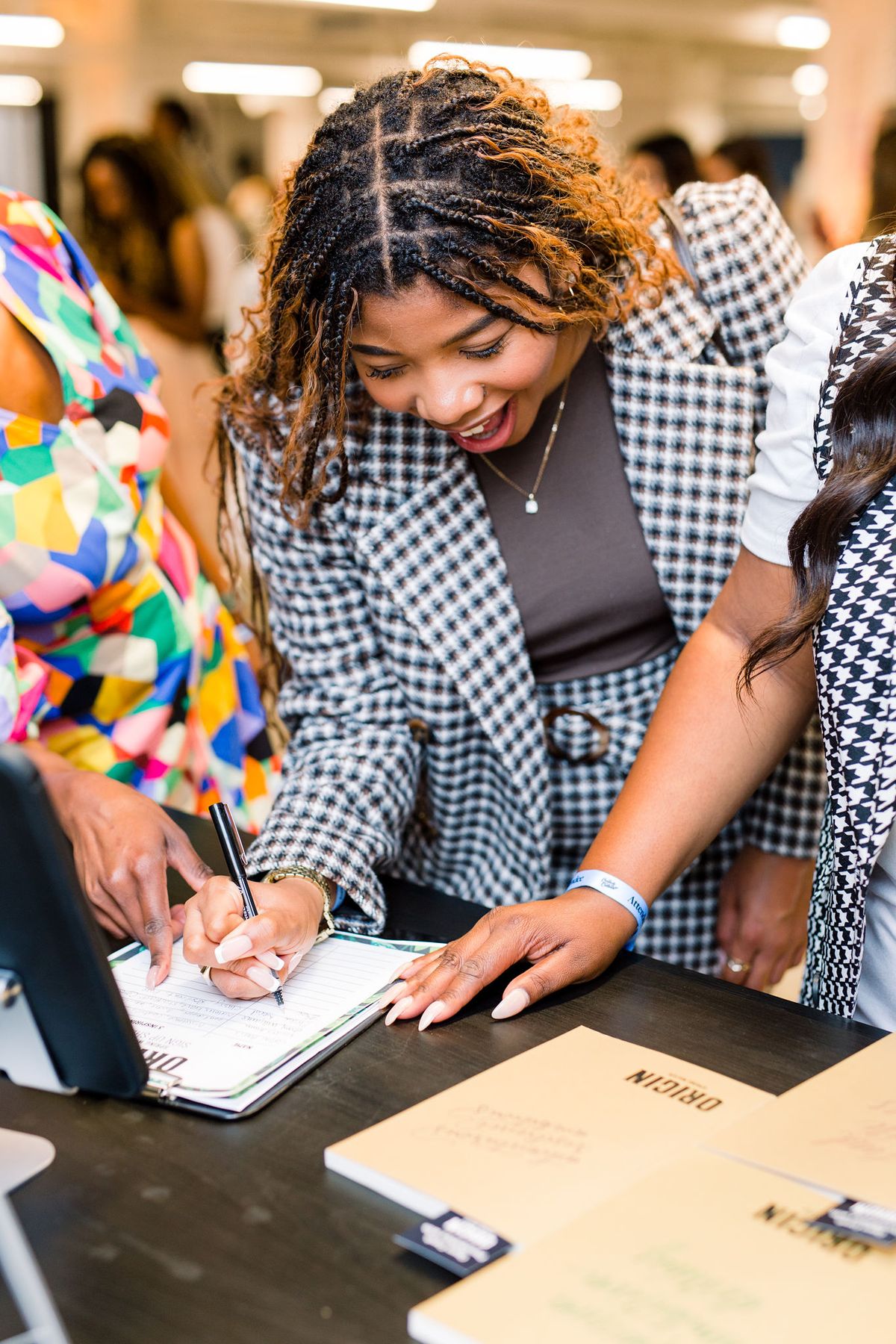
The quality of the experience produces relational outcomes, as a guest leaves with the sense that the brand knows what it is, cares about who it invites, and creates environments where interesting people can meet each other rather than simply encounter the brand.
The hosting logic
The brand founder or creative director’s primary role at a launch or showcase event is not to present the brand to guests. It is to connect guests to eao the brand in ways that feel genuinely considered rather than managed.
A founder who spends the entire event on the collection, directing every conversation toward the garments and the commercial proposition, is functioning as a salesperson rather than a host. A founder who introduces the boutique buyer to the textile producer because both are interested in contemporary Ghanaian craft is creating a relational moment that neither party would have generated independently. Hosting is the most underinvested element in most fashion events. It requires the host to know enough about every guest to make at least one meaningful introduction, which means the guest list needs to be studied before the event, not just assembled.
The environment as a relational signal
The physical environment communicates the brand’s relational intelligence before any conversation begins. A space that feels considered, that n for specific reasons to the brand’s aesthetic and cultural position, communicates that the brand approaches its relationships with the same care it applies to its creative work.
The details that produce this impression are often small: the specific quality of the catering, the music that reflects the brand’s cultural positioning, the arrangement of the space that makes conversation feel natural rather than forced. None of these is expensive. All of them are deliberate.
For African fashion brands whose events take place in Lagos, Accra, Nairobi, or in diaspora cities, the environment is an opportunity to make a specific cultural statement. A space that reflects the brand’s relationship to the city it operates in, that draws on the specific architectural and cultural registers of African urban environments, communicates a sense of cultural ownership that a generic event space cannot. That ownership is itself a relational signal: the brand belongs here, knows this place, and is at home in it.
Creating space for relationships to form
The most valuable relational outcomes at a fashion event are often not the ones between the brand and its guests. They are the ones between guests: the creative collaborations, the commercial partnerships, and the community connections that the brand facilitated by assembling the right people in the right room.
A brand that hosts events where interesting people meet each other builds loyalty and advocacy through the relational value it creates rather than through its own marketing. This is one of the most powerful and least discussed functions of African fashion events: the brand as community convener.
The most durable commercial relationships in fashion begin as relational ones. The event is where that beginning happens most efficiently.
ALSO READ
- How Fashion Events Are Produced from the Guest List to the Final Run of Show
- What Organisers Need to Think About When Hosting a Fashion Launch or Showcase
- Why African Fashion Brands Fail After Year Three
- What the Numbers Say About Lagos, Accra, and Nairobi as Fashion Business Cities
How Commercial and Relational Planning Reinforce Each Other
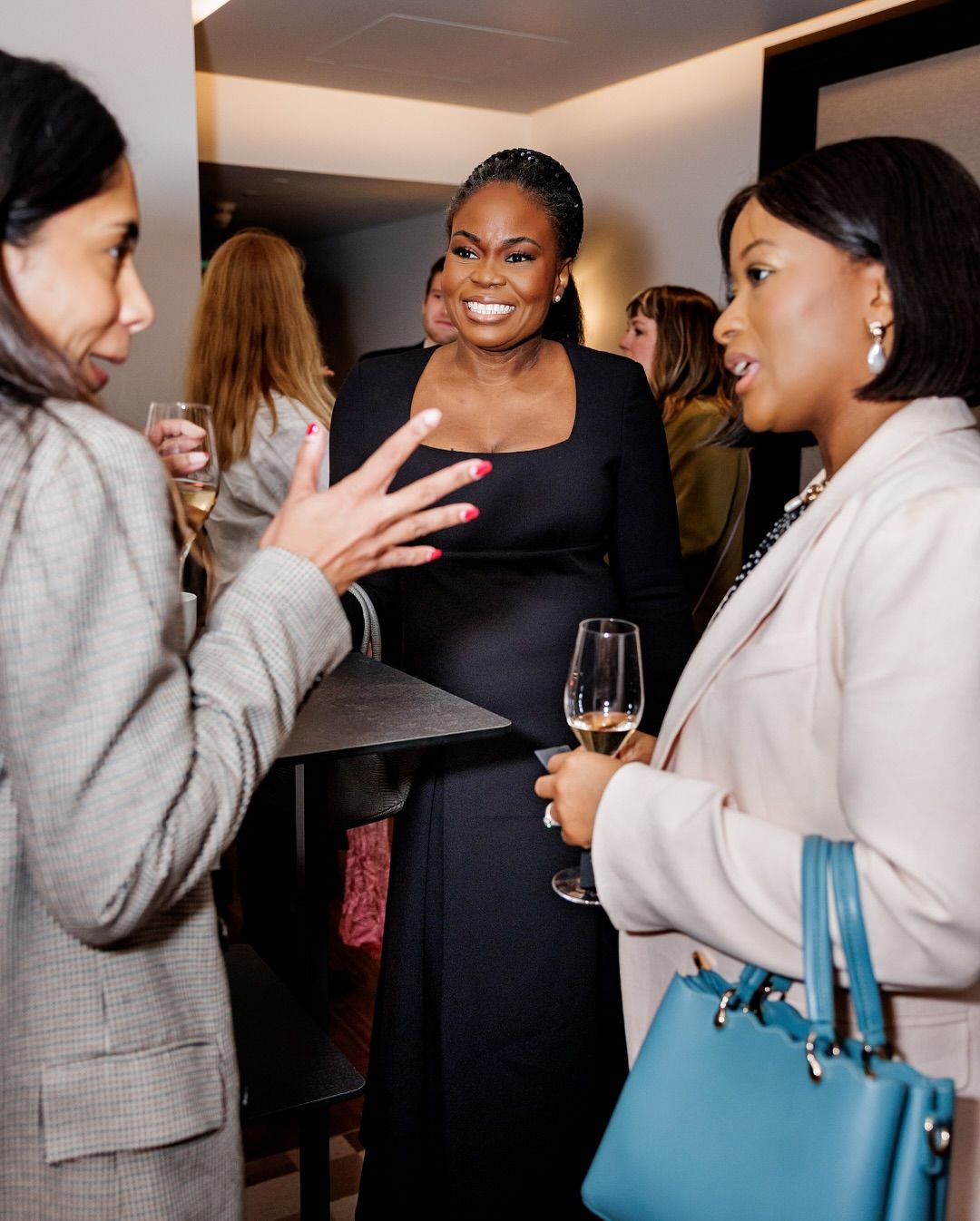
When commercial and relational planning are integrated, each strengthens the other in specific ways.
The relational environment makes commercial conversations feel natural.
A buyer who has had a genuine conversation with the brand founder, has met two or three other interesting people through the founder’s introductions, and has spent time in an environment that communicates the brand’s cultural intelligence does not feel like they are being asked to make a commercial decision. They feel like they are choosing to be part of something.
That emotional state produces more commercial conversations than any formal pitch environment can prod the buyer to evaluate the brand. They are deciding whether they want a relationship with it. The collection is the evidence that the relationship would be worth having.
Commercial structure gives the relational environment purpose
A purely social event without a commercial structure produces an enjoyable evening for the brand’s existing community. It does not expand the brand’s commercial relationships or bring new people into the community.
The commercial structure, the specific guest list of buyers and press, the run of show designed to facilitate commercial conversations, and the follow-up plan give the relational environment a purpose beyond itself. The community is gathering for a reason. The brand is doing something with the relationships it is building. That purposefulness is itself attractive to the creative and commercial community the brand is trying to build.
Long-term relationship architecture
The brands that build the most durable commercial relationships through events are the ones that treat each event as one moment in a longer relational sequence rather than a standalone commercial effort. Each event deepens an existing relationship or begins a new one. The follow-up extends it. The next event deepens it further.
This relational architecture is what separates African fashion brands that sustain commercial growth from those that produce strong individual events without converting them into lasting business infrastructure. The event is not the end of the commercial relationship. It is the most efficient beginning of one.
What an Integrated Event Produces
An event designed for both business and relationship simultaneously produces outcomes that no purely commercial or purely social event can replicate: commercial conversations that feel like the natural expression of a genuine relationship, and relational connections that are grounded in a specific commercial and cultural moment.
For African fashion brands at the growth stage, this integration is not a luxury. It is the most efficient use of the available production investment. A well-designed event can advance commercial partnerships, build press relationships, create community connections, and generate the kind of word-of-mouth advocacy that no marketing budget can purchase.
The brands that understand this do not ask whether their event should be a business moment or a relationship-building tool. They ask how to design it so that the business and the relationship are inseparable: two outcomes produced by one coherent evening.
An event that is both a business moment and a relationship-building tool is not twice as complicated to produce. It is simply designed from the beginning with both outcomes in mind.
FAQs
How do fashion brands balance commercial and social objectives at the same event?
By designing for both from the start, rather than treating them as competing agendas. The commercial objectives determine who needs to be in the room and what conversations need to happen. The relational objectives determine how the environment feels, how guests are introduced to each other, and what kind of experience the brand creates. The two are not in tension: a well-designed relational environment makes commercial conversations feel natural, and a clear commercial structure gives the relational environment a purpose that makes it more compelling to attend. The practical tool is the guest list: every name should represent either a specific commercial priority or a specific relational contribution, and ideally both.
What makes a fashion event commercially effective rather than just enjoyable?
Three things: commercial clarity in the guest list, structured access to commercial conversations during the event, and a specific follow-up plan assigned before the event ends. A guest list without commercial purpose produces social energy without commercial traction. A run of show that does not create space for substantive commercial conversations means those conversations happen by accident or not at all. A follow-up plan assembled after the event loses the energroom’s energy brands that convert the highest proportion of event attendance into commercial outcomes. Plan all three in the pre-production phase, treating commercial conversion as a production objective rather than a hoped-for outcome.
How does a brand founder’s role at an event differ from a general hosting role?
The founder’s most valuable function at a fashion event is not presenting the brand to guests but connecting guests in ways that feel genuinely considered. This requires knowing enough about each priority guest to make at least one meaningful introduction during the evening. A founder who introduces the boutique buyer to the textile producer because both care about contemporary craft is creating a relational moment that neither would have generated independently and that both will remember in connection with the brand. This kind of facilitated introduction is one of the most powerful things a founder can do at an event, and it requires studying the guest list before doors open.
What is the role of post-event follow-up in relationship building?
Post-event follow-up is where most of the commercial and relational value of an event is either realised or lost. The conversations that begin in the room need a next step to become relationships: a meeting request, a proposal, a sample delivery, or a specific collaboration proposal. The follow-up is most effective when it is specific to the conversation that happened, sent within forty-eight hours, and assigned to a named team member before the event ends. A brand that follows up within forty-eight hours with a specific reference to the evening’s conversation is demonstrating the same relational intelligence it demonstrated in the room. A brand that follows up two weeks later with a generic email is not.
How do African fashion brands build community through events over time?
By treating each event as one moment in a longer relational sequence rather than a standalone effort. The community builds when the same people encounter each other across multiple events, when new people are brought in through introductions from existing community members, and when the brand is known for events where interesting things happen. Interesting people meet each brand that is known as a community convener, which creates the conditions for its creative and commercial community to encounter each other in a context the brand controls, builds loyalty and advocacy that no marketing budget can replicate. This reputation is built one event at a time, and it compounds.
CONTINUE READING