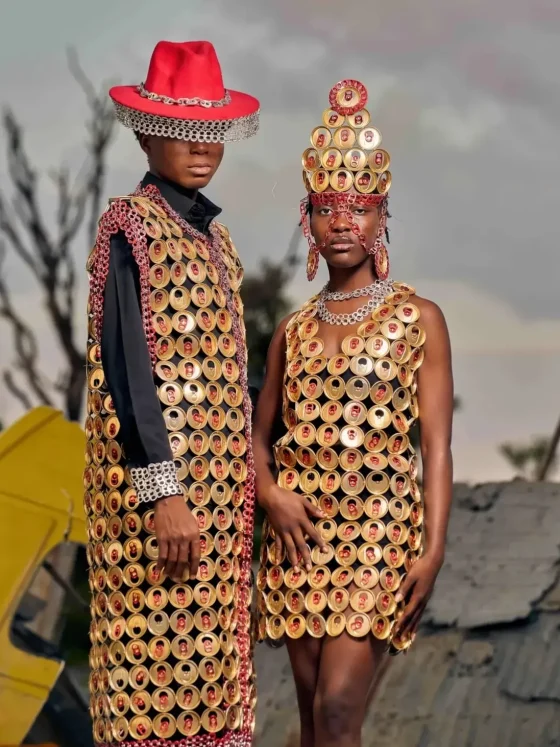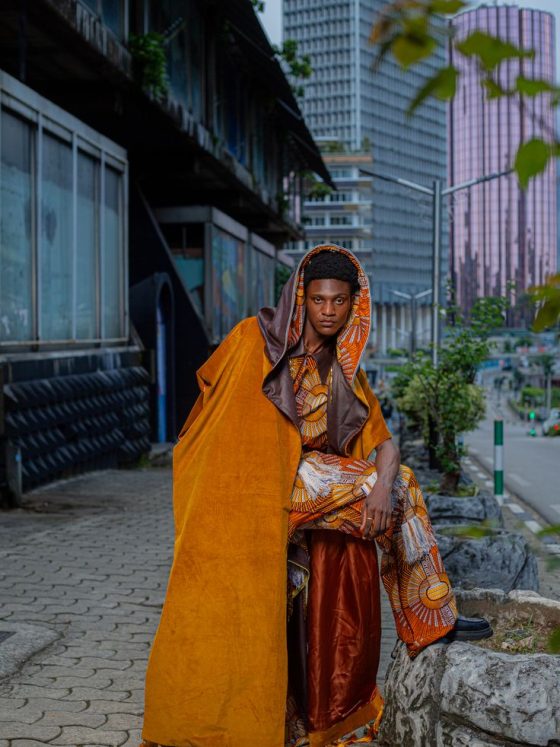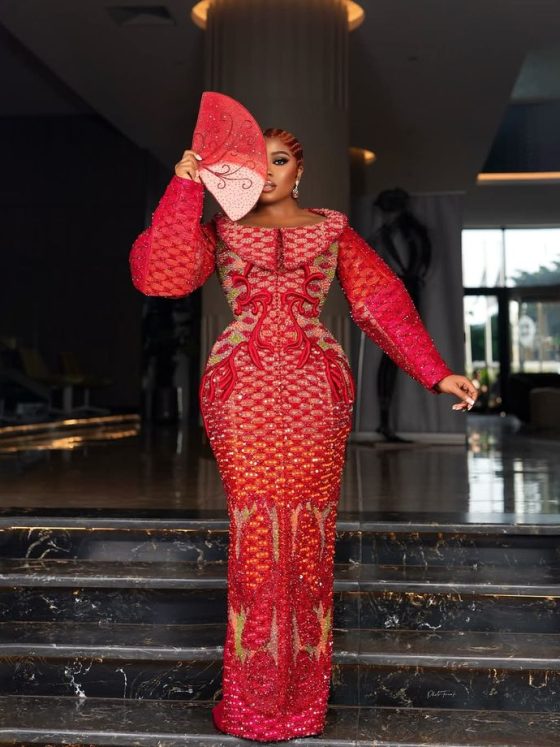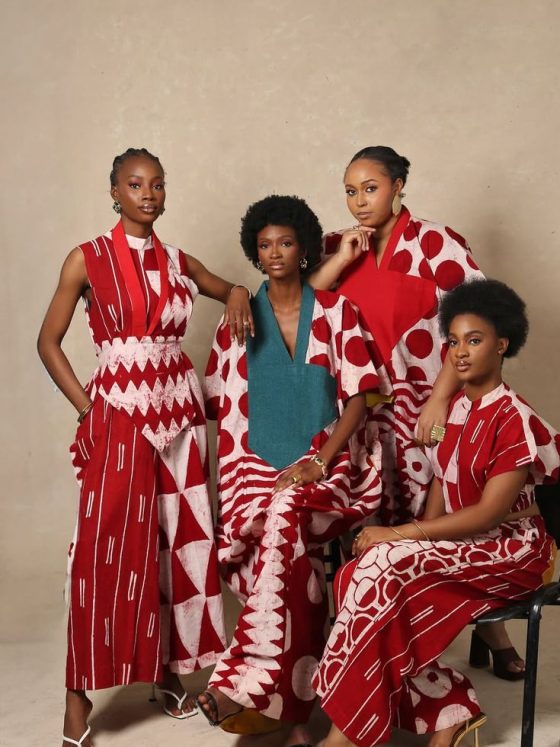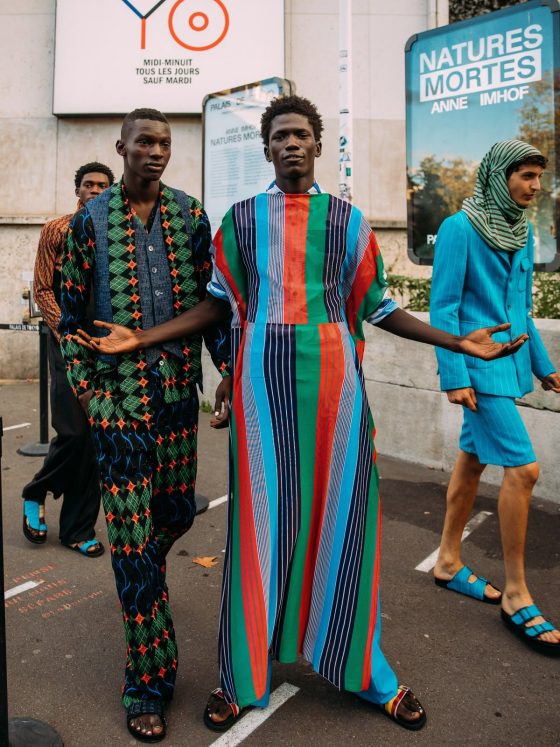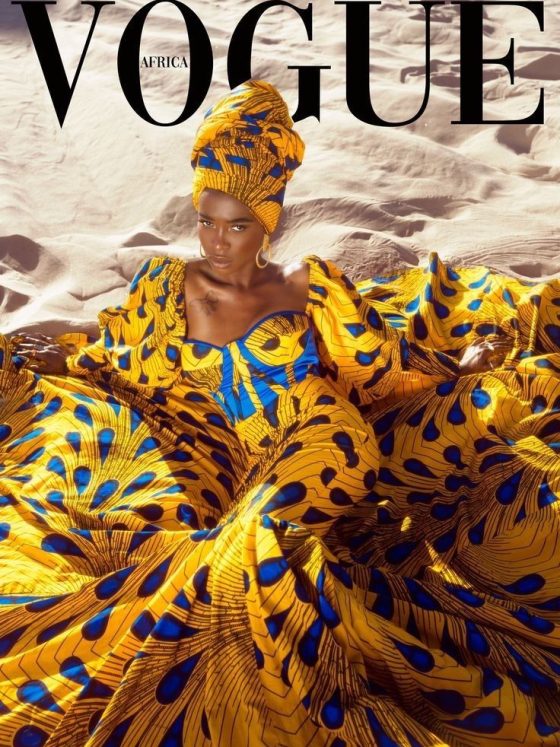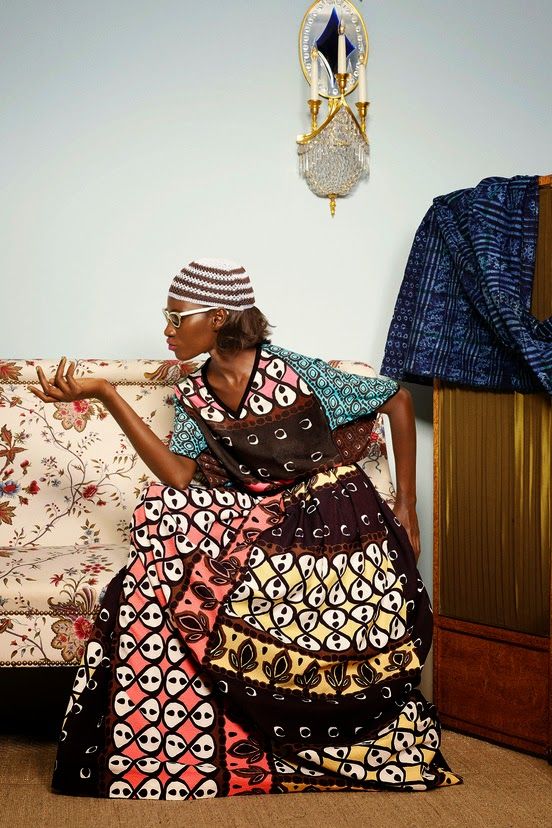
Imane Ayissi is a Cameroonian couturier based in Paris. He is the first sub-Saharan African designer to be invited onto the official Paris Haute Couture Week calendar, an institutional validation that the global fashion press treats as the highest possible mark of luxury legitimacy. His collections use Cameroonian and Central African textiles, including kaba, raffia, and wax print, translated into the architectural silhouettes and handwork standards that Haute Couture requires. He has been on the Paris Haute Couture calendar since 2020. He is rarely discussed in the same editorial conversations as the European and American designers who occupy the same institutional space. The silence is not due to the work not qualifying. The work has already been qualified. The silence is structural.
Africa’s fashion exports exceed $15 billion per year. The continent’s luxury sector was valued at $5.9 billion as far back as 2016. The emerging market bloc of Africa, the Middle East, Latin America, Southeast Asia, and India has collectively reached a market value of €45 billion, matching mainland China in scale. South Africa’s apparel market alone is worth more than £8.6 billion. The high-net-worth individual population on the continent was projected to grow by 36% between 2016 and 2026. These are not numbers that belong to an industry the global luxury press should be covering intermittently, in discovery cycles, with the same vocabulary it uses for emerging markets. They are numbers that describe an established luxury economy. The silence surrounding African luxury is disproportionate to the market. It is proportionate to a set of assumptions about where luxury is supposed to come from.
Africa has a luxury fashion market worth billions, Paris Haute Couture designers, and brands at Galeries Lafayette. The global press still treats it as an emerging story.
African Luxury Fashion: What Is Being Produced and Where
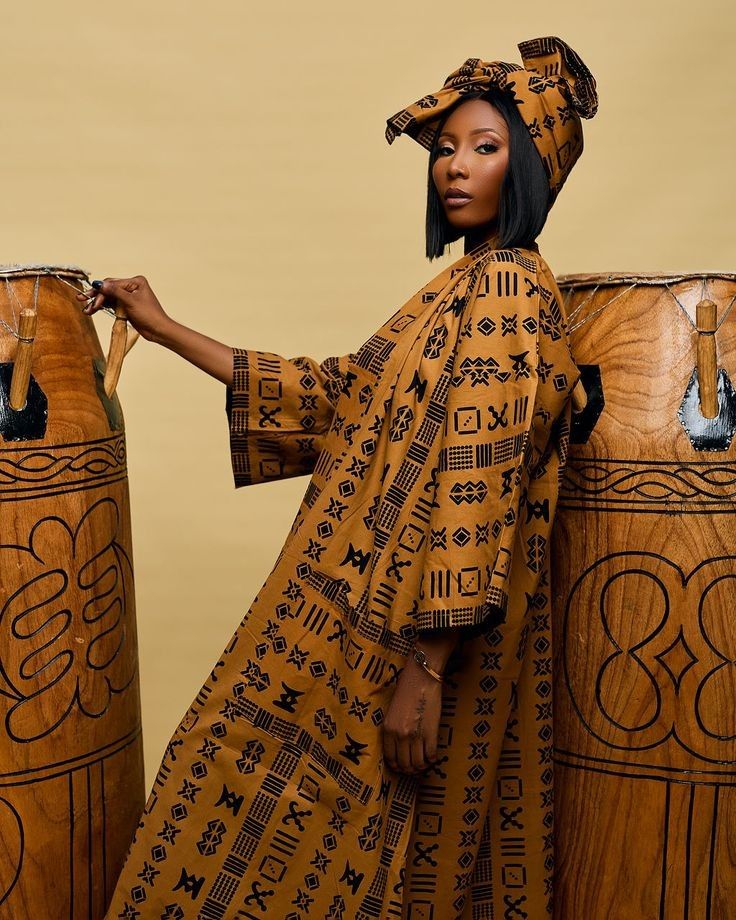
The South African luxury fashion landscape is among the most developed on the continent and the most consistently underreported by global fashion press. Thebe Magugu, who launched his Johannesburg label in 2016, builds collections that fuse South African cultural history with rigorous tailoring, producing work that has been collected by international museums, worn on global red carpets, and stocked in major international retailers. His stated vision, to create a local African legacy brand based in South Africa, is the luxury positioning statement of any serious fashion house. His collaboration with the Mount Nelson Belmond Hotel in Cape Town placed the brand at the intersection of African heritage craft and international luxury hospitality. His partnership with (RED) for an AIDS research campaign demonstrated the institutional reach that luxury brand authority enables. As Omiren Styles has documented, African luxury is not imported. It is inherited, and Magugu’s practice is the clearest current demonstration of what that inheritance looks like at the level of genuine institutional luxury output.
Lukhanyo Mdingi, based in Cape Town, produces what the Luxury Tribune described as slow, considered design, favouring minimalism, tailoring, and a deep reverence for artisanal heritage. His collections incorporate handwoven textiles created by artisans in remote communities, ensuring that traditional African techniques are preserved while meeting the production standards required by international luxury buyers. Since winning the LVMH Karl Lagerfeld Prize in 2021, the brand has shown at Paris Fashion Week on the official schedule. The prize money funded the infrastructure investment required by artisanal production at that level. It did not change what the brand was. It changed who was paying attention.
Rich Mnisi, founded in Johannesburg in 2015, operates at the intersection of contemporary luxury fashion, cultural storytelling, and multi-disciplinary creative practice. The brand channels film, music, art, and nature into its design process, positioning itself as a luxury brand whose reference points are as culturally specific as those of any European maison with a comparable heritage argument. In West Africa, Christie Brown, founded in Accra in 2008 by Aisha Ayensu, has demonstrated over the past 15 years that a luxury womenswear brand built on Ghanaian textiles and craftsmanship can achieve the kind of celebrity dressing and international editorial presence that the global luxury press uses to define commercial relevance. Beyoncé has worn Christie Brown. That is not a fact that belongs in an emerging market profile.
In Morocco, Zyne, founded by Zineb Britel and Laura Pujol, both with career histories at Christian Dior and Christian Louboutin, is bringing the traditional Moroccan babouche into luxury footwear at the production and price points typically associated with European luxury footwear. The brand’s founders did not bring luxury craftsmanship from Paris to Morocco. They took luxury craftsmanship from Morocco and raised production standards to the European market’s reference point. The direction of knowledge transfer is not what the global luxury narrative assumes.
The Press Gap: What Is Being Covered and What Is Not
The global luxury fashion press operates on a coverage model built around a small number of cities, institutions, and price points. Paris Haute Couture Week is the most prestigious institutional event on the calendar. Imane Ayissi has been on it since 2020. The major international luxury fashion publications that cover every other Haute Couture house in detail have not accorded the only sub-Saharan African designer on that calendar equivalent critical attention. The coverage he receives is proportionate to a discovery story rather than to an institutional presence.
The discovery story format, as Omiren Styles has argued in the context of the one-to-watch problem, presents designers to an audience that is encountering them for the first time. It is structurally incapable of producing the kind of sustained critical engagement that the luxury press provides to the European and American brands it has covered for decades. A publication that has been writing about a Parisian couture house for forty years brings accumulated institutional knowledge to its coverage. A publication that writes about Imane Ayissi for the first time in 2026 is producing discovery journalism, regardless of how well-executed that journalism is. The accumulated knowledge gap is the structural problem that one-off features cannot resolve.
The Galeries Lafayette pop-up in June 2025, featuring Thebe Magugu, Lukhanyo Mdingi, and Tokyo James, is the most significant single retail event in recent African luxury fashion history because it placed African designers in the commercial space that global luxury buyers recognise as legitimate. Galeries Lafayette is not a discovery platform. It is a luxury retail institution. The brands it selected for the pop-up were not emerging. They were established. The press coverage of the event was disproportionate to what it represented: three African luxury brands in one of the world’s most commercially significant luxury retail environments, supported by an institutional partnership. Omiren Styles’ analysis of the African fashion week circuit has established that the continent’s fashion infrastructure problem is primarily institutional rather than creative. The Galeries Lafayette pop-up is the creative side, demonstrating that it has outpaced the institutional side’s ability to communicate what it is producing.
African luxury exists at every price point the global luxury industry recognises as legitimate. The silence surrounding it does not reflect what African designers are producing. It is a reflection of who controls the narrative of what counts as luxury.
The Consumer Side: Who Is Buying African Luxury and What They Are Being Offered
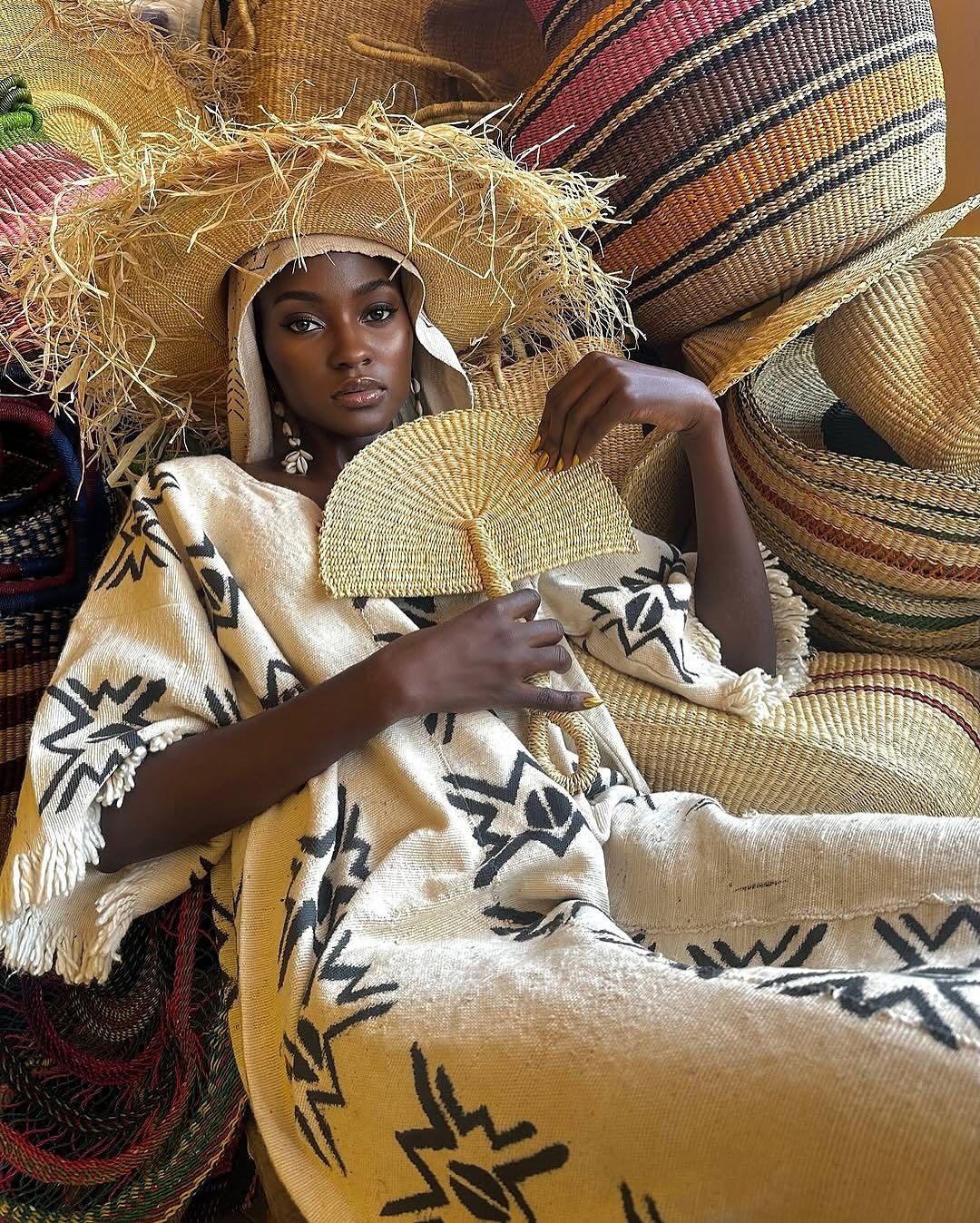
The African high-net-worth individual market is not a projection. It is a documented, growing, and increasingly sophisticated luxury consumer base that international luxury brands have been competing to serve for over a decade. The AfrAsia Bank Africa Wealth Report has consistently documented the continent’s dollar-millionaire population and its growth trajectory. The luxury goods market in South Africa alone recorded its highest growth rate in 2023 at 6%, according to Euromonitor International. Nigerian high-net-worth individuals have driven the Lagos luxury retail ecosystem that Alara, the country’s most significant luxury concept store, has anchored since its 2014 launch.
What the global luxury industry is offering this consumer base is primarily European and American products, sold through brand narratives that position the African consumer as a buyer of luxury rather than a producer of it. The luxury hotels, the premium automotive brands, the European fashion houses that have opened flagship operations in Johannesburg, Lagos, and Nairobi are doing so because the wealth exists. The cultural economy, design intelligence, and craft heritage that would allow African luxury brands to compete at that consumer level in their own cities are present in those same cities. The connection between the domestic luxury consumer and the domestic luxury producer is the gap that the global luxury press’s silence around African luxury actively maintains.
Tongoro, the Senegalese luxury fashion brand founded by Sarah Diouf, built its business explicitly on direct-to-consumer digital sales to the African diaspora and African luxury consumers on the continent. The brand’s black-and-white graphic print aesthetic, produced in Dakar using African textile traditions, has been covered extensively by international digital fashion press because its visual identity is immediately legible across markets. What Omiren Styles has documented in its analysis of textile heritage investment is that the investment case for African luxury fashion rests on the same structural advantage that makes Tongoro viable: design specificity that industrial production cannot replicate. Tongoro’s consumer is not buying a product that is unavailable elsewhere. They are buying a product whose cultural specificity is the product. That consumer exists at every income level that the global luxury industry serves. The brands serving them within the African cultural economy are producing at a luxury level. The press covering the luxury level is not covering them at the rate their output warrants.
Also Read:
- The Problem with Calling Every African Designer One to Watch
- Why Vogue’s Africa Coverage Still Reads Like Tourism Writing in 2026
- Investing in Textile Heritage: The Business Case for Preserving What Western Fast Fashion Cannot Copy
- The African Fashion Week Circuit Is Broken — Here Is How to Fix It
Why the Silence Persists and What Breaks It
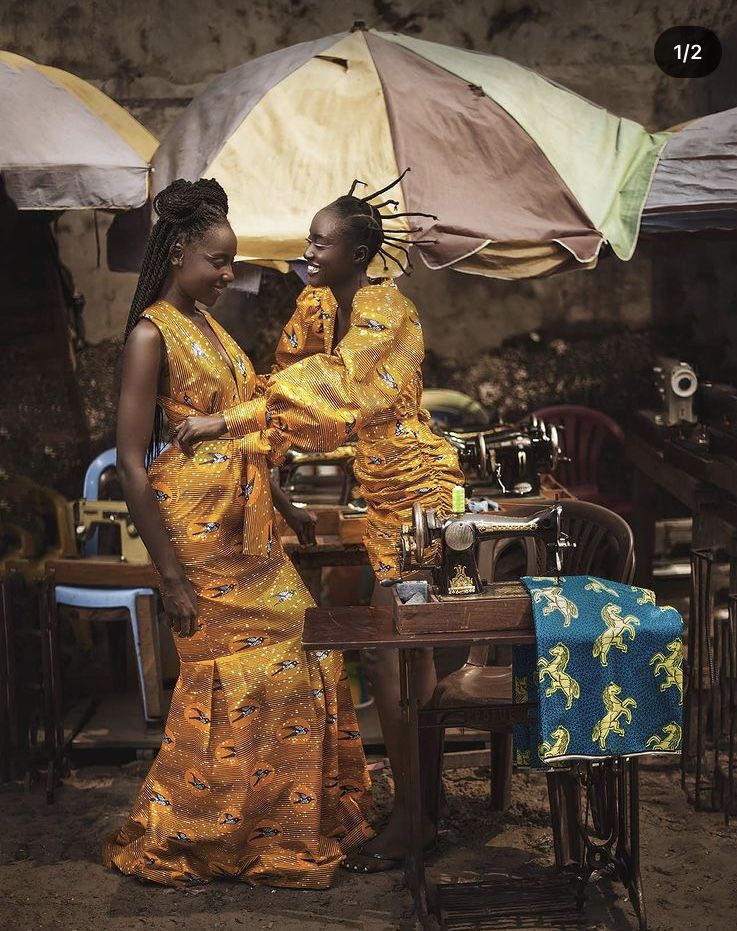
The silence around African luxury persists for the same reason the one to watch label persists and the same reason Vogue has not launched an African edition: the institutional infrastructure of global luxury fashion press was built around European and American production centres, and it does not have the editorial knowledge base, the correspondent network, or the sustained investment in African market coverage that sustained luxury coverage requires. The publications that cover Thebe Magugu when he collaborates with a European hotel or shows at Paris Fashion Week are not the same publications that track his Johannesburg collections, his domestic retail performance, or his relationships with the South African artisan communities that underpin his production. They are covering the moments at which his practice intersects with the European luxury circuit. They are not covering the practice.
What breaks the silence is the same thing that breaks any institutionally produced silence: the development of alternatives that cover the subject with sufficient depth and authority that the mainstream press can no longer ignore the gap between what the alternatives document and what the mainstream produces. Omiren Styles is one of those alternatives, in the sense that this series of articles has attempted to document African luxury fashion, African textile heritage, and African designer practices at the analytical depth that the global luxury press has not consistently applied. The broader ecosystem of Afrocentric fashion editorial, including publications, newsletters, and digital platforms that cover African fashion from within the market, is producing coverage that treats African luxury as it is rather than as the global press has historically assumed it to be.
The Omiren Argument
The silence around African luxury is a coverage choice, not a market reality. Imane Ayissi has been on the Paris Haute Couture calendar since 2020. Thebe Magugu showed at Galeries Lafayette in June 2025 alongside Lukhanyo Mdingi and Tokyo James. Christie Brown has dressed Beyoncé. Rich Mnisi has been building a multi-disciplinary luxury creative practice in Johannesburg since 2015. Zyne has brought Moroccan babouche to the production standards of the houses founded by its alums. These are not emerging stories. They are facts about an established luxury sector that the global fashion press has chosen to cover at the pace of discovery journalism rather than sustained critical engagement. That choice is not neutral. It maintains the assumption that luxury is European in origin and African in consumption, which is false and increasingly documented as such by the market data the luxury industry itself produces.
The Omiren Styles argument is direct: African luxury fashion’s most expensive and most sophisticated output deserves the same level of sustained, knowledgeable, and analytically rigorous press coverage that European and American luxury fashion receives by default. Not a discovery feature. Not a one to watch profile. The kind of coverage that tracks a designer’s output across multiple collections, that places individual pieces in the context of a developing creative practice, that reads the cultural argument each collection is making rather than describing its surface, and that builds the institutional knowledge base over time that the luxury press is supposed to maintain. That coverage is what the global luxury press owes the designers who have already earned it. It is also what the African luxury consumer deserves from a press that claims to serve the luxury market they participate in
Frequently Asked Questions
What is the scale of the African luxury fashion market?
Africa’s fashion exports exceed $15 billion per year. The continent’s luxury sector was valued at $5.9 billion in 2016 and has grown consistently since. The emerging market bloc of Africa, the Middle East, Latin America, Southeast Asia, and India has collectively reached a market value of €45 billion, matching mainland China in scale. South Africa’s apparel market alone is worth more than £8.6 billion and recorded its highest growth rate in 2023 at 6%. The high-net-worth individual population on the continent was projected to grow by 36% between 2016 and 2026. These are established luxury-market figures, not emerging-market projections.
Which African designers are operating at the international luxury level?
Imane Ayissi, the Cameroonian couturier based in Paris, is the first sub-Saharan African designer on the official Paris Haute Couture calendar, where he has appeared since 2020, using Cameroonian and Central African textiles, including kaba, raffia, and wax print. Thebe Magugu, based in Johannesburg and launched in 2016, has shown at Galeries Lafayette, collaborated with the Mount Nelson Belmond Hotel, and partnered with (RED). Lukhanyo Mdingi, based in Cape Town, has shown at Paris Fashion Week. Rich Mnisi has built a Johannesburg-based multi-disciplinary luxury practice since 2015. Christie Brown, founded by Aisha Ayensu in Accra in 2008, has dressed Beyoncé. Zyne, founded by alums of Christian Dior and Christian Louboutin, produces Moroccan luxury footwear.
Why does the global luxury press cover African luxury fashion so rarely?
The global luxury fashion press was built around European and American production centres and lacks the editorial knowledge base, correspondent networks, or sustained investment in African market coverage that substantive luxury coverage requires. The publications that cover African designers when they intersect with European circuits, showing at Paris Fashion Week or appearing at Galeries Lafayette, are not tracking their domestic output, their artisan community relationships, or their commercial performance in their home markets. They cover the moments at which African luxury intersects with the European circuit rather than the practice itself.
What is the Galeries Lafayette African fashion pop-up, and why does it matter?
In June 2025, Galeries Lafayette hosted a pop-up featuring African fashion brands, including Thebe Magugu, Lukhanyo Mdingi, and Tokyo James. The event matters because Galeries Lafayette is a luxury retail institution, not a discovery platform. Its selection of these three brands was a commercial curatorial decision made by a luxury department store’s buying team, which is structurally distinct from a cultural feature in a fashion publication. The brands placed in that pop-up were not presented as emerging. They were presented as brands that belong in a luxury retail environment alongside the European houses that share the same sales floor.
How does the silence around African luxury affect African luxury consumers?
African high-net-worth individuals represent a documented, growing luxury consumer base. The global luxury press’s silence around African luxury brands reinforces the assumption that luxury is European in origin and African in consumption, positioning African luxury consumers as buyers of imported products rather than as the natural market for luxury fashion produced in their own cities. An African luxury consumer in Lagos, Johannesburg, or Accra, reading the global luxury fashion press, sees coverage that systematically underrepresents the domestic luxury brands serving their market. The coverage gap is not neutral. It shapes purchasing decisions and brand perceptions in favour of European brands that receive editorial attention proportionate to their institutional standing rather than their cultural relevance.
Explore More
Read the full Opinion & Commentary section for Omiren Styles’ positions on the coverage failures, institutional assumptions, and market realities that determine how African fashion is seen and valued by the global industry.