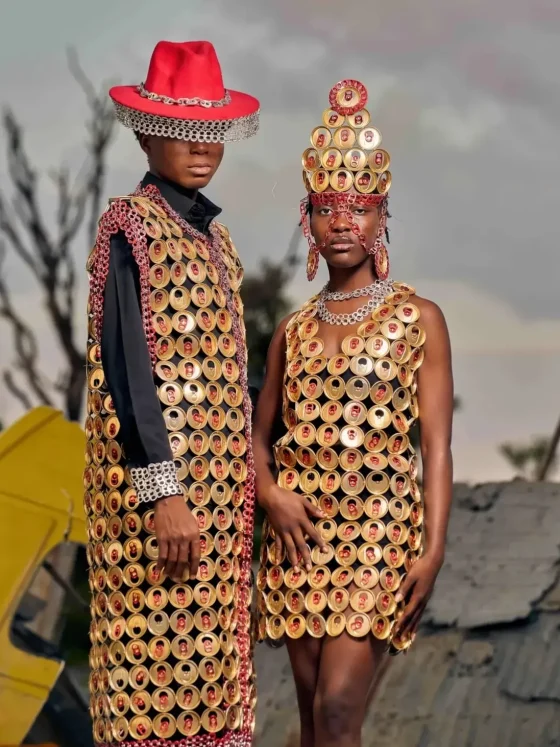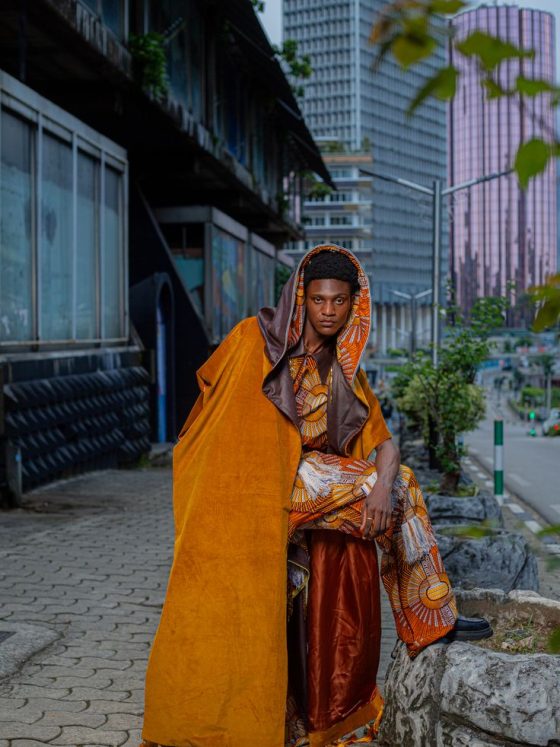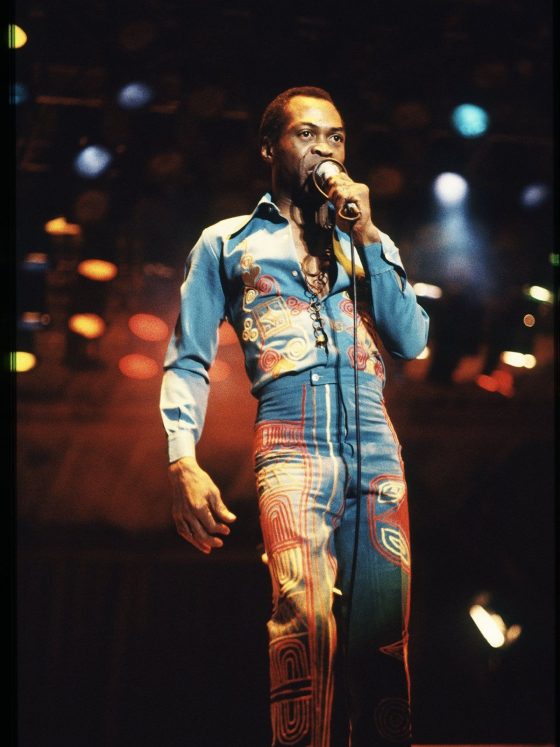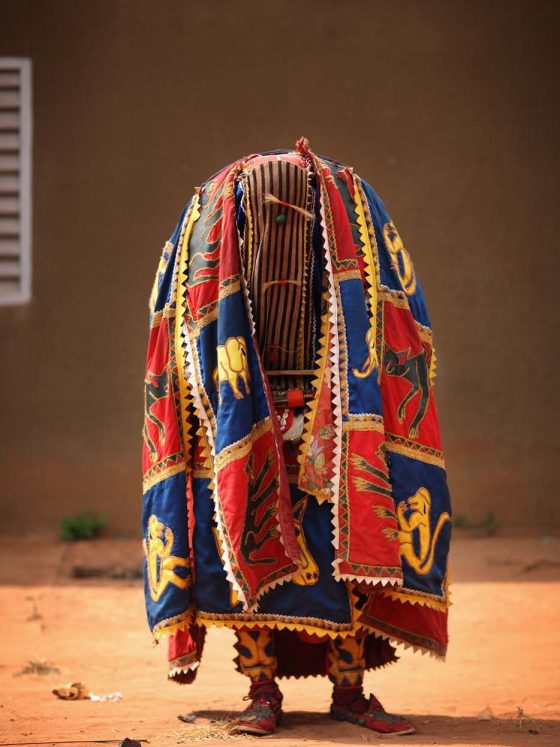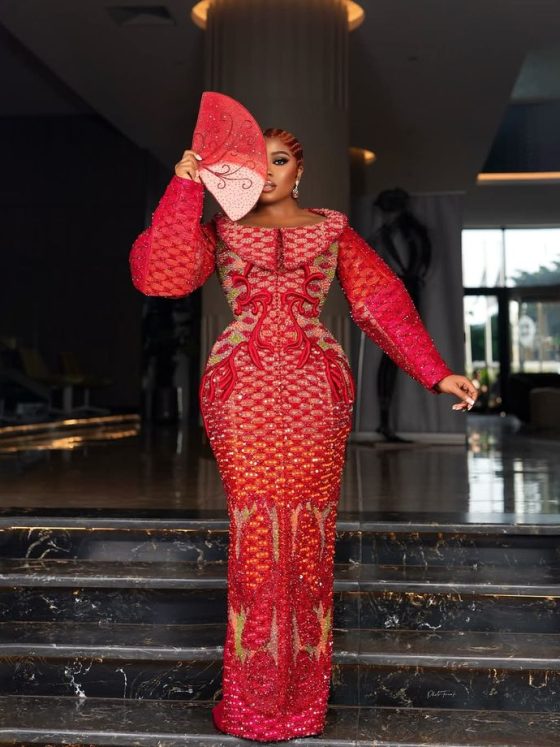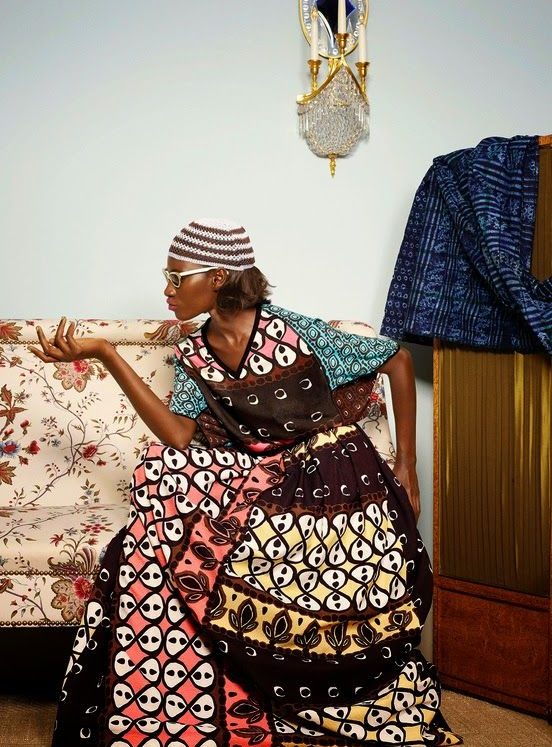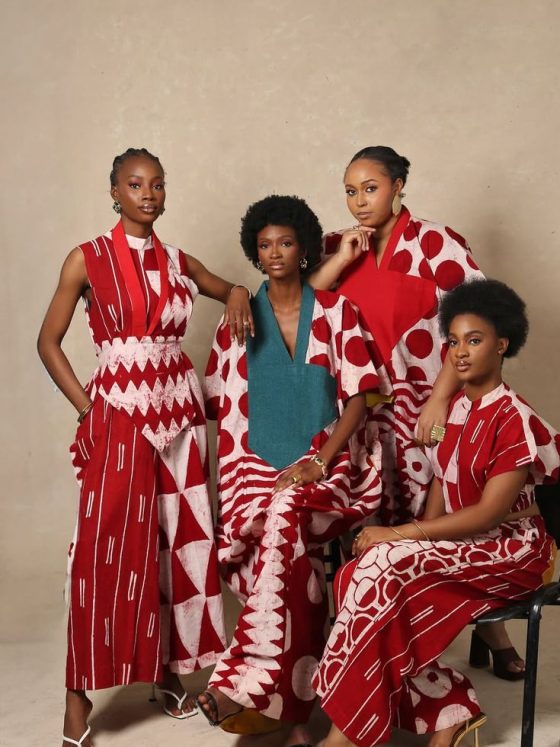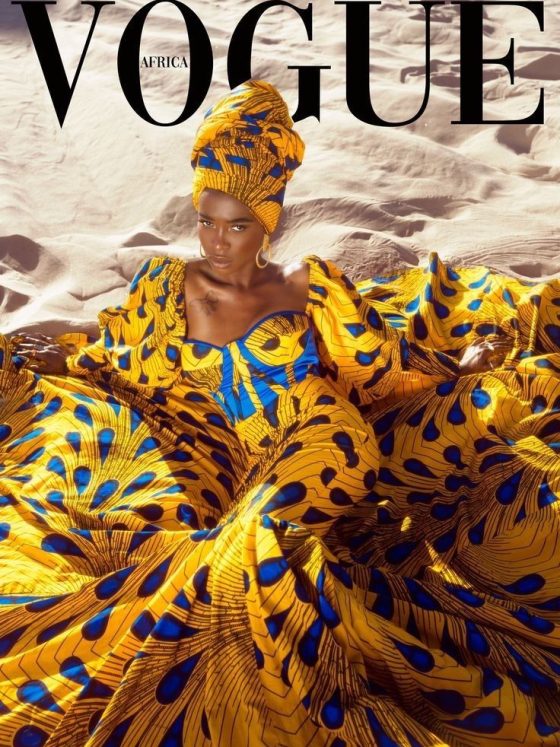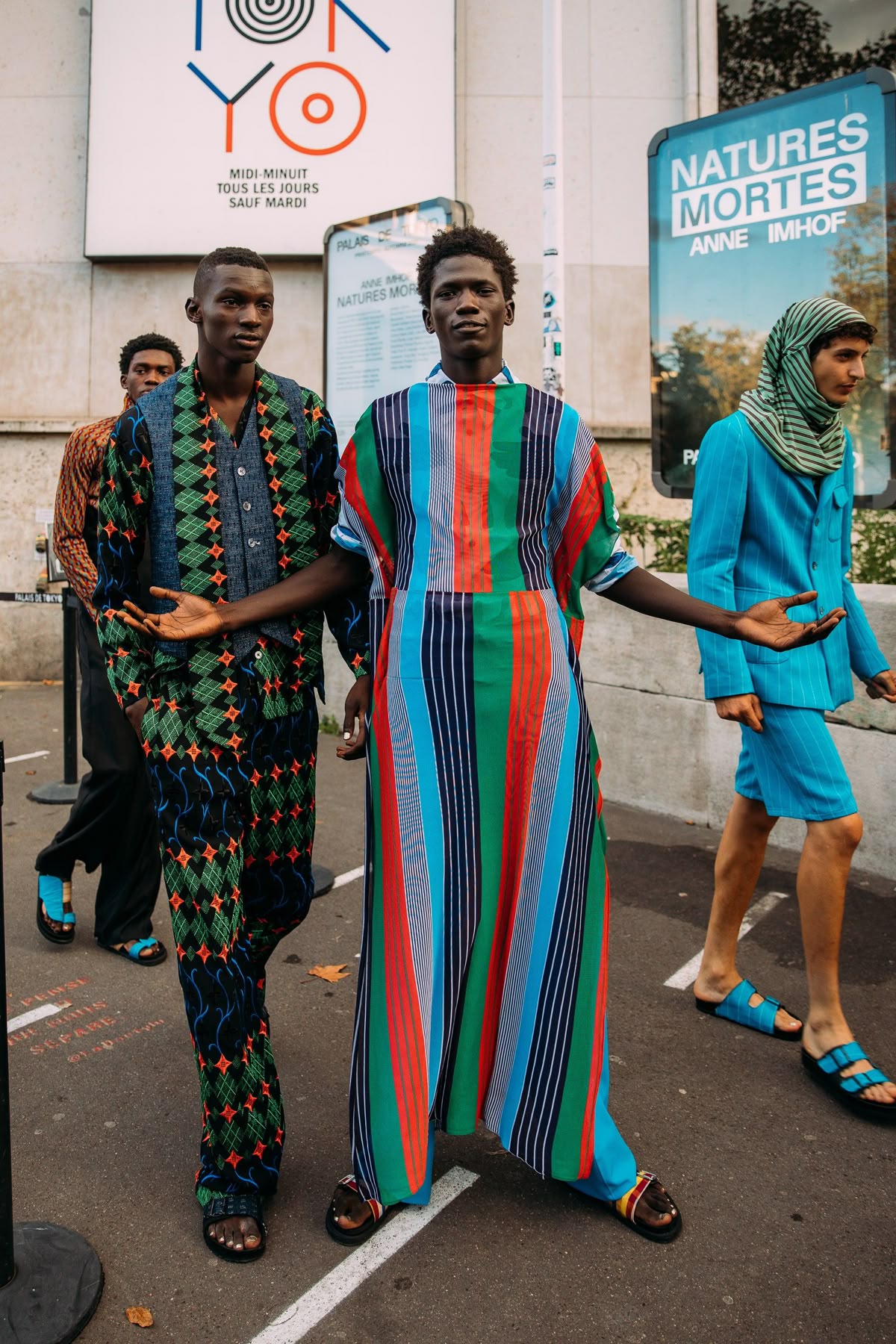
Kenneth Ize became the first African designer to open Paris Fashion Week in October 2021. He had been showing in Paris since 2020. He had been a finalist for what was then the most prestigious prize in emerging fashion. His retail network included Browns, Farfetch, Machine A, and Ikram in Chicago. By any measure available to the fashion industry for assessing whether a designer has arrived, he had arrived. He was described in multiple publications in the years that followed as one to watch.
Bubu Ogisi founded IAMISIGO in 2013. By 2025, the brand had won the Zalando Visionary Award, shown at Copenhagen Fashion Week to unanimous critical acclaim, dressed Naomi Campbell at the Victoria’s Secret comeback show, and been selected as a semi-finalist for a major international prize. The brand had been producing work that leading fashion critics described as the breakout label of its fashion week season. Multiple publications continued to describe Ogisi as one to watch.
One to watch is what you say about someone whose work you have encountered and found notable but whose legitimacy you are not yet willing to fully assert. In the context of European or American designers at a comparable career stage, they assert a natural shelf life of perhaps one or two seasons before being replaced by substantive critical engagement. In the context of African designers, it has no shelf life at all. It is renewed automatically, regardless of career development, commercial achievement, or critical recognition from other sources. It is not a compliment. It is a structural position the fashion press assigns to African designers and declines to revise.
Kenneth Ize has been opening Paris Fashion Week. IAMISIGO won the Zalando Visionary Award. They are still called ones to watch. The label is not a compliment. It is a holding pattern.
The One to Watch Label: What It Does and Does Not Do
The Fashionista analysis of January 2026, one of the most direct pieces of industry criticism about this pattern, named it precisely: every few years, headlines emerge about Africa’s booming fashion industry. The pattern is the same. Reporters present African designers as ones to watch. The hype dies down, or another market grabs attention, and coverage of Africa’s fashion industry becomes sparse until a couple of years pass, and it is back to the boom. The analysis confirmed what designers and editors working within the African fashion industry have been saying for some time: the continent’s fashion output is not fluctuating. It has had a steady stream of talent for decades. What is fluctuating is the fashion press’s attention cycle, and the one-to-watch label is how that cycle manages its intermittent engagement without committing to the sustained critical attention that genuine recognition requires.
The label does three things simultaneously. It signals that the publication is aware of the designer’s existence, which satisfies the inclusion imperative. It defers the substantive critical engagement that would require the publication to develop genuine knowledge of the designer’s practice, cultural context, and commercial trajectory. And it keeps the designer in a permanent pre-arrival state, regardless of what they have actually built, because “one to watch” describes potential rather than achievement, and potential is never exhausted by achievement the way arrival is.
The structural consequence is that African designers who have built careers of ten, fifteen, or twenty years are still described in the same vocabulary as designers who showed their first collection last season. Seyi Vodi has been dressing Nigerian heads of state for over two decades. Pathé O has been operating in Abidjan for four decades. These are not emerging designers. The fashion press that discovers them through a trend piece and labels them one to watch is not describing where they are in their careers. It describes where the press is in its attention cycle.
What the Label Reveals About the Press, Not the Designer
The “one to watch” label is a press problem, not a designer’s problem. It emerges from editorial frameworks built on the assumption that relevant fashion is produced in European and American capitals and that fashion produced elsewhere becomes relevant when those frameworks notice it. Under that assumption, every African designer is perpetually pre-arrival because arrival is defined as recognition by the same press that applies the pre-arrival label. The circularity is complete and self-sustaining: you are one to watch until we say you have arrived, and we define arrival as our decision, not yours.
The designers of this series have documented, from Kenneth Ize’s decade-long aso-oke practice to Sindiso Khumalo’s twelve-collection historical archive to Abiola Olusola’s eight-year trajectory from Lagos Fashion Week to Tranoi, are not emerging. They are established. Their practices are documented, their commercial trajectories are measurable, and their critical reception by the publications and institutions that assessed their work on its own terms is on the record. The problem is not that the fashion press has failed to notice them. It has noticed them repeatedly, with the one to watch label. The problem is that noticing without engaging, citing without analysing, and including without investing in understanding is a form of coverage that does not serve the designers it claims to champion.
The Guardian Life One to Watch designation that Abiola Olusola received in 2018 is a domestic Nigerian publication recognising a Nigerian designer on domestic terms. That is appropriate and meaningful. The same label applied by an international publication to a designer with eight years of documented commercial development is something else: a placeholder that serves the publication’s diversity metrics without requiring it to produce coverage that demonstrates genuine knowledge of what it is covering.
One to watch is what you say about a designer you are not yet willing to take seriously. It sounds like a compliment. It functions as a deferral.
The Boom Cycle and Why It Perpetuates the Problem
The boom cycle that Fashionista identified, Africa’s fashion industry alternating between discovery coverage and silence, is the structural mechanism that makes the one to watch label permanent. When the international fashion press enters an Africa discovery phase, it produces a wave of one-to-watch coverage, features on emerging African designers, and think pieces about the continent’s rising fashion industry. An editorial infrastructure with ongoing knowledge of the African fashion market does not sustain this coverage. It is produced by journalists responding to a trend signal, who research African fashion in the same way they would research any new territory, by identifying what is novel, surprising, and visually striking from the outside. When the trend cycle moves on, the coverage stops, not because the designers stopped working but because the press’s attention shifted. As the 2025 Africa Reimagined analysis confirmed, the continent’s fashion output has remained steady for decades. The press’s engagement has been cyclical. The “one to watch” label is what cyclical engagement produces: a form of recognition that does not require continuity.
The boom cycle also has a specific effect on which African designers receive coverage and which do not. The discovery phase tends to amplify the designers who are most legible to outside observers, those who have shown in Paris or London, who have received international award recognition, or whose visual language most readily communicates across cultural contexts. The designers building serious practices for domestic and regional markets, the Nigerian tailors whose commercial success exceeds that of many internationally covered designers, the Senegalese weavers whose textile knowledge is the foundation of collections that get covered at the designer level, rarely appear in the boom coverage because their work requires prior knowledge to appreciate. They are structurally invisible to discovery journalism.
The consequence for the African fashion industry is a coverage landscape that systematically overrepresents designers who have been internationally validated and underrepresents the broader ecosystem that sustains them. The ecosystem includes artisans, fabric suppliers, tailoring communities, and domestic market buyers whose economic activity makes designer careers viable. One-to-watch coverage of a designer does not include this ecosystem. It presents the designer as an individual phenomenon rather than as the visible end of a value chain that extends deep into communities the press has never covered.
Also Read:
- Why Vogue’s Africa Coverage Still Reads Like Tourism Writing in 2026
- The African Fashion Week Circuit Is Broken — Here Is How to Fix It
- Bubu Ogisi of IAMISIGO: The Designer Who Refuses to Make African Fashion Legible to the West
- Kenneth Ize and the Aso-Oke Question: What It Means to Build a Luxury Brand on a Handwoven Cloth
What Coverage That Has Arrived Looks Like
The alternative to one to watch is not an uncritical celebration. It is genuine critical engagement: coverage that brings knowledge of a designer’s practice, cultural context, and commercial trajectory to a description of specific work. The difference between a one-to-watch feature on IAMISIGO and the kind of coverage the brand’s work merits is the difference between noting that Bubu Ogisi uses ancestral textile knowledge and understanding what that means. As documented in the Omiren Styles IAMISIGO profile, the SS26 Dual Mandate collection explored colonial doctrine as a question of self-preservation, used unbleached cotton and recycled materials alongside metal and glass, and was described by its creator as designed for energetic alignment rather than spectacle. Coverage that engages with those specifics is not tourism writing. It is criticism. It requires the critic to know enough to read what is in front of them.
That knowledge does not exist in the fashion press that covers Africa episodically. It exists in publications that cover the continent continuously, that have editors with sustained relationships with the designers they write about, and that bring cultural context to their coverage because their editorial infrastructure was built inside the market rather than positioned outside it looking in. The African fashion press, which has been building this knowledge for decades, does not describe its subjects as ones to watch. It describes what they have already built, what they are currently making, and what the significance of that work is in its actual context.
The international press that has produced the most credible coverage of African designers, Business of Fashion’s sustained engagement with Lagos Fashion Week’s commercial development, Vogue Scandinavia’s coverage of IAMISIGO at Copenhagen, and the FashionNetwork documentation of African designers at Tranoi are examples of the press that brought prior knowledge to its coverage rather than arriving with a discovery brief. That prior knowledge was built through sustained engagement, not through trend cycles. It produces coverage that treats African designers as practitioners with careers, not as phenomena with potential.
The Omiren Argument
The one to watch label is the fashion press’s most efficient mechanism for appearing to cover African designers without actually covering them. It satisfies the inclusion requirement without requiring the editorial investment that genuine coverage demands. It allows a publication to claim awareness of African fashion while deferring indefinitely the critical engagement that would require it to develop knowledge of African fashion’s cultural and commercial specificity. And it keeps African designers in a permanent pre-arrival state, regardless of what they have actually built, because the label describes potential and potential is self-renewing in a way that arrival is not.
The designers this commission has documented are not ones to watch. Kenneth Ize opened Paris Fashion Week and has been building his Ilorin weaving community for a decade. Sindiso Khumalo has produced twelve collections for a historical research institution. Abiola Olusola built from Lagos Fashion Week to Tranoi without relocating. IAMISIGO won the Zalando Visionary Award and showed a critically acclaimed collection at Copenhagen. These are arrived, practitioners. The publications that still call them ones to watch are not making a statement about the designers. They are making a statement about their own editorial apparatus: that it is still calibrated to treat African fashion as discovery territory rather than as an established creative industry with a documented history of serious work. That calibration is what needs to change, and it will not change through one-to-watch features. It will change through the sustained editorial investment that produces criticism rather than coverage.
Frequently Asked Questions
What is the one to watch problem in African fashion coverage?
One to watch is a label the fashion press applies to designers it has noticed but is not yet willing to describe as established. In European and American contexts, the label has a natural shelf life of one or two seasons before substantive critical coverage replaces it. In African fashion coverage, the label has no shelf life: it is applied and renewed regardless of career stage, commercial achievement, or critical recognition. Designers with decade-long practices, international stockists, and award recognition continue to be described as ones to watch because the editorial framework treats African fashion as perpetually pre-arrival rather than acknowledging that African designers have already arrived.
Why does the fashion press keep covering African fashion in boom cycles?
Boom cycle coverage emerges from an editorial infrastructure that is not continuously invested in African fashion markets. When an external trend signal prompts Africa discovery coverage, publications produce features based on quick research rather than sustained knowledge, identifying what is novel and visually striking from outside the market. When the trend cycle moves on, coverage stops, not because the designers stopped working but because the press’s attention shifted. The Fashionista analysis for January 2026 confirmed that Africa’s fashion output has remained steady for decades, while press engagement has been cyclical. The one to watch label is what cyclical engagement produces.
How does the one to watch label affect African designers’ careers?
The label’s primary effect is to keep African designers in a pre-arrival state, limiting the commercial consequences of press attention. Coverage that describes a designer as one to watch does not carry the same buyer signal as coverage that describes them as an established practitioner with a documented career. It meets the publication’s inclusion metric without generating the critical engagement that would prompt buyers to act. For designers building international market positions, the difference between being covered as a discovery and being covered as a practitioner is the difference between press interest and press credibility, and credibility is what converts coverage into order volume.
What would coverage that takes African designers seriously actually look like?
Coverage that takes African designers seriously describes their work with knowledge of their practices, cultural contexts, and commercial trajectories. It does not require prior ignorance about the cultural references in the collection. It does not position the designer as a phenomenon to be discovered but as a practitioner whose current work builds on documented prior work. It brings the same analytical framework to a collection by Kenneth Ize that it would bring to a collection by any designer with a decade of documented output. It requires the publication to invest in building the editorial knowledge that makes that framework available to the journalist covering the work.
Which publications have produced coverage of African designers that goes beyond the one to watch label?
The publications that have produced the most credible African designer coverage are those with sustained rather than cyclical engagement: Business of Fashion’s ongoing documentation of Lagos Fashion Week’s commercial development, Vogue Scandinavia’s coverage of IAMISIGO at Copenhagen, which brought genuine knowledge of the brand’s practice to its critical description, and FashionNetwork’s documentation of African designers at Tranoi and European trade events. Domestically, Thisday Style, BellaNaija Style, Arise, and the broader African fashion press ecosystem cover their subjects with the prior knowledge that sustained engagement produces and that discovery journalism cannot replicate.
Explore More
Read the full Opinion & Commentary section for Omiren Styles’ positions on the press failures, institutional patterns, and editorial assumptions that shape how African fashion is seen, covered, and valued by the global industry.