For decades, the suit defined what it meant to dress well as a man. It offered structure, predictability, and social approval. A man could rely on it without needing to think deeply about proportion, fabric, or context.
That simplicity created a standard and limitation. Today, the well-dressed man reimagined is emerging as more men begin to question that default.
Looking correct is no longer enough. Now attention is shifting toward how clothing fits and what it communicates in different environments.
In this article, we will be looking at how modern men are moving beyond the suit to build wardrobes shaped by awareness, context, and cultural clarity.
The well-dressed man reimagined shows how African men use intentional style and precise wardrobe choices to project presence and authority.
Automatic Dressing Limits Personal Expression
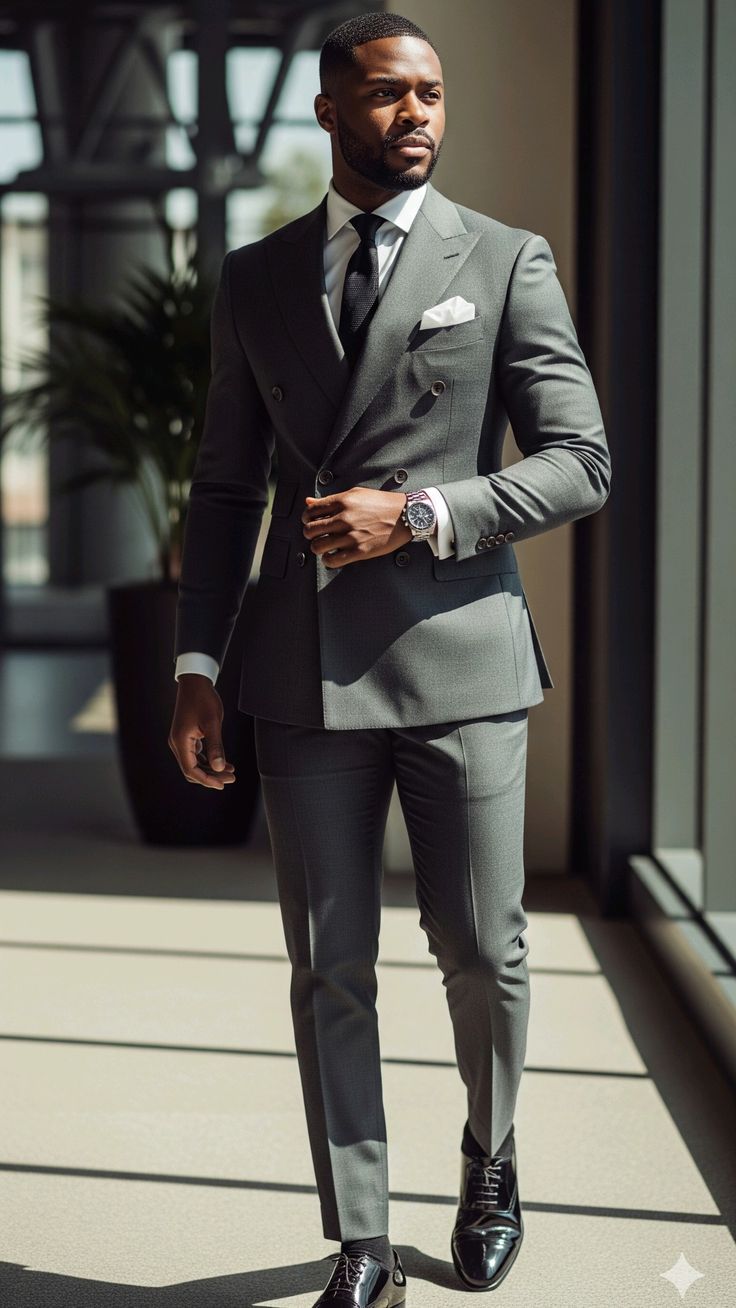
Automatic dressing reduces decision-making, but it also reduces clarity. When the same combinations are repeated without adjustment, clothing ceases to reflect the individual wearing it.
A man may appear appropriate in every setting, yet remain visually indistinct. There is little to distinguish his presence from that of others following the same formula.
Over time, this creates a gap between appearance and identity. The wardrobe functions, but it does not communicate.
This is where the shift toward the well-dressed man reimagined becomes necessary. Dressing is no longer just about meeting expectations. It is about making visible choices that reflect context, movement, and personal direction.
In rapidly evolving African cities, where environments shift between formal, social, and cultural spaces within a single day, clothing must adapt.
Noticing The Details You’ve Always Overlooked
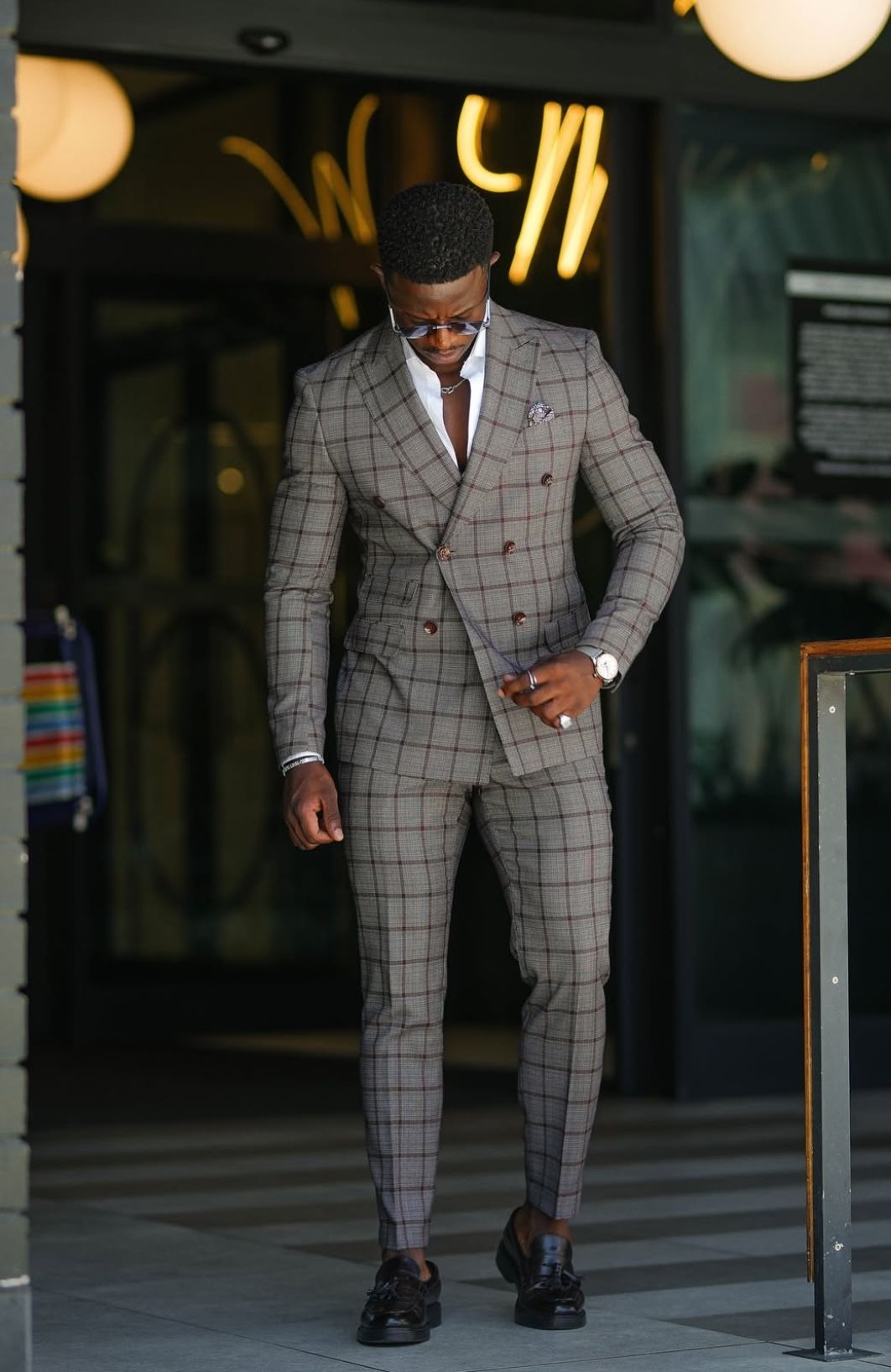
Two men can wear similar outfits and be perceived completely differently. The difference is rarely the garment itself. It is how it is finished.
A shirt can be clean and still feel careless if the sleeves fall too far. A jacket can be expensive and still look off if the shoulders do not sit correctly.
These are small shifts, but they change how an outfit is read. This is where attention to detail becomes visible:
- Fit Defines the First Impression: The way clothing sits on the shoulders, chest, and waist determines whether it looks composed or unsettled.
- Fabric Influences How an Outfit Is Experienced: Beyond appearance, material affects how a man moves, how long he remains comfortable, and how well the outfit holds its shape.
- Proportion Signals Control: Sleeve length, trouser break, and overall balance decide whether a look feels intentional or slightly incomplete.
For the well-dressed man reimagined, these elements are not adjustments made after dressing. They are considered from the beginning. This is what creates consistency. Not louder clothing, but better control over the details that most people overlook.
Also Read:
- The New Gentleman: Redefining Masculinity Through Conscious, Considered Dressing
- Why the Fabric You Choose Is the Most Important Fashion Decision You Will Ever Make
- What The Global Fashion Industry Still Gets Wrong About Non-Western Style
- Diaspora Couture: Beyond Borders, Designers Reshaping Global Style
Style Reflects Cultural Awareness and Personal Identity
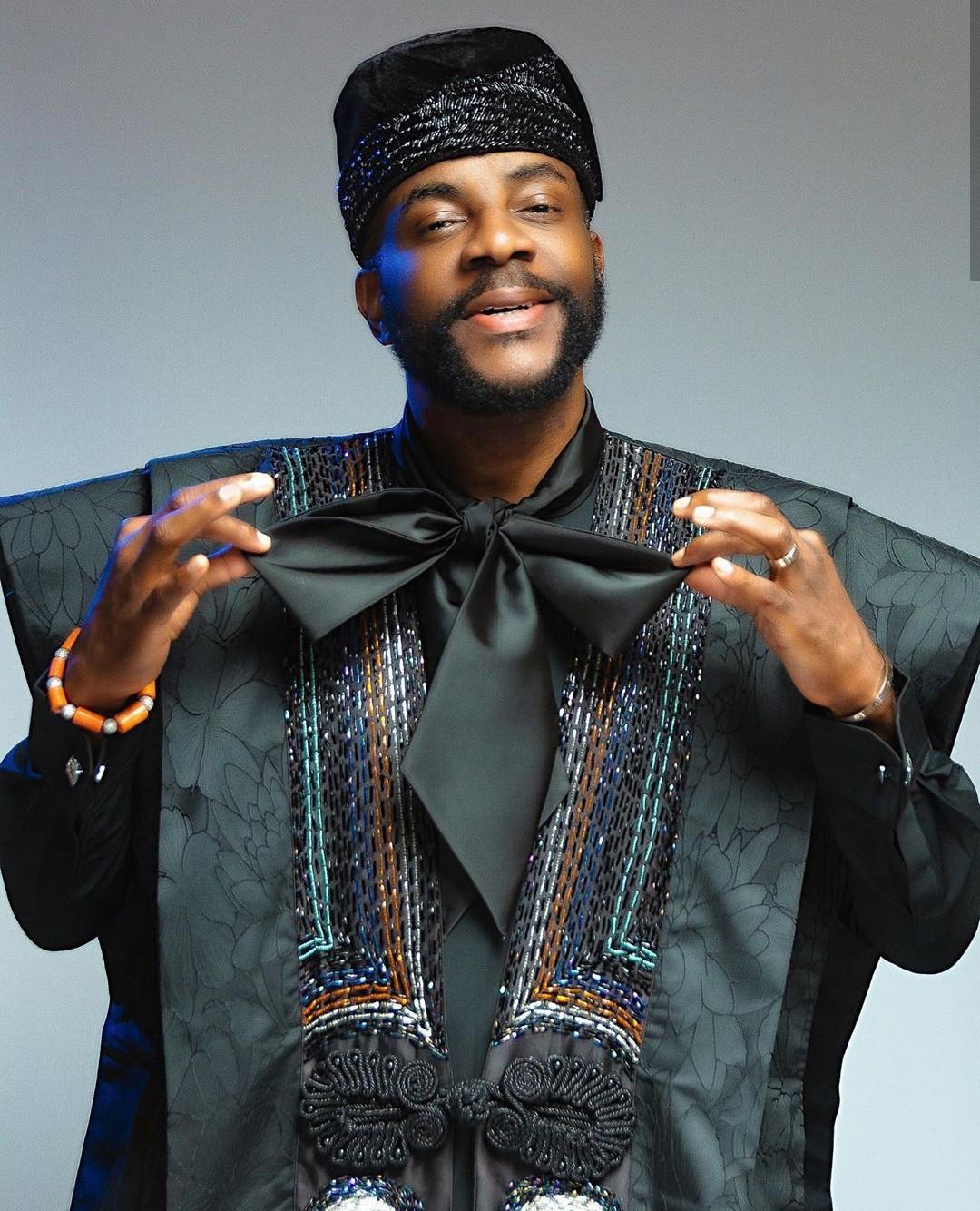
Style is inseparable from identity. It communicates how a man understands himself, his environment, and the culture he moves through.
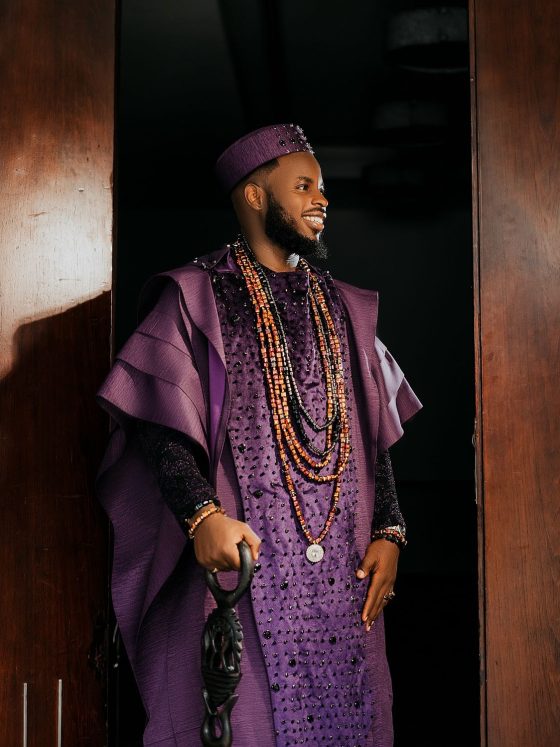
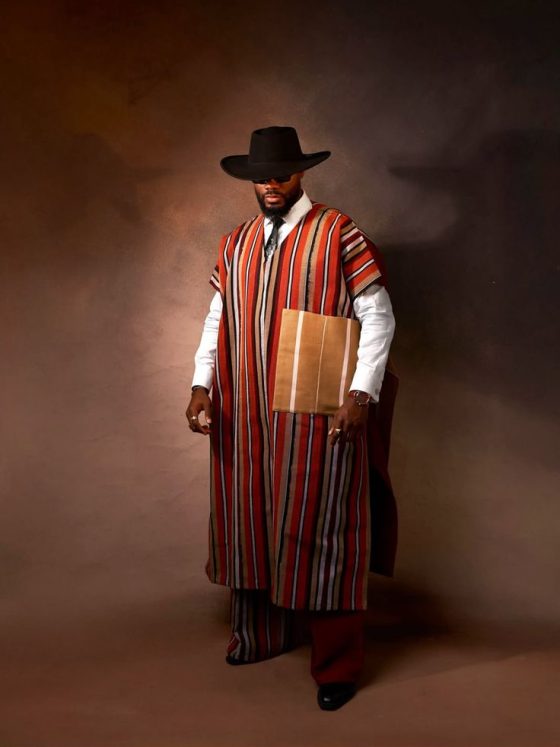
The well-dressed man reimagined does not rely solely on global fashion templates. He integrates local realities, cultural memory, and functional awareness into his wardrobe.
This can look like:
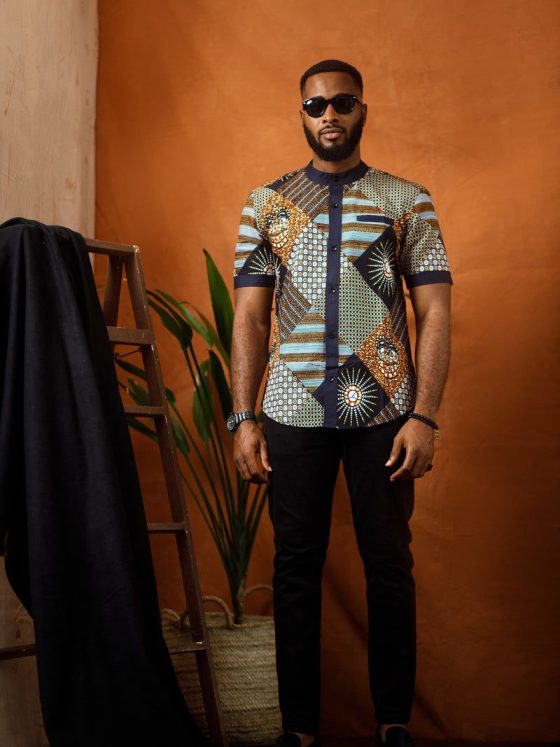
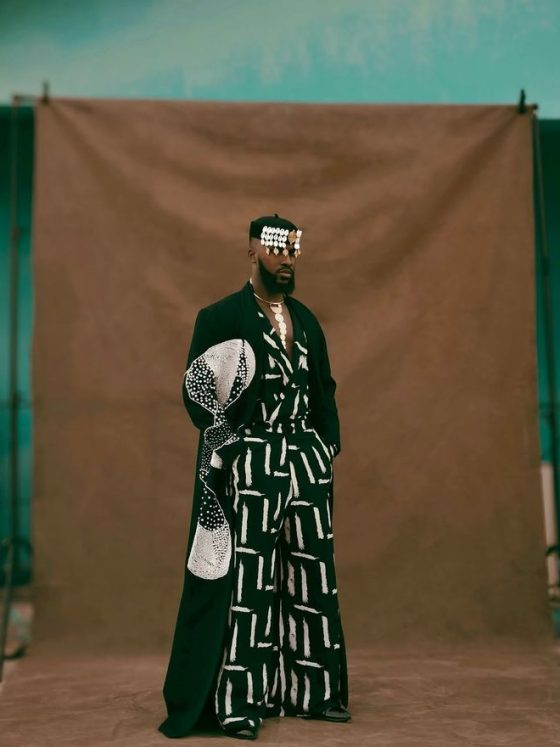
- Pairing a well-cut blazer with a subtly patterned Kente lining so that heritage informs formal wear without overwhelming it.
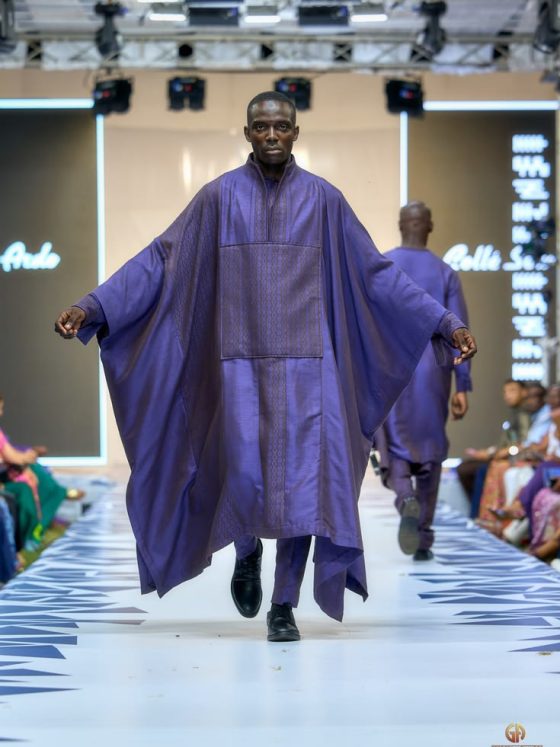
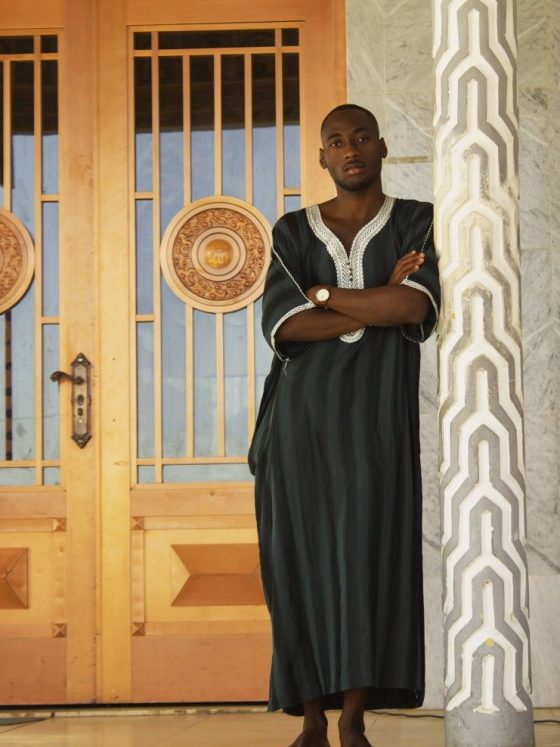
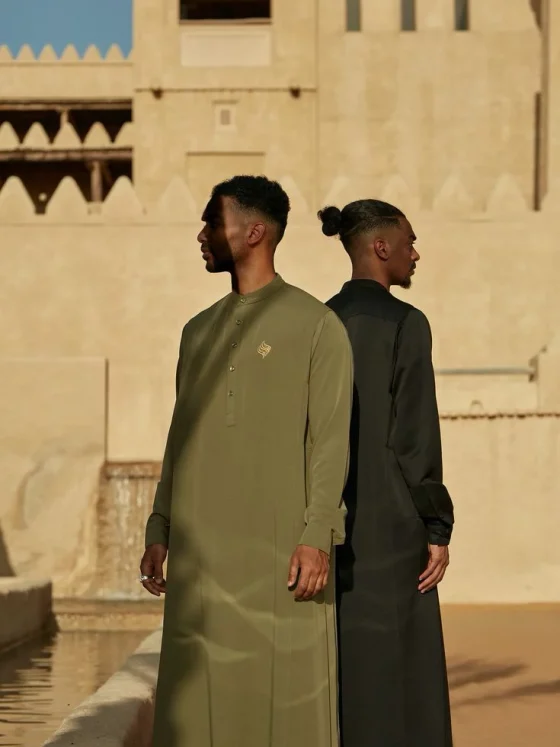
- Adapting traditional silhouettes, such as long tunics or kaftans, into structured, modern fits suitable for office, events, or social settings.
- Selecting fabrics that respond to climate and activity, like lightweight handwoven cottons for hot African cities and structured wools for transitional environments.
The goal is not to attract attention but to communicate accuracy and intentionality. Each choice of cut, fabric, or pattern signals discipline, presence, and cultural fluency.
With this, a man’s wardrobe becomes a tool for contextual intelligence. It shows he understands where he is, the social cues of the space, and how he wants to be perceived.
Conclusion
The shift from routine dressing to intentional style marks a clear evolution in menswear.
The well-dressed man reimagines that clothing is not just about appearance. It shapes perception, movement, and identity across different environments.
By moving beyond the suit, refining detail, and dressing with cultural awareness, men are building wardrobes that communicate clarity and control.
Frequently Asked Questions
1. How Can I Dress Intentionally Without Copying Trends?
Intentional dressing starts with understanding your body, environment, and purpose. Instead of following trends, focus on fit, proportion, and fabrics that reflect your identity and context.
2. Which African Fabrics Or Patterns Signal Confidence Subtly?
Materials like Shweshwe or Bogolanfini, when thoughtfully tailored, convey heritage and refinement. Subtle use, such as accents in jackets or linings, shows mastery without being performative.
3. How Do Small Wardrobe Choices Affect Presence In African Cities?
Details such as jacket drape, trouser break, or fabric weight shape perception. In spaces like offices, markets, or social gatherings, these nuances project discipline, awareness, and quiet authority.
4. Can I Develop A Personal Style That Works Across Different Occasions?
Yes. By observing how your clothing moves, deliberately adjusting layers and patterns, and considering climate and context, you can create versatile outfits that maintain intentional style wherever you go.
5. What Separates A Well-Dressed Man Reimagined From Someone Who Just Wears Nice Clothes?
It’s awareness and deliberate choice. The well-dressed man reimagined understands how clothes communicate, uses that insight to craft presence, and ensures every outfit aligns with identity, culture, and context.