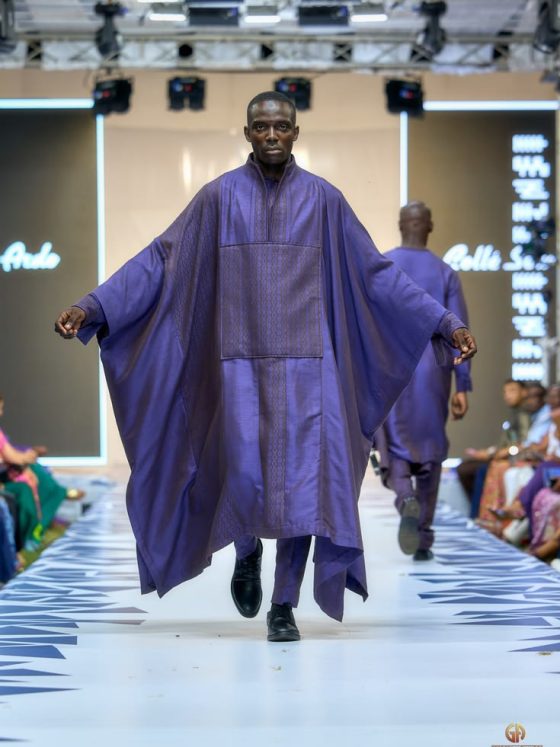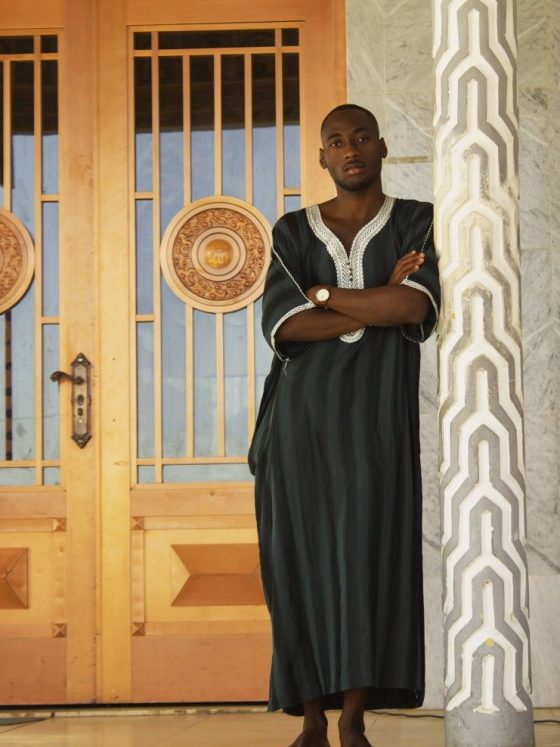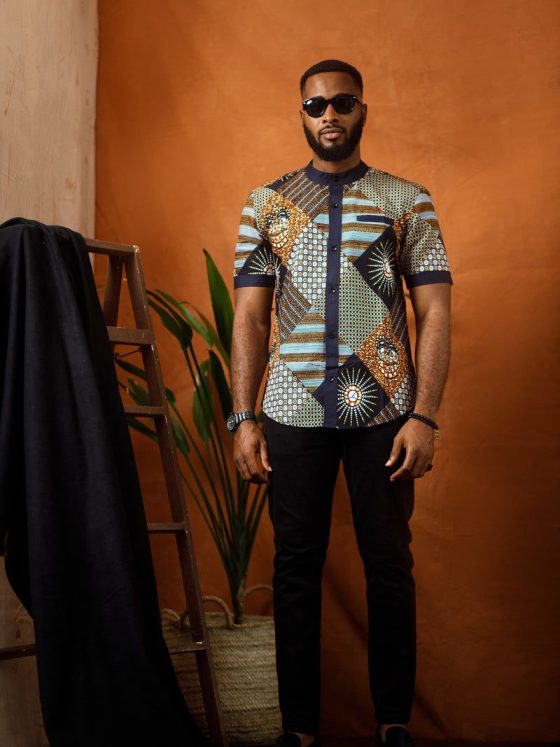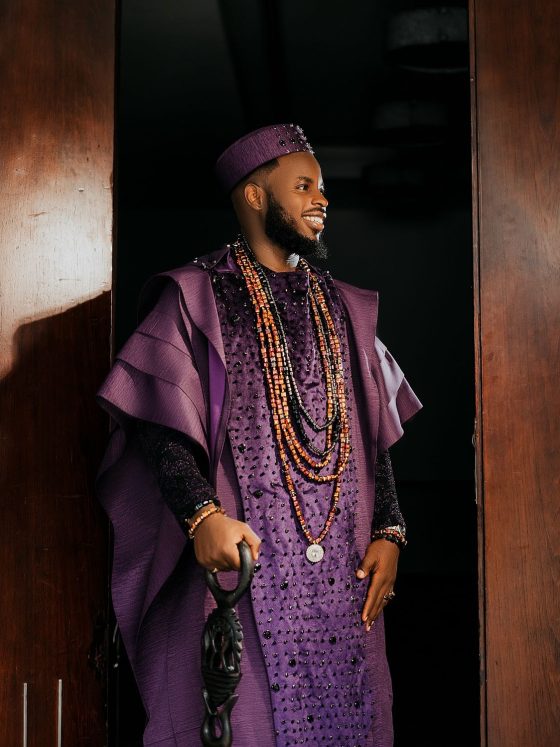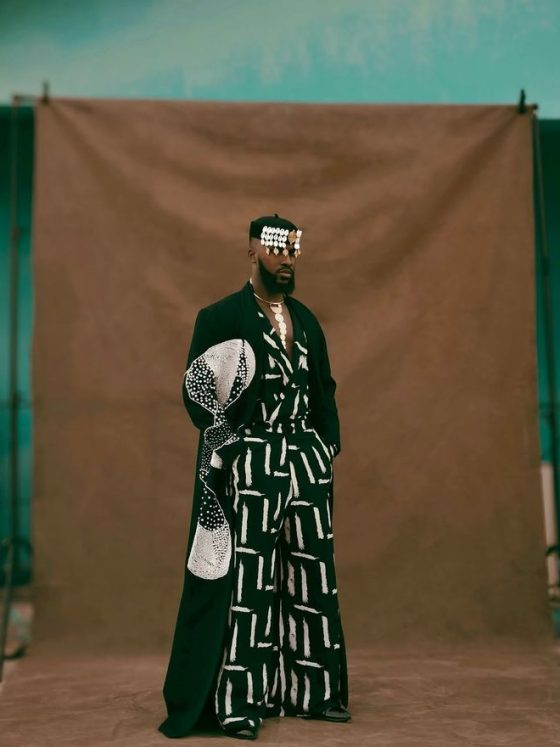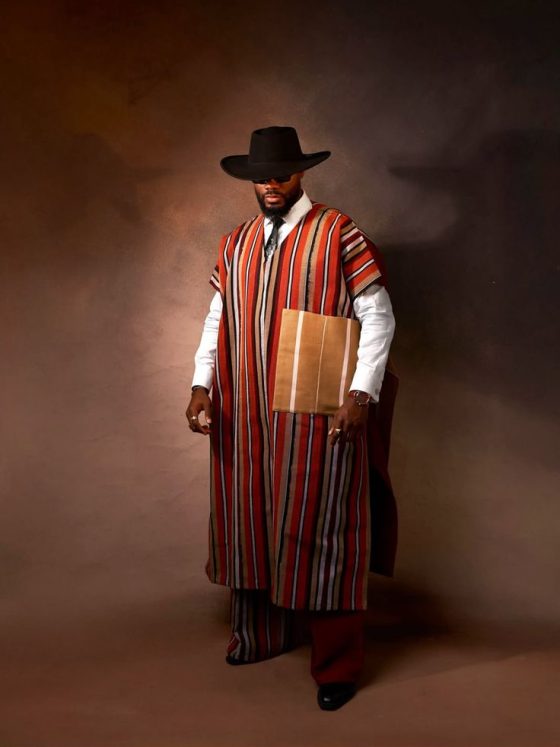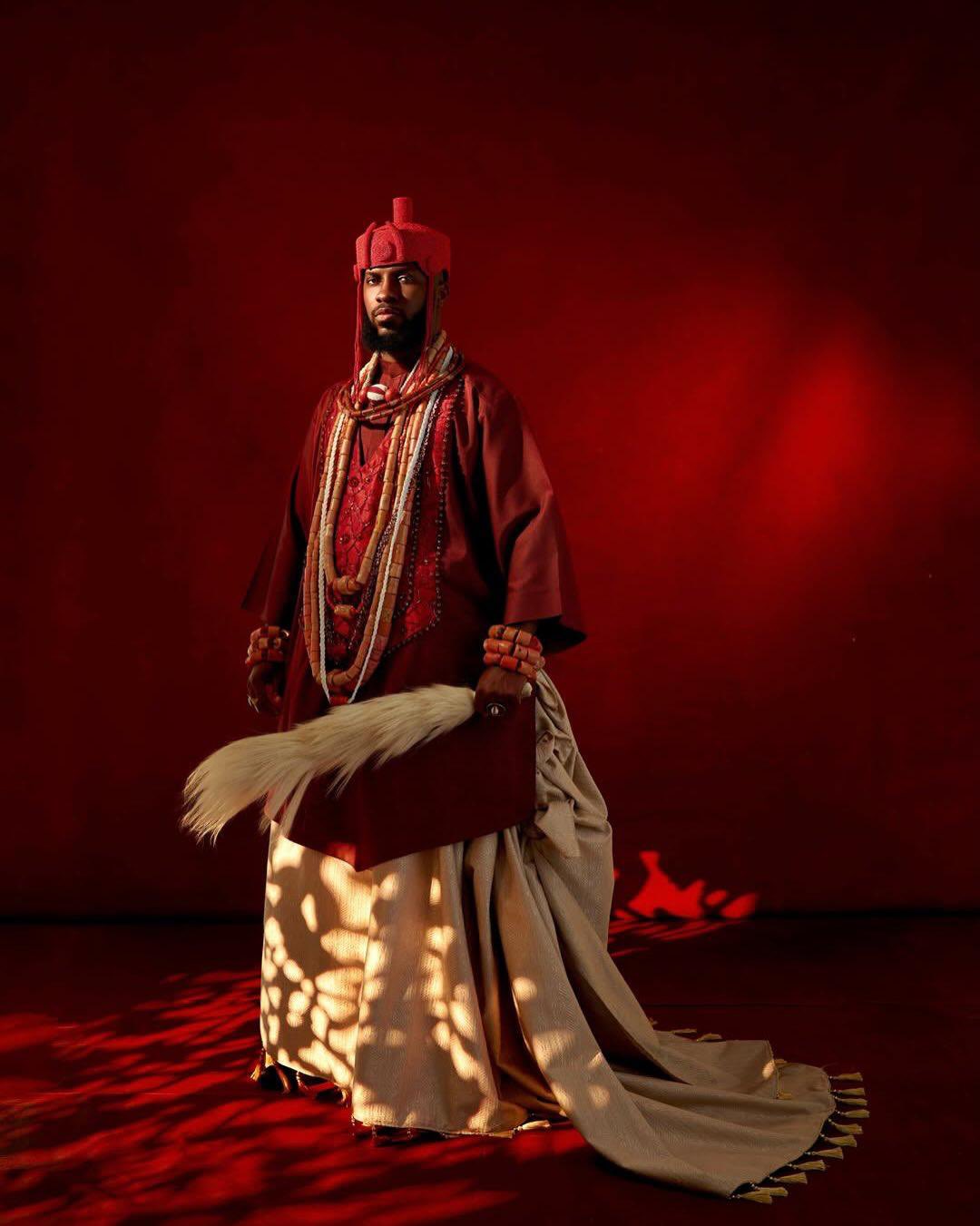
The Met Gala held its 2026 edition on May 5, three days before the AMVCA Cultural Night. The theme was Fashion Is Art. Billions of pixels were deployed in a debate about whether it was. Then, on May 8, in a convention hall on Victoria Island, Lagos, Nigerian men walked in wearing Aso-Oke Agbadas, coral-bead regalia, velvet robes with gold embroidery, fur-lined ceremonial robes, Zanna caps, and carved traditional staffs. Not as a response to the Met Gala conversation. Not as a statement directed at New York. As a completely independent act of cultural self-expression that carried more fashion intelligence, more historical depth, and more deliberate craft than most of what the international press spent three days analysing.
This is the argument Omiren Styles has been making since its first editorial: African fashion is not a reaction to what is happening elsewhere. It is not a discovery. It is not an emerging story. It is a long, deeply documented, continuously evolving creative tradition that has been producing extraordinary work for centuries without requiring the international fashion press to notice. The AMVCA 12 Cultural Night, specifically what the men wore and how they wore it, is the most recent and most visible demonstration of that argument in the current moment. What was on display at the Balmoral Convention Centre was not the future of African fashion. It was evidence that the future was already underway.
At AMVCA 12 Cultural Night, Nigerian men did not dress up. They dressed with intention. Coral, brocade, velvet, Aso-Oke, Zanna caps: this is what storytelling through style looks like.
AMVCA 12 Men’s Traditional Fashion: What Was Actually in the Room
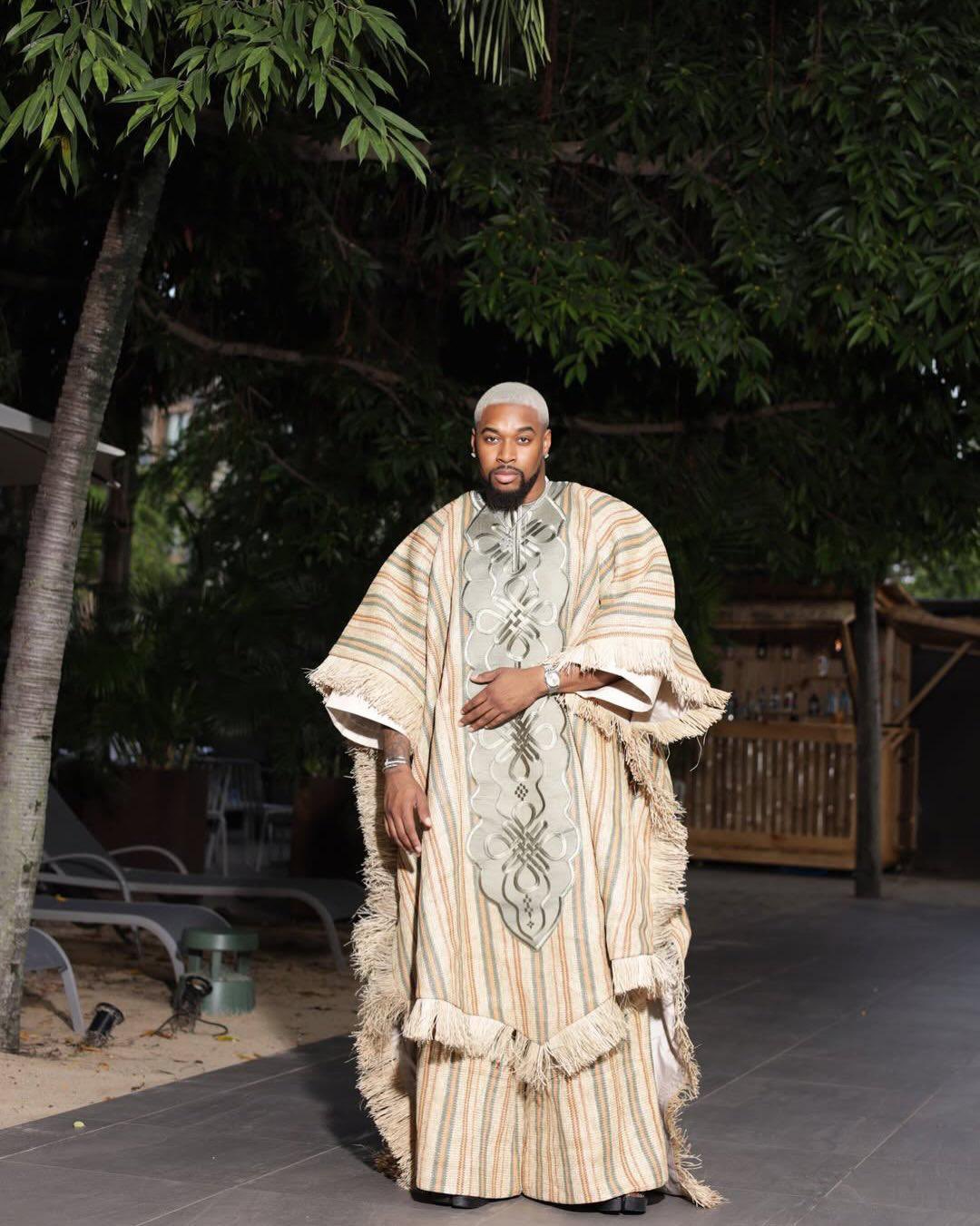
Within Nigeria’s coverage of the Cultural Night, a specific observation was made that fashion editorial rarely captures in real time: this year’s male attendees made more effort than usual, turning the event into a proper fashion showdown rather than the usual female-dominated red-carpet conversation. The observation is factually accurate and editorially significant. What it points to is not a trend but a shift. A generation of Nigerian men who understand traditional dress not as a ceremonial obligation but as a creative medium.
Kaybobo arrived with a concept. The green-and-purple Aso-Oke Agbada he wore was not chosen for its colour alone. It was built around the OKIN, the Yoruba cosmological concept of the peacock as king of birds, an emblem of royalty, presence, and authority that carries specific meaning in Yoruba philosophy. The green glass beads completed the symbolism. The Agbada is one of the most technically demanding garments in West African dress: the outer robe’s breadth requires mastery of volume and movement, the embroidery demands both artisanal skill and cultural literacy, and the layering of inner and outer garments requires a wearer who understands the ensemble’s overall message. As Omiren Styles documented in its analysis of the Agbada’s power symbolism, the garment does not simply signal an occasion. It argues for the wearer’s place in a social order. Kaybobo made that argument fully aware of what it contained.
Jason Jae brought Northern Nigerian royal dress to the Balmoral Convention Centre in a register that most Lagos-based fashion coverage is unprepared to read. The black velvet floor-length robe with gold braided edges, fur-lined shoulder panel, translucent gold face veil, feathered Zanna cap, and ceremonial staff is not an approximation of Northern Nigerian ceremonial attire. It is a precise articulation of it. The Zanna cap, worn by Kanuri royalty and high-status individuals in Nigeria’s north-east, signals lineage and institutional authority in its region with the same precision that coral beads signal authority in the south. The face veil in this context is not fashion drama. It is a continuation of a ceremonial tradition that predates the country it now represents on a national television awards platform.
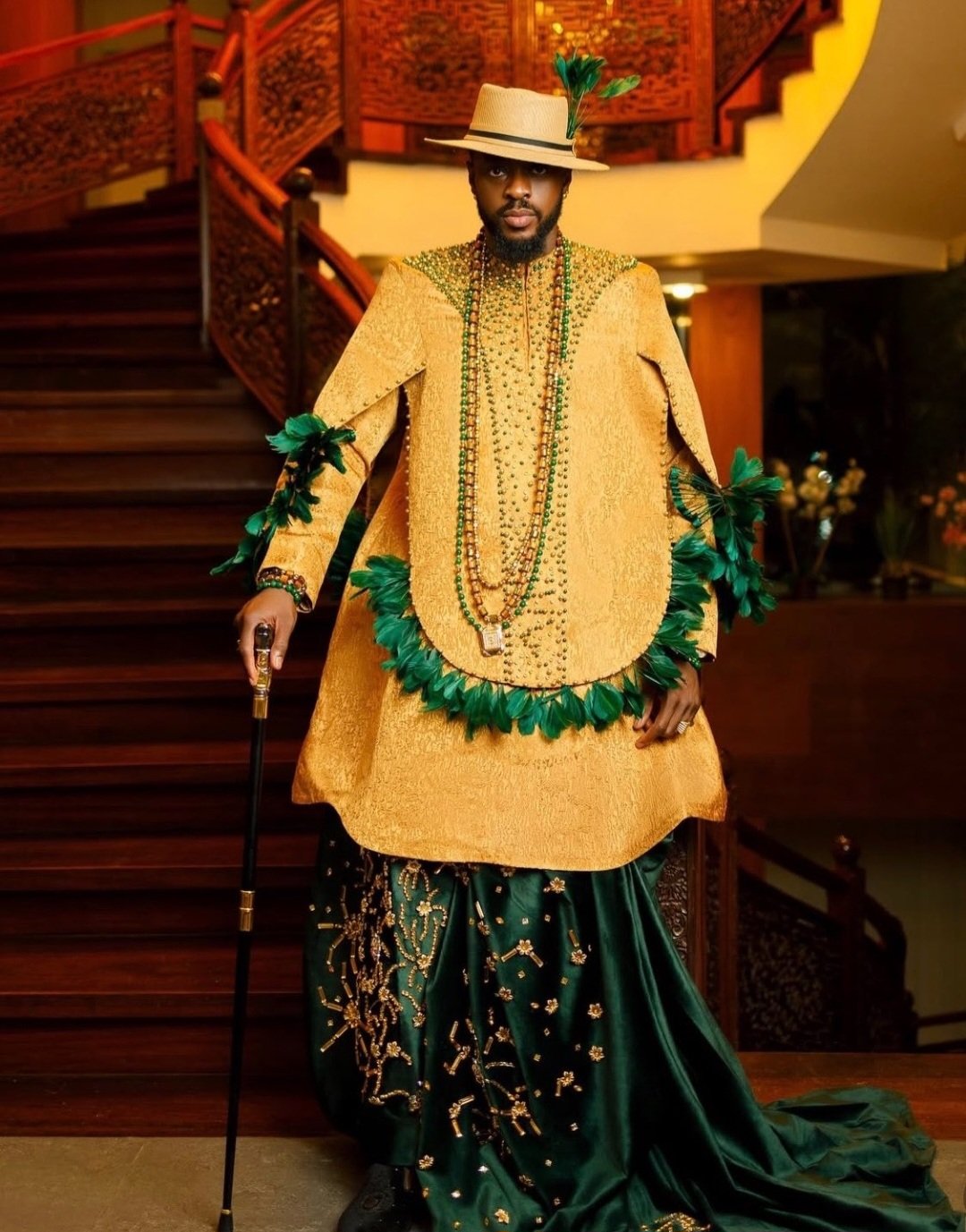
Mensan’s Ijaw look, a black and silver brocade long robe with traditional George fabric draped over the shoulder, red and gold crown, and authentic coral beads, brought the Niger Delta’s ceremonial visual language into a room that had never seen it represented with this level of accuracy. Brocade in Ijaw ceremonial dress carries specific weight: it signals occasion, status, and the public acknowledgement of identity. The George fabric drape is not decorative. George cloth is among the most prized fabrics in Delta State, worn at the highest ceremonial occasions and distinguished from everyday dress by its specific weave, sheen, and the social investment required to acquire it.
While New York asked whether fashion could be art, Lagos was already answering the question. It has been answering it for centuries.
The History That Produced These Looks: Three Traditions at Full Strength
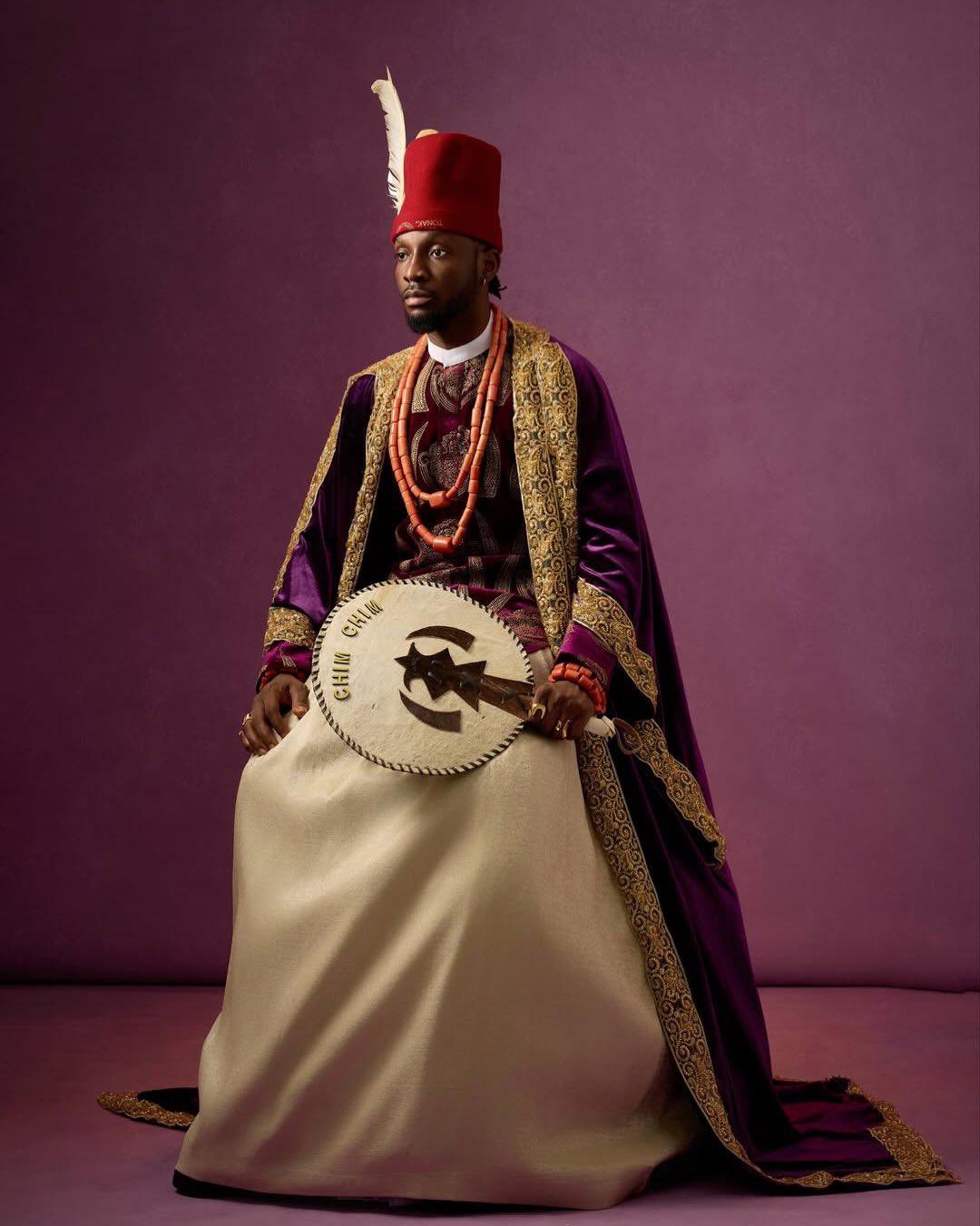
The three dominant male traditions represented at AMVCA 12 Cultural Night, Edo, Yoruba, and Ijaw, are each the product of centuries of design evolution in which dress was never separated from political authority, spiritual significance, or social communication. Understanding what was in the room requires understanding where each tradition came from.
The Edo royal dress is among the most codified and visually spectacular dress traditions on the African continent. The Benin Kingdom, which reached its peak of political and artistic power between the 13th and 17th centuries, developed a visual culture in which coral beads, bronze plaques, carved ivory, and specific colour systems communicated rank, spiritual authority, and relationship to the Oba’s court with precision that European heraldry could not match for specificity. The coral beads that Ibrahim Suleiman wore as a long string, that Shaun Okojie wore as a single, deliberate strand announcing his Omo N’Oba status, and that appeared throughout the evening’s Edo looks are not accessories in the fashion industry’s sense. They are credentials. As the coral’s documented history in the Niger Delta trade confirms, the beads moved through routes connecting the Bight of Benin to North Africa and the Mediterranean, making coral a marker of both prestige and global connectivity before globalisation had a name.
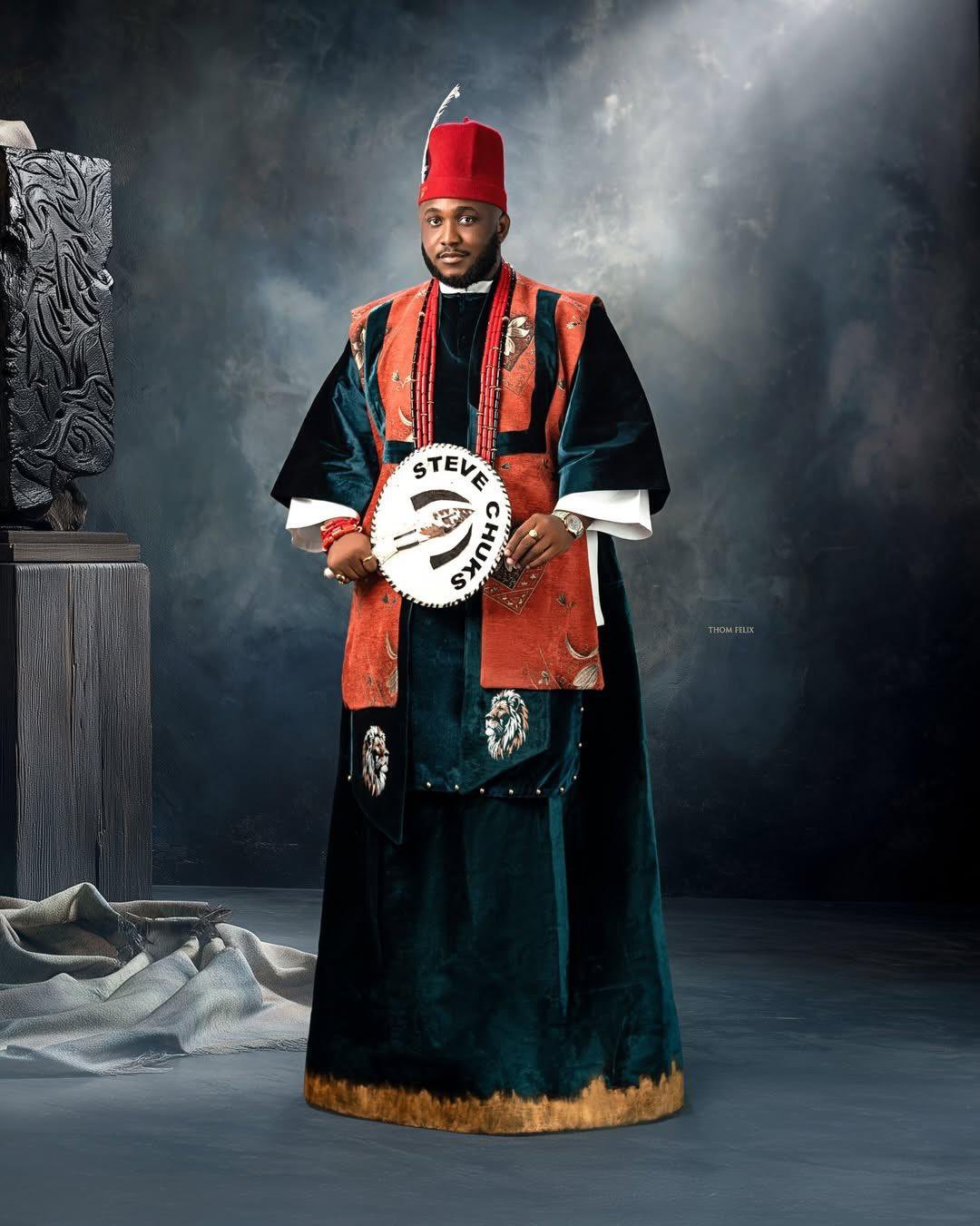
Yoruba textile culture, centred on Aso-Oke, is the foundation of Nigeria’s most commercially significant fashion economy. The handwoven cloth produced by Yoruba artisans in Oyo, Oshun, and Kwara states is not a heritage material found in museums. It is a living production system that employs weavers, traders, dressmakers, and stylists across the country, that drives a significant portion of the demand at Lagos’s fabric markets, and that has been adopted by Nigerian designers from Kenneth Ize to Lisa Folawiyo as the material argument at the centre of internationally recognised creative practices. Kaybobo’s green-and-purple Agbada is not a reference to any tradition. It is a product of that tradition, actively made by people whose craft knowledge is passed down through families and apprenticeships that have been running for generations.
Northern Nigerian ceremonial dress, represented by Jason Jae’s Zanna cap ensemble, comes from the Kanem-Bornu Empire and the Hausa Kingdoms, civilisations whose sophistication in governance, trade, Islamic scholarship, and textile production produced dress cultures of extraordinary complexity. The Babban Riga, the grand ceremonial robe of the Hausa elite, and the specific accessories of Kanuri royal attire represent knowledge systems that have been developing for over a millennium. The Zanna cap worn by Jason Jae at the AMVCA Cultural Night sat in the same room as coral Edo regalia and Yoruba Aso-Oke, creating a cross-section of Nigerian dress culture that no museum exhibition has yet managed to represent in a single frame.
Also Read
- AMVCA 12 Cultural Night: When Nigerian Stars Dressed With Memory
- Agbada, Boubou, Grand Boubou: One Silhouette, Four Countries, Four Arguments About Power
- The Young Nigerian Tailors Redefining Luxury Menswear Without a Fashion Week Invitation
- The Aso-Oke Weaver Crisis: What Happens When the Artisans Who Make Nigeria’s Most Important Cloth Can No Longer Afford to Weave It
Fashion, Business, and the Global Argument: These Looks Are Making
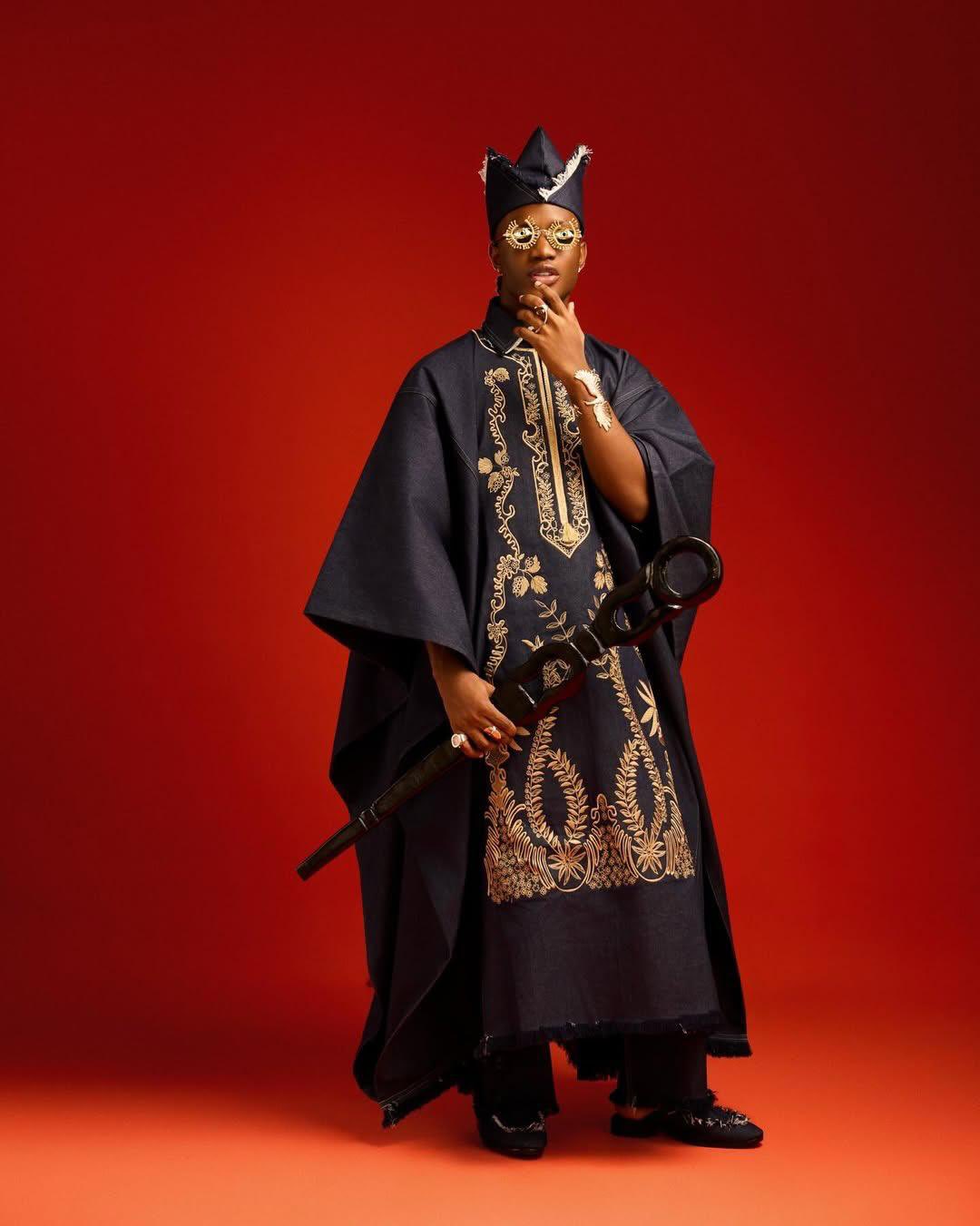
The AMVCA Cultural Night does not exist in isolation from the business of Nigerian fashion. Every look that was documented on May 8 at the Balmoral Convention Centre, every brocade robe, every Agbada, every coral bead set, was produced by someone. A weaver, an embroiderer, a tailor, a beadwork specialist, a fabric trader, a costume designer. The Nigerian traditional fashion economy, which runs through Balogun Market, artisan workshops in Oyo, bead suppliers in Benin City, and George cloth importers in Port Harcourt, is one of the most significant informal creative industries on the continent. It does not appear on Lagos Fashion Week’s runway. It does not appear in Alara’s stockrooms. It appears at events like the AMVCA Cultural Night, where the aggregate production of that economy is worn publicly, photographed extensively, and circulated globally on social media at a scale that no fashion-week press operation can match. As Omiren Styles argued in its analysis of Nigerian bespoke tailoring, the most commercially significant layer of Nigerian fashion has always operated outside the formal fashion press’s field of vision. The AMVCA carpet is where that layer becomes visible to everyone simultaneously.
The international context matters here. The same week that Lagos’s men were dressing in Aso-Oke, George, coral, and velvet, the global fashion press was asking whether fashion is art. The question is not new. African dress traditions answered it before it was formally posed. The Gerewol festival in Niger, where Wodaabe men dress to be judged by women, is a fashion show in the most complete sense: performance, craft, competition, and cultural argument all present simultaneously. The Egungun masquerade in Yorubaland uses layered fabrics and accumulated garments to dress the presence of the ancestral dead, making the garment a vessel for something beyond aesthetics. The Benin Kingdom’s bronze plaques, many of which depict figures in specific dress that communicate rank and occasion, are fashion photography from the 13th century. Nigerian men at the AMVCA Cultural Night in 2026 are the living continuation of a creative tradition whose relationship to art, identity, and self-expression has never been in question.
The Met Gala, in its 2026 edition, asked whether that relationship exists. Lagos did not ask the question. It walked in wearing the answer.
The Omiren Argument
What the men wore at the AMVCA 12 Cultural Night is not a fashion moment. It is a fashion argument. The argument is that Nigerian traditional menswear, in its full range from Kaybobo’s Yoruba Aso-Oke Agbada to Jason Jae’s Northern royal ensemble to Mensan’s Ijaw brocade to Ibrahim Suleiman’s Edo regalia, operates simultaneously as fashion, art, cultural documentation, political statement, and commercial product. It does this not because anyone designed it to do all of those things. It does this because it grew from civilisations in which those categories were never separated. The dress is political because the culture that produced it was political. The dress is artistic because the culture that produced it was artistic. The dress is commercial because the knowledge systems that produce it sustain entire economies. A fashion editorial that covers these looks as aesthetics, without engaging with their content, is covering the surface of a text it has not learned to read.
Omiren Styles is building the vocabulary to read that text. The Cultural Night, taken in full, is a reading list: Benin Kingdom history, Yoruba cosmology, Ijaw ceremonial tradition, Kanuri royal heritage, the economics of Nigerian handwoven textiles, the social grammar of coral beads, the construction logic of the Agbada, and the political history of the Zanna cap. These are not background facts for a fashion feature. They are the fashion feature. The men who wore these at the Balmoral Convention Centre on May 8 knew that. The world is beginning to understand it. Omiren Styles is here to ensure the understanding is specific, accurate, and lasting.
Quick Reference: Men’s Looks at AMVCA 12 Cultural Night
|
Name |
Heritage |
Key Look Elements |
|---|---|---|
|
Ibrahim Suleiman |
Edo |
White embroidered robe, orange-coral velvet cap, long coral beads, beaded bracelets, dark sunglasses, carved traditional staff |
|
Shaun Okojie |
Edo |
White tunic, wine velvet robe, gold embroidery, single coral strand (Omo N’Oba) |
|
Prince Enwerem |
Edo |
All-red embroidered Edo prince ensemble, vintage accessories |
|
Kaybobo |
Yoruba |
Green and purple Aso-Oke Agbada, green glass beads (OKIN peacock concept) |
|
Mensan |
Ijaw |
Black and silver brocade robe, George fabric drape, red and gold crown, coral beads |
|
Jason Jae |
Northern Nigeria |
Black velvet robe, gold braided edges, fur-lined shoulder, gold face veil, feathered Zanna cap, ceremonial staff |
Frequently Asked Questions
1. What was the theme of the AMVCA 12 Cultural Night?
The AMVCA 12 Cultural Night, held on May 8, 2026, at the Balmoral Convention Centre on Victoria Island, Lagos, carried the theme “Honouring Craft, Celebrating Culture”. The event is held annually as the opening ceremony of the AMVCA weekend, inviting guests to dress in traditional attire representing their ethnic heritage. AMVCA 12 ran from May 6 to May 9, 2026, with the main awards ceremony held at Eko Hotel and Suites on May 9.
2. What made the men’s fashion at AMVCA 12 Cultural Night significant?
Multiple sources noted that male attendees in 2026 put more effort into their looks than at previous editions, sparking a genuine fashion conversation alongside the typically female-dominated red-carpet coverage. The men’s looks spanned multiple distinct Nigerian ethnic dress traditions, including Edo, Yoruba, Ijaw, and Northern Nigerian royal dress, with each look demonstrating specific cultural literacy rather than generic traditional attire. Kaybobo’s OKIN concept Agbada, Jason Jae’s Northern royal ensemble with Zanna cap and gold face veil, and Mensan’s Ijaw brocade were among the most discussed.
3. What is the Omo N’Oba title, and why did Shaun Okojie use it?
Omo N’Oba is an Edo phrase meaning child of the King. It carries ceremonial and royal weight within Edo tradition, signifying descent from or connection to the royal lineage of the Benin Kingdom. Shaun Okojie’s announcement of the phrase upon arrival at the Cultural Night was a deliberate framing of his wine-velvet robe and gold-embroidered look as a statement of royal Edo lineage rather than simply a cultural dress choice. The restraint of his single coral bead strand, against the fuller coral regalia worn by Ibrahim Suleiman, was itself a precise communication of status within the Edo dress grammar.
4. What is the Zanna cap, and what does it signify?
The Zanna cap is a traditional headpiece associated with Kanuri royalty and high-status individuals in Nigeria’s north-east, originating from the Kanem-Bornu Empire. In the context of Northern Nigerian ceremonial dress, it signals lineage, institutional authority, and social rank with the same precision that coral beads carry in southern Nigerian traditions. Jason Jae’s full ensemble at the AMVCA 12 Cultural Night, combining the Zanna cap with a black velvet robe, gold-braided edges, a fur-lined shoulder, a translucent gold face veil, and a ceremonial staff, was a comprehensive representation of Northern Nigerian royal dress traditions.
5. How does Nigerian traditional menswear connect to the wider global fashion conversation?
Nigerian traditional menswear is the product of civilisations in which dress, political authority, spiritual meaning, and social communication were inseparable. The Benin Kingdom’s coral bead regalia, the Yoruba Aso-Oke Agbada tradition, Ijaw ceremonial brocade, and Northern Nigerian royal dress all predate modern fashion as a concept and have been evolving continuously for centuries. The international fashion industry’s question of whether fashion can be art is one that African dress traditions answered structurally long before it was posed. The AMVCA Cultural Night is where those answers are made visible to the world simultaneously.
Explore More
Read the full Events coverage at Omiren Styles Events, and explore the Men’s section at for Omiren Styles’ full analysis of Nigerian and Afrocentric menswear, from ceremony to street to the business of craft.