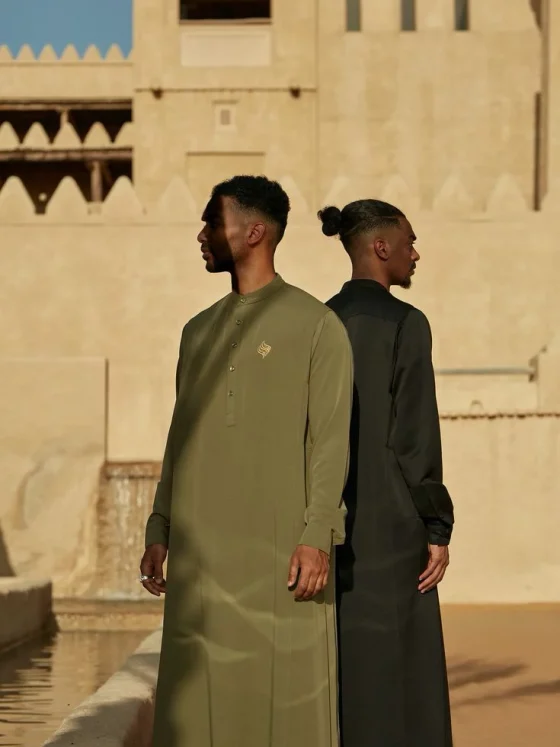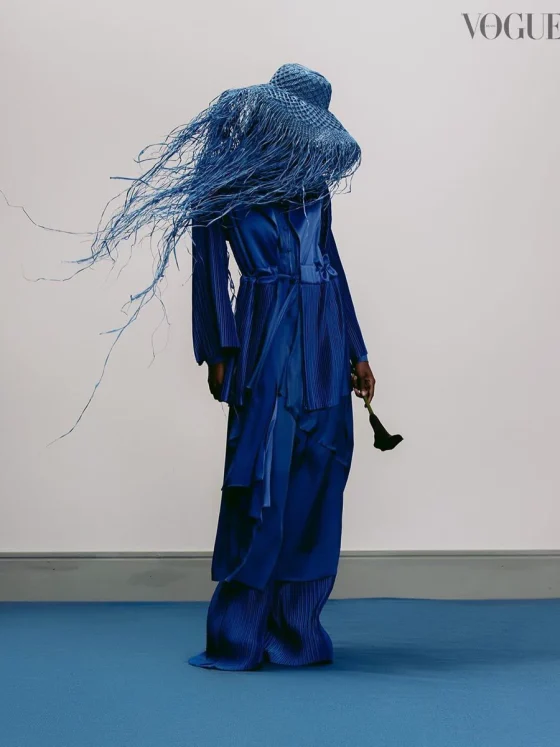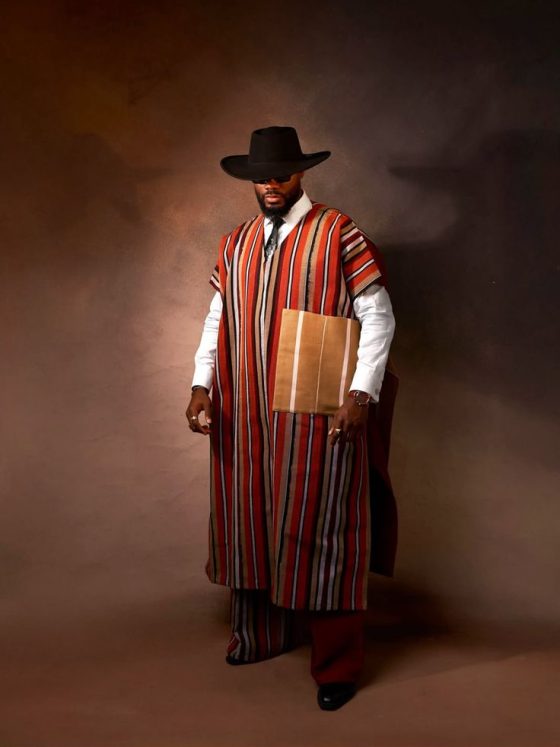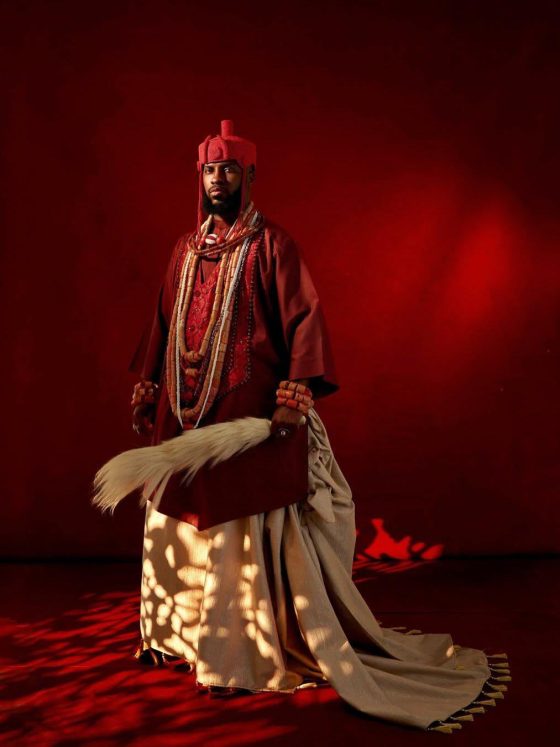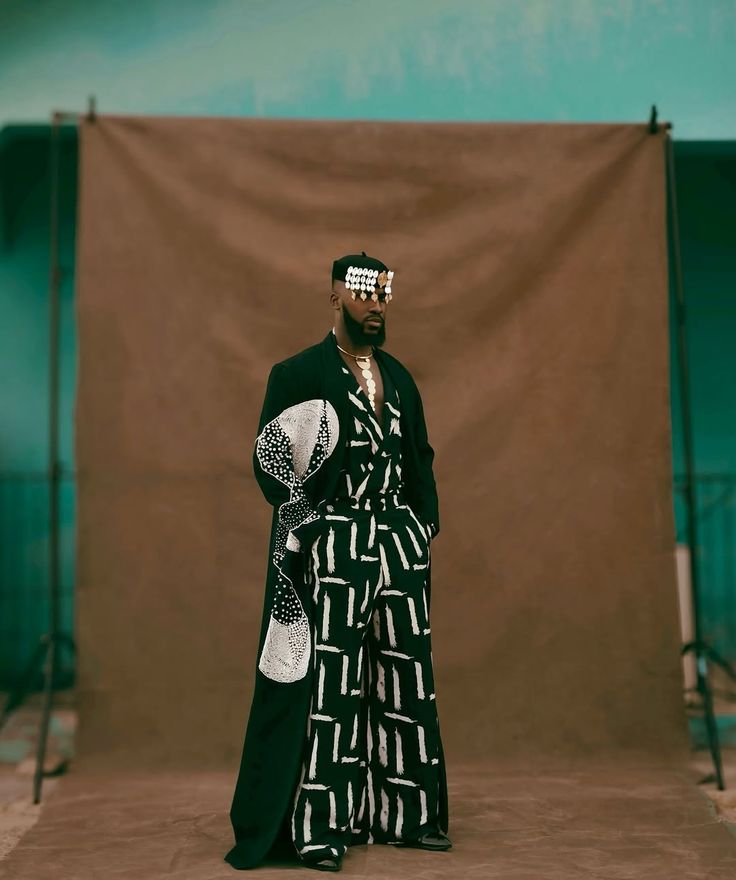
On Sunday evenings, millions of Nigerians tune in to watch Big Brother Naija. While the competition, conversations, and drama dominate headlines, another subject regularly captures just as much attention online: what Ebuka Obi-Uchendu is wearing.
Every season, social media fills with discussions about his impeccably tailored agbadas, embroidered kaftans, velvet jackets, and contemporary interpretations of traditional Nigerian menswear. Fashion pages identify the designers behind each look. Tailors receive requests to recreate specific outfits. Viewers debate fabrics, colours, and embroidery with the same enthusiasm they bring to discussing contestants.
It is an extraordinary phenomenon because it reveals something larger than one television presenter with an exceptional wardrobe. It shows that the screen has become one of Africa’s most powerful fashion platforms, and that the people who appear on it have become some of the continent’s most influential style ambassadors. Not because they set out to do so. Because millions of viewers were watching and taking notes.
Discover how Nollywood, Afrobeats and television have shaped African men’s fashion, influencing menswear tailoring, luxury streetwear and cultural identity across the continent.
Nollywood’s Early Influence on African Men’s Fashion
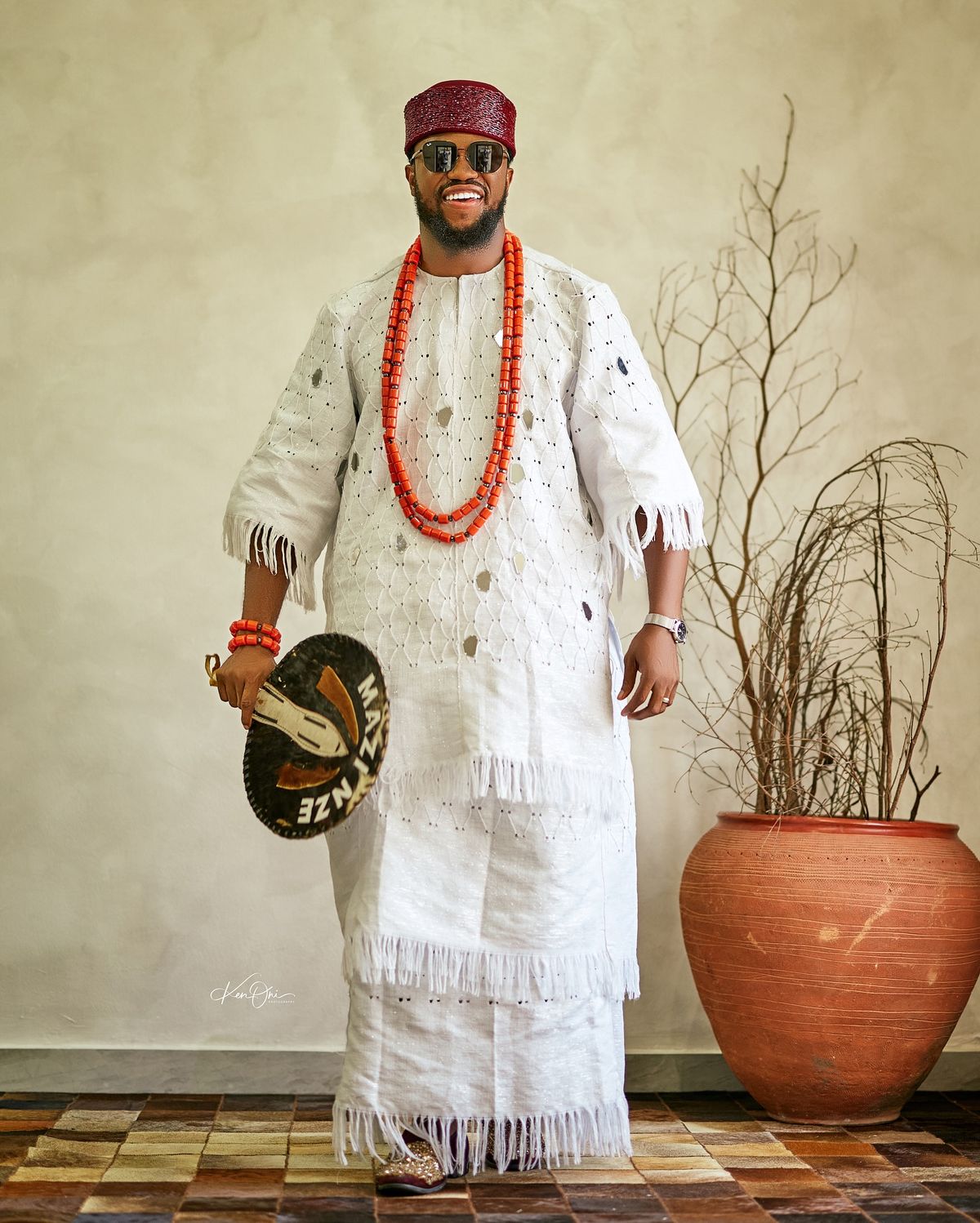
The relationship between entertainment and fashion in Africa did not begin with Instagram or TikTok. It began with Nollywood. As the industry grew into one of the world’s largest film industries, often cited as producing thousands of films annually and rivalling Hollywood and Bollywood in output volume, audiences did more than follow storylines. They paid attention to the people telling those stories. Costumes became part of character development, communicating wealth, ambition, professionalism, cultural identity, and social status before dialogue even began.
Actors such as Richard Mofe-Damijo became closely associated with polished tailoring that projected confidence and executive authority. Whether portraying lawyers, politicians, or successful businesspeople, his carefully tailored suits and traditional attire helped shape an image of mature African masculinity that extended far beyond the screen. Ramsey Nouah represented a different kind of aspiration: understated tailoring, relaxed sophistication, approachable elegance. His wardrobe suggested that refinement could be achieved through fit, simplicity, and attention to detail rather than through extravagance.
These choices mattered because Nollywood reached millions of households across the continent and diaspora. For many viewers, films became an accessible reference point for how successful men dressed in professional settings, at weddings, during family celebrations, or while navigating everyday urban life. Without presenting themselves as fashion educators, actors helped establish visual standards that audiences carried into their own wardrobes.
The screen has become the new runway. The people who appear on it have become some of the continent’s most influential style ambassadors.
ALSO READ
- African Menswear Was Never Just Fashion. It Was a Record.
- African Menswear Does Not Start With a Sketch. It Starts With a Question.
- Staying in Lagos Was the Strategic Decision. Leaving Was the Compromise.
Afrobeats Musicians as Global African Menswear Influencers
If Nollywood introduced many African men to aspirational tailoring, Afrobeats expanded those conversations onto the global stage.
As artists began selling out arenas across Europe, North America, and Africa, their clothing became part of their artistic identity. Fashion was no longer simply something worn during performances. It became another way of communicating confidence, creativity, cultural pride, and individuality.
Burna Boy illustrates this transformation particularly well. His wardrobe moves comfortably between luxury fashion, traditional influences, contemporary tailoring, and streetwear. Rather than following a single aesthetic, he has spoken about dressing according to his own instincts and drawing inspiration from his upbringing, the cultural energy of Port Harcourt, and the enduring influence of Fela Kuti. That philosophy has made authenticity one of the defining features of his public image. Wizkid’s understated luxury has helped popularise minimalist menswear that relies on quality fabrics and relaxed tailoring instead of excessive branding. Asake has embraced Yoruba-inspired silhouettes, richly embroidered garments, and indigenous references, demonstrating that heritage can remain central to contemporary performance fashion without appearing nostalgic.
These artists influence more than playlists. A young designer studying menswear in Accra may analyse Burna Boy’s tailoring choices. A groom in Lagos may ask his tailor to recreate an Asake-inspired agbada. A university student in Nairobi may discover a Nigerian fashion label after seeing it in a music video. The influence flows from stage to screen, from screen to audience, and from audience into everyday life.
Stylists as Cultural Editors of African Menswear
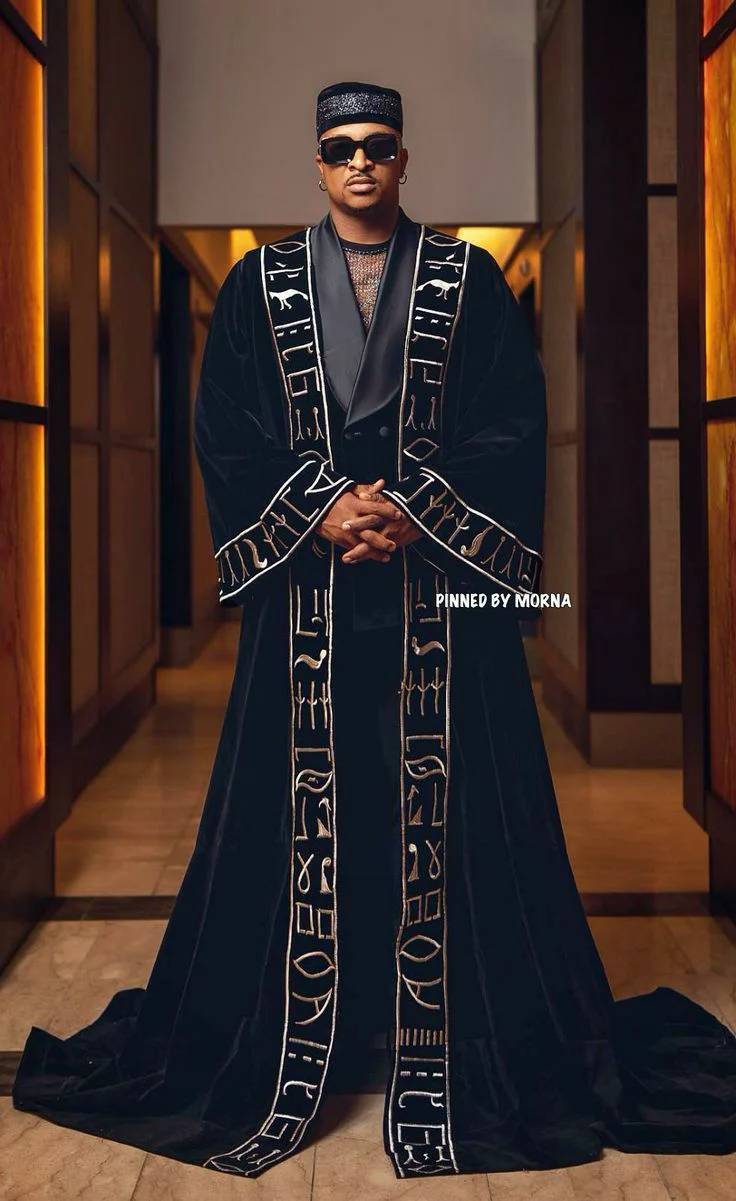
As audiences admire a memorable red-carpet appearance or a striking music video, attention usually goes to the artist wearing the clothes. Much less visible are the stylists whose creative decisions help shape those public identities. Across Africa, stylists have become among the fashion industry’s most influential cultural figures, shaping how designers, fabrics, colours, accessories, and silhouettes come together to tell a story.
Few people have demonstrated this more clearly than Swanky Jerry. His work with Ebuka Obi-Uchendu is the most visible example: he is the creative force behind many of those Big Brother Naija looks that dominate Sunday-evening social media, combining Fruche, Maxivive, and other Nigerian designers with international fashion to present local creativity on a mainstream television platform. His work extends to major Afrobeats artists and public figures, and his consistent choice to lead with African labels rather than treat them as supplementary has made him a quiet architect of how Nigerian menswear is seen abroad.
Stylist Ugo Mozie has approached the role from another angle. Working across fashion, music, and creative direction, he has consistently championed independent African designers, including Lagos-based Orange Culture, Maxivive, and Kenneth Ize, while helping international audiences discover brands they might otherwise never encounter. His work on high-profile looks for global artists has blurred the line between stylist and cultural ambassador, positioning African fashion inside luxury conversations without positioning it as peripheral to them.
Their influence reminds us that fashion trends rarely emerge by accident. Behind many memorable celebrity wardrobes is a creative team making deliberate decisions about how African masculinity should be seen and understood.
Why Entertainment Is Now Africa’s Most Powerful Fashion Platform for Menswear
Fashion once depended heavily on magazines, seasonal runway shows, and luxury advertising campaigns to introduce new ideas. Today, entertainment often performs that role more effectively and with greater reach.
A single music video can introduce millions of viewers to an emerging designer within days. A streaming series can revive interest in traditional tailoring. A television appearance can transform an unfamiliar silhouette into one of the most discussed looks of the week. Digital platforms amplify this influence further: an outfit worn during a concert quickly appears across Instagram, TikTok, X, and fashion blogs, where audiences identify the designer, discuss styling choices, and share inspiration with local tailors. Consumers no longer wait for fashion magazines to explain trends. They participate in the conversation almost immediately.
This speed has fundamentally changed how fashion circulates across the continent. Inspiration moves directly from screen to smartphone, from smartphone to tailor, and from tailor into everyday wardrobes. For independent African designers, including Fruche, Maxivive, Orange Culture, and Kenneth Ize, this visibility has created opportunities that previous generations could scarcely imagine. A garment worn by a globally recognised musician may introduce a local label to audiences across multiple continents within a matter of hours. As Omiren Styles has documented in the analysis of how African fashion weeks create infrastructure for exactly this kind of designer visibility, the screen and the runway are now part of the same system, each feeding the other.
What Audiences Borrow Is Bigger Than the Outfit
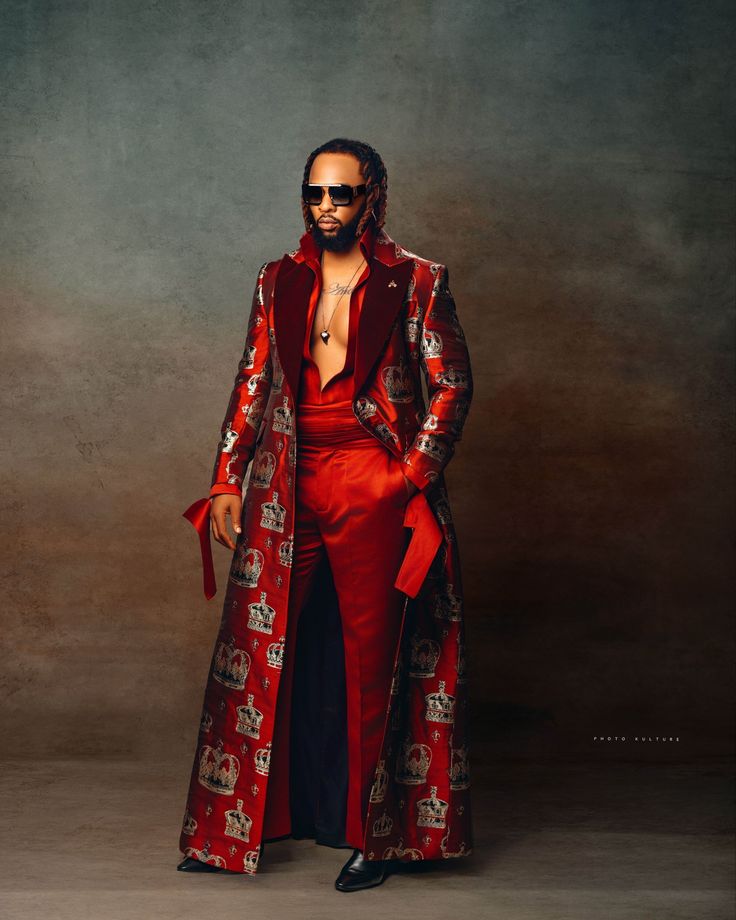
When audiences watch Ebuka Obi-Uchendu present prime-time television wearing elaborately tailored agbadas, they begin to see traditional Nigerian menswear as suitable for modern public life rather than something reserved exclusively for weddings or cultural ceremonies. When Burna Boy combines indigenous influences with luxury tailoring, he demonstrates that African identity need not compete with global fashion. It can stand comfortably beside it. When Asake performs in richly embroidered garments inspired by Yoruba aesthetics, younger audiences see heritage presented as contemporary rather than historical.
These examples shape aspiration more than imitation. Most viewers will never purchase the exact garments worn by these public figures. Instead, they adopt the underlying ideas. They commission similar tailoring, explore African designers, or become more willing to wear culturally significant clothing in spaces where they previously might have chosen conventional Western dress. Entertainment influences wardrobes not because audiences want to become celebrities, but because celebrities expand what feels possible.
What This Means for African Fashion
Fashion influence has never belonged exclusively to runways. Across Africa, some of the continent’s most important style conversations now begin on film sets, in television studios, on music stages, and on digital platforms. Actors, musicians, presenters, costume designers, and stylists collectively shape the visual language through which millions of people understand success, confidence, masculinity, and cultural identity. This influence supports designers, introduces audiences to indigenous craftsmanship, encourages investment in local fashion businesses, and reshapes public attitudes toward African dress. As Omiren Styles has argued in analysing how African menswear carries centuries of historical meaning and why its contemporary designers function as archivists as much as creatives, the screen is simply the latest surface on which that archive has been displayed. The archive is older than television. The screen is just where millions of people are watching it now.
The next time a music video sparks conversation about a jacket, or a television presenter dominates social media because of an impeccably tailored agbada, it is worth remembering that these moments are about more than clothing. They are reminders that every screen can become a runway, every performance can influence a generation, and every well-dressed public figure can quietly reshape how a continent imagines style.
ALSO READ
- African Fashion Weeks Were Never Trying to Beat Paris. They Were Solving a Different Problem.
- The Cost of Making Fashion in an African City Is a Political Number, Not Just an Economic One
- How African Identity Is Styled Differently Across Continents
Frequently Asked Questions (FAQs)
How has Nollywood influenced the way African men dress?
Nollywood has shaped African men’s fashion by presenting aspirational styles through actors, costume design, and storytelling. Characters portrayed by actors such as Richard Mofe-Damijo and Ramsey Nouah helped popularise tailored suits, traditional attire, and sophisticated menswear, inspiring viewers to adopt similar styles in their everyday lives. Because Nollywood produces thousands of films annually and reaches audiences across the continent and diaspora, its influence has been broad, sustained, and largely invisible, arriving through entertainment rather than fashion media.
Why is Afrobeats important to African men’s fashion?
Afrobeats has transformed musicians into global style influencers with audiences across multiple continents. Burna Boy, Wizkid, and Asake each use fashion to express individuality, cultural pride, and creativity in distinct ways: Burna Boy through the blending of luxury and indigenous references; Wizkid through minimalist, quality-led tailoring; Asake through Yoruba-inspired embroidery and silhouette. Their wardrobes encourage fans to embrace African designers, heritage textiles, and contemporary tailoring, and their global reach means those influences travel far beyond Nigeria.
How do stylists influence African fashion trends?
Stylists play a major role in shaping fashion trends by creating the visual identities of musicians, actors, and television personalities. Swanky Jerry’s work with Ebuka Obi-Uchendu is the most visible current example: he assembles the Big Brother Naija looks that generate weekly social media discourse, consistently leading with Nigerian designers including Fruche and Maxivive. Ugo Mozie champions independent African labels, including Orange Culture and Kenneth Ize, while working with international artists, positioning African fashion within global luxury conversations. Both demonstrate that styling is a form of cultural editing with real industry consequences.
Why has television become an important platform for African menswear?
Television reaches millions of viewers every week, and digital sharing has made its influence faster and more widely distributed than ever. Presenters such as Ebuka Obi-Uchendu have shown how contemporary tailoring and traditional African garments can become part of mainstream style conversations, inspiring audiences and supporting local designers simultaneously. The Big Brother Naija effect, where a single agbada or kaftan generates tailoring requests and designer identification within hours of broadcast, demonstrates how directly television now connects to purchasing decisions and wardrobe inspiration.
Which African designers are shaping men’s fashion through film and music?
Several Lagos-based independent designers have gained significant visibility through entertainment: Fruche, whose elaborate tailoring has appeared on Ebuka Obi-Uchendu and other major Nigerian public figures; Maxivive, known for bold menswear that blends traditional reference with contemporary construction; Orange Culture, whose gender-progressive menswear has been championed by stylist Ugo Mozie and stocked internationally; and Kenneth Ize, whose handwoven Aso Oke collections have appeared in international fashion weeks and on global Afrobeats artists. Their visibility is inseparable from the entertainment platforms and stylists that have placed their work on prominent bodies.
How has African entertainment helped promote local fashion designers?
African entertainment industries have given designers unprecedented visibility by featuring their work in films, television shows, concerts, music videos, and international events. When celebrities wear locally made clothing, they simultaneously expose African fashion brands to domestic and global audiences. The speed of digital distribution amplifies this: a garment worn during a concert can introduce a local label to audiences across multiple continents within hours. For independent African designers, this is a form of distribution and marketing that previous generations had no access to.
Why do African celebrities have such a strong influence on men’s style?
Because they make the aspirational visible at scale, most viewers will never purchase the exact garments worn by Burna Boy or Ebuka Obi-Uchendu. What they adopt is the underlying idea: that traditional African garments are appropriate for contemporary public life, that heritage and luxury can coexist in the same outfit, that a well-dressed African man can look like himself rather than like an approximation of someone else. Celebrities expand what feels possible. Entertainment is the infrastructure that delivers that expansion to millions of people simultaneously.