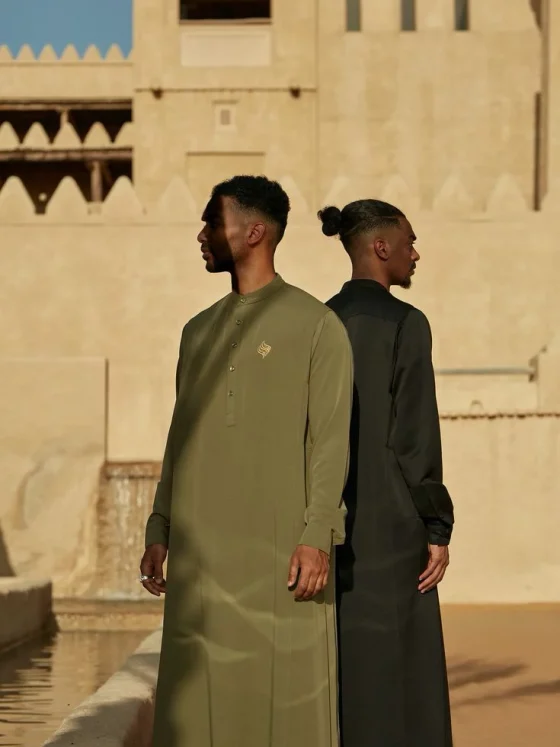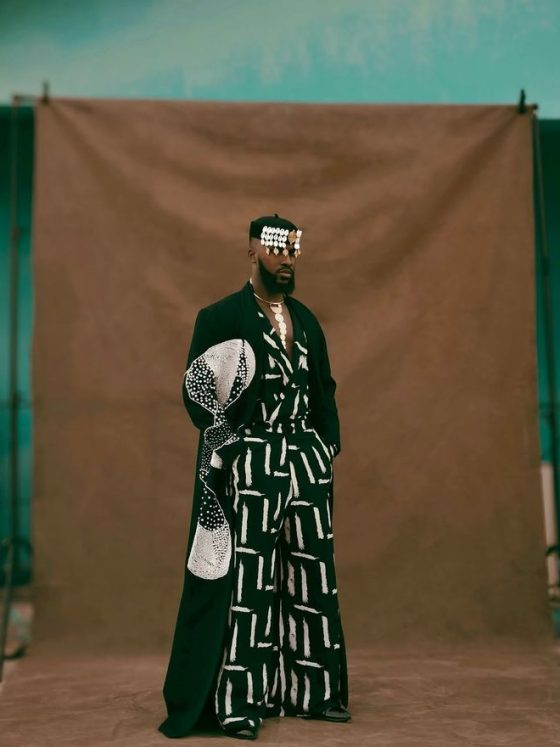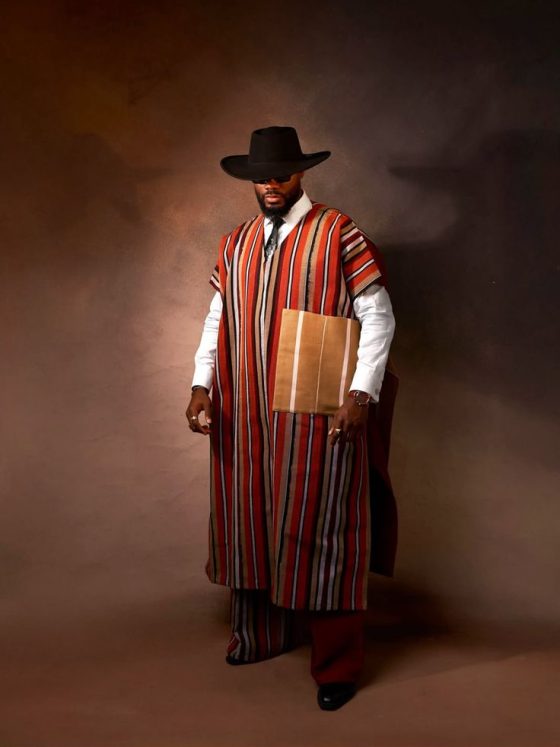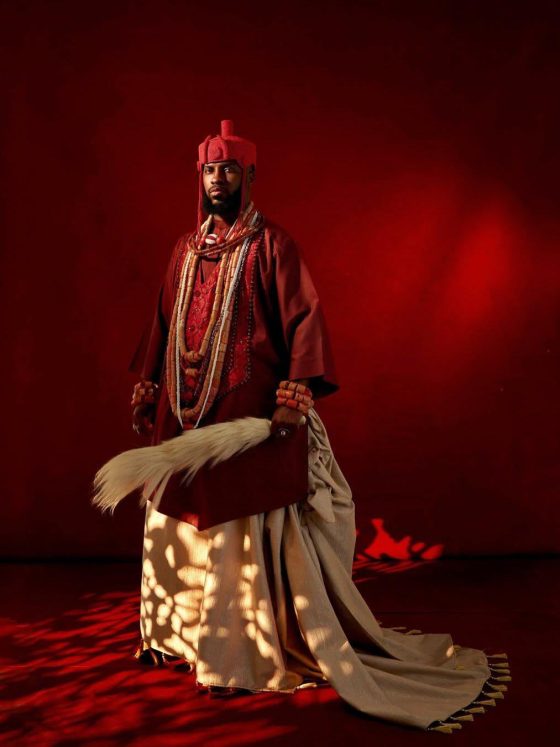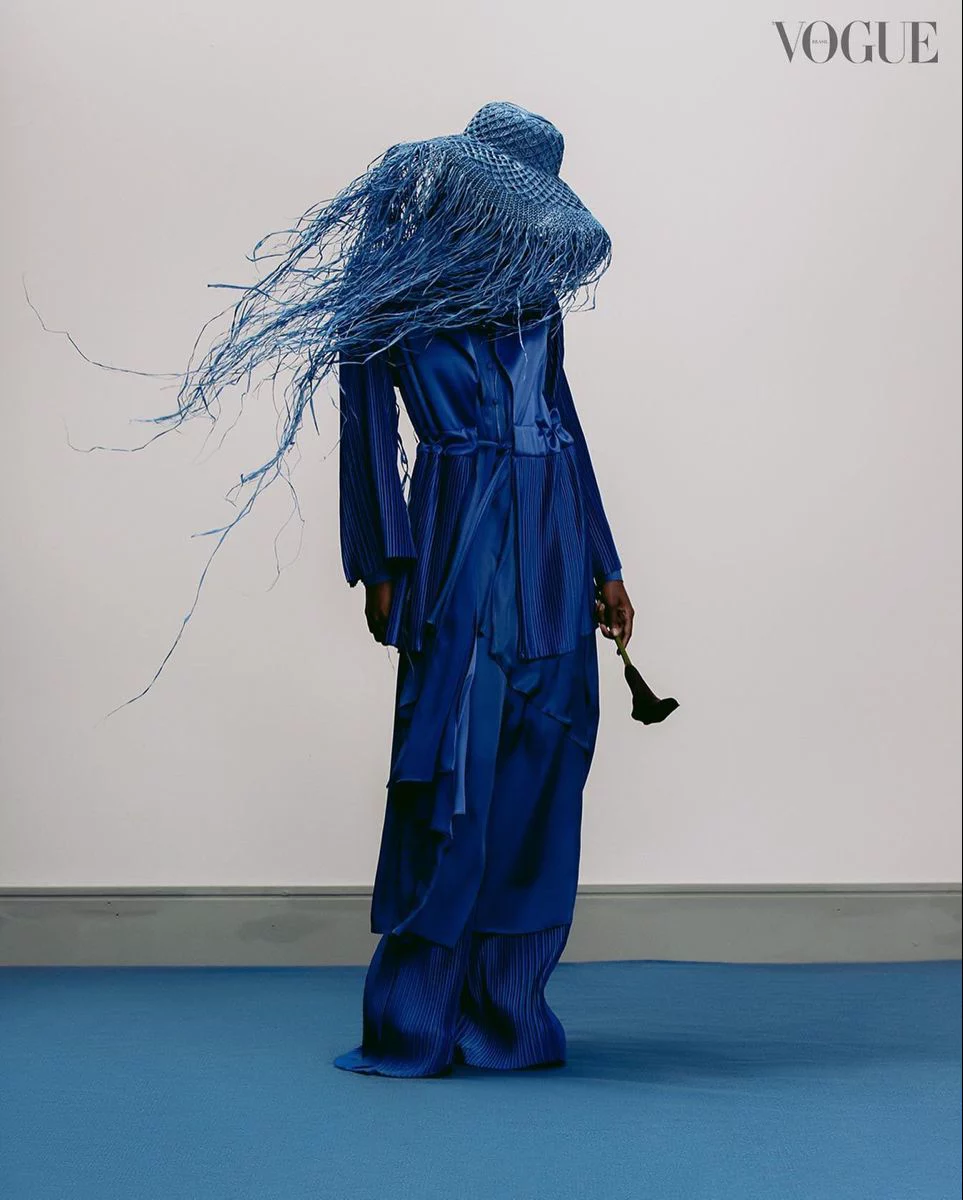
Most people think history is preserved in books, official records, photographs, or oral traditions. Yet historians of African dress increasingly argue that another archive has been hiding in plain sight for centuries: clothing.
A woven robe, a beaded crown, a ceremonial cap, or a carefully tailored tunic can reveal how a society understood leadership, adulthood, spirituality, status, and masculinity long before a single word was spoken. Textiles record trade routes. Colours reflect systems of belief. Embroidery can signal authority. Even the way a garment is worn can reveal changing political and cultural values. Far from being decorative objects, clothes preserve stories about the people who made them, wore them, and passed them from one generation to the next.
Cornell University’s Dress, Cloth and Identity in Africa and the Diaspora programme describes African textiles as ‘another vital and important archive for historians of Africa,’ in which ‘each cloth, each item of clothing and the composite ways in which African men and women dress their bodies reveal important dimensions of Africa’s cultural, economic, social and political histories’. Seeing clothing as a historical source changes how we understand fashion. Instead of seeing garments as something that simply follows trends, we begin to recognise them as records. Every garment carries evidence of the time in which it was created, the community that shaped it, and the values it was designed to communicate.
Few places demonstrate this more clearly than Africa. Across the continent, men’s clothing has long functioned as more than protection from the elements. It has communicated responsibility, maturity, spiritual commitment, political authority, family lineage, and social belonging. What a man wore often said as much about him as what he chose to say.
Most people think history is preserved in books and records. Historians of African dress argue that another archive has been hiding in plain sight for centuries: clothing. What an African man wore said as much about him as what he chose to say.
Clothing Was One of Africa’s First Historical Records
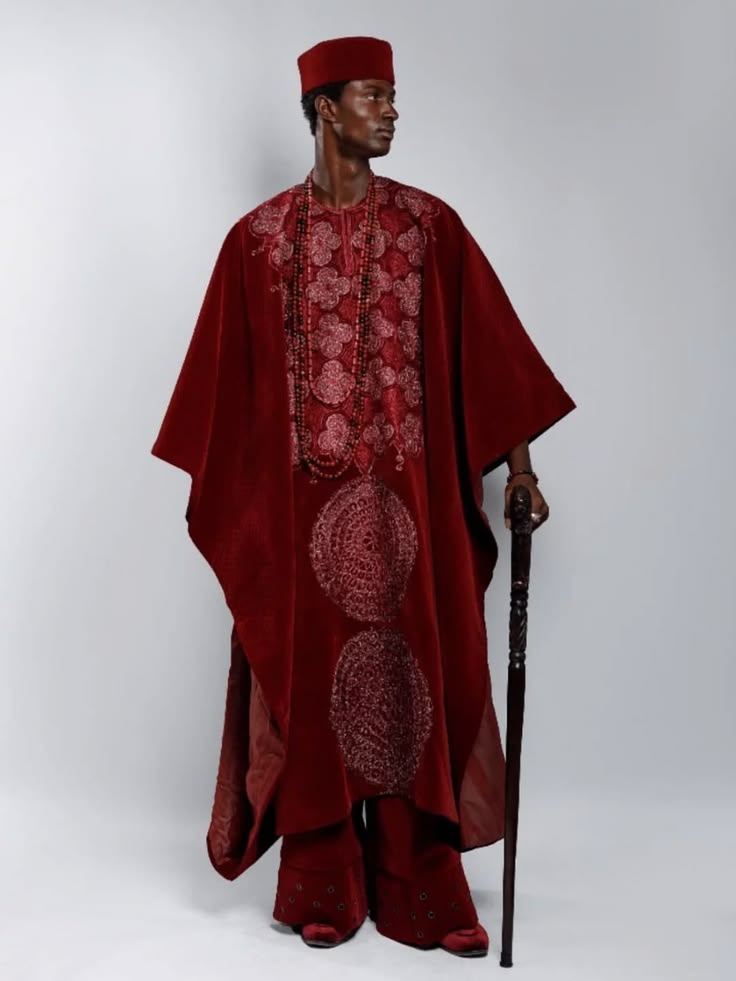
Long before museums began collecting textiles or historians analysed garments, African communities understood that clothing could preserve memory. Across different regions, weaving techniques, dyeing methods, embroidery, beadwork, and leather craftsmanship were passed from one generation to another through apprenticeship. Every finished garment reflected knowledge accumulated over decades, and sometimes centuries. The fabric itself became evidence of a community’s technical skill, environment, and cultural priorities. As documented in the African Academic Research Journal’s analysis of African textile history, a single woven textile can reveal patterns of migration, long-distance trade, religious influence, technological innovation, and exchanges between neighbouring societies. Imported materials were incorporated into local traditions, while indigenous techniques continued to evolve alongside new ideas.
This perspective challenges the assumption that history exists only in written documents. In many African societies, garments became repositories of knowledge. They preserved stories through colour, material, construction, and craftsmanship, allowing history to be worn as well as remembered.
Masculinity Was Communicated Before It Was Spoken
Across the continent, clothing often introduced a man before he introduced himself. Dress could communicate whether someone was a ruler, an elder, a warrior, a religious leader, a trader, or a member of a particular community. The meanings varied widely between cultures, yet the principle remained remarkably consistent: clothing functioned as a form of social language.
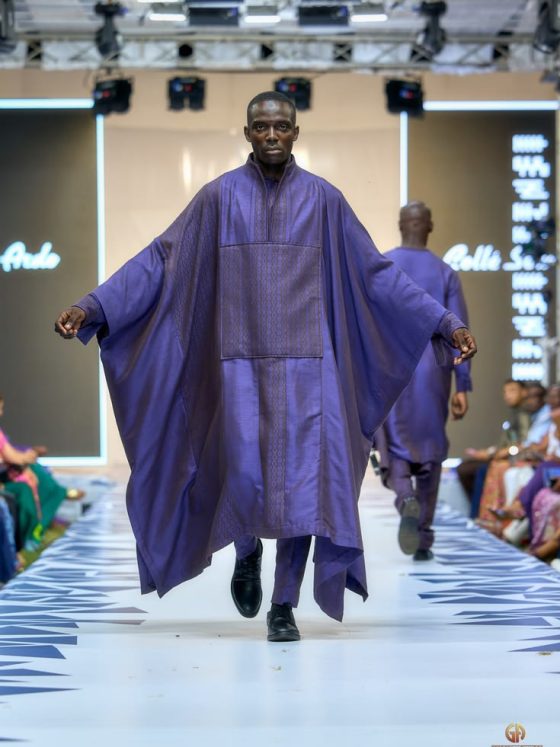
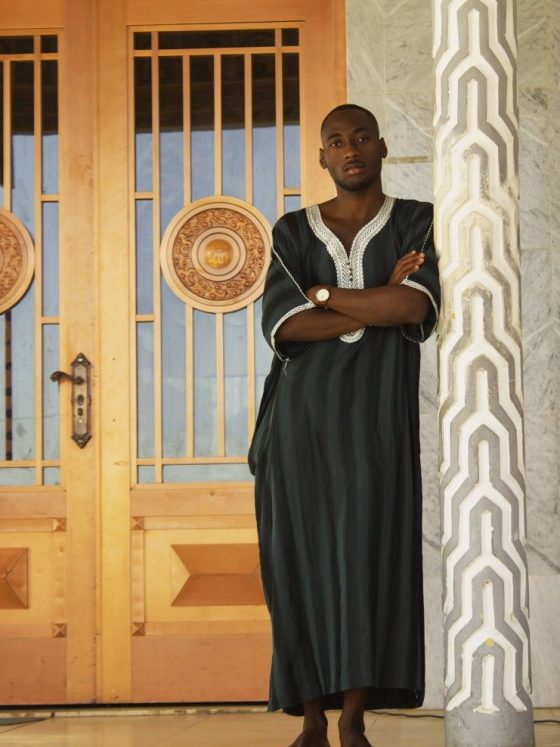
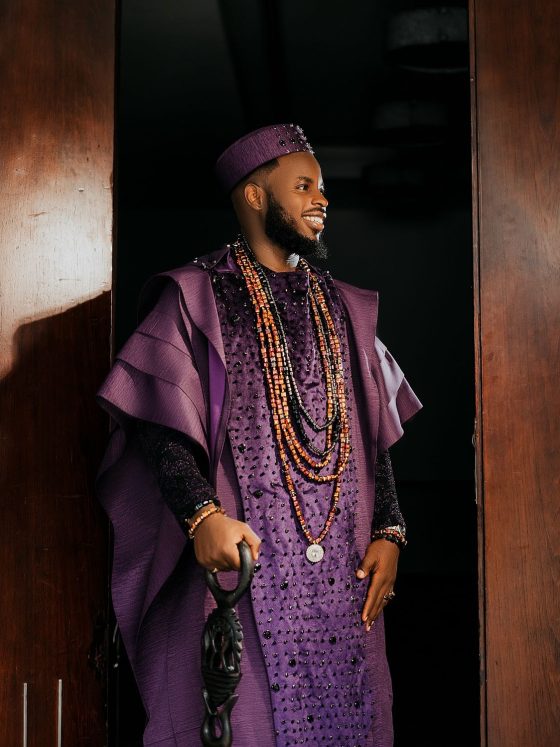
Among the Yoruba, elaborate agbada ensembles gradually became associated with leadership, prestige, and important public occasions. In parts of northern and western Africa, richly embroidered robes reflected both Islamic scholarship and political authority. Across the Sahel, the indigo-dyed garments worn by Tuareg communities became closely linked to identity and environment, with the deep blue dye leaving its mark on both the cloth and, over time, the skin of those who wore it. These garments were never simply costumes for special occasions. They formed part of wider systems through which communities recognised experience, responsibility, and belonging. In southern Africa, ceremonial dress worked the same principle from a different material vocabulary: combining beadwork, animal skins, and carefully selected adornments to communicate age, achievement, or social responsibility in ways that any member of the community could read.
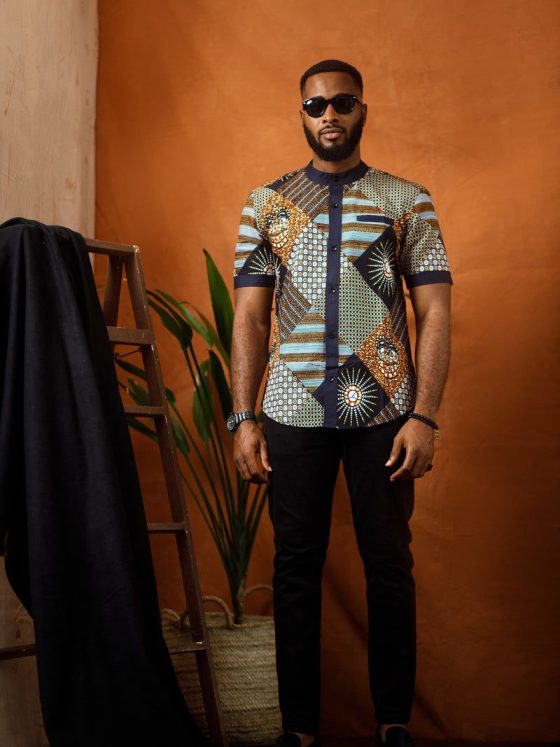
Understanding this helps explain why African menswear continues to carry cultural weight today. Contemporary designers may reinterpret silhouettes, fabrics, and tailoring, but many still draw upon garments whose meanings have been shaped by generations of history. What changes is the form. The cultural conversation continues.
What a man wore often said as much about him as what he chose to say.
ALSO READ
- African Menswear Does Not Start With a Sketch. It Starts With a Question.
- They Are Not Exceptions. They Are the Standard: African Menswear Designers Reshaping Global Fashion
- The African Diaspora Wardrobe Does Not Choose Between Two Cultures. It Holds Both.
When Power Changed Clothes: Colonialism, Nationalism and the African Suit
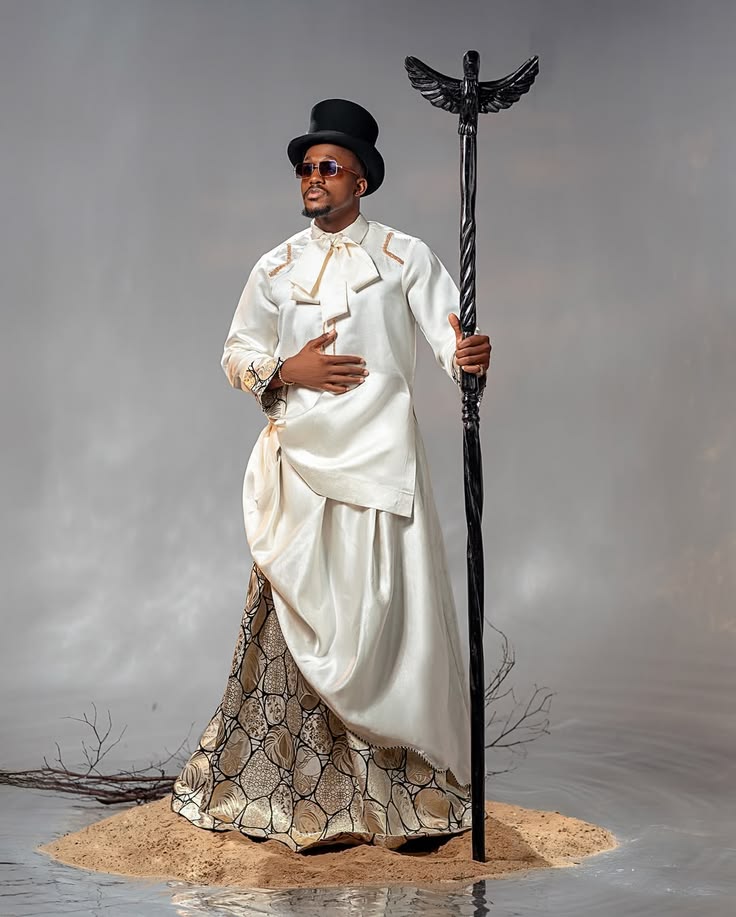
The history of African menswear cannot be understood without acknowledging the profound changes brought by colonialism. As European powers expanded across the continent, they introduced new systems of government, education, religion, and commerce. These changes also reshaped ideas about dress. It would be easy to assume that the growing popularity of European-style suits among African leaders represented a rejection of indigenous clothing. The historical record tells a more complicated story.
For many educated Africans during the late nineteenth and early twentieth centuries, the tailored suit became a strategic tool rather than a symbol of cultural surrender. Lawyers, teachers, journalists, and political leaders often wore suits when engaging colonial administrations because the garment projected authority within institutions designed by European powers. It allowed them to challenge colonial rule while navigating its expectations.
Yet the suit rarely erased African identity. It was frequently worn alongside traditional caps, locally woven textiles, indigenous jewellery, or garments reserved for cultural and ceremonial occasions. Many men moved comfortably between different styles depending on where they were, who they were meeting, and what they wished to communicate. This ability to adapt reflected a broader reality that continues today. A single way of dressing has never defined African masculinity. Instead, it has evolved by responding to changing political, economic, and social conditions while remaining connected to cultural traditions.
Today’s Designers Are Writing the Next Chapter of the Archive
Modern African menswear designers are often described as innovators, but many would also qualify as historians. Rather than preserving heritage behind museum glass, they bring it into conversation with the present. They revisit traditional textiles, tailoring methods, and cultural symbols not to reproduce the past exactly as it was, but to ask how those traditions can speak to contemporary audiences. Kenneth Ize has built his international reputation around handwoven Aso Oke, demonstrating that a textile associated with important Yoruba ceremonies can become the foundation of modern luxury menswear. As Omiren Styles has documented in the analysis of how Ize builds collections with artisan communities whose knowledge is inseparable from the design, the Aso Oke cloth that goes into a Kenneth Ize garment is not a historical reference. It is a living practice, made by people whose craft knowledge was being lost before his production model created sustained employment for it.
Thebe Magugu approaches fashion through historical research, drawing on family archives, political memory, and South African social history to shape collections that explore identity through clothing. Adebayo Oke-Lawal of Orange Culture has similarly challenged conventional ideas of masculinity, and he has described the stakes of that work with precision: ‘There wasn’t only one type of man. There wasn’t only one yardstick to measure a man’s masculinity. There were various ways you could be a man.’ His argument is historical as much as it is contemporary. The archive he is contributing to is the same one that the agbada, the embroidered robe, and the Tuareg indigo were contributing to across centuries: the record of how African men have dressed with intention, communicated identity, and refused to accept that there is only one way to be.
Their work reminds us that history is not something left behind. It remains active every time a designer chooses a traditional weaving technique, references a cultural symbol, or collaborates with artisans whose knowledge has been preserved across generations. The archive continues to grow because every generation contributes new stories to it. And those stories now travel with diaspora communities in London, New York, and Port of Spain, carrying the same dress intelligence across new borders as every previous generation carried it across their own.
ALSO READ
- African Fashion Weeks Were Never Trying to Beat Paris. They Were Solving a Different Problem.
- African Sacred Textiles: Adire, Kente, Aso-Oke, and Bogolan Reclaim Global Luxury
Why the Archive Is Still Being Written
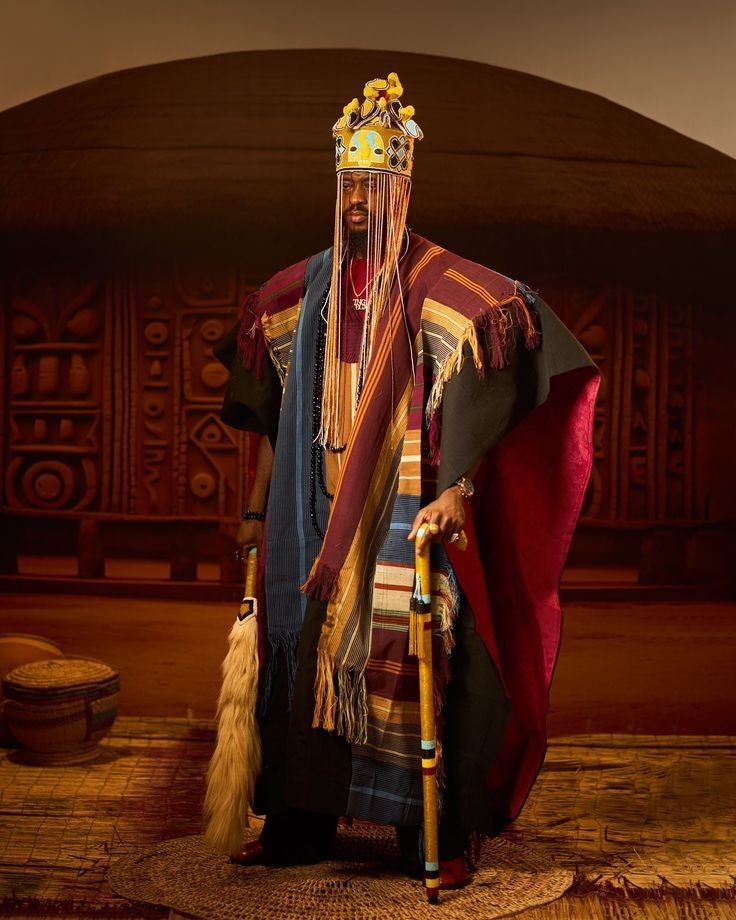
Fashion history is often presented as a timeline of changing trends, influential designers, and luxury houses. African menswear tells a different story.
Here, clothing has long served as a record of memory, identity, authority, craftsmanship, and community. Garments have documented migrations, reflected political change, preserved artisan knowledge, and communicated ideas about masculinity that evolved alongside society itself. Seeing clothing as an archive changes the questions we ask. Instead of asking whether a garment is fashionable, we begin to ask what histories it carries, whose knowledge shaped it, and what values it continues to communicate.
That perspective also changes how we understand contemporary African menswear. Every handwoven textile, carefully tailored robe, embroidered tunic, or reinterpreted ceremonial garment becomes more than a design choice. It becomes another page in a history that is still being written. Fashion is really a tool for social change, Oke-Lawal has said. Many will look down on the industry because they feel like it is just clothes, but we can push for so much within a society. He is right. And the history of African menswear is the evidence that he is right, stretching back centuries before any of today’s designers were born.
The future of African fashion will undoubtedly introduce new fabrics, technologies, and silhouettes. Yet its greatest strength may remain the same as it has always been: the ability to preserve memory through craftsmanship and to tell stories that can be worn as confidently as they can be remembered.
FAQs
How has African menswear reflected masculinity throughout history?
African menswear has historically communicated ideas of masculinity through clothing associated with leadership, adulthood, spirituality, social responsibility, and community identity. Across different cultures, garments such as the Yoruba agbada, Tuareg indigo robes, Sahel embroidered tunics, and southern African beadwork assemblages served as visual markers of a man’s role and status. The principle was consistent across cultures, even as the materials differed: clothing functioned as a social language that introduced a man before he introduced himself.
Why do historians consider African clothing an important historical archive?
Cornell University’s Dress, Cloth and Identity in Africa and the Diaspora programme describes African textiles as ‘another vital and important archive for historians of Africa,’ in which each cloth reveals important dimensions of Africa’s cultural, economic, social and political histories. A single woven textile can reveal patterns of migration, long-distance trade, religious influence, technological innovation, and exchanges between neighbouring societies. In many African societies where written records were not the primary means of knowledge preservation, garments became repositories of information that could be passed from generation to generation through the craft of making them.
How did colonialism influence the way African men dressed?
Colonialism introduced European tailoring and dress codes into many African societies, particularly within government, education, and professional institutions. However, African men did not simply abandon traditional clothing. The tailored suit became a strategic tool rather than a symbol of cultural surrender: lawyers, journalists, and political leaders wore suits when engaging colonial administrations because the garment projected authority within institutions designed by European powers, allowing them to challenge colonial rule while navigating its expectations. The suit was frequently worn alongside traditional caps, locally woven textiles, and indigenous jewellery. A single way of dressing has never defined African masculinity; it has evolved by responding to changing political conditions while remaining connected to cultural traditions.
How are contemporary African fashion designers preserving historical dress traditions?
Designers such as Kenneth Ize, Thebe Magugu, and Adebayo Oke-Lawal bring historical traditions into conversation with the present rather than preserving them behind museum glass. Ize has built his career around handwoven Aso Oke, creating sustained employment for artisan weavers whose craft knowledge was being lost before his production model created a commercial basis for maintaining it. Magugu approaches fashion through historical research, drawing on family archives and South African social history. Oke-Lawal has explicitly addressed the historical argument his work is making: ‘There wasn’t only one type of man. There wasn’t only one yardstick to measure a man’s masculinity. There were various ways you could be a man.’ The archive continues to grow because every generation contributes new stories to it.
What does traditional African menswear communicate about identity and social status?
Traditional African menswear has long communicated information about leadership, age, occupation, spiritual authority, family lineage, and community belonging. Although meanings vary across cultures, clothing has historically functioned as a social language. Among the Yoruba, the agbada ensemble communicates leadership and social prestige. Across the Sahel, embroidered robes reflect both Islamic scholarship and political authority. Tuareg indigo-dyed garments communicate identity and relationship to the environment, with the dye leaving its mark on the skin over time. In southern Africa, beadwork, animal skins, and specific adornments communicate age, achievement, and social responsibility. These garments were never simply costumes for special occasions. They formed part of wider systems through which communities recognised experience and belonging.
Why is African fashion history important for understanding modern menswear?
Historical clothing traditions deeply influence modern African menswear, but the relationship is active rather than archival. Contemporary designers do not reproduce historical garments exactly as they were. They ask how those traditions can speak to contemporary audiences. That is why Kenneth Ize’s Aso Oke tailoring, Thebe Magugu’s research-driven collections, and Adebayo Oke-Lawal’s masculinity-challenging menswear are not departures from African dress history. They are its current chapter. Fashion is a tool for social change, Oke-Lawal has said, and we can push for so much within a society. The historical archive of African menswear is evidence that this has always been true.
How have African textiles shaped the history of men’s fashion?
African textiles, including Aso Oke, Kente, Bogolanfini, indigo-dyed cloth, and handwoven cotton, have shaped men’s fashion for centuries through their craftsmanship, symbolism, and cultural significance. These fabrics are not simply decorative materials. They carry information about the communities that produced them: trade routes, religious influence, technological skill, and social organisation. Contemporary designers, including Kenneth Ize, have made the preservation of this textile knowledge a commercial priority, employing artisan weavers directly and building production models that make traditional craft economically viable. The textiles continue to influence contemporary African menswear, connecting modern design with generations of weaving, dyeing, and textile-making traditions.