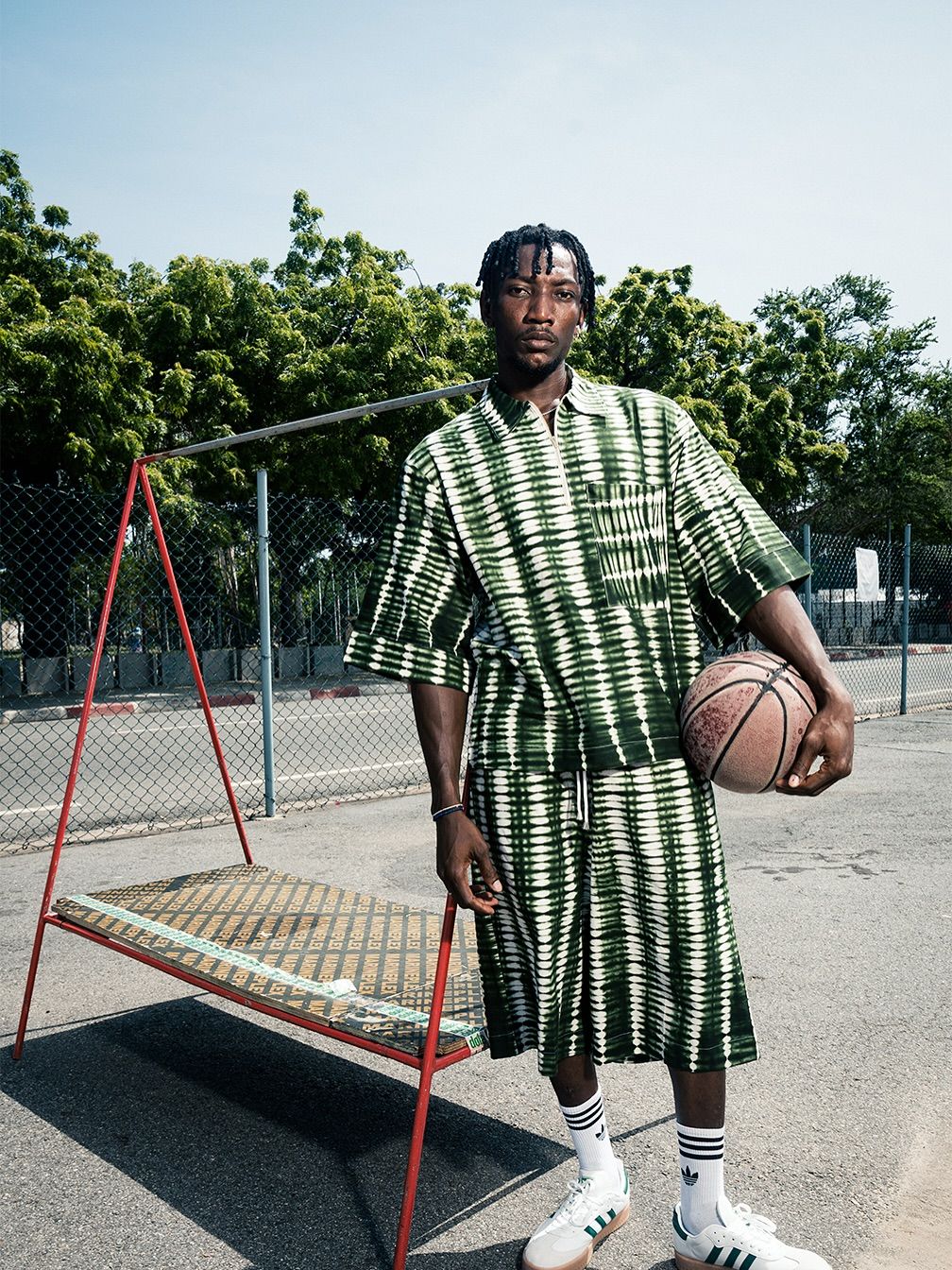
In quiet ways, the meaning of menswear is changing.
For much of the past century, men’s fashion was defined by restraint. Tailored suits, neutral palettes, and rigid dress codes shaped the visual language of masculinity. Clothing was meant to communicate discipline, authority, and uniformity rather than individuality.
But across creative communities, fashion capitals, and everyday wardrobes, a subtle transformation is taking place. A new generation of men is approaching style differently. They are asking deeper questions about what they wear, how garments are made, and what clothing says about identity.
The modern gentleman is no longer defined solely by tradition. He is defined by intention.
His wardrobe is not just a collection of garments but a reflection of values, culture, and self-awareness.
The modern gentleman is redefining masculinity through conscious dressing, craftsmanship, and a personal style that values quality, culture, and individuality.
The End of the Rigid Dress Code
For decades, menswear followed a predictable structure. Professional life demanded suits and ties. Formal events required strict adherence to traditional tailoring. Even casual wear carried unspoken rules about colour, fit, and simplicity.
These conventions created a visual uniform for masculinity.
Today, those boundaries are dissolving. Contemporary menswear embraces variety and experimentation in ways once considered unconventional.
Relaxed silhouettes sit comfortably alongside traditional tailoring. Textured fabrics appear where smooth wool once dominated. Colour palettes have expanded beyond dark blues and greys to include earth tones, soft neutrals, and bold statements.
The shift reflects a broader cultural change in how masculinity itself is understood. Rather than signalling authority through conformity, the modern gentleman communicates confidence through individuality
Dressing With Intention
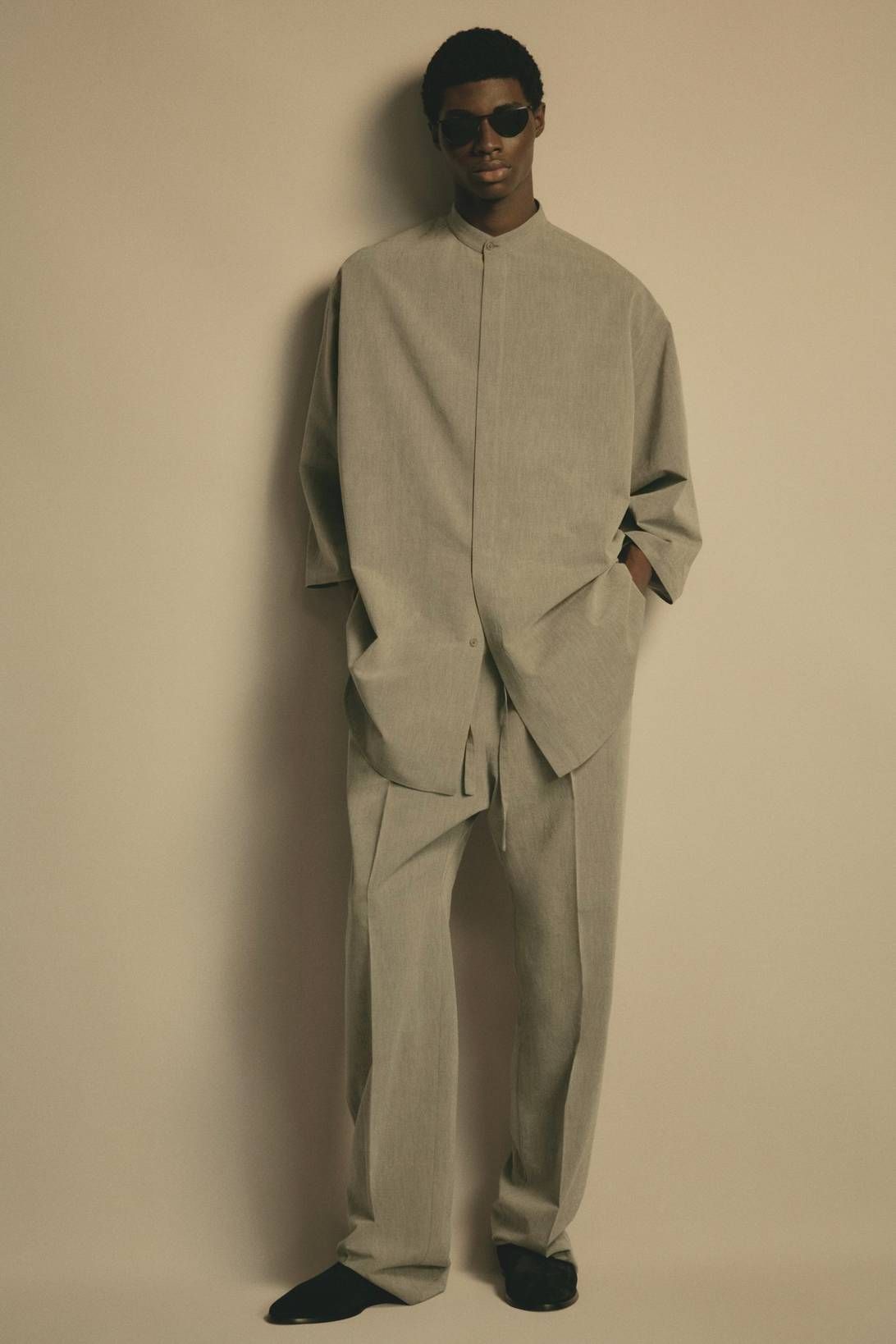
One of the defining traits of today’s menswear culture is a growing emphasis on intentional dressing.
Instead of purchasing clothing impulsively or following short-lived trends, many men are beginning to curate wardrobes more thoughtfully. They look for garments that combine quality construction, durability, and timeless design.
This approach values longevity over quantity.
A carefully tailored jacket may be worn for years, evolving alongside the wearer’s personal style. Well-crafted shoes become part of daily life rather than occasional accessories. Fabrics are chosen not only for appearance but also for comfort, climate, and versatility.
The modern gentleman understands that style is not built overnight. It develops gradually through observation, experience, and personal reflection.
Craftsmanship and the Return of Quality
Another important shift in menswear is a renewed appreciation for craftsmanship.
For much of the twentieth century, industrial manufacturing transformed clothing production. Mass-produced garments became widely available, making fashion more accessible but often sacrificing the subtle details that define truly exceptional clothing.
Today many consumers are rediscovering the value of artisanal techniques.
Hand-finished seams, carefully constructed lapels, and natural fabrics introduce a level of depth that mass production rarely achieves. These details may not always be visible at first glance, yet they contribute to how a garment feels and performs over time.
Craftsmanship also connects clothing to cultural traditions. Tailoring techniques, textile weaving, and leatherwork often reflect generations of knowledge passed through skilled artisans.
In this way, dressing well becomes a quiet acknowledgement of human skill and heritage.
Cultural Identity and the Modern Wardrobe
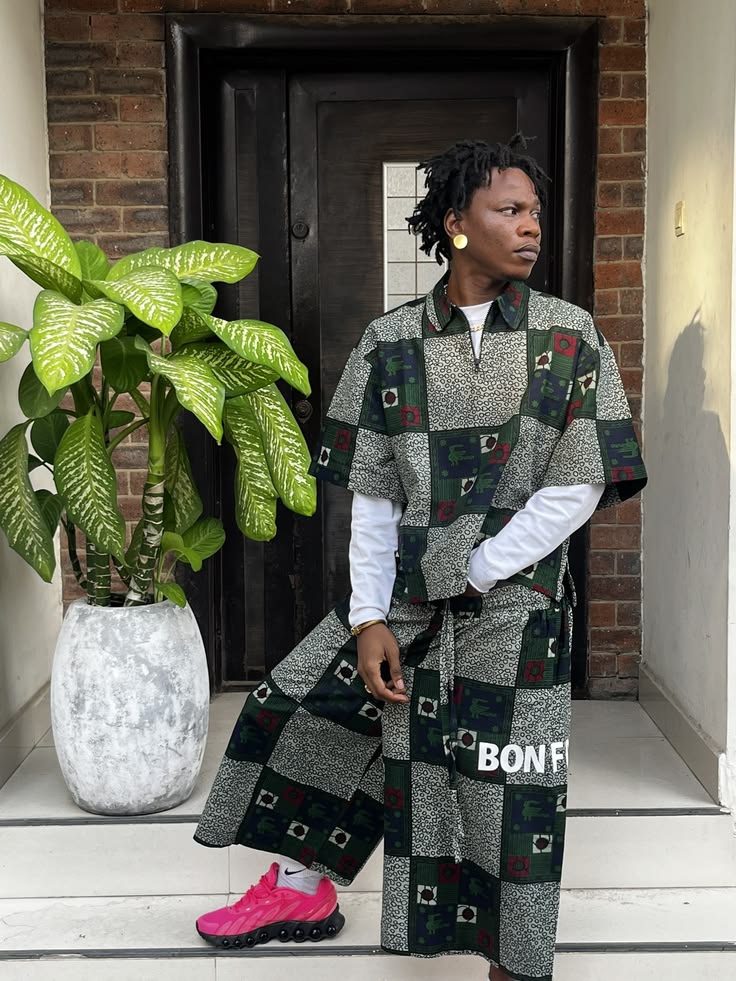
As the world becomes increasingly interconnected, many men are drawing inspiration from cultural heritage when shaping their personal style.
Traditional garments, historical textiles, and regional design elements are being reinterpreted through contemporary fashion. A structured coat may incorporate patterns inspired by traditional weaving. A modern shirt might echo silhouettes found in historical attire.
These influences allow clothing to function as a form of storytelling.
Through subtle details, garments can reflect family history, geographical roots, or personal experiences with migration and cultural exchange. Rather than existing purely as aesthetic objects, clothing becomes a bridge between past and present.
For the modern gentleman, style becomes a way of honouring heritage while embracing modern life.
The Rise of Personal Style
Perhaps the most noticeable feature of contemporary menswear is its embrace of individuality.
Previous generations often viewed fashion as something primarily associated with women’s self-expression. Men were expected to maintain a consistent, understated appearance.
That assumption is rapidly disappearing.
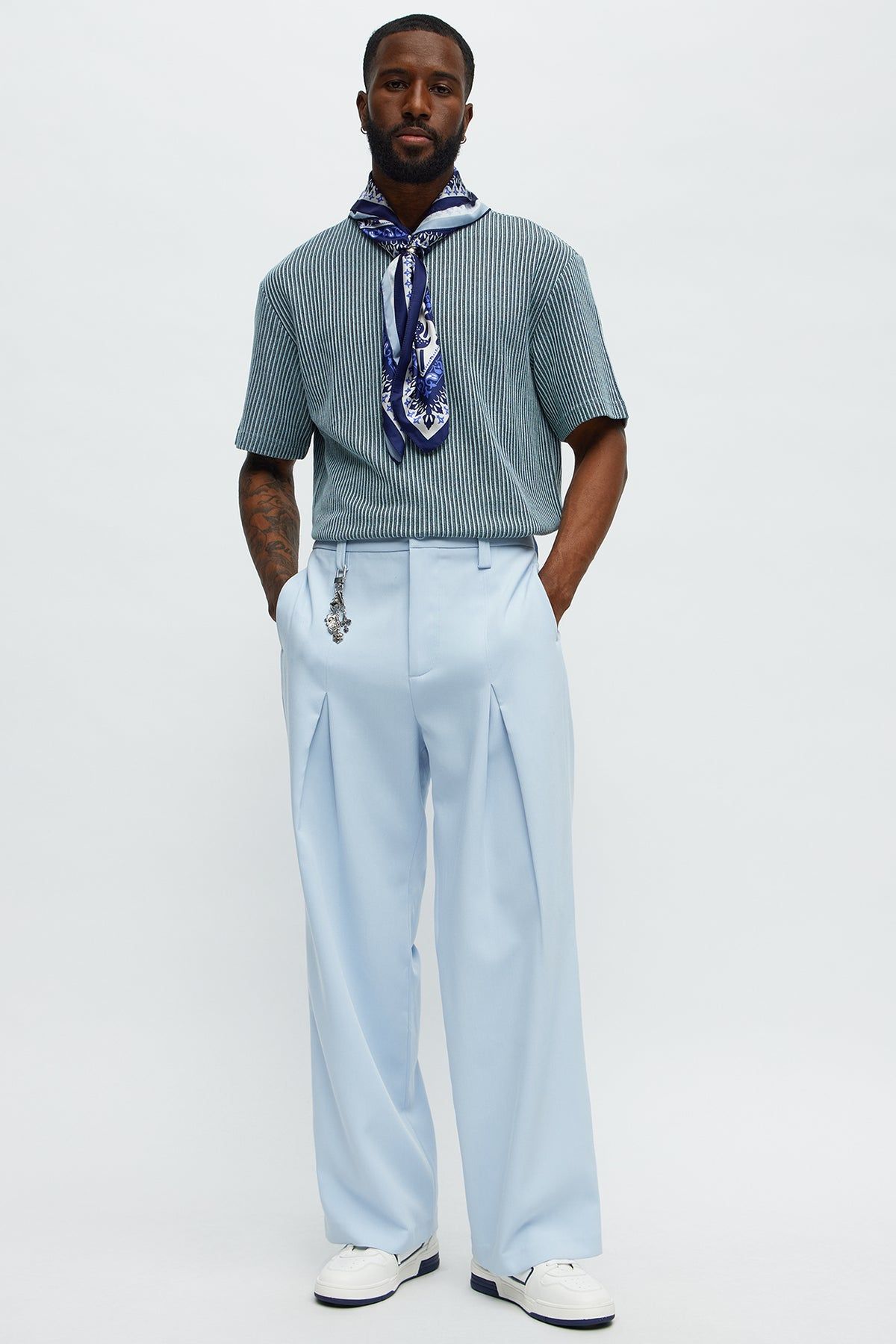
Today many men approach clothing as a creative process. They experiment with layering, explore unexpected combinations of textures, and incorporate accessories that add personality to otherwise simple outfits.
Scarves, jewellery, hats, and statement footwear have become tools of subtle expression. These elements allow men to shape visual identities that feel authentic rather than prescribed.
Importantly, this evolution does not reject classic tailoring. Instead, it reimagines it. A suit may be worn with relaxed confidence rather than rigid formality. Traditional garments coexist with contemporary pieces in ways that feel natural rather than forced.
The result is a menswear culture that values authenticity above strict adherence to rules.
Conscious Consumption and Sustainable Style
Another defining feature of the new gentleman is his awareness of fashion’s environmental impact.
The rise of fast fashion has made clothing more disposable than ever before. Garments are often produced quickly and inexpensively, encouraging consumers to treat them as temporary rather than lasting possessions.
Many men are beginning to reject this cycle.
Instead, they are exploring alternatives such as vintage clothing, small-scale designers, and brands that prioritise ethical production methods. Natural fabrics, durable construction, and responsible sourcing have become important considerations.
This shift reflects a broader movement toward conscious consumption.
By choosing fewer but better garments, the modern gentleman aligns personal style with environmental responsibility.
READ ALSO:
- How Ohimai Atafo is Shaping Modern African Menswear
- Top African Menswear Collections Released in 2025
Style as Self-Understanding
At its core, the transformation of menswear reflects a deeper cultural shift.
Masculinity is no longer defined by strict visual codes or rigid expectations. Instead, it allows room for complexity, emotional expression, and individuality.
Clothing becomes one of the ways men explore and communicate these evolving identities.
A carefully chosen coat may reflect appreciation for craftsmanship. A vibrant colour palette may signal creative confidence. A minimalist wardrobe may reveal a commitment to simplicity and sustainability.
Each decision contributes to a personal narrative expressed through style.
The Gentleman of the Future
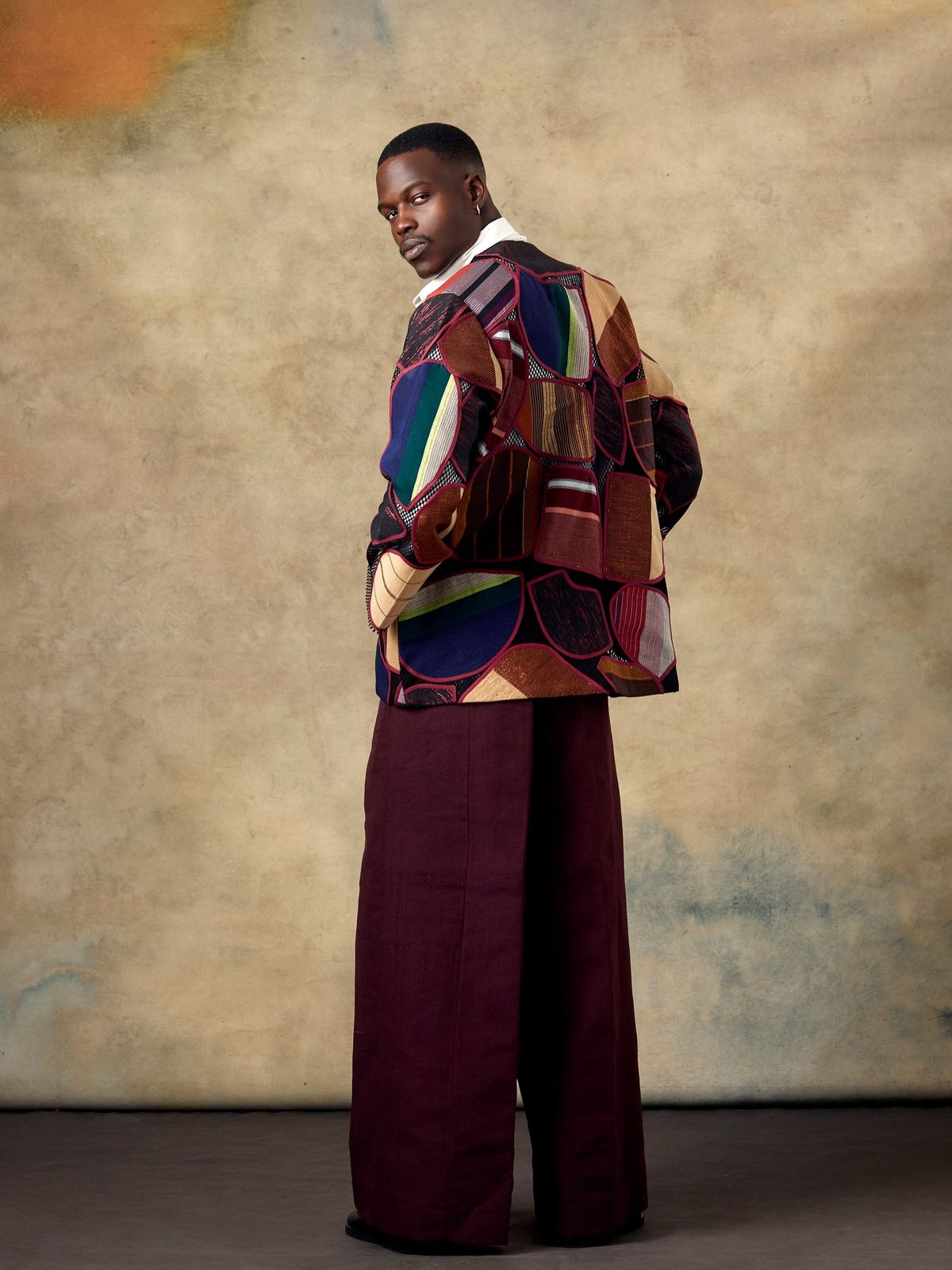
The modern gentleman is not defined by a single aesthetic.
He may wear classic tailoring or relaxed silhouettes. His wardrobe may reflect global influences, cultural heritage, or minimalist design principles. What unites these choices is not a specific look but a shared philosophy.
He dresses with awareness.
He values quality over excess. He respects craftsmanship and cultural history. He understands that clothing is more than decoration; it is a language that communicates identity, intention, and character.
In this sense, the new gentleman represents a broader vision of masculinity—one that embraces creativity, responsibility, and authenticity.
Dressing well today is no longer about following rules.
It is about understanding oneself.
FAQs
- What defines the modern gentleman in fashion today?
The modern gentleman prioritises intentional dressing, quality craftsmanship, and personal expression rather than rigid dress codes.
- Why is menswear becoming more expressive?
Changing cultural attitudes toward masculinity have encouraged men to explore individuality, creativity, and personal identity through clothing.
- What does conscious dressing mean?
Conscious dressing involves choosing garments thoughtfully, considering factors such as quality, sustainability, and ethical production.
- How is craftsmanship influencing modern menswear?
Many men are rediscovering the value of tailored garments, natural fabrics, and artisanal techniques that emphasise durability and skill.
- Why is sustainability becoming important in menswear?
Growing awareness of fashion’s environmental impact is encouraging consumers to buy fewer, higher-quality garments that last longer.