Menu
  • AFRICA
    • African Fashion
    • African Designers
    • Textiles & Craft
    • Heritage Clothing
    • Made in Africa
    • Regional Style
  • DIASPORA
    • Diaspora Voices
    • Diaspora Connects
    • UK Scene
    • US Scene
    • Caribbean Diaspora
    • Afro-Latino Identity
    • Migration & Identity
  • CULTURE
    • Style & Identity
    • Ceremony & Ritual
    • Art & Music
    • Cultural Inspirations
    • Black Culture
    • Heritage Stories
  • FASHION
    • Trends
    • Street Style
    • Runway
    • Sustainable Fashion
    • Tailoring
    • Luxury Fashion
  • INDUSTRY
    • Editorial Intelligence
    • Market Trends
    • Brand Strategy
    • Retail & Commerce
    • Partnerships
    • Reports
    • Insights
    • Omiren Style Index
  • BEAUTY
    • Skincare
    • Makeup
    • Hair & Hairstyle
    • Fragrance
    • Beauty Traditions
    • Natural Beauty
  • MEN
    • Men’s Style
    • Grooming Traditions
    • Traditional & Heritage
    • The Modern African Man
    • Menswear Designers
  • WOMEN
    • Women’s Style
    • Evening Glam
    • Workwear & Professional
    • Streetwear for Women
    • Accessories & Bags
    • Bridal
  • NEWS
    • Cover Stories
    • Fashion Weeks
    • Opinion & Commentary
    • Style Icons
    • Rising Stars
  • DIRECTORY
    • Designers
    • Brands
    • Boutiques
    • Stylists
    • Models
    • Photographers
    • Creative Teams
    • Events
    • Production
    • Materials & Suppliers
Subscribe
OMIREN STYLES OMIREN STYLES

Fashion · Culture · Identity

OMIREN STYLES OMIREN STYLES OMIREN STYLES OMIREN STYLES
  • AFRICA
    • African Fashion
    • African Designers
    • Textiles & Craft
    • Heritage Clothing
    • Made in Africa
    • Regional Style
  • DIASPORA
    • Diaspora Voices
    • Diaspora Connects
    • UK Scene
    • US Scene
    • Caribbean Diaspora
    • Afro-Latino Identity
    • Migration & Identity
  • CULTURE
    • Style & Identity
    • Ceremony & Ritual
    • Art & Music
    • Cultural Inspirations
    • Black Culture
    • Heritage Stories
  • FASHION
    • Trends
    • Street Style
    • Runway
    • Sustainable Fashion
    • Tailoring
    • Luxury Fashion
  • INDUSTRY
    • Editorial Intelligence
    • Market Trends
    • Brand Strategy
    • Retail & Commerce
    • Partnerships
    • Reports
    • Insights
    • Omiren Style Index
  • BEAUTY
    • Skincare
    • Makeup
    • Hair & Hairstyle
    • Fragrance
    • Beauty Traditions
    • Natural Beauty
  • MEN
    • Men’s Style
    • Grooming Traditions
    • Traditional & Heritage
    • The Modern African Man
    • Menswear Designers
  • WOMEN
    • Women’s Style
    • Evening Glam
    • Workwear & Professional
    • Streetwear for Women
    • Accessories & Bags
    • Bridal
  • NEWS
    • Cover Stories
    • Fashion Weeks
    • Opinion & Commentary
    • Style Icons
    • Rising Stars
  • DIRECTORY
    • Designers
    • Brands
    • Boutiques
    • Stylists
    • Models
    • Photographers
    • Creative Teams
    • Events
    • Production
    • Materials & Suppliers
Uncategorized

What The Global Fashion Industry Still Gets Wrong About Non-Western Style

  • Philip Sifon
  • March 14, 2026
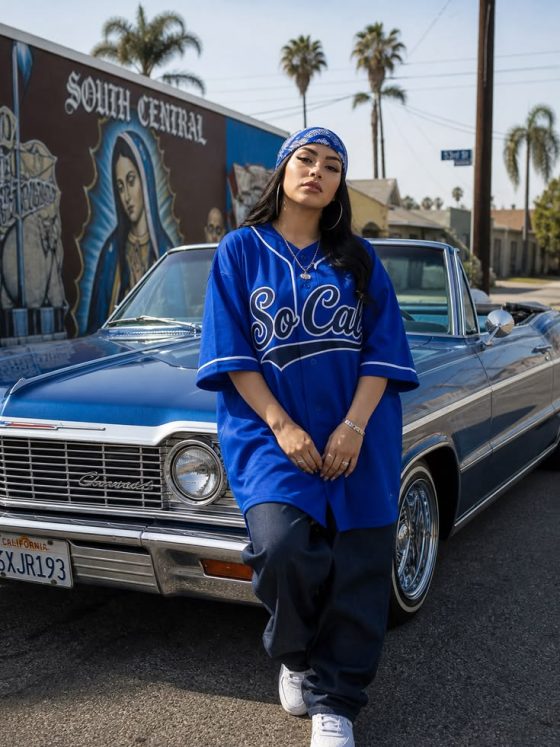
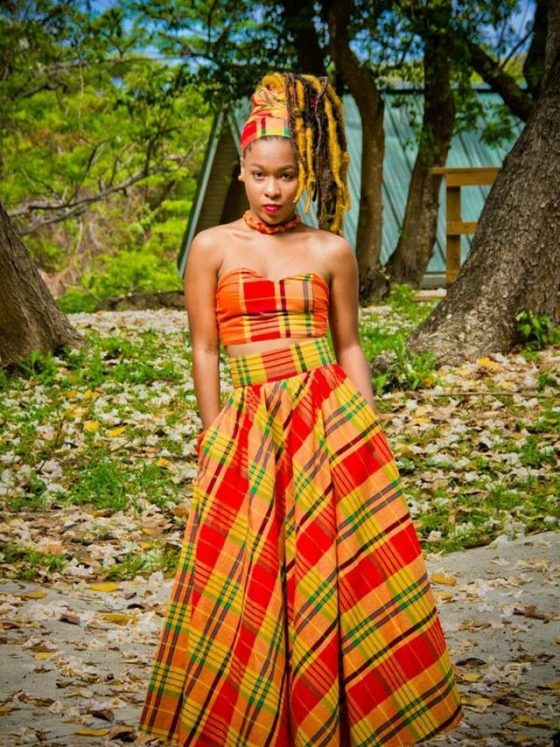
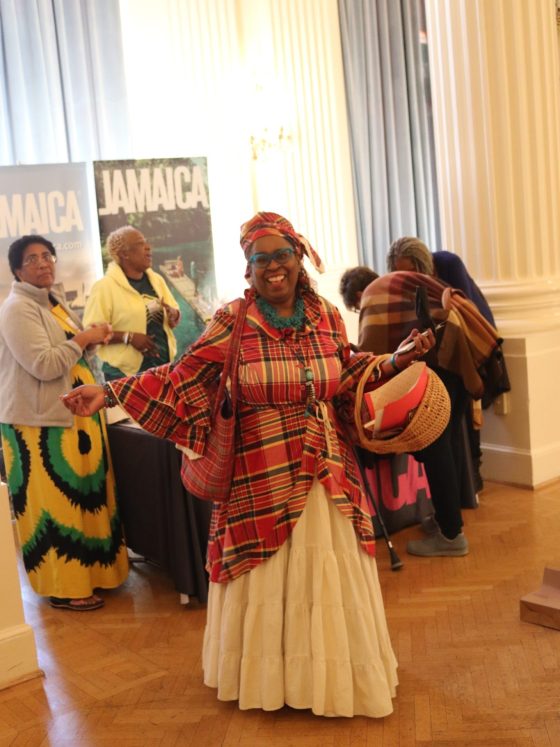
A picture of 3 women wearing traditional clothing, showing cultural appreciation.

African tailoring, weaving, and textile patterns carry centuries of knowledge and cultural meaning. Yet when these designs appear on global runways, they are often renamed, simplified, and stripped of the craft and cultural logic behind them.

The global fashion industry still gets non-Western style wrong. They notice colours and shapes but rarely the workshops, lineages, or techniques that made them. What reaches international audiences may look like innovation, but it only tells part of the story.

Across Africa, the Caribbean, and Latin America, designers and artisans are reclaiming authority over their traditions, insisting that recognition should follow authorship and context. This article explores what the global fashion industry still gets wrong about non-Western style and why understanding the systems behind these designs is essential for true appreciation.

What the global fashion industry still gets wrong about non-Western style goes beyond aesthetics. From overlooked craft systems that erase authorship to reclaiming context and authority, see how designers are reclaiming context and authority.

Craft and Knowledge Are Often Invisible
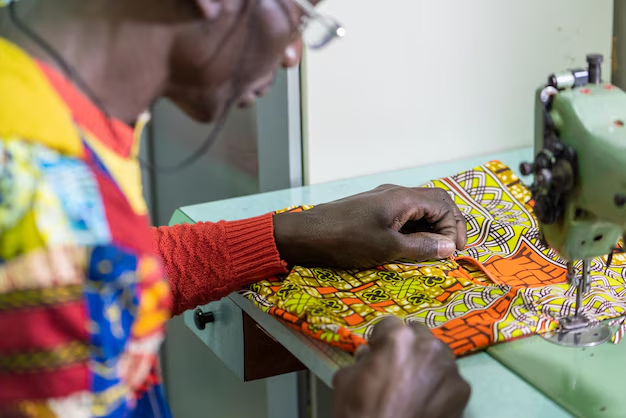
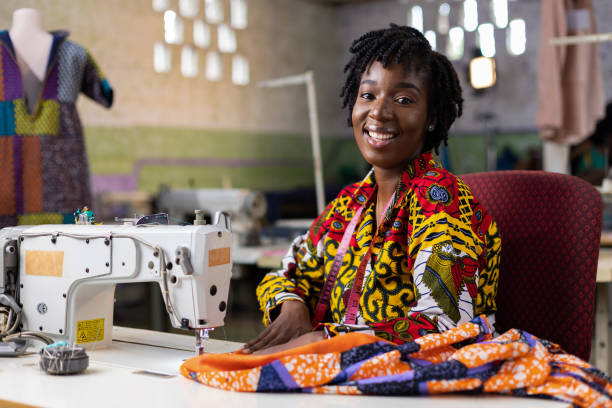
A picture of a man sewing, showing the cultural logic behind each cloth produced.

Non-Western textiles are frequently treated as decorative motifs rather than systems of cultural and technical knowledge. Consider Malian bogolanfini, known as mud cloth. Every stitch, every dye application, and every geometric pattern reflects centuries of innovation, balancing durability, ceremonial meaning, and climate suitability.

On international runways, the intelligence behind these textiles rarely travels with them. Instead, audiences see only the colours and motifs, not the centuries of craft knowledge that produced them.

Designers like Loza Maléombho and Lanre Da Silva Ajayi have spoken about motifs from African textiles being lifted globally and presented as innovation. At the same time, artisans and workshops that developed them remain uncredited. The same pattern occurs with Caribbean wax prints, Andean alpaca textiles, and Central American huipil weaves.

Influence travels widely, but authority over authorship, pricing, and storytelling often does not. Without recognition of these systems, fashion appreciation remains superficial, favouring aesthetics over technical and cultural understanding.

Visibility Without Authority

Non-Western designs can exist locally for generations but gain global attention only after validation by Western fashion centres. This highlights what the global fashion industry still gets wrong about non-Western style. Ewe Kente from Togo, for example, has been used for ceremonial clothing for decades.

When international collections feature these textiles, the artisans behind them rarely receive acknowledgement. The designs are celebrated as new or innovative, even though they carry decades of knowledge and practice.

This dynamic is not limited to African textiles. Pacific Island tapa cloth, Southeast Asian ikat, and Caribbean Madras fabrics often gain global traction without recognition of the communities that created them.

Influence spreads widely, but ownership, documentation, and economic benefit remain distant. Fashion mistakenly equates visibility with legitimacy, reinforcing patterns of erasure that repeat across regions.

Global Fashion Rewards Discovery, Not Origin
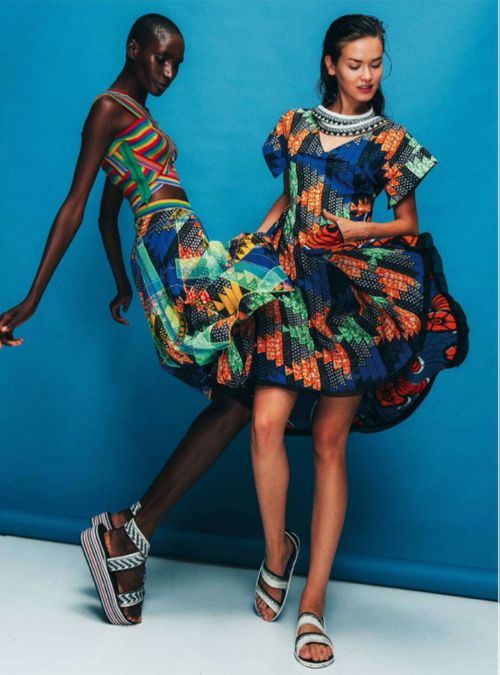
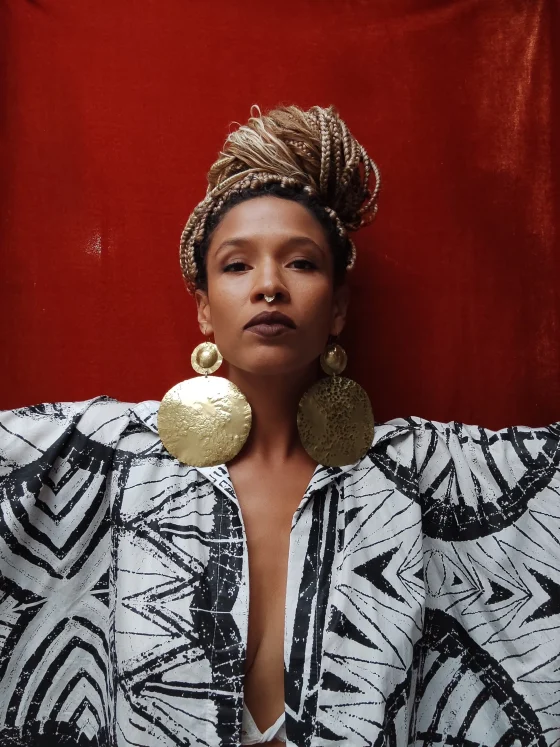
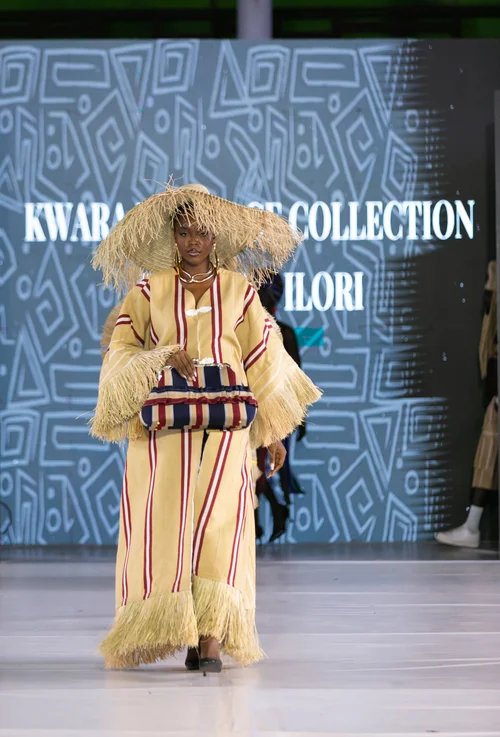
A picture of two women dressed in African clothing.

Global fashion often reframes design ideas as discoveries, beginning the narrative at the point of external validation rather than at the point of origin.

Workshops and artisans who developed the techniques may remain invisible even as their visual language becomes familiar worldwide. This creates a hierarchy in which inspiration is celebrated, but authorship is ignored.

For example, traditional Andean weaving methods may appear on European runways while the communities behind them remain unacknowledged.

Similarly, Haitian cotton traditions are celebrated abroad, yet the craft knowledge and cultural systems behind the fabric are rarely documented or credited. Without proper attribution and context, influence becomes superficial, and the global industry continues to misread non-Western design systems.

ALSO READ:

  • The Invisible Silhouette: Sustainable Luxury Fragrance for the Omiren Woman
  • Pleats Speak: How Folded Fabric Became a Language of Movement and Power
  • From Local Markets To Global Runways: How Independent Designers Are Disrupting Luxury Fashion
  • The Art of Dressing Well Across Cultures: What Global Style Actually Teaches Us

Designers Take Back the Story: Power, Craft, and Legacy
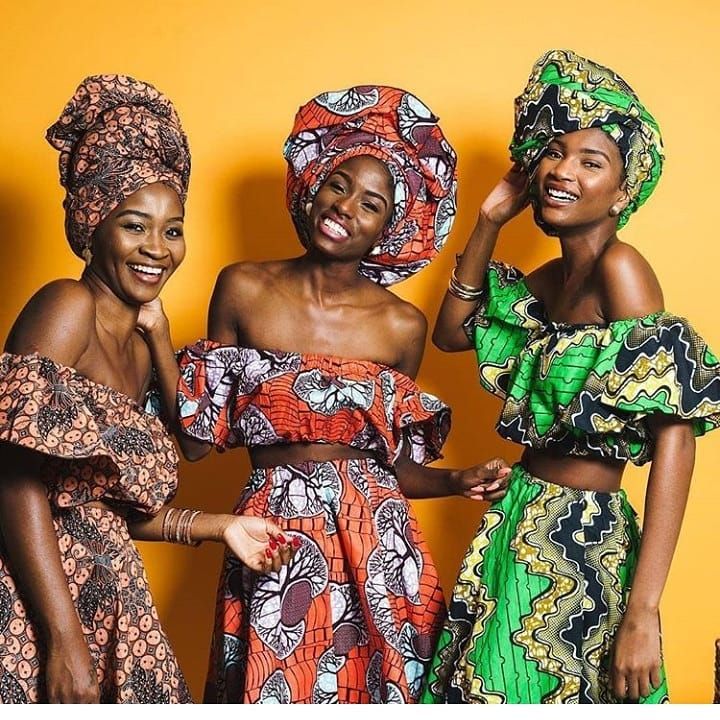
A picture of 3 women wearing traditional clothing, showing cultural appreciation.

Recognition alone is insufficient; authorship matters. That’s why creators are setting standards that ensure influence carries both context and economic benefit.

The key strategies they use include:

Documenting Origins and Techniques

Designers and cooperatives maintain detailed records of workshops, textile-making methods, and cultural lineages. This ensures that when their designs travel globally, the cultural knowledge travels with them.

Highlighting Makers, Not Just Objects

Exhibitions, media features, and fashion platforms now showcase artisans and tailors, placing them alongside the work they create. This counters misattribution and ensures creators receive visibility.

Negotiating Fair Commercial Terms

Direct contracts, royalties, and partnerships allow artisans to benefit economically when their work reaches international markets. This addresses the exploitation that often accompanies cultural borrowing.

Educating Audiences

Sharing the cultural logic, ceremonial meaning, and technical systems behind textiles moves global appreciation beyond aesthetics. Viewers understand that what they see is not just a pattern but centuries of craft intelligence.

Mentorship and Legacy Building

Supporting the next generation of artisans ensures traditions evolve sustainably. Mentorship programmes and apprenticeships maintain craft knowledge while fostering innovation.

Strategic Storytelling in Fashion Media

Working with editors and platforms to narrate history, innovation, and ceremonial significance allows creators to claim narrative authority. Recognition should follow context and lineage, not just market cycles.

Conclusion 

Fashion is more than what appears on runways or in campaigns. Its meaning lives in workshops, lineages, and the rules guiding every fold, stitch, and dye application.

What the global fashion industry still gets wrong about non-Western style is its focus on surface appeal rather than on craft, systems, and authorship. 

But African, Caribbean, and Latin American designers are reclaiming authority and demonstrating that true influence comes when recognition travels with understanding.

Frequently Asked Questions 

  • Why Aren’t Non-Western Design Traditions Recognised On Their Own Terms?

Because the global fashion authority is concentrated in a few Western hubs, local styles gain recognition only after validation from media, retailers, or forecasting platforms.

  • Is This The Same As Cultural Appropriation?

It can overlap, but the bigger issue is misunderstanding and the erasure of context. When authorship and meaning are lost, influence becomes surface-level adoption rather than appreciation.

  • Why Does Recognition Happen Only After Western Platforms Highlight A Style?

The global fashion authority still lives within a narrow set of markets and media systems. When those systems recognise something, it gets the label “trend”, even if it existed for longer and more fully elsewhere.

  • How Can Consumers Support Authentic Non-Western Fashion?

Buy directly from artisans, research provenance, attend exhibitions highlighting creators, and prioritise context and authorship over visual trends.

Post Views: 274

The OmirenStyles newsletter covers traditional fashion, diaspora style, and the cultural stories behind African dress. It’s sent directly to readers who care about this space as much as we do. You can subscribe here https://mailchi.mp/2fc1ddd747d6/omirenstyles-newsletter


Related Topics
  • African Fashion
  • decolonizing fashion industry
  • global fashion cultural bias
  • Non-Western fashion representation
Avatar photo
Philip Sifon

philipsifon99@gmail.com

You May Also Like
Lila Bare and the Nairobi Runway Scene: Regenerative Fashion as Structural Practice
View Post
  • Runway

Lila Bare and the Nairobi Runway Scene: Regenerative Fashion as Structural Practice

  • Adams Moses
  • June 16, 2026
Anyango Mpinga: The Kenyan Designer Who Built Her Platform from the Inside Out
View Post
  • Designers

Anyango Mpinga: The Kenyan Designer Who Built Her Platform from the Inside Out

  • Tobi Arowosegbe
  • June 16, 2026
One Runway at a Time: Milca Ketura Kimoto and the Business Case for CAR Fashion
View Post
  • Designers

One Runway at a Time: Milca Ketura Kimoto and the Business Case for CAR Fashion

  • Adams Moses
  • June 16, 2026
One Verified Runway at a Time: Kenyan Fashion on the Global Stage
View Post
  • African Designers

One Verified Runway at a Time: Kenyan Fashion on the Global Stage

  • Peace Vera
  • June 16, 2026
The Mother of Minimalism Came from Bangui: The Haute Couture Story Paris Never Told
View Post
  • Designers

Adeline André, the Mother of Minimalism Came from Bangui: The Haute Couture Story Paris Never Told

  • Tobi Arowosegbe
  • June 16, 2026
Milca Ketura Kimoto Didn’t Wait: How Bangui Fashion Week Is Building Its Own Rules
View Post
  • INDUSTRY

Milca Ketura Kimoto Didn’t Wait: How Bangui Fashion Week Is Building Its Own Rules

  • Adams Moses
  • June 15, 2026
Pagne, Raffia, and the 80 Cultures the Fashion Industry Never Looked At
View Post
  • Textiles

Pagne, Raffia, and the 80 Cultures the Fashion Industry Never Looked At

  • Peace Vera
  • June 15, 2026
The Work Was Always Happening: CAR Designers and the Industry That Wasn’t Watching
View Post
  • African Designers

The Work Was Always Happening: CAR Designers and the Industry That Wasn’t Watching

  • Tobi Arowosegbe
  • June 15, 2026

Leave a Reply Cancel reply

Your email address will not be published. Required fields are marked *

The Omiren Argument

African fashion and culture are not emerging. They are foundational. We document, interpret, and argue for the full cultural weight of African and diaspora dress. With precision. Without apology.

Omiren Styles Fashion · Culture · Identity

All 54 African Nations
Caribbean · Afro-Latin America
The Global Diaspora

Platform

  • About Omiren Styles
  • Our Vision
  • Our Mission
  • Editorial Pillars
  • Editorial Policy
  • The Omiren Collective
  • Campus Style Initiative
  • Sustainable Style
  • Social Impact & Advocacy
  • Investor Relations

Contribute

  • Write for Omiren Styles
  • Submit Creative Work
  • Join the Omiren Collective
  • Campus Initiative
Contact
contact@omirenstyles.com
Our Reach

Africa — All 54 Nations
Caribbean
Afro-Latin America
Global Diaspora

African fashion intelligence, in your inbox.

Editorial features, designer profiles, cultural commentary. No noise.

© 2026 Omiren Styles — Rex Clarke Global Ventures Limited. All rights reserved.
  • Privacy Policy
  • Editorial Policy
  • Terms of Use
  • Accessibility
Africa · Caribbean · Diaspora
The Omiren Argument

African fashion and culture are not emerging. They are foundational. We document, interpret, and argue for the full cultural weight of African and diaspora dress. With precision. Without apology.

Omiren Styles Fashion · Culture · Identity
  • About Omiren Styles
  • Our Vision
  • Our Mission
  • Editorial Pillars
  • Editorial Policy
  • The Omiren Collective
  • Campus Style Initiative
  • Sustainable Style
  • Social Impact & Advocacy
  • Investor Relations
  • Write for Omiren Styles
  • Submit Creative Work
  • Join the Omiren Collective
  • Campus Initiative
Contact contact@omirenstyles.com

All 54 African Nations · Caribbean
Afro-Latin America · Global Diaspora

African fashion intelligence, in your inbox.

Editorial features, designer profiles, cultural commentary. No noise.

© 2026 Omiren Styles
Rex Clarke Global Ventures Limited.
All rights reserved.

  • Privacy Policy
  • Editorial Policy
  • Terms of Use
  • Accessibility
Africa · Caribbean · Diaspora

Input your search keywords and press Enter.