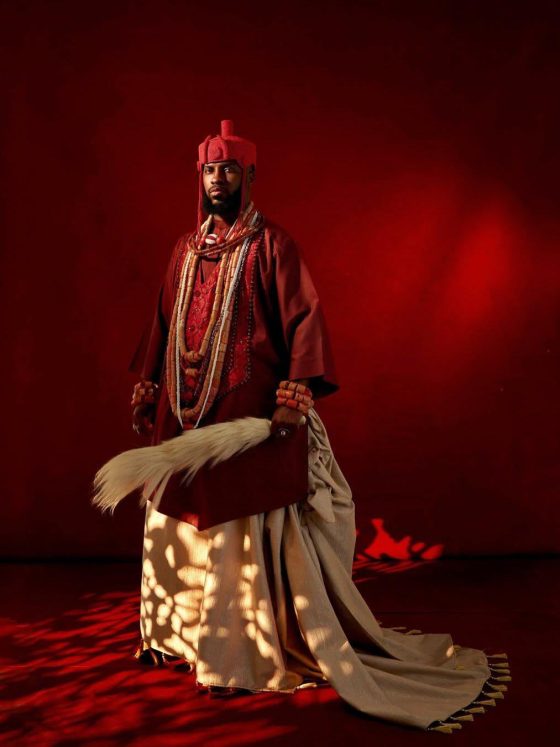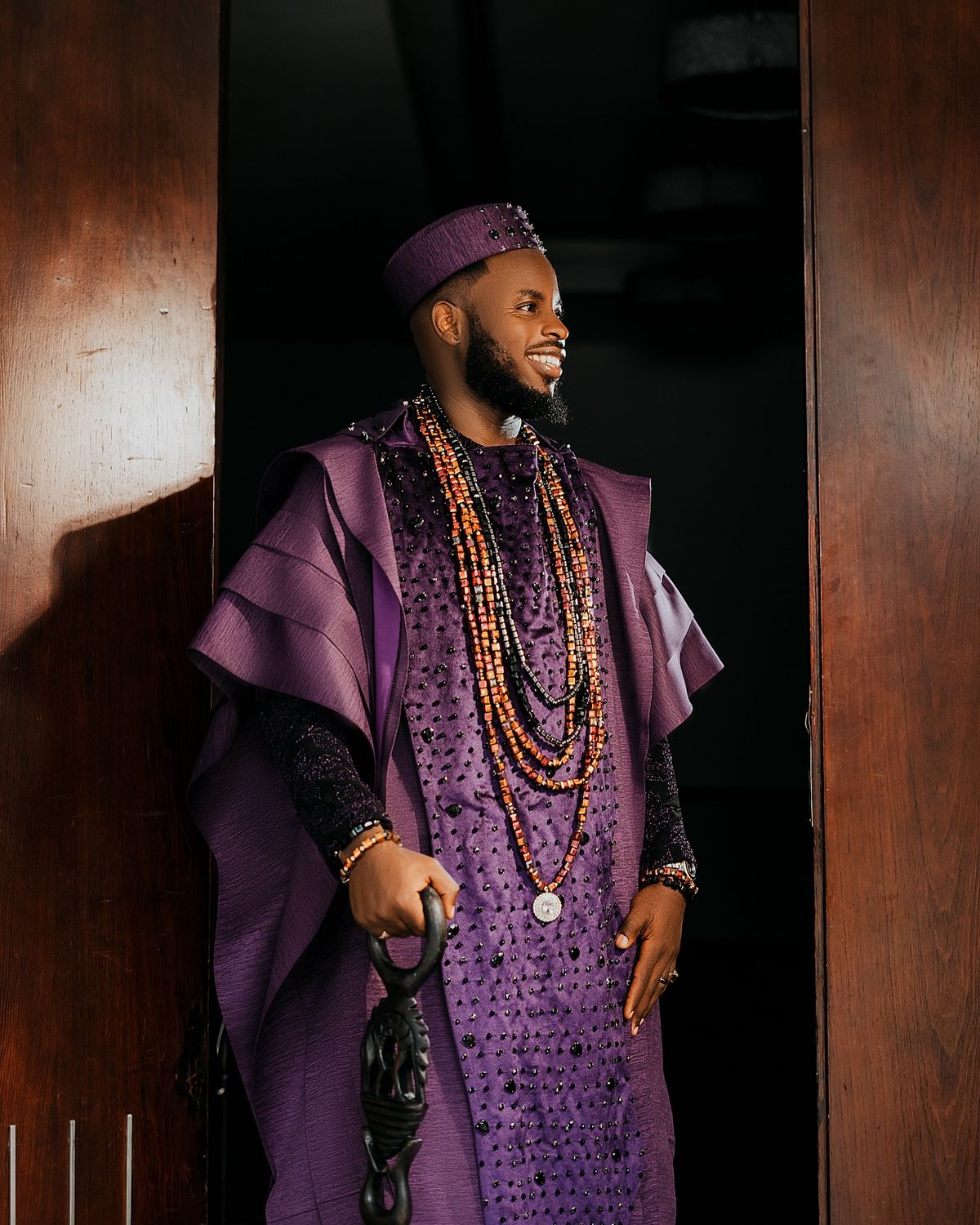
When Oba Ovonramwen faced the British in Benin City in 1897, eyewitness accounts described him as covered with masses of coral strings, his wrists covered with coral bangles from wrist to elbow, and his ankles the same. What the British were documenting, without recognising it as such, was one of the most developed luxury systems in the world. It was already centuries old. It did not require a brand name. Every bead the Oba wore communicated something specific: legal authority, spiritual protection, diplomatic rank, and the accumulated weight of Edo cultural memory. As the British Museum’s collection records confirm, the coral regalia of the Benin Kingdom were not ornaments. It was a language of power worn on the body.
That system is what the current global conversation about quiet luxury cannot quite name, because it is looking for the concept in the wrong place. The idea that refinement can be communicated without visible branding, through quality of material, depth of cultural knowledge, and precision of personal presentation, is not a recent development in menswear. In many African societies, it has been the operating logic for centuries.
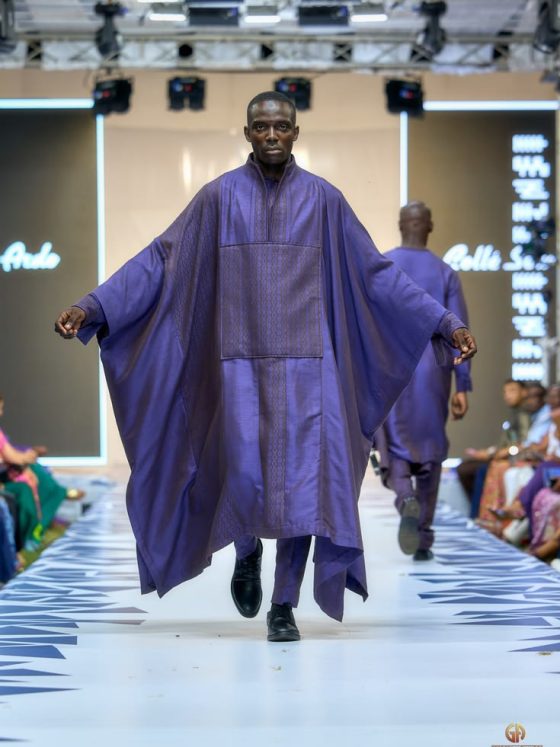
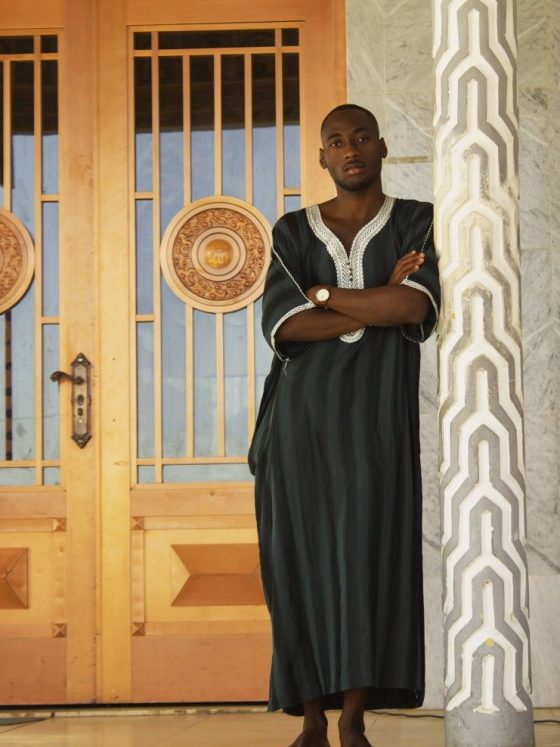
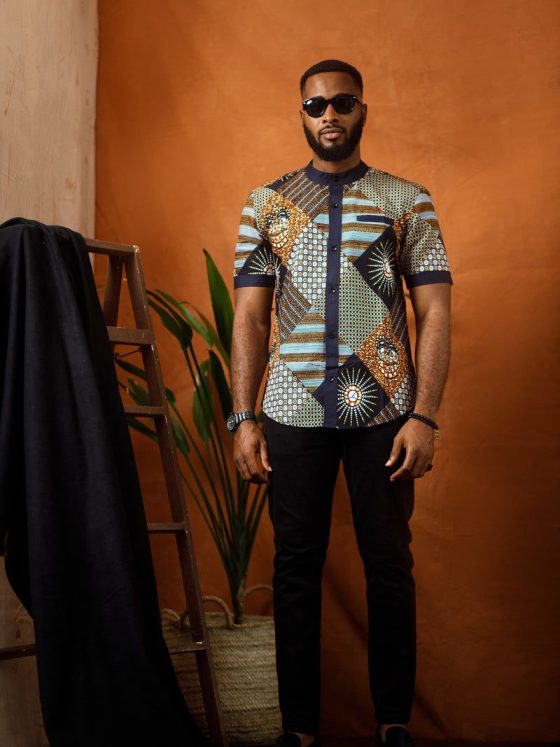
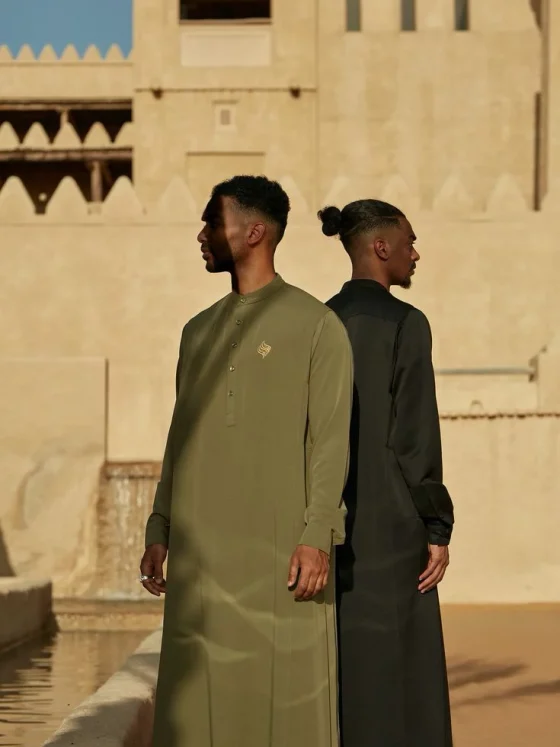
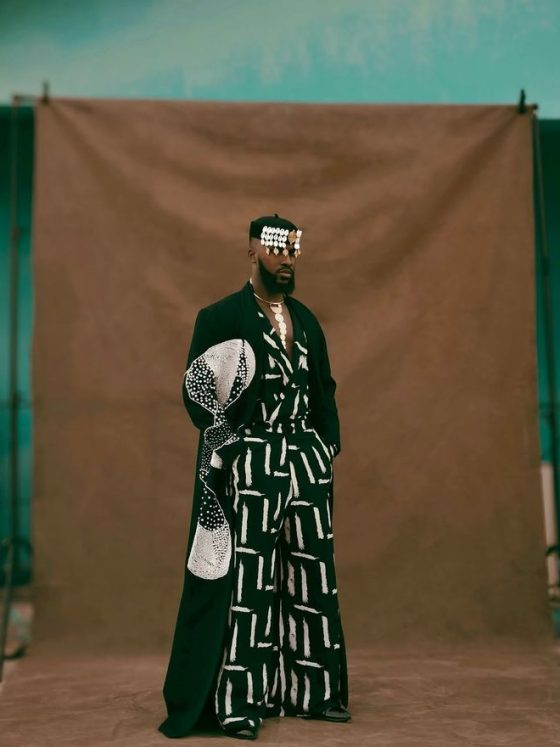
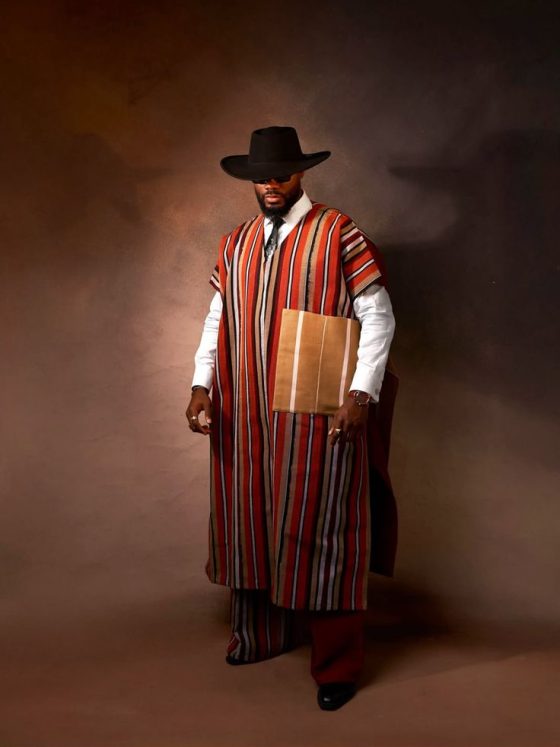
A handwoven Aso Oke, a finely embroidered kaftan, inherited coral beads, a signature fragrance, or an impeccably maintained pair of leather shoes often says more about a man’s taste than an outfit covered in recognisable logos. Among Omiren Styles’ documented coverage of African menswear traditions, the most powerful expressions of elegance are rarely the loudest.
African men have never needed a logo to signal luxury. This is the centuries-old craft and fragrance tradition that proves it.
African Luxury Has Always Been Built on Craftsmanship
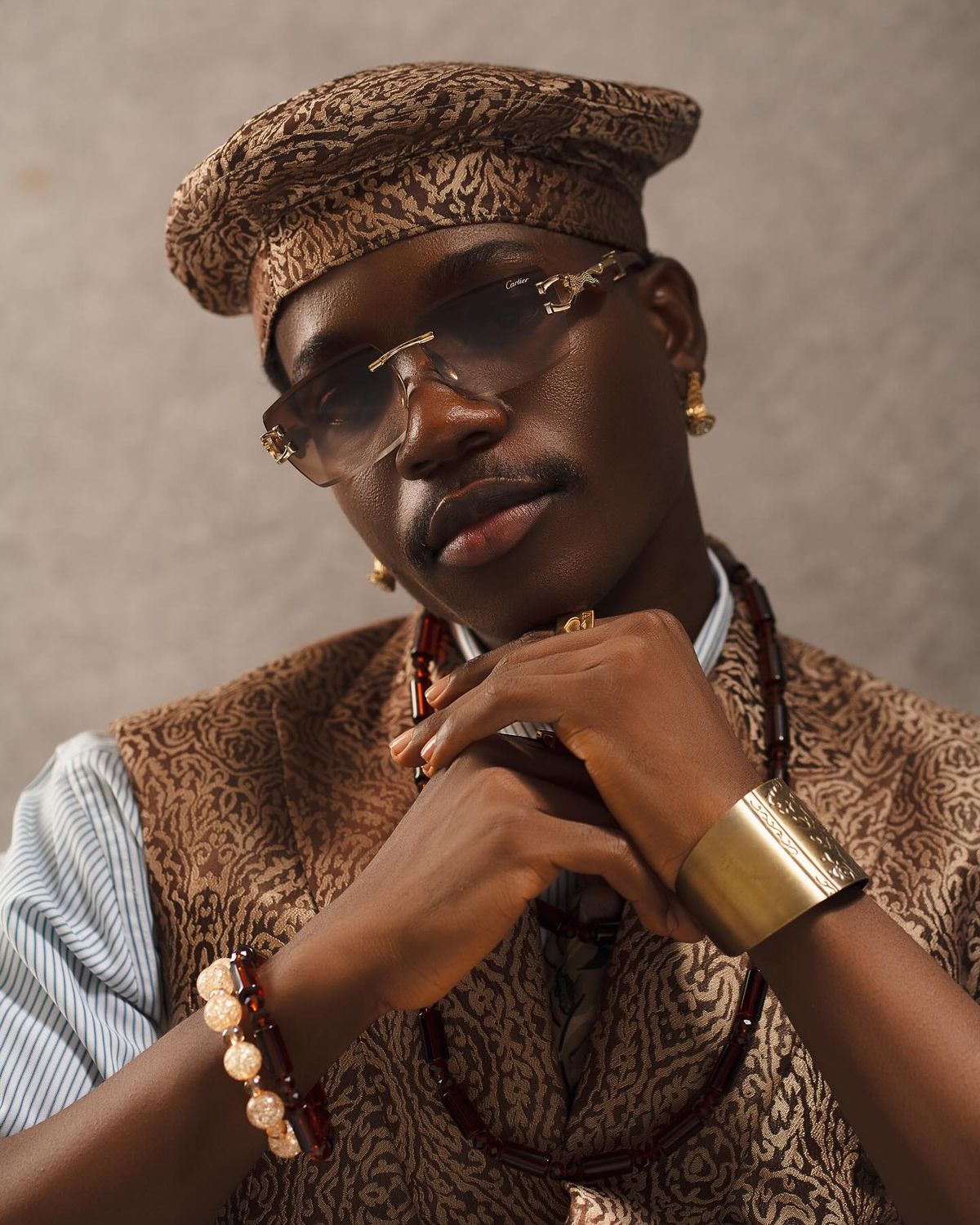
The Akan goldsmithing tradition of the Asante Empire produced some of the most technically sophisticated jewellery in the medieval world. Gold rings, pectorals, and ornamental swords were cast using the lost-wax method, a technique requiring extraordinary precision, and were worn as indicators of rank, lineage, and spiritual authority. As the Metropolitan Museum of Art’s Akan goldwork collection documents, these pieces were not produced solely for aesthetic pleasure. They were functional within a system of social communication in which material quality and cultural knowledge were inseparable.
The Tuareg people of the Saharan and Sahelian region built a parallel tradition in silver. Tuareg men wear amulets, crosses, and ornamental pieces whose design encodes protection, identity, and regional affiliation. Specialist smiths work the silver, and the pieces carry meaning that is not transferable to a buyer unfamiliar with the system. Ownership reflected participation in a shared history of craftsmanship rather than access to global consumer culture. Among the Benin Kingdom’s Edo people, coral bead regalia operated with the same logic. As recorded in the British Museum collection, the 1897 British eyewitness account described the Oba’s dress as a composed statement of authority in which every element had a specific function within the kingdom’s legal, spiritual, and diplomatic vocabulary.
Their value rested on the knowledge required to create them and the cultural significance attached to them. This is the oldest definition of luxury available: not scarcity of supply, but depth of meaning. A piece that can only be understood by those who know the tradition it comes from is not accessible to a casual viewer. It requires cultural fluency. That fluency is what African dress systems have always demanded of the men who wore them.
“I started my business in 2017 as an afro-encyclopaedic look at key events, people, histories, and culture that run the risk of being forgotten but could be immortalised through the power of cloth.” — Thebe Magugu, designer, Bona Magazine, 2024
Fragrance as Cultural Language
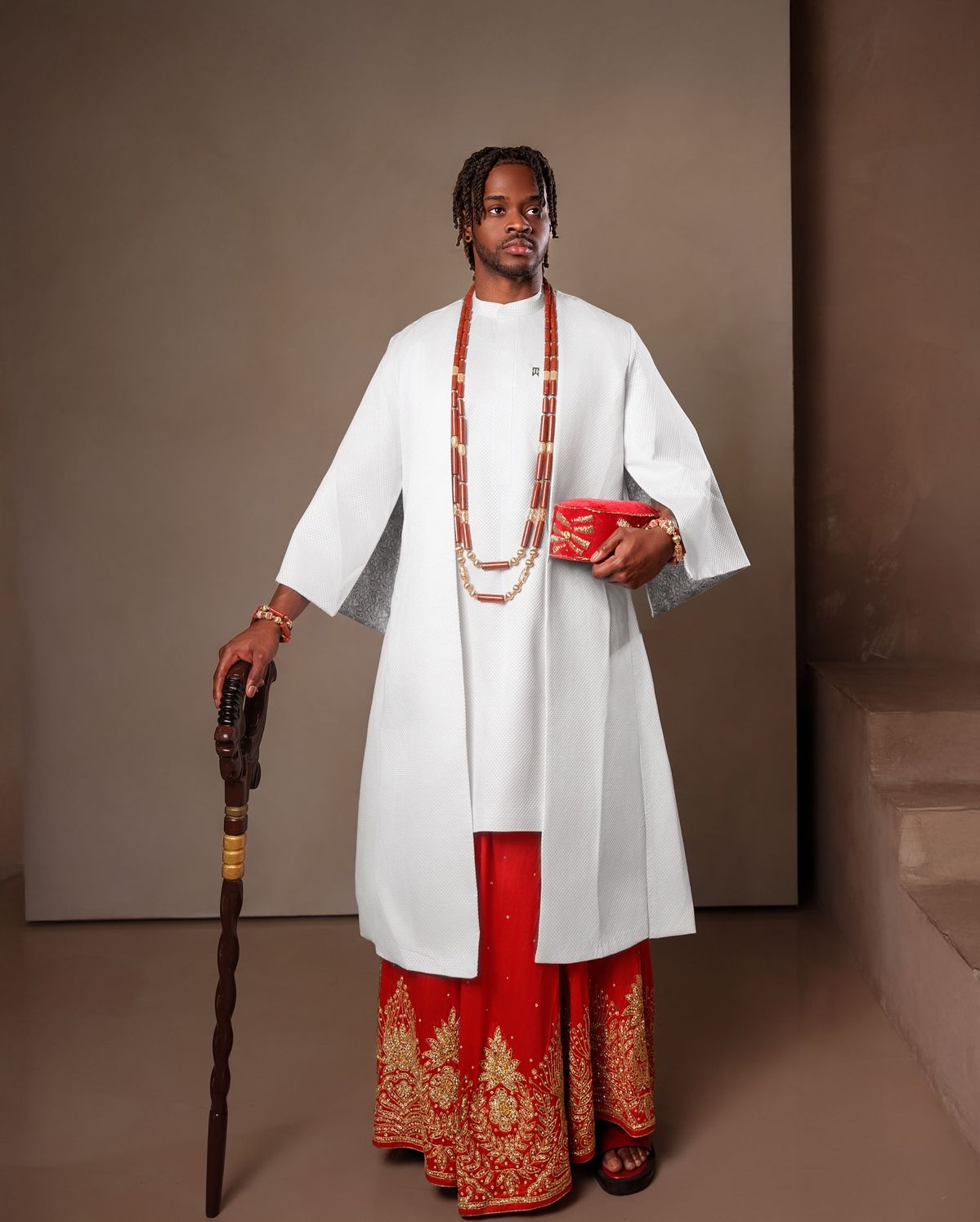
Across the continent, fragrance has never been incidental to dress. It has been structural. On the Swahili Coast, bakhoor, a blend of agarwood chips infused with aromatic oils and burned to release fragrant smoke, has been used for centuries to scent clothing, mark ceremonial occasions, and signal social standing. As the Perfumer and Flavorist trade journal documents, East African communities have long incorporated bakhoor into wedding ceremonies and rites of passage, blending it with local fragrances including frankincense and myrrh.
In North Africa and across the Sahel, oud, derived from the infected heartwood of the Aquilaria tree, has been one of the most precious materials in the perfumer’s vocabulary for over a thousand years. The application of oud and perfume oils directly to skin and clothing, before any other fragrance layer, is a practice that encodes both wealth and taste within a specific cultural grammar. Fragrance is not simply an accessory to style. It is part of the cultural language through which elegance is communicated. A man in Lagos, Dakar, or Nairobi who understands which fragrance belongs to which occasion is demonstrating a form of cultural knowledge that no logo can replicate.
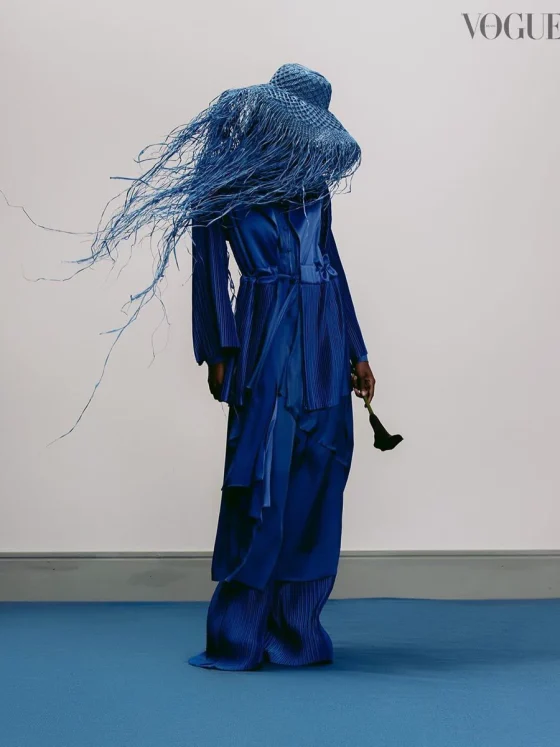
West African traditions of indigo-dyed cloth and Sahel leatherworking carry the same argument. The deep blue of Malian indigo takes time, skill, and material knowledge to achieve. Sahel leatherwork, produced in cities including Kano and Marrakesh, requires specialist training passed down through artisan lineages. These are not aesthetic choices. They are demonstrations of access to a knowledge system.
ALSO READ
- The African City That Fashion Forgot: How Benin, Oyo, Dahomey, and Asante Dressed Before Europe Arrived
- The New Gentleman: Redefining Masculinity Through Conscious, Considered Dressing
- Top African Menswear Collections Released in 2025
The Designers Who Carry This Forward
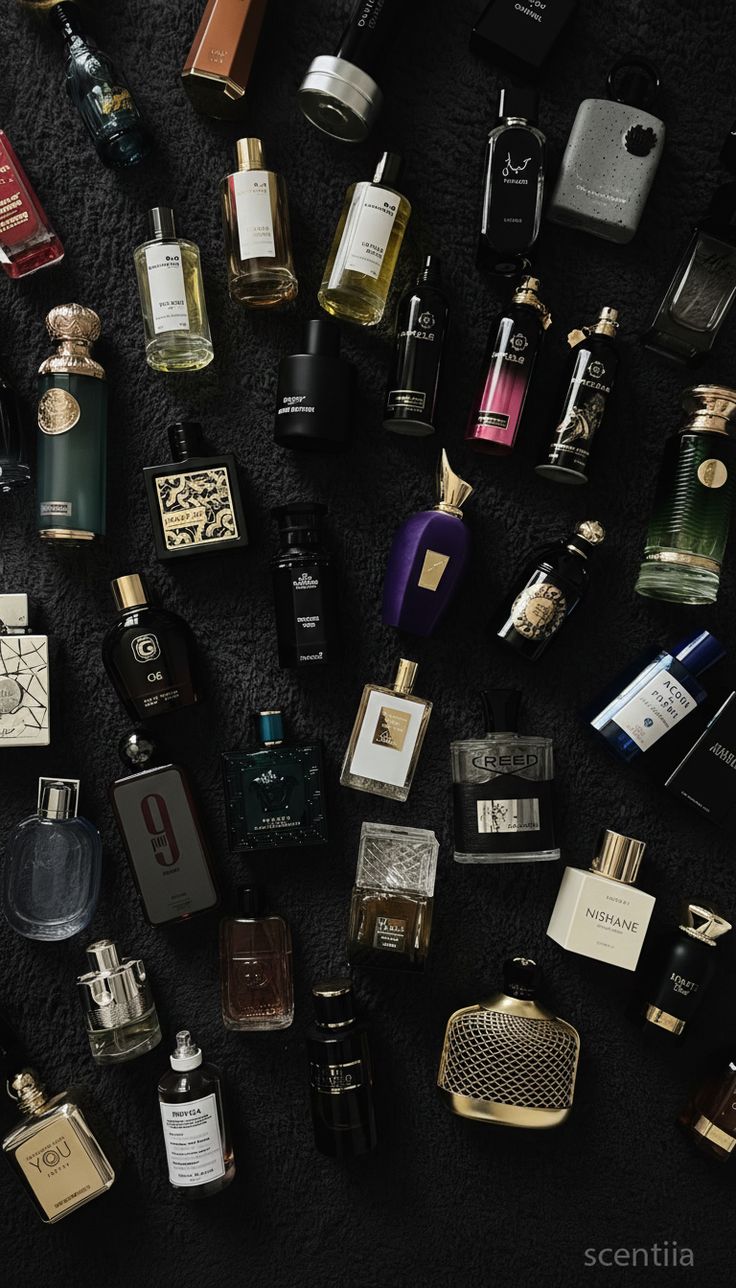
The contemporary African designers working within this tradition are not reviving something lost. They are continuing something that has never stopped. Kenneth Ize, whose label is built on Aso Oke weaving traditions from southwestern Nigeria, puts the principle plainly. “The label began from the stories my mother told me growing up, which I would then interpret through experimenting with textiles,” he told Sleek Magazine in 2019. “I really see this label exploring the rich and limitless possibilities offered by Nigerian culture, as we have so many stories to tell.” The Yoruba Aso Oke tradition Ize works within is one of the oldest hand-woven textile systems in West Africa. His collections are not references to that tradition. They are extensions of it.
Thebe Magugu’s Johannesburg-based label operates on the same foundational logic. His practice is explicitly archival: capturing histories, people, and cultures at risk of erasure and giving them form through cloth. “Other people have historically told our story as Africans,” he has said. “We wanted to create a brand that authentically tells those stories.” As he has articulated, Magugu’s customer becomes a custodian of African history simply by wearing the piece. That is not a brand proposition. It is a continuation of the principle that dress carries cultural knowledge.
Ohimai Atafo, who trained at the Savile Row Academy in Leeds before founding his Lagos-based label, brings the argument to its sharpest contemporary form: African tailoring that meets global construction standards without requiring a European reference point to validate it. His work demonstrates that the precision and restraint historically embedded in African menswear are not incompatible with international luxury standards. It is, in fact, the same thing expressed through a different tradition. As Omiren Styles has documented, the discipline of dressing well in African men’s wear contexts has always been inseparable from cultural knowledge, not separate from it.
The Omiren Argument
African men have been practising luxury as a knowledge system for centuries. When British officers documented Oba Ovonramwen in 1897 wearing coral beads from wrist to elbow, they were describing a man dressed within a symbolic grammar that had been developing since at least the 15th century, one in which every bead carried legal, spiritual, and diplomatic weight. That is not an ornament. That is a luxury system. The Benin Kingdom’s dress traditions, documented in brass and confirmed in British Museum records, predate every European heritage fashion house by centuries.
The global fashion industry’s current discovery of quiet luxury and stealth wealth is a rediscovery of a logic that African dress cultures institutionalised long before the first European heritage house was founded. The principle that refinement lives in material quality, cultural knowledge, and restraint rather than visible branding is not an innovation. It is what the Asante goldsmith understood when he cast a pectoral for the Asantehene. It is what the Tuareg silversmith understood when he made an amulet that only its wearer could fully read. It is what the Yoruba Aso Oke weaver understood when she produced a cloth whose pattern carried information no fashion-week label could replicate.
African luxury was never built on visibility. It was built on knowledge: knowing the story behind a fabric, reading the social weight of a coral bead, understanding which fragrance belongs to which occasion. That knowledge system predates every European heritage brand by centuries. African menswear does not need to compete for a place in the global luxury tier. It needs the global luxury tier to develop the vocabulary to recognise what was already there.
The system that taught African men to want a logo was the aberration. The knowledge system that preceded it is still here.
Frequently Asked Questions
What does “quiet luxury” mean in the context of African menswear?
In African menswear, quiet luxury has never been a trend. It is a centuries-old principle: that refinement is communicated through material quality, cultural knowledge, and precision of dress rather than visible branding. The coral bead regalia of the Benin Kingdom, the Akan goldwork of the Asante Empire, and the indigo-dyed cloth of the Sahel all operated on this logic long before the term entered the global fashion conversation.
How has craftsmanship shaped luxury in African menswear?
African luxury traditions are built on the knowledge required to produce and read the things worn. Benin brass casting and coral bead regalia encoded legal, spiritual, and diplomatic authority. Akan goldsmiths used lost-wax casting to produce pieces that signalled rank and lineage. Tuareg silverwork communicates identity and regional affiliation to those who know the system. In each case, luxury is inseparable from the cultural knowledge surrounding the object.
What role does fragrance play in African men’s style?
Fragrance is structural in many African dress traditions, not incidental. On the Swahili Coast and across North Africa, bakhoor and oud have been used for centuries to scent clothing and mark ceremonial occasions. In West Africa, specific fragrances signal occasion and status within a cultural grammar that operates alongside the visual elements of dress. Fragrance is part of the cultural language through which elegance is communicated, and it cannot be separated from the dress system to which it belongs.
Which contemporary designers are working within this tradition?
Kenneth Ize builds his label on Aso Oke weaving traditions from southwestern Nigeria, working with the same hand-woven textile system that has been in continuous use for generations. Thebe Magugu runs what he describes as an afro-encyclopaedic practice, using cloth to preserve histories and cultures at risk of erasure. Ohimai Atafo, trained at the Savile Row Academy in Leeds, brings global construction standards to Nigerian tailoring without requiring a European aesthetic reference to validate it.
Is African men’s style about rejecting Western fashion, or something else entirely?
The African dress traditions documented in this piece did not develop in response to Western fashion. They predate it. The coral bead regalia of the Benin Kingdom was a functioning luxury system before European fashion houses existed. The argument is not that African menswear rejects Western standards. It is that African dress cultures developed their own standards independently, and those standards are as sophisticated as any the global fashion industry has since produced.
Why does this matter for how the fashion industry covers African style?
The global fashion industry consistently frames African aesthetic traditions as sources of inspiration for Western design, rather than as design systems with their own intellectual history and authority. That framing erases the knowledge systems documented in this piece and positions African dress as raw material rather than as a completed tradition. Naming African luxury correctly, as a knowledge system with centuries of documented practice, is the first step toward covering it accurately.
What is the Omiren Styles position on African menswear and the global luxury tier?
African menswear does not need to compete for a place in the global luxury tier. The knowledge systems that underpin African dress traditions already operate at the depth, craft, and cultural intelligence that the word luxury is supposed to describe. The question is not whether African menswear can reach that tier. It is a question of whether the global luxury tier has yet to develop the vocabulary to recognise what was already there.