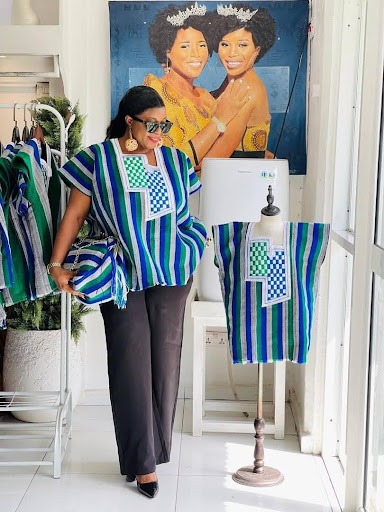
Traditional clothing in Sierra Leone serves as a vital expression of ethnic identity for different communities. People wear specific garments to mark social status, life events, and group belonging in ways that remain relevant today.
These choices go beyond preservation and actively shape how individuals navigate daily and ceremonial life. Clothing decisions vary across regions and ethnic groups, reflecting both historical practices and current realities.
Families select garments based on occasion, economic means, and personal expression. This makes traditional clothing in Sierra Leone a dynamic part of contemporary identity rather than a relic of the past.
Traditional clothing in Sierra Leone reflects the distinct identities of groups such as the Temne and Mende. This article explores their cultural meanings.
Traditional Clothing in Sierra Leone Among the Temne People
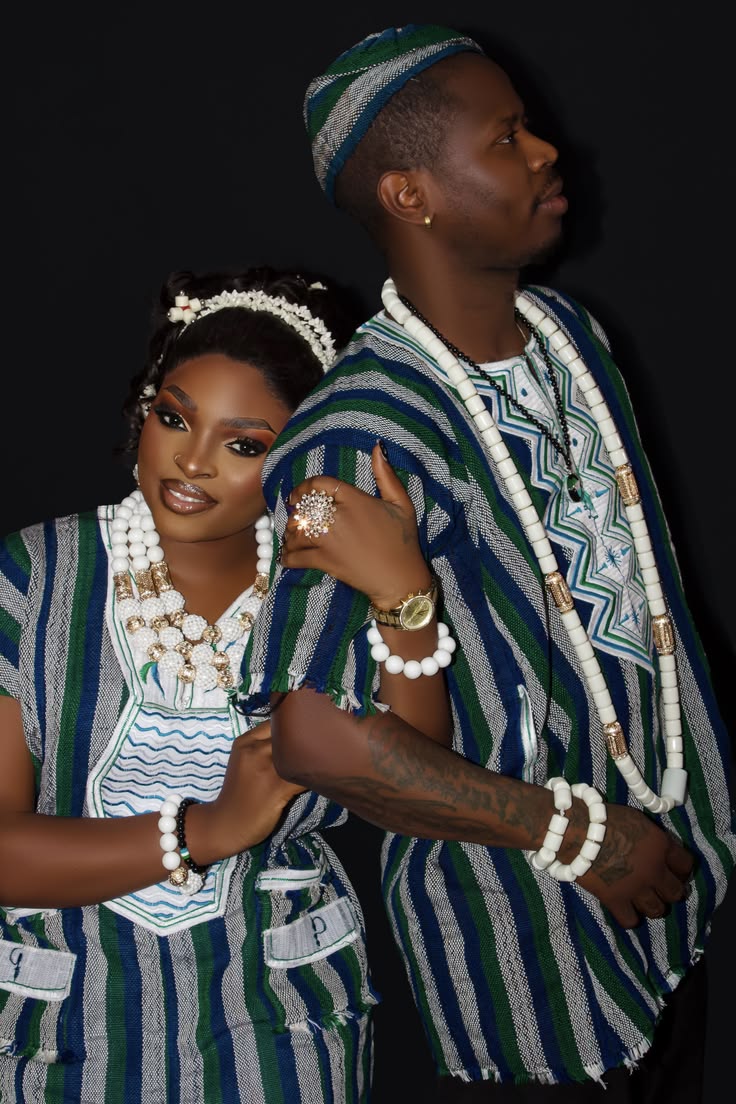
Temne traditional clothing in Sierra Leone features distinctive garments that reflect social hierarchy and cultural values.
They are one of the largest ethnic groups in the north and are known for commonly wearing the ronko. It’s a long flowing robe made from country cloth or imported fabrics.
Men often pair this with trousers and a matching cap, while women wear the lappa (wrap skirt) combined with a blouse and headwrap for both everyday activities and formal events.
These clothing choices serve clear purposes during important occasions. During initiation ceremonies and weddings, Temne families select higher-quality fabrics and more elaborate designs to display family status and respect for tradition.
The garments also adapt to modern needs. Younger Temne people in Freetown and other urban centres often modify the cut of the ronko for easier movement while retaining core elements that signal their identity.
This practical approach shows how the Temne actively maintain traditional clothing in Sierra Leone as a living system. They adjust styles and materials in response to changing social and economic conditions without compromising the garments’ core cultural functions.
Mende Country Cloth and Its Cultural Significance
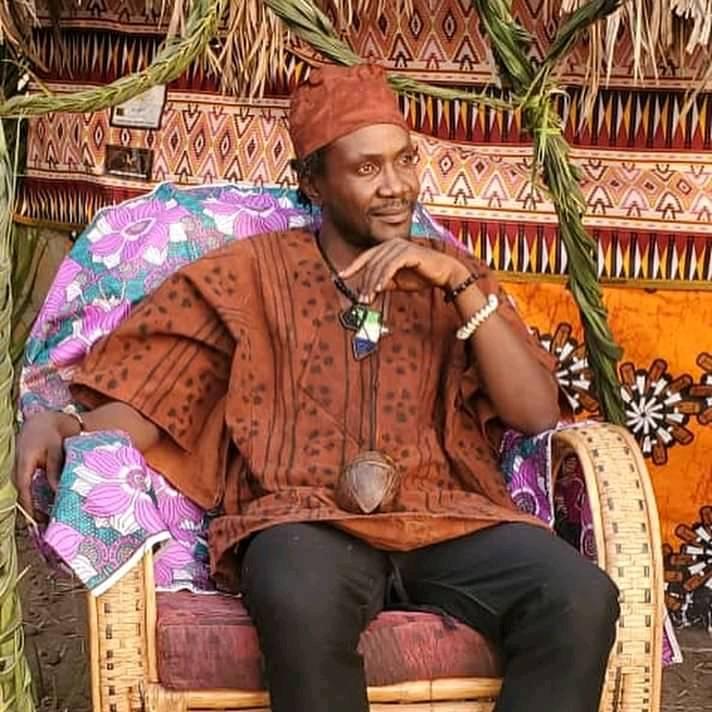
Mende country cloth, Sierra Leone holds a central place in the traditional clothing practices of the Mende people in the southern and eastern regions.
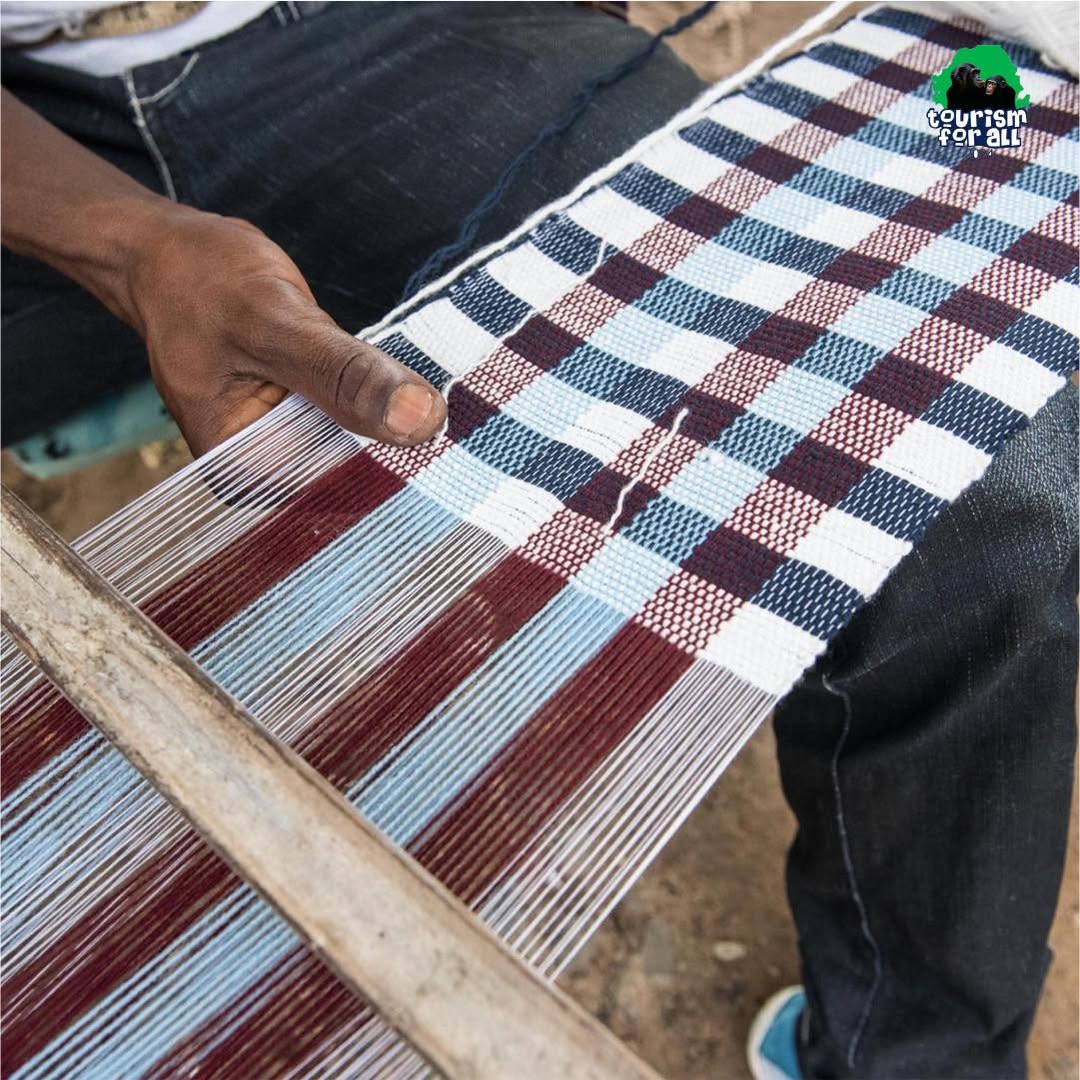
This fabric is handwoven from locally grown cotton into narrow strips that are sewn together to form larger cloths. The Mende have long used country cloth for important garments such as the gbari (men’s robe) and women’s wrap skirts.
This is particularly done during initiation ceremonies, weddings, and chieftaincy installations. The production and use of this cloth carry strong social meaning. Families invest significant time and resources in acquiring high-quality country cloth to demonstrate respect and status during major life events.
Patterns and thickness often indicate the wearer’s position within the community. Even today, many Mende families continue to incorporate country cloth into ceremonies while adapting it for everyday wear in towns and cities.
This practice shows how traditional clothing in Sierra Leone remains functional and meaningful. The Mende actively maintain country cloth production and use it to strengthen cultural identity across generations.
Krio Dress Traditions
Krio wedding attire in Sierra Leone stands out for its formal elegance and blend of influences. The Krio people, concentrated in Freetown and the Western Area, have developed a distinctive style that combines West African elements with Victorian and Caribbean touches.
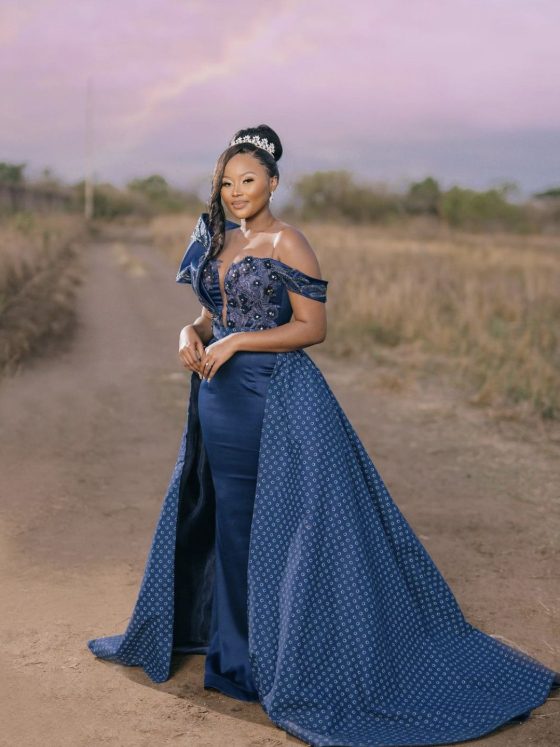
For weddings and important church ceremonies, women often wear tailored gowns made from lace, satin, or high-quality bazin, paired with elaborate headties and matching accessories. Men typically choose well-cut suits, frock coats, or traditional robes depending on the formality of the occasion.
These clothing choices carry strong social significance. Krio families invest considerable effort and resources in wedding attire to display status and respectability within their community.
The style reflects centuries of cultural exchange while maintaining a clear Sierra Leonean character. Even today, many younger Krio people continue to wear these garments at major events. Sometimes, they modify cuts for comfort without losing the overall aesthetic.
This approach demonstrates how traditional clothing in Sierra Leone adapts across different ethnic groups. The Krio actively use their dress traditions to strengthen social bonds and express identity in modern Sierra Leonean society.
Also Read:
- Traditional Fashion in Côte d’Ivoire: Culture, Colour, and Identity
- Traditional Clothing in Mali: The Cultural Significance of Boubou and Bogolan
- Traditional Clothing in Senegal: The Elegance of Boubou and Cultural Identity
Chiefdom Regalia and Contemporary Adaptations
Chiefdom regalia in Sierra Leone plays a powerful role in traditional clothing, especially in rural areas where paramount chiefs and traditional authorities still hold influence. Chiefs wear elaborate robes made from high-quality country cloth or imported bazin.
Then they pair it with special hats, staffs, and jewellery that symbolise authority and ancestral legitimacy. These garments are reserved for important occasions such as court sessions, installation ceremonies, and national events.
In contemporary times, younger generations have begun adapting elements of this regalia for personal and urban use. Some incorporate simplified versions of chiefdom patterns into modern shirts or jackets, while others wear miniature versions of traditional symbols as accessories.
This adaptation allows them to show respect for cultural institutions while participating in modern life in cities like Freetown and Bo. These practices highlight how traditional clothing in Sierra Leone continues to evolve.
Communities actively adapt chiefdom regalia and other garments to remain relevant in both rural authority structures and urban environments.
Modern Adaptations and Urban Use of Traditional Clothing
Traditional clothing in Sierra Leone continues to evolve as younger generations in urban centres like Freetown, Bo, and Kenema find new ways to wear ethnic garments.
Many combine elements of Temne ronko or Mende country cloth with modern jeans, sneakers, or tailored jackets for everyday wear. This mixing allows them to maintain a visible cultural identity while meeting the practical needs of city life, such as commuting.
Social media and youth culture have accelerated these adaptations. Young Sierra Leoneans now document creative combinations of traditional fabrics with contemporary silhouettes for weddings, festivals, and casual outings.
Families still expect certain traditional garments during major ceremonies, but younger people negotiate these expectations by updating cuts, colours, and styling.
This dynamic shows that traditional clothing in Sierra Leone remains a living practice that responds to changing social and economic conditions across both rural and urban spaces.
The Omiren Argument
Traditional clothing in Sierra Leone remains a powerful and dynamic force for cultural identity precisely because communities actively adapt and reinterpret it rather than treating it as a fixed relic of the past. Many observers still assume that traditional garments are gradually fading in relevance, worn only during ceremonies by older generations, while younger people shift entirely toward Western styles.
This assumption is incorrect. In reality, Sierra Leoneans across ethnic groups continuously modify garments such as the Temne ronko, Mende country cloth, and Krio formal wear to suit urban life, economic realities, and changing social expectations. They do this while preserving core symbolic meanings and technical traditions.
This practice reveals that traditional clothing in Sierra Leone functions as a living language of identity. Communities use it to negotiate belonging, status, and modernity on their own terms instead of abandoning it.
Sierra Leone must therefore support local textile production and encourage younger generations to engage with these garments if the country wants to maintain the genuine cultural strength that traditional clothing provides.
Frequently Asked Questions
- What is the traditional clothing in Sierra Leone?
Traditional clothing in Sierra Leone varies by ethnic group but is dominated by the boubou-style robe and country cloth garments.
The Temne people commonly wear the ronko, a long, flowing robe, while the Mende are known for country cloth made from handwoven cotton strips sewn together. These garments are used for both everyday wear and important ceremonies such as weddings and initiations.
- What is the cultural identity of Sierra Leone?
Sierra Leone’s cultural identity is shaped by its diversity of about 18 ethnic groups, with the Temne and Mende being the largest. The country features a rich fusion of traditions.
These include secret societies such as Poro and Sande, vibrant music and dance, and strong community values. Krio culture in the Western Area also adds a unique Creole influence from formerly enslaved people who returned.
- What are the 7 types of fashion styles?
Common fashion styles include casual, classic, chic, elegant, bohemian, streetwear, and minimalist. These styles range from relaxed everyday wear to more polished and artistic expressions. Each style reflects different attitudes toward comfort, sophistication, and creativity.
- What are some traditional clothing styles?
Traditional clothing styles include the Indian sari, Japanese kimono, Scottish kilt, and West African boubou. These garments are often tied to specific cultural practices, ceremonies, and ethnic identities. Many traditional styles continue to evolve as people adapt them for modern use.
- What are the main styles of clothing?
The main clothing styles are casual, formal, sportswear, business professional, and traditional/ethnic. These categories cover everyday comfort, professional settings, physical activities, and cultural expression. People often mix elements from different styles depending on context and personal preference.