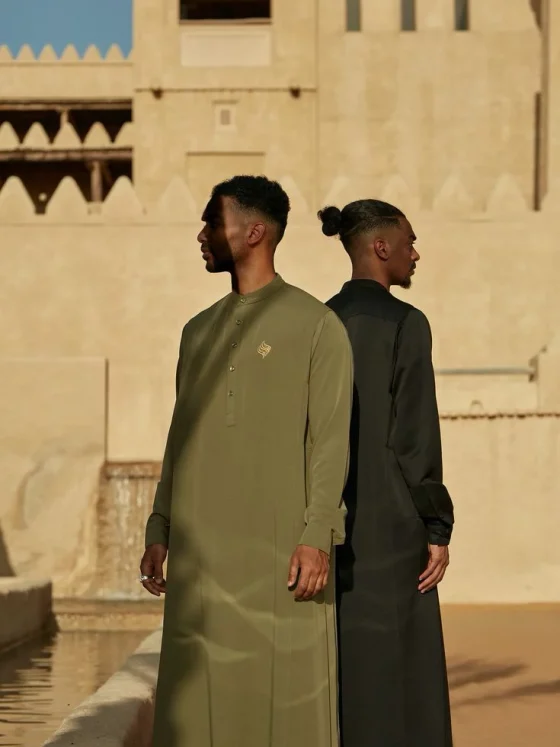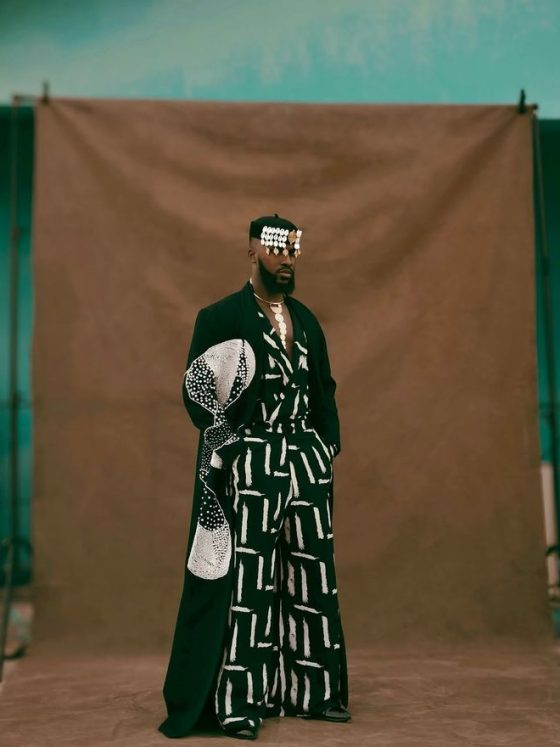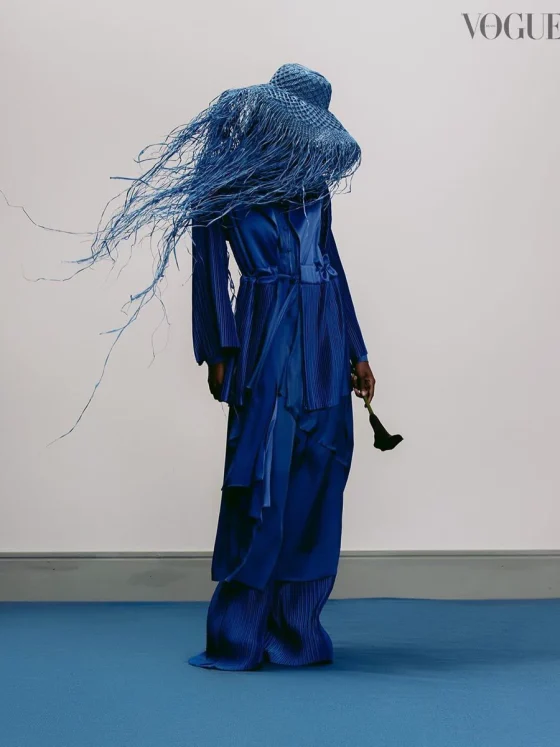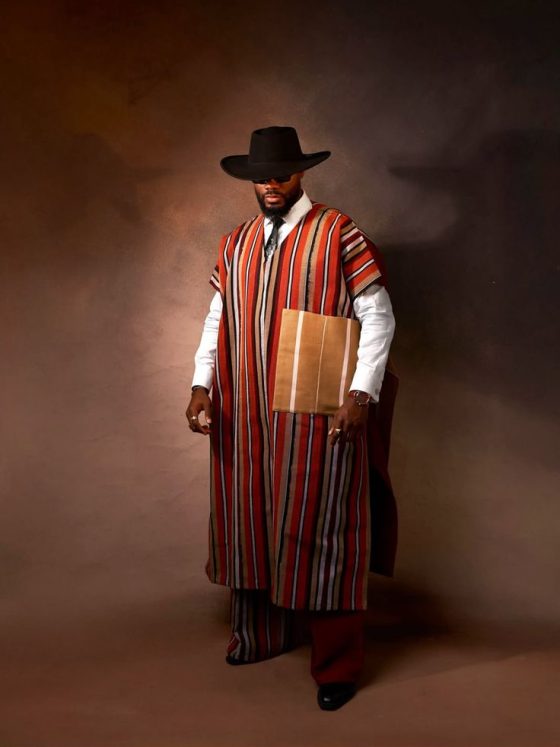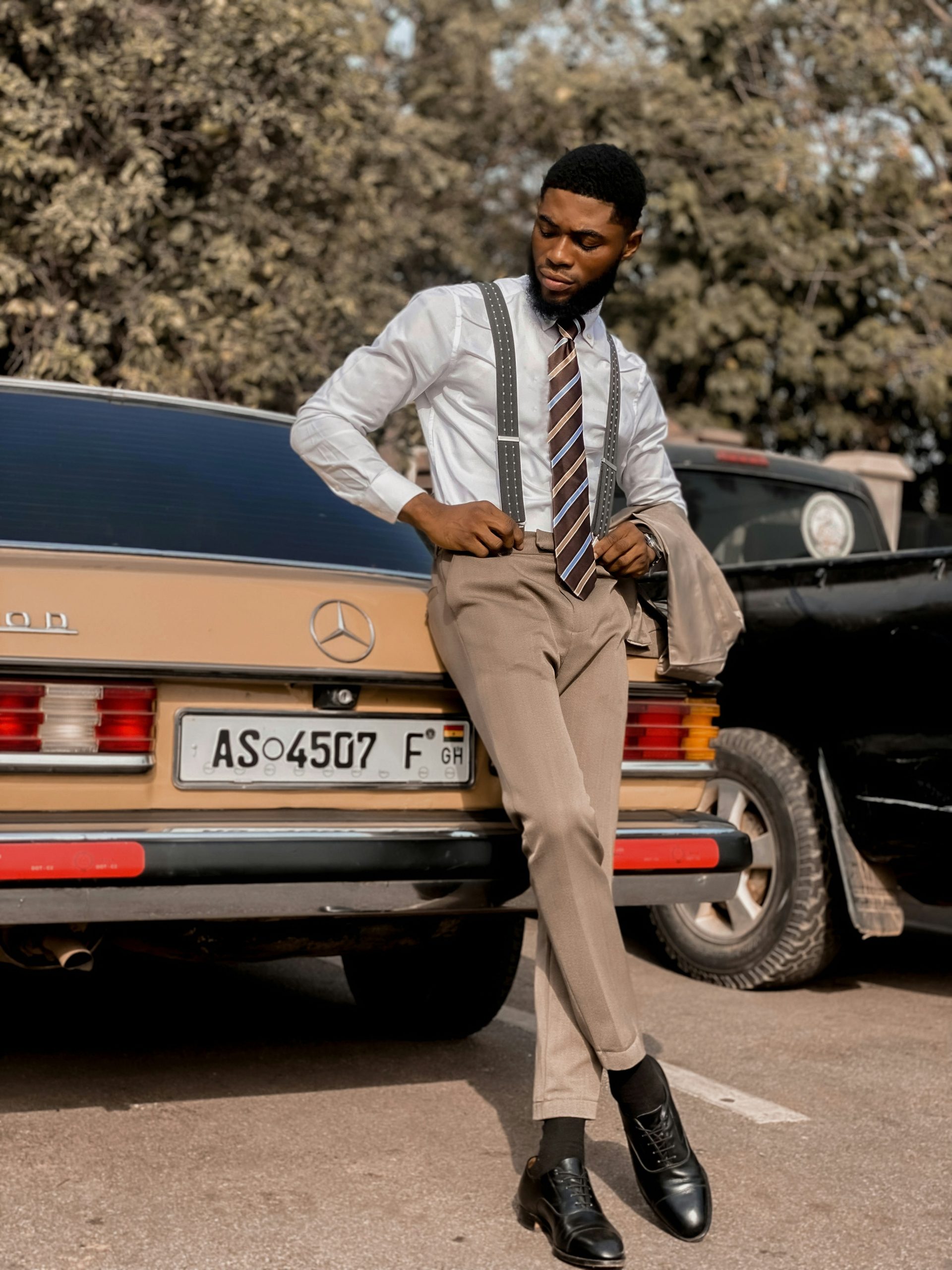
The well-dressed man was never gone. He was temporarily outnumbered.
For roughly a decade, comfort culture dominated menswear. Athleisure revenues grew at scale, luxury streetwear consumed the conversation, and the tailored suit was repeatedly declared obsolete by publications that confused a trend with a cultural shift. Men dressed down, and the fashion industry rewarded them for it.
The return of the well-dressed man is now visible and measurable. It shows up in the resurgence of tailoring sales, in the collapse of certain streetwear resale markets, and in the changing visual vocabulary of men across Lagos, Accra, London, New York, and Havana. What is driving this return matters because it is not simply a fashion reversal. It is a reassertion of something that comfort culture never actually replaced: the understanding that dress is a decision, and decisions carry meaning.
Men are dressing with intention again. Here is what is driving it, what it communicates, and why African menswear traditions understood this long before the trend caught up.
Men Are Returning to Intentional Dressing
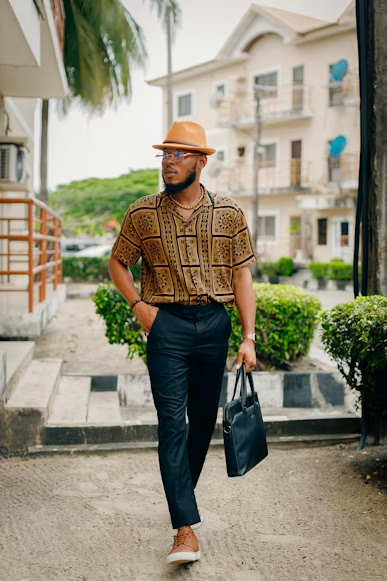
The return of the well-dressed man is inseparable from the concept of intentional dressing, and intentional dressing has deep roots that Western fashion media rarely acknowledges.
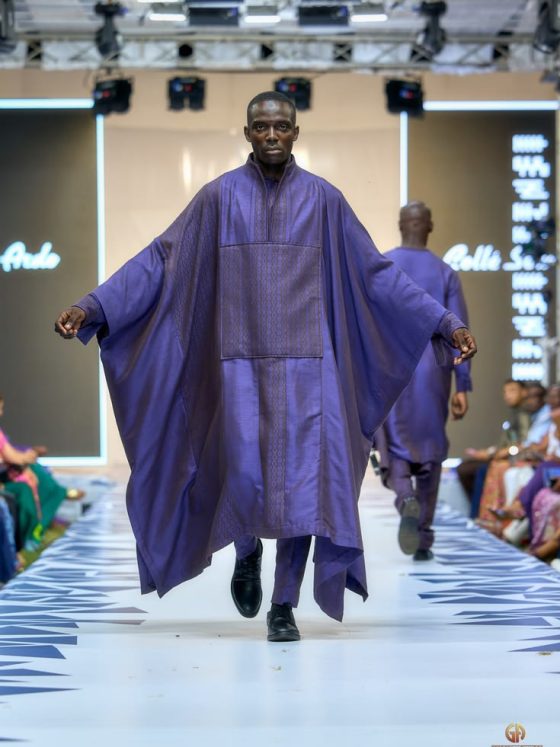
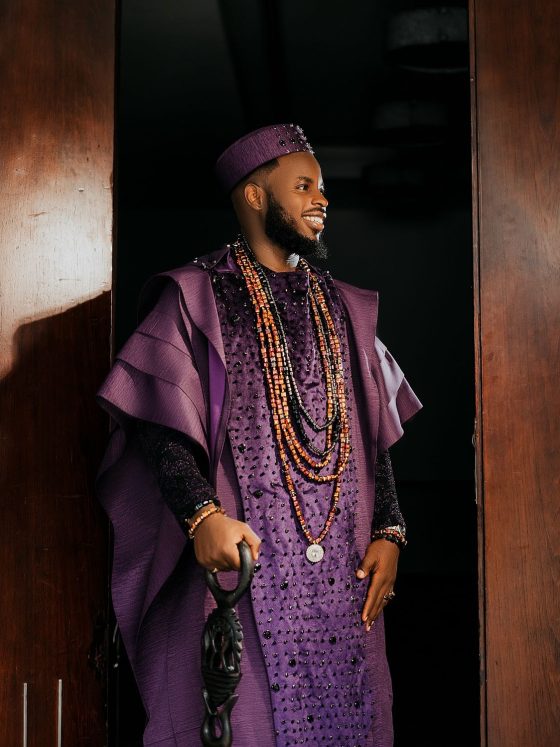
In West Africa, men’s dress has never been casual. The agbada, the Yoruba ceremonial garment worn across southern Nigeria and the diaspora, is not merely formal wear. It is a garment of weight and proportion that communicates lineage, occasion, and social standing in a single silhouette. The aso-oke woven fabric worn at Yoruba ceremonies assigns specific roles to specific men through colour and rank. In Senegal, the grand boubou carries an equivalent authority. In Ghana, kente cloth woven on strip looms in specific colour combinations has documented royal and ceremonial significance stretching back centuries. These are garments that require thought before they are worn. As we have argued in our piece on the agbada as one of West Africa’s most architecturally significant male garments, intentional dressing in African male dress traditions is the historical norm, not a recent development. The question is not why men are returning to it. The question is why it was ever framed as a departure.
The global menswear market reflects this correction. According to Markets and Data’s Global Menswear Market Assessment, the market was valued at approximately $545 billion in 2023 and is projected to reach $776 billion by 2031. Tailored clothing is among the fastest-growing segments within it. Men are not simply spending more on clothes. They are spending differently, moving away from high-volume, low-investment pieces and towards garments selected for longevity and visual coherence. In the United States alone, revenue in the men’s suits segment is projected to reach $12.8 billion in 2025, with the category’s rebound stronger than expected across the post-pandemic period. Equally Wed
Social media has accelerated this shift, though not in the way most commonly cited. The argument that men are dressing better because everything is photographed and shared is true, but incomplete. What social media has actually done is create a sustained visual archive of men who dress with care, from tailored Ghanaian men photographed at funerals in Accra to Kinshasa’s Sapeurs, whose philosophy of dress as dignity has been documented since the 1920s. We examine that philosophy in full in our piece on why the Sapeurs represent the most radical fashion statement in the world. The well-dressed man has always existed across African cities. The difference is that he is now visible to everyone.
Cultural Memory Shapes Modern Wardrobes
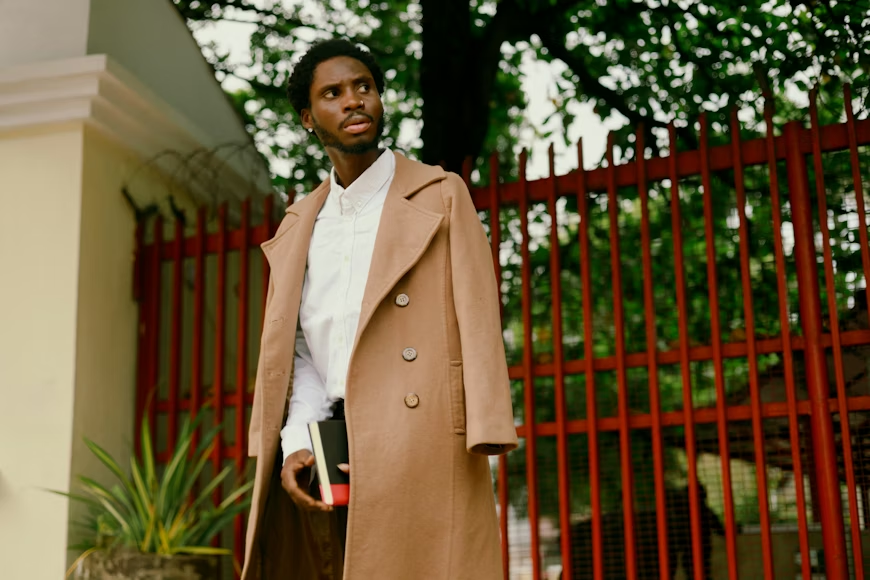
The return of the well-dressed man is also shaped by cultural memory. In many African contexts, dressing well has long been tied to dignity, respect, and social awareness.
Clothing was practical and disciplined. A pressed outfit for church, a tailored look for ceremonies and polished shoes for important outings. All these signalled care and presence.
Those standards faded during the years of global casual trends. Today, the return of the well-dressed man reflects a conscious reconnection with these practices. Younger men are observing, adapting, and reinterpreting them within modern life.
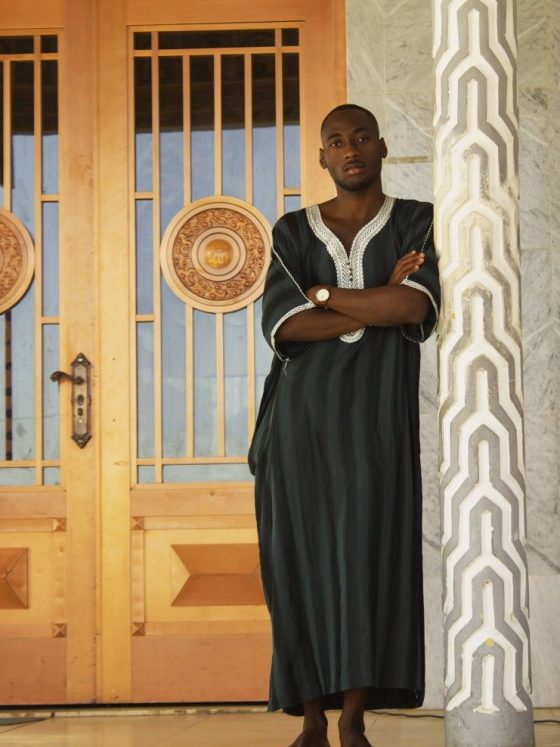
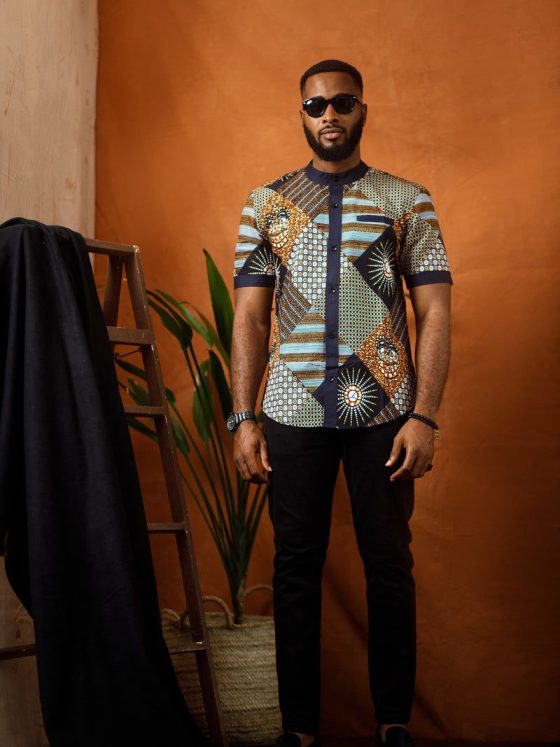
Traditional fabrics, local tailoring, and refined native silhouettes are gaining renewed relevance. They allow men to express cultural identity while navigating contemporary professional and social spaces.
Visual Awareness Is Redefining Presence
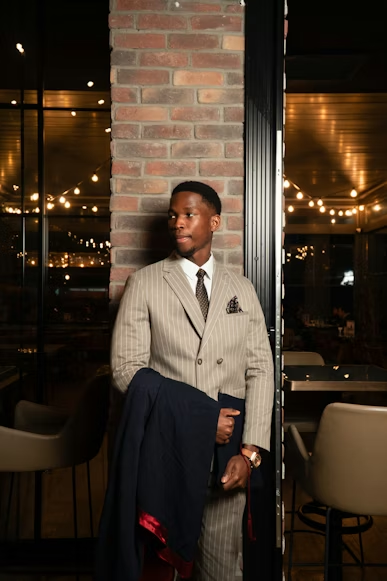
The return of the well-dressed man extends beyond physical spaces. Digital visibility has made presentations as important online as they are in person.
Men are aware that every outfit contributes to perception, influence, and personal branding. This awareness shapes behaviour in clear ways:
- Outfits Consider Long-Term Visibility: Men select ensembles that remain appropriate across photos, professional profiles, and social updates.
- Access to Style Knowledge: Tailoring, fit, and colour coordination can now be learned online without traditional gatekeepers.
- Personal Branding Drives Choices: Clothing communicates discipline, creativity, and professionalism, aligning with the identity a man wants to project.
- Consistency Builds Credibility: Showing up well-put-together repeatedly signals trust and reliability.
Also Read:
- How Menswear Is Finally Having Its Cultural Reckoning on the Global Stage
- How Ohimai Atafo is Shaping Modern African Menswear
- Ugo Monye: Redefining African Heritage in Global Menswear
- Top African Menswear Collections Released in 2025
Modern Masculinity Demands Visual Discipline
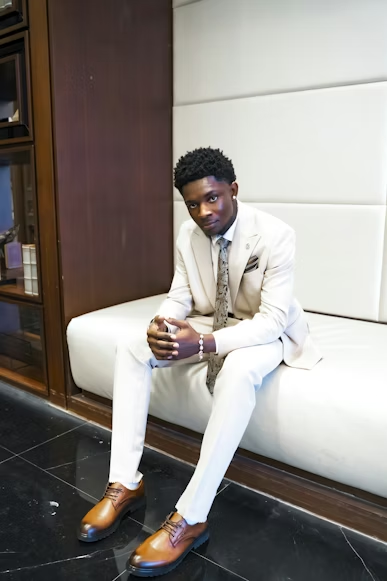
The return of the well-dressed man signals a new measure of masculinity. Physical strength or financial power alone no longer defines authority.
Presence, composure, and visual consistency are now key indicators of competence and readiness.
Men who embrace this approach are perceived as organised, disciplined, and intentional.
Clothing becomes a silent form of communication, signalling seriousness at work, effort in personal relationships, and awareness in public life.
Opportunities are increasingly shaped by perception. First impressions happen faster in a visually driven culture.
Conclusion
Intentional dressing is now a measure of self-respect, discipline, and cultural awareness. The return of the well-dressed man signals that style is no longer optional but essential for commanding presence and confidence.
This shift is not about chasing trends. It is about aligning appearance with identity, culture, and context. Each garment communicates readiness and clarity, reinforcing who a man is in every environment.
Men who embrace this approach are not simply dressing well. They are shaping perception, building credibility, and reclaiming control over how they are seen.
Frequently Asked Questions
1. Why Are Men Investing In Personal Style Again?
Men are investing in personal style to communicate presence, confidence, and professionalism. Beyond fashion, dressing well reflects intentionality, cultural awareness, and personal discipline.
2. How Does Dressing Well Impact Modern Masculinity?
Dressing well shapes perception. It signals maturity, self-respect, and social awareness, helping men align their inner identity with how others see them.
3. Is The Return Of The Well-Dressed Man Just About Fashion Trends?
No. While trends influence choices, the movement is deeper. It’s about cultural heritage, personal branding, and the practical benefits of presenting oneself with clarity and confidence.
4. Can Traditional Fabrics And Tailoring Still Fit Modern Wardrobes?
Absolutely. Younger men are adding traditional fabrics, local tailoring, and refined silhouettes with contemporary style, balancing heritage with everyday practicality.
5. How Has Social Media Influenced Men’s Approach to Dressing?
Social media has made appearances more visible and intentional. Men now consider how outfits will be perceived online, using style as a tool for personal branding and credibility.