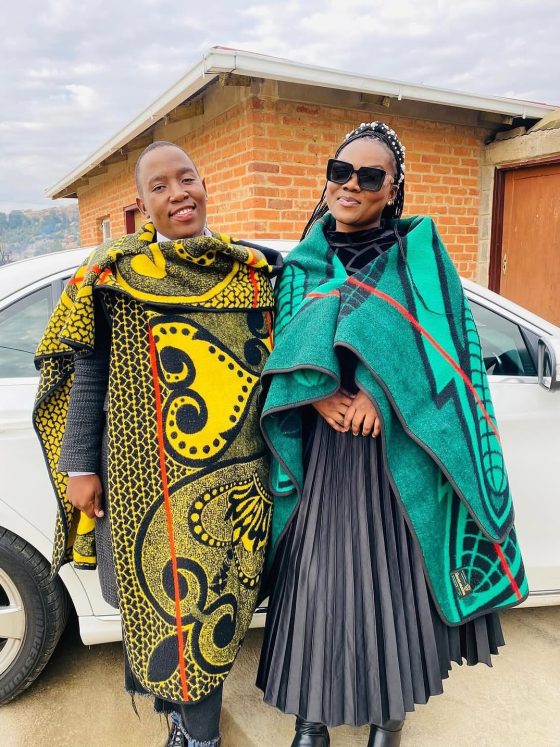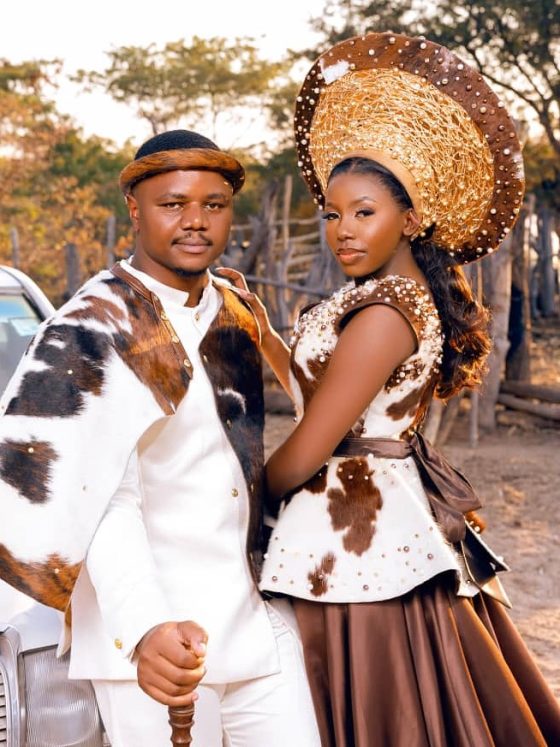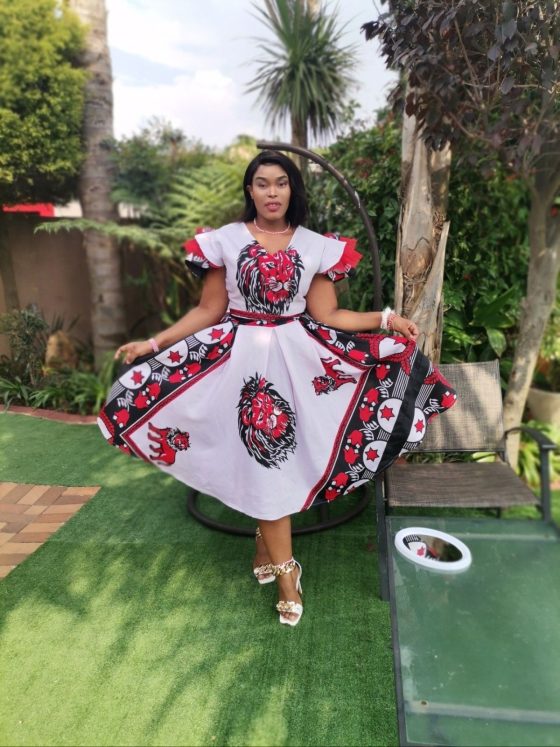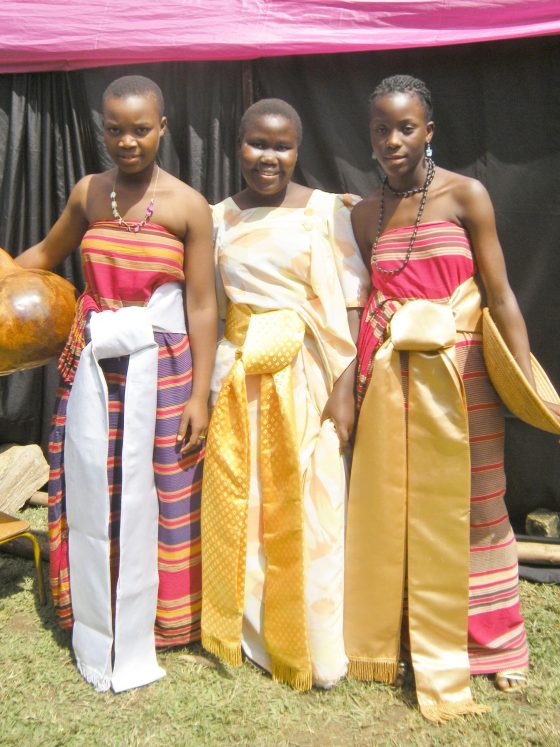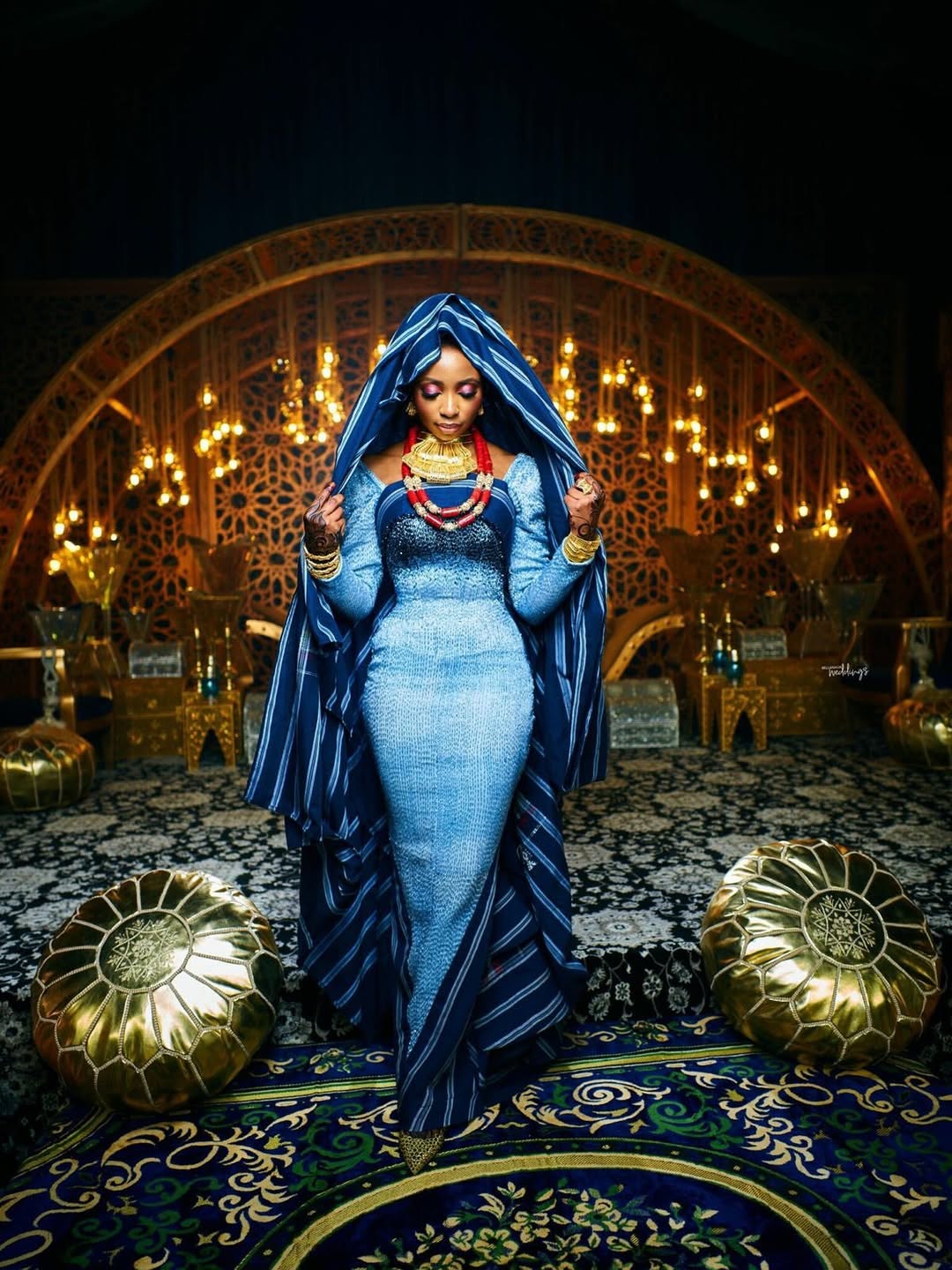
‘Traditional Guinea fabric and pattern’ refers to the range of textiles used in Guinea’s clothing traditions, shaped by weaving practices, regional craft knowledge, and long histories of trade.
It isn’t a single material but a mix of fabrics and techniques that vary across communities and regions.
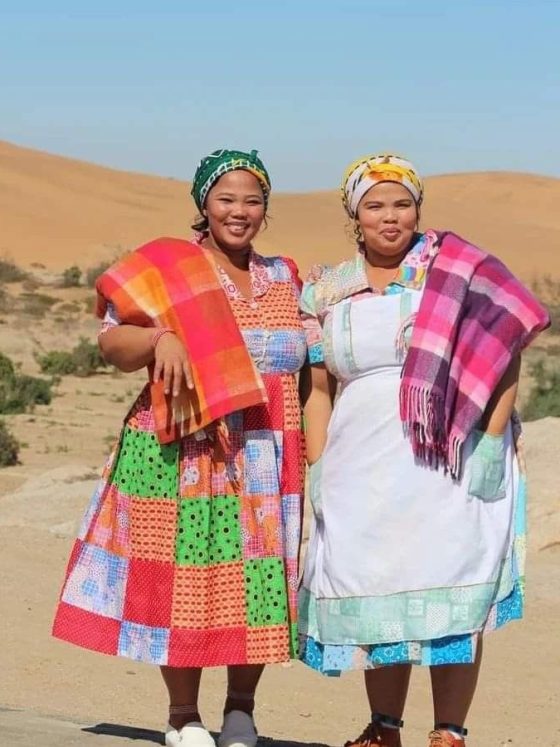
Across Guinea, cloth production has long been linked to weaving and embroidery traditions found among groups such as the Fulani, Malinké, and Susu. These textiles appear in garments like boubous and wrappers, especially during ceremonies, religious events, and formal occasions.
Alongside locally woven cloth, imported fabrics, particularly cotton prints, have also become part of dress culture through long-standing trade and exchange.
Traditional Guinea fabric reflects a cotton-based weaving culture shaped by regional craft traditions, Leppi fabric, and long-standing Guinea weaving traditions.
What Is Traditional Guinea Fabric and Pattern? Origins, Materials, and Regional Craft Systems
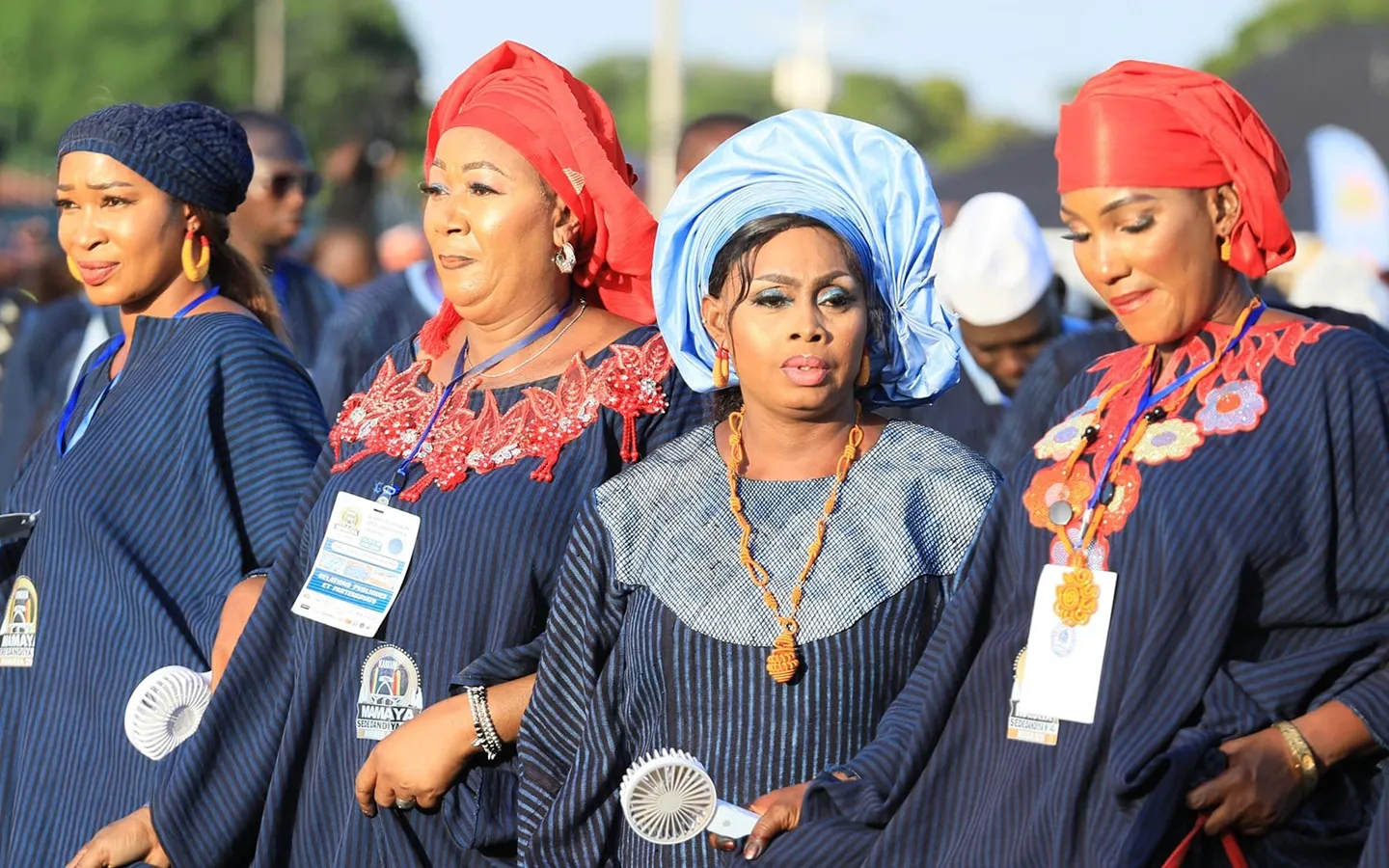
Traditional Guinea fabric and pattern aren’t a single fabric but a textile environment built on shared materials, weaving techniques, and artisanal production methods.
Cotton has historically been the central material in these textile traditions. It is processed manually from raw fibre into thread, which is then prepared for weaving.
The defining method in many traditional contexts is narrow-strip weaving, in which long, thin bands of cloth are produced on hand-operated looms. These strips are later joined together to create larger garments, allowing flexibility in size and structure.
Among the most clearly documented woven textiles is Leppi fabric, associated with the Fouta Djallon region. It is produced through strip-weaving techniques that rely on cotton as the base material.
The weaving process is highly manual and requires precision in aligning narrow woven bands into continuous fabric. While indigo-dyed versions are widely referenced, dyeing practices can vary depending on the maker, available materials, and production context.
Beyond weaving, textile production in Guinea also includes processes of finishing and adaptation. Hand-sewn assembly, pattern alignment, and surface treatment all contribute to the final appearance of cloth.
These steps are carried out within small-scale artisanal settings rather than industrial systems, with knowledge transmitted through apprenticeship and practice over time.
Alongside locally woven cloth, imported cotton fabrics circulate widely within Guinea.
These materials enter local dress systems through trade and are often tailored alongside handwoven textiles. As a result, the textile landscape is defined by coexistence rather than replacement.
Textile Identity Across Guinea’s Ethnic Communities
Textile identity in Guinea isn’t organised around distinct fabrics for each ethnic group. It’s shaped by how cloth is selected, worn, circulated, and adapted within shared textile systems.
In Fulani communities of the Fouta Djallon, Leppi is closely associated with formal and ceremonial dress. It’s typically worn during important social and religious events where presentation carries social significance.
For this fabric, value is placed on craftsmanship, careful assembly, and the visual order of the finished garment rather than on material variation.
In Malinké communities, textile life is structured around engagement with wider Mande weaving and tailoring networks. Cloth is commonly encountered through markets and tailoring spaces, where it is selected, cut, and adapted into garments.
In Susu communities along Guinea’s coastal regions, textile practice is shaped by long-standing exposure to trade networks. Both locally produced cloth and imported cotton fabrics circulate within everyday and ceremonial dress.
Across forest-region communities, cloth is integrated into social and ceremonial life in flexible ways. Textiles are adapted to specific events such as celebrations, gatherings, and rites of passage.
The emphasis is placed on how garments function within social settings rather than on fixed textile classifications. Across all regions, textile identity in Guinea is expressed through circulation and practice.
While Leppi remains the most clearly documented woven textile tradition, broader textile life is defined by how materials are used and reworked within everyday and ceremonial contexts.
Patterns and Symbolic Designs in Traditional Guinean Textiles
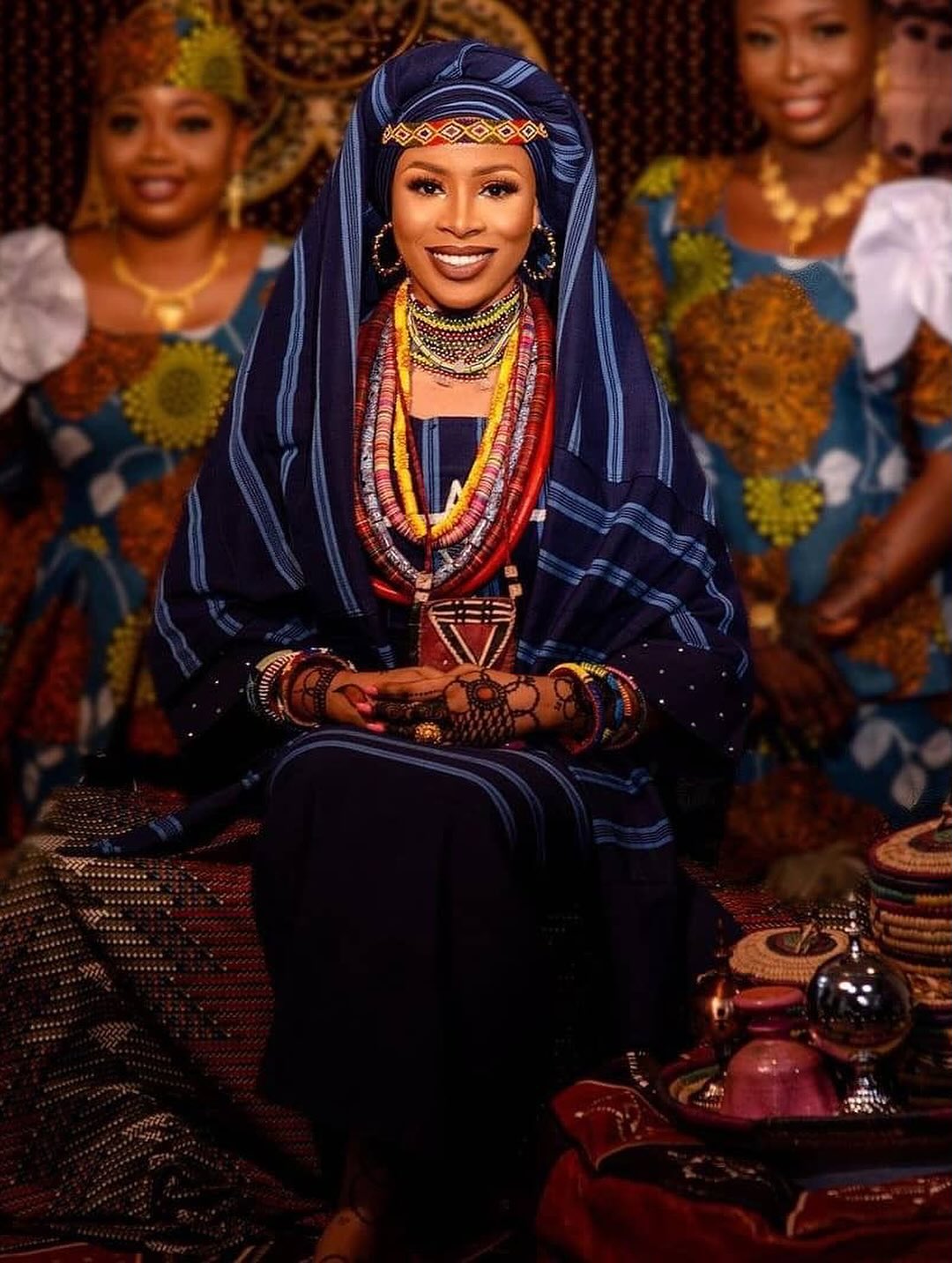
Patterns in traditional Guinea fabric play a central role in expressing cultural identity, social status, and aesthetic harmony.
Unlike the bold figurative or narrative motifs found in other West African traditions, Guinean textiles, particularly Leppi fabric, are characterised by meaningful geometric patterns.
These arrangements emerge naturally from narrow-strip weaving techniques.
The most iconic patterns in traditional fabrics in Guinea feature fine stripes, checks, and subtle geometric repetitions created by aligning narrow woven bands.
In Leppi fabric from the Fouta Djallon region, these often appear as delicate light stripes against a deep indigo background.
The indigo dyeing process, using locally sourced plants, produces rich tones that symbolise prestige, spirituality, and connection to the land.
White variants, sometimes called Ofe, represent peace, purity, and ancestral blessings. These designs carry layered meanings within Fulani and broader Guinean communities:
- Stripes and linear patterns evoke order, continuity, and the flow of generational knowledge.
- Geometric repetitions reflect balance, community cohesion, and the structured rhythms of daily and ceremonial life.
- Colour contrasts, especially indigo and white, convey social and spiritual messages. Indigo is often linked to wealth, fertility, and protection in West African textile traditions.
In Guinean textiles influenced by Malinké and Susu practices, patterns may incorporate embroidered elements or adapt imported cotton prints with local motifs.
Across regions, the emphasis remains on how the finished cloth communicates dignity and cultural pride when tailored into boubous or wrappers for weddings, Eid celebrations, and other important gatherings.
These patterns aren’t merely decorative. They form a visual language that reinforces Guinea’s weaving traditions and the living heritage of handwoven fabric.
As Leppi gains protected cultural status, its distinctive striped geometry continues to inspire contemporary designers.
Also Read:
- The Future of Fashion in Sierra Leone: Creativity, Culture, and Growth
- Senegalese Textiles and Craftsmanship: The Art Behind West African Fashion
- Wax Prints and Beyond: Fabrics Defining Ivorian Fashion
Modern Relevance and Preservation of Guinea’s Textile Heritage
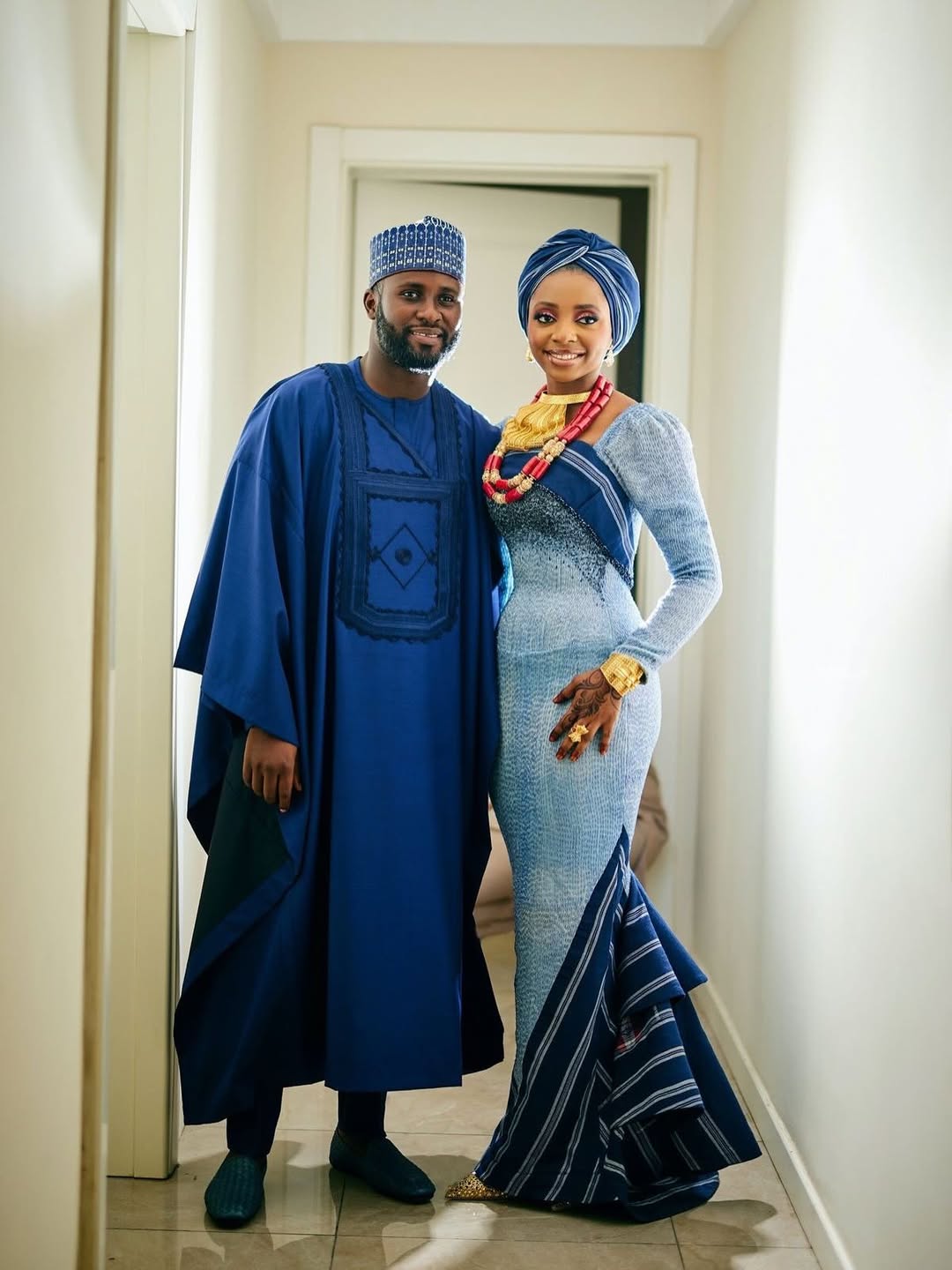
Traditional Guinean fabric and patterns continue to hold strong cultural and economic value in contemporary Guinea while adapting to modern lifestyles and global interest.
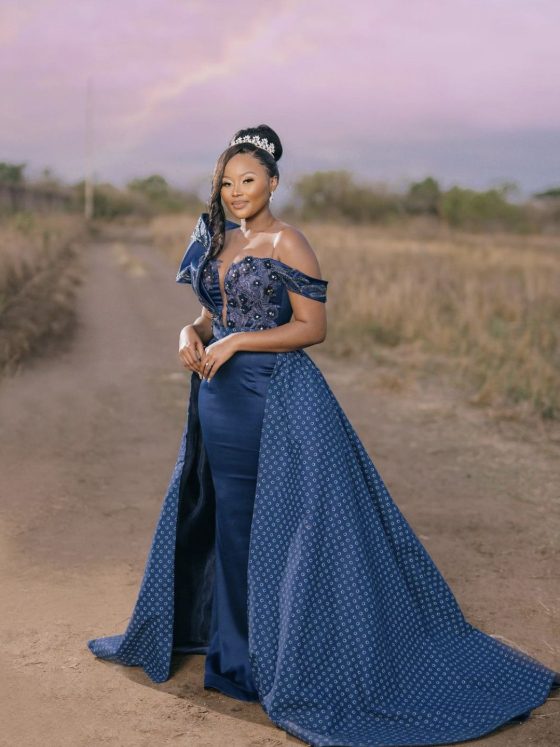
Many younger Guineans and diaspora communities proudly wear garments made from Leppi fabric and other handwoven fabrics in Guinea. They wear them for weddings, naming ceremonies, religious festivals, and official events.
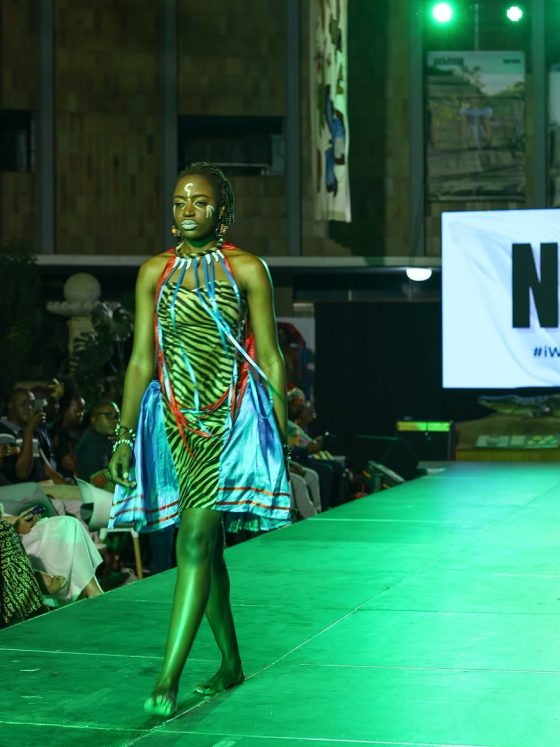
Today, designers in Conakry and beyond are reinterpreting Guinea weaving traditions. They’re combining narrow-strip woven textiles with contemporary cuts, vibrant accessories, and fusion styles suitable for everyday wear.
This revival helps sustain local artisans and brings international attention to Guinean textiles through fashion shows, cultural exhibitions, and online marketplaces.
However, the craft faces notable challenges. The rise of cheaper imported printed fabrics has reduced demand for labour-intensive handwoven pieces.
Fewer young people are learning the full process of cotton preparation, strip weaving, and natural dyeing, threatening the continuity of these skills.
Preservation initiatives are actively addressing these issues. This is done through artisan cooperatives in the Fouta Djallon region, training programs by Mariama Camara that teach Leppi fabric production to new generations, and government-supported cultural projects.
This is aimed at protecting Guinea’s textile heritage. Festivals and tourism efforts also highlight these textiles as living symbols of national identity.
The Omiren Argument
Guinea exercises full cultural ownership of its textile systems by treating imported cotton fabrics and handwoven Leppi as complementary rather than rival resources.
Weavers and tailors across the Fouta Djallon, coastal areas, and forest regions have long combined locally strip-woven cotton with traded prints according to occasion, availability, and social purpose. This integration reflects Guinea’s established role in West African trade networks.
The common claim that imported fabrics weaken Guinean handweaving traditions misreads everyday practice. Leppi adds symbolic value to formal garments, while imported cottons broaden access and creative range.
This adaptive approach reveals the strength of Guinea’s textile heritage. Guinean makers demonstrate that cultural power comes from controlled circulation and intelligent recombination rather than enforced purity.
Guinea’s textile future requires scaled support for weavers while preserving this proven model of selective integration.
Frequently Asked Questions
- What is the history of guinea cloth?
‘Guinea cloth’ refers to Indian-made cotton textiles, often blue or striped, produced on the Coromandel Coast and exported to West Africa by European traders from the 17th century onwards.
These fabrics became key trade goods, including in the Atlantic slave trade, and influenced local textile traditions due to their quality and popularity.
- What are some traditions in Guinea?
Guinea has rich traditions in music, dance, and oral history, preserved by griots who use instruments such as the kora and balafon. Other key traditions include textile weaving and dyeing, community festivals, hospitality, initiation ceremonies, and artisanal crafts such as pottery and mask-making.
- What are traditional fabrics and their names?
In Guinea, notable traditional fabrics include Lépi (or Lepi), an indigo-dyed cotton cloth associated with the Peul people. In Guinea-Bissau, iconic examples include Panu di Pinti and Manjak loincloths, handwoven from narrow strips with symbolic patterns.
- What is the weaving of traditional textiles?
Traditional textile weaving in Guinea involves hand-weaving narrow cotton strips on looms, which are then sewn together and often dyed with natural indigo or mud. This generational craft produces culturally significant fabrics with symbolic meanings used in ceremonies and daily life.
- What are the five examples of weaving?
Common examples include:
- Plain weave is the simplest weaving method, in which threads cross over and under one another to form a strong, balanced fabric.
- Twill weave uses a pattern of over-one or more and under-one, creating a diagonal texture often seen in denim.
- Satin weave produces a smooth, shiny surface by allowing threads to float over several others before interlacing.
- Basket weave groups threads together in a simple over-under pattern, creating a thicker, checkerboard-like texture.
- Tapestry weave is a decorative method used to create patterns or images directly within the fabric.