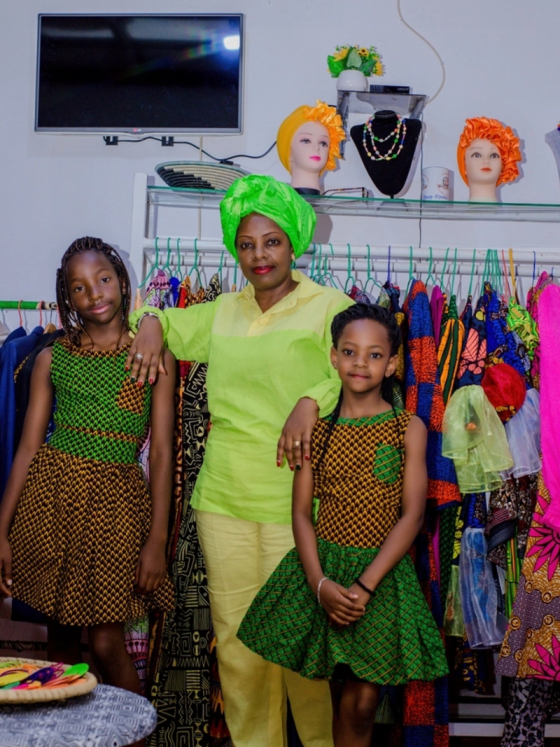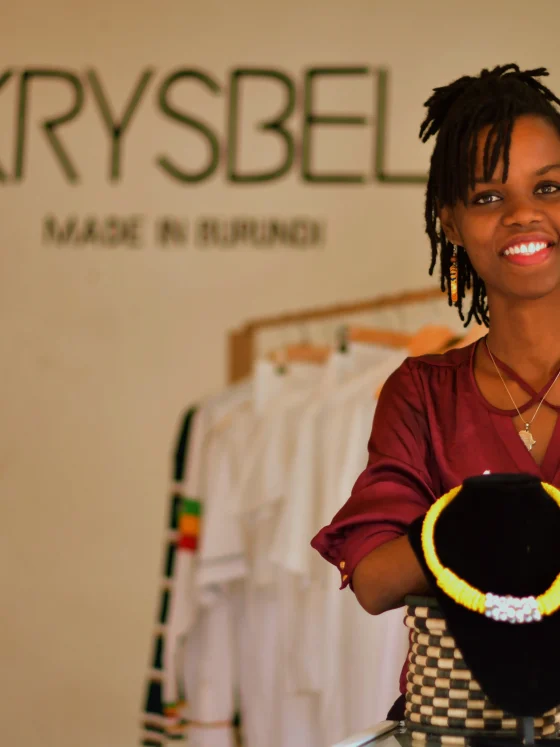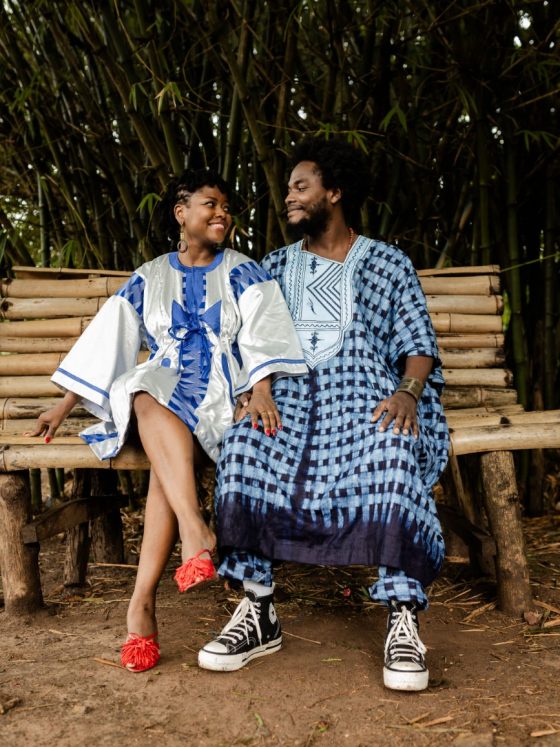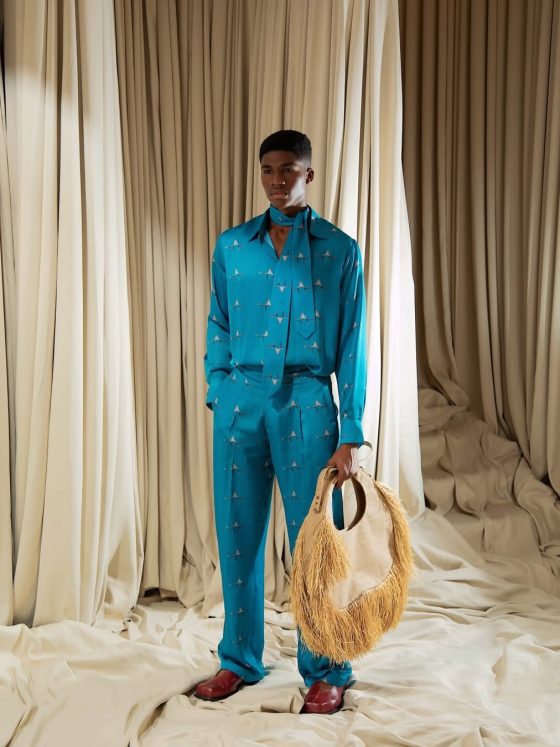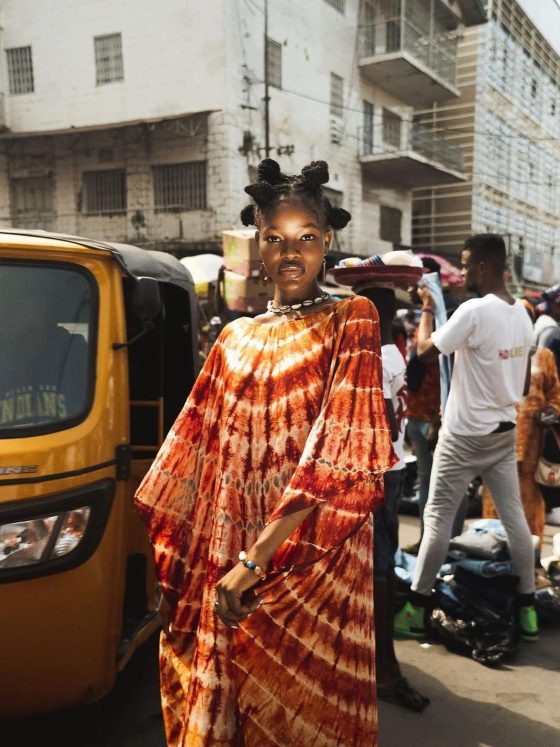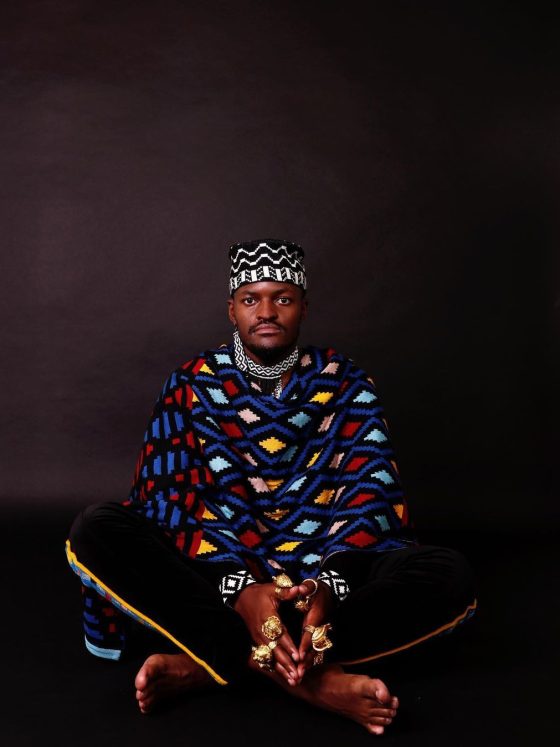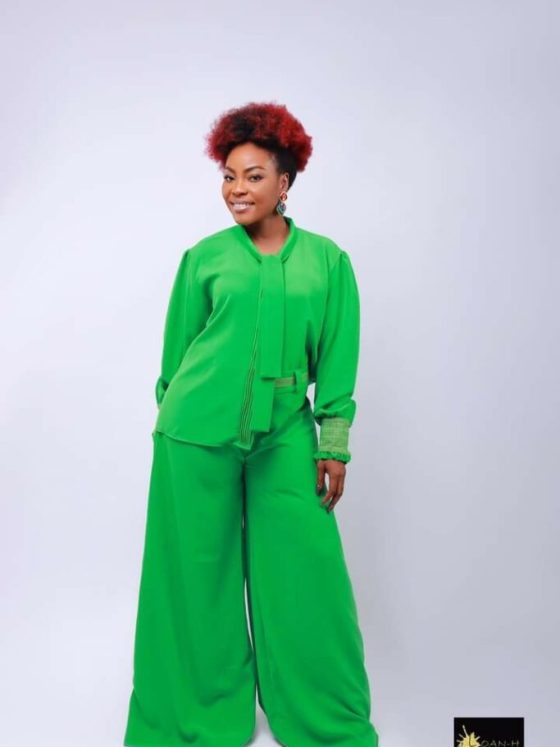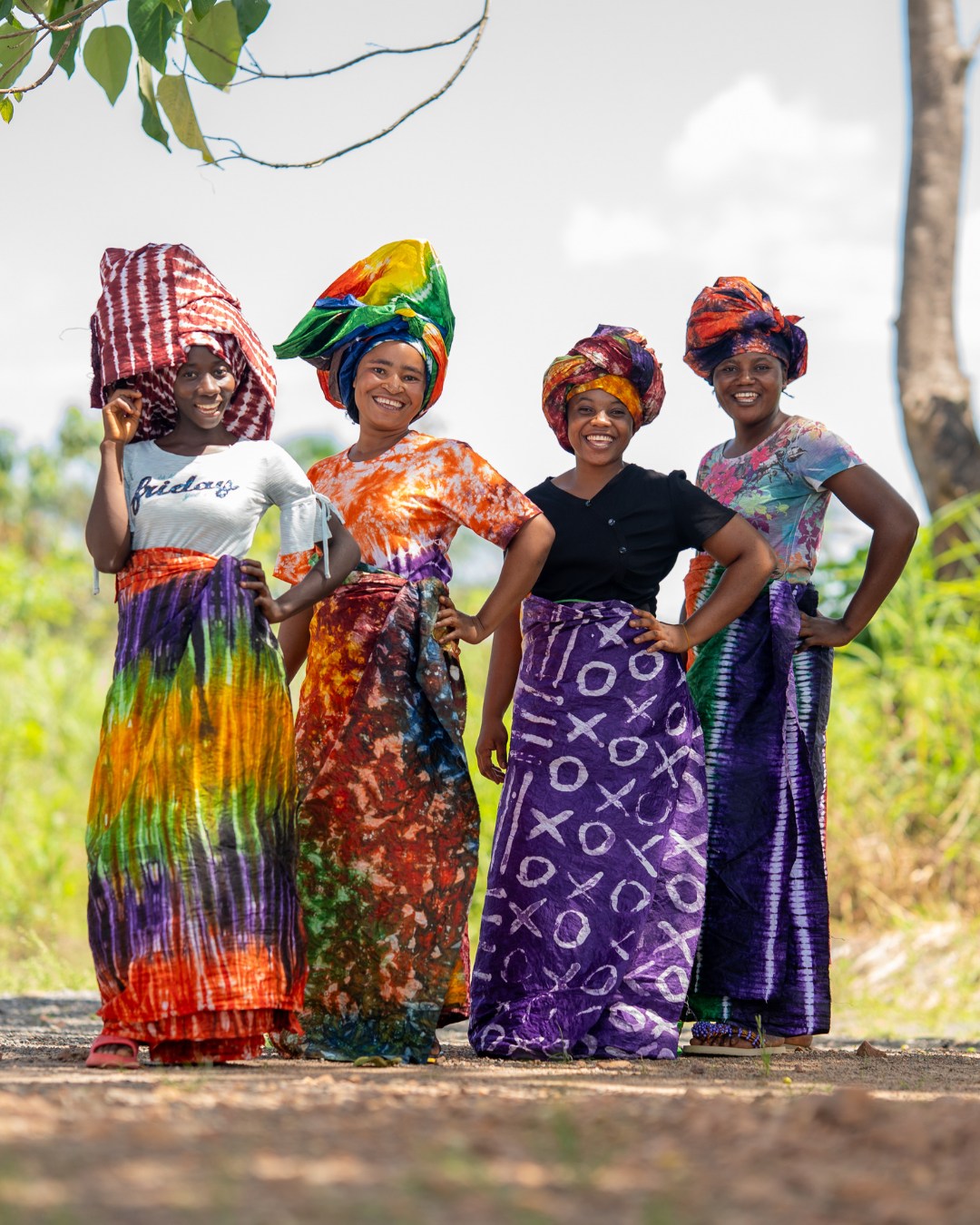
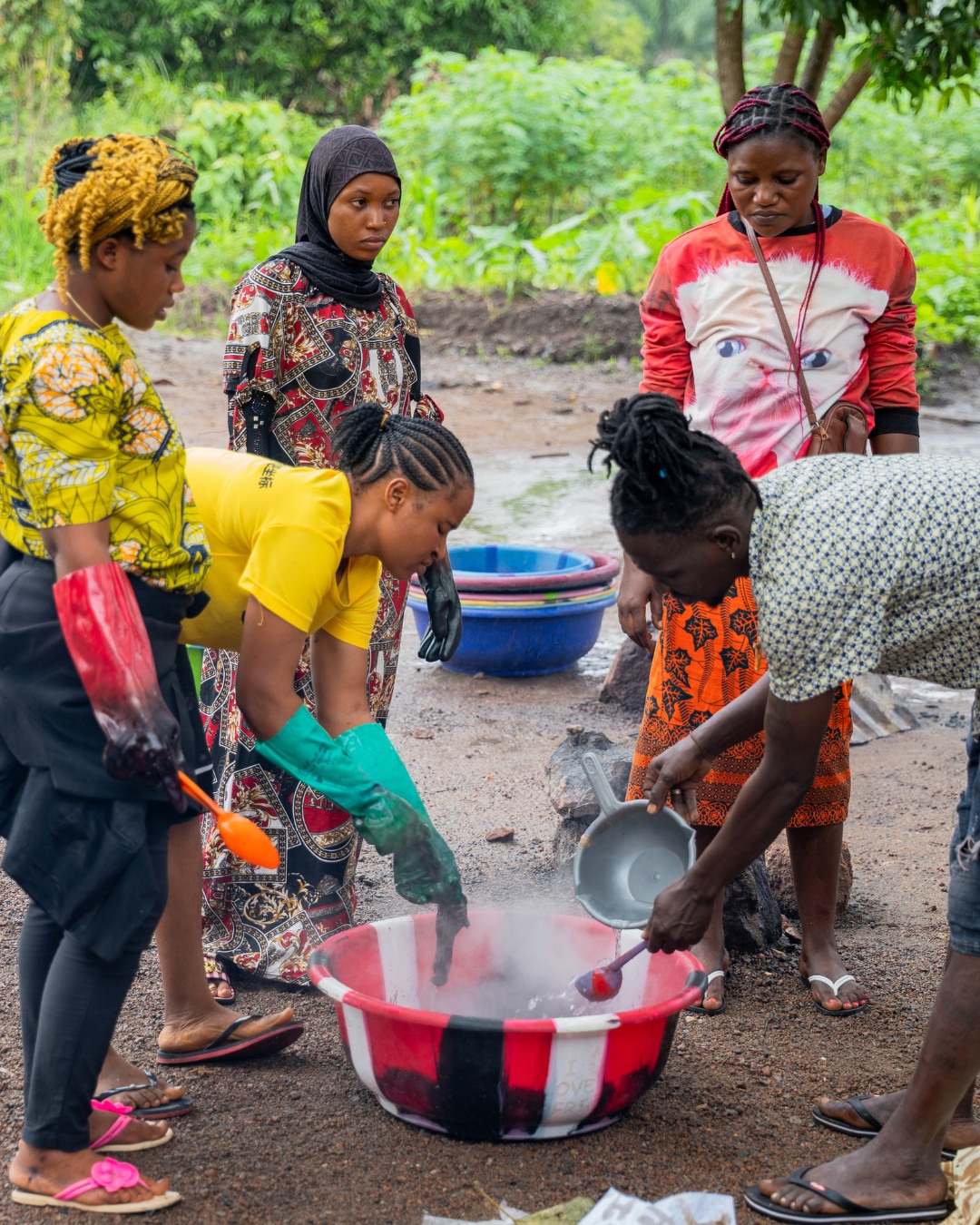
In a workshop in Makeni, Mary-Ann Kai Kai stands over a plastic tub of indigo and kola-nut dye, pulling lengths of cotton from the water until the fabric emerges in a pattern produced in northern Sierra Leone for generations. The women she has trained produce the cloth. Their hands do the work. The designs sell internationally. What is changing now, and what determines the future of fashion in Sierra Leone, is whether the country’s institutions will treat that work as the industrial infrastructure it already is, or continue to describe it as a craft tradition with potential.
The distinction matters commercially. Sierra Leone’s creative economy already contributes an estimated 4.5% to national GDP and supports more than 11,000 formal jobs, according to World Bank data. A sector with that footprint does not have a capacity problem. It has an attention problem. The designers, dyers, and tailors building this economy have been working at scale for years. The institutional infrastructure is only now catching up.
The future of fashion in Sierra Leone is shaped by creativity, culture, and industry growth. Explore FDTA Sierra Leone and its contribution here.
What Is FDTA Sierra Leone, and What Did Its First Symposium Achieve?
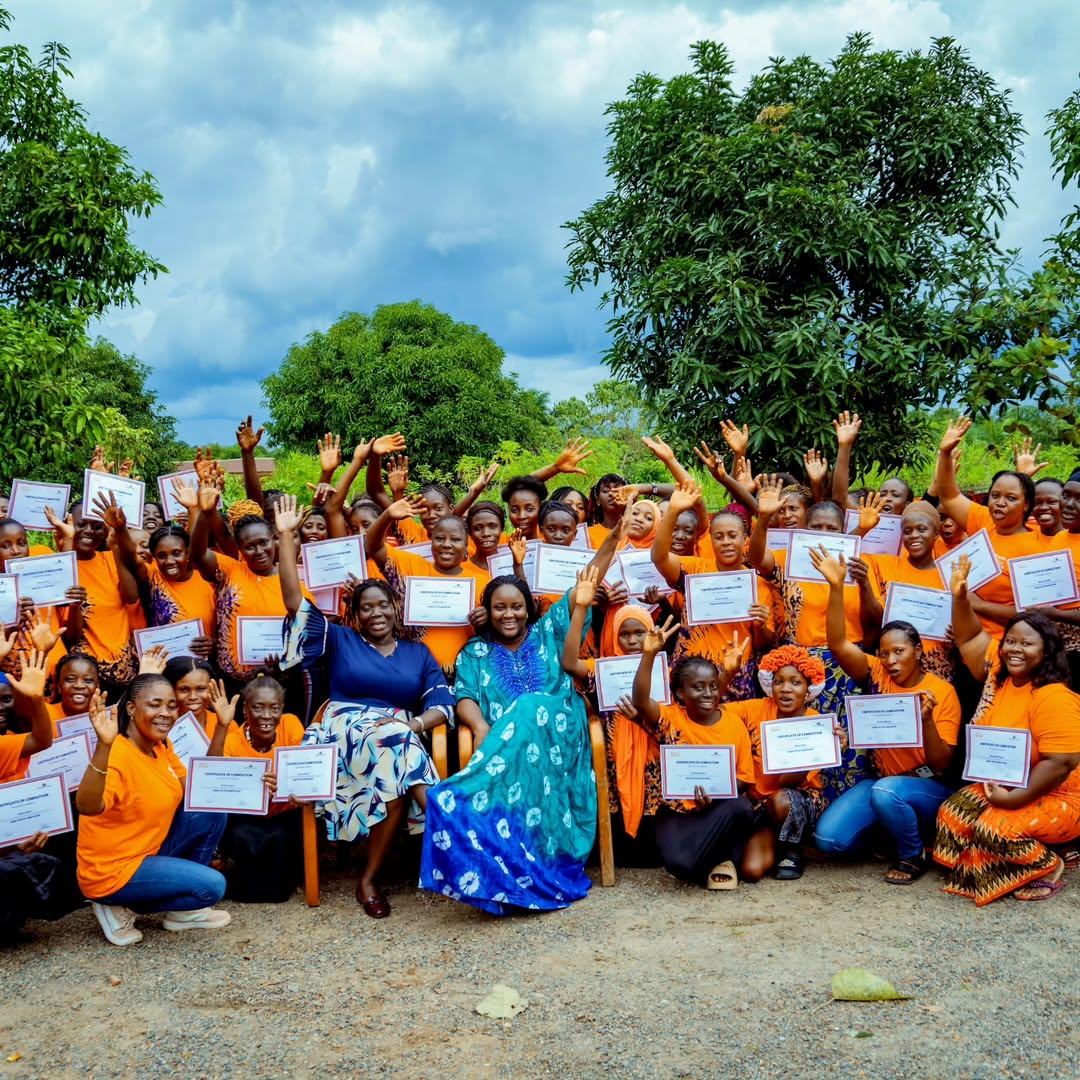
On 13 June 2024, Sierra Leone launched the Fashion, Design and Textiles Association (FDTA) at an event hosted by the British High Commissioner and supported by Invest Salone, the UK-funded private-sector development initiative. The launch brought together designers, tailors, manufacturers, and public-sector representatives to hear the Association’s vision for an industry that had lacked a formal collective voice.
Frederica Williams, president of FDTA Sierra Leone, described the launch as an opportunity to position Sierra Leonean fashion design and textiles as a creative force on the global fashion stage. The Association’s stated priorities are training, supply chain development, market access, and collective representation in policy conversations. For an industry built from hundreds of individual workshops and small enterprises, the ability to speak with a single institutional voice to government and international partners is not an administrative improvement. It is a structural shift.
On 23 April 2025, FDTA held its first national symposium, featuring international speakers, including Professor Dilys Williams, Director of the Centre for Sustainable Fashion at the London College of Fashion, and designers from Nigeria, Mali, and Burkina Faso. The event was focused on sustainability, development strategy, and the specific question of how Sierra Leonean fashion can grow without hollowing out the local skills base that gives it commercial authority. As Omiren Styles has documented across African fashion markets, the brands that build durable positions are those that treat cultural heritage as an industrial asset rather than a decorative feature.
Gara Dyeing and Country Cloth: Sierra Leone’s Material Competitive Advantage
Gara is Sierra Leone’s most internationally recognised textile tradition. A form of tie-dyeing using natural dyes derived from local plants, it has been produced in Makeni and across northern Sierra Leone for generations. In its heyday, Sierra Leonean gara and country cloth, hand-woven cotton in narrow strips stitched into larger pieces, were exhibited at the British Museum, the Metropolitan Museum of Art, and the Brighton Museum. The technique left the country’s commercial sector long before the designers now reviving it were born.
Mary-Ann Kai Kai, creative director of Madam Wokie, has been working with traditional gara artisans since she founded the brand in 2009. She employs approximately 150 women and young people, sources materials from women’s cooperatives, and has spent fifteen years modernising gara’s colour palette and pattern vocabulary without displacing the technique itself. She has represented Sierra Leone at the Commission on the Status of Women, the Global Entrepreneurship Summit, and the Commonwealth Fashion Council Exhibition. Madam Wokie’s garments have been worn by Sarah Ferguson, Duchess of York, and Michelle Williams. The brand is not emerging. It has been operating at an international standard for over a decade.
There is a big trend nowadays for gara. We began playing with the patterns and using brighter colours. People saw and liked them, which led to increased demand. — Mary-Ann Kai Kai, Creative Director, Madam Wokie
Isatu Harrison’s IZELIA and Marie Carroll’s Bivamiks operate on the same foundation: Afrocentric textile traditions handled with contemporary technique. These brands are not craft businesses waiting to become fashion brands. They are fashion brands with deeper material knowledge than most of their regional competitors. The future of fashion in Sierra Leone depends significantly on whether the policy treats them accordingly.
How Freetown Fashion Week and World Bank CreatiFi Are Opening New Markets
The first Freetown Fashion Week, planned for 2025 with the theme ‘Roots and Resilience: Sierra Leone in Fashion’, is timed to coincide with Sierra Leone’s Independence celebrations. It gives local designers a domestic platform with built-in access to international buyers. Foday Dumbuya, founder of London-based Labrum, whose collections draw directly from Sierra Leonean history and material culture, represents the diaspora strand of this ecosystem: designers who carry Sierra Leonean creative intelligence into international markets and whose success builds the case for the industry at home.
The World Bank’s CreatiFi accelerator programme provides women in Sierra Leone’s fashion and creative industries with business training, digital skills, and access to finance. It is the operational layer beneath the institutional architecture: the tools that enable individual designers and cooperatives to turn their existing skills into commercially viable enterprises. Sierra Leone’s designers are, as Invest Salone consultant Avril Pratt noted at the FDTA launch, punching above their weight. CreatiFi and Freetown Fashion Week are the infrastructure that would allow them to punch at their actual weight.
ALSO READ
- Sierra Leonean Designers Shaping the Future of African Fashion
- Traditional Clothing in Sierra Leone: Culture, Identity, and Style
- Fabrics and Craftsmanship in Sierra Leonean Fashion
- Why Culture Is the Foundation of Style in African and Global Fashion
What Policies Will Shape the Future of Fashion in Sierra Leone?
The World Bank Creative Economy Diagnostic for Sierra Leone identifies four structural barriers that prevent the sector from converting its creative capacity into sustained economic growth. Access to finance remains limited for small fashion businesses, most of which operate informally and cannot meet the collateral requirements of standard lending. Infrastructure gaps, including unreliable electricity and inadequate workshop space, raise production costs and constrain output. Intellectual property protection is weak, leaving gara patterns and country cloth techniques vulnerable to appropriation by industrial manufacturers elsewhere. Supply chain fragmentation means raw materials often cost more in Freetown than they would in a more integrated market. For context on how other African fashion sectors have addressed comparable supply chain structures, see The Ankara Economy: Who Is Actually Capturing the Value? On Omiren Styles.
If a sector creates 11,000 formal jobs, contributes 4.5% of GDP, and still lacks a dedicated industrial policy, the problem is not capacity. It is attention. The policy decisions that matter most are straightforward: investment in shared production facilities that reduce the individual cost of reliable power and equipment; formalisation support that brings small designers and cooperatives into the tax and lending system without penalising them for doing so; and IP frameworks that give Madam Wokie and IZELIA the same protection for gara patterns that European designers receive for their prints.
THE OMIREN ARGUMENT
The inherited assumption about fashion in post-conflict African countries is that it is a recovery story: a developing sector emerging from disruption, moving gradually toward the commercial standards of more established markets. That framing positions Sierra Leonean fashion as a work in progress, measured against an external standard it has not yet reached.
The proven truth is different. Sierra Leone’s gara tradition was exhibited at the Metropolitan Museum of Art while the country’s commercial textile sector was still operating. Mary-Ann Kai Kai has been producing internationally recognised work since 2009. IZELIA and Bivamiks have been building on the same foundation for years. The sector that policy frameworks describe as emerging has been producing at a serious level for over a decade.
What the FDTA launch in June 2024 and the April 2025 symposium represent is not the beginning of an industry. They are the moment an existing industry acquired the institutional infrastructure to negotiate its own terms. The disruption in the received story is precise: Sierra Leone’s fashion sector does not need to be built. It needs to be funded at the level its output justifies.
The question is not whether Sierra Leonean fashion can grow. It is whether the people who control budgets will finally see that the industry already exists and decide to match the seriousness of the women who built it.
The cultural insight this reveals concerns how policy misreads informal production. When gara dyeing is classified as a women’s traditional craft, it receives craft-level attention and craft-level investment. When it is classified as industrial textile production with documented international market demand, it receives factory investment, IP protection, and export facilitation. Madam Wokie’s 150 employees and international stockists are not craft-level outcomes. The funding environment has not kept pace with what the work actually entails.
FREQUENTLY ASKED QUESTIONS
What is gara dyeing, and why is it central to Sierra Leonean fashion?
Gara is a traditional tie-dyeing technique using natural plant-based dyes that has been practised in Sierra Leone, particularly in Makeni and the north, for generations. It produces bold geometric patterns on cotton cloth and has been exhibited at the British Museum and the Metropolitan Museum of Art. Today, designers including Mary-Ann Kai Kai of Madam Wokie are modernising gara’s colour palette and construction, bringing it into contemporary womenswear while maintaining the artisan technique. It is Sierra Leone’s most commercially significant textile tradition.
What is FDTA Sierra Leone, and what does it do?
The Fashion, Design and Textiles Association, launched on 13 June 2024 with support from Invest Salone and the British High Commission, is Sierra Leone’s national industry body for fashion, design, and textiles. Led by President Frederica Williams, it represents designers, tailors, and manufacturers, with priorities including training, supply chain development, and market access. In April 2025, it held its first national symposium on sustainability and industry strategy. It is the first formal institutional voice the sector has had.
What is Freetown Fashion Week, and when does it launch?
Freetown Fashion Week is Sierra Leone’s first dedicated fashion showcase, planned for 2025 under the theme ‘Roots and Resilience: Sierra Leone in Fashion.’ It is timed to coincide with the country’s Independence Day celebrations and is designed to provide local designers with a domestic platform and access to both regional and international buyers. It follows the FDTA’s 2025 symposium as part of a coordinated effort to build market infrastructure for Sierra Leone’s growing fashion industry.
How many jobs does Sierra Leone’s creative economy support?
Sierra Leone’s fashion and creative economy supports more than 11,000 formal jobs and contributes an estimated 4.5% of national GDP, according to World Bank data. These figures are drawn from the World Bank’s Creative Economy Diagnostic for Sierra Leone and represent only formally registered employment. The actual number of people whose livelihoods depend on fashion, textiles, and gara production, including informal cooperatives and artisan networks, is significantly higher.
How can young designers in Sierra Leone enter the fashion industry?
The FDTA Sierra Leone provides training, mentorship, and collective representation for emerging designers. The World Bank’s CreatiFi accelerator programme offers business training, digital skills development, and access to finance for women in Sierra Leone’s creative industries. The Made in Salone programme, supported by Invest Salone, documents and promotes heritage textile skills, including gara and country cloth. Freetown Fashion Week, launching in 2025, will provide a local runway platform with buyer access for designers at all stages of development.
Omiren Styles covers African fashion with precision and without apology. To see designers building this future now, read “Sierra Leonean Designers Shaping the Future of African Fashion” on Omiren Styles. African fashion and culture are not emerging. They are foundational.