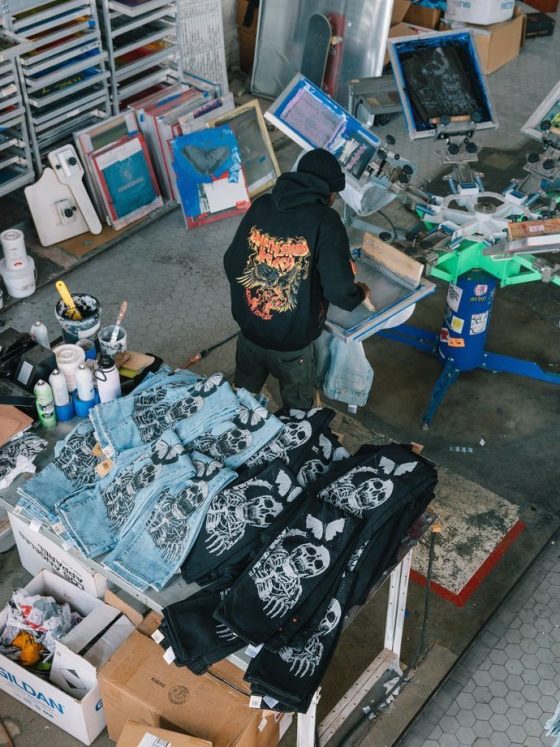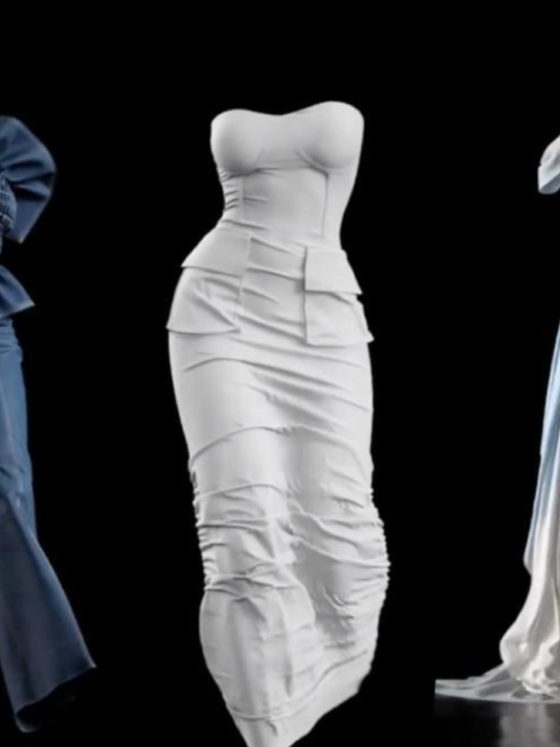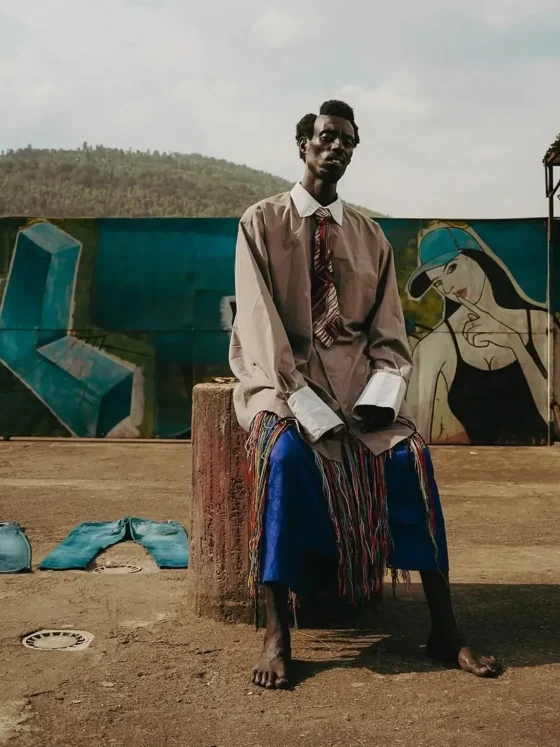
The distance between a first sample and a finished garment is where most production problems in African fashion are created, not discovered. Every tolerance accepted in a sample becomes a tolerance built into every unit. Every unresolved fit issue in an approved sample becomes a fit issue present in every garment that ships.
The labels that deliver consistently are the ones that treat sampling as a series of explicit decisions rather than approximations.
What happens between a fashion label’s first sample and final garment delivery: the sampling stages, approval decisions, and production management that determine whether the finished run matches the design.
Why the Sample Is Not a Preview: It Is a Commitment
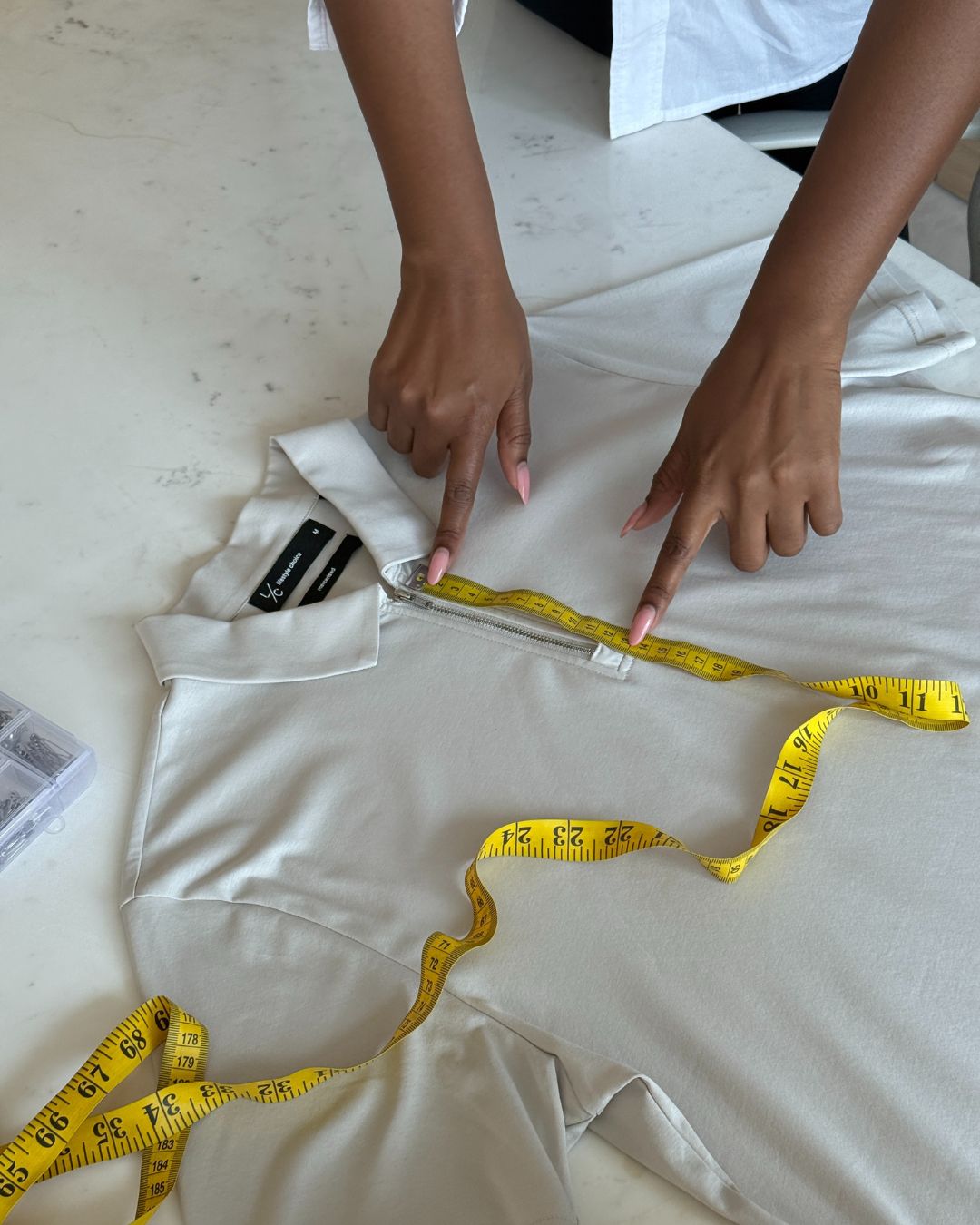
The most consequential misunderstanding in fashion production is treating the sample as a prototype that will be refined. A prototype is an early version. A sample, once approved, is the specification against which every unit in the production run will be made.
This is not a failure of the manufacturer or atelier. It is the nature of production. The production team is making what was approved. If the approved sample has a shoulder seam positioned two centimetres too far forward, the production run will repeat that error across all sizes and units.
Understanding this changes how a designer approaches sampling. The sample is not something to be reviewed and commented on. It is something to be corrected until it is exactly right, because approval is a commitment to produce it at this quality and at scale.
For African fashion labels working with local ateliers, where the same team may handle sampling and production, this distinction can be easily blurred. The atelier knows what the designer intends. Corrections are made in the room. The problem is that verbal corrections made during sampling do not align with the written specifications in the production file. One disappears. The other does not.
The working rule is simple: if you would not accept it in every unit of the run, do not accept it in the sample.
The Three Sampling Stages and What Each One Tests
A complete sampling process moves through three distinct stages. Each one tests a different aspect of the design. Moving to production before all three stages are complete is moving to production on an incomplete specification.
STAGE 1: THE FIRST SAMPLE: TESTS CONSTRUCTIBILITY AND DESIGN INTERPRETATION
Tests the constructibility and design interpretation
The first sample answers one question: Can this design be built? It tests whether the technical sketch has been interpreted correctly, whether the specified construction methods produce the intended silhouette, and whether the chosen fabric behaves as the design requires.
Most first samples will have issues. This is normal. A first sample with identified, documented, and corrected issues is working exactly as it should.
The first sample review should produce a written list of corrections, not a verbal discussion. Every issue needs to be documented with enough specificity that the next sample can be assessed against it. The shoulder sits a bit forward. The shoulder seam should be moved 1.5cm toward the back at both armhole points.
Do not move to fit sampling until every construction and interpretation issue in the first sample has a written correction.
STAGE 2: THE FIT SAMPLE: TESTS, CORRECTIONS, AND SIZE RANGE ACCURACY
Test corrections and size range accuracy
The fit sample tests whether the first-sample corrections have been applied correctly and whether the garment fits the intended body across the intended size range.
Fit sampling on a single size and assuming the rest of the size run will grade correctly is one of the most common and costly shortcuts in emerging label production. Size grading can introduce fit problems at larger or smaller sizes, even when the base size fits correctly. For labels selling across a range, fit samples need to be tested at the extremes of that range.
The fit sample review should produce a written fit approval: a documented confirmation that the garment fits correctly, on the correct body, across the sizes being produced. Without this document, the production approval is based on an assumption rather than evidence.
Do not approve fit until the extremes of the size range have been tested on the correct body type for the label’s customer.
STAGE 3: THE PRE-PRODUCTION SAMPLE: TESTS WHETHER PRODUCTION MATERIALS MATCH THE APPROVED SAMPLE
Tests whether production materials match the approved sample
The pre-production sample is made in the actual production fabric and trims. It tests whether the garment made with production materials looks and fits the same as the approved fit sample.
This stage is skipped more often than any other, usually because the sampling fabric and production fabric appear identical and the designer assumes the result will be the same. This assumption consistently fails when the production fabric differs in weight, stretch, or finish from the sampling fabric, even when both are from the same supplier.
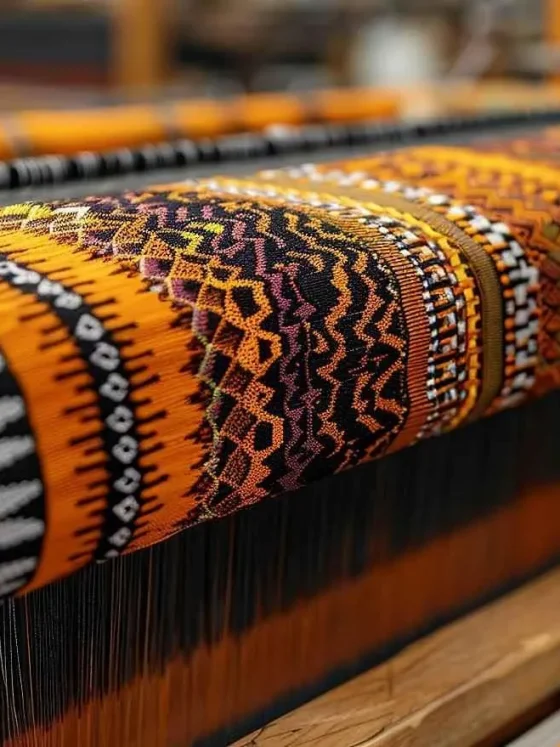
The variation between sampling and production materials is particularly significant when working with African textiles. The variation between handwoven Aso-oke from different weavers, for example, can be substantial even when sourced from the same region. A pre-production sample made in the actual production cloth is the only reliable test of whether the production run will match the approved sample.
Do not release the production run until a pre-production sample of the actual production cloth has been approved against the fit sample.
The Decisions That Must Be Made Before Production Begins
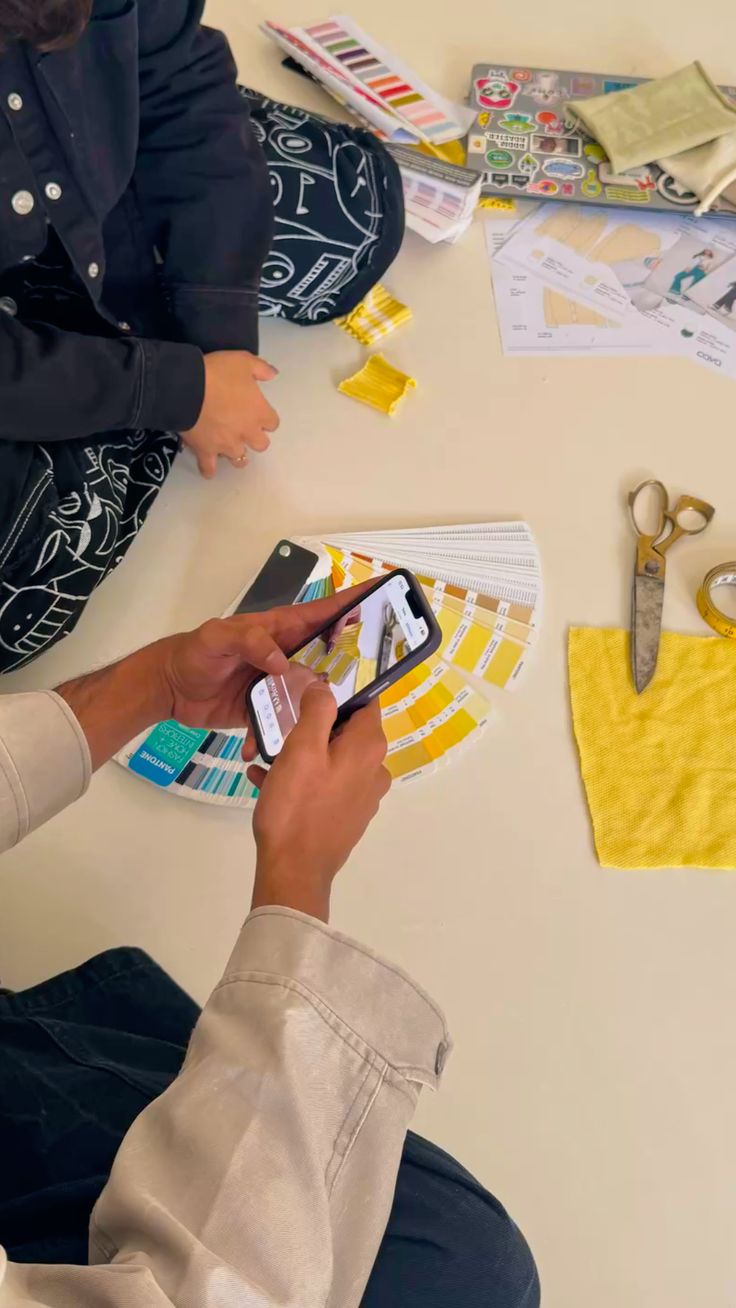
Sample approval is not the end of pre-production. Before a production run begins, three categories of decisions need to be made and documented. Together, these three elements form the production specification: what is being made, what it is made from, and how quality will be checked during production.
Technical specifications
The technical specification covers the measurable aspects of every garment: finished measurements at each size point, seam allowances, construction methods, thread type and colour, and trim specifications including hardware, buttons, and fastenings.
A production run without a complete technical specification has no objective quality standard. Assessment becomes subjective: whether a finished unit looks right rather than whether it meets the approved specification.
For labels working with ateliers that do not use formal spec documentation, the designer supplies the specification. Many local ateliers are entirely capable of producing according to a written specification. The discipline of providing one is the designer’s responsibility.
Material confirmation
Every material in the production run should be confirmed against a physical swatch or sample before production begins: fabric, lining, interfacing, thread, buttons, zips, labels, and tags.
Material substitutions during a production run are one of the most common sources of quality problems in African fashion. A component becomes unavailable. It is replaced with something similar. The finished garment differs from the approved specification in ways the designer only discovers at delivery.
The correct approach is to build substitution approval protocols into the production agreement before the run begins: any substitution requires written approval from the designer before it is implemented.
Quality checkpoints
The production agreement should specify when quality checks happen during the run, not only at delivery.
An inline check at 10% of production completion, before the full run is committed, is standard practice in professional manufacturing. It catches systematic errors while correction is still possible, rather than at delivery when the run is complete.
For labels on smaller runs with local ateliers, a formal inline check may not be logistically straightforward. Still, the principle applies: checking a proportion of units during production is always worth the additional time.
ALSO READ
- The Aso-Oke Weaver Crisis: What Happens When Nigeria’s Most Important Cloth Can No Longer Be Made
- Why African Fashion Brands Fail After Year Three
- What the World Lost When Hand-Weaving Gave Way to Mass Production
- Investing in Textile Heritage: The Business Case for Preserving What Western Fast Fashion Cannot Copy
Managing the Production Run to Delivery
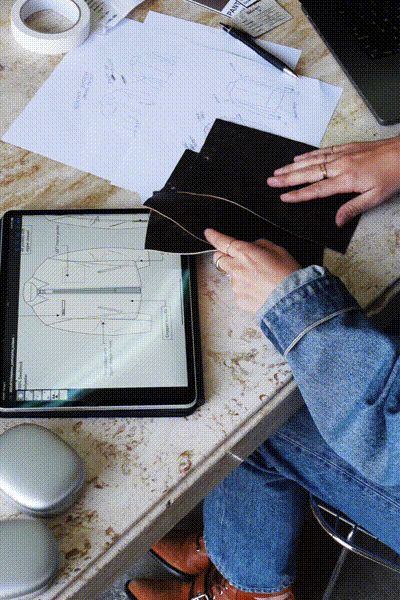
Communication during production
The most common production communication failure in African fashion is silence: the designer approves the sample, hands it over to production, and waits for delivery.
Problems that develop during the run go unreported until delivery: a fabric batch with different properties, a trim that is no longer available, a construction issue that only becomes apparent at scale.
Regular communication touchpoints at twenty-five, fifty, and seventy-five per cent completion cost almost nothing and prevent the most expensive class of production problem: the one discovered only at delivery, when all options have closed.
Any change discussed during these check-ins needs to be recorded in the production file, not only agreed verbally.
Delivery timelines
Delivery timelines in African fashion production are subject to a wider range of variables than most designers plan for: fabric availability, power supply disruptions, artisan availability during cultural and religious events, and logistics delays affecting domestic and international supply chains.
Building contingency into production timelines is not pessimism. It is accurate planning.
A production timeline with no contingency is a timeline that will be broken by one disruption. Consistent delivery is the result of accurate planning, not optimistic scheduling.
The delivery inspection
The delivery inspection assesses finished units against the production specification and the approved pre-production sample, not against a general impression of what the garment should look like.
Every unit should be inspected, or a statistically meaningful sample should be inspected using a standard protocol. Spot-checking two or three units from a run of fifty is not a delivery inspection.
Issues identified at the delivery inspection need a written response before units are accepted: within acceptable tolerance, to be corrected, or rejected. Accepting units without a written response to identified issues sets a precedent for every subsequent production run.
What Treating Sampling Correctly Produces
A label that treats sampling as a commitment, moves through each stage with explicit decisions, and maintains oversight through the production run produces something genuinely difficult to achieve without this discipline: consistency.
Consistent quality across units. Consistent quality across seasons. A production record that improves over time because the specification documents accumulate into knowledge about what works, what does not, and why.
For African fashion labels building reputations in competitive markets, this consistency is a commercial asset. The brands that have built the most durable commercial presence in African fashion are almost invariably those whose product quality is reliable enough that buyers and customers can order without needing to inspect the product. That reliability does not come from better manufacturers. It comes from better production discipline applied consistently over time.
The sample is not a preview of what the garment will be. It is a commitment to what every garment will be. Treat it accordingly.
FAQs
How many sample rounds does a fashion garment typically go through before production?
A professional process typically involves three stages: a first sample testing constructibility and design interpretation; a fit sample testing corrections and size-range accuracy; and a pre-production sample made with the actual production materials. Some garments with complex construction go through additional rounds between the first and fit sample stages. The practical rule is: do not move to production until every issue identified in sampling has a written resolution, not just a verbal acknowledgement.
What is the difference between a fit sample and a pre-production sample?
A fit sample tests whether the garment fits correctly on the intended body across the intended size range, typically made in a fabric that approximates the production weight and behaviour. A pre-production sample is made using the actual production materials, including the specific fabric lot that will be used in the run. It catches any difference between the sampling and the production fabric before the run is committed. Skipping it is the single most common cause of surprises in silhouette and drape at delivery.
What should a production specification document include?
Finished measurements at each size point, construction method specifications for each seam and finish type, thread specifications including colour and weight, all trim specifications with physical swatches attached, care label and branding label details, packaging requirements, quality assessment criteria, and the protocol for inline checks during the run. Without a written specification, quality assessment is subjective. Two people looking at the same finished unit may reach entirely different conclusions about whether it is acceptable.
How do African fashion labels work with local ateliers that do not use formal spec documentation?
The designer supplies the documentation. Many local ateliers are entirely capable of producing to a written specification: the specification simply needs to exist. The most common mistake is assuming the atelier will adhere to the specification informally, in their heads, or through the designer’s relationship with the lead tailor. This works reliably only as long as the same people are involved in every production run. It fails the first time a new tailor joins the team or the run is handed to a different workshop.
What is the most common cause of production quality problems in African fashion?
Approving samples with unresolved issues and expecting production to correct them. Production is not correct. It multiplies. The second most common cause is material substitution during the run without the designer’s written approval. Both are preventable: the first through rigorous sample approval with written correction lists at each stage, the second through substitution protocols built into the production agreement before the run begins. Both problems tend to be discovered at delivery, when all affordable options have already closed.
CONTINUE READING