Timeline failures, fit failures, and quality failures in fashion production each have distinct causes and require distinct preventive disciplines. Treating them as one problem produces management that is reactive to all three and preventive of none.
How African fashion production teams prevent timeline, fit, and quality failures: the three separate disciplines, worked examples, and decision frameworks that produce consistent garment output.
The Three Production Disciplines
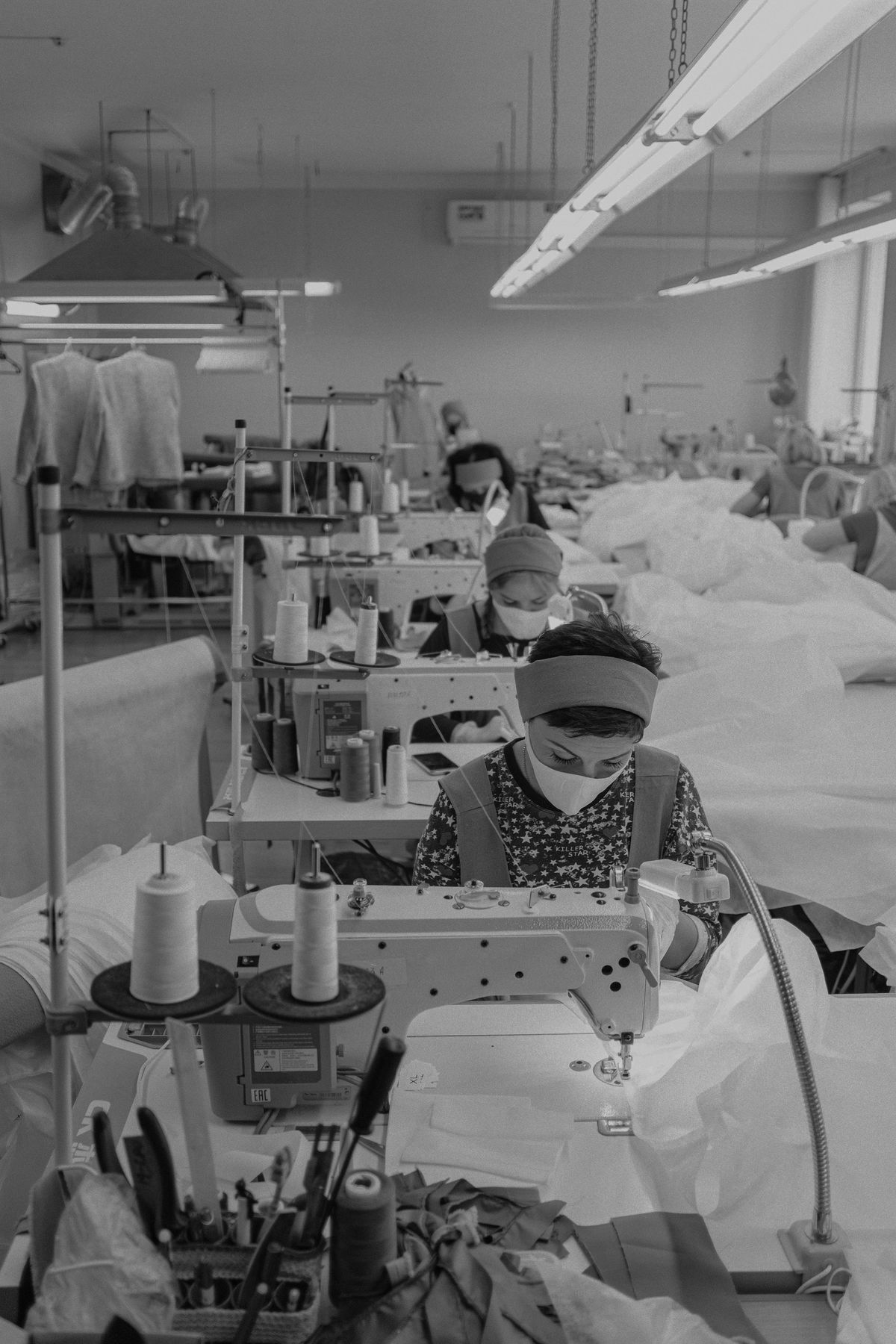
In practice, production management is divided into three tracks, each with its own failure modes and prevention tools.
Timeline: fails because of unmapped dependencies, insufficient contingency, and communication gaps that allow small delays to compound undetected
Fit: fails because of size grading errors, fit approved on a single body and not tested across the range, and production shortcuts that introduce variance at scale
Quality: fails because of absent written standards, inline checks that happen too late or not at all, and delivery acceptance without reference to the approved specification
Each cause requires a different intervention. Better follow-up is not a substitute for the right system; a specific failure needs a specific prevention.
Better follow-up is not a substitute for the right system. Each failure has a specific cause, and the specific cause requires a specific prevention.
Track One: Managing Production Timelines
Building a realistic timeline
A realistic production timeline maps every dependency before the schedule is set: when fabric and trims need to be confirmed, when they need to be ordered, when they need to arrive, when production can begin, what the atelier or manufacturer’s throughput rate is, and when quality checks are built in.
The sampling stages, material lead times, production throughput, and quality checks from the previous article are all dependencies that belong in the timeline, not assumptions left off it.
Each of these is a dependency. If fabric delivery slips, everything downstream shifts. A timeline that does not map these dependencies cannot tell the team how serious a delay actually is.
African fashion production timelines also need to account for environmental variables: power supply disruptions, longer, more variable material lead times from local or regional suppliers than international equivalents, and artisan availability during cultural and religious calendars.
Example: the delayed fabric delivery
A Lagos label sets a twelve-week production timeline. The fabric confirmation is scheduled for week two. Delivery arrives in week five, three weeks late. Because the timeline has no contingency and no downstream mapping, the delay is not flagged as a problem until week seven, when the atelier asks for fabric.
By that point, the production window has compressed from eight weeks to five. The atelier cannot maintain quality at the required faster pace. The collection is delivered two weeks late and has a higher defect rate than any previous season.
The same delay in a timeline with explicit dependencies and a three-week fabric buffer would have triggered a decision point in week three: can the delay be recovered, or does the delivery window need to move? An uncomfortable decision made at week three costs a fraction of what the same discovery costs at week seven.
Contingency and communication
Build fifteen to twenty per cent contingency into the total timeline, concentrated around the two or three highest-risk dependencies. Fabric sourcing and delivery are almost always among them.
As a working rule, if a production schedule cannot absorb a fifteen to twenty per cent overrun on its highest-risk steps, it is not a realistic schedule.
Share the timeline with every contributor: the atelier, suppliers, quality checker, and logistics partner. Each contributor needs to know not just their own deadline but how it connects upstream and downstream.
Regular status updates against the timeline catch small delays before they compound. A fabric delivery three days late is manageable. The same delay, not reported for a week, is a ten-day problem.
Track Two: Managing Fit Through Production
Understanding size grading errors
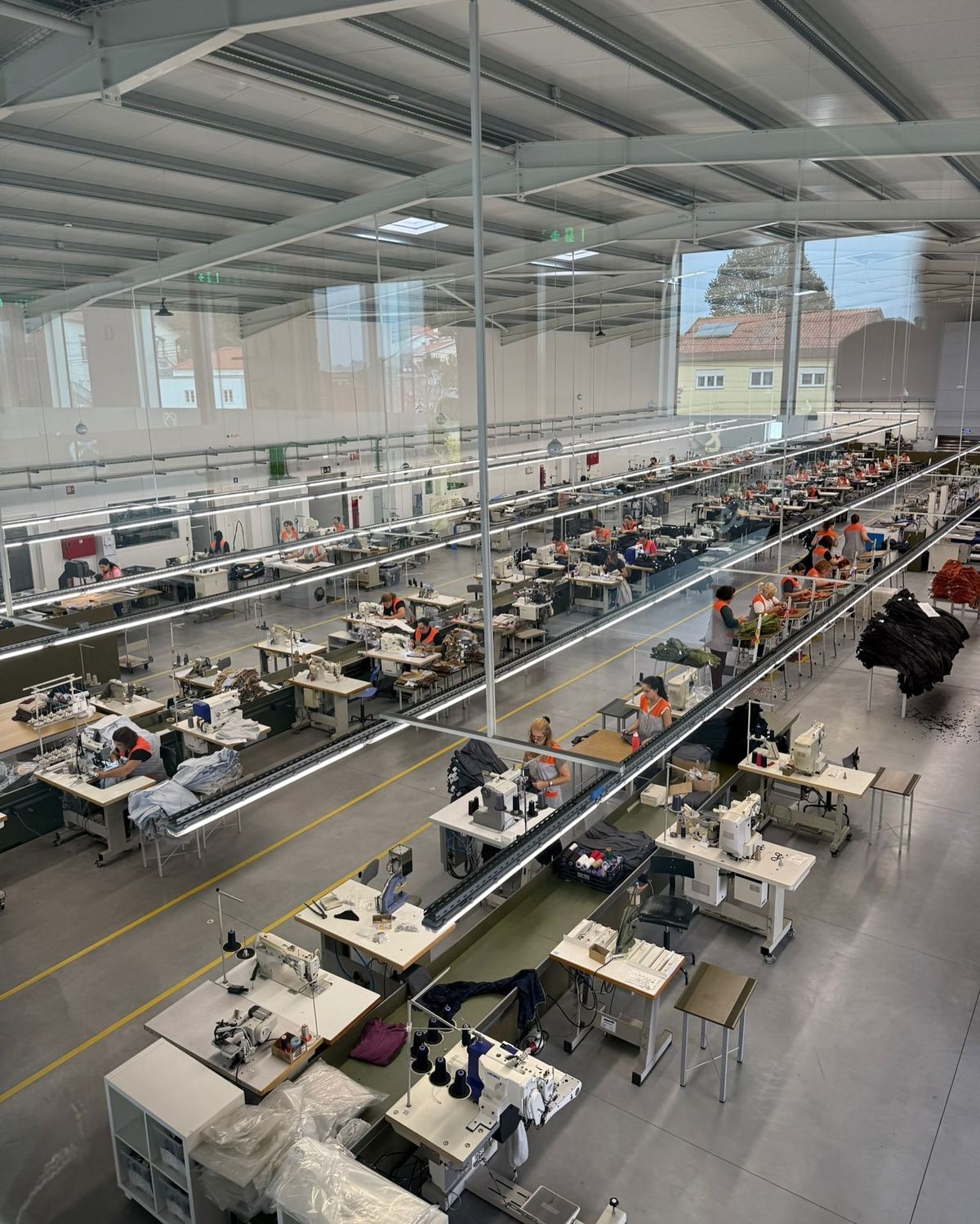
Size grading is the process of scaling a base-size pattern to produce the full size range. The most common errors are proportional: increments are applied uniformly across all measurement points when the human body does not scale uniformly.
Sizes 8 and 16 differ in proportions at the shoulder, waist, and hip. Uniform grading produces a correct fit at the base size and progressively worse fit at the extremes, which is where many labels’ most loyal customers sit.
Example: the grading error that only shows at size 16
A label produces a tailored jacket in sizes 8 to 16. The fit sample is approved on a size 10 base. Grading is applied with uniform increments. Production completes.
The sizes 10 and 12 fit correctly. The size 14 has a slightly tight sleeve head. The size 16 has a sleeve head so tight that the arm cannot be raised above 90 degrees.
Testing at size 16 before committing the full run would have caught this in one fitting. Catching it at delivery means every size 16 unit is unwearable and needs to be remade. The cost of one additional fit session before production is a fraction of the cost of remaking a size run after delivery.
Fit testing and African body proportions.
The professional practice is to test the base size first, then test the extremes of the range before approving the full run. For a label producing sizes 8 to 18, testing at sizes 8 and 18 before committing catches grading problems while correction is still affordable.
For African fashion labels, the size range also needs to account for differences between European and American size charts and the size distributions more typical of the African and diaspora markets they serve.
Patterns graded to European proportional standards may fit European size charts, yet still fit poorly on the bodies they were actually made for. The practical fix is to fit-test on representative bodies, not just on the base-size model. The intimacy between a garment and the specific body it was made for is one of the most powerful things fashion can produce, and one of the easiest things to lose in a production run that was not tested correctly across the range.
Fit corrections during the run
When fit issues appear during production, the decision framework is three-part: can this be corrected within the run, does it require stopping and revising the pattern, or is it within acceptable tolerance?
Without a written tolerance specification, this question is answered subjectively and inconsistently. A written specification defines the maximum acceptable variance at each measurement point before the run begins, allowing objective assessment by everyone involved.
A written tolerance specification is not bureaucracy. It is the document that ensures the same quality standard is applied consistently by everyone involved in the production run.
ALSO READ:
- The Intimacy of Tailoring: How Clothes Learn the Language of Your Life
- Why African Fashion Brands Fail After Year Three
- The State of African Fashion 2026: Investment, Manufacturing, Retail, and Export
Track Three: Managing Quality Standards
Writing standards before production begins
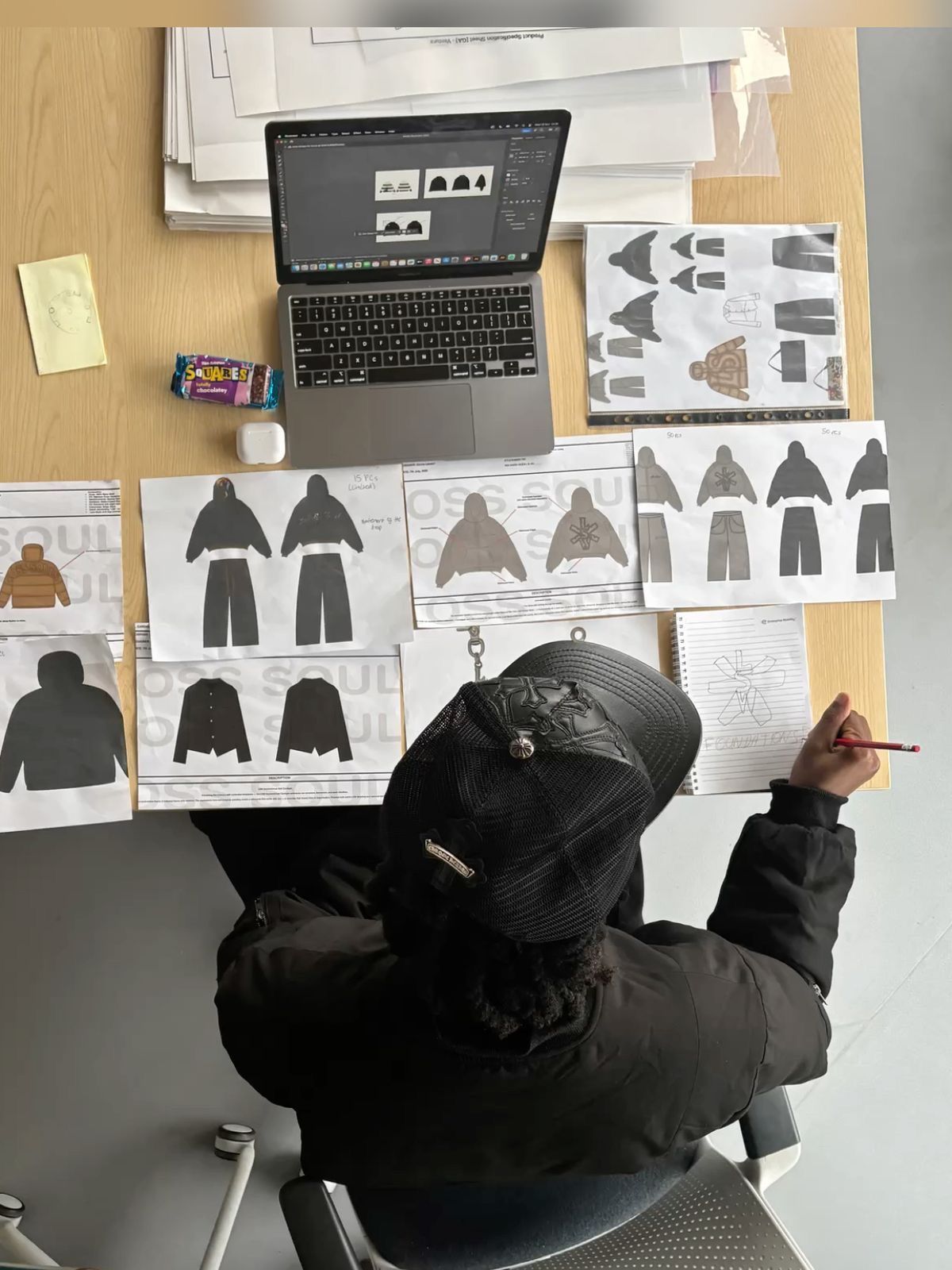
A quality standard is only useful if it exists before it is needed. One written after a problem has been identified is a response to a failure, not a prevention of one.
Quality standards cover four areas: construction quality, measurement tolerances, finishing standards, and acceptance criteria. Finishing standards are the most commonly omitted and the most commonly exploited under time pressure. Seam finishing, hem finishing, and interior presentation are invisible when they are met and visible when they are not.
A practical way to work is to keep a simple checklist for each style that covers these four areas and attach it to the production file alongside the specification.
Example: the seam-finishing issue caught at the inline check
A label produces fifty units of a linen dress. The inline check at unit six reveals that internal seam allowances are being left raw rather than overlocked as specified. The atelier did not have a written finishing specification and defaulted to what was faster.
Six units corrected at this stage are an afternoon’s work. Fifty units corrected after delivery are a full additional mini-production run.
The written finishing specification, shared with the atelier before production began, would have prevented both the defect and the conversation about who bears the cost of the correction.
Inline quality checks
An inline check is a quality assessment conducted during the production run rather than at its end, typically at ten to fifteen percent completion for larger runs, or at the first five units for runs of twenty to fifty pieces. Its purpose is to catch systematic errors before they are present in every unit.
An error caught at 10% costs a fraction of what the same error would cost at delivery.
The delivery inspection
The delivery inspection assesses finished units against the production specification and the approved sample, not against a general impression.
Without a written specification, inspection produces subjective judgments. With one, it produces documented assessments: the garment meets or does not meet the specification at every specified point.
For labels building commercial operations that need to deliver at scale, the delivery inspection also creates a production quality record over time. The governance infrastructure that supports sustained commercial growth in African fashion begins with documentation that allows production quality to be assessed, communicated, and improved systematically, rather than managed through personal relationships that cannot scale.
What These Three Disciplines Produce
A production team that manages timeline, fit, and quality as separate tracks with their own specific preventive practices produces predictability: delivery timelines that buyers can plan around, fit consistency that customers can rely on, and quality standards that build the reputation for reliability that converts first-time buyers into repeat ones.
Together with disciplined sampling, these three tracks give a label control over how designs move from first sample to reliable delivery, rather than leaving outcomes to individual effort and goodwill.
Labels that build these practices early, when volumes are small and documentation is inexpensive, find that the practices scale with them. Labels that do not account for the cost of building them later, when commercial relationships have been strained and production problems have compounded, are significantly higher.
Production management discipline is not something a label graduates into when it gets bigger. It is the practice that allows it to get bigger without breaking.
FAQs
What is an inline quality check in fashion production?
An inline check is a quality assessment conducted during the production run rather than at its end, typically at ten to fifteen per cent completion for larger runs, or at the first five units for runs of twenty to fifty pieces. The most common mistake is scheduling it too late in the run, when enough units have been made for a systematic error to be already expensive to correct.
How should production timelines be structured for African fashion labels?
Map every dependency explicitly before setting dates, then build fifteen to twenty per cent contingency around the highest-risk dependencies. Share the timeline with every contributor. The most common mistake is building the timeline in isolation and not sharing it downstream, so that a three-day delay in fabric delivery is not flagged as a problem until it has already broken the schedule.
What causes size grading errors, and how are they prevented?
Grading errors most commonly occur when increments are applied uniformly across all measurement points, even though the human body does not scale uniformly. Prevention requires testing fit at the extremes of the size range, not just the base size, before committing the full production run. The most common mistake is approving fit only on the base size and assuming the graded sizes will follow correctly.
What should fashion production quality standards cover?
Construction quality, measurement tolerances, finishing standards, and acceptance criteria. Finishing standards are the most commonly omitted. A production team without explicit written finishing specifications will default to the fastest option under time pressure. The practical rule: if a standard is not written before production begins, it will not be applied consistently during it.
How do African fashion labels manage fit for African and diaspora customers?
By testing fit on bodies representative of the actual customer, rather than assuming a standard size chart applies. The most common mistake is completing a production run before discovering that the grading was calibrated to European proportional standards rather than to the bodies that will actually buy the garments. Making that adjustment during pattern development costs a fitting session. Making it after a production run costs the run.
CONTINUE READING
Read next in From Sample to Shelf: What Smaller Labels Need to Know Before Scaling a Collection
Explore the Omiren Styles Industry section.