Menu
  • African Style
    • Designers & Brands
    • Street Fashion in Africa
    • Traditional to Modern Styles
    • Cultural Inspirations
  • Fashion
    • Trends
    • African Fashion Designers
    • Afro-Latin American Designers
    • Caribbean Designers
    • Street Style
    • Sustainable Fashion
    • Diaspora Connects
  • Beauty
    • Skincare
    • Makeup
    • Hair & Hairstyle
    • Fragrance
    • Beauty Secrets
  • Lifestyle
    • Culture & Arts
    • Travel & Destination
    • Celebrity Style
    • Luxury Living
    • Home & Decor
  • News
    • Cover Stories
    • Designer Spotlight
    • Fashion Weeks
    • Style Icons
    • Rising Stars
    • Opinion & Commentary
  • Women
    • Women’s Style
    • Health & Wellness
    • Workwear & Professional Looks
    • Evening Glam
    • Streetwear for Women
    • Accessories & Bags
  • Shopping
    • Fashion finds
    • Beauty Picks
    • Gift Guides
    • Shop the Look
  • Events
    • Fashion Week Coverage
    • Red Carpet & Galas
    • Weddings
    • Industry Events
    • Omiren Styles Special Features
  • Men
    • Men’s Style
    • Grooming Traditions
    • Menswear Designers
    • Traditional & Heritage
    • The Modern African Man
  • Diaspora
    • Designers
    • Culture
  • Industry
    • Insights
    • Investment
    • Partnerships
    • Retail
    • Strategy
Subscribe
OMIREN STYLES OMIREN STYLES

Fashion · Culture · Identity

OMIREN STYLES OMIREN STYLES OMIREN STYLES OMIREN STYLES
  • Africa
  • Women
  • Men
  • Fashion
  • Beauty
  • Lifestyle
  • Diaspora
  • Industry
  • News
  • Culture & Arts
  • Sustainable Fashion

What the World Lost When Hand-Weaving Gave Way to Mass Production

  • Fathia Olasupo
  • March 24, 2026
What the World Lost When Hand-Weaving Gave Way to Mass Production
Total
0
Shares
0
0
0

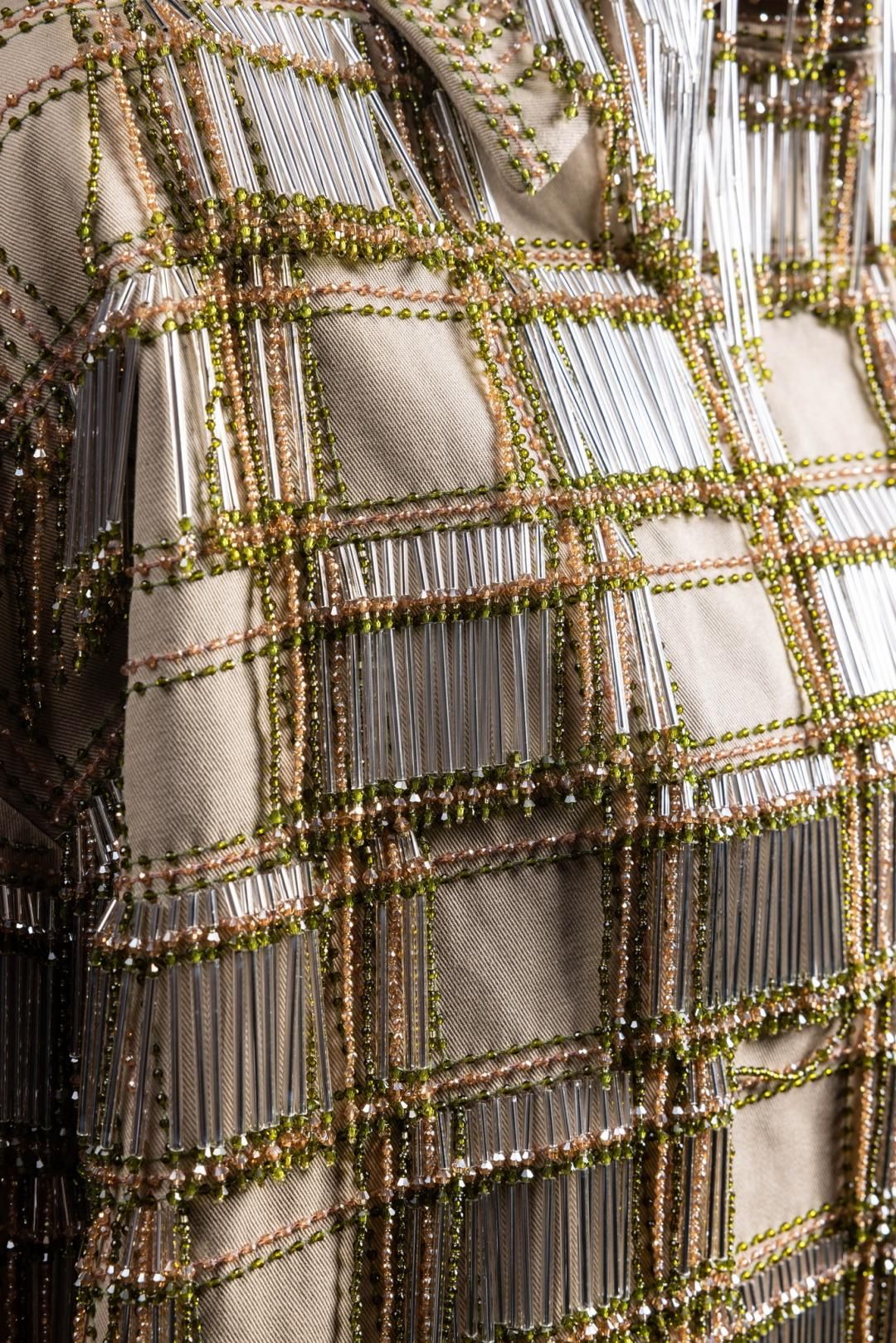
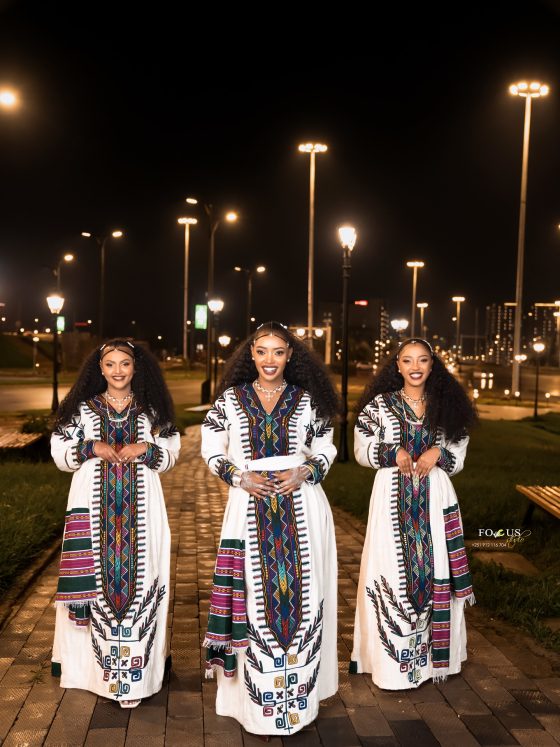
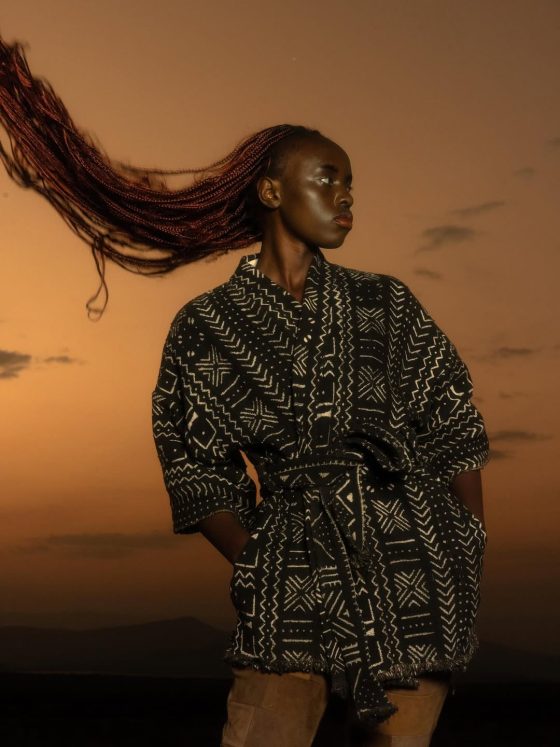
Textiles are storytellers, memory keepers, and symbols of heritage. For centuries, hand-weaving shaped societies across Africa, the Caribbean, and the Americas. Each weave carried cultural knowledge: patterns encoded meaning, colours marked status, and textures reflected local environments.

When industrial machines arrived, efficiency replaced nuance. Mass-produced fabrics spread quickly, meeting global demand, but the price was not just artisanal skill. It was cultural depth, material intelligence, and the human touch.

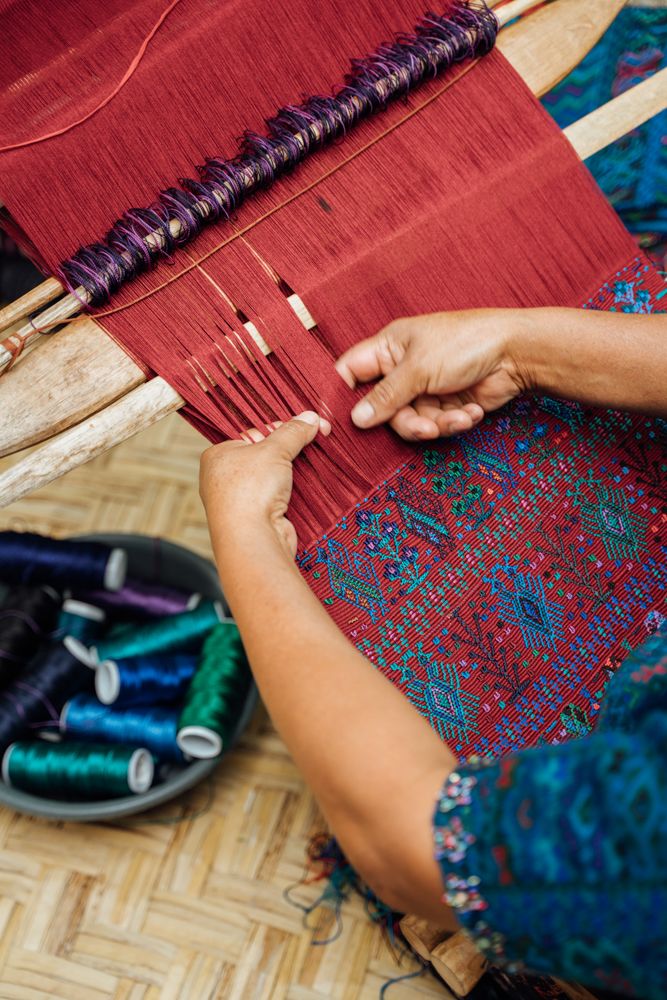
Hand-weaving connected culture, craft, and community. Discover what was lost when mass production replaced artisanal textiles globally.

The Human Stories Behind Every Thread

Hand-weaving was social architecture.

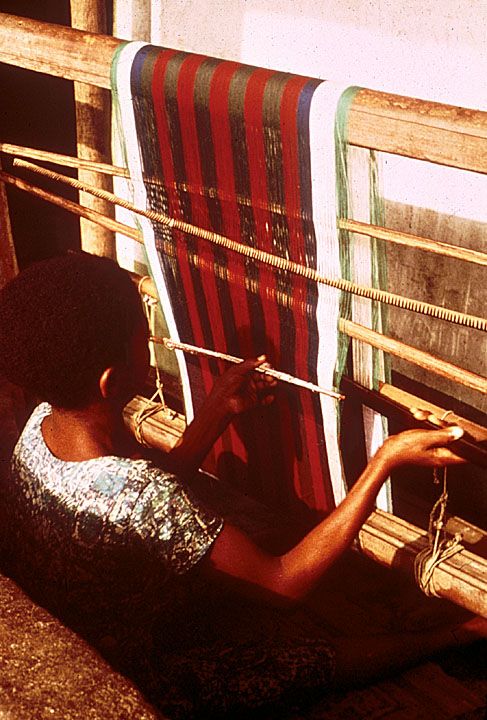
  • In West Africa, women spent months producing indigo-dyed textiles for ceremonies, encoding ancestry, status, and lineage in their patterns.
  • In Andean communities, handwoven alpaca textiles signified community membership, spiritual beliefs, and local history.
  • Caribbean artisans preserved African weaving knowledge through generations, adapting techniques to local fibres and climates while sustaining collective identity.

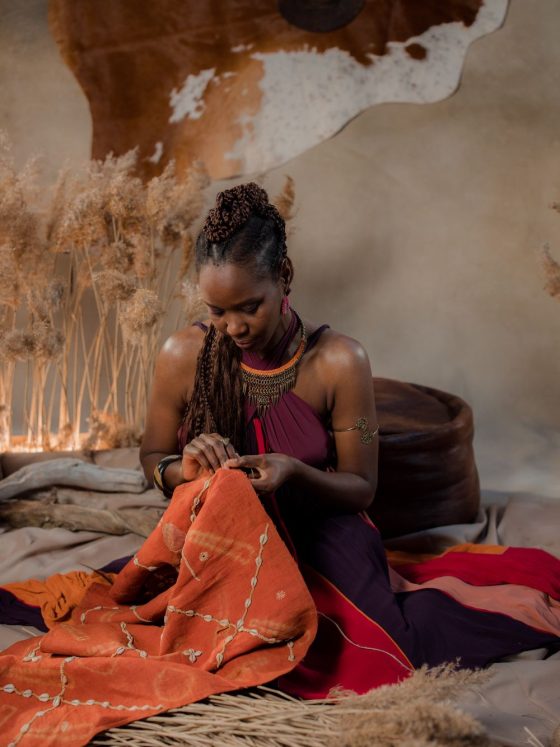
Every hand-loomed piece carried hours of skill, knowledge of local materials, and cultural memory. When mass production replaced hand-weaving, the textiles lost this embedded meaning.

The Efficiency Trap: What Mass Production Replaced
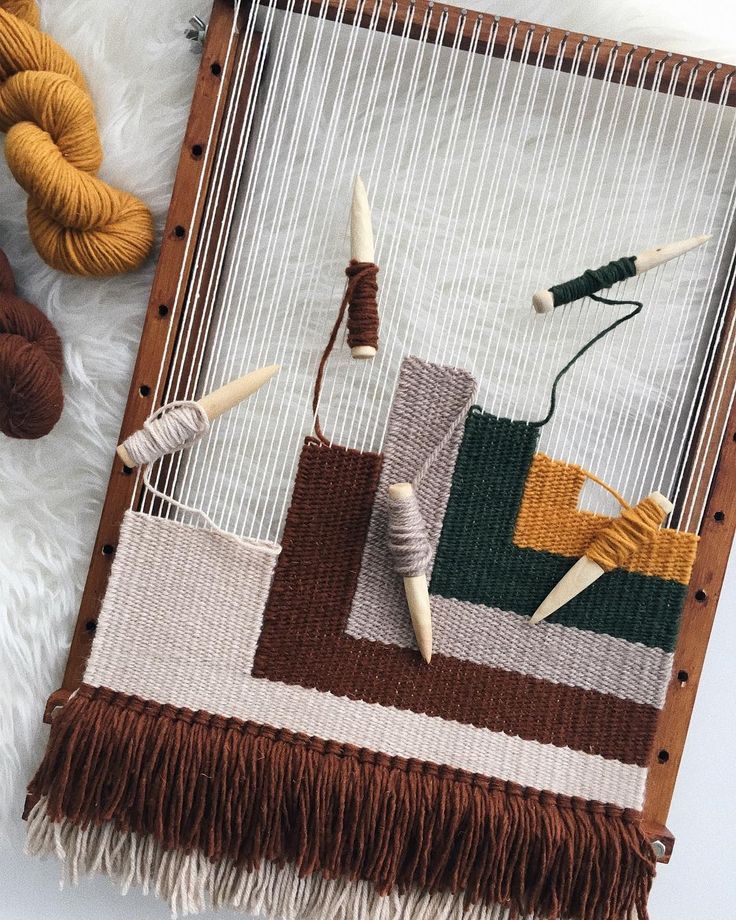
The Efficiency Trap: What Mass Production Replaced

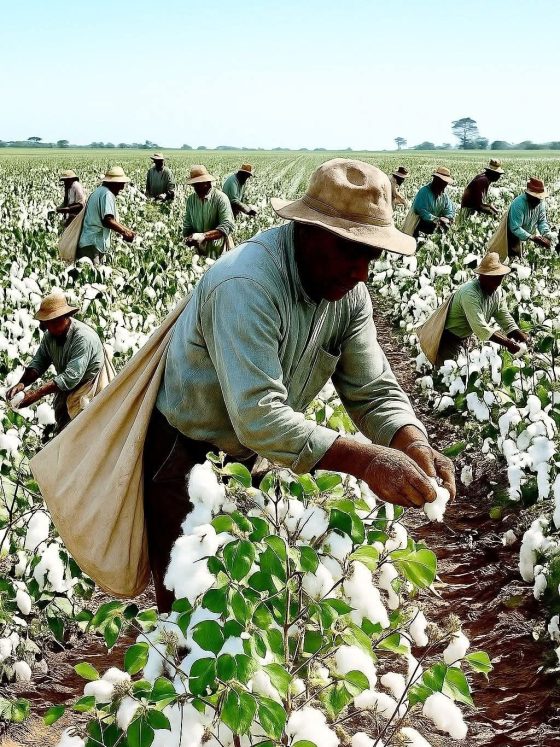
Machines enabled fabrics to be produced faster, more cheaply, and at scale. The industrial revolution and the expansion of global trade democratised access to textiles, but came with hidden costs:

  1. Loss of craft knowledge: Many traditional techniques fell out of use, leaving younger generations without access to ancestral skills.
  2. Uniformity over individuality: Patterns became standardised; the uniqueness of hand-woven imperfections was erased.
  3. Detachment from locality: Fabrics were no longer tied to specific regions or communities, breaking centuries-old cultural links.

In effect, the world gained speed but lost intimacy, narrative, and cultural resonance.

Cultural and Economic Impacts
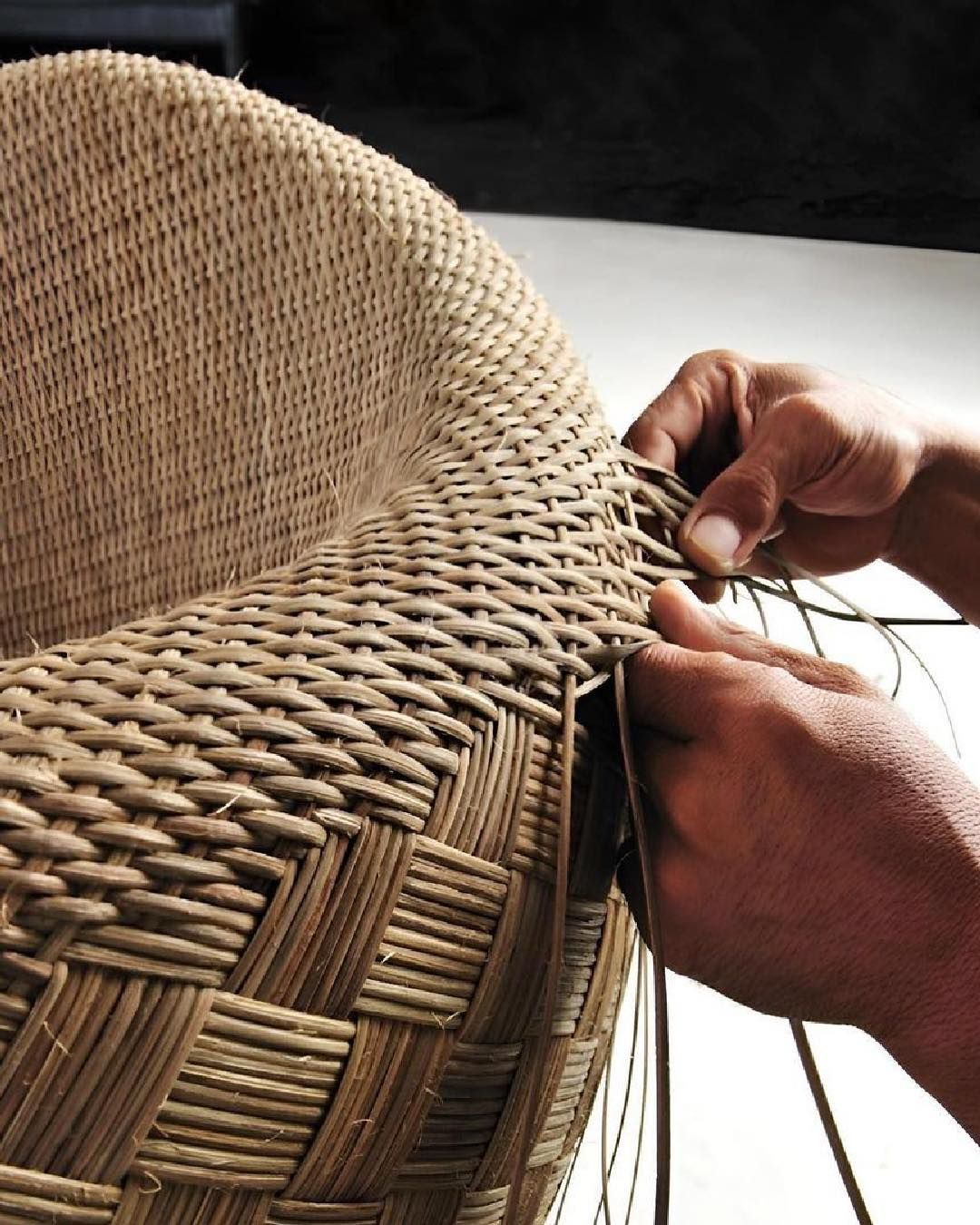
Cultural and Economic Impacts

The disappearance of hand-weaving also altered social structures. In many African, Latin American, and Caribbean communities, weaving was an economic lifeline. Artisans generated income, reinforced social networks, and passed on skills that defined identity.

Mass production shifted textile labour to factories, often distant from the communities where fibres were sourced. Knowledge that once built intergenerational wealth and cultural authority became fragmented.

At the same time, the global fashion system started valuing volume over story, marking cultural textiles as “ethnic novelty” rather than design intelligence. This created a hierarchy that still undervalues traditional craftsmanship in international markets.

READ ALSO:

  • From ’90s Supermodels to Today’s Global Fashion Icons
  • How Streetwear Became a Global Force

Why Hand-Weaving Still Matters

Why Hand-Weaving Still Matters

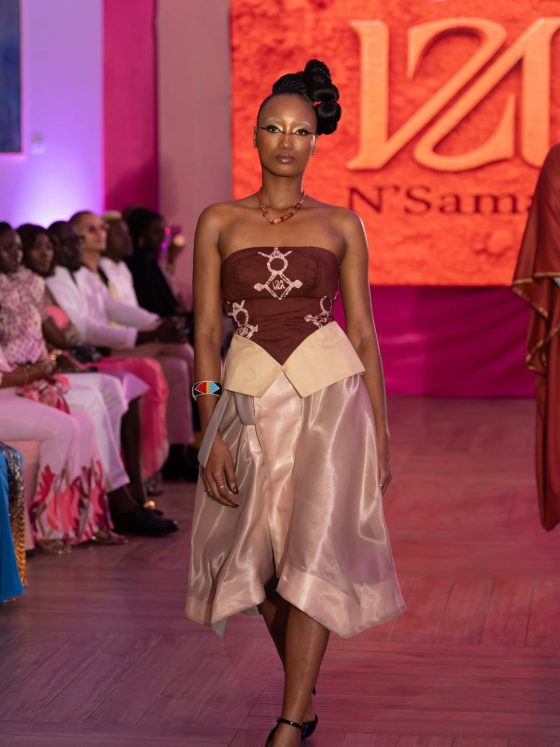
Despite industrial dominance, hand-weaving is experiencing a quiet revival. Designers and artisans are reintroducing locally sourced, hand-loomed fabrics into contemporary fashion, reclaiming both craft and narrative.

  • Sustainability: Hand-woven textiles often rely on natural fibres and dyes, connecting production to ecological cycles.
  • Cultural continuity: Using these textiles keeps ancestral techniques alive while giving them contemporary relevance.
  • Artistic intelligence: Hand-weaving preserves knowledge of pattern, proportion, and texture that machines cannot replicate.

Incorporating hand-woven textiles today is not nostalgia. It is an assertion of cultural agency, design intelligence, and ethical practice.

Reconnecting With Lost Knowledge

What the world lost when hand-weaving gave way to mass production is not just fabric; it is a language, a history, and a way of seeing value. Every machine-made textile is efficient, but few can tell a story of community, ceremony, or craft lineage.

Reclaiming these fabrics in contemporary fashion reconnects us to centuries of knowledge, proving that style is not only about aesthetics but about the human, cultural, and intellectual work behind every thread.

Hand-weaving reminds us that fashion can be slow, intentional, and deeply human, a counterpoint to mass production’s anonymous efficiency.

FAQs

  1. Why was hand-weaving important in African and diaspora cultures?

Hand-weaving preserved cultural knowledge, encoded social meaning, and supported economic networks within communities.

  1. What changed when mass production replaced artisanal weaving?

Mass production increased efficiency but erased individuality, cultural significance, and intergenerational craft knowledge.

  1. How does hand-woven fabric differ from machine-made fabric?

Hand-woven fabric carries unique textures, patterns, and cultural narratives that machines cannot replicate.

  1. Why is hand-weaving experiencing a revival in modern fashion?

Designers and consumers are valuing cultural authenticity, sustainability, and craft intelligence, reconnecting with traditional methods.

  1. How does hand-weaving contribute to sustainable fashion?

It often uses natural fibres, local dyes, and small-scale production, minimising environmental impact while preserving cultural heritage.

Post Views: 214
Total
0
Shares
Share 0
Tweet 0
Pin it 0
Related Topics
  • hand weaving traditions
  • Slow Fashion Movement
  • textile craftsmanship history
Fathia Olasupo

olasupofathia49@gmail.com

You May Also Like
African Hair Is a Political Act: The History Nobody Taught You
View Post
  • Culture & Arts
  • Hair & Hairstyle

African Hair Is a Political Act: The History Nobody Taught You

  • Ayomidoyin Olufemi
  • April 15, 2026
How a New Wave of Designer Brands Are Building Legacy, Not Just Products
View Post
  • African Fashion Designers
  • Sustainable Fashion

How a New Wave of Designer Brands Are Building Legacy, Not Just Products

  • Faith Olabode
  • April 8, 2026
Leather Does Not Age. It Remembers: African Craft Heritage and Luxury Identity
View Post
  • African Fashion Designers
  • Sustainable Fashion

Leather Does Not Age. It Remembers: African Craft Heritage and Luxury Identity

  • Heritage Oni
  • April 8, 2026
Where Culture Becomes Couture: African Fashion, Heritage, and Modern Luxury
View Post
  • Cultural Inspirations
  • Sustainable Fashion

Where Culture Becomes Couture: African Fashion, Heritage, and Modern Luxury

  • Ayomidoyin Olufemi
  • April 7, 2026
View Post
  • Culture & Arts
  • Trends

The Intimacy of Tailoring Is How Clothes Learn the Language of Your Life

  • Heritage Oni
  • April 1, 2026
The Cultural Codes of Dressing Well: What Every Society Understands About Style and Respect
View Post
  • Culture & Arts
  • Trends

The Cultural Codes of Dressing Well: What Every Society Understands About Style and Respect

  • Fathia Olasupo
  • March 31, 2026
East Africa Textile Untold: Kitenge, Kikoi, and the Coastal Cloth
View Post
  • Cultural Inspirations
  • Culture & Arts

East African Textile Untold: Kitenge, Kikoi, and the Coastal Cloth

  • Faith Olabode
  • March 31, 2026
The New Generation Turning Textile Overflow Into High Fashion
View Post
  • Sustainable Fashion

The New Generation Turning Textile Overflow Into High Fashion

  • Ayomidoyin Olufemi
  • March 27, 2026

Leave a Reply Cancel reply

Your email address will not be published. Required fields are marked *

The Omiren Argument

African fashion and culture are not emerging. They are foundational. We document, interpret, and argue for the full cultural weight of African and diaspora dress. With precision. Without apology.

Omiren Styles Fashion · Culture · Identity

All 54 African Nations
Caribbean · Afro-Latin America
The Global Diaspora

Platform

  • About Omiren Styles
  • Our Vision
  • Our Mission
  • Editorial Pillars
  • Editorial Policy
  • The Omiren Collective
  • Campus Style Initiative
  • Sustainable Style
  • Social Impact & Advocacy
  • Investor Relations

Contribute

  • Write for Omiren Styles
  • Submit Creative Work
  • Join the Omiren Collective
  • Campus Initiative
Contact
contact@omirenstyles.com
Our Reach

Africa — All 54 Nations
Caribbean
Afro-Latin America
Global Diaspora

African fashion intelligence, in your inbox.

Editorial features, designer profiles, cultural commentary. No noise.

© 2026 Omiren Styles — Rex Clarke Global Ventures Limited. All rights reserved.
  • Privacy Policy
  • Editorial Policy
  • Terms of Use
  • Accessibility
Africa · Caribbean · Diaspora
The Omiren Argument

African fashion and culture are not emerging. They are foundational. We document, interpret, and argue for the full cultural weight of African and diaspora dress. With precision. Without apology.

Omiren Styles Fashion · Culture · Identity
  • About Omiren Styles
  • Our Vision
  • Our Mission
  • Editorial Pillars
  • Editorial Policy
  • The Omiren Collective
  • Campus Style Initiative
  • Sustainable Style
  • Social Impact & Advocacy
  • Investor Relations
  • Write for Omiren Styles
  • Submit Creative Work
  • Join the Omiren Collective
  • Campus Initiative
Contact contact@omirenstyles.com

All 54 African Nations · Caribbean
Afro-Latin America · Global Diaspora

African fashion intelligence, in your inbox.

Editorial features, designer profiles, cultural commentary. No noise.

© 2026 Omiren Styles
Rex Clarke Global Ventures Limited.
All rights reserved.

  • Privacy Policy
  • Editorial Policy
  • Terms of Use
  • Accessibility
Africa · Caribbean · Diaspora

Input your search keywords and press Enter.