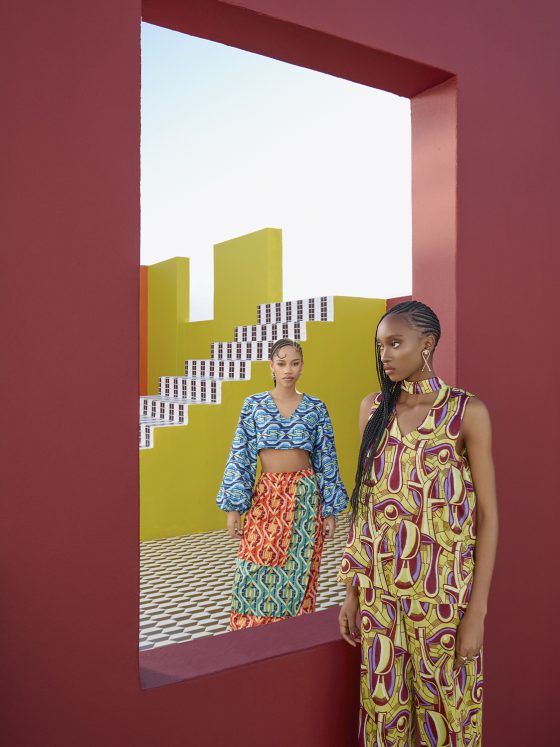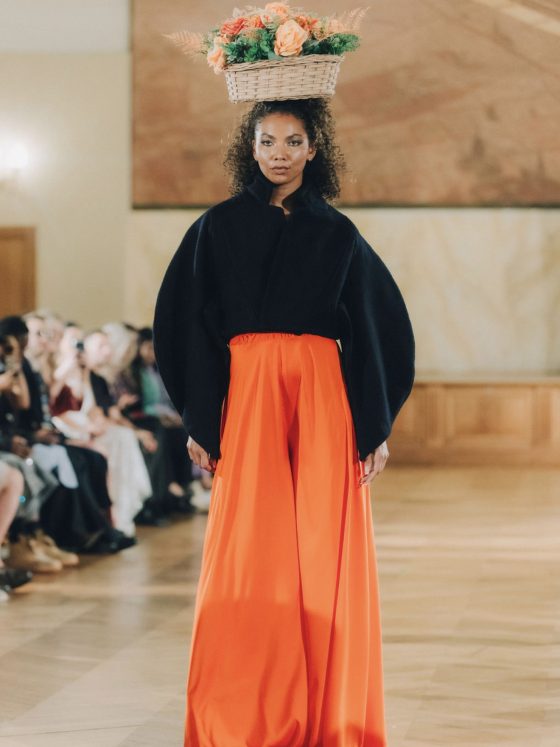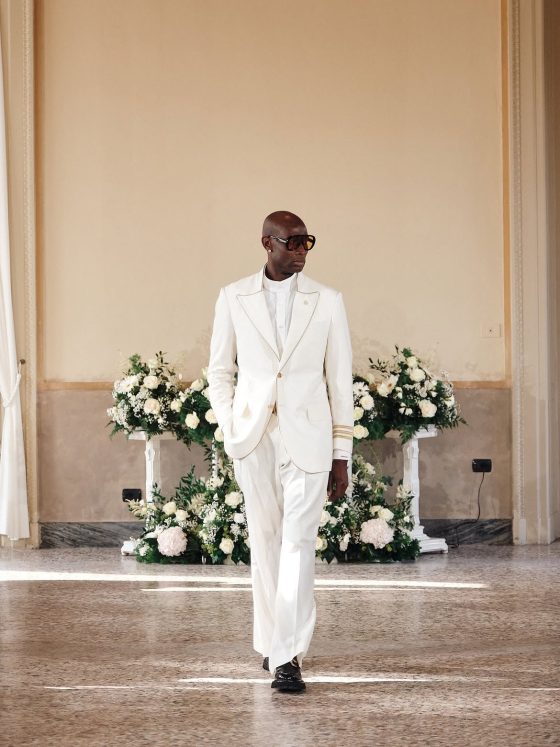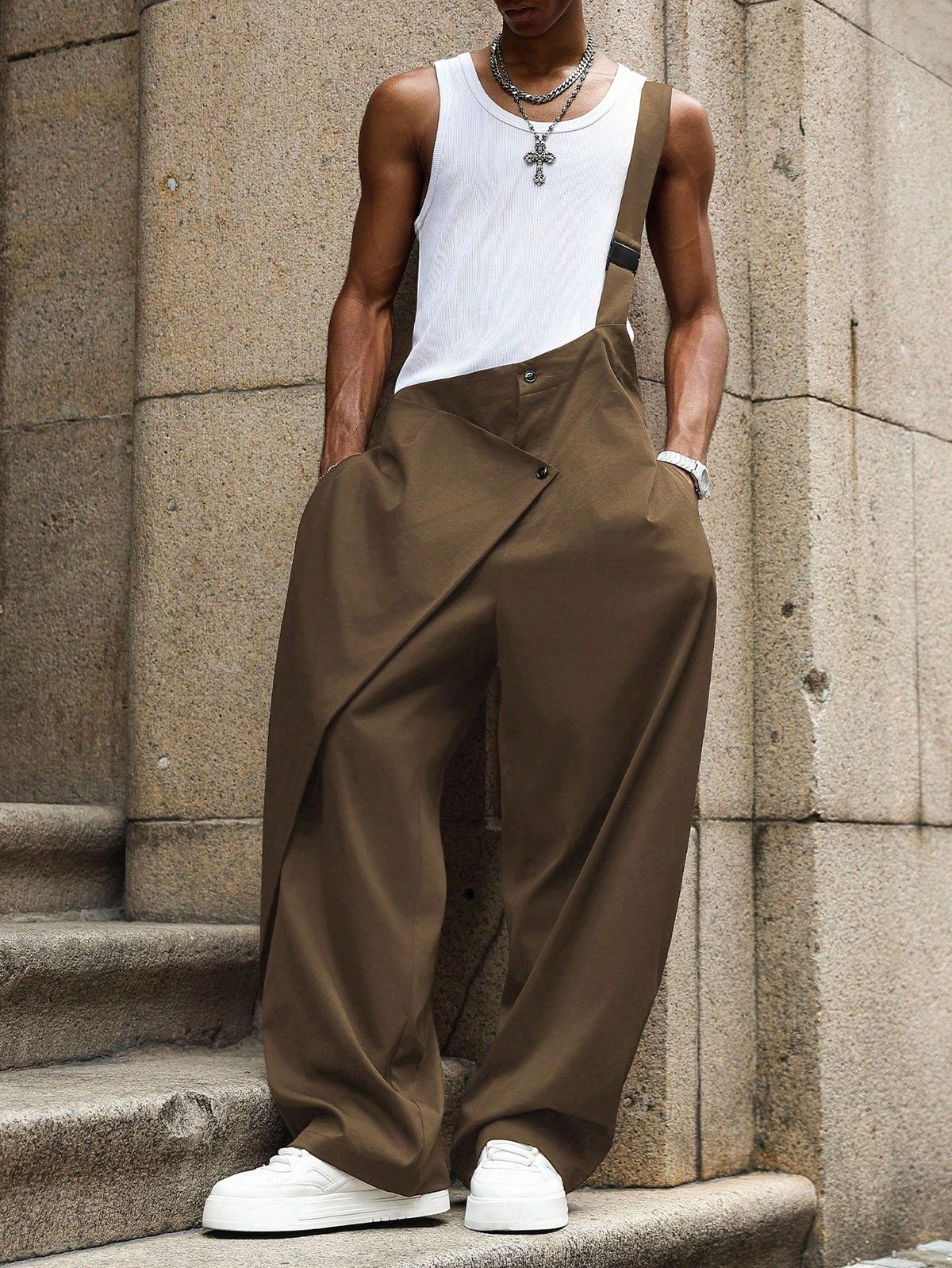
For a long time, men were taught that style should be quiet. The ideal was simple: neutral colours, predictable tailoring, and just enough effort to appear respectable without drawing attention. Caring too much about clothing was seen as excessive. To experiment was seen as a risk.
That framework is starting to lose its hold.
Across African cities and within diaspora communities, men are dressing with a different kind of awareness. The shift is not about being louder. It is about being deliberate. Clothing is no longer treated as background. It is being used to communicate identity, discipline, and cultural knowledge.
This is where the idea of the “new gentleman” begins. Not as a trend, but as a change in mindset.
Modern masculinity is being reshaped through intentional dressing. Explore how conscious style reflects identity, culture, and authority.
What Has Changed and Why It Matters
Menswear has always had rules. What has changed is how seriously men take those rules.
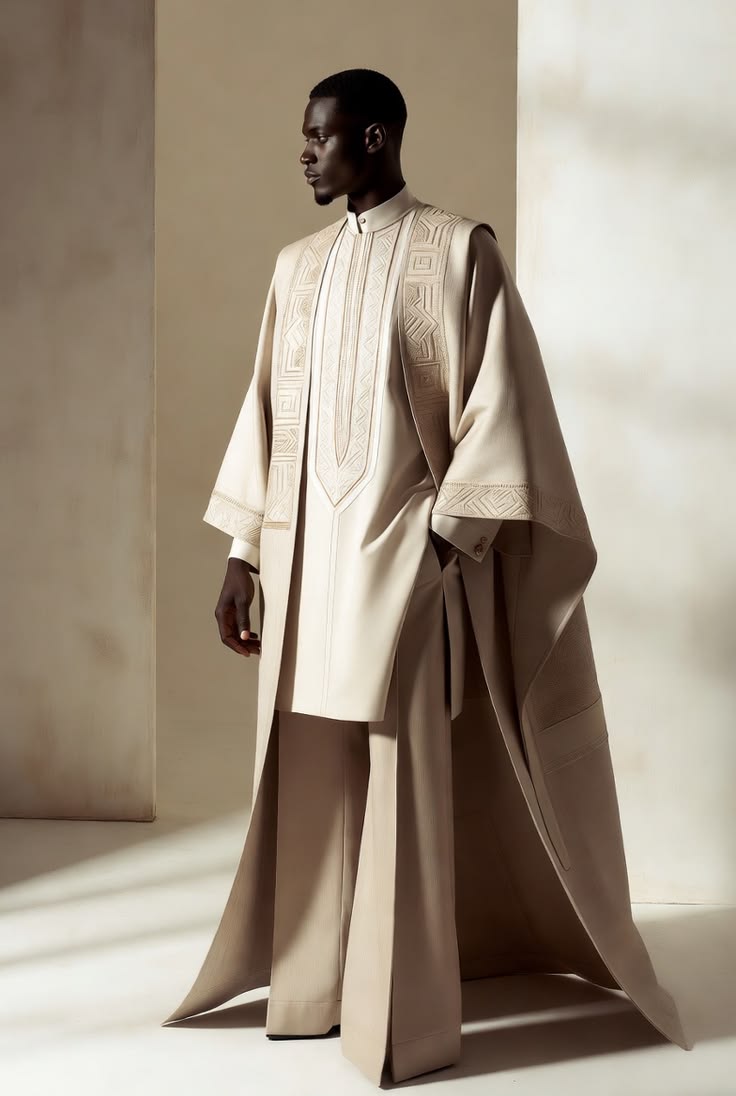
In the past, the structure of Western tailoring defined what was acceptable. The suit became the standard, and anything outside it was seen as informal or experimental. But this was never a universal system. In many African and diaspora contexts, men have always dressed with more variation through embroidery, layering, draped garments, and symbolic detailing.
What we are seeing now is a correction.
Men are no longer treating Western dress codes as the default reference point. They are building wardrobes that reflect where they come from, where they live, and how they want to be seen. A man in Accra might combine traditional weaving with clean, modern cuts. A creative in Johannesburg might move between tailored pieces and relaxed silhouettes without losing coherence.
The point is not different for the sake of it. The point is alignment.
Dressing With Awareness, Not Habit
The new gentleman does not dress on autopilot. He pays attention.
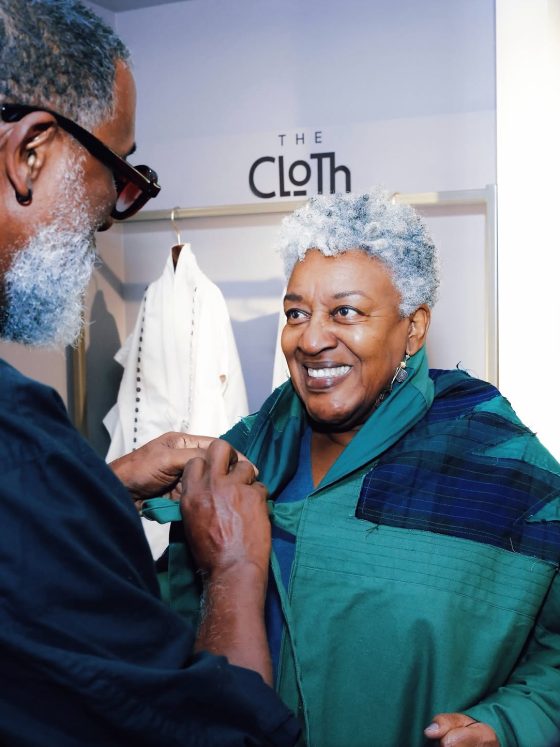
He understands the difference between fabrics that hold structure and those that move with the body. He knows when weight matters, when texture matters, and when simplicity is enough. His choices are not random, even when they look effortless.
This awareness shows up in small but important ways.
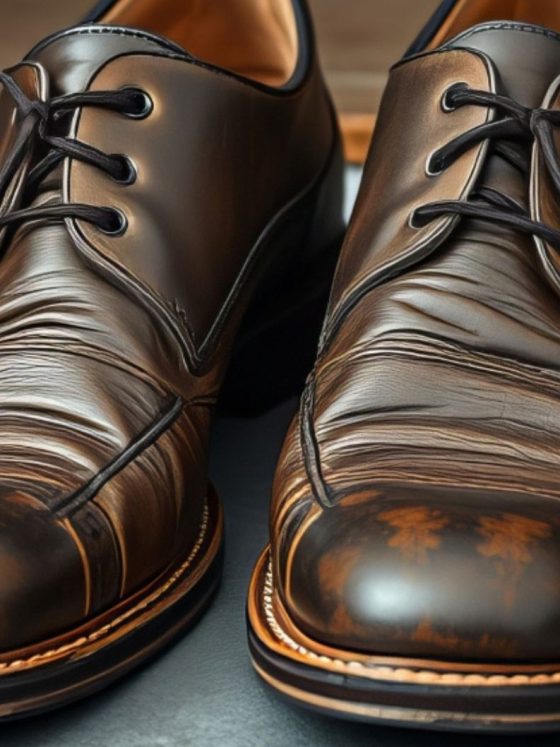
A well-cut shirt that sits properly on the shoulders. A pair of trousers that falls cleanly without excess fabric. A garment that holds its shape after repeated wear. These details are easy to ignore, but they are what separate clothing from style.
There is also a shift in how garments are valued. Instead of constant replacement, there is greater attention to how long something lasts and how it fits into an existing wardrobe. This is not about minimalism as a trend. It is about control.
The Return of Cultural Reference
One of the most important changes in modern menswear is the return to cultural grounding.
For a long time, global fashion encouraged a kind of neutrality. The closer you dressed to a Western standard, the more “universal” your style was considered. But that idea is being questioned.
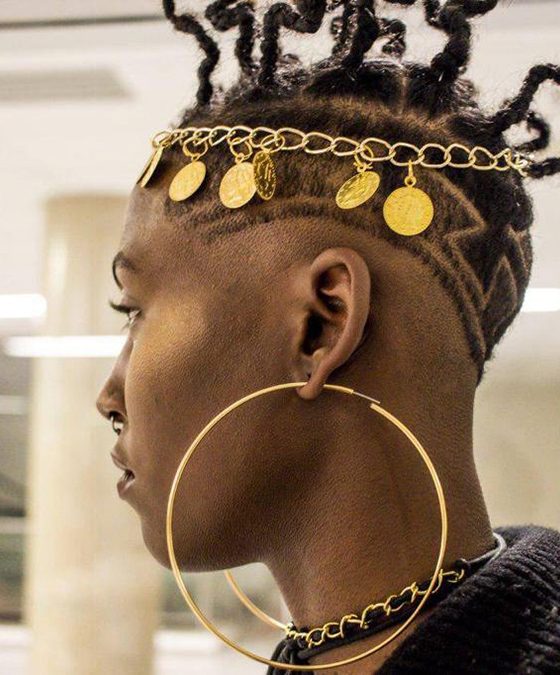
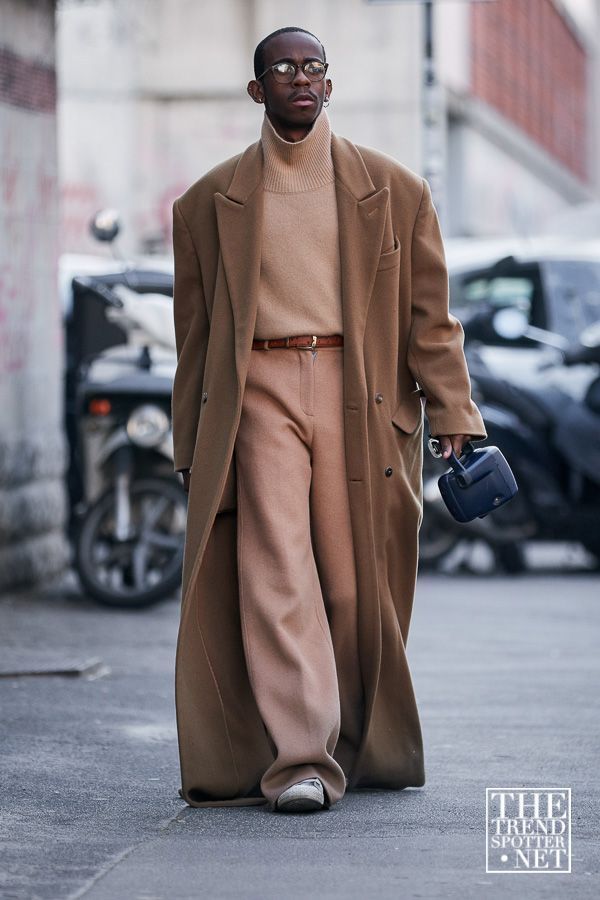
Men are now bringing cultural elements back into everyday dressing—not as costume, and not only for ceremonies, but as part of normal life.
This does not always mean full traditional outfits. Sometimes it is in the fabric. Sometimes in the cut. Sometimes in how garments are layered or styled. What matters is that the reference is intentional.
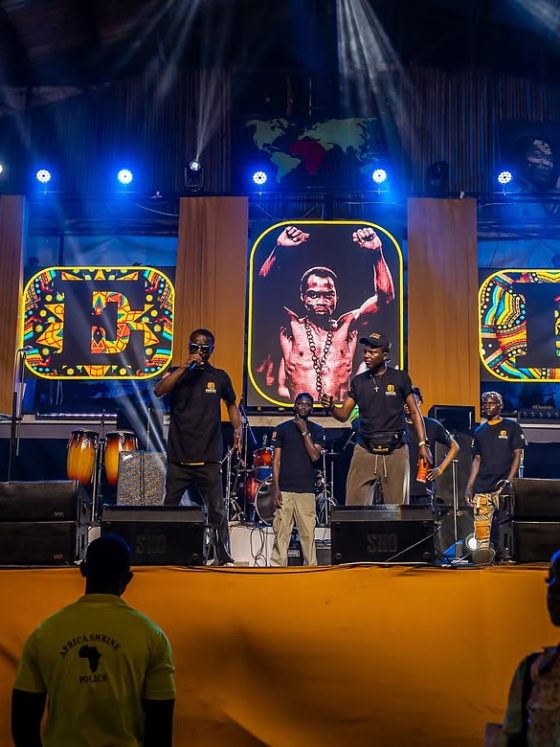
In diaspora communities, this is even more visible. A man in London or New York is often balancing multiple identities at once. His clothing becomes a way to hold those identities together without explanation.
This is not nostalgia. It is continuity.
READ ALSO:
- Reclaiming the Narrative: How Cultural Resistance Shaped the World’s Most Powerful Style Movements
- What Ceremony Teaches Us About Dressing: The Sacred Origins of Our Most Everyday Choices
Masculinity and Control
At the centre of this shift is a different understanding of masculinity.
Control is no longer about restriction. It is about precision. The new gentleman is not avoiding expression. He is choosing it carefully.
He does not need a large wardrobe to communicate range. He needs a coherent one. Each piece has a role. Each combination makes sense. Nothing feels forced.
There is also confidence in repetition. Wearing similar silhouettes and colours, or combinations of them, is no longer seen as a lack of creativity. It is seen as clarity.
This is where style becomes recognisable. Not because it is loud, but because it is consistent.
What the New Gentleman Represents
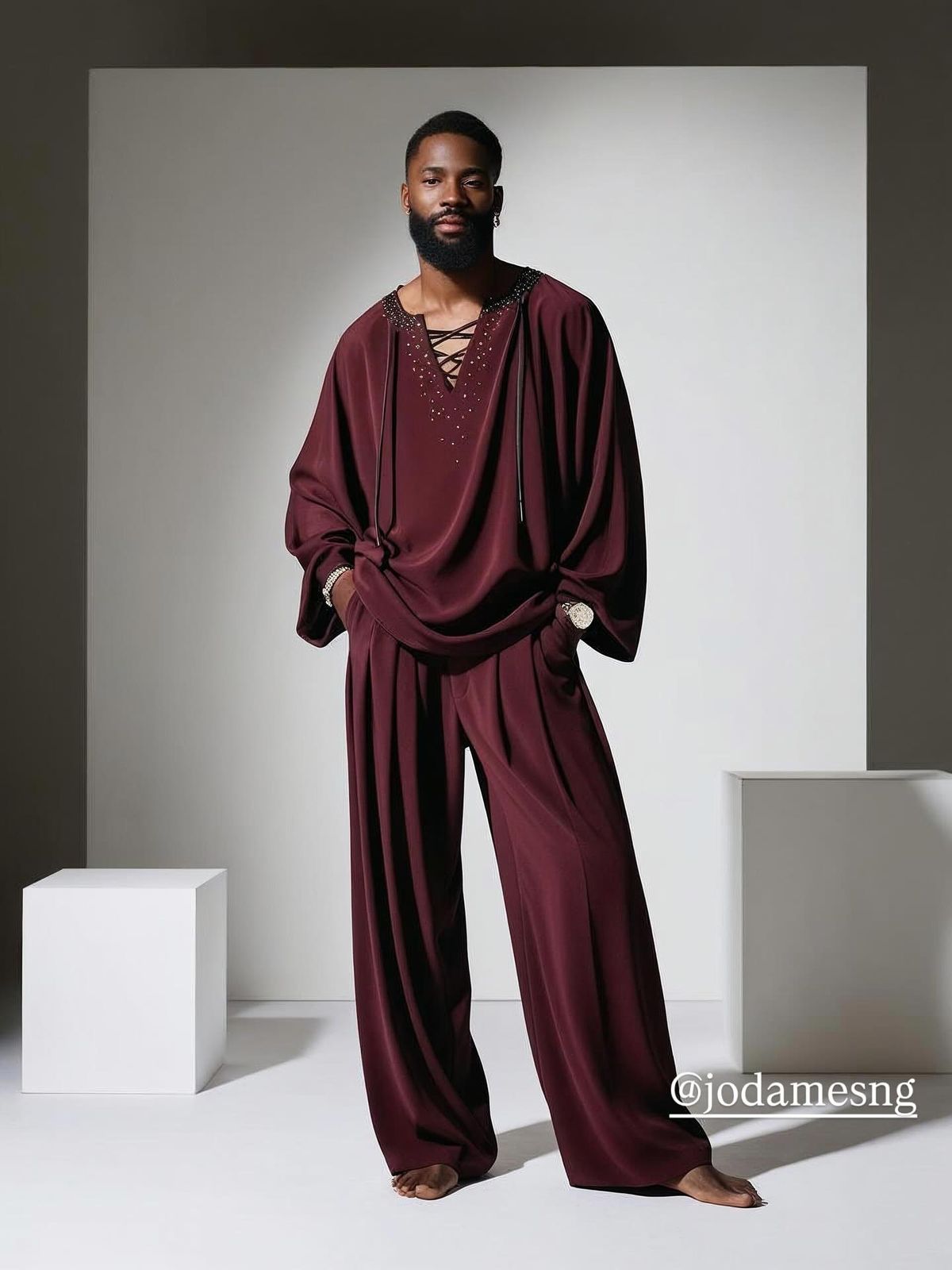
The new gentleman is not defined by wealth, age, or profession. He is defined by how he approaches what he wears.
He is attentive without being excessive.
He is expressive without being chaotic.
He is grounded without being rigid.
Most importantly, he understands that clothing is not separate from identity. It is part of how identity is communicated and understood.
This shift may look subtle from the outside, but it has long-term implications. As more men begin to dress with intention, the standard for what is considered “well-dressed” will change. It will move away from imitation and toward understanding.
And that is where real style begins.
FAQs
- What does conscious dressing mean for modern men?
Conscious dressing means making intentional choices about clothing based on fit, fabric, cultural relevance, and long-term use rather than trends.
- How is masculinity changing in menswear today?
Masculinity in fashion is shifting from restriction to expression, allowing men to explore detail, culture, and personal identity through clothing.
- Why are more men focusing on quality over trends?
Men are prioritizing durability, fit, and versatility, which leads to more consistent style and reduces the need for constant wardrobe changes.
- How can men incorporate cultural elements into everyday style?
This can be done through fabric choices, tailoring details, layering, or subtle design references that reflect heritage without feeling forced.
- What defines a well-dressed man today?
A well-dressed man today is defined by intentionality, consistency, and an understanding of how clothing communicates identity and presence.