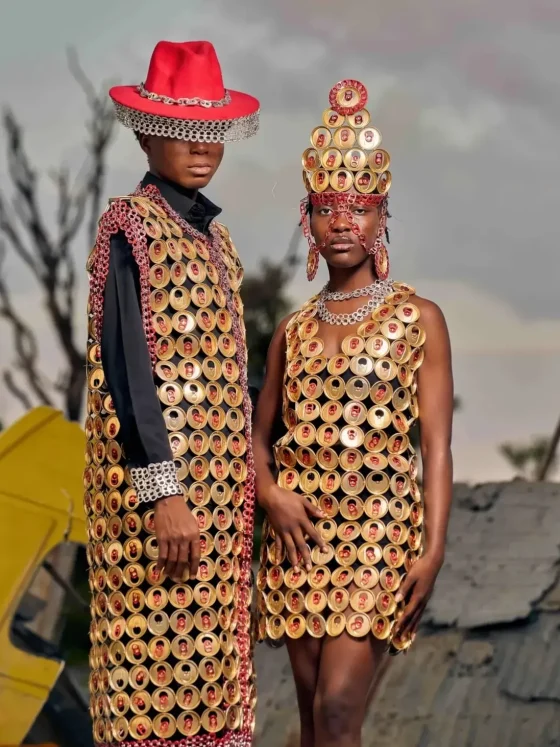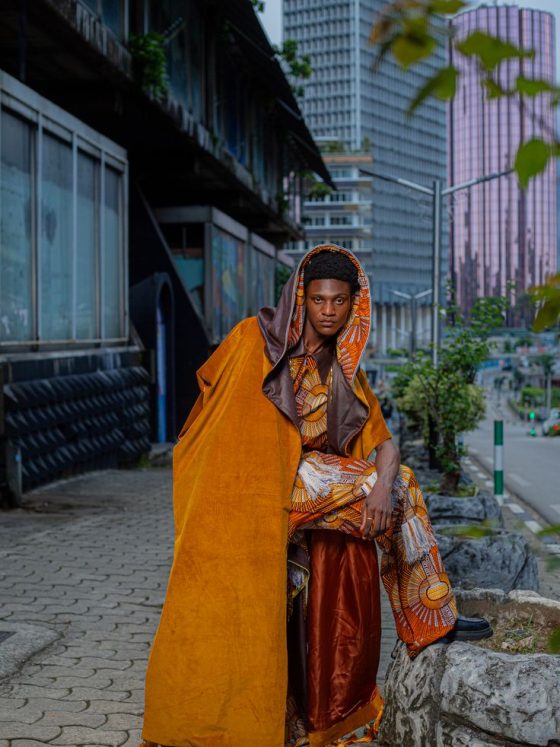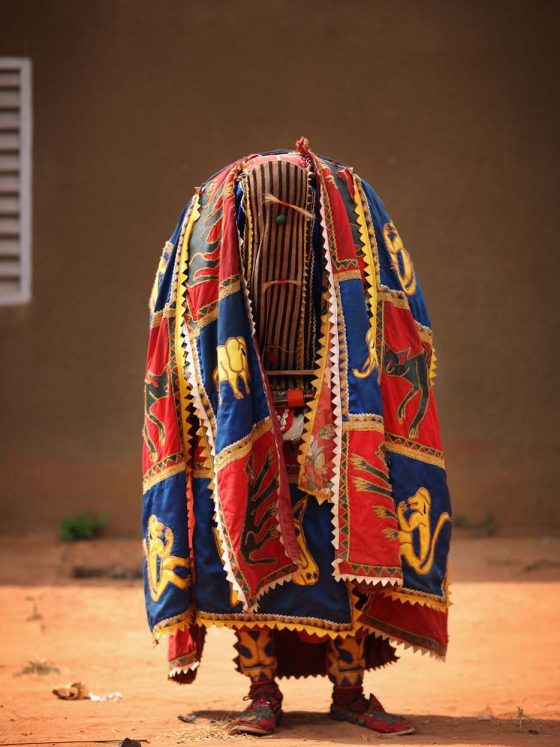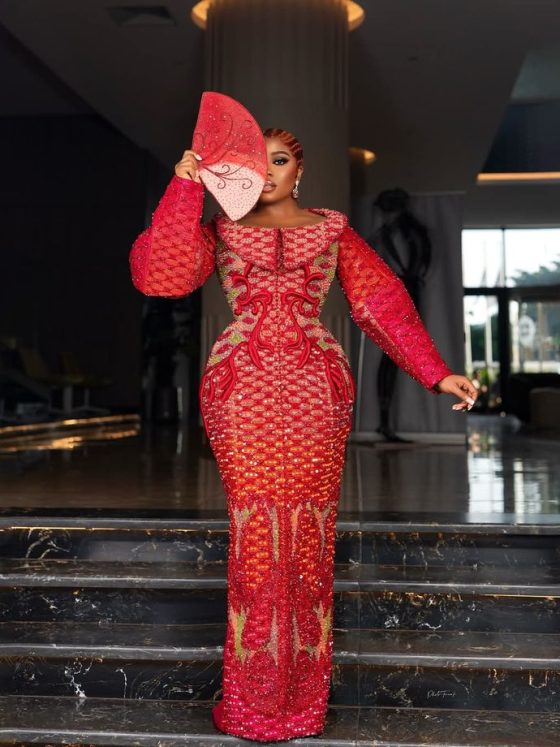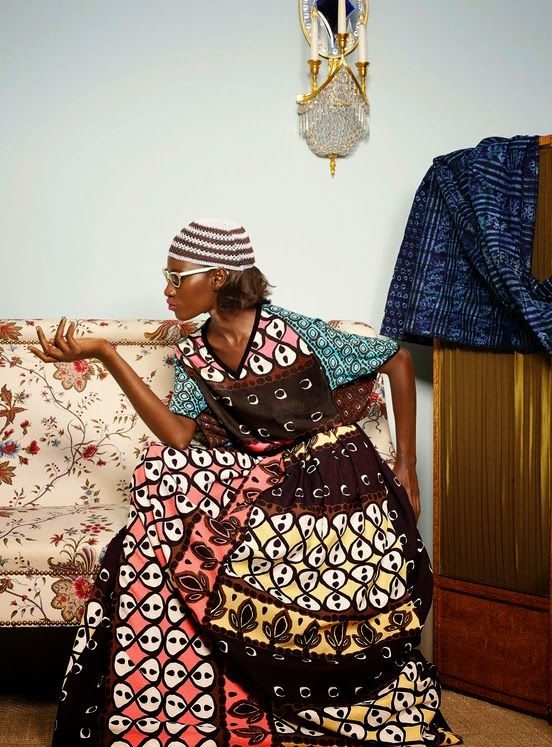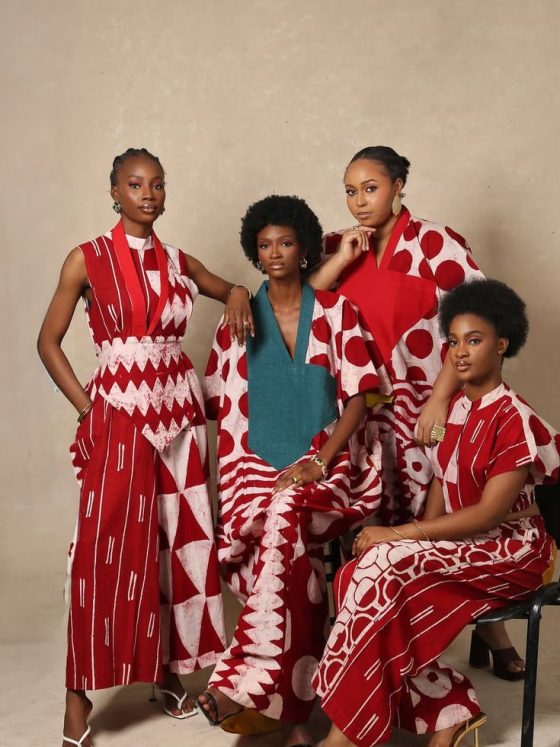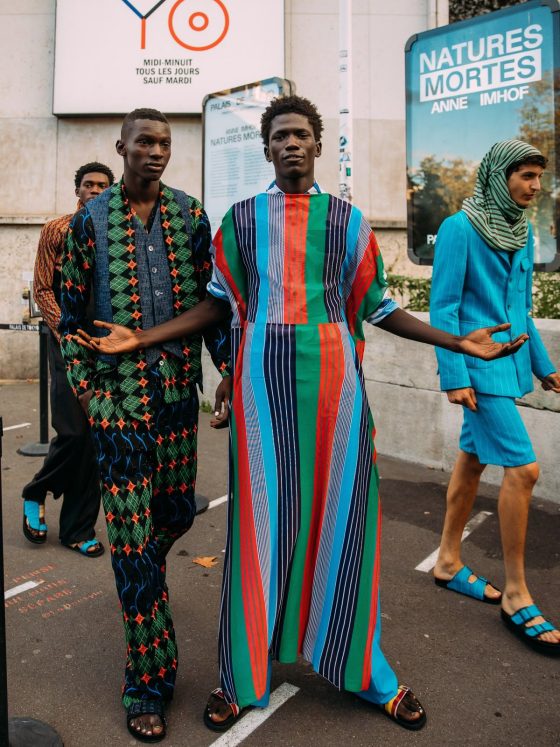

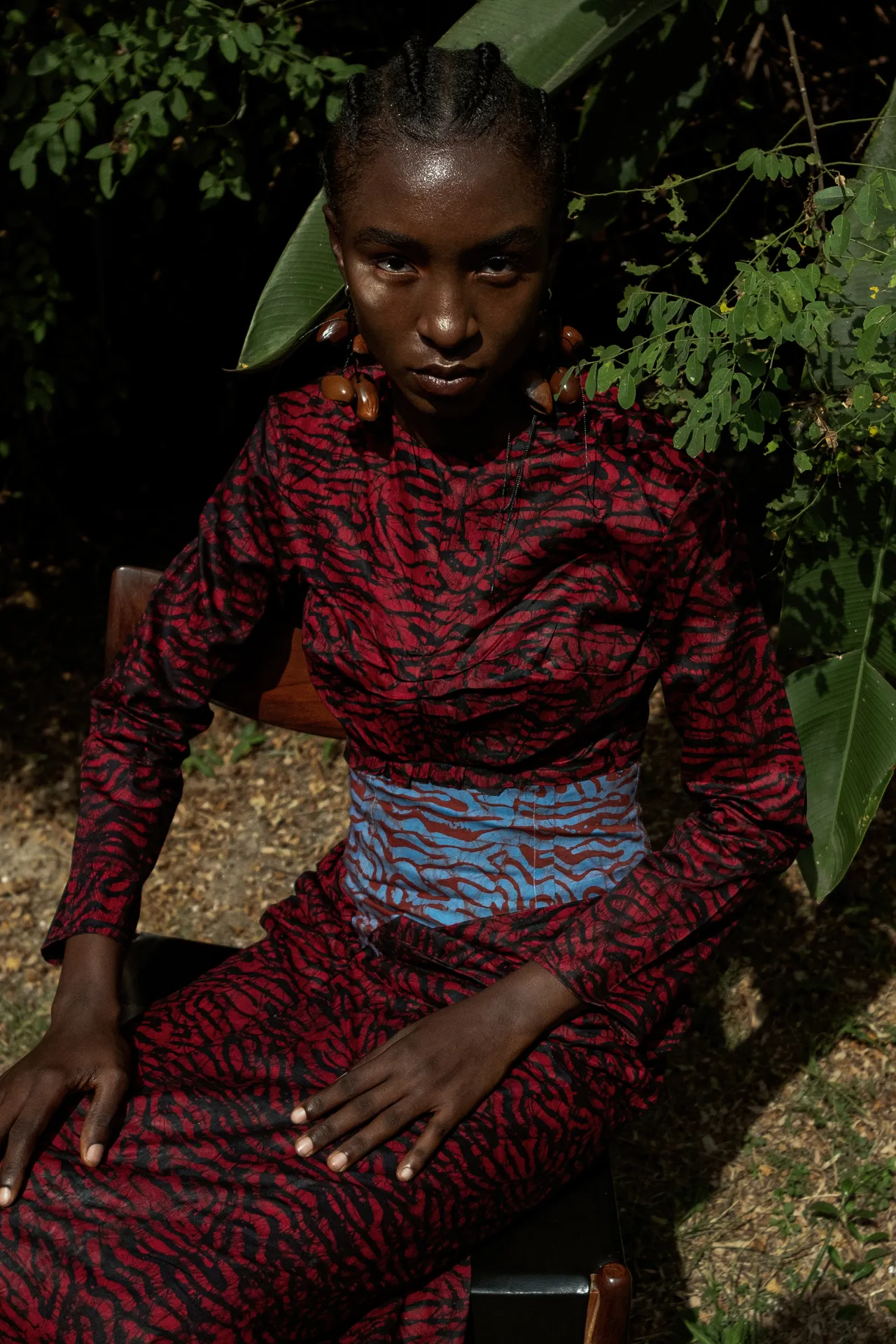
Before a birthday dinner, a campus event or a hangout, an outfit can stop feeling right without anything about it changing. You see what someone else plans to wear, reconsider your own clothes and wonder whether you have misread the occasion. The question shifts from “Do I like this?” to “Will this be enough?”
That distinction sits at the centre of this examination of fashion and social pressure in Nigeria. Clothing can be pleasurable, expressive and social. But enjoying what other people wear differs from feeling you must own similar things to participate comfortably.
The four University of Benin students whose accounts inform this article do not describe the same experience. One acknowledges pressure to buy an item because other students have it. Another talks about learning to live without everything he wants. Two others place personal preference at the centre of their purchases.
Their perspectives do not represent all Nigerian students. They do, however, offer a starting point for examining the space between wanting an outfit and feeling that you need it. The market around them is considerable. UNESCO’s 2023 report on the fashion sector in Africa valued clothing and footwear in sub-Saharan Africa at US$31 billion in 2020. Within that $31 billion African fashion market, young consumers are among the most courted buyers, and among the most exposed to the idea that a new purchase is the price of joining in.
Four University of Benin students discuss clothing, peer influence and affordability, revealing different views on the pressure to look like they belong.
When an Ordinary Item Starts to Feel Essential

Fashion pressure does not always arrive wearing a luxury label. Sometimes it takes the form of an everyday wardrobe item that seems to be everywhere.
Adeyemi Oluwatosin, a University of Benin student, described that feeling in relation to basic tops.
“I still feel pressure to buy basic tops because every other student I know has it,” she said.
The significance is not the price of a particular top. It is the reason the purchase begins to feel necessary. In Adeyemi’s account, the item’s presence in other people’s wardrobes creates a sense that it should be in hers, too.
That differs from discovering a style and realising you genuinely enjoy it. Both experiences can begin with seeing someone else’s clothes, but they lead to different questions: do I want to wear this, or do I feel uncomfortable not having it?
Academic research offers some context. A 2024 study by Ngozi U. Nwonye, Myrtle U. Ibokette and Priscilla A. Esiowu, published in the International Journal of Home Economics, Hospitality and Allied Research, surveyed 389 female undergraduates at the University of Uyo. The authors identified monthly allowances, the prevalence of second-hand shopping, and self-esteem and peer pressure among the factors shaping students’ clothing choices.
The study focuses on a specific group at one university, not Nigerian students as a whole. Its findings nevertheless underline why taste alone cannot explain clothing choices. The authors describe young consumers balancing affordability, self-expression and the need for social acceptance: the money available and the social meaning attached to an item can both matter.
The Unspoken Dress Code
A stated dress code tells people what an occasion requires. A perceived dress code is harder to identify. It may be assembled from photographs, previous events and assumptions about what everyone else will wear.
An important distinction exists between someone explicitly requiring a certain outfit and someone anticipating that their clothes will be judged. Both deserve examination, but they are not evidence of the same thing. Adeyemi’s account establishes that she feels pressure. It does not establish that her friends have demanded that she buy basic tops or excluded her for not owning them.
Keeping that distinction clear makes the conversation more useful. It allows room to ask whether a clothing expectation comes from an invitation, a direct comment, a shared convention or a personal prediction.
Research by Helen Inseng Duh and Oluwole Iyiola also places clothing decisions within a wider social context. Their 2020 study in the Journal of Fashion Marketing and Management surveyed 272 Nigerian and 306 South African young adults aged 18 to 35. It found that family resources and peer communication about clothes shopping during adolescence predicted most of the clothing decision-making styles studied, with no difference between the two countries in how those factors related.
The same study found that young adults in both countries showed more utilitarian than symbolic decision-making styles when shopping for clothing. That finding is a useful corrective. It offers a framework for thinking about influence, rather than proof that every purchase is an attempt to gain approval.
Influence is not automatically a problem. Friends can introduce each other to designers, new combinations and ways of wearing familiar clothes. The concern begins when inspiration feels less like an option and more like a condition of belonging.
The Price Is More Than One Purchase
Uche Akaeze, another University of Benin student, acknowledged that seeing other students wear appealing items could make him want similar things. He also described learning to manage that desire.
“I have learned that I can still look good without having everything I want,” he said.
His observation separates appreciation from acquisition. Liking an outfit does not have to become a commitment to reproduce it.
It also brings the discussion back to affordability. A purchase can be relatively inexpensive and still be difficult to accommodate. Its significance depends on the buyer’s resources and the other needs competing for them, not simply on whether it costs less than a designer alternative.
The University of Uyo study’s findings about monthly allowances are relevant here. They situate clothing consumption within students’ available resources, alongside motivations tied to identity and social acceptance. Its finding on second-hand shopping is also telling: many students meet their clothing needs through thrift rather than new retail, a pattern Omiren Styles has also observed in its account of Lagos street style, where thrift markets and local tailors supply much of what young people wear.
But neither that study nor the four accounts in this article establish how much these students spend to keep up, whether they borrow for clothes, or whether other expenses go unpaid. There is no verified naira figure for the cost of fitting in here.
What Uche’s account does establish is a boundary: wanting something need not mean buying it. That boundary should not be mistaken for a rejection of fashion. Enjoying clothes and deciding against a purchase can coexist.
An Online Wardrobe Is Not a Financial Record
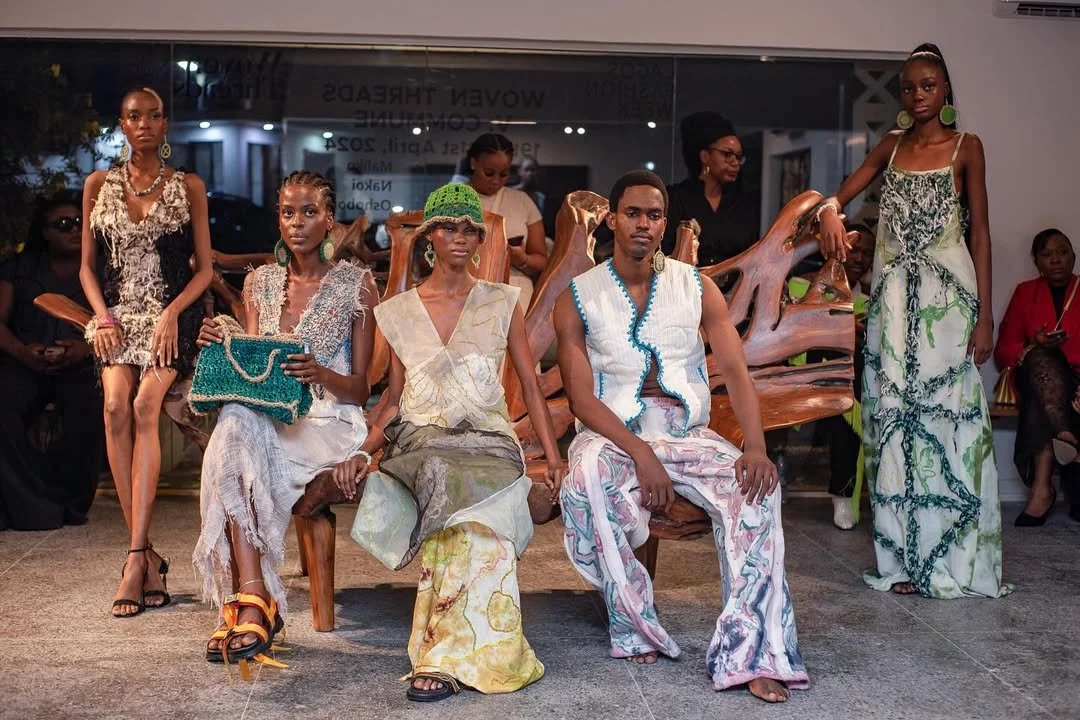
Online fashion content raises another question: what can an image actually tell us?
It can show an outfit, a styling choice or a product being promoted. It cannot, by itself, establish how the wearer acquired the clothes, how often they shop or whether maintaining that appearance is financially comfortable.
Nor should an attractive feed be treated as evidence that its owner is overspending. The point is uncertainty, not suspicion.
For someone comparing their wardrobe with what they see online, that missing context matters. A photograph offers a look to consider; it does not provide a reliable spending benchmark.
Omiren Styles has explored, in “Why Getting Dressed Still Matters in an Age of Digital Identity”, the tension between clothing worn for daily life and clothing presented for an audience. It is useful context for the question, rather than evidence that every social media user experiences the same pressure.
The distinction worth preserving is between using an image as inspiration and treating it as a requirement. A saved outfit can remain a reference. It does not have to become a shopping list.
Not Everyone Is Trying to Keep Up
The other two students offer an important counterpoint.
Ady Christopher explained that he buys according to his personal fashion taste. Esther Ighodefeyi, who describes herself as a minimalist, similarly said that she generally purchases what she wants rather than buying items simply because other students wear them.
Their accounts prevent the story from becoming a single narrative about young people chasing approval. Sharing a university environment does not mean sharing the same priorities, preferences or responses to other people’s clothes.
Nor should their approaches become a hierarchy in which minimalism is inherently wiser or more authentic than enjoying trends. Buying a popular item can be a deliberate expression of taste. Avoiding it can be equally deliberate.
The useful distinction is not fashionable versus unfashionable, or trendy versus individual. It is whether a person has room to choose.
For Adeyemi, an item’s prevalence creates pressure. For Uche, attraction does not always lead to ownership. Adeyemi and Esther emphasise preference. These are different relationships with clothing, not stages on a single path towards getting fashion “right”. As Omiren Styles has argued in its essay on why personal style takes time, style is built gradually through what a person keeps, outgrows and is still negotiating.
Who Gets to Feel That They Belong?
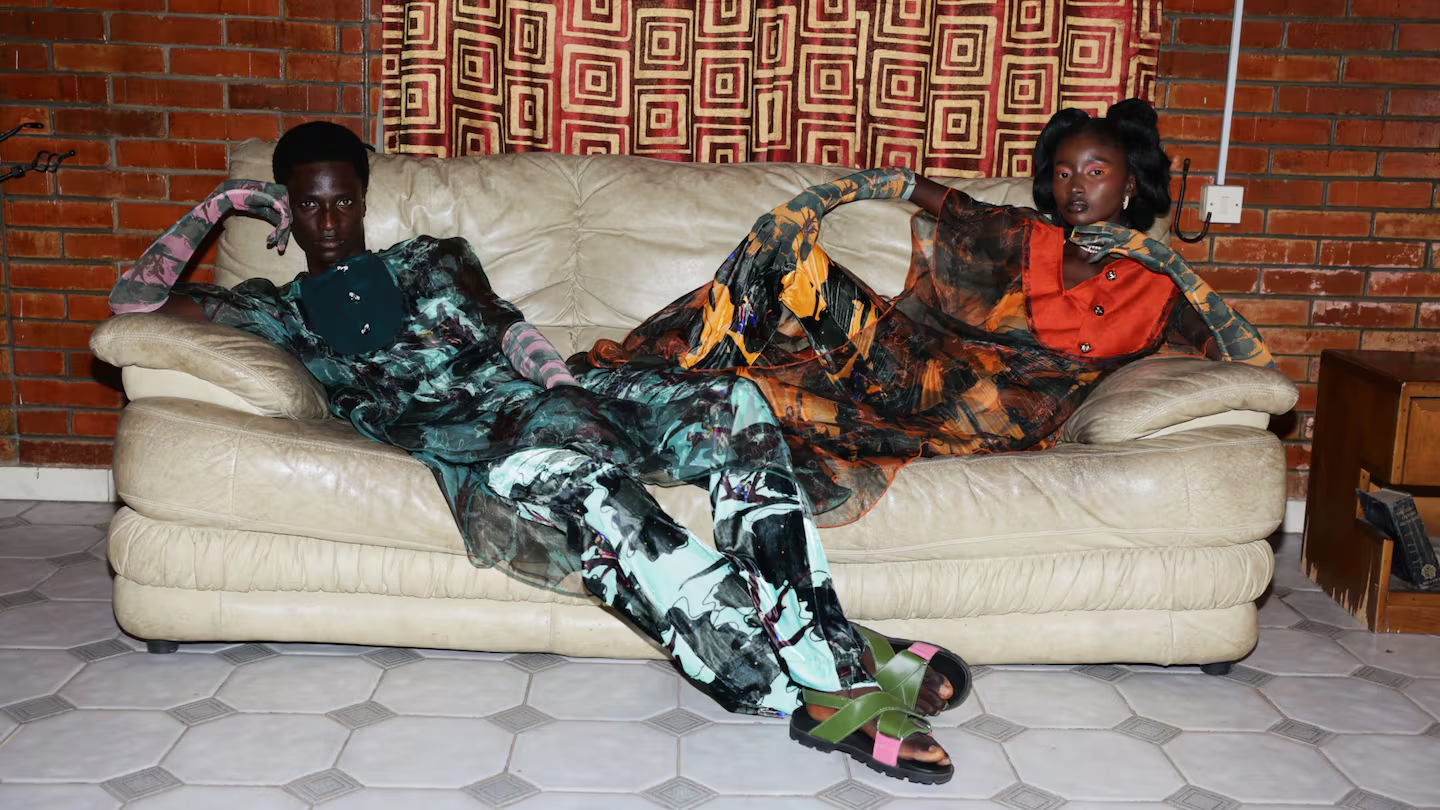
The question of belonging should not be reduced to better individual budgeting.
Suppose someone feels that participation requires a new outfit; telling them to spend less addresses the purchase but leaves the expectation unexamined. It is also worth asking who established that expectation and whether it is actually shared.
A useful distinction is between dressing for an occasion and buying for an occasion—the first concerns what someone wears. The second assumes what they already own isn’t enough.
This article does not establish that the students’ social groups exclude people for repeating clothes. It does suggest a question worth asking before making another purchase: has something new been requested, or has newness become a requirement in my own mind?
Personal style should not have to prove independence from every influence. Clothes are social, and enjoying that exchange is part of their appeal. But participation should leave space for different budgets, repeated outfits and decisions not to buy.
The Omiren Argument
The problem is not wanting to look good. It is allowing purchasing power to become an unofficial measure of who deserves to feel comfortable in a room. Fashion coverage should make room for pleasure without presenting constant acquisition as the price of participation, and a wardrobe is not inadequate simply because it does not reproduce every look its owner admires.
The four students’ accounts do not supply one correct approach to dressing. Their value lies in their differences, and in the reminder that influence does not remove choice. Belonging should not depend on whether someone can afford the next outfit.
ALSO READ
- Why Clothing Still Signals Status in a World That Claims It Doesn’t.
- Who Defines Fashion Taste? The Hidden Power Behind What We Call “Good Style”.
- Fashion and Ritual: How Celebrations Shape African Style Practices.
- Lagos Fashion Market Report 2026: Retail, Price Points and Growth Categories.
Frequently Asked Questions
Does following a trend mean someone is giving in to peer pressure?
Not necessarily. Someone can genuinely enjoy a style they first encountered through friends. Among the students in this article, Adeyemi describes feeling pressure, while Ady and Esther emphasise personal preference. The distinction depends on a person’s reasons for buying, not simply on how popular an item is among those around them.
Does this article show that fashion pressure causes financial hardship?
No. It does not contain spending records, debt figures or evidence of missed essential payments. It examines the motivations students reported and the financial boundaries they described, alongside research identifying monthly allowances, second-hand shopping, self-esteem and peer pressure as factors in clothing consumption among one group of Nigerian undergraduates.
Can these four accounts represent young Nigerians generally?
No. They offer four perspectives from one university. The University of Uyo research concerns 389 female undergraduates at a single institution, and the Nigerian sample in Duh and Iyiola’s study numbered 272 young adults. Neither the interviews nor the research should be presented as a national measure of how young Nigerians dress or spend.
How can someone tell whether they want an outfit or feel pressured to buy it?
One useful test is to ask where the expectation came from. Did a host or invitation request a particular outfit, or is it a prediction about what others will wear? Another is to ask whether the item would still appeal if nobody else owned it. Pressure tends to rest on comparison; preference tends to survive without it.