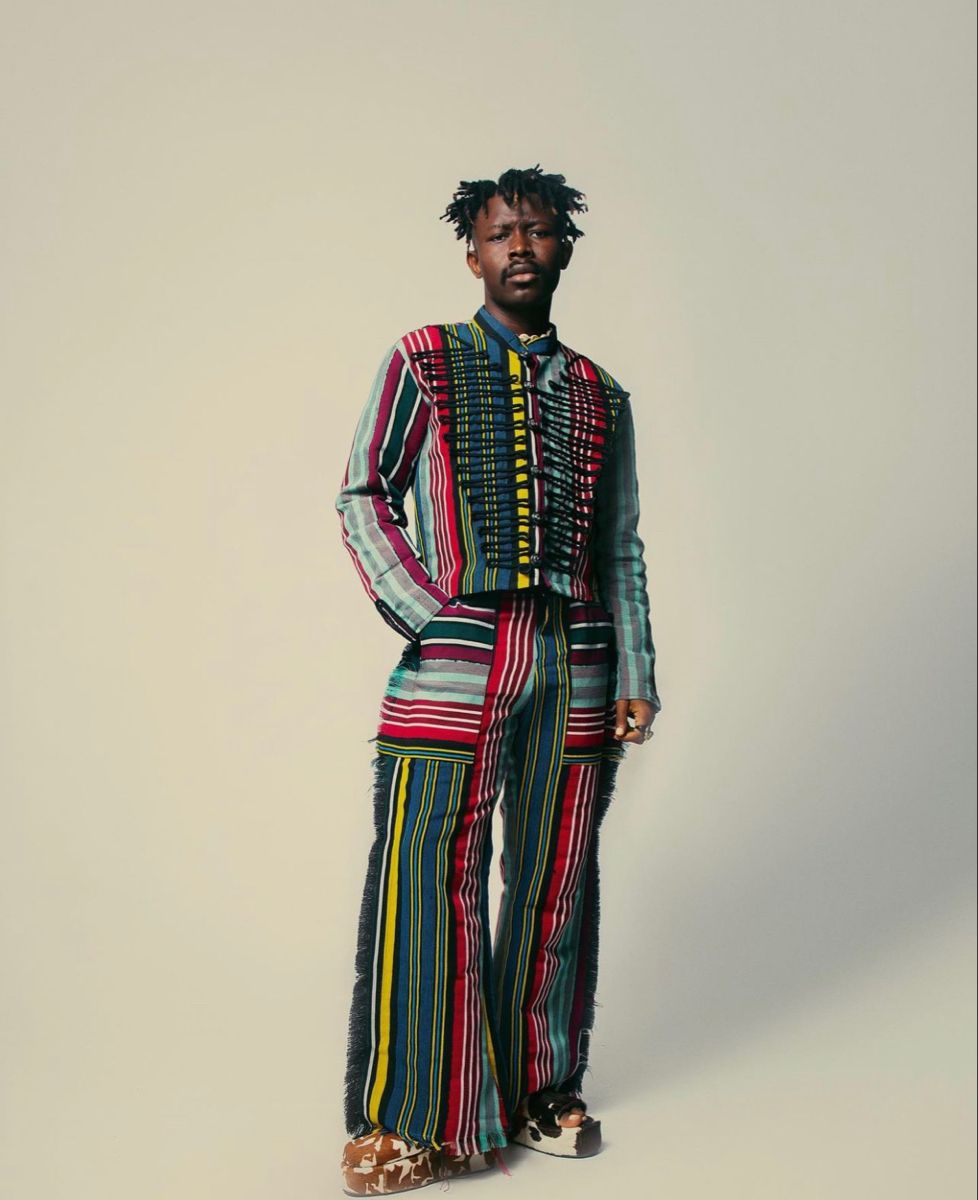
Every December, Lagos becomes legible to the world.
Pop-ups appear across Victoria Island. Brands activate. Influencers document. Visitors arrive with cameras and expectations. What gets captured is a version of Lagos fashion that is loud, visible, and ready for export. It is structured for attention.
By January, that version recedes.
What remains is harder to document and easier to ignore. It is not built for visitors. It is not organised around events. It happens in neighbourhoods, in markets, in everyday movement across the city. And yet, this is where Lagos fashion is actually being built.
The Omiren argument is direct: the real Lagos fashion story is not Detty December. It is what Lagosians wear after it ends.
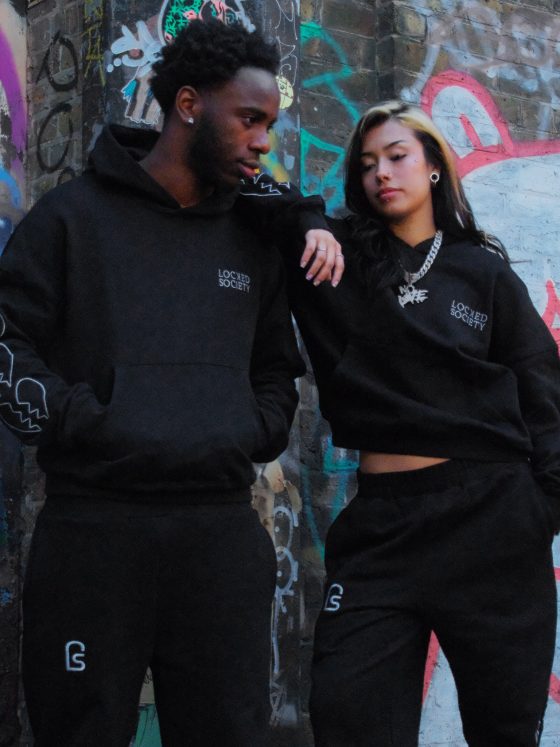
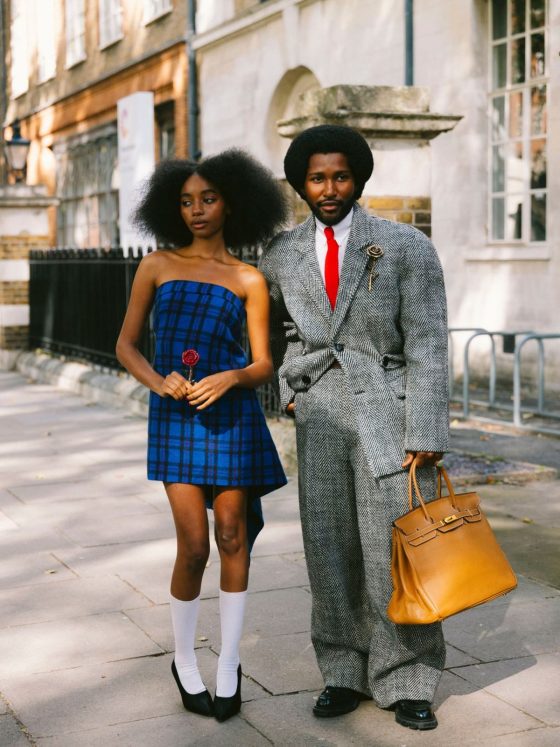
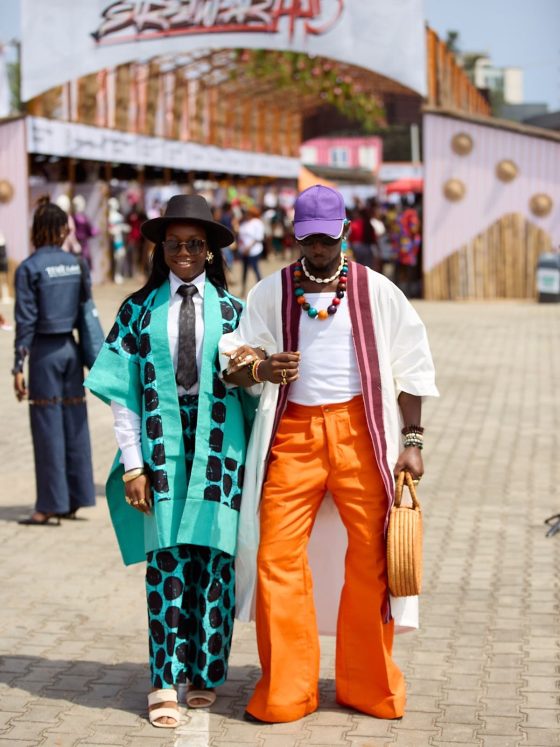
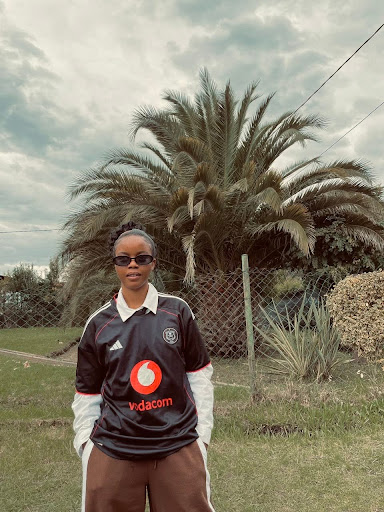
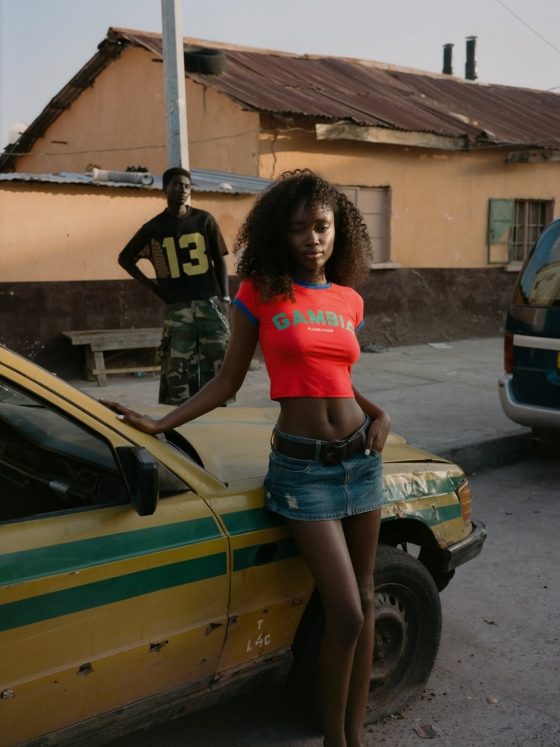
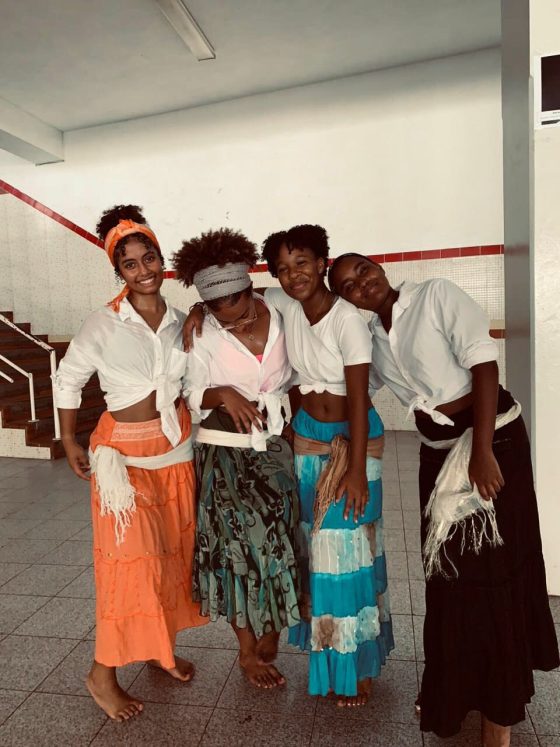
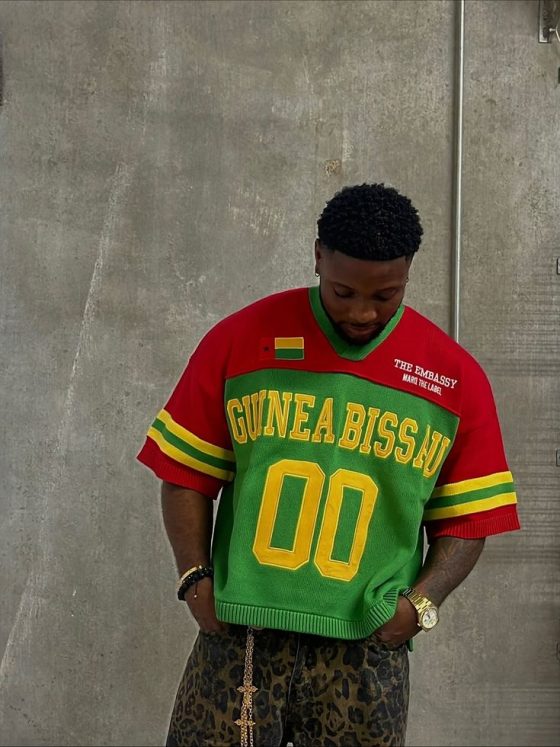
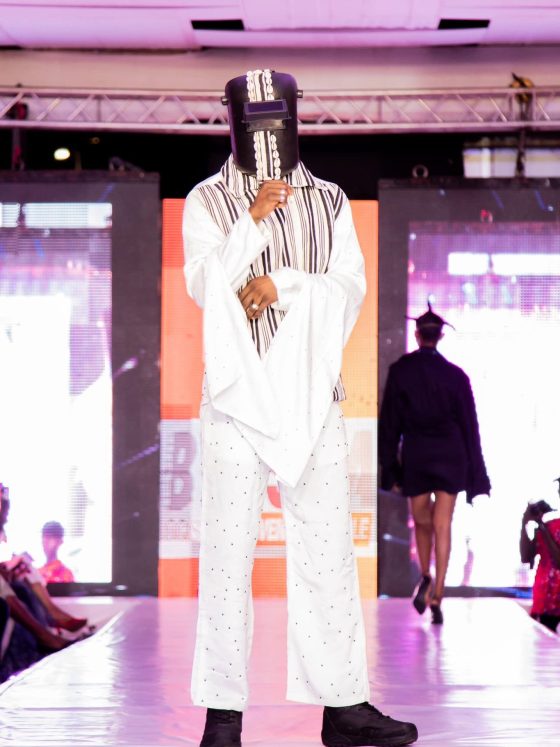
Lagos street style in 2026 shows what youth built after Detty December. Beyond parties, everyday dressing reveals the real fashion system.
Detty December as Infrastructure, Not the Main Event
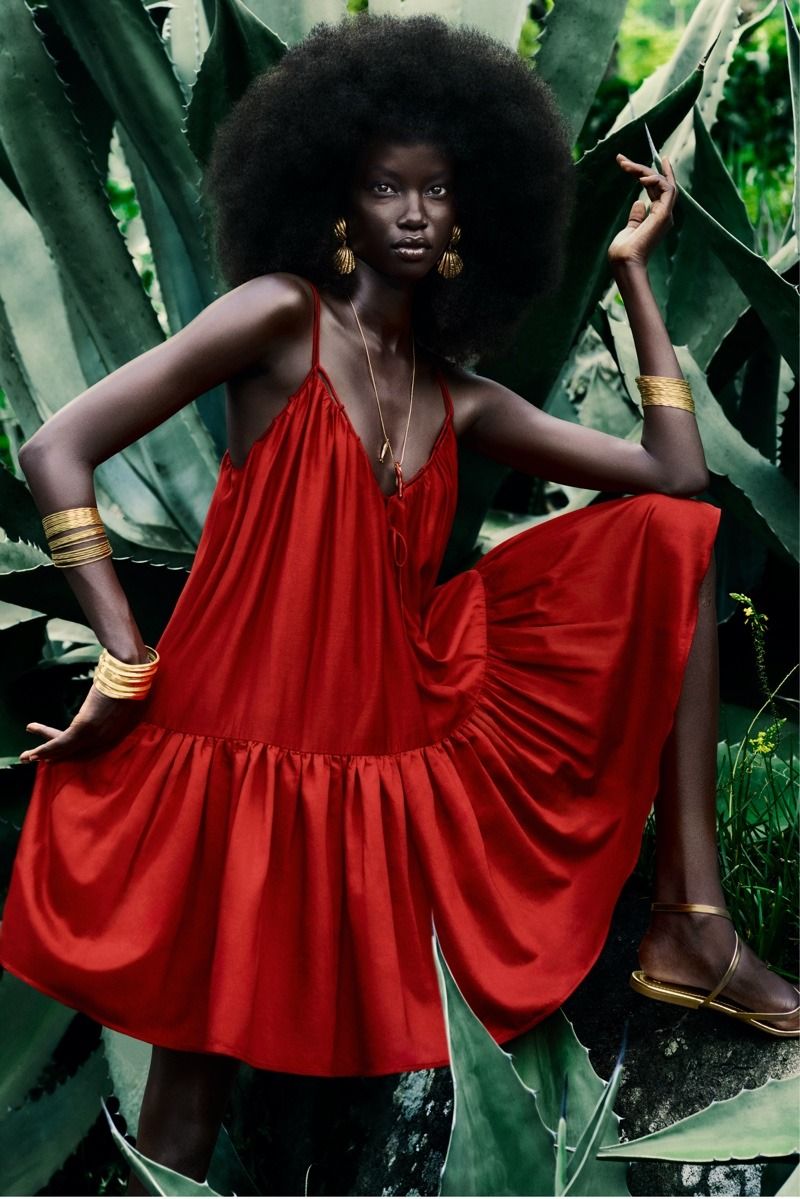
Detty December is often described as a celebration. That description misses its structural role.
Over the past decade, December has functioned as an economic engine for Lagos fashion. It concentrates attention, capital, and visibility into a short period. Designers release collections timed to the influx of diasporic spending. Stylists, photographers, and vendors operate at full capacity. The city becomes a temporary marketplace where fashion is both product and performance.
This concentration matters. It creates momentum. It introduces new brands to wider audiences. It sets visual trends that circulate quickly through social media.
But it is still a moment. Not a system.
Once the season ends, the infrastructure it activates does not disappear. It disperses. And in that dispersal, something more stable begins to take shape.
Post-Season Lagos: Where Style Detaches from Performance
After December, the pressure to perform drops. There are fewer cameras, fewer curated events, and fewer expectations to dress for an external gaze.
This is where Lagos street style becomes clearer.
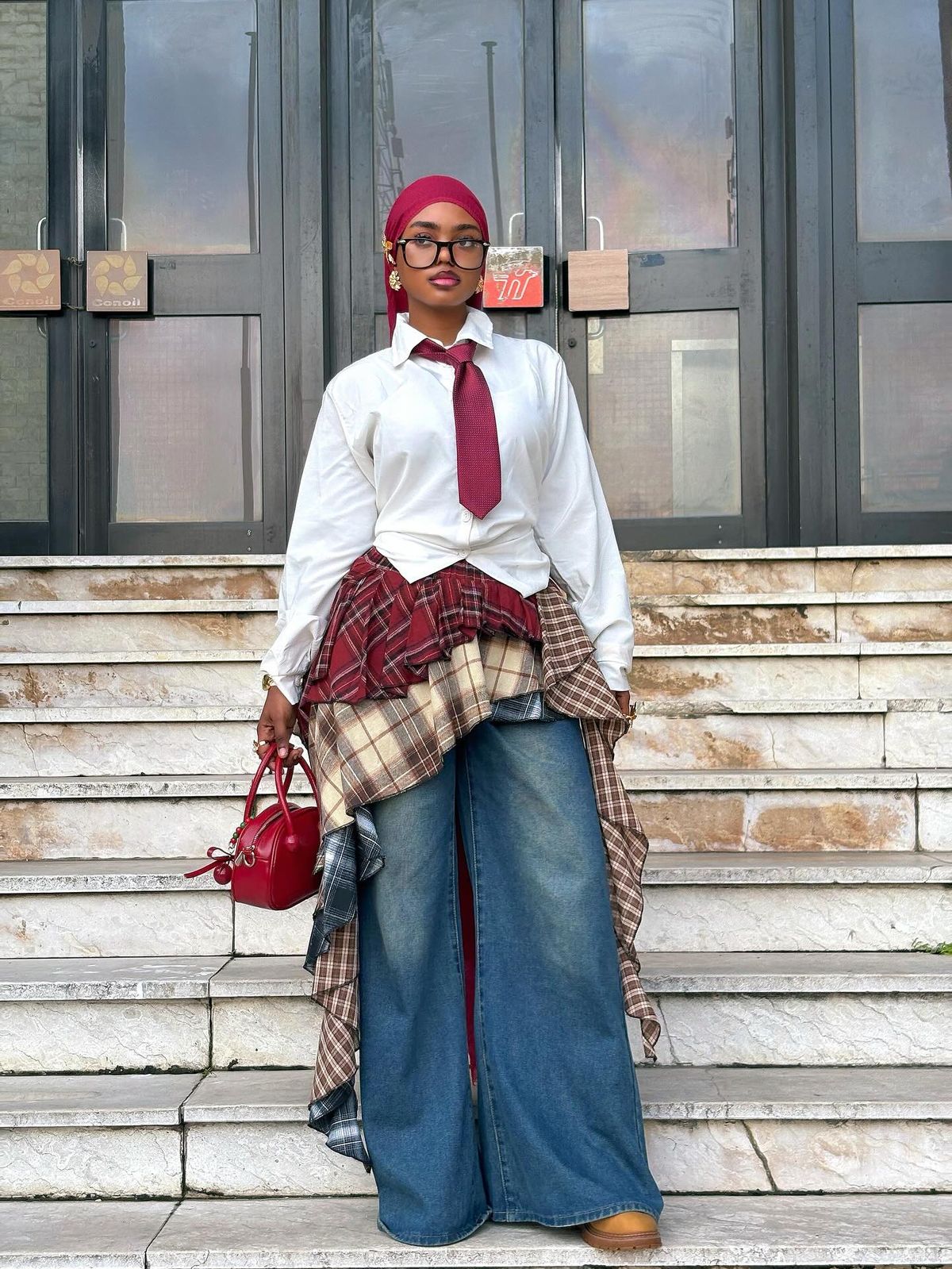
In areas like Yaba, Surulere, and parts of the mainland, what people wear is not assembled for documentation. It is assembled for movement through the city. Outfits are shaped by heat, by transport, by cost, by access to tailors and thrift markets. But they are also shaped by taste, by peer influence, and by the desire to stand out within a familiar environment.
The result is a form of dressing that is less exaggerated but more precise. Proportions are considered. Layering responds to climate rather than trend cycles. Pieces are repeated, altered, restyled.
This is not the absence of creativity. It is a different kind of discipline.
The Youth as System Builders, Not Just Trend Participants

Lagos youth are often described as trend-driven. That framing positions them as consumers of fashion rather than as producers of it.
What is happening on the ground suggests something else? Young people across the city are building a street style ecosystem that operates independently of formal fashion structures. Thrift markets supply raw material. Local tailors modify and personalise garments. Digital platforms extend visibility beyond immediate neighbourhoods, but the primary audience remains local.
This system does not rely on seasonal collections. It relies on circulation. A pair of trousers might be thrifted in Yaba, adjusted by a tailor in Mushin, styled differently across multiple outings, and then resold or exchanged. Value is extracted at each stage, not through branding, but through use.
This is where Lagos differs from many global fashion capitals. The line between consumer and designer is less rigid. Style is produced through interaction, not delivered from a central authority.
Markets, Tailors, and the Economics of Everyday Style
To understand Lagos street fashion, you have to look at its physical infrastructure.
Markets like Yaba Market and Katangua Market function as entry points. They provide access to secondhand clothing that can be reworked into new forms. These spaces are not just commercial. They are sites of selection, where individuals develop an eye for potential rather than the finished product.
Tailors extend that process. Unlike in many Western contexts where tailoring is reserved for formal wear, in Lagos, it is integrated into everyday dressing. Adjustments are constant. Garments are reshaped to fit specific preferences, often in ways that reflect current street aesthetics rather than traditional cuts.
This combination creates flexibility. It allows style to evolve quickly without requiring a large financial investment. It also keeps production local, embedding fashion within the city’s economy rather than outsourcing it.
Digital Visibility Without External Validation
Social media plays a role in Lagos street style, but not in the way it is often assumed.
Platforms like Instagram and TikTok amplify certain looks, especially during December. But outside that period, digital visibility becomes more fragmented.
Content is produced, but it is not always aimed at global audiences. It circulates within local networks, shaping taste at a smaller scale. Trends emerge within friend groups, campuses, and neighbourhoods before they are picked up more widely.
This creates a layered system of influence. Not everything is designed to go viral. Some styles remain specific to particular contexts, resisting the flattening effect of global trend cycles.
READ ALSO:
- BUZIGAHILL: The Ugandan Label Shaping Global Upcycling
- Loza Maléombho: Redefining African Fashion for the Global Stage
Africa as Subject: Refusing the External Frame
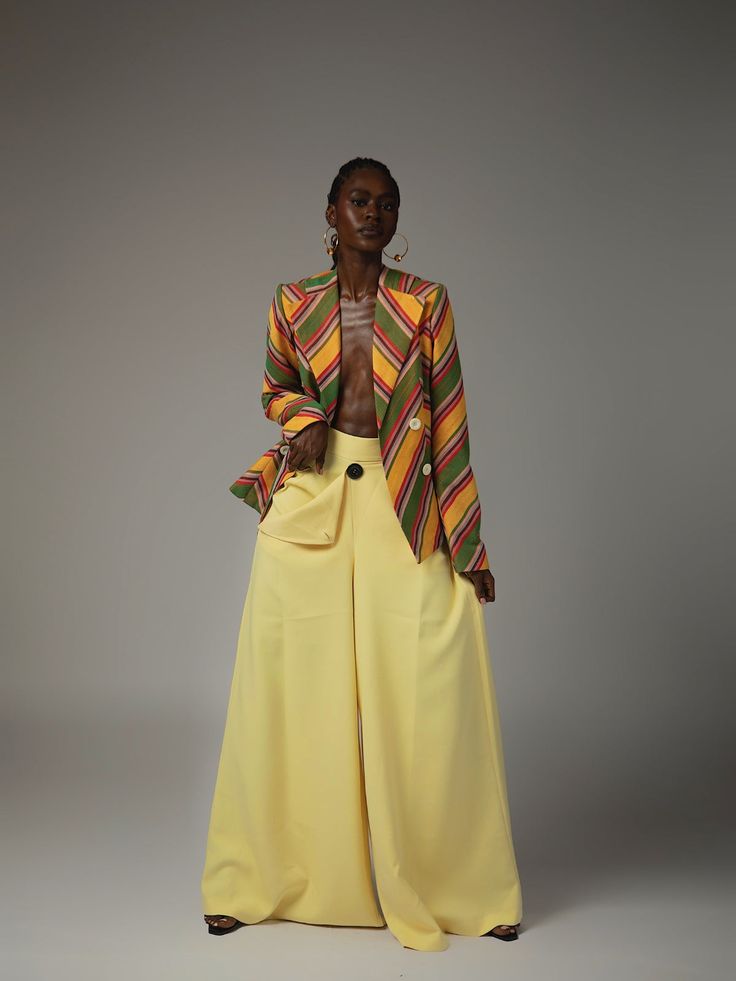
Most international coverage of Lagos fashion still follows a familiar pattern. It focuses on moments that are easy to access and easy to package. December fits that requirement. Street style, in its everyday form, does not.
The result is a gap. Lagos is visible, but selectively. What is shown is what aligns with external expectations. What is left out is the ongoing process through which fashion is actually produced within the city.
The Omiren position rejects that frame. Lagos is not a site of emerging potential waiting to be documented. It is an active system producing its own aesthetics, its own modes of circulation, and its own definitions of value. The youth operating within this system are not responding to global fashion. They are building something that exists alongside it, sometimes intersecting, often independent.
To centre Lagos as a subject means shifting attention from moments of visibility to structures of production.
After December: Where the Real Fashion Story Holds
Detty December will continue to grow. It will attract more attention, more investment, and more documentation. It will remain important.
But it is not where Lagos fashion stabilises.
The months that follow, when the city returns to its regular rhythm, reveal something more durable. They show how style is maintained without spectacle, how trends are adapted to everyday life, and how a fashion system can operate without constant external validation.
This is where the argument settles.
If you want to understand Lagos fashion in 2026, you do not start with the parties. You start with the streets after they end. Because that is where the youth are not just wearing clothes but building a system that holds.
FAQs
- What defines Lagos street style in 2026?
Lagos street style in 2026 is shaped by youth culture, thrift fashion, tailoring, and everyday dressing, rather than by major events like December festivities.
- Why is Detty December important to Lagos fashion?
Detty December drives visibility, spending, and brand activity, but it represents only a short-term peak in a larger fashion system.
- Where do Lagos youths source their street style pieces?
Many sources from markets like Yaba Market and Katangua Market, then customise through local tailoring.
- How do social media platforms influence Lagos street fashion?
Platforms like Instagram and TikTok amplify trends, but many styles circulate locally before gaining wider attention.
- What is the real Lagos fashion story according to this article?
The real story is the everyday street style Lagosians build after December, where fashion functions as a continuous, local system rather than a seasonal spectacle.