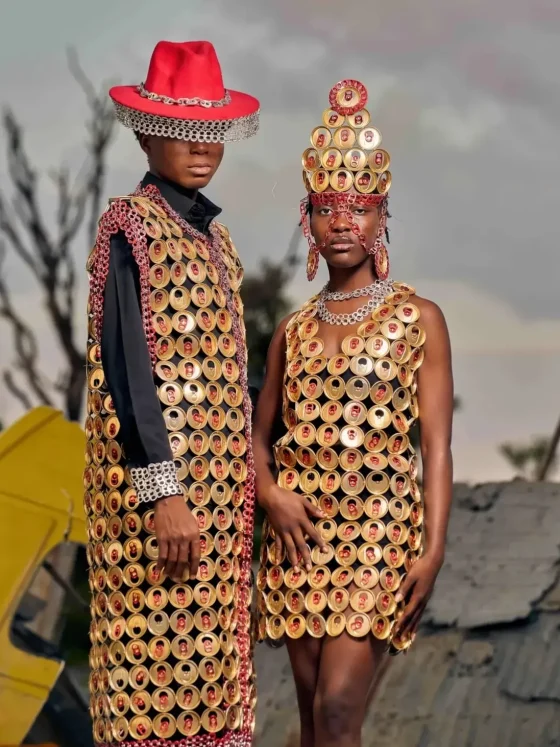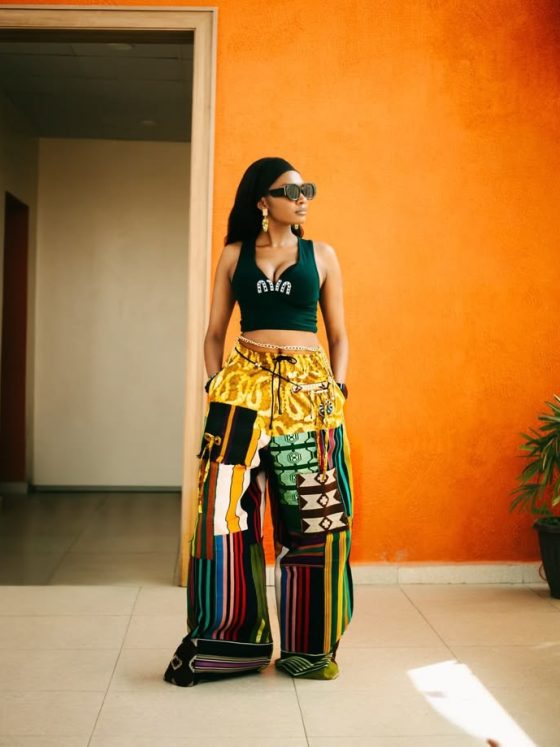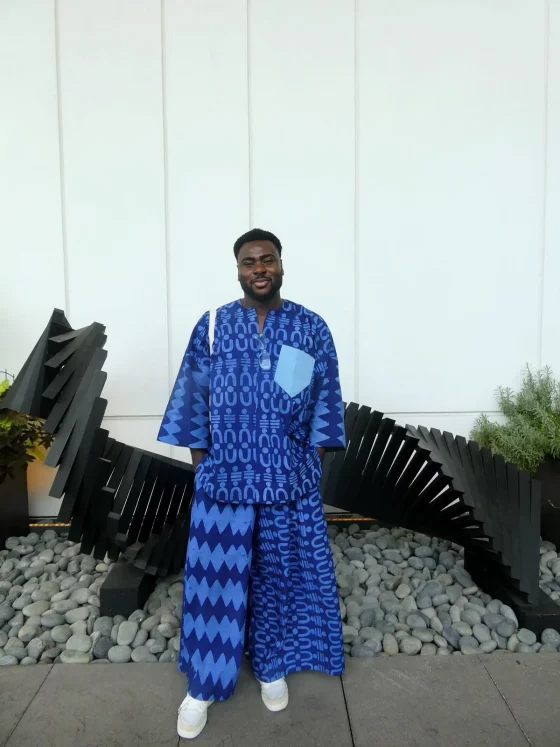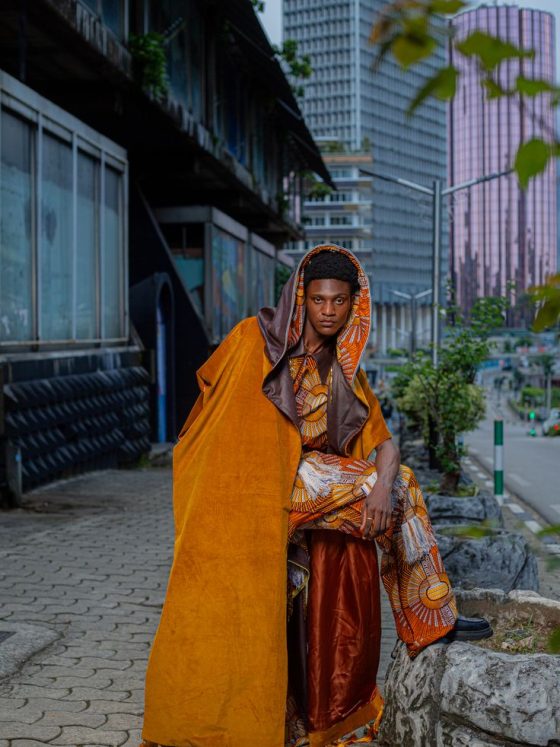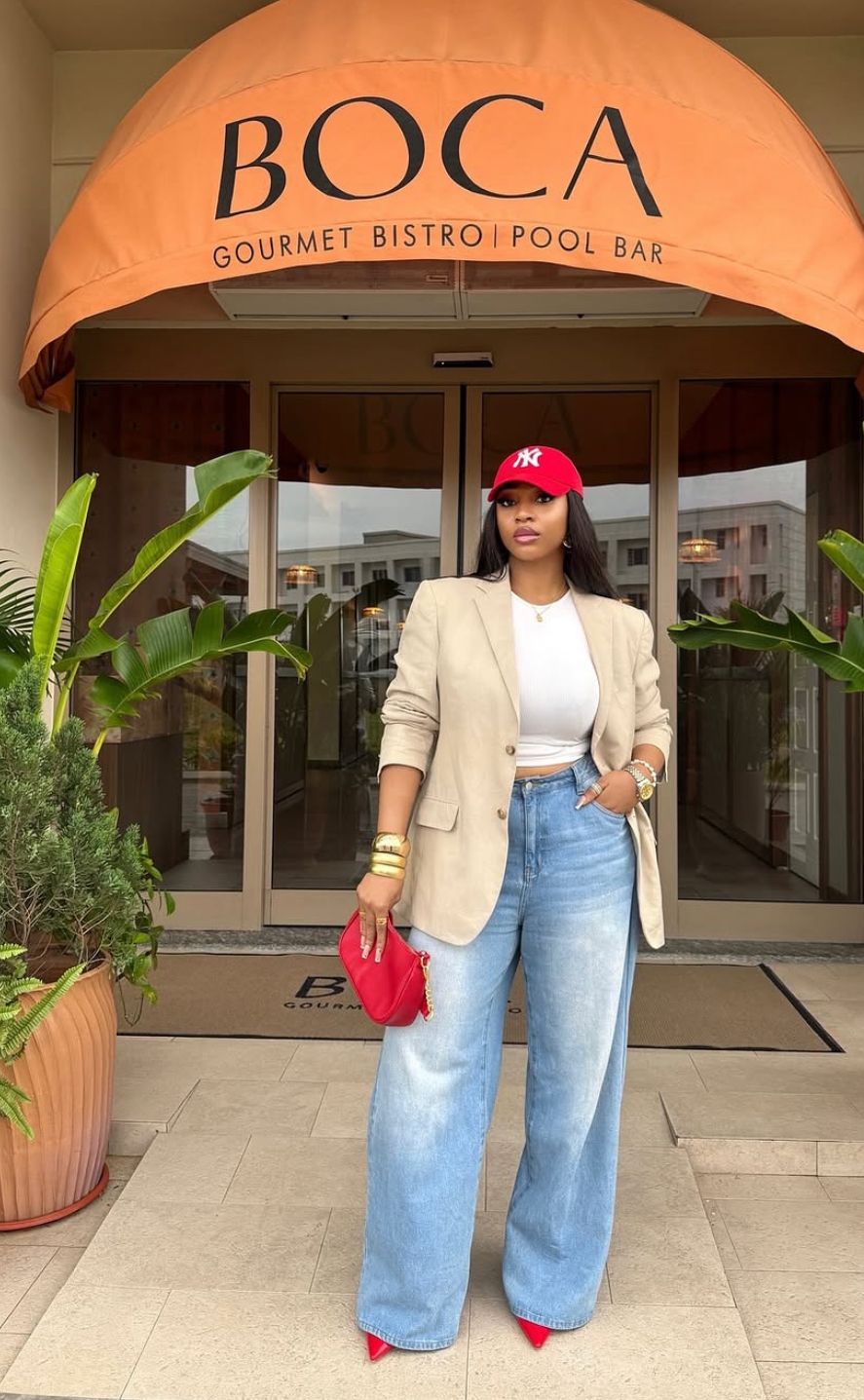
You can always tell when someone is dressed well. But what is harder to explain is why some people feel resolved in what they wear, while others feel like they are trying things on.
That difference is not taste. It is time.
Personal style is often treated like a destination. Find your colours. Pick your aesthetic. Build a wardrobe. But that thinking reduces something deeply human into a checklist. Style is not a formula. It is a record.
It carries where you have been, what you have outgrown, and what you are still negotiating. In cities like Lagos, where clothing moves between survival, celebration, and status, style is not just visual. It is a social language.
Personal style takes time because identity, culture and memory shape how women dress, express power and define themselves across changing life stages.
Style Develops Because Identity Is Always Shifting
No one has a fixed identity, so no one can have a fixed style.
A woman can be one version of herself at home, another at work, and another at a wedding. These are not contradictions. They are layers. In Nigeria, this is evident in the way wardrobes stretch across realities. Ankara for familiarity. Structured workwear for access. Aso-ebi for belonging.
Each choice answers a different question: Who are you here
This is why style cannot be rushed. It must wait for identity to settle, and identity rarely stays still.
It Takes Time to Separate Taste From Influence
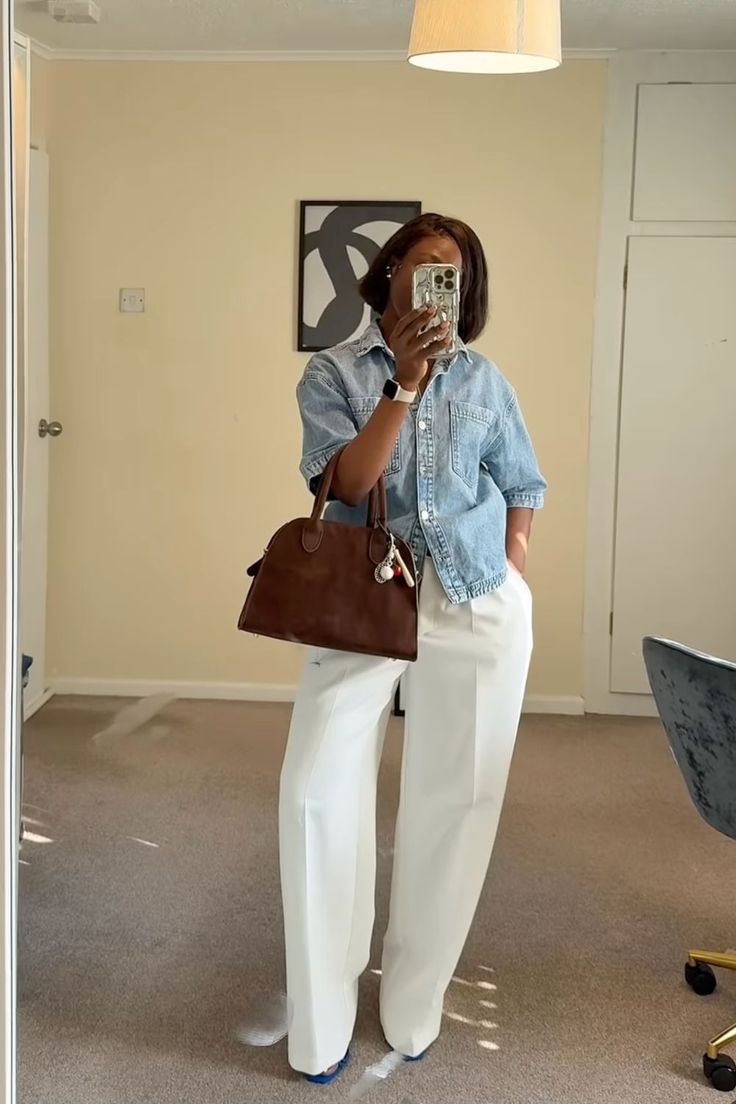
Most people do not start from a blank slate. They inherit taste before they develop it.
Family expectations, religion, school environments, and media all shape early choices. Then global fashion enters the picture, often presenting a narrow idea of what is considered refined or modern.
For many African women and those in the diaspora, there is an added layer—the pressure to appear polished globally while remaining culturally legible at home.
This creates tension. You may like something but question if it is appropriate, respectable, or understood.
Personal style begins when that tension is examined rather than avoided. That process takes time because it requires unlearning.
Trial and error is not confusion; it is a method.
What looks like inconsistency is often research.
Trying different silhouettes, colours, or aesthetics is how people gather information about themselves. Over time, patterns begin to form. You notice what you return to, what you avoid, and what makes you feel present.
These patterns are not random. They are shaped by memory.
Clothing is tied to moments. A dress that reminds you of confidence. A look that made you feel invisible. These experiences quietly guide future choices.
Style, then, is not just a matter of preference. It is memory edited into form.
The Body Must Agree With the Image
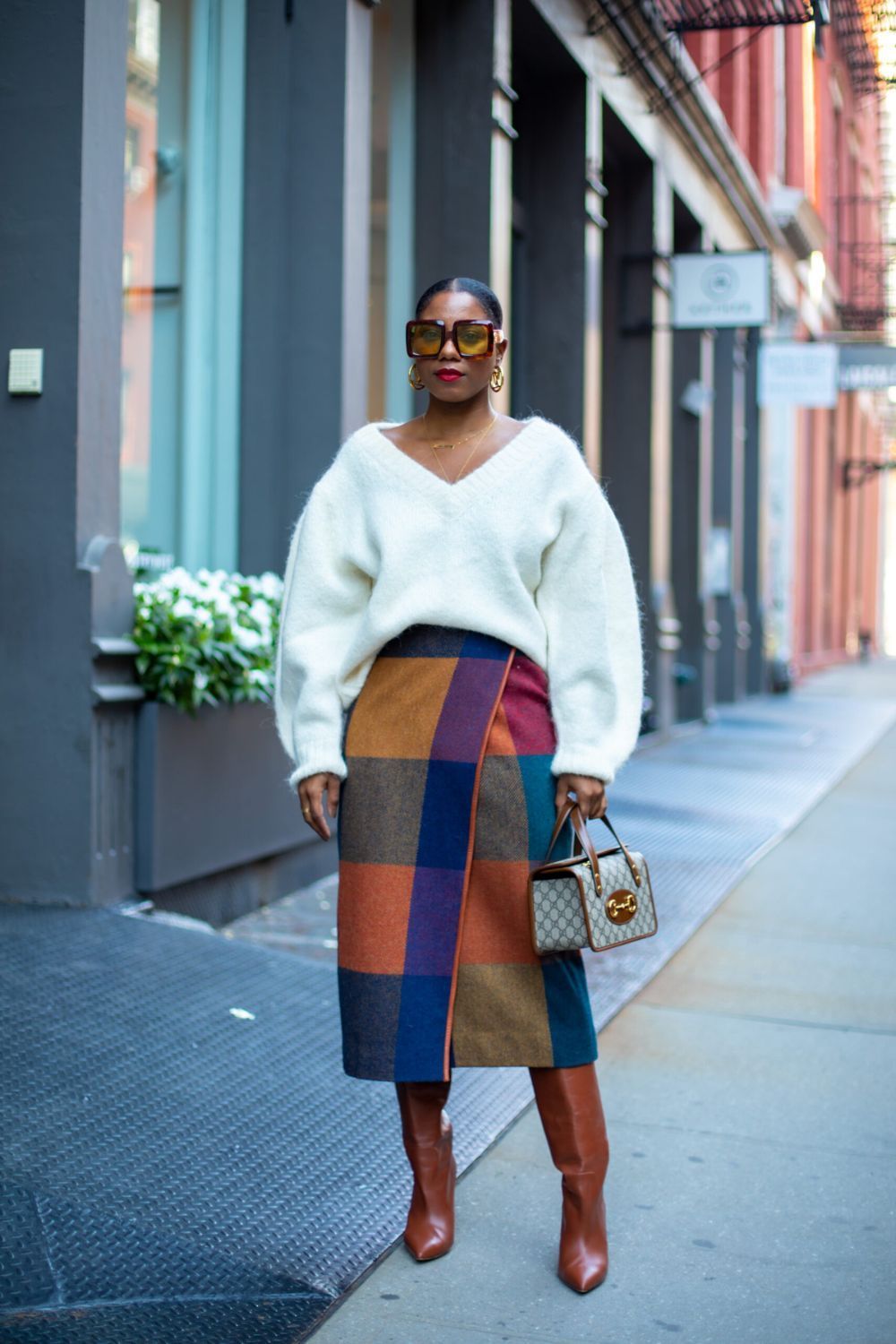
One of the most overlooked parts of personal style is how it feels, not how it looks.
An outfit can be visually impressive and still feel wrong. When that happens, it shows in posture, movement, and presence. This is because clothing does not just communicate outward. It also shapes how you experience yourself.
Learning what aligns with your body takes time. Not just in terms of fit, but in comfort, movement, and confidence.
This is especially important for women, whose bodies are constantly policed and interpreted. Choosing what to wear becomes a negotiation between expression and expectation.
Style matures when that negotiation becomes intentional.
Consumption Slows Clarity
Modern fashion culture encourages constant buying, but more options do not create better style.
In many cases, they create noise.
When you rely on trends to guide your wardrobe, you delay the process of self-observation. You react instead of reflect. This makes the style feel unstable because it is built on external cues.
There is a reason older wardrobes often feel more defined, not because of age, but because of editing. Pieces are kept for meaning, not novelty.
Historically, African fashion practices were rooted in reuse, adaptation, and continuity. Garments carried stories and were styled across occasions.
Seen this way, personal style is not about accumulation. It is about recognition.
Read Also:
Style Is a Form of Social Positioning
Clothing does not exist outside society. It signals where you stand and where you want to go.
In Lagos, what you wear can communicate ambition, access, or restraint. In diaspora spaces, it can signal assimilation or cultural pride.
For women, this becomes more complex. Style intersects with respectability, safety, and perception. Hair alone can shift how a woman is treated in professional or social settings.
This is why style takes time. You are not just choosing clothes. You are deciding how you want to be read in the world.
That decision carries weight.
Why This Matters Beyond Fashion
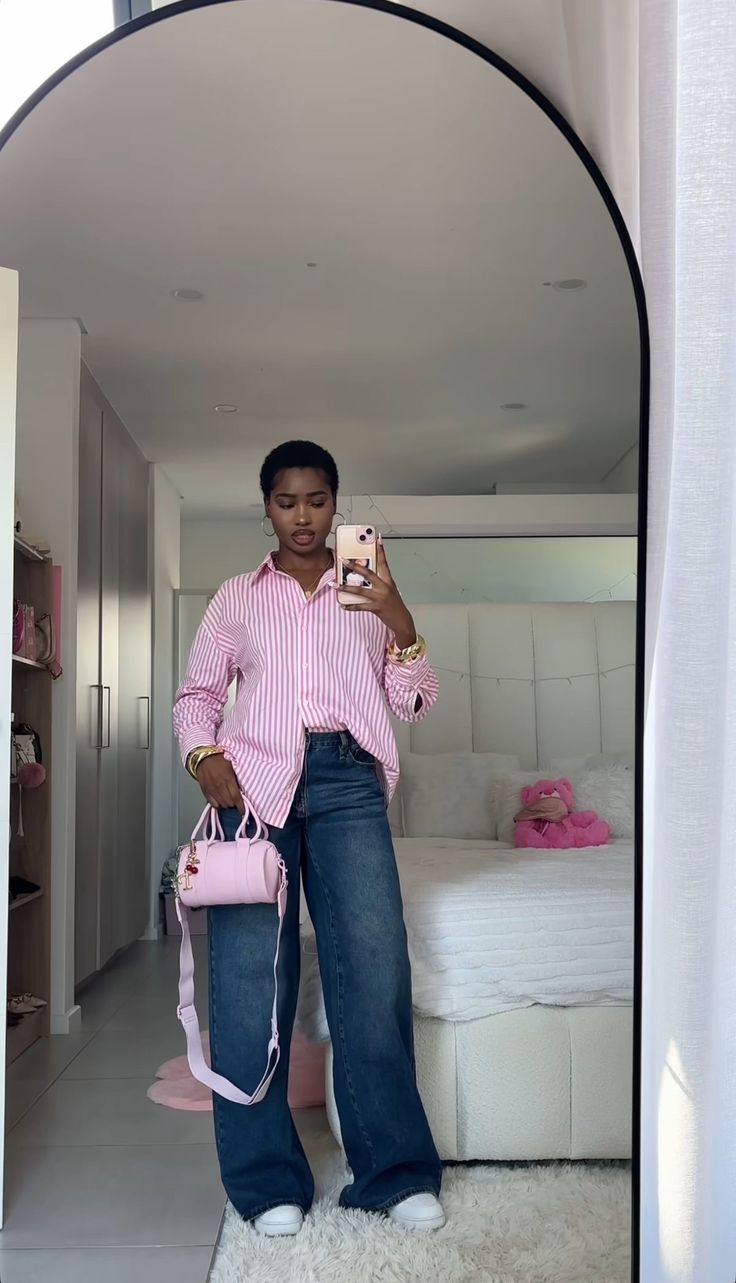
Personal style is often dismissed as superficial, but it is deeply connected to autonomy.
To dress with clarity is to understand yourself enough to make consistent choices. It reflects confidence, but also awareness of context.
For women building careers, navigating different environments, and asserting presence, style becomes a tool, not for decoration, but for alignment.
It allows you to show up as someone defined, not someone still searching for approval.
Conclusion
Personal style takes time because it is built from things that cannot be rushed.
Identity must evolve. Experience must accumulate. Memory must settle.
What you wear eventually becomes a language you speak without thinking. But before that, it is something you learn slowly, through choices that work and choices that do not.
Style is not something you find once and keep forever. It is something you return to, refine, and carry forward.
When it finally feels right, it is not because you followed a system. It is because you understand yourself well enough to be consistent.
FAQs
1. Why does it feel like everyone else has style except me
What you are seeing is not instant clarity. It is often years of trial that you did not witness.
2. Can personal style be developed intentionally
Yes, but it requires observation and patience, not just inspiration.
3. How do I know when I have found my style
When your choices feel consistent across different settings without forcing it.
4. Does culture influence personal style
Strongly. Culture shapes what feels natural, acceptable, and expressive.
5. Is personal style important beyond appearance
Yes. It affects your confidence, perception, and the way you move through different social spaces.