Menu
  • DIASPORA
    • Diaspora Voices
    • UK Scene
    • US Scene
    • Caribbean Diaspora
    • Afro-Latino Identity
    • Migration & Identity
  • CULTURE
    • Style & Identity
    • Black Culture
    • Heritage Stories
    • Ceremony & Ritual
    • Art & Music
    • Cultural Inspirations
  • FASHION
    • Trends
    • Street Style
    • Runway
    • Sustainable Fashion
    • Tailoring
    • Luxury Fashion
  • INDUSTRY
    • Editorial Intelligence
    • Market Trends
    • Brand Strategy
    • Retail & Commerce
    • Partnerships
    • Reports
      • Omiren Style Index
    • Insights
  • BEAUTY
    • Skincare
    • Makeup
    • Hair & Hairstyle
    • Fragrance
    • Beauty Traditions
    • Natural Beauty
  • MEN
    • Men’s Style
    • Grooming Traditions
    • Traditional & Heritage
    • The Modern African Man
    • Menswear Designers
  • WOMEN
    • Women’s Style
    • Evening Glam
    • Workwear & Professional
    • Streetwear for Women
    • Accessories & Bags
    • Bridal
  • NEWS
    • Cover Stories
    • Fashion Weeks
    • Opinion & Commentary
    • Style Icons
    • Rising Stars
  • DIRECTORY
    • Designers
    • Brands
    • Boutiques
    • Stylists
    • Models
    • Photographers
    • Creative Teams
    • Events
    • Production
    • Materials & Suppliers
Subscribe
OMIREN STYLES OMIREN STYLES

Fashion · Culture · Identity

OMIREN STYLES OMIREN STYLES OMIREN STYLES OMIREN STYLES
  • DIASPORA
    • Diaspora Voices
    • UK Scene
    • US Scene
    • Caribbean Diaspora
    • Afro-Latino Identity
    • Migration & Identity
  • CULTURE
    • Style & Identity
    • Black Culture
    • Heritage Stories
    • Ceremony & Ritual
    • Art & Music
    • Cultural Inspirations
  • FASHION
    • Trends
    • Street Style
    • Runway
    • Sustainable Fashion
    • Tailoring
    • Luxury Fashion
  • INDUSTRY
    • Editorial Intelligence
    • Market Trends
    • Brand Strategy
    • Retail & Commerce
    • Partnerships
    • Reports
      • Omiren Style Index
    • Insights
  • BEAUTY
    • Skincare
    • Makeup
    • Hair & Hairstyle
    • Fragrance
    • Beauty Traditions
    • Natural Beauty
  • MEN
    • Men’s Style
    • Grooming Traditions
    • Traditional & Heritage
    • The Modern African Man
    • Menswear Designers
  • WOMEN
    • Women’s Style
    • Evening Glam
    • Workwear & Professional
    • Streetwear for Women
    • Accessories & Bags
    • Bridal
  • NEWS
    • Cover Stories
    • Fashion Weeks
    • Opinion & Commentary
    • Style Icons
    • Rising Stars
  • DIRECTORY
    • Designers
    • Brands
    • Boutiques
    • Stylists
    • Models
    • Photographers
    • Creative Teams
    • Events
    • Production
    • Materials & Suppliers
  • Fashion

Why Getting Dressed Still Matters in an Age of Digital Identity

  • Fathia Olasupo
  • April 2, 2026
Why Getting Dressed Still Matters in an Age of Digital Identity
Total
0
Shares
0
0
0

There was a time when getting dressed was primarily about real life, where you were going, who you were seeing, and how you wanted to be perceived in physical spaces. Today, that purpose has shifted.

Clothing is no longer just worn. It is documented, curated, and distributed.

Platforms like Instagram and TikTok have transformed outfits into content. A look is no longer complete when you step out; it is complete when it is posted, liked, and shared.

This shift has quietly redefined style. Many people now dress not only for their day, but for their audience.

In a world shaped by social media, does real-life dressing still matter? Explore how personal style holds power beyond digital identity.

Dressing for the Camera vs Dressing for Life
Dressing for the Camera vs Dressing for Life

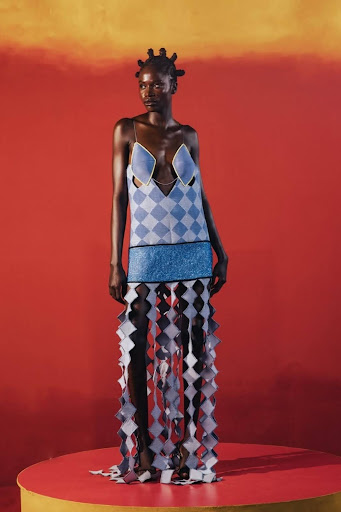
There is a growing difference between outfits designed for visibility and those designed for living.

Clothes created for the camera often prioritise:

  • visual impact over comfort
  • bold styling over practicality
  • novelty over repetition

You see this clearly with global influencers and celebrities. Kim Kardashian, for example, has built entire fashion moments around visual impact, structured silhouettes, monochrome statements, and pieces designed to photograph well, even if they are not practical for everyday life.

On the other hand, someone like Zendaya, particularly in collaboration with Law Roach, balances spectacle with narrative. Her public appearances are intentional, but they still feel connected to identity and storytelling, not just visibility.

This distinction matters. One approach is about being seen. The other is about being understood.

The Pressure to Perform Style

Social media has introduced a subtle but constant pressure: the need always to appear styled.

  • Outfits are expected to be new
  • Repetition is often avoided
  • Simplicity can feel underwhelming online

This creates a cycle in which clothing is consumed quickly rather than lived in.

For many young Africans and diaspora creatives, this pressure is even more layered. There is a desire to represent well, to appear polished, global, and culturally aware. But there is also the reality of navigating everyday life, commuting, working, building, and growing.

The result is a tension between performative style and functional dressing.

What Gets Lost in Digital Dressing
What Gets Lost in Digital Dressing

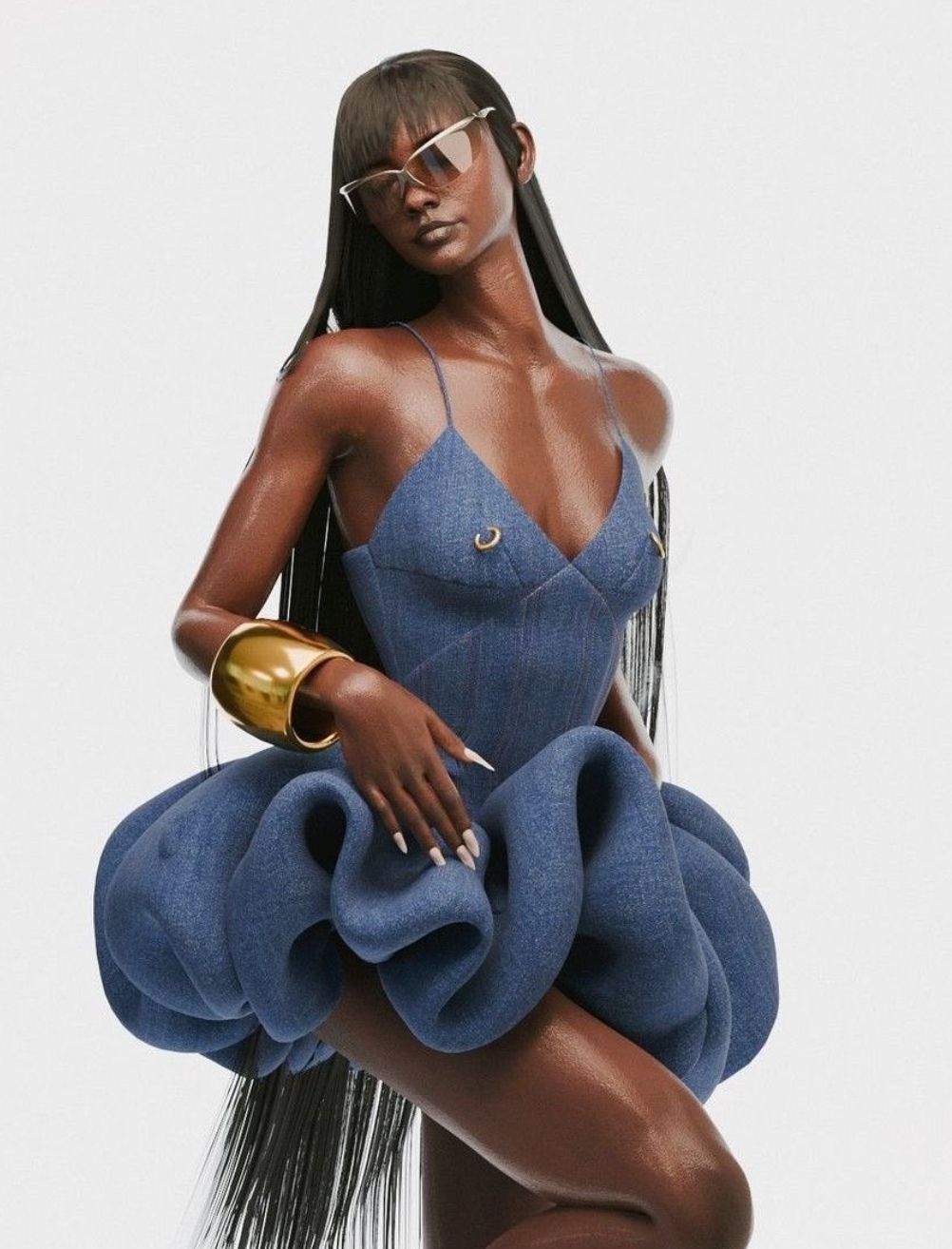
When style becomes primarily digital, certain things begin to disappear:

  1. Relationship with clothing: Clothes are no longer worn repeatedly enough to build familiarity. They become temporary, tied to a single post or moment.
  2. Understanding of fit and comfort: If an outfit only needs to look good for a photo, how it feels over time becomes less important.
  3. Personal rhythm: Style loses consistency. Instead of developing a recognisable identity, wardrobes become reactive and constantly shifting.
  4. Cultural depth: When the goal is visibility, the meaning behind clothing heritage, craftsmanship, and context can be reduced to aesthetics alone.

This is how style slowly moves from expression to performance.

Why Real-Life Dressing Still Holds Power

Despite all of this, physical presence still matters.

The way you dress in real life affects:

  • how you are perceived in professional spaces
  • how confidently you move through environments
  • How seriously do people take you?
  • How you relate to yourself

No number of online impressions can replace in-person impact.

A well-fitted outfit, worn with intention, communicates immediately without filters, edits, or captions. It reflects discipline, awareness, and clarity.

This is why many respected figures maintain strong real-life style identities. Designers like Virgil Abloh built influence not just through runway work, but through how they consistently showed up, bridging streetwear and luxury in a way that felt lived, not staged.

Similarly, creatives like Burna Boy use clothing both on and off stage to reinforce identity. His style is not only for performance; it carries through in everyday appearances, maintaining continuity between image and reality.

READ ALSO:

  • Why Clothing Still Signals Status in a World That Claims It Doesn’t
  • The Cultural Codes of Dressing Well: What Every Society Understands About Style and Respect

Balancing Digital Identity and Physical Presence
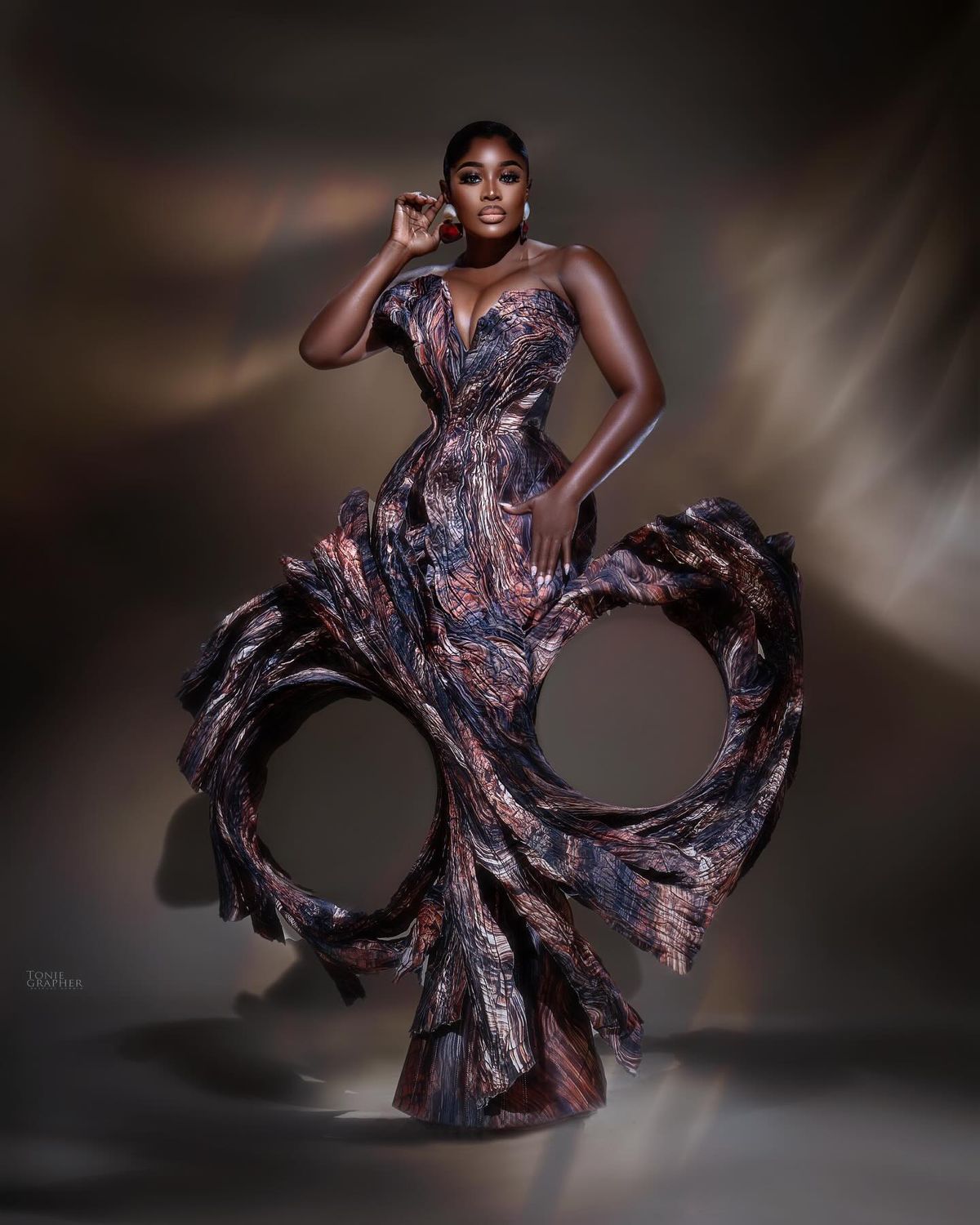
Balancing Digital Identity and Physical Presence


The goal is not to reject digital platforms. They are powerful tools for visibility, storytelling, and opportunity. The challenge is not to let them define your entire relationship with style.

A balanced approach looks like:

  • Dressing for your day first, not your feed
  • Allowing repetition so your style can develop depth
  • Choosing comfort and fit alongside visual appeal
  • Maintaining consistency between how you appear online and offline

When these align, your style becomes coherent rather than divided.

Reclaiming the Purpose of Getting Dressed

Getting dressed is still a daily act of self-definition. It shapes how you enter spaces, how you are received, and how you feel within yourself.

In a digital age, it is easy to forget that style is meant to be lived in, not just displayed.

The most compelling wardrobes today are not the most photographed ones. They are the ones that:

  • function across real situations
  • reflect consistent identity
  • adapt without losing clarity

They are worn repeatedly, adjusted over time, and understood deeply by the person wearing them.

The Quiet Shift Back to Reality
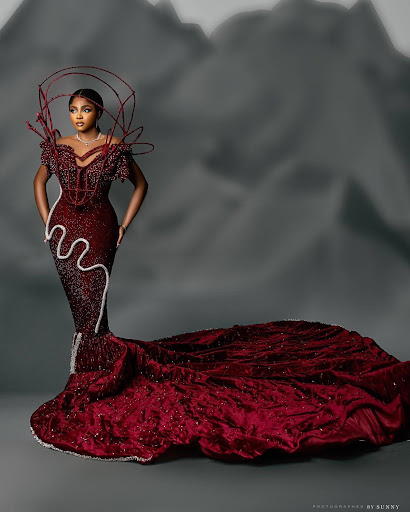
Reclaiming the Purpose of Getting Dressed

There is already a subtle shift happening. People are beginning to value:

  • outfit repetition
  • practical elegance
  • clothing that works beyond a single moment

This is not a rejection of digital culture, but a correction. A reminder that style cannot exist fully without real life.

Because at the end of the day, you do not live inside your photos. You live inside your clothes.

And how those clothes support your movement, your confidence, and your presence will always matter more than how they perform on a screen.

FAQs

1. Does getting dressed still matter in the age of social media?

Yes. Real-life dressing affects perception, confidence, and how individuals navigate physical spaces, beyond online appearance.

2. What is the difference between dressing for social media and real life?

Social media dressing prioritises visual impact, while real-life dressing prioritises comfort, function, and a consistent identity.

3. How has social media changed personal style?

It has shifted style toward performance, encouraging constant newness, reduced outfit repetition, and visually driven choices.

4. Why is outfit repetition important for personal style?

Repetition builds consistency, helps refine identity, and creates a recognisable and authentic style over time.

5. How can I balance online and offline style?

Focus on dressing for your daily life first, maintain consistency, and ensure your online appearance reflects your real-life identity.

Post Views: 185
Total
0
Shares
Share 0
Tweet 0
Pin it 0
Related Topics
  • clothing and self expression
  • digital identity fashion
  • fashion in digital age
Fathia Olasupo

olasupofathia49@gmail.com

You May Also Like
Designers from Trinidad and Tobago Shaping Afro-Caribbean Fashion Globally
View Post
  • Caribbean

Designers from Trinidad and Tobago Shaping Afro-Caribbean Fashion Globally

  • Fathia Olasupo
  • May 22, 2026
.The Future of Afro-Venezuelan Fashion: Diaspora Networks, Digital Platforms, and Cultural Continuity
View Post
  • Trends

The Future of Afro-Venezuelan Fashion: Diaspora Networks, Digital Platforms, and Cultural Continuity

  • Ayomidoyin Olufemi
  • May 21, 2026
Afro-Cuban Designers Influencing Fashion Culture Within and Beyond the Island
View Post
  • Caribbean

Afro-Cuban Designers Influencing Fashion Culture Within and Beyond the Island

  • Fathia Olasupo
  • May 21, 2026
Cartagena Streetwear: Champeta Culture, Afrocentric Identity, and Urban Dress
View Post
  • Street Style

Cartagena Streetwear: Champeta Culture, Afrocentric Identity, and Urban Dress

  • Ayomidoyin Olufemi
  • May 20, 2026
View Post
  • Trends

The Future of Fashion in Senegal: Sustainability, Tailoring, and Global Reach

  • Philip Sifon
  • May 19, 2026
View Post
  • Caribbean

Carnival Fashion vs Everyday Caribbean Style: The Gap the Media Has Never Closed

  • Ayomidoyin Olufemi
  • May 15, 2026
View Post
  • Caribbean

Havana Streetwear: Vintage Economy, Son Culture, and Afrocentric Self-Expression

  • Fathia Olasupo
  • May 15, 2026
What Addis Ababa's Street Style Owes to Its Fashion Week — and What It Doesn't
View Post
  • Street Style

What Addis Ababa’s Street Style Owes to Its Fashion Week — and What It Doesn’t

  • Rex Clarke
  • May 14, 2026

Leave a Reply Cancel reply

Your email address will not be published. Required fields are marked *

The Omiren Argument

African fashion and culture are not emerging. They are foundational. We document, interpret, and argue for the full cultural weight of African and diaspora dress. With precision. Without apology.

Omiren Styles Fashion · Culture · Identity

All 54 African Nations
Caribbean · Afro-Latin America
The Global Diaspora

Platform

  • About Omiren Styles
  • Our Vision
  • Our Mission
  • Editorial Pillars
  • Editorial Policy
  • The Omiren Collective
  • Campus Style Initiative
  • Sustainable Style
  • Social Impact & Advocacy
  • Investor Relations

Contribute

  • Write for Omiren Styles
  • Submit Creative Work
  • Join the Omiren Collective
  • Campus Initiative
Contact
contact@omirenstyles.com
Our Reach

Africa — All 54 Nations
Caribbean
Afro-Latin America
Global Diaspora

African fashion intelligence, in your inbox.

Editorial features, designer profiles, cultural commentary. No noise.

© 2026 Omiren Styles — Rex Clarke Global Ventures Limited. All rights reserved.
  • Privacy Policy
  • Editorial Policy
  • Terms of Use
  • Accessibility
Africa · Caribbean · Diaspora
The Omiren Argument

African fashion and culture are not emerging. They are foundational. We document, interpret, and argue for the full cultural weight of African and diaspora dress. With precision. Without apology.

Omiren Styles Fashion · Culture · Identity
  • About Omiren Styles
  • Our Vision
  • Our Mission
  • Editorial Pillars
  • Editorial Policy
  • The Omiren Collective
  • Campus Style Initiative
  • Sustainable Style
  • Social Impact & Advocacy
  • Investor Relations
  • Write for Omiren Styles
  • Submit Creative Work
  • Join the Omiren Collective
  • Campus Initiative
Contact contact@omirenstyles.com

All 54 African Nations · Caribbean
Afro-Latin America · Global Diaspora

African fashion intelligence, in your inbox.

Editorial features, designer profiles, cultural commentary. No noise.

© 2026 Omiren Styles
Rex Clarke Global Ventures Limited.
All rights reserved.

  • Privacy Policy
  • Editorial Policy
  • Terms of Use
  • Accessibility
Africa · Caribbean · Diaspora

Input your search keywords and press Enter.