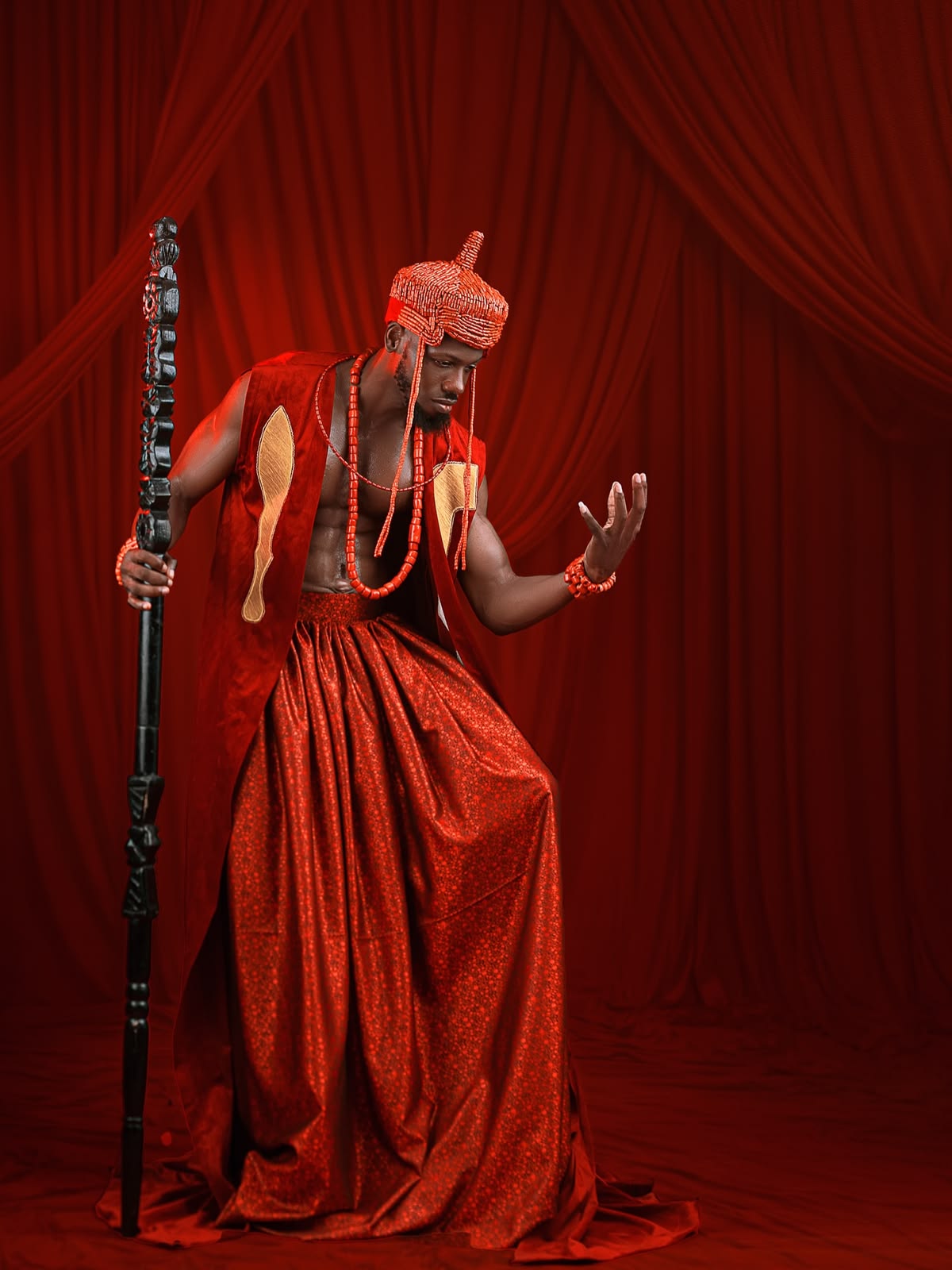
Most people do not have a single, fixed way of dressing. Instead, their style shifts depending on the environment they are entering. These changes are often subtle but consistent.
An outfit chosen for a family gathering will differ from one worn to a corporate office. Clothing selected for a familiar social setting may not look appropriate in a more formal or unfamiliar setting.
These differences are not random. They reflect an underlying awareness of what is expected, what is acceptable, and what will be understood within each environment.
At its core, fashion is not only about personal preference. It is also about belonging.
Your style shifts depending on where you are. Explore how belonging, cultural identity, and social expectation shape fashion choices across different environments.
Learning What “Fits” in Each Space
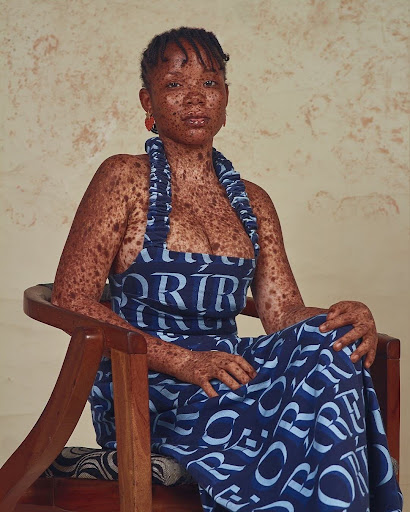
Every environment carries its own visual expectations. These expectations are not always explained, but they are reinforced through observation. People notice what others wear, what is praised, and what is ignored.
Over time, this observation shapes decision-making. Individuals begin to select clothing that aligns with the environment they are entering.
In many African and diaspora contexts, this process begins early. There is a clear understanding that certain types of clothing are appropriate for specific occasions. Formal events, religious gatherings, and professional spaces all require different forms of presentation.
As people move across different environments, especially across countries, these expectations expand. What is considered appropriate in one place may not be received the same way in another.
This is how fashion becomes a form of adaptation.
The Shift Between Cultural Expression and Professional Presentation
One of the most noticeable shifts in fashion occurs between cultural and professional spaces.
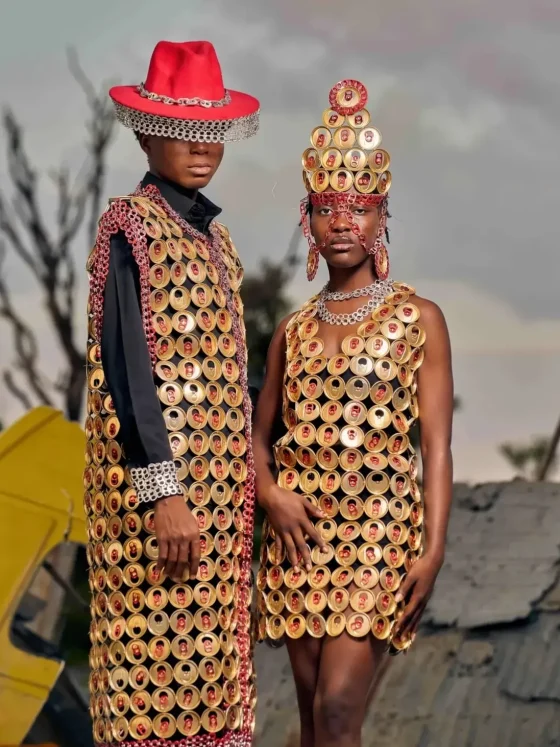
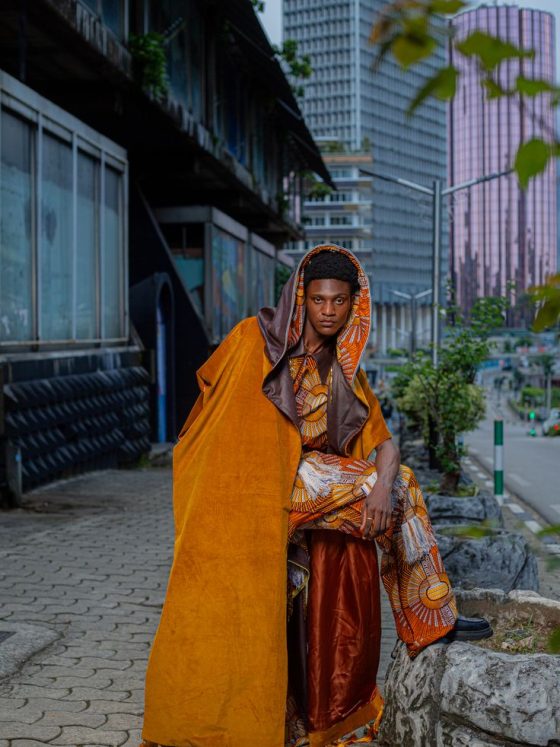
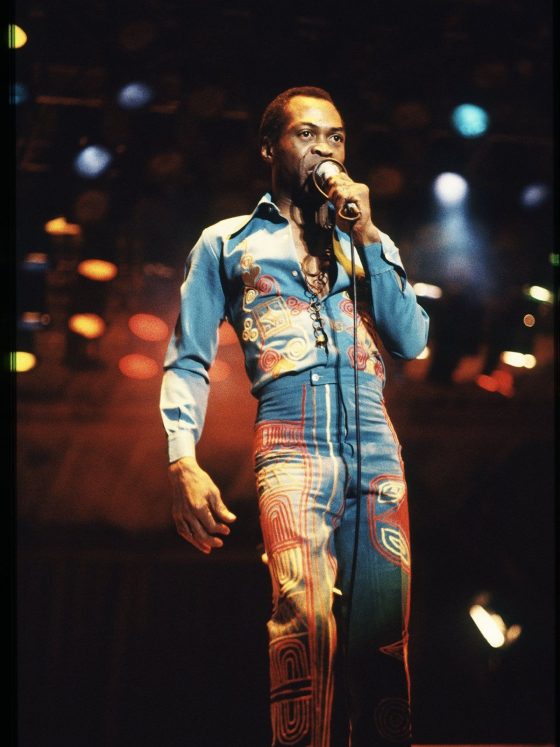
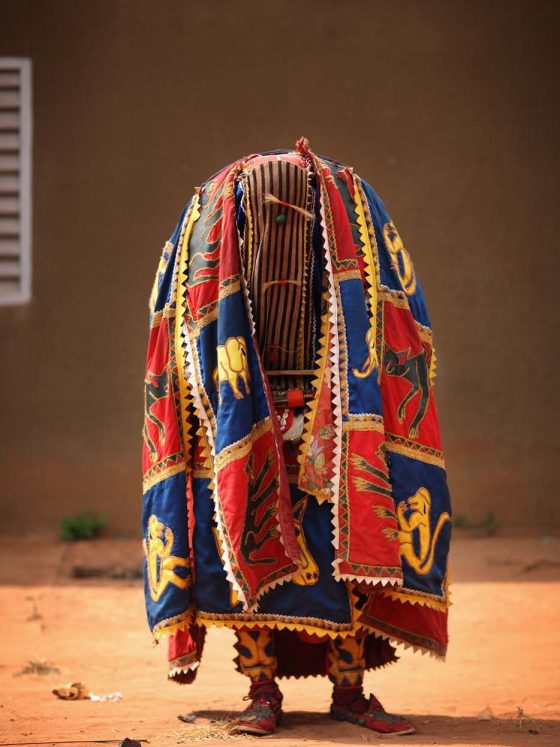
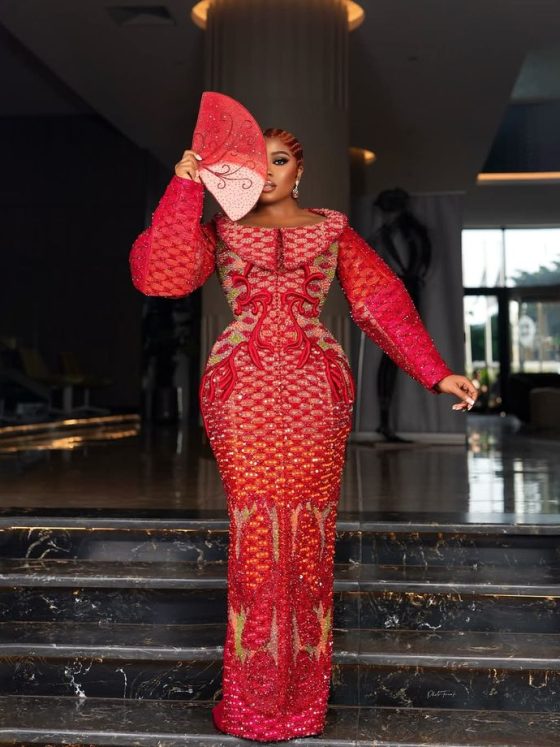
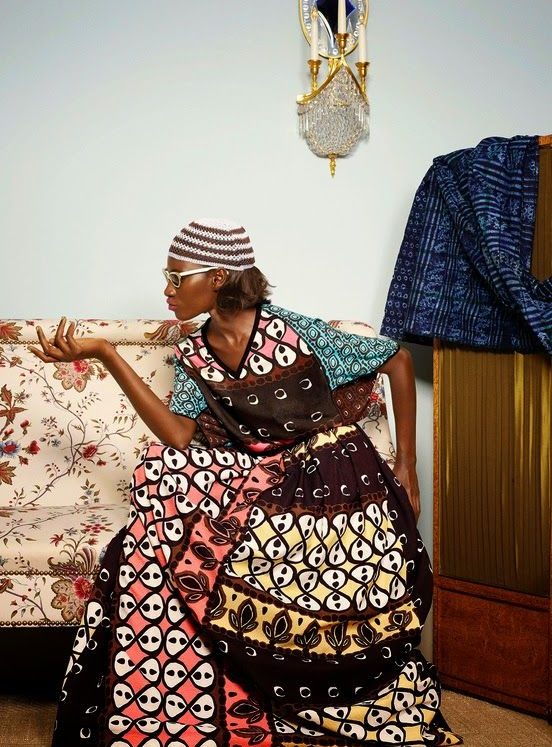
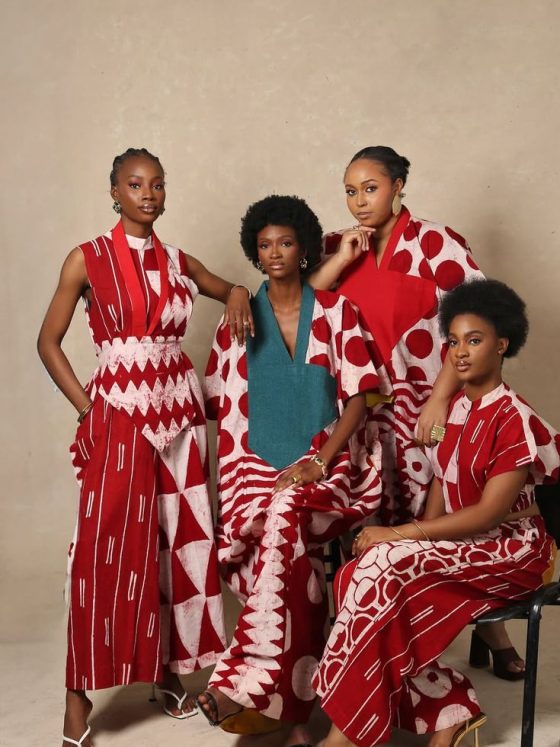
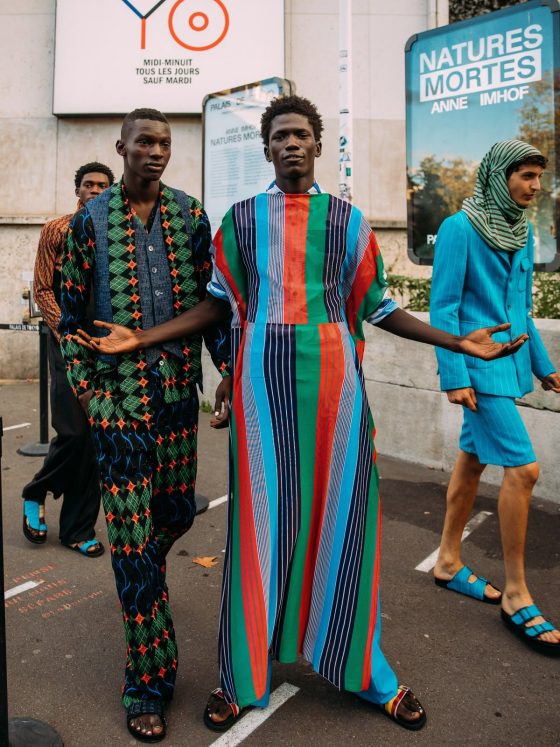
In cultural environments, clothing often carries more expression. Colour, texture, and detail are used freely. Garments reflect identity, celebration, and familiarity. There is a shared understanding of what these elements represent, so they do not need to be simplified.
In professional environments, expectations can differ. There is often a preference for restraint. Neutral colours, structured silhouettes, and minimal styling are more widely accepted.
As a result, individuals begin to adjust their clothing choices. Cultural elements may be reduced or reinterpreted more subtly. The goal is not necessarily to remove identity, but to present it in a way that aligns with the space’s expectations.
Designers such as Ozwald Boateng have built careers around navigating this balance, introducing colour and cultural influence into traditionally conservative tailoring. Similarly, Grace Wales Bonner explores how heritage can exist within structured, globally recognised forms.
Their work reflects a broader reality: fashion often operates between expression and acceptance.
Dressing With Awareness Before Arrival
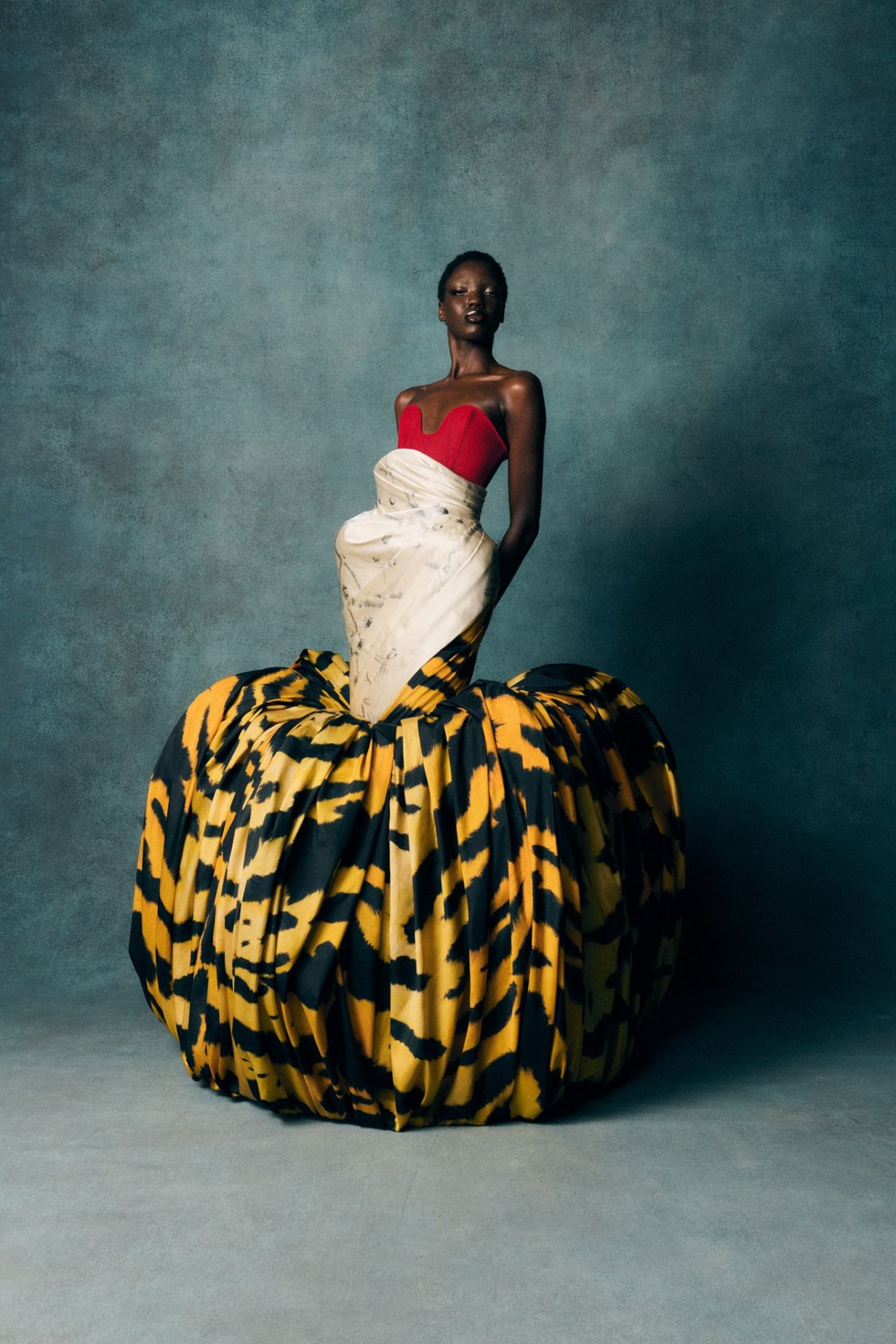
Before entering a space, people often think about what they will wear depending on where they are going. This process may seem routine, but it involves careful consideration.
Questions such as these guide clothing choices:
- What kind of environment is this?
- How do people here usually dress?
- What will be considered appropriate or out of place?
These questions influence not only what is worn, but how it is styled. The same garment can be presented differently depending on the setting.
This shows that fashion is not static. It is responsive. It changes based on context, even when the individual remains the same.
The Risk of Being Misread Through Clothing
Clothing carries meaning, but that meaning is not always interpreted correctly. When individuals enter spaces where their cultural references are not widely understood, their fashion choices can be misread.
A look that feels balanced and intentional in one context may be seen as excessive or inappropriate in another. Because of this, many people make deliberate adjustments to reduce the risk of misunderstanding.
These adjustments may include simplifying outfits, reducing visible cultural elements, or choosing styles that align more closely with dominant expectations.
This process is not always about preference. It is often about managing perception and ensuring ease within a given environment.
Living Between Multiple Style Identities
For individuals who move between different cultural or social spaces, fashion becomes layered. There is not a single style identity, but multiple versions that coexist.
One version may reflect cultural familiarity and full expression. Another may reflect professional expectations and restraint. Over time, these versions begin to blend.
This blending creates a style that is neither fully one nor the other. It is shaped by movement, experience, and the need to navigate different environments.
Designers like Thebe Magugu demonstrate how multiple influences can coexist within a single aesthetic without needing to be simplified. His work shows that fashion can hold complexity without losing clarity.
When Adjustment Becomes Limiting
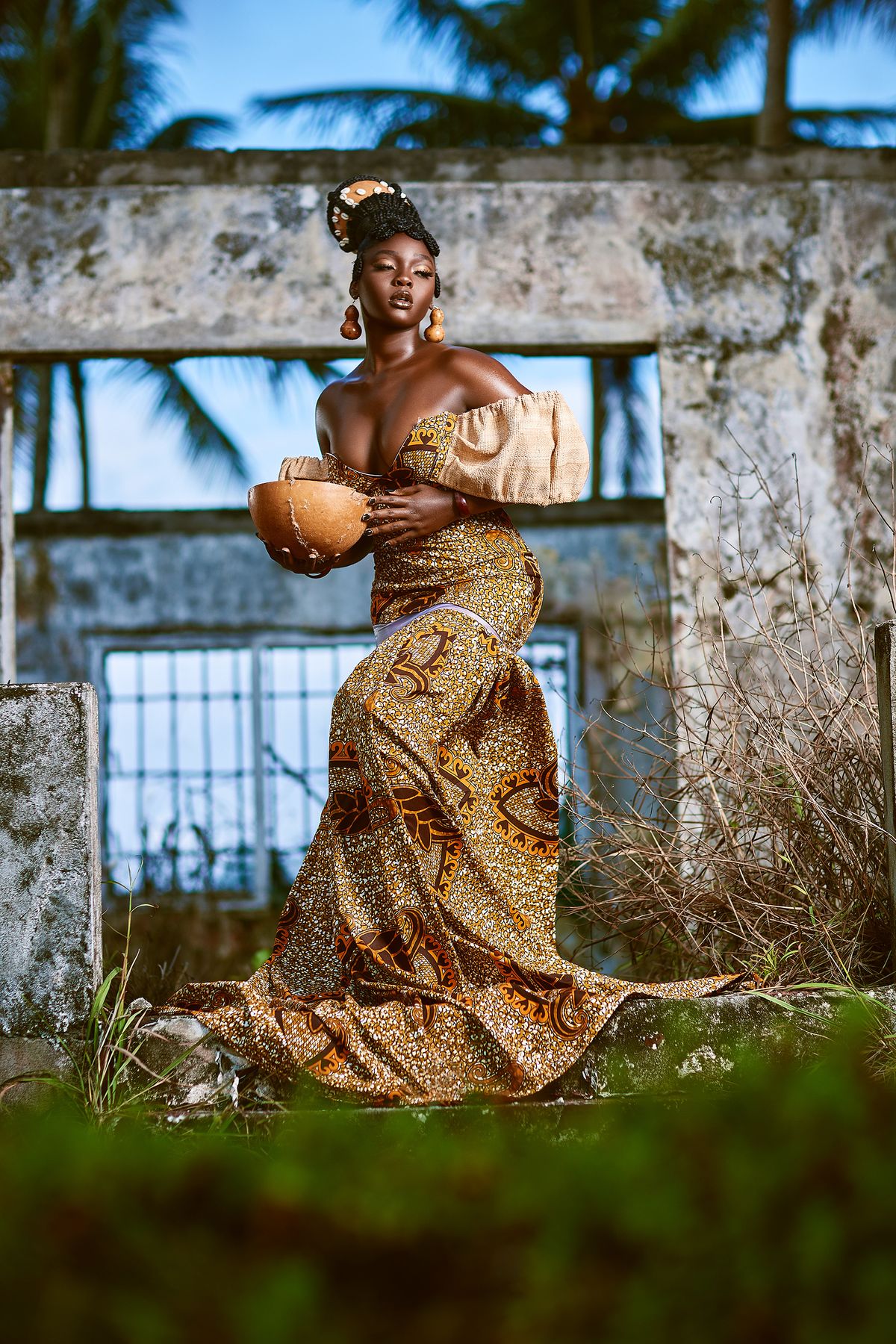
While adaptation is often necessary, it can also become restrictive. Constantly adjusting clothing choices to meet external expectations can create a sense of limitation.
There are moments when individuals begin to question whether they are dressing in a way that reflects who they are or simply in a way that will be accepted.
This tension highlights the difference between fitting in and feeling represented.
The Omiren Argument:
The central argument of this piece is not simply that people dress differently in different places. That observation alone is unremarkable. Omiren Styles argues that this shift is not neutral. It has a cost, and that cost is disproportionately carried by people whose cultural dress vocabulary is not recognised as default in the professional, institutional, or Western-dominant spaces they move through.
When a Yoruba woman reduces her gele to a smaller wrap for a corporate setting, or when a West African man chooses a plain suit over his agbada for a board meeting, these are not casual styling decisions. They are negotiations. They are calculations about visibility, legibility, and the social risk of being misread. Fashion code-switching is real, and for people navigating diaspora life or cross-cultural professional spaces, it is a near-daily exercise.
This article makes visible that fashion does not simply reflect belonging. It is actively used to perform a sense of belonging, often at the expense of the wearer’s fullest self-expression. The tension between fitting in and feeling represented is not a minor personal conflict. It is a structural condition built into environments where one aesthetic tradition is treated as neutral and all others as expressive, loud, or excessive.
Omiren Styles exists precisely at this intersection. Fashion. Culture. Identity. This piece argues that true style intelligence is not about which version of yourself you present in each space. It is about understanding why you feel you have to choose at all and building the confidence to reduce that gap.
READ ALSO:
- Leaving and Returning: How Migration Reshapes Fashion Identity in Ways We Don’t Talk About
- When Style Is Misread: Why Cultural Fashion Is Labelled “Too Much”
Choosing Consistency Within Change
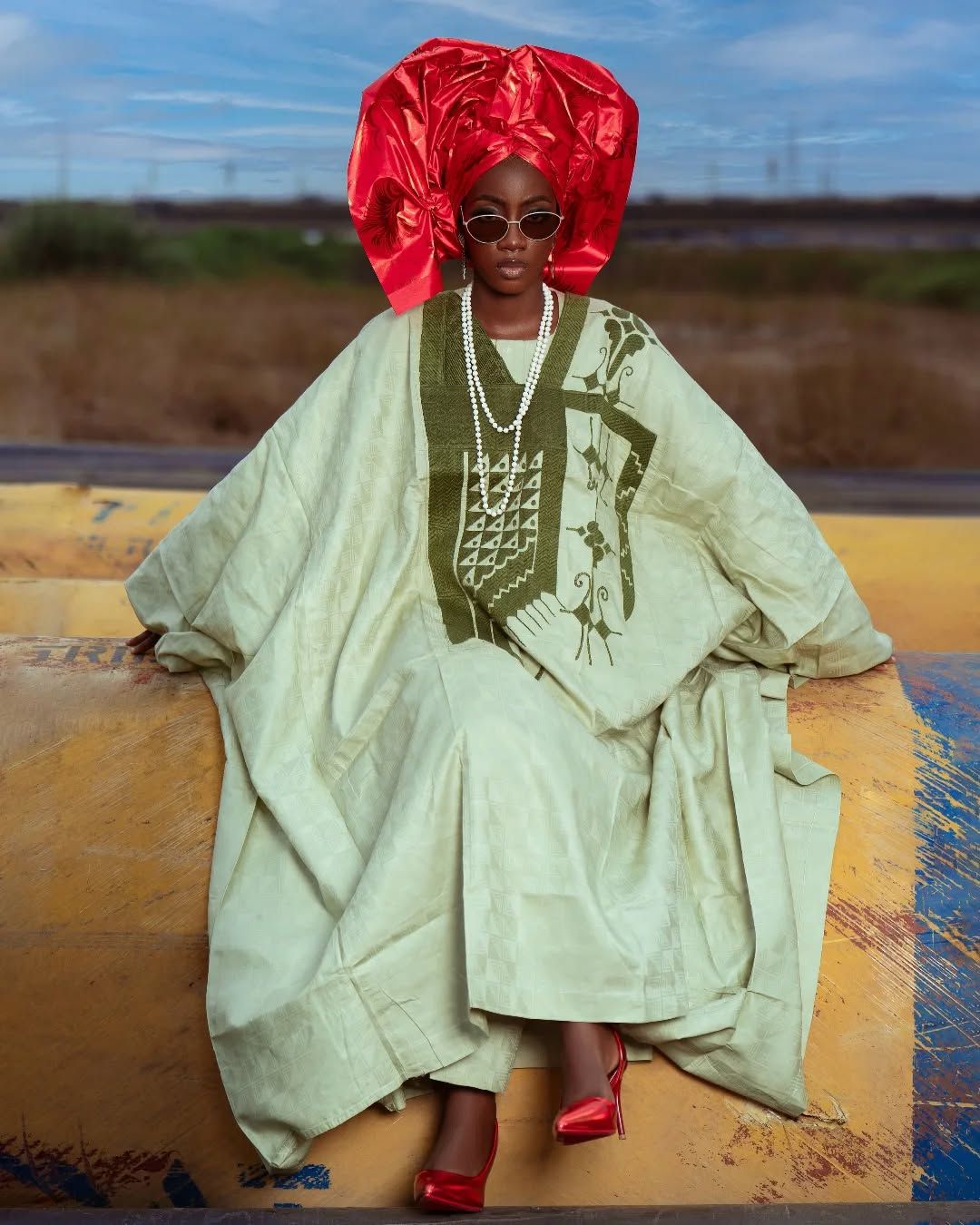
As people become more aware of how their fashion shifts across spaces, they often begin to make more intentional choices.
Instead of adjusting automatically, they decide which elements of their style remain consistent. This might include maintaining certain colours, silhouettes, or cultural references across different environments.
The goal is not to remove adaptation entirely. It is to ensure that changes in appearance do not lead to a loss of identity.
Fashion as a Reflection of Belonging
The way people dress across different environments reveals how closely fashion is tied to belonging. Clothing becomes a tool for navigating expectations, managing perception, and expressing identity within specific contexts.
However, belonging should not require complete adjustment. It should allow for continuity, even within change.
Understanding how and why fashion shifts across spaces makes it possible to approach style with more intention. It allows individuals to move through different environments without losing clarity in how they present themselves.
Because in the end, fashion is not only about what is worn. It is about how identity is carried across spaces without being reduced in the process.
FAQs
- Why do people change their fashion style in different environments?
People adjust their clothing to align with social expectations and to feel accepted within different cultural or professional spaces.
- How does culture influence fashion choices?
Culture shapes ideas of what is appropriate, influencing colours, silhouettes, and styling across different settings.
- What is fashion code-switching?
Fashion code-switching refers to changing how one dresses depending on the environment or audience.
- Can adjusting your fashion affect your identity?
Yes. Frequent adjustment can influence how individuals balance personal expression with social expectations.
- How can someone maintain a consistent style across different spaces?
By identifying key elements of their style and maintaining them, even when adapting to different environments