The majority of people outside Guinea-Bissau were unable to identify a single traditional costume from the country. Nonetheless, some of West Africa’s most enduring fashion customs persist within its communities. They have endured economic hardship, political unrest, colonial domination, and the increasing impact of imported fashion.
In Guinea-Bissau, clothing has never been just about looks, survival is important.
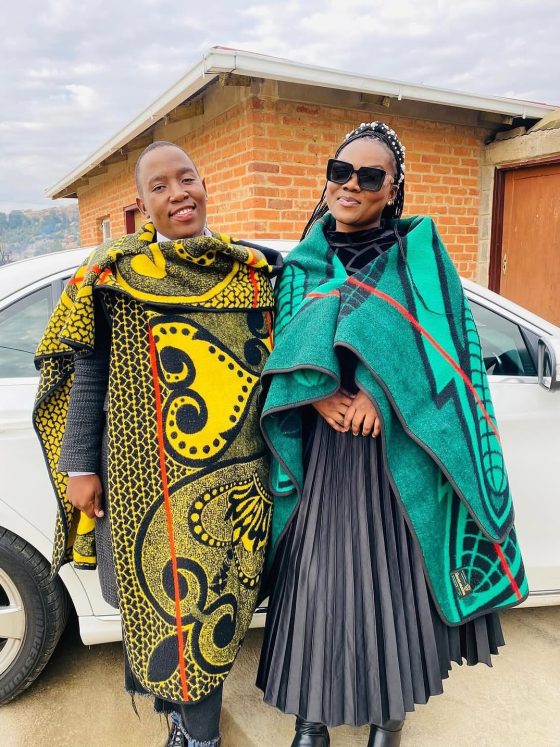
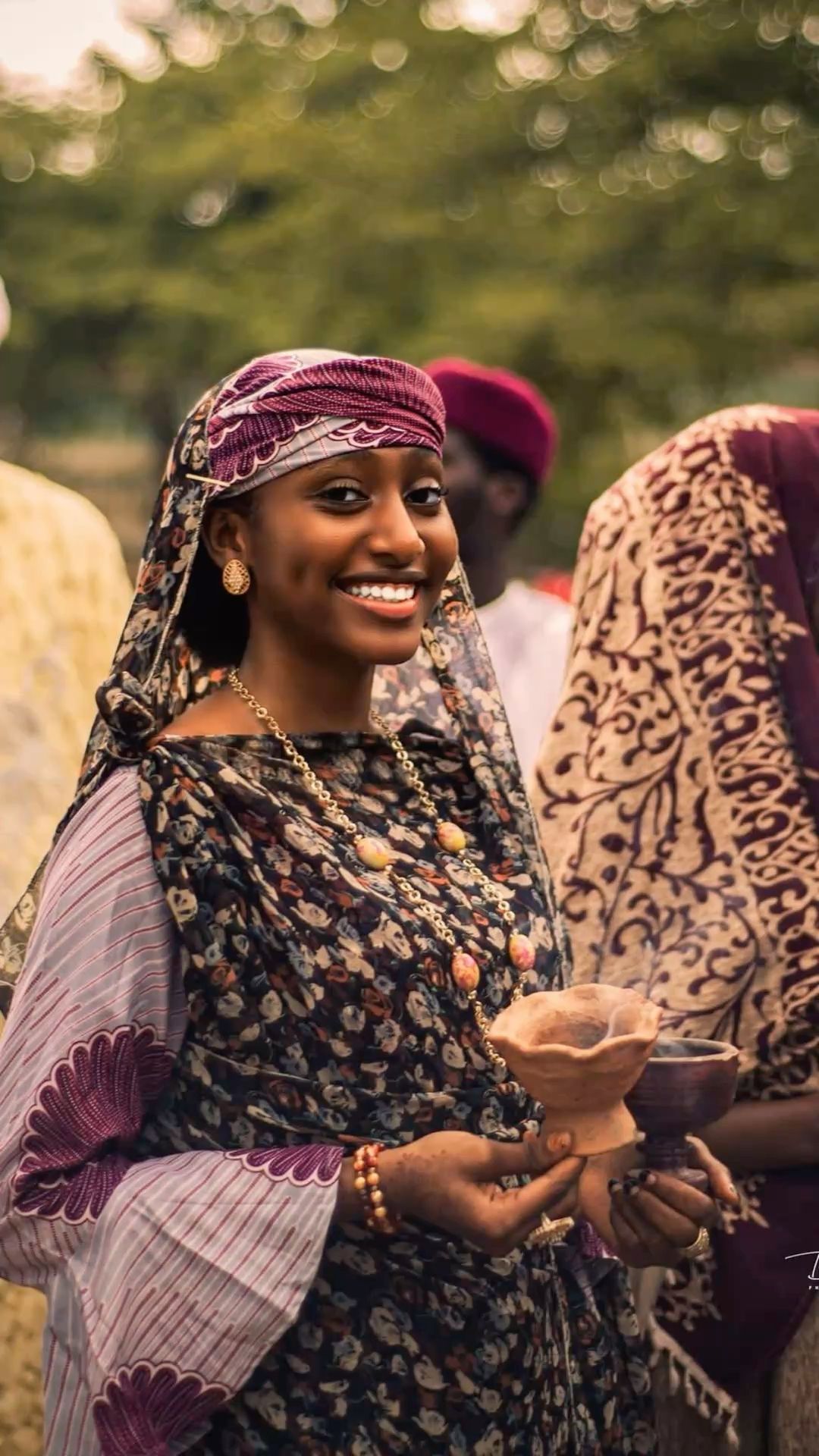
Dress conveys identity, social belonging, family history, and cultural obligation among communities such as the Balanta, Fula, Mandinka, Papel, and Bijagó. People can learn about a person’s origins, the rites they observe, and how they perceive their role in a community by examining their traditional attire.
Guinea-Bissau’s clothing customs evolved through the interplay of numerous peoples, in contrast to nations where a single dominating ethnic group significantly influences national attire. This diversity gave rise to an extraordinarily diverse fashion culture that is frequently disregarded when discussing the history of global fashion.
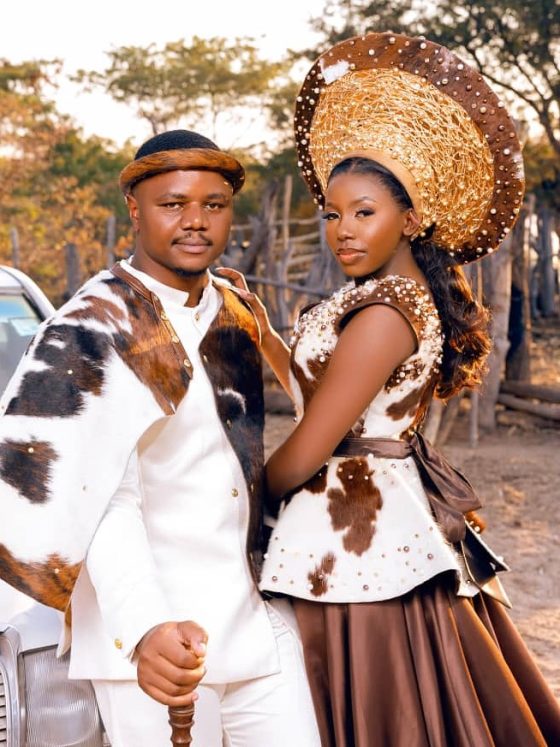
The fact that these customs are still changing is what makes them so fascinating. Weddings, harvest festivals, naming rituals, religious events, and community celebrations all still feature traditional attire. Even while younger generations may dress more modernly daily, traditional attire nevertheless has a meaning that is rarely replaced by contemporary styles.
Throughout the region, the connection between identity and attire is still evident. For instance, despite centuries of social change, traditional clothing in neighbouring Cape Verde continues to convey cultural memory. A distinct but no less potent example of how groups maintain their identities through clothing may be seen in Guinea-Bissau.
Discover how traditional clothing in Guinea-Bissau reflects cultural identity, ethnic heritage, and a sense of belonging within communities through textiles, ceremonial dress, and living traditions.
Why Wrappers Became the Language of Identity
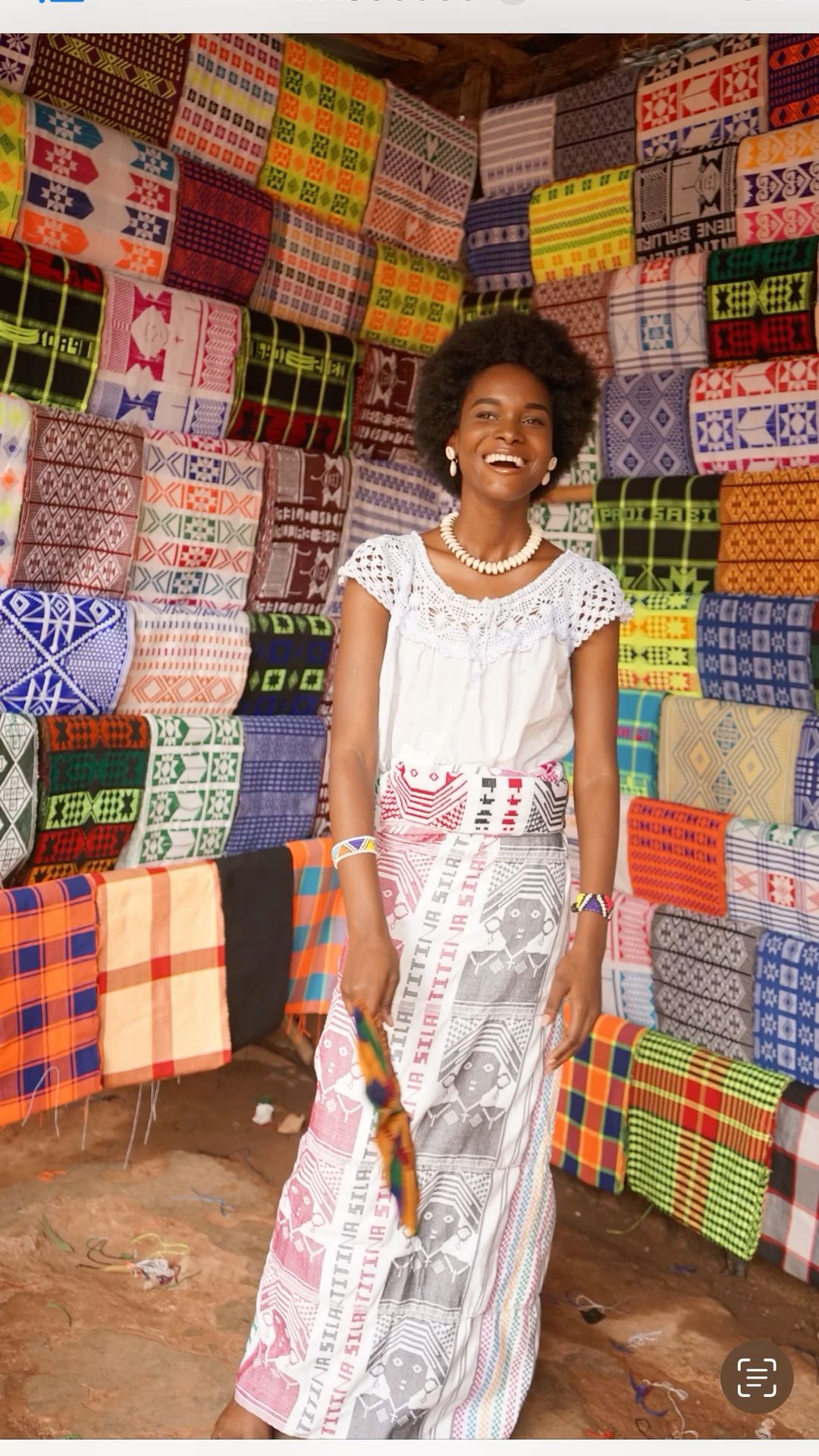
The wrapper is more than just a piece of clothing for several groups in Guinea-Bissau. It is one of the most significant ways cultural identity is expressed visually.
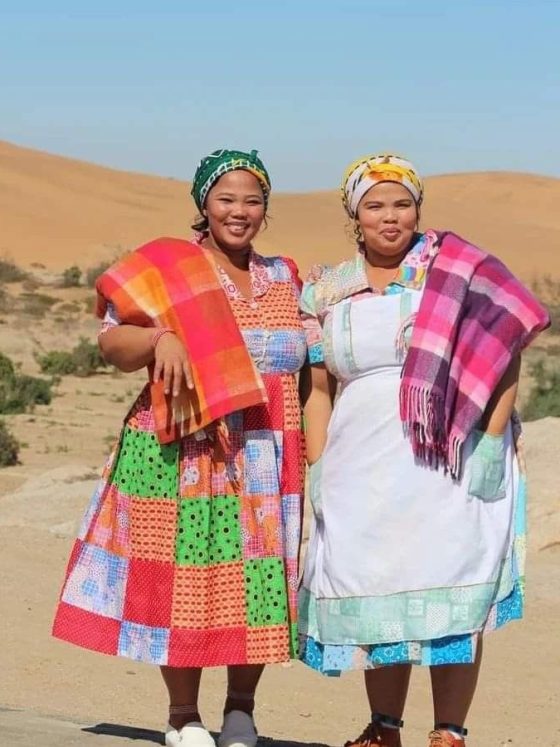
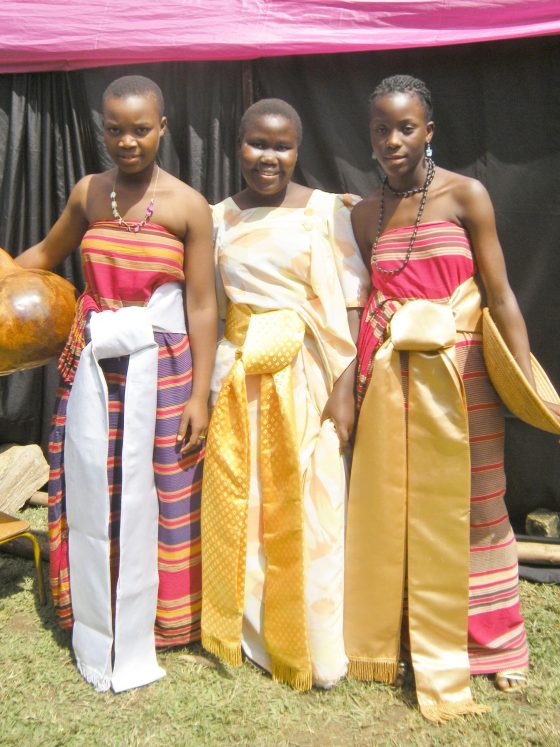
Brightly coloured wrappers have long been used by women from various ethnic groups, either wrapped around the body or fastened around the waist. The idea is the same: clothing conveys a sense of belonging, even though specific styles vary across cultures.
Wrappers have historically served both as cultural expression and as utility among Balanta women. Although clothes appropriate for physical labour were required for agricultural activity, these same fabrics were also used in ceremonies where attire became a symbol of social engagement.
Wrappers are important for reasons beyond functionality. Fabrics are frequently carefully chosen for weddings and community festivals since attire conveys respect for the occasion. The attire is incorporated into the actual ceremony.
This custom illustrates a more general reality about traditional attire. Clothing frequently serves as a social language. They convey knowledge that people in the community can grasp right away.
Other parts of the region also highlight the significance of clothing as a cultural language. For example, the tagelmust worn by Tuareg males in Niger conveys cultural identification and social maturity more effectively than words ever could.
An intriguing modern analogy is offered by the Senegalese company Tongoro. Understanding that clothing has cultural significance beyond aesthetics contributes to its success. For many centuries, Guinea-Bissau’s traditional attire has been moulded by the same idea.
The Bijagó Islands and Clothing That Marks Community Belonging
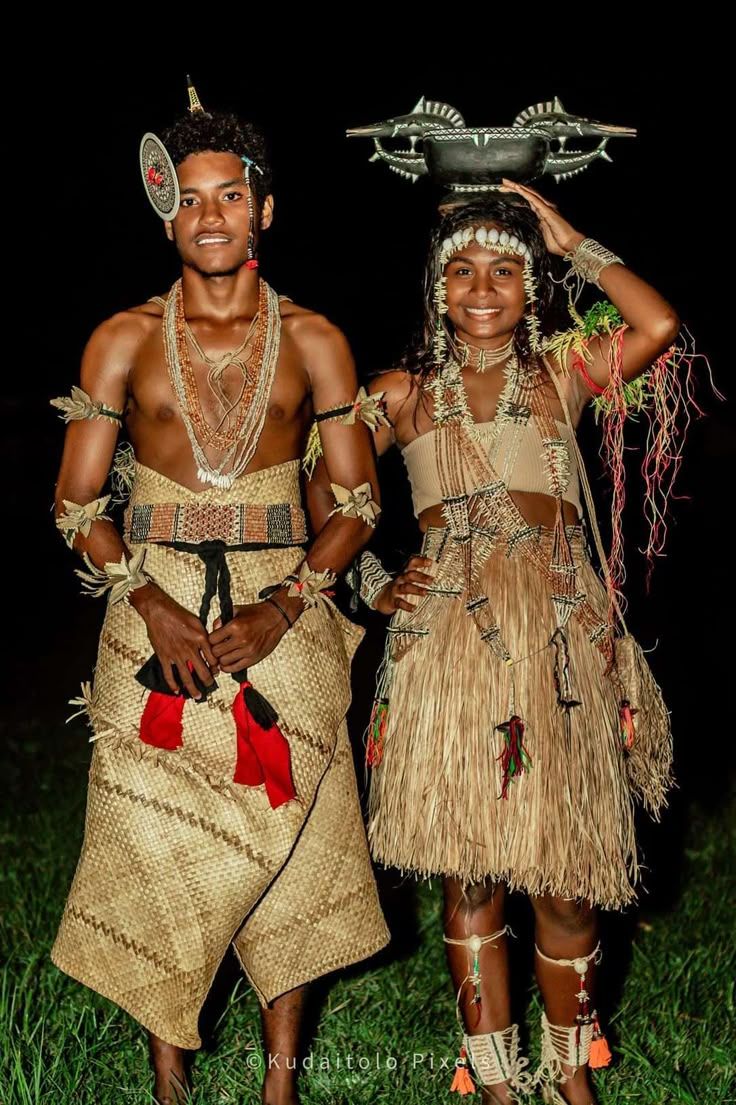
The Bijagó people of the Bijagň Archipelago have some of the most culturally significant dress customs in Guinea-Bissau.
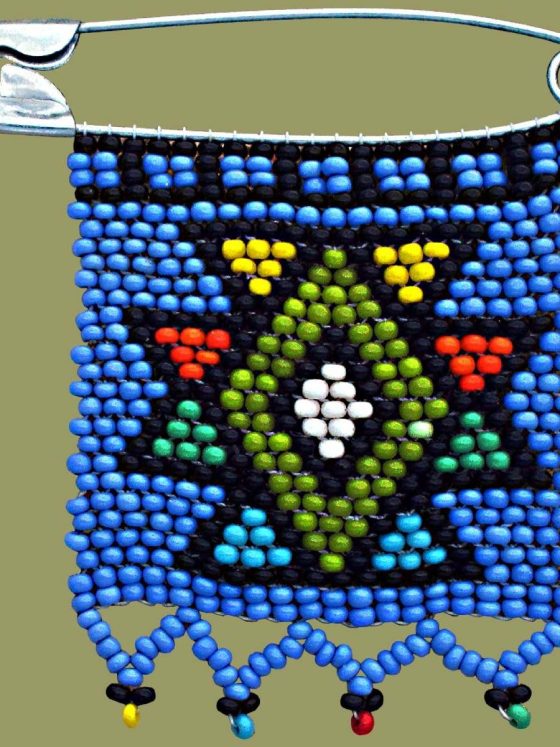
Ceremonial clothing frequently serves functions for the Bijagó that extend far beyond aesthetics. Initiation rites, festivals, and community celebrations all have particular attire and decorations. Age, position, responsibility, and involvement in cultural life are all communicated through clothing.
Who was dressed in these clothes?
Individuals of the community take part in significant ceremonies and rites of passage.
Why were they important?
Because clothes visually reinforced social hierarchies, relationships between people and the larger community were defined as a result.
Today, what do they mean?
They remain clear evidence that museums are not the only means of preserving cultural identity. People continue to practice it, which is why it endures.
Many conversations regarding traditional attire ignore function in favour of looks. The Bijagó example serves as a reminder that clothes often perform social work. It supports cultural continuity and community ties.
This is one of the reasons why, despite the globalisation of fashion, traditional clothing remains significant. The cultural roles that traditional clothing plays are rarely replaced by modern clothing, yet it might alter how people dress.
The Ghanaian company Studio 189 has established a solid reputation for upholding textile traditions and assisting artisan communities. Its art reflects a similar notion: cultural knowledge remains valuable because it fosters interpersonal relationships, not merely because it is aesthetically pleasing.
ALSO READ:
Why Traditional Clothing Still Matters in Guinea-Bissau Today
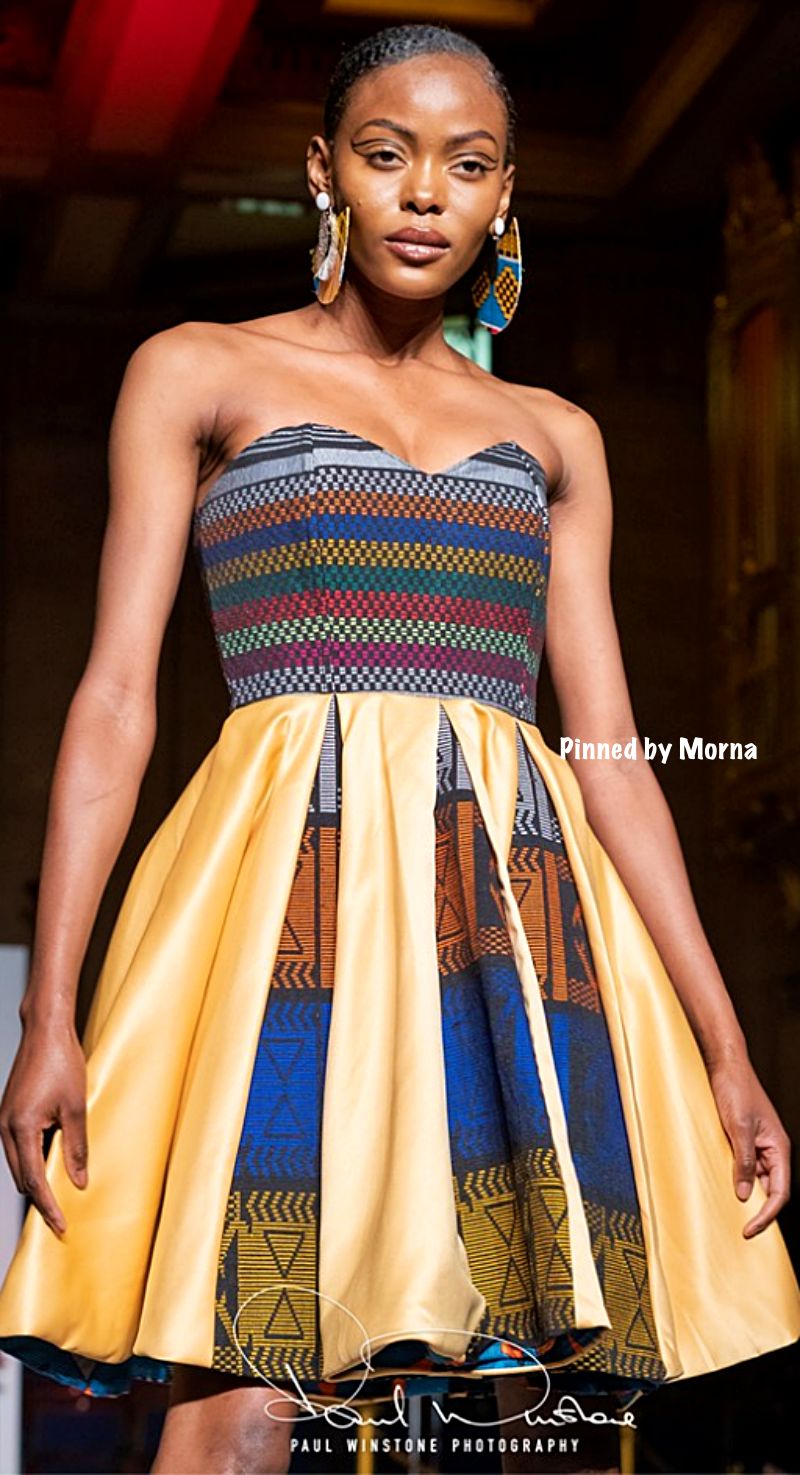
One of the most widespread misconceptions about traditional attire is that it disappears as countries become more modern.
Guinea-Bissau implies the opposite.
Weddings, religious festivals, harvest festivals, and cultural events continue to feature traditional clothing. Because it meets demands that modern fashion often cannot, it remains conspicuous.
Traditional clothing is not worn solely for aesthetic reasons. Because they convey continuity, they wear them.
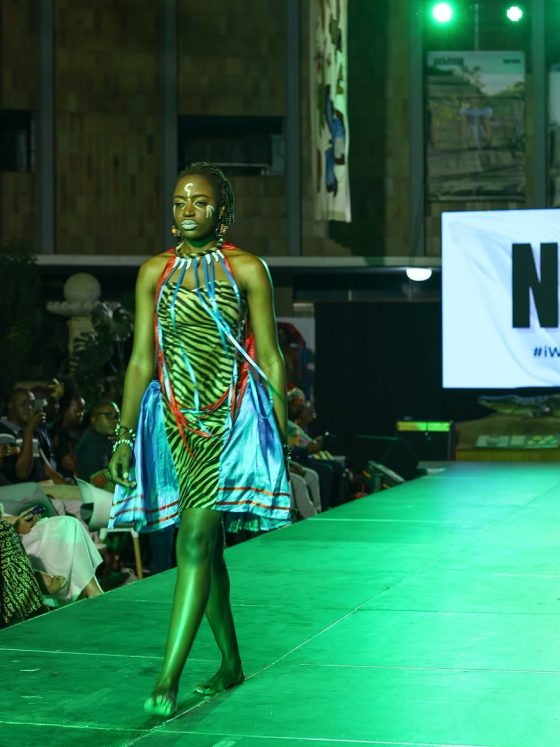
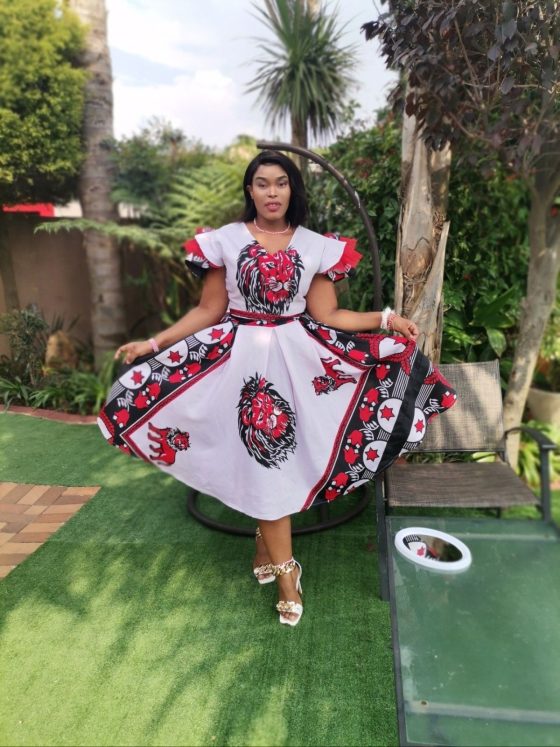
Traditional textiles are increasingly being combined with modern styles by younger generations. Clothing customs can remain relevant without becoming archaic thanks to this adaptability.
Perhaps the greatest feature of Guinea-Bissau’s traditional attire is its adaptability. The clothing endures because communities find new methods to give tradition significance rather than because they oppose change.
MaXhosa Africa, a South African company, has shown how traditional history may influence modern design without sacrificing authenticity. The same reasoning applies to traditional attire in Guinea-Bissau. Evolution, not just preservation, is what makes it relevant.
The Omiren Argument
The fashion industry frequently treats authenticity as a static concept. The contrary is demonstrated in Guinea-Bissau.
Over the years, Guinea-Bissau’s traditional attire has evolved. Textiles have evolved. The fashion has evolved. The materials have evolved.
Communities continue to identify these clothes as their own, nevertheless.
For the fashion industry, this poses an awkward question.
Almost no fashion heritage on the planet is real if apparel must remain the same to be deemed authentic.
In actuality, cultural identity endures through adaptability. Because individuals still wear balanta wrappers, their significance endures.
Because communities still observe the customs surrounding it, Bijagó ceremonial clothing remains significant today.
Rejecting change does not lead to authenticity. It results from preserving meaning.
All too often, traditional attire is discussed as if it were a thing of the past. Guinea-Bissau serves as an example of how heritage operates differently. Communities actively reinterpret culture to ensure its survival.
The region as a whole learns the same lesson. Not because they are outdated, but rather because individuals still find reasons to wear them, traditional clothing is still potent.
Guinea-Bissau’s traditional attire conveys a narrative of cultural survival, identity, and belonging. The communities that support the clothing are even more important than the clothing itself.
Perhaps the better question is not whether traditional dress can endure modernity, but whether cultural traditions can continue to evolve without losing their significance.
Why so many people believe it has to be saved in the first place may be the true question.
Frequently Asked Questions(FAQs):
- What is traditional clothing in Guinea-Bissau?
Traditional clothing includes wrappers, ceremonial attire, embroidered garments, and textiles associated with communities such as the Balanta, Fula, Mandinka, Papel, and Bijagó.
- Why is traditional clothing important in Guinea-Bissau?
It communicates cultural identity, social belonging, and participation in community traditions.
- Who are the Bijagó people?
The Bijagó are an ethnic group primarily living in the Bijagós Archipelago, where traditional ceremonies continue to play a significant role in community life.
- Do people still wear traditional clothing in Guinea-Bissau?
Yes. Traditional attire remains common during weddings, festivals, religious events, and cultural celebrations.
- How does clothing reflect identity in Guinea-Bissau?
Traditional garments communicate community membership, cultural heritage, social roles, and participation in important ceremonies.
Explore More:
Every garment tells a story. Explore more Omiren Styles features, uncovering the histories, meanings, and identities woven into clothing traditions across the continent.