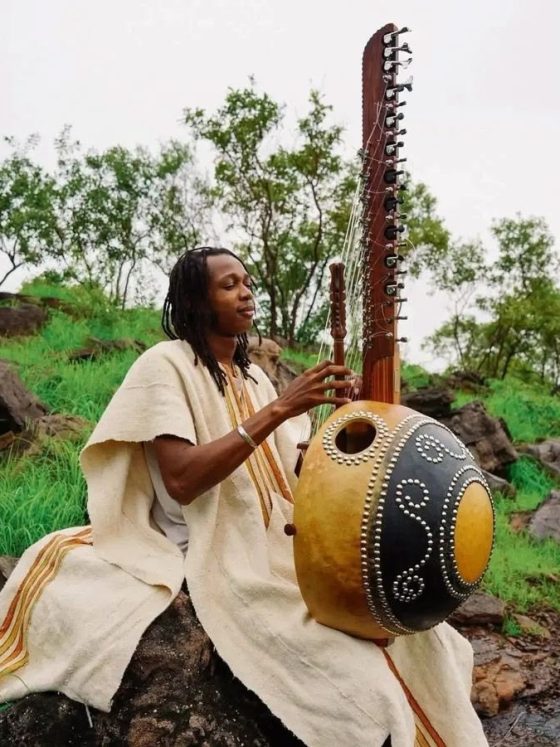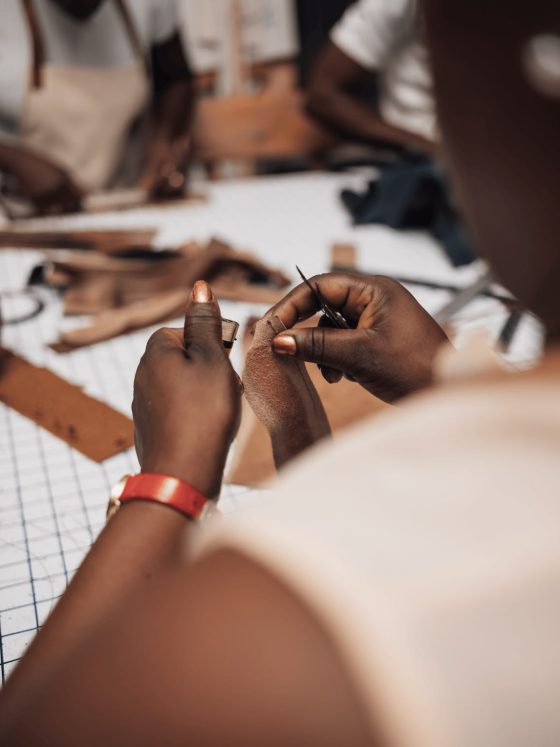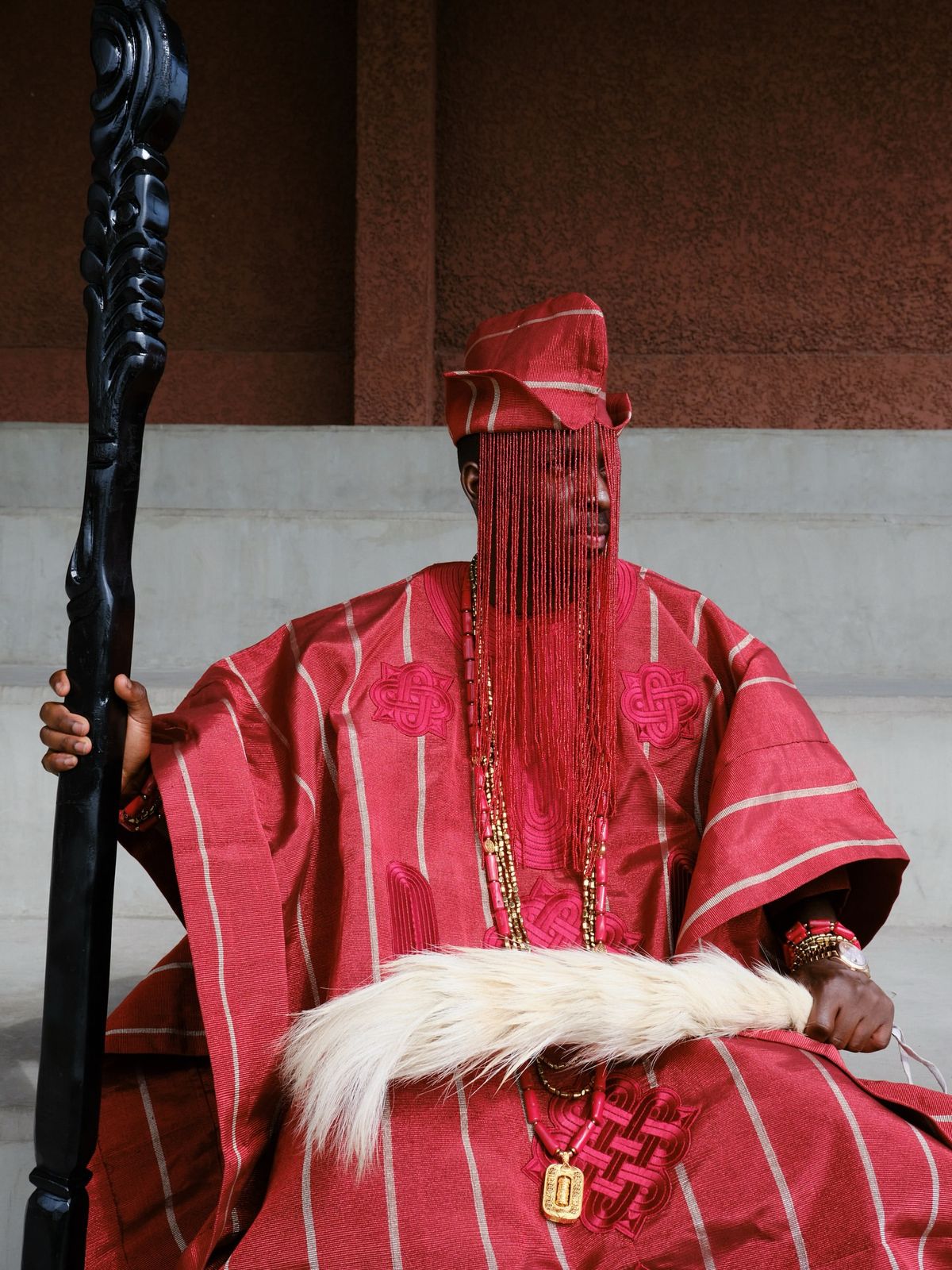
The suit did not arrive in African offices because it was the best way to dress. It arrived because the colonial administration decided it was the only way to be taken seriously. That decision has held for over a century. It is now being contested, not in protest, but in practice.
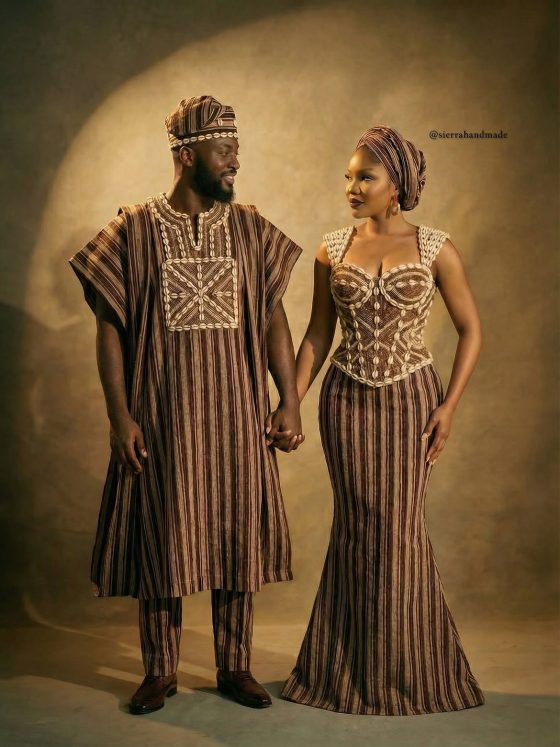
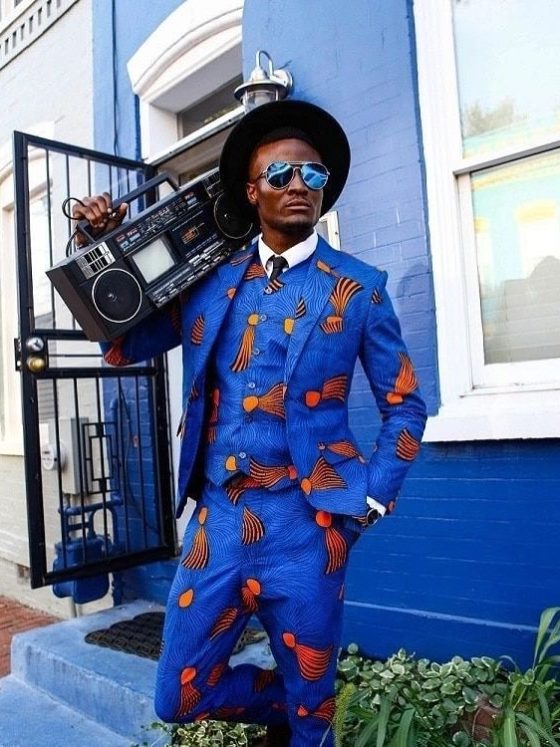
Across Lagos boardrooms, Nairobi law firms, and Accra university halls, African men are returning to indigenous and hybrid forms of dress and wearing them as the professional standard they always should have been. The agbada at the partners’ meeting. The kaftan at the bar. The Ankara blazer at the pitch. Not as an exception. As a default.
What is shifting is not just what men are wearing. It is about who gets to define what authority looks like and where that definition comes from.
The agbada, the kaftan, the Ankara blazer – African men are not dressing down for the boardroom. They are dressing on their own terms, and the boardroom is adjusting.
Colonial Administration and the Formation of Professional Dress Codes
Under British colonial administration in West Africa, including present-day Nigeria and Ghana, clothing was integrated into systems of governance and employment. Civil servants, clerks, and intermediaries working within colonial offices were expected to adopt European-style dress as part of institutional discipline.
Mission schools reinforced similar expectations. Education systems introduced during colonial rule linked Western clothing with ideas of order, refinement, and social advancement. Shirts, trousers, and suits became associated with access to formal employment and administrative roles.
By the early twentieth century, African workers in urban centres such as Lagos and Accra were already operating within these visual codes. Clothing functioned as an extension of institutional structure rather than individual expression.
How the Suit Became Embedded in African Professional Life
As colonial cities expanded, new categories of employment developed around administration, transport systems, education, and finance. These roles required participation in bureaucratic environments that prioritised uniformity and hierarchy.
Western tailoring became the expected standard within these spaces. It aligned African professionals visually with European administrators and reinforced a shared administrative identity across colonial institutions.
After independence, many African states retained these bureaucratic systems. Civil service structures, legal institutions, and educational frameworks continued to operate with established expectations around formal dress. The suit remained central within these environments because the systems it belonged to remained in place.
Post-Independence Professional Spaces and Dress Continuity
Following independence movements across Africa in the mid-twentieth century, newly formed governments inherited administrative systems designed under colonial rule. Courts, universities, and government offices continued to function within these established frameworks.
In countries such as Nigeria, Ghana, Kenya, and South Africa, Western formal wear remained prominent in legal proceedings, parliamentary settings, banking institutions, and public administration.
Within this structure, indigenous clothing occupied a different social category. It was often associated with ceremonial occasions, cultural identity, or informal settings rather than institutional authority.
This separation shaped professional dress culture for decades.
The Return of Indigenous Dress in Formal Contexts
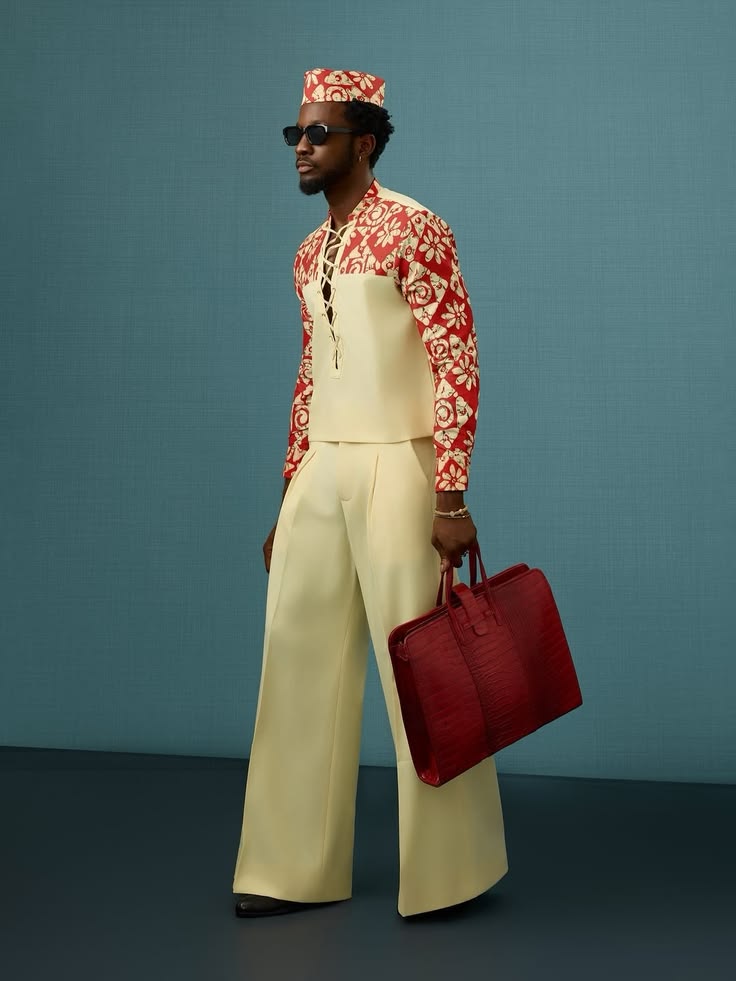
From the late twentieth century into the present, African men have increasingly introduced indigenous and locally inspired garments into professional environments.
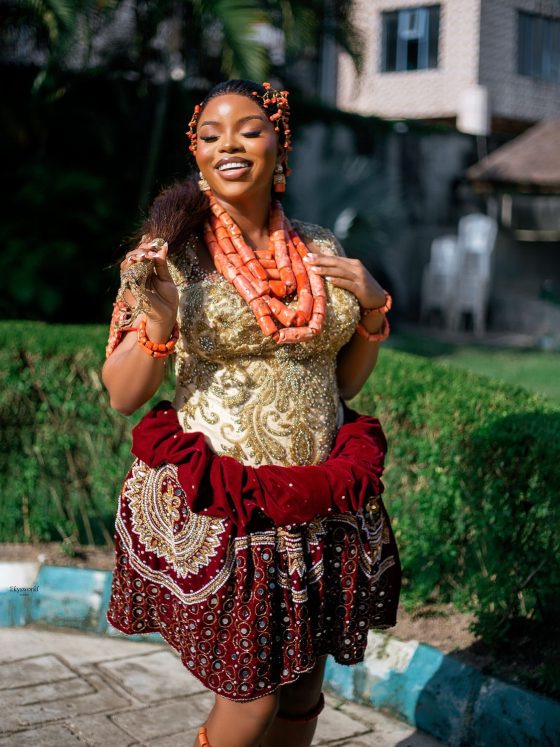
In Nigeria, structured agbada and tailored native wear appear in legal, academic, and political spaces. In Ghana, kente-inspired tailoring has been adapted for formal events and institutional ceremonies. In East Africa, kitenge and kikoi textiles are incorporated into office-appropriate garments. In South Africa, design elements drawn from isiXhosa and Zulu traditions appear in contemporary formalwear.
These garments now appear in spaces historically defined by European dress codes, including boardrooms, courtrooms, and conference rooms.
African Menswear Designers and the Rebuilding of Formal Dress
Contemporary African designers are central to the transformation of professional dress culture.
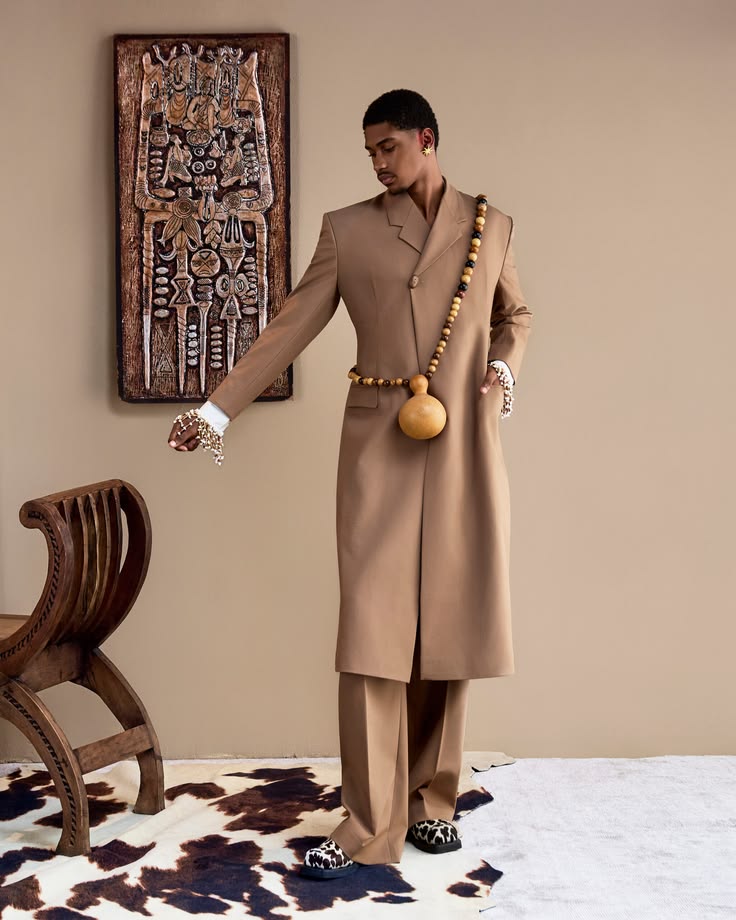
Designers are producing structured garments that integrate African textiles into formal tailoring systems. These include agbada suits adapted for corporate environments, kaftan-based silhouettes designed for office settings, and hybrid suits that combine Western cuts with fabrics such as aso oke, kente, mud cloth, and handwoven materials.
This design direction expands the boundaries of formalwear. African textiles move from cultural or ceremonial use into institutional and professional contexts without losing their material identity.
READ ALSO:
- From Shea Butter to Black Soap: The African Grooming Traditions That Existed Long Before Modern Skincare
- The Fugu, the Boubou, and the Kanzu: A Guide to African Traditional Menswear Beyond Nigeria and Ghana
Professionalism as a Changing Visual System
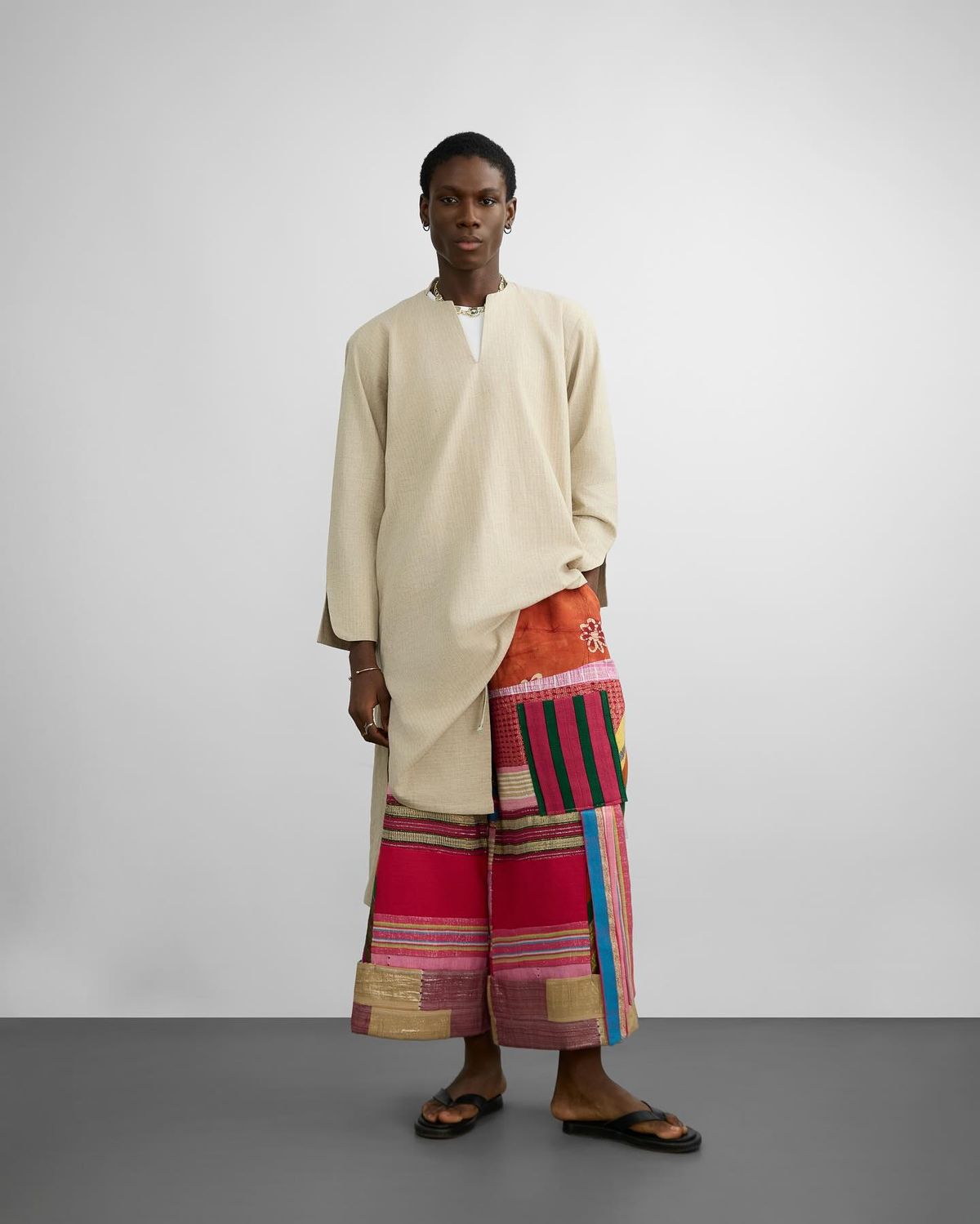
Professional dress in African contexts is undergoing structural change. The definition of what appears appropriate in formal environments is broadening as African garments gain visibility in institutional spaces.
Competence is increasingly separated from uniformity. Clothing no longer operates as a single standard across all professional settings. Instead, dress codes reflect context, institution, and cultural setting.
Western tailoring remains present within this system. However, it no longer functions as the sole visual reference for professionalism across the continent.
The Omiren Argument
The link between Western tailoring and professional credibility in Africa was never organic. It was administered, written into colonial dress codes, reinforced through mission schools, and preserved by post-independence institutions that inherited the bureaucratic logic of their predecessors without questioning their visual grammar.
What is happening now is not a trend. It is a correction.
African men wearing indigenous dress in professional environments are not conceding to culture at the expense of authority. They are demonstrating that authority was never the suit’s to grant. The agbada, the kaftan, the embroidered boubou — these are not alternatives to professionalism. They are evidence that professionalism has always had more than one language. The continent is simply insisting that all of them be recognised.
FAQs
- Why do African professionals still wear suits in the workplace?
Because the suit was never just a garment, it was a condition. Colonial administration tied Western dress to employment, credibility, and institutional belonging. That association was written into civil service dress codes, legal chambers, and banking institutions, and it remained largely intact after independence. Many African workplaces are still operating under a dress code that was designed for a different era and purpose.
- How did colonialism shape professional dress codes across Africa?
Colonial administrations and mission education systems promoted European clothing as the visual marker of what they called respectability, and what they meant was compliance. To be dressed in Western tailoring was to be legible to the institution. To be dressed in indigenous clothing was, by design, to be outside it. That framing did not disappear at independence. It was inherited by the institutions that replaced the colonial ones, and it has taken generations to begin dismantling it.
- What does it mean when African men wear traditional dress to work today?
It means the definition of professional is being rewritten from the inside. Wearing an agbada to a partner’s meeting, a kaftan to court, or a kente-inspired jacket to a board presentation is not a cultural gesture made at the expense of authority. It is a demonstration that authority was never the suit’s to grant. These garments are not alternatives to formal dress. They are formal dress, on terms the wearer has set.
- Are African men pushing back against corporate dress codes?
Some are pushing back. Many are simply moving forward. The distinction matters. The most significant shift is not defiance. It is indifferent to the assumption that Western tailoring is the default. African men in creative industries, academia, politics, and, increasingly, finance and law are wearing indigenous and hybrid dress not to make a point, but because it is their standard. The point makes itself.
- How are African menswear designers redefining formal wear?
By treating indigenous textiles as the primary material rather than the accent. Designers working with aso-oke, kente, mud cloth, and embroidered boubou fabric are building structured, precision-tailored garments that function as serious professional dress because they are serious professional dress. The innovation is not in making African fabric acceptable to Western tailoring conventions. It is in making those conventions irrelevant.
- Is indigenous African clothing formal wear?
Yes. The question itself reflects how thoroughly colonial dress logic was embedded in professional culture, such that indigeneity required permission to be considered formal. An agbada worn to a state occasion, a kaftan presented in court, and a tailored kitenge jacket at a business meeting – these are formal garments. They have always been formal garments. The only thing that changed is who is now in the room to say so.