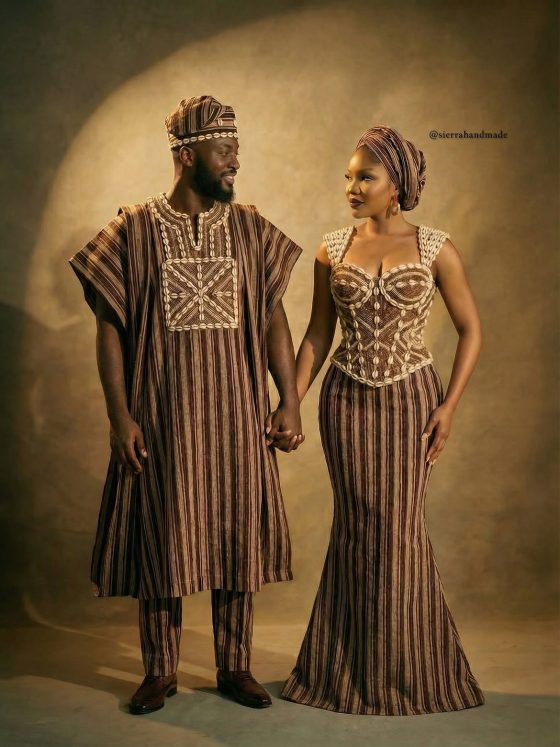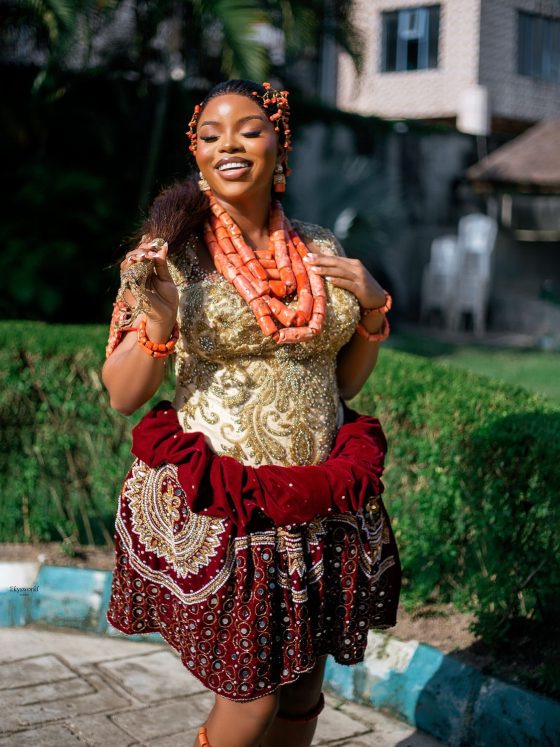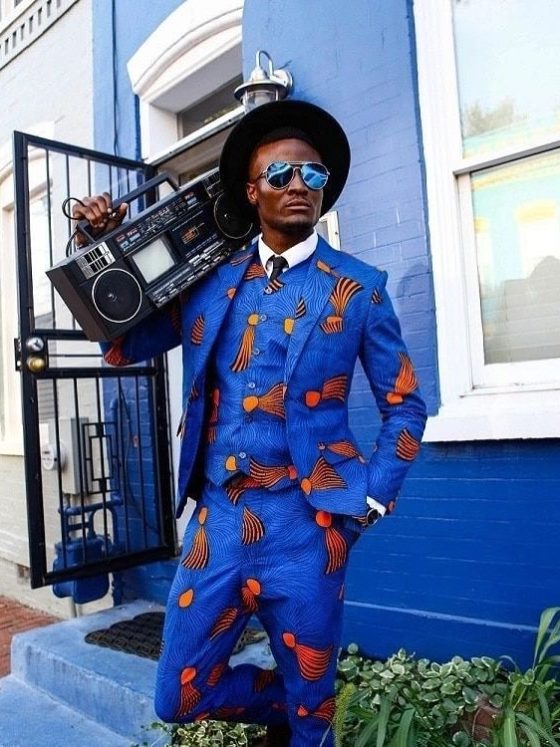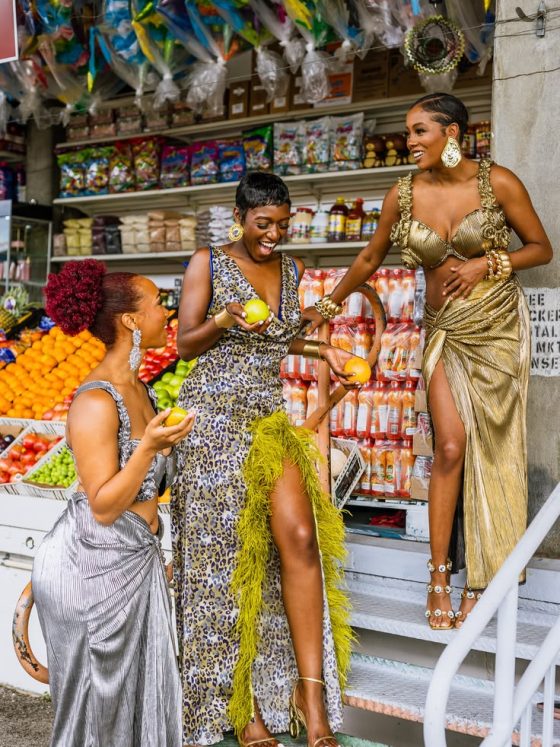
The African fashion market is worth 31 billion dollars. Within that market, few heritage textiles carry as dense a cultural load as Mozambique’s capulana cloth. Capulana is a rectangular cotton cloth, traditionally around two metres long, worn primarily in Mozambique and across southeastern Africa. It functions as skirt, dress, shawl, head wrap, baby carrier, and household cloth. It marks births, weddings, and funerals. It communicates social status, regional identity, and marital standing through its patterns and colours. It is passed from mother to daughter as inheritance. And it is now being cut, tailored, and constructed into fitted dresses, co-ord sets, blazers, and structured garments that carry the same visual language into offices, events, and runways where the wrapped form was less common.
The framing that typically accompanies this development positions capulana as a traditional cloth being modernised, elevated by design from heritage object to contemporary fashion. That framing misses the point. As Brill’s academic documentation of capulana’s cultural functions confirms, capulana functions as “an identity marker, symbol of love, means of communication and archive of history and memories.” A cloth that already does all of that is not waiting to become fashion. It already is fashion, in the fullest possible sense. What modern silhouettes provide is not elevation. They provide translation into new spaces. The distinction matters for how the reinterpretation is understood and who it is understood to serve.
Mozambique capulana cloth has always been a complete cultural technology. Here is what it carries, what modern silhouettes add, and what reinterpretation must not lose.
What Capulana Actually Is
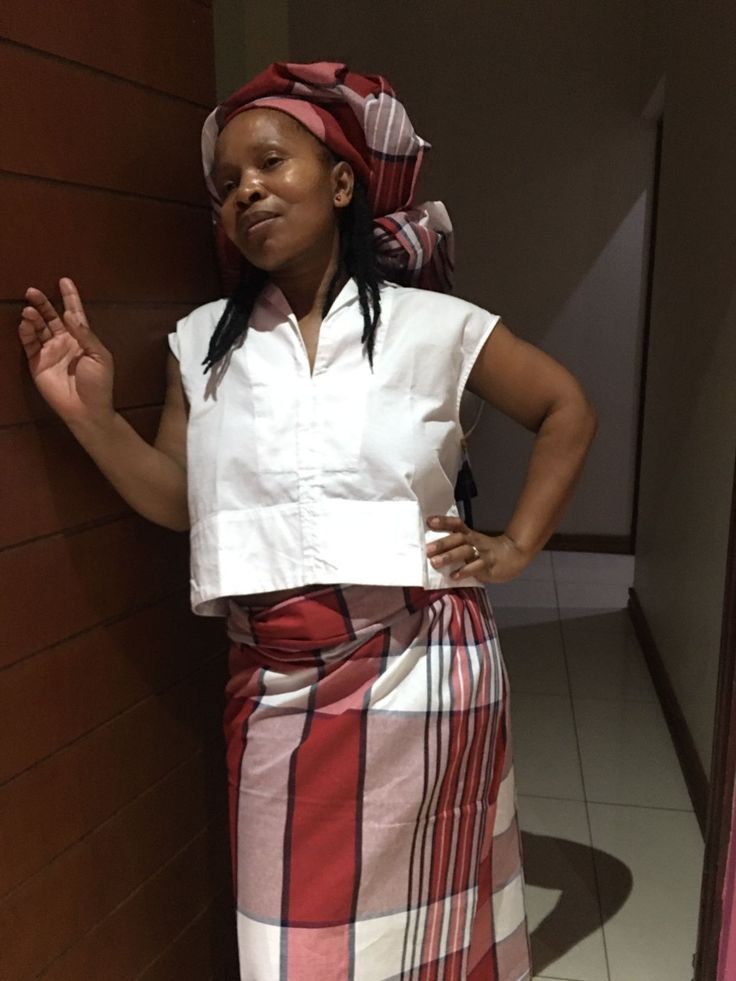
Capulana is not a single textile with a fixed design. It is a category of cloth, produced in a wide range of patterns and colours, that occupies a specific and non-negotiable position in Mozambican dress culture. The cloth is typically cotton, with printed geometric, floral, or figurative patterns that shift by region, season, and occasion. Different patterns are worn at different life stages. Colours signal context: specific colour combinations are associated with funerals, weddings, and ceremonies, and the social reading of capulana in Mozambique is precise enough that a woman’s choice of cloth communicates to those around her in ways that are invisible to outsiders.
Historically, capulana was associated with power and social status before it became the everyday cloth it now is. Early capulanas were used as exchange items and were associated with elite access. Over time, they became universal across Mozambican women’s dress, while retaining their status-communication function through pattern and colour specificity. The cloth that women wrap around themselves to carry children in the ntehe position, the cloth bought specifically for baby-wearing, is not the same cloth worn at a funeral or gifted during a marriage negotiation. The occasions differentiate. The cloth encodes the difference.
That density of cultural function is why capulana carries authority for designers working with it. A garment made from capulana carries that accumulated meaning into whatever silhouette it inhabits. The fabric does not become neutral when it is cut and constructed. It remains capulana, with all the recognition, memory, and cultural legibility that term carries in southeastern Africa and among the Mozambican diaspora.
Capulana never needed modern silhouettes to prove its relevance. It was already doing more design work than the garments that now quote it.
Why Designers Are Working With It Now
The contemporary interest in capulana among designers, both Mozambican and international, is driven by the same recognition that has made other heritage African textiles central to the conversation about what African fashion is doing now. The African fashion market’s documented growth has created conditions in which the cultural authority of textiles like capulana, kente, shweshwe, and ankara is commercially legible in ways it was not a decade ago. Designers working with capulana are not borrowing from a marginalised tradition. They are working inside one of the continent’s most documentably authoritative cloth cultures.
The practical attraction is also real. Capulana’s integration into daily life means it does not need to be explained to its primary audience. When a Mozambican designer produces a tailored blazer in capulana print, the wearer’s community reads it immediately, recognises its origins, and understands both the continuity and the departure. That legibility, the ability of a garment to be simultaneously familiar and new to the people who matter most, is something most designers spend years trying to build. Capulana arrives with it.
How the Translation Into Modern Silhouettes Works
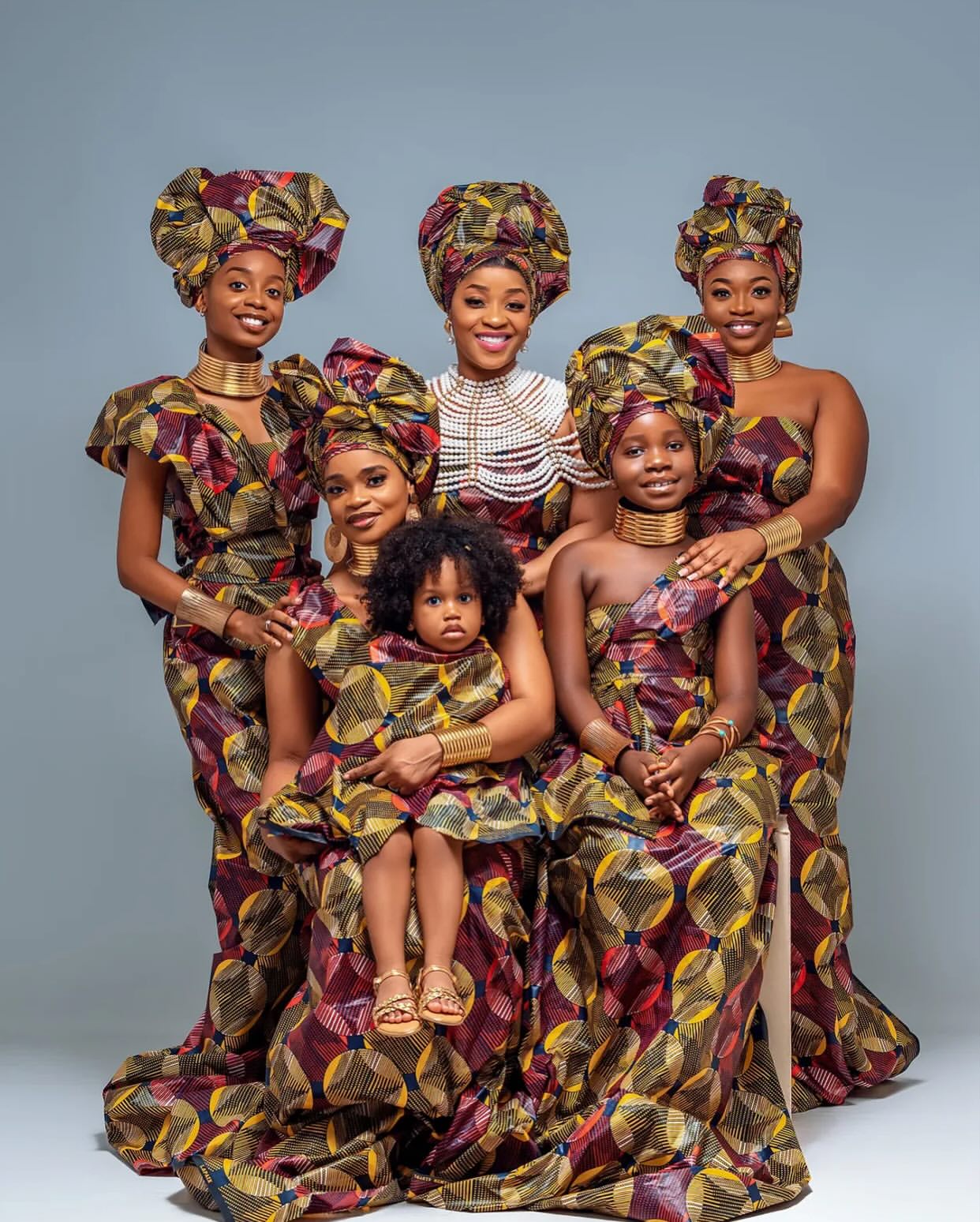
Traditional capulana use is primarily wrapped and draped. A woman wraps the cloth into a skirt, ties it as a shawl, knots it around her back to carry a child, or folds it across her head. The knotting techniques and wrapping styles vary by region and communicate information about the wearer’s background. Modern silhouettes move the cloth from draped construction into stitched construction: seams, darts, panels, and linings that hold the fabric in a fixed form rather than relying on the wearer’s hands and body to hold it.
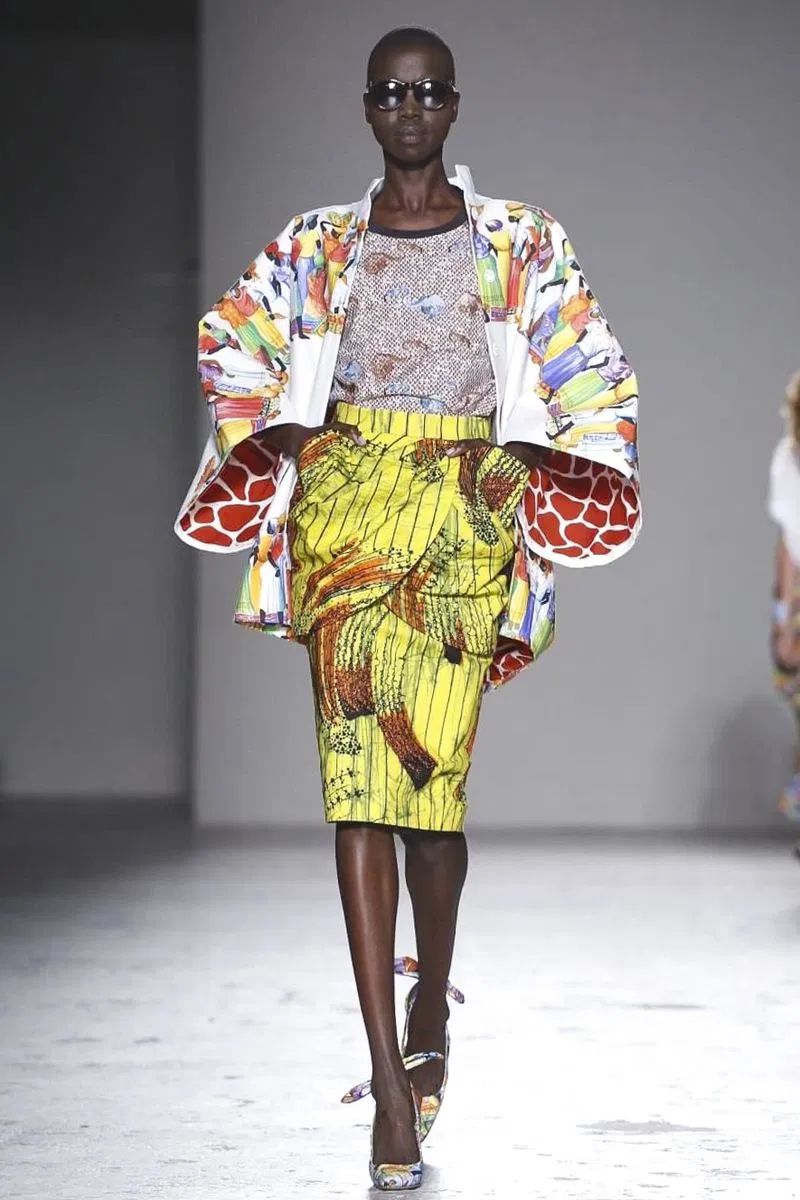
This is a genuinely significant design move, not because it improves the cloth, but because it changes what spaces the cloth can inhabit. Capulana in a constructed blazer or sheath dress enters professional environments, formal events, and runway contexts where the wrapped form would not read as expected. It allows the cloth’s visual language to operate in registers that traditional wearing practices were not designed to access. The same question surrounding ankara’s ownership and cultural authority applies here: done with knowledge of what capulana is and what it carries, this is a legitimate extension. Done without that knowledge, it becomes extraction: the visual appropriated, the meaning left behind.
The most important design principle for reinterpretation is that the cloth’s cultural coding must remain readable. A capulana blazer that retains the specific pattern, colour relationships, and regional associations of its source cloth is doing something different from a blazer that uses a generic African-adjacent print. The former extends capulana into a new silhouette. The latter uses capulana’s aesthetic without acknowledging its specificity. The distinction is not always visible in the final garment, but it is always present in the process that produced it.
What Modern Silhouettes Change: The Social Reading
When capulana appears as a tailored garment in a Mozambican professional environment, it makes a specific statement. It asserts that Mozambican identity and cultural heritage are appropriate in spaces historically designed around Western dress codes. That assertion is not incidental. It is, for the people making it, deliberate and meaningful. The cloth that a woman’s mother wrapped around her body as a child now enters the boardroom on the wearer’s own terms. The continuity of the cloth across those contexts is the argument the garment makes without a word.
On an international runway or in editorial fashion photography, capulana in modern silhouettes faces a different challenge. The cloth’s cultural specificity, which is immediately legible in Mozambique and across the southeastern African region, becomes visible in a new context where its meanings may not be readable to the audience. The question of who gets to define what respectful reinterpretation looks like when a cloth with deep community roots enters global fashion markets is not answered by the silhouette. It is answered by the process: who designed it, who produced it, who profits from it, and how the cloth’s origins are acknowledged when it reaches those new markets.
As Omiren Styles has documented in its coverage of African textile industry dynamics, the moment a heritage African textile gains international fashion attention, the question of economic benefit to the originating community becomes urgent. The capulana reinterpretation conversation is not only an aesthetic one. It is also a question about whose commercial interests are served when the cloth moves from Maputo’s markets to fashion capitals.
What Reinterpretation Must Not Lose
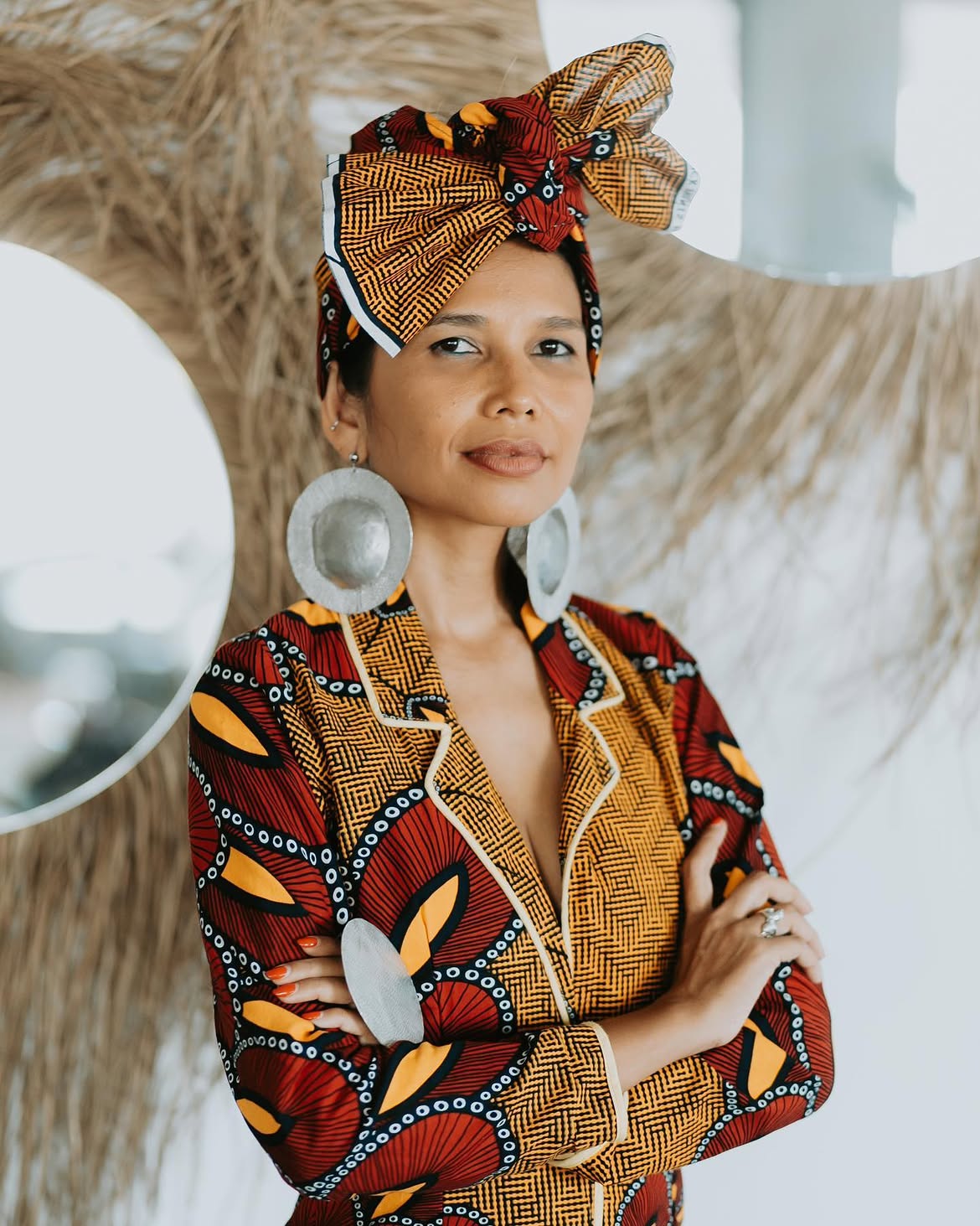
Capulana’s value to any designer working with it is inseparable from the cultural system that produced it. Academic documentation of capulana’s social function confirms that it operates as an archive of history and memories: the specific cloth worn at a grandmother’s funeral, the pattern chosen for a daughter’s wedding, the colour combination that marks a community’s ceremonial practice. These are not metaphors for the cloth’s cultural significance. They are its actual function. A blazer made from capulana enters the professional environment carrying that archive with it. The archive is the value. If the reinterpretation strips the visual from the meaning, it does not produce a modern version of capulana. It produces a print.
The transmission of capulana knowledge across generations, the practices of selection, wearing, gifting, and inheritance that keep the cloth’s cultural coding alive, is also where reinterpretation faces its most serious responsibility. If the commercial success of capulana in international fashion markets creates demand that is met by industrial production of generic capulana-adjacent prints, that success actively undermines the tradition it claims to honour. The Mozambican women who know how to read a capulana’s pattern and occasion-specific meaning are the cloth’s authoritative users. Any reinterpretation that does not keep them at the centre of the story has misunderstood what it is reinterpreting.
Omiren Record
| Cloth | Capulana |
| Country | Mozambique, southeastern Africa |
| Material | Typically cotton, printed in a wide range of patterns and colours |
| Traditional functions | Skirt, dress, shawl, head wrap, baby carrier, household cloth, ceremonial textile |
| Social functions | Identity marker, status signal, regional identity, marital status, life-event record, inheritance object |
| Brill documentation | Capulana as “identity marker, symbol of love, means of communication and archive of history and memories” |
| Modern applications | Tailored dresses, blazers, co-ord sets, structured garments, runway pieces |
| Design principle | Cloth’s cultural coding must remain readable; reinterpretation without knowledge becomes extraction |
| Key question | Who profits when capulana enters international fashion markets, and how are originating communities acknowledged |
| African market context | African fashion market valued at 31 billion dollars |
ALSO READ:
- Does Wearing Your Culture Make You Exotic? The Diaspora Fashion Paradox
- New York’s African Diaspora Fashion Week: What It Means and Why It Matters
- Does Wearing Your Culture Make You Exotic? The Diaspora Fashion Paradox
The Omiren Argument
The African fashion market is worth $ 31 billion. Mozambique’s capulana cloth is a case study in what the fashion industry consistently misreads about heritage African textiles. The misreading is structural: it frames the cloth as a raw material and the modern silhouette as the finished product, treating cultural heritage as an input and contemporary design as the output that gives it value. That framework is backwards. Capulana arrived already complete. It was already functioning as an identity marker, a social status signal, an archive of community history, a record of births, weddings, and funerals, a medium of love and communication, and an inheritance object passed between generations of women who knew exactly what each pattern and colour meant. Modern silhouettes extend capulana into new spaces. They do not improve it. They translate it. The distinction matters because it determines what obligations the designer carries into the process. A designer who understands that they are working inside a complete cultural system, not decorating a generic print, approaches capulana differently. They ask whose knowledge authorises the patterns they are using. They consider how economic benefit reaches the Mozambican women who are the cloth’s authoritative users. They ensure the cloth’s origins remain legible when it enters new markets. Capulana’s future is strongest when modern design keeps its everyday role and heritage meaning visible, because that meaning is the cloth’s value, not a footnote to it.
Frequently Asked Questions
What is Mozambique capulana cloth?
Capulana is a rectangular cotton cloth, traditionally around two metres long, worn primarily in Mozambique and across southeastern Africa. It functions as a skirt, dress, shawl, head wrap, and baby carrier, and serves a wide range of domestic purposes. Beyond its practical functions, capulana is a cultural technology: different patterns and colours communicate social status, regional identity, marital standing, and occasion. It is used at births, weddings, and funerals, and passed between generations as inheritance.
Why is capulana significant beyond its use as clothing?
As academic research documents, capulana functions as an identity marker, a symbol of love, a means of communication, and an archive of history and memories. Specific patterns are associated with particular communities, occasions, and life stages. The knowledge of how to read, select, and wear capulana appropriately is transmitted within Mozambican communities across generations, primarily by women. This makes capulana a living cultural document as much as a textile.
How are designers working with capulana now?
Contemporary designers are using capulana in constructed garments, moving the cloth from traditional wrapped and draped forms into stitched silhouettes: fitted dresses, blazers, co-ord sets, structured suits, and runway pieces. The cloth’s print and colour language remains central, but the way it sits on the body and the spaces it can inhabit change. This translation allows capulana to enter professional, formal, and international fashion contexts where the traditional wrapped form was less present.
Does modern reinterpretation erase capulana’s cultural meaning?
Not necessarily, but the risk is real. Reinterpretation that retains the specific pattern, colour relationships, and cultural context of capulana extends the cloth into new spaces while keeping its meaning intact. Reinterpretation that strips the visual language from its cultural coding, using a capulana-adjacent print without acknowledging its specificity, produces extraction rather than extension. The distinction is in the process: who holds the knowledge, who benefits commercially, and how the cloth’s origins are communicated when it reaches new markets.
What makes capulana different from a generic African print textile?
Capulana is culturally specific to Mozambique and southeastern Africa, with patterns and colours that communicate precise social information within the communities that use it. A generic “African print” is typically a commercial textile, often manufactured outside Africa, that borrows visual aesthetic from African cloth traditions without inheriting their cultural specificity. Capulana’s value as a design material is inseparable from its cultural specificity. Treating it as interchangeable with generic African print is the first misreading that good reinterpretation must avoid.
Why does the question of who profits from capulana in fashion matter?
Capulana’s cultural authority is produced and maintained by the Mozambican women who know how to use it, select it, transmit its meanings, and keep its ceremonial and social functions alive. If international fashion demand for capulana is met by industrial production of generic prints that generates no commercial benefit for Mozambican producers, the success of the trend actively undermines the tradition it claims to honour. The cloth’s cultural authority and the economic benefit of that authority should flow in the same direction.
Explore More
Read the full Africa > Textiles and Craft section at omirenstyles.com for Omiren Styles’ documentation of African heritage textiles, their cultural functions, and the arguments about identity and economic authority that their reinterpretation raises.