Menu
  • AFRICA
    • African Fashion
    • African Designers
    • Textiles & Craft
    • Heritage Clothing
    • Made in Africa
    • Regional Style
  • DIASPORA
    • Diaspora Voices
    • Diaspora Connects
    • UK Scene
    • US Scene
    • Caribbean Diaspora
    • Afro-Latino Identity
    • Migration & Identity
  • CULTURE
    • Style & Identity
    • Ceremony & Ritual
    • Art & Music
    • Cultural Inspirations
    • Black Culture
    • Heritage Stories
  • FASHION
    • Trends
    • Street Style
    • Runway
    • Sustainable Fashion
    • Tailoring
    • Luxury Fashion
  • INDUSTRY
    • Editorial Intelligence
    • Market Trends
    • Brand Strategy
    • Retail & Commerce
    • Partnerships
    • Reports
    • Insights
    • Omiren Style Index
  • BEAUTY
    • Skincare
    • Makeup
    • Hair & Hairstyle
    • Fragrance
    • Beauty Traditions
    • Natural Beauty
  • MEN
    • Men’s Style
    • Grooming Traditions
    • Traditional & Heritage
    • The Modern African Man
    • Menswear Designers
  • WOMEN
    • Women’s Style
    • Evening Glam
    • Workwear & Professional
    • Streetwear for Women
    • Accessories & Bags
    • Bridal
  • NEWS
    • Cover Stories
    • Fashion Weeks
    • Opinion & Commentary
    • Style Icons
    • Rising Stars
  • DIRECTORY
    • Designers
    • Brands
    • Boutiques
    • Stylists
    • Models
    • Photographers
    • Creative Teams
    • Events
    • Production
    • Materials & Suppliers
Subscribe
OMIREN STYLES OMIREN STYLES

Fashion · Culture · Identity

OMIREN STYLES OMIREN STYLES OMIREN STYLES OMIREN STYLES
  • AFRICA
    • African Fashion
    • African Designers
    • Textiles & Craft
    • Heritage Clothing
    • Made in Africa
    • Regional Style
  • DIASPORA
    • Diaspora Voices
    • Diaspora Connects
    • UK Scene
    • US Scene
    • Caribbean Diaspora
    • Afro-Latino Identity
    • Migration & Identity
  • CULTURE
    • Style & Identity
    • Ceremony & Ritual
    • Art & Music
    • Cultural Inspirations
    • Black Culture
    • Heritage Stories
  • FASHION
    • Trends
    • Street Style
    • Runway
    • Sustainable Fashion
    • Tailoring
    • Luxury Fashion
  • INDUSTRY
    • Editorial Intelligence
    • Market Trends
    • Brand Strategy
    • Retail & Commerce
    • Partnerships
    • Reports
    • Insights
    • Omiren Style Index
  • BEAUTY
    • Skincare
    • Makeup
    • Hair & Hairstyle
    • Fragrance
    • Beauty Traditions
    • Natural Beauty
  • MEN
    • Men’s Style
    • Grooming Traditions
    • Traditional & Heritage
    • The Modern African Man
    • Menswear Designers
  • WOMEN
    • Women’s Style
    • Evening Glam
    • Workwear & Professional
    • Streetwear for Women
    • Accessories & Bags
    • Bridal
  • NEWS
    • Cover Stories
    • Fashion Weeks
    • Opinion & Commentary
    • Style Icons
    • Rising Stars
  • DIRECTORY
    • Designers
    • Brands
    • Boutiques
    • Stylists
    • Models
    • Photographers
    • Creative Teams
    • Events
    • Production
    • Materials & Suppliers
  • MEN

How to Wear White Like You Mean It: The African Man’s Case for an Underrated Power Colour

  • Fathia Olasupo
  • June 4, 2026
How to Wear White Like You Mean It: The African Man’s Case for an Underrated Power Colour

White has always occupied a complicated place in menswear. Many men admire it from a distance but hesitate when it comes time to wear it themselves. The concerns are familiar. White attracts attention. White stains easily. White feels difficult to maintain. White seems reserved for special occasions rather than everyday life.

Yet across Africa, white has never been a marginal colour. It appears in religious ceremonies, traditional dress systems, political history, formal celebrations, and contemporary fashion. From flowing white kaftans in northern Nigeria to crisp linen ensembles along the East African coast, white carries a presence that few colours can match. It conveys confidence because it cannot be hidden. Every detail of the garment, from fit to fabric quality, becomes visible.

The problem is not that African men do not understand white people. The problem is that many have been taught to treat it as occasional rather than essential.

White remains one of the most powerful colours in African menswear, rewarding fit, fabric quality, confidence, and cultural awareness.

White Demands Fit Before Anything Else
White Demands Fit Before Anything Else

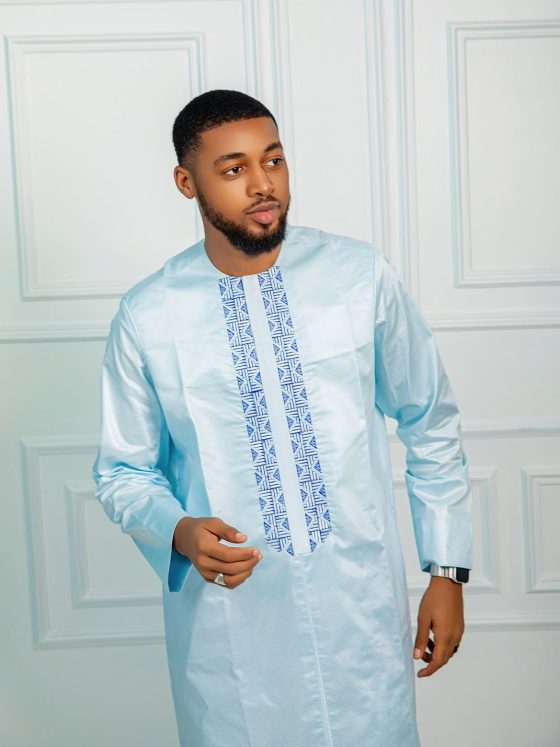
Dark colours are forgiving. Black, navy, and charcoal can disguise poor tailoring, uneven proportions, and minor imperfections. White does the opposite.

The moment a man wears white, the eye notices structure. Sleeve length becomes more important. Trouser break becomes more noticeable. Shoulder fit becomes impossible to ignore.

This is why white rewards are tailored more than almost any other colour. A simple white shirt that fits perfectly often looks more expensive than a poorly fitted designer garment.

African menswear traditions have understood this principle for generations. Whether in a boubou, kanzu, senator style, or tailored suit, white works best when the silhouette is intentional.

Fabric Determines Whether White Looks Powerful or Cheap
Fabric Determines Whether White Looks Powerful or Cheap

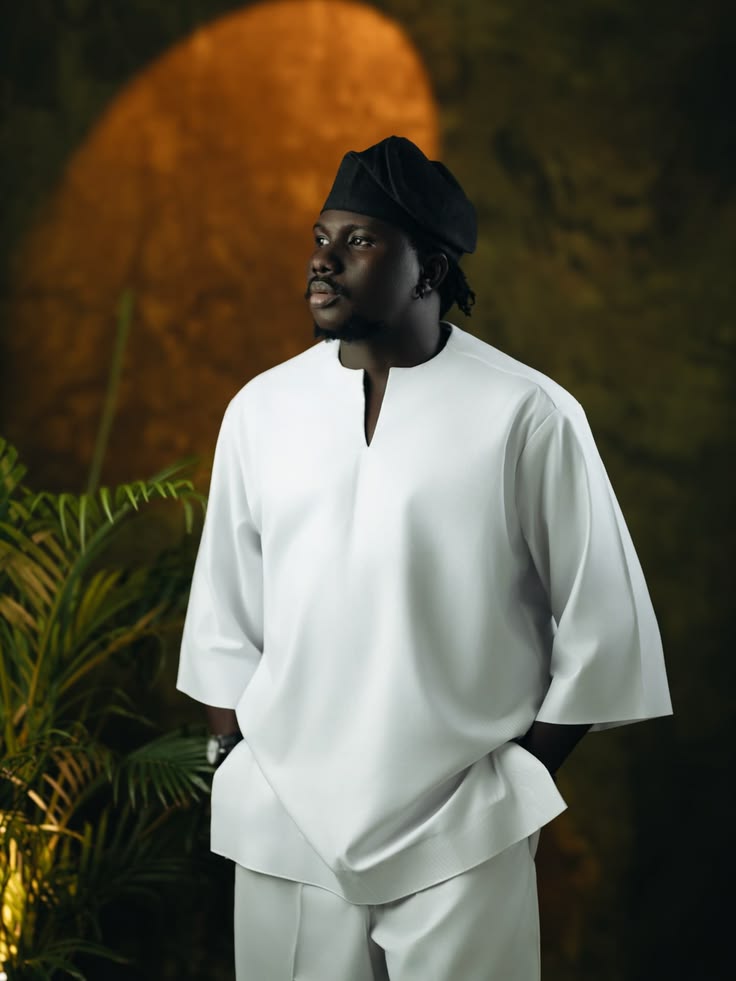
Not all white garments communicate the same message. Fabric quality plays a decisive role.

Lightweight linen creates a relaxed but confident appearance suitable for warm climates. Cotton offers versatility and structure for everyday wear. Brocade introduces texture and formality, making it particularly effective for weddings and ceremonial occasions.

The difference between a strong white outfit and a weak one often comes down to fabric behaviour. Cheap materials wrinkle poorly, lose shape quickly, and expose construction flaws. Better fabrics allow white to maintain its presence throughout the day.

This is one reason why white remains important in many African dress traditions. The colour allows craftsmanship to speak clearly.

White Works Best When It Is Allowed to Lead

Many men treat white as a supporting colour. They wear it underneath darker garments or hide it beneath layers.

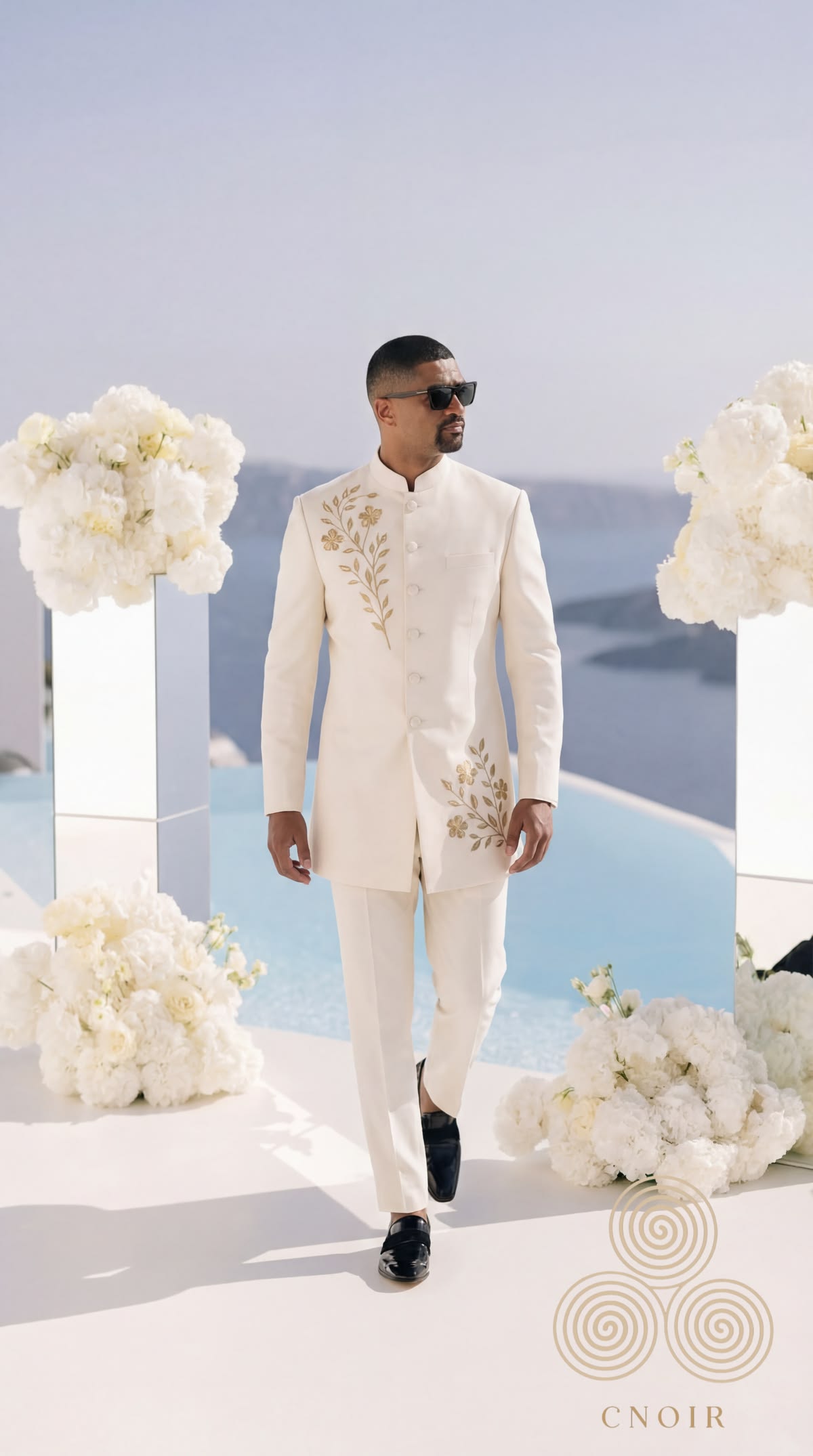
The strongest white outfits do the opposite. They allow white to become the focal point.

A white kaftan paired with simple footwear requires little else. A white linen shirt worn with tailored trousers creates immediate visual clarity. A white traditional ensemble gains strength from restraint rather than excessive styling.

When white leads, accessories should support rather than compete. The objective is not to overwhelm the eye but to create balance.

READ ALSO:

  • Rumba, Son, and Sacred Ceremony: How Afro-Cuban Performance Arts Produce Dress
  • Steelband, Calypso, and Cloth: How Trinidad’s Performance Arts Produce Dress Culture

The African Relationship With White Runs Deep
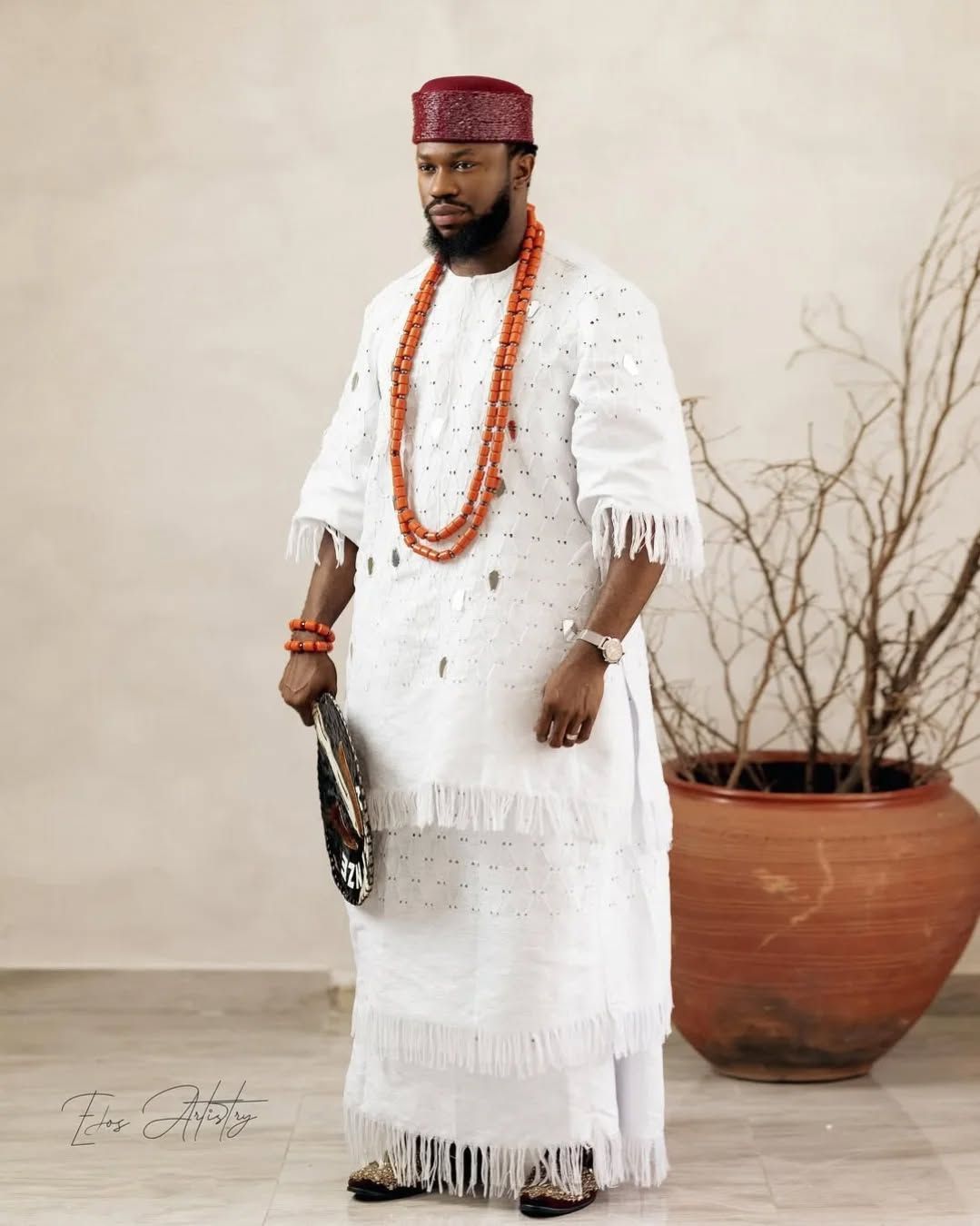
The African Relationship With White Runs Deep

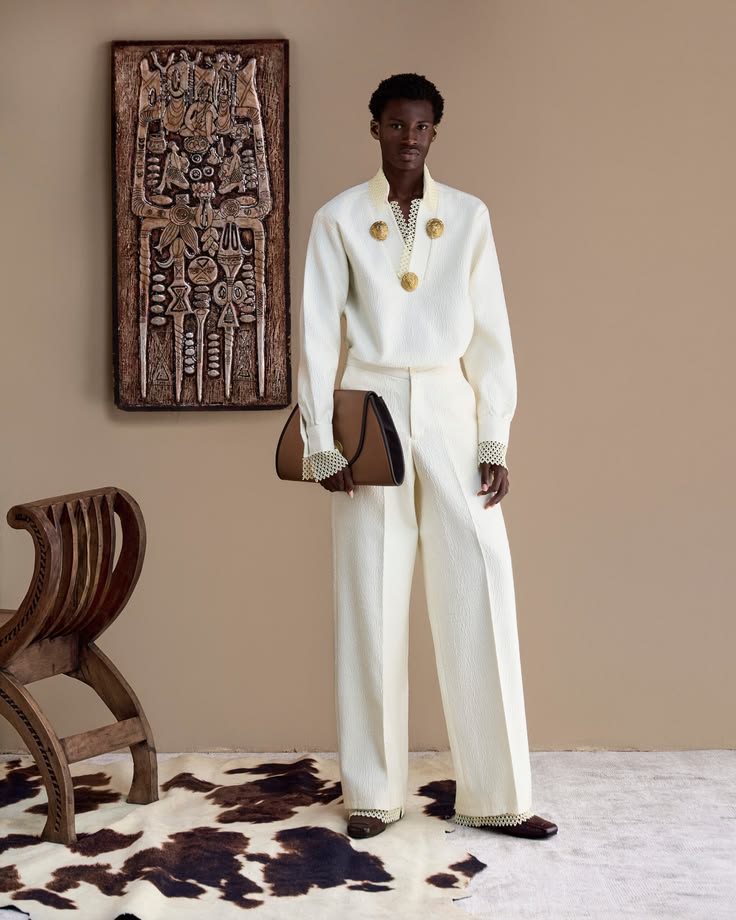
Across African societies, white has historically carried meanings associated with spirituality, status, wisdom, celebration, and transition. These meanings vary by community, but the colour’s importance remains consistent.

White garments are worn during religious observances, chieftaincy ceremonies, weddings, naming ceremonies, and cultural festivals across the continent. The colour often signals seriousness of purpose rather than simplicity.

Contemporary African designers continue to draw on this relationship, producing collections where white serves as a foundation rather than an accent.

This history matters because it reminds us that white is not a foreign style choice being imported into African menswear. It already belongs to the continent’s visual language.

The Omiren Argument

White is often treated as a difficult colour that requires special confidence to wear successfully. This assumption reverses the relationship between confidence and clothing. Men do not become confident because they wear white. White reveals whether confidence already exists.

That is why the colour remains powerful across African menswear traditions. White exposes fit, fabric, posture, and styling decisions with unusual honesty. It rewards discipline rather than excess. The men who wear white well are not necessarily making a louder statement than everyone else. They are making a clearer one.

FAQs

  1. Why is white considered difficult to wear?

Because it highlights fit, fabric quality, and garment construction more visibly than darker colours.

  1. Can white be worn casually?

 Yes. White linen shirts, cotton trousers, and simple traditional garments work well in everyday settings.

  1. What fabric works best for white clothing?

Linen, cotton, and quality brocade each perform well depending on the occasion.

  1. Does white suit darker skin tones?

Yes. White often creates strong visual contrast that complements a wide range of African skin tones.

  1. Should white outfits include many accessories?

Usually not. White tends to look strongest when styling remains restrained and intentional.

Post Views: 7
Related Topics
  • African men's fashion
  • Contemporary African Fashion
  • fashion styling tips
  • men's style guide
Fathia Olasupo

olasupofathia49@gmail.com

You May Also Like
The Future of Fashion in Burkina Faso: Sustainability and Innovation
View Post
  • Sustainable Fashion

The Future of Fashion in Burkina Faso: Sustainability and Innovation

  • Faith Olabode
  • June 5, 2026
View Post
  • Street Style

Freetown Streetwear: Youth Culture and Fashion Evolution

  • Philip Sifon
  • June 4, 2026
Streetwear in Ouagadougou: Youth Culture and Style Evolution
View Post
  • Street Style

Streetwear in Ouagadougou: Youth Culture and Style Evolution

  • Faith Olabode
  • June 3, 2026
The Gojjam Amhara Fetel Dress
View Post
  • Sustainable Fashion

The Gojjam Amhara Fetel Dress

  • Meseret Zeleke
  • June 3, 2026
Burkinabé Cotton and Textiles: The Foundation of Sustainable Fashion
View Post
  • Sustainable Fashion

Burkinabé Cotton and Textiles: The Foundation of Sustainable Fashion

  • Faith Olabode
  • June 2, 2026
Sustainable Fashion in Mali: Handmade Textiles and the Future of Design
View Post
  • Sustainable Fashion

Sustainable Fashion in Mali: Handmade Textiles and the Future of Design

  • Philip Sifon
  • June 2, 2026
Street Style in Bamako: Where Tradition Meets Modern Expression
View Post
  • Street Style

Street Style in Bamako: Where Tradition Meets Modern Expression

  • Philip Sifon
  • May 29, 2026
Ivorian Designers Taking African Fashion to the Global Stage
View Post
  • Luxury Fashion

Ivorian Designers Taking African Fashion to the Global Stage

  • Philip Sifon
  • May 25, 2026
The Omiren Argument

African fashion and culture are not emerging. They are foundational. We document, interpret, and argue for the full cultural weight of African and diaspora dress. With precision. Without apology.

Omiren Styles Fashion · Culture · Identity

All 54 African Nations
Caribbean · Afro-Latin America
The Global Diaspora

Platform

  • About Omiren Styles
  • Our Vision
  • Our Mission
  • Editorial Pillars
  • Editorial Policy
  • The Omiren Collective
  • Campus Style Initiative
  • Sustainable Style
  • Social Impact & Advocacy
  • Investor Relations

Contribute

  • Write for Omiren Styles
  • Submit Creative Work
  • Join the Omiren Collective
  • Campus Initiative
Contact
contact@omirenstyles.com
Our Reach

Africa — All 54 Nations
Caribbean
Afro-Latin America
Global Diaspora

African fashion intelligence, in your inbox.

Editorial features, designer profiles, cultural commentary. No noise.

© 2026 Omiren Styles — Rex Clarke Global Ventures Limited. All rights reserved.
  • Privacy Policy
  • Editorial Policy
  • Terms of Use
  • Accessibility
Africa · Caribbean · Diaspora
The Omiren Argument

African fashion and culture are not emerging. They are foundational. We document, interpret, and argue for the full cultural weight of African and diaspora dress. With precision. Without apology.

Omiren Styles Fashion · Culture · Identity
  • About Omiren Styles
  • Our Vision
  • Our Mission
  • Editorial Pillars
  • Editorial Policy
  • The Omiren Collective
  • Campus Style Initiative
  • Sustainable Style
  • Social Impact & Advocacy
  • Investor Relations
  • Write for Omiren Styles
  • Submit Creative Work
  • Join the Omiren Collective
  • Campus Initiative
Contact contact@omirenstyles.com

All 54 African Nations · Caribbean
Afro-Latin America · Global Diaspora

African fashion intelligence, in your inbox.

Editorial features, designer profiles, cultural commentary. No noise.

© 2026 Omiren Styles
Rex Clarke Global Ventures Limited.
All rights reserved.

  • Privacy Policy
  • Editorial Policy
  • Terms of Use
  • Accessibility
Africa · Caribbean · Diaspora

Input your search keywords and press Enter.