Menu
  • AFRICA
    • African Fashion
    • African Designers
    • Textiles & Craft
    • Heritage Clothing
    • Made in Africa
    • Regional Style
  • DIASPORA
    • Diaspora Voices
    • Diaspora Connects
    • UK Scene
    • US Scene
    • Caribbean Diaspora
    • Afro-Latino Identity
    • Migration & Identity
  • CULTURE
    • Style & Identity
    • Ceremony & Ritual
    • Art & Music
    • Cultural Inspirations
    • Black Culture
    • Heritage Stories
  • FASHION
    • Trends
    • Street Style
    • Runway
    • Sustainable Fashion
    • Tailoring
    • Luxury Fashion
  • INDUSTRY
    • Editorial Intelligence
    • Market Trends
    • Brand Strategy
    • Retail & Commerce
    • Partnerships
    • Reports
    • Insights
    • Omiren Style Index
  • BEAUTY
    • Skincare
    • Makeup
    • Hair & Hairstyle
    • Fragrance
    • Beauty Traditions
    • Natural Beauty
  • MEN
    • Men’s Style
    • Grooming Traditions
    • Traditional & Heritage
    • The Modern African Man
    • Menswear Designers
  • WOMEN
    • Women’s Style
    • Evening Glam
    • Workwear & Professional
    • Streetwear for Women
    • Accessories & Bags
    • Bridal
  • NEWS
    • Cover Stories
    • Fashion Weeks
    • Opinion & Commentary
    • Style Icons
    • Rising Stars
  • DIRECTORY
    • Designers
    • Brands
    • Boutiques
    • Stylists
    • Models
    • Photographers
    • Creative Teams
    • Events
    • Production
    • Materials & Suppliers
Subscribe
OMIREN STYLES OMIREN STYLES

Fashion · Culture · Identity

OMIREN STYLES OMIREN STYLES OMIREN STYLES OMIREN STYLES
  • AFRICA
    • African Fashion
    • African Designers
    • Textiles & Craft
    • Heritage Clothing
    • Made in Africa
    • Regional Style
  • DIASPORA
    • Diaspora Voices
    • Diaspora Connects
    • UK Scene
    • US Scene
    • Caribbean Diaspora
    • Afro-Latino Identity
    • Migration & Identity
  • CULTURE
    • Style & Identity
    • Ceremony & Ritual
    • Art & Music
    • Cultural Inspirations
    • Black Culture
    • Heritage Stories
  • FASHION
    • Trends
    • Street Style
    • Runway
    • Sustainable Fashion
    • Tailoring
    • Luxury Fashion
  • INDUSTRY
    • Editorial Intelligence
    • Market Trends
    • Brand Strategy
    • Retail & Commerce
    • Partnerships
    • Reports
    • Insights
    • Omiren Style Index
  • BEAUTY
    • Skincare
    • Makeup
    • Hair & Hairstyle
    • Fragrance
    • Beauty Traditions
    • Natural Beauty
  • MEN
    • Men’s Style
    • Grooming Traditions
    • Traditional & Heritage
    • The Modern African Man
    • Menswear Designers
  • WOMEN
    • Women’s Style
    • Evening Glam
    • Workwear & Professional
    • Streetwear for Women
    • Accessories & Bags
    • Bridal
  • NEWS
    • Cover Stories
    • Fashion Weeks
    • Opinion & Commentary
    • Style Icons
    • Rising Stars
  • DIRECTORY
    • Designers
    • Brands
    • Boutiques
    • Stylists
    • Models
    • Photographers
    • Creative Teams
    • Events
    • Production
    • Materials & Suppliers
  • Caribbean Diaspora

Rumba, Son, and Sacred Ceremony: How Afro-Cuban Performance Arts Produce Dress

  • Fathia Olasupo
  • June 2, 2026
Rumba, Son, and Sacred Ceremony: How Afro-Cuban Performance Arts Produce Dress

Long before a performer steps onto a stage in Havana or Santiago de Cuba, clothing has already begun doing cultural work. A carefully tied headwrap, a pressed guayabera, a layered skirt designed for movement, or a garment chosen for a religious ceremony all carry meanings that extend beyond appearance. In Cuba, dress is inseparable from performance because many of the country’s most influential clothing traditions were shaped within musical, religious, and communal spaces where movement, rhythm, and public gathering matter.

Rumba, son, and Afro-Cuban sacred ceremonies each produce their own dress systems. These traditions differ in purpose, audience, and setting, yet they share a common understanding that clothing is part of performance rather than a separate visual element. Garments help organise participation, communicate identity, and support movement within cultural practices that remain active across contemporary Cuban life.

Afro-Cuban dress culture is shaped by rumba, son, and sacred ceremony, as well as movement, ritual clothing, and performance traditions.

Rumba and the Language of Movement
Rumba and the Language of Movement

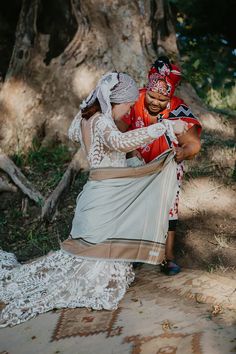
Rumba emerged within Afro-Cuban communities as a music and dance tradition where bodily movement is central to performance. Dress within rumba spaces reflects this emphasis on motion.

Women’s skirts are often designed to accentuate turns, gestures, and rhythmic interaction between dancer and musician. Layered fabrics create visual movement that extends the performance beyond the body itself. Men’s clothing frequently prioritises flexibility while maintaining a sharp appearance that reflects the social nature of rumba gatherings.

The importance of the rumba dress lies not in elaborate construction but in functionality. Garments must support physical expression while remaining visually legible within communal performance settings.

Clothing, therefore, becomes part of the choreography. The movement of fabric contributes to how the dance is experienced by participants and audiences alike.

Son Cubano and Public Presentation

Son occupies a different cultural space within Cuban music history. As a genre that developed through the interaction of African and Spanish musical influences, son created performance environments in which dress reflected professionalism, elegance, and public presentation.

Musicians performing son have historically favoured tailored clothing, pressed shirts, jackets, hats, and garments associated with formal social occasions. The guayabera became especially significant because it balanced practicality within Cuba’s climate with a polished visual appearance.

Dressing in the son culture communicates respect for both the audience and the performance. Clothing helps establish the seriousness of the musical event while reinforcing social identity within public cultural life.

This relationship between music and presentation continues to influence contemporary Cuban fashion, particularly in formal performance settings.

Sacred Ceremony and Ritual Dress
Sacred Ceremony and Ritual Dress

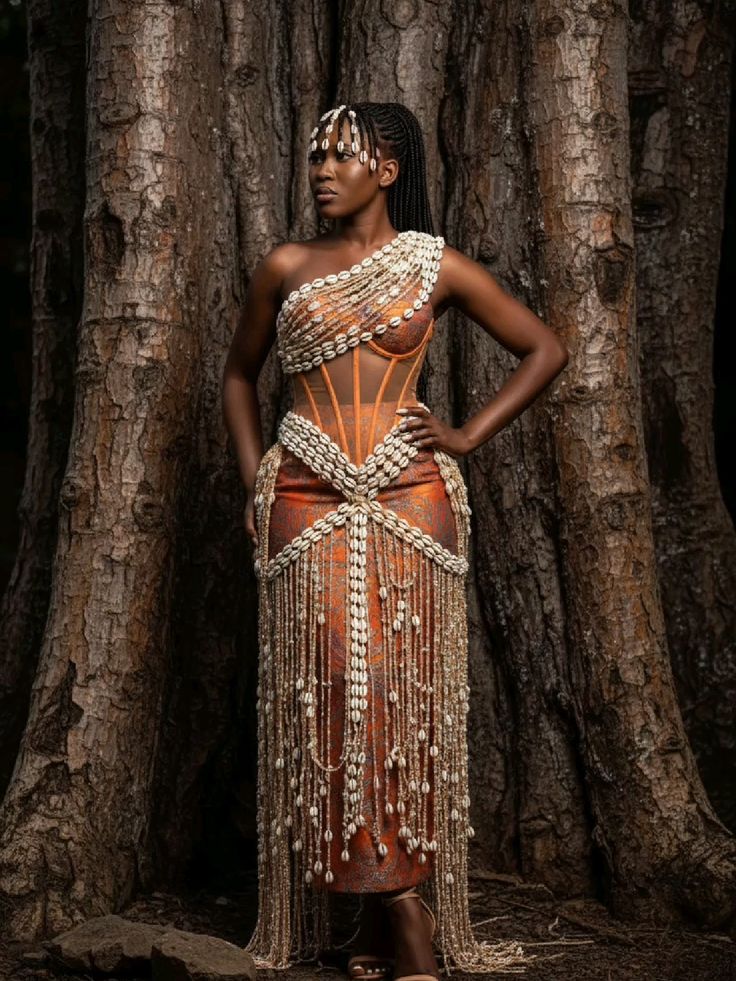
Afro-Cuban religious traditions maintain some of the most structured dress systems on the island. Within Santería and related ceremonial contexts, clothing operates through ritual meaning rather than aesthetic preference.

White garments are commonly associated with purification and initiation. Beads, head coverings, and colour systems correspond to specific Orisha and ceremonial responsibilities. The garments worn within these spaces are governed by religious logic developed through generations of practice.

Importantly, sacred dress is not a performance costume. Its primary function is spiritual participation. Yet these ceremonial systems have influenced broader Cuban visual culture by shaping ideas about colour, fabric, and bodily presentation.

The relationship between sacred and public dress is therefore one of influence rather than equivalence.

READ ALSO:

  • From ’90s Supermodels to Today’s Global Fashion Icons
  • How Streetwear Became a Global Force

Performance Arts as Fashion Infrastructure
Performance Arts as Fashion Infrastructure

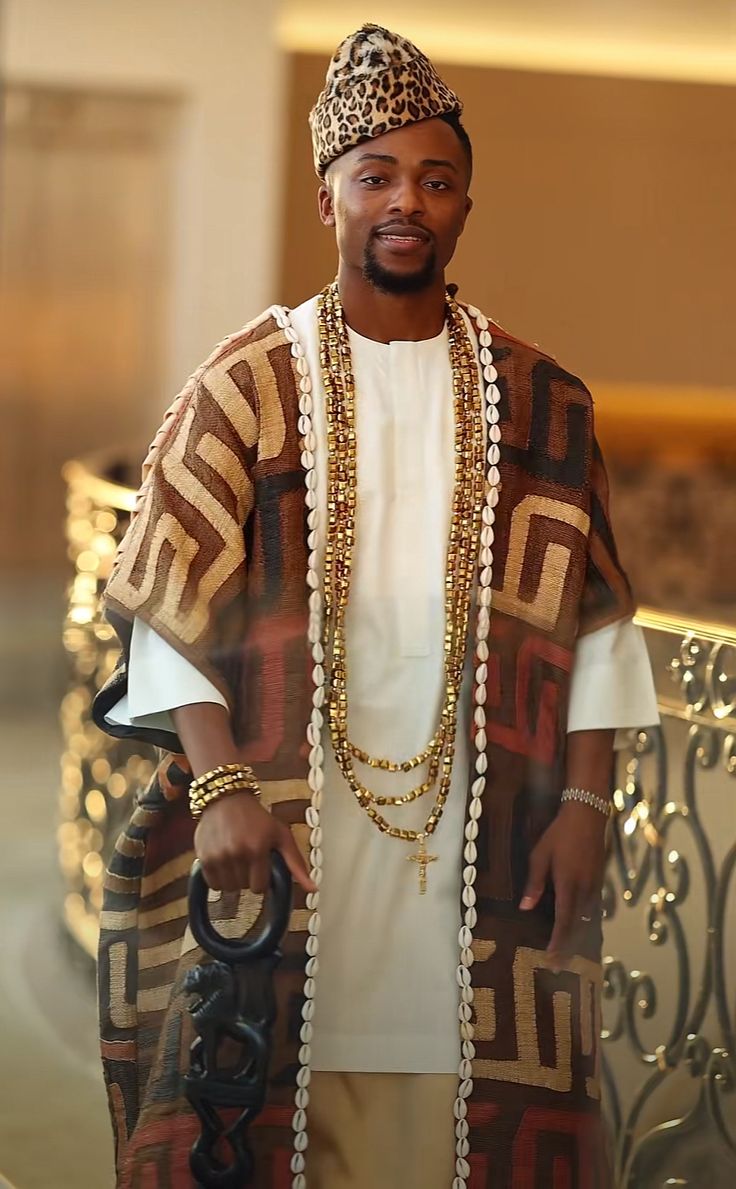
Rumba groups, son ensembles, and religious communities all help sustain garment production in Cuba. Tailors, sewists, bead makers, and textile workers support these cultural systems through specialised labour.

Clothing required for performances, ceremonies, and cultural events creates recurring demand for local craft knowledge. In this way, performance traditions function as informal fashion infrastructures that sustain skills across generations.

These systems demonstrate that fashion in Cuba is not produced solely through the commercial industry. Cultural practice itself remains a significant source of continuity in garment production and design.

The Omiren Argument

Afro-Cuban performance dress is often interpreted as a collection of visual traditions attached to music and ceremony. This framing treats clothing as decoration added to cultural practices rather than recognising its structural role within them.

In reality, rumba, son, and sacred ceremonies actively produce dress culture through movement, ritual obligation, public presentation, and specialised craft labour. Clothing functions as a working component of these traditions, shaping participation and meaning within performance itself. Afro-Cuban dress culture survives not because garments are preserved as heritage objects, but because they remain embedded within living cultural systems that continue to require them.

FAQs

  1. How does rumba influence dress in Cuba?

Rumba influences clothing designed for movement, rhythm, and visual expression during dance performance.

  1. What is the role of the guayabera in Cuban music culture?

The guayabera became associated with formal presentation and professionalism in many Cuban performance settings.

  1. Is sacred dress the same as a performance costume?

No. Sacred dress serves religious functions, while performance clothing supports artistic presentation.

  1. Why is white important in Afro-Cuban ceremonies?

White is commonly associated with purification, initiation, and ritual preparation in Santería practice.

  1. How do performance traditions support fashion culture?

They create demand for tailoring, garment production, beadwork, and other specialised craft skills.

Post Views: 42

Stay Connected

Enjoyed this article? Get more style tips, buying guides, and product recommendations delivered straight to your inbox.

👉 Subscribe to the Omiren Styles Newsletter: https://omirenstyles.com/subscribe/

Related Topics
  • Afro diaspora fashion
  • Caribbean cultural identity
  • ceremonial clothing traditions
  • performance fashion culture
Fathia Olasupo

olasupofathia49@gmail.com

You May Also Like
The Afro Carib Fashion Show: Two Women, One Runway, and the Diaspora Platform Nobody Else Is Building
View Post
  • Caribbean Diaspora

The Afro Carib Fashion Show: Two Women, One Runway, and the Diaspora Platform Nobody Else Is Building

  • Ayomidoyin Olufemi
  • June 8, 2026
View Post
  • Caribbean Diaspora

Grace Wales Bonner: The Jamaican-British Designer Making History at Hermès

  • Adams Moses
  • June 8, 2026
Gaga, Palos, and Festival Dress: How Afro-Dominican Cultural Arts Build Identity Through Cloth
View Post
  • Caribbean Diaspora

Gaga, Palos, and Festival Dress: How Afro-Dominican Cultural Arts Build Identity Through Cloth

  • Fathia Olasupo
  • June 3, 2026
Steelband, Calypso, and Cloth: How Trinidad’s Performance Arts Produce Dress Culture
View Post
  • Caribbean Diaspora

Steelband, Calypso, and Cloth: How Trinidad’s Performance Arts Produce Dress Culture

  • Fathia Olasupo
  • June 1, 2026
The Future of Haitian Fashion: Craft Networks, Diaspora Investment, and Cultural Continuity
View Post
  • Caribbean Diaspora

The Future of Haitian Fashion: Craft Networks, Diaspora Investment, and Cultural Continuity

  • Fathia Olasupo
  • May 29, 2026
Jonkonnu, Masquerade, and Dancehall: How Jamaican Performance Culture Drives Dress
View Post
  • Caribbean Diaspora

Jonkonnu, Masquerade, and Dancehall: How Jamaican Performance Culture Drives Dress

  • Fathia Olasupo
  • May 27, 2026
Stella Jean: The First Black Italian Designer Who Forced Milan to Look
View Post
  • Caribbean Diaspora

Stella Jean: The First Black Italian Designer Who Forced Milan to Look

  • Adams Moses
  • May 27, 2026
View Post
  • Caribbean Diaspora

Rara, Carnival, and Sacred Dress: The Intersection of Art, Ceremony, and Cloth in Haiti

  • Fathia Olasupo
  • May 26, 2026

Leave a Reply Cancel reply

Your email address will not be published. Required fields are marked *

The Omiren Argument

African fashion and culture are not emerging. They are foundational. We document, interpret, and argue for the full cultural weight of African and diaspora dress. With precision. Without apology.

Omiren Styles Fashion · Culture · Identity

All 54 African Nations
Caribbean · Afro-Latin America
The Global Diaspora

Platform

  • About Omiren Styles
  • Our Vision
  • Our Mission
  • Editorial Pillars
  • Editorial Policy
  • The Omiren Collective
  • Campus Style Initiative
  • Sustainable Style
  • Social Impact & Advocacy
  • Investor Relations

Contribute

  • Write for Omiren Styles
  • Submit Creative Work
  • Join the Omiren Collective
  • Campus Initiative
Contact
contact@omirenstyles.com
Our Reach

Africa — All 54 Nations
Caribbean
Afro-Latin America
Global Diaspora

African fashion intelligence, in your inbox.

Editorial features, designer profiles, cultural commentary. No noise.

© 2026 Omiren Styles — Rex Clarke Global Ventures Limited. All rights reserved.
  • Privacy Policy
  • Editorial Policy
  • Terms of Use
  • Accessibility
Africa · Caribbean · Diaspora
The Omiren Argument

African fashion and culture are not emerging. They are foundational. We document, interpret, and argue for the full cultural weight of African and diaspora dress. With precision. Without apology.

Omiren Styles Fashion · Culture · Identity
  • About Omiren Styles
  • Our Vision
  • Our Mission
  • Editorial Pillars
  • Editorial Policy
  • The Omiren Collective
  • Campus Style Initiative
  • Sustainable Style
  • Social Impact & Advocacy
  • Investor Relations
  • Write for Omiren Styles
  • Submit Creative Work
  • Join the Omiren Collective
  • Campus Initiative
Contact contact@omirenstyles.com

All 54 African Nations · Caribbean
Afro-Latin America · Global Diaspora

African fashion intelligence, in your inbox.

Editorial features, designer profiles, cultural commentary. No noise.

© 2026 Omiren Styles
Rex Clarke Global Ventures Limited.
All rights reserved.

  • Privacy Policy
  • Editorial Policy
  • Terms of Use
  • Accessibility
Africa · Caribbean · Diaspora

Input your search keywords and press Enter.