Menu
  • AFRICA
    • African Fashion
    • African Designers
    • Textiles & Craft
    • Heritage Clothing
    • Made in Africa
    • Regional Style
  • DIASPORA
    • Diaspora Voices
    • Diaspora Connects
    • UK Scene
    • US Scene
    • Caribbean Diaspora
    • Afro-Latino Identity
    • Migration & Identity
  • CULTURE
    • Style & Identity
    • Ceremony & Ritual
    • Art & Music
    • Cultural Inspirations
    • Black Culture
    • Heritage Stories
  • FASHION
    • Trends
    • Street Style
    • Runway
    • Sustainable Fashion
    • Tailoring
    • Luxury Fashion
  • INDUSTRY
    • Editorial Intelligence
    • Market Trends
    • Brand Strategy
    • Retail & Commerce
    • Partnerships
    • Reports
    • Insights
    • Omiren Style Index
  • BEAUTY
    • Skincare
    • Makeup
    • Hair & Hairstyle
    • Fragrance
    • Beauty Traditions
    • Natural Beauty
  • MEN
    • Men’s Style
    • Grooming Traditions
    • Traditional & Heritage
    • The Modern African Man
    • Menswear Designers
  • WOMEN
    • Women’s Style
    • Evening Glam
    • Workwear & Professional
    • Streetwear for Women
    • Accessories & Bags
    • Bridal
  • NEWS
    • Cover Stories
    • Fashion Weeks
    • Opinion & Commentary
    • Style Icons
    • Rising Stars
  • DIRECTORY
    • Designers
    • Brands
    • Boutiques
    • Stylists
    • Models
    • Photographers
    • Creative Teams
    • Events
    • Production
    • Materials & Suppliers
Subscribe
OMIREN STYLES OMIREN STYLES

Fashion · Culture · Identity

OMIREN STYLES OMIREN STYLES OMIREN STYLES OMIREN STYLES
  • AFRICA
    • African Fashion
    • African Designers
    • Textiles & Craft
    • Heritage Clothing
    • Made in Africa
    • Regional Style
  • DIASPORA
    • Diaspora Voices
    • Diaspora Connects
    • UK Scene
    • US Scene
    • Caribbean Diaspora
    • Afro-Latino Identity
    • Migration & Identity
  • CULTURE
    • Style & Identity
    • Ceremony & Ritual
    • Art & Music
    • Cultural Inspirations
    • Black Culture
    • Heritage Stories
  • FASHION
    • Trends
    • Street Style
    • Runway
    • Sustainable Fashion
    • Tailoring
    • Luxury Fashion
  • INDUSTRY
    • Editorial Intelligence
    • Market Trends
    • Brand Strategy
    • Retail & Commerce
    • Partnerships
    • Reports
    • Insights
    • Omiren Style Index
  • BEAUTY
    • Skincare
    • Makeup
    • Hair & Hairstyle
    • Fragrance
    • Beauty Traditions
    • Natural Beauty
  • MEN
    • Men’s Style
    • Grooming Traditions
    • Traditional & Heritage
    • The Modern African Man
    • Menswear Designers
  • WOMEN
    • Women’s Style
    • Evening Glam
    • Workwear & Professional
    • Streetwear for Women
    • Accessories & Bags
    • Bridal
  • NEWS
    • Cover Stories
    • Fashion Weeks
    • Opinion & Commentary
    • Style Icons
    • Rising Stars
  • DIRECTORY
    • Designers
    • Brands
    • Boutiques
    • Stylists
    • Models
    • Photographers
    • Creative Teams
    • Events
    • Production
    • Materials & Suppliers
  • Heritage Stories

The African Men Who Dress to Be Remembered: Style, Power, and the Continent’s Forgotten Dandy Tradition

  • Ayomidoyin Olufemi
  • April 15, 2026
The African Men Who Dress to Be Remembered: Style, Power, and the Continent’s Forgotten Dandy Tradition

Across the African continent, there exists a long-standing tradition of men who dress not simply to be seen, but to be remembered. Their clothing is not incidental. It is intentional, expressive, and deeply tied to identity. From the sharply tailored elegance of Congolese Sapeurs to the commanding presence of agbada-wearing elders in Yorubaland, African men’s fashion has always operated as a language of power and self-definition. 

Today, as global fashion increasingly turns its gaze toward African style, this tradition is re-emerging with renewed relevance. Yet, it is far from new. It is a continuation of a legacy in which dressing well is not vanity but a declaration.

Discover the history of Africafashion, from Congolese Sapeurs to Yoruba agbada styles and Lagos streetwear, where dressing well is a statement of power and identity.

Dressing as a Declaration in African Culture
Dressing as a Declaration in African Culture

In many African societies, clothing has never been neutral. It communicates status, respect, and awareness of one’s place within the community.

For men, this often translates into a deliberate approach to dressing. Garments are chosen not just for function but for what they signify. Fabric, cut, and styling all contribute to a larger narrative.

This is why searches for African men’s traditional wear, agbada styles for men, and African fashion history continue to grow. There is increasing recognition that African menswear is not simply aesthetic. It is symbolic.

The Sapeurs: Elegance as Res

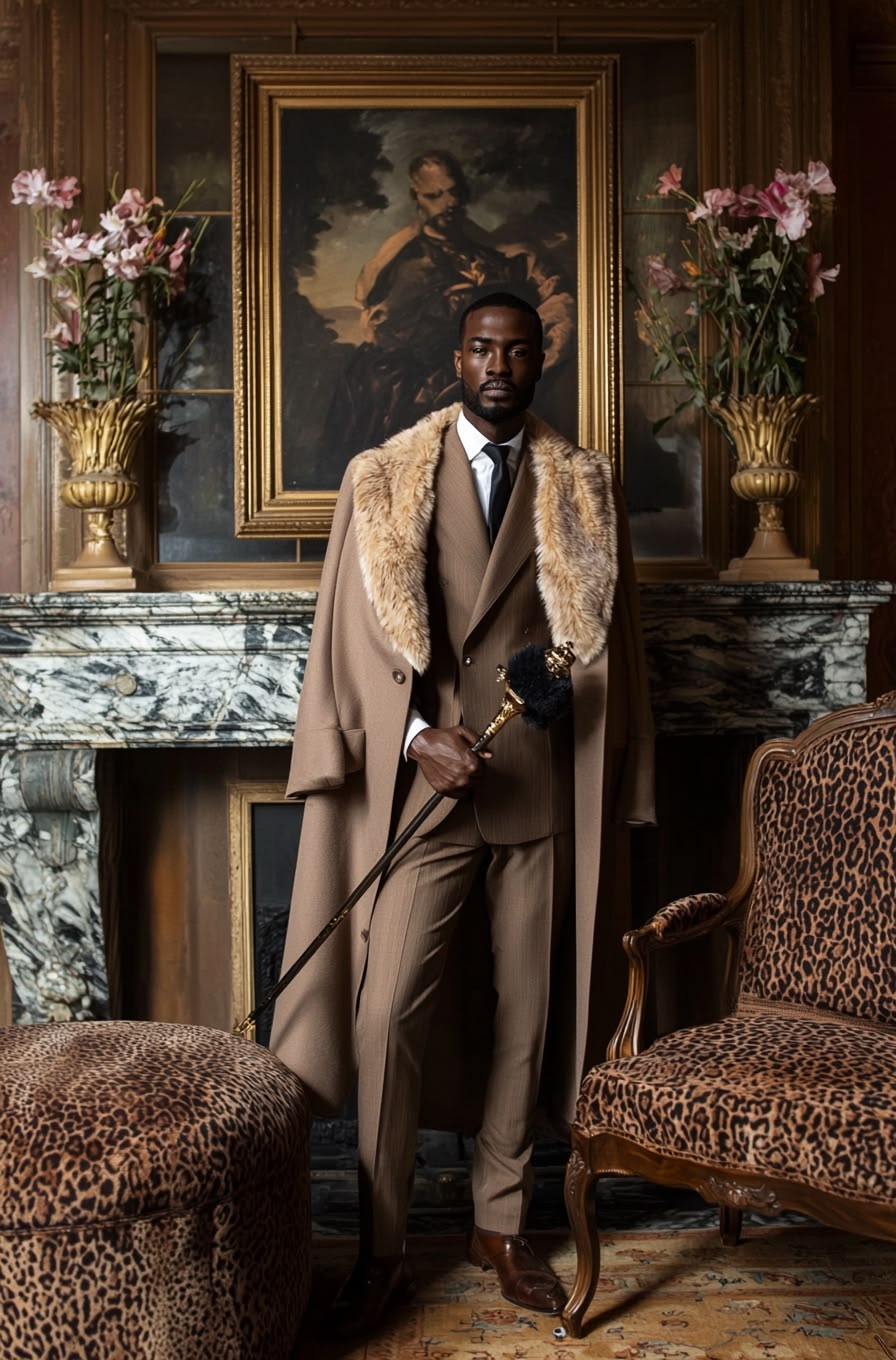
One of the most striking expressions of African dandyism can be found in the Republic of Congo and the Democratic Republic of Congo, through the movement known as La Sape (Société des Ambianceurs et des Personnes Élégantes).

The Sapeurs are known for their impeccably tailored suits, bold colour combinations, and refined presentation. Their style draws from European tailoring, yet it is reinterpreted within an African context.

Historically, this form of dress emerged in response to colonial systems. By adopting and transforming the attire associated with power, Sapeurs created a new form of expression. Elegance became resistance.

Today, their influence extends far beyond Congo. The visual impact of their style continues to inspire designers and fashion enthusiasts worldwide.

The Agbada: Authority and Presence in Yorubaland
The Agbada: Authority and Presence in Yorubaland

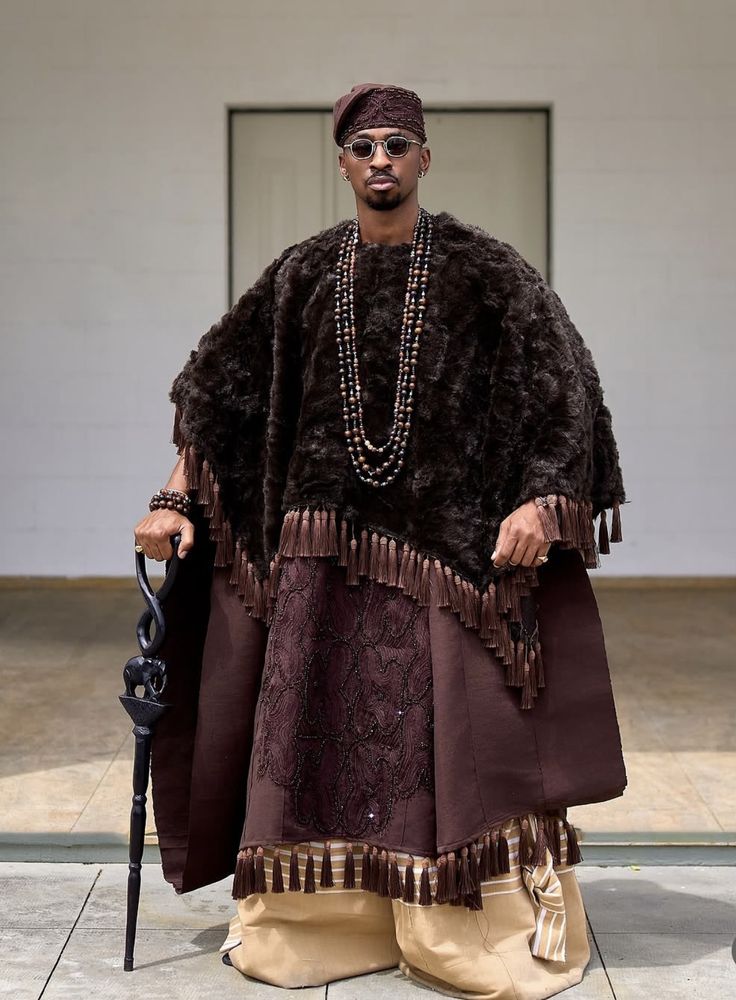
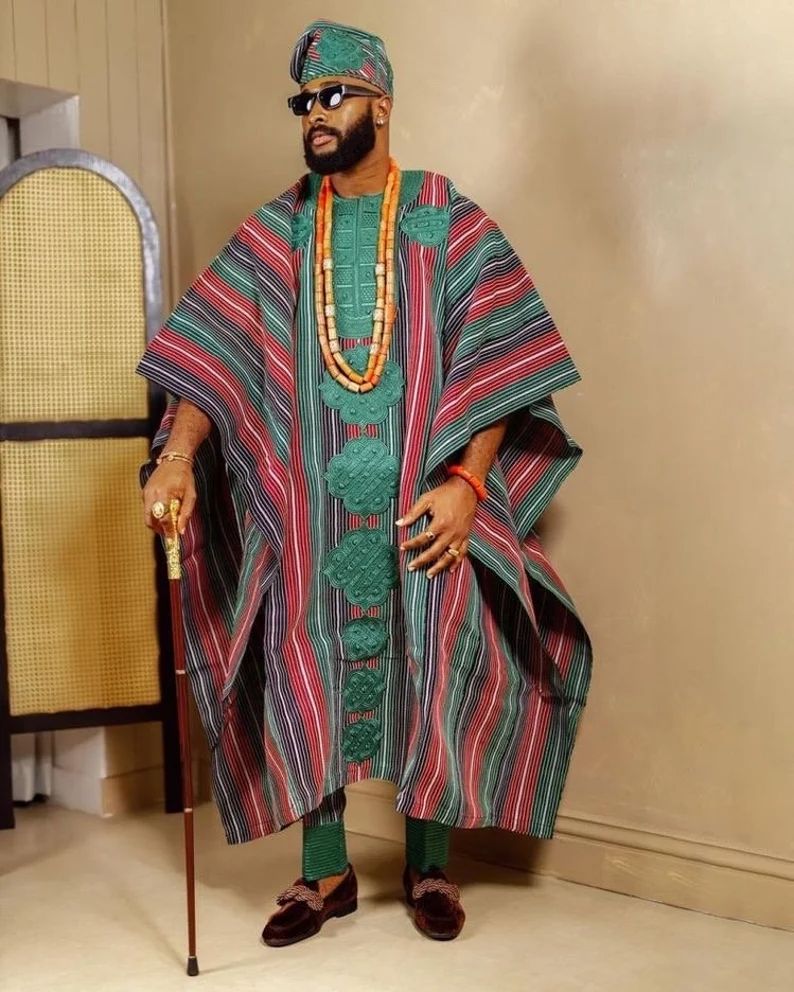
In West Africa, particularly among the Yoruba, the agbada stands as one of the most iconic garments in African menswear.

Characterised by its wide sleeves and flowing structure, the agbada is designed to command space. It is often worn with intricately embroidered details that reflect craftsmanship and status.

Historically, the agbada has been associated with leadership, wealth, and respect. Elders, chiefs, and influential figures have long used it as a marker of authority.

Even today, searches for men’s agbada styles and modern agbada designs highlight its continued relevance. It remains a garment that signals presence before a word is spoken.

The Dandy Tradition Beyond the West

The concept of the dandy is often associated with European fashion history. However, African expressions of dandyism have existed independently, shaped by local cultures and histories.

African dandyism is not about excess for its own sake. It is about intention. It is about using clothing to assert identity and command respect.

Whether through tailored suits, traditional garments, or contemporary streetwear, the underlying principle remains the same. Style is a form of self-definition.

Lagos Street Style: The Modern Evolution
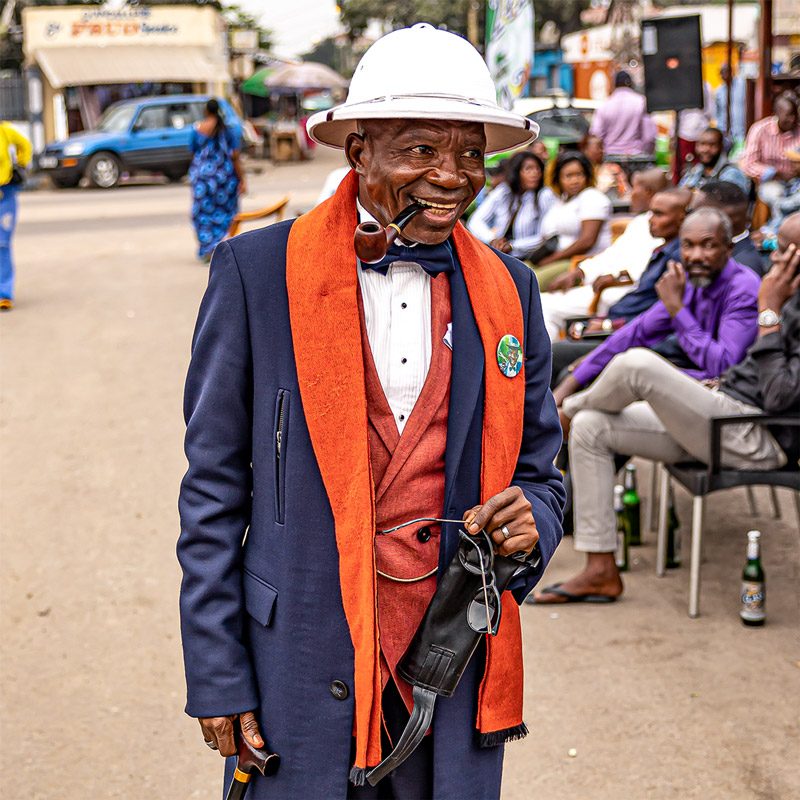
Lagos Street Style: The Modern Evolution

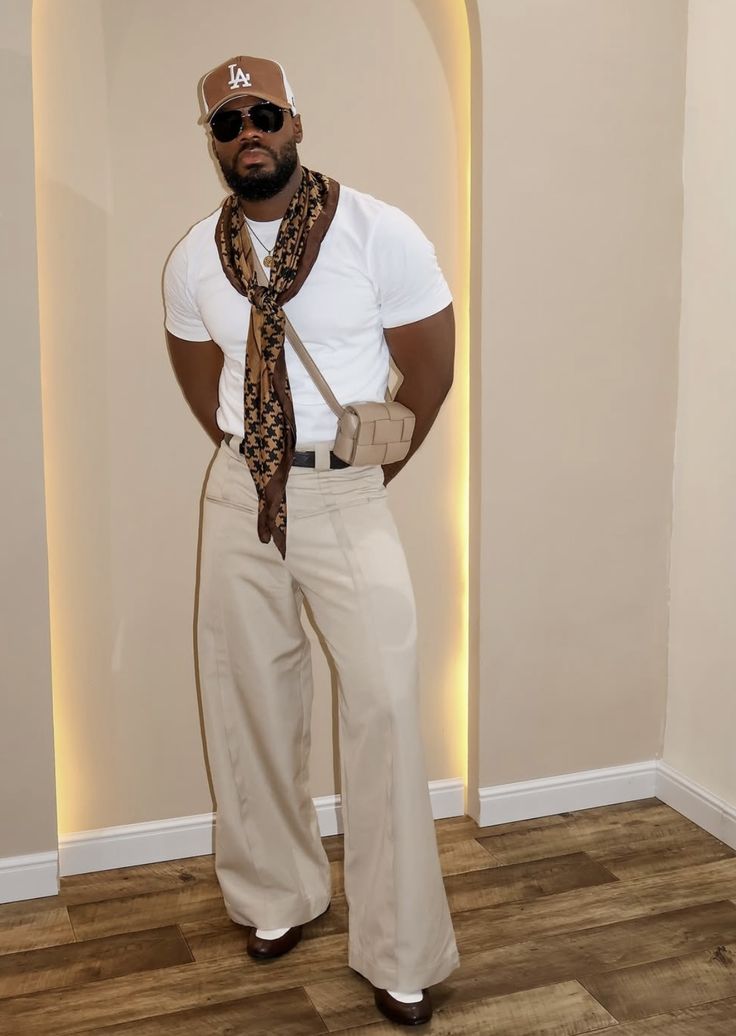
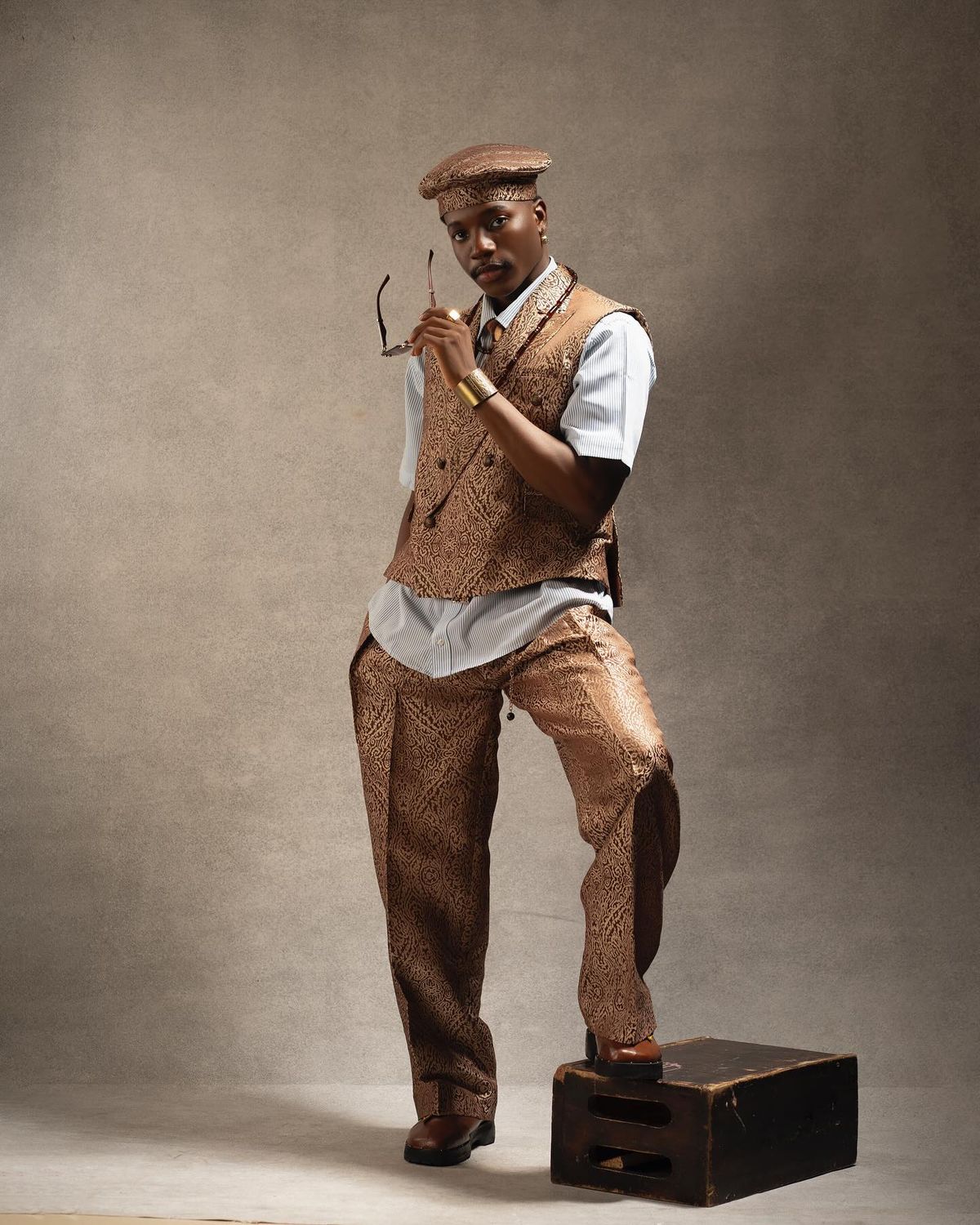
In cities like Lagos, African men’s fashion is evolving in dynamic ways. Street style has become a space where tradition and modernity intersect.

Young designers and creatives are blending elements of traditional wear with contemporary silhouettes. Agbada-inspired tops, tailored kaftans, and experimental prints are redefining what African menswear can be.

Searches for Lagos street style, modern African men’s fashion, and African streetwear brands reflect this shift. There is a growing global audience for these interpretations.

What remains consistent, however, is the emphasis on individuality. Lagos style is bold, expressive, and unapologetic.

Fabric, Fit, and the Language of Power

Across different regions and styles, certain elements remain central to African men’s fashion.

Fabric is key. From handwoven textiles to richly dyed prints, materials carry cultural and economic significance. They reflect both heritage and access.

Fit is equally important. Whether in the structured lines of a suit or the flowing form of an agbada, proportion and balance define the final look.

Together, these elements create a visual language. One that communicates confidence, authority, and awareness.

Why African Men Dress to Be Remembered
The Agbada: Authority and Presence in Yorubaland

The idea of dressing to be remembered is rooted in legacy.

In many African cultures, appearance is tied to reputation. The way a man presents himself reflects not only his personal identity but also his respect for his community.

Clothing becomes a form of storytelling. It captures moments, occasions, and milestones. It ensures that presence is not fleeting, but lasting.

This perspective challenges modern ideas of fashion as temporary. It positions style as something enduring.

READ ALSO:

  • The Agbada In The Boardroom: How West Africa’s Most Commanding Garment Is Rewriting Power Dressing
  • The New Gentleman: Redefining Masculinity Through Conscious, Considered Dressing

Global Recognition and Cultural Responsibility
Global Recognition and Cultural Responsibility

As African men’s fashion gains global attention, there is increasing interest in its aesthetics. Designers, brands, and media platforms are drawing inspiration from these traditions.

However, with visibility comes responsibility. Understanding the cultural context behind these styles is essential.

African menswear is not simply a trend. It is a system of expression shaped by history and identity. Engaging with it requires more than visual appreciation.

Style as Identity

At its core, the African dandy tradition is about identity.

It is about choosing how to be seen. It is about using clothing as a tool for self-expression and cultural affirmation.

From the Sapeurs of Congo to the elders of Yorubaland to the creatives of Lagos, this tradition continues to evolve. Yet, its essence remains unchanged.

Style is not just about appearance. It is about presence.

Conclusion

The African men who dress to be remembered are part of a long-standing tradition. One that transcends trends and speaks to deeper ideas of identity, power, and legacy.

Their clothing is not incidental. It is intentional. It communicates meaning, asserts presence, and preserves culture.

As global fashion continues to engage with African aesthetics, there is an opportunity to move beyond surface-level appreciation. To understand the stories behind the style.

Because in the end, true elegance is not just about what is worn. It is about what it represents.

Frequently Asked Questions (FAQs)

  • What is African dandyism?

African dandyism refers to a tradition in which men use fashion as a form of self-expression, identity, and social statement.

  • Who are the Sapeurs?

The Sapeurs are members of a Congolese movement known for their elegant, tailored style and emphasis on presentation.

  • What is an agbada?

An agbada is a traditional West African robe worn by men, known for its wide sleeves and symbolic association with status and authority.

  • Is African men’s fashion still evolving?

Yes, it continues to evolve through modern interpretations, especially in urban centres like Lagos.

  • Why is clothing important in African culture?

Clothing communicates identity, status, and cultural values, making it an essential part of social expression.

Post Views: 229

Stay Connected

Enjoyed this article? Get more style tips, buying guides, and product recommendations delivered straight to your inbox.

👉 Subscribe to the Omiren Styles Newsletter: https://omirenstyles.com/subscribe/

Related Topics
  • African menswear history
  • dandy style Africa
  • Fashion and Identity
Avatar photo
Ayomidoyin Olufemi

ayomidoyinolufemi@gmail.com

You May Also Like
Fulani Gerewol: The Men Who Dress to Be Judged and What That Inverts About Fashion's Gender Assumptions
View Post
  • Heritage Stories

Fulani Gerewol: The Men Who Dress to Be Judged and What That Inverts About Fashion’s Gender Assumptions

  • Tobi Arowosegbe
  • May 22, 2026
The Shewa Amhara Dress that Captivated the World: The Evolution of the Habesha Kemis
View Post
  • Heritage Stories

The Shewa Amhara Dress that Captivated the World: The Evolution of the Habesha Kemis

  • Meseret Zeleke
  • May 5, 2026
How the Grandmother’s Headwrap Wove a Legacy of Culture and Identity
View Post
  • Heritage Stories

How the Grandmother’s Headwrap Wove a Legacy of Culture and Identity

  • Philip Sifon
  • February 19, 2026
How The Colour Purple Claimed Its Royalty
View Post
  • Heritage Stories

How The Colour Purple Claimed Its Royalty

  • Philip Sifon
  • February 12, 2026
Why Culture Is the Foundation of Style in African and Global Fashion
View Post
  • Heritage Stories

Why Culture Is the Foundation of Style in African and Global Fashion

  • Philip Sifon
  • January 28, 2026
Cultural Identity in Interior Spaces: Designing Homes That Reflect Heritage.
View Post
  • Heritage Stories

Cultural Identity in Interior Spaces: Designing Homes That Reflect Heritage

  • Philip Sifon
  • January 27, 2026
10 Festivals Where Heritage Becomes Heartbeat
View Post
  • Heritage Stories

10 Festivals Where Heritage Becomes Heartbeat

  • Matthew Olorunfemi
  • January 19, 2026
10 Historians Rewriting Africa’s Story — Past & Present
View Post
  • Heritage Stories

10 Historians Rewriting Africa’s Story — Past & Present

  • Matthew Olorunfemi
  • January 12, 2026

Leave a Reply Cancel reply

Your email address will not be published. Required fields are marked *

The Omiren Argument

African fashion and culture are not emerging. They are foundational. We document, interpret, and argue for the full cultural weight of African and diaspora dress. With precision. Without apology.

Omiren Styles Fashion · Culture · Identity

All 54 African Nations
Caribbean · Afro-Latin America
The Global Diaspora

Platform

  • About Omiren Styles
  • Our Vision
  • Our Mission
  • Editorial Pillars
  • Editorial Policy
  • The Omiren Collective
  • Campus Style Initiative
  • Sustainable Style
  • Social Impact & Advocacy
  • Investor Relations

Contribute

  • Write for Omiren Styles
  • Submit Creative Work
  • Join the Omiren Collective
  • Campus Initiative
Contact
contact@omirenstyles.com
Our Reach

Africa — All 54 Nations
Caribbean
Afro-Latin America
Global Diaspora

African fashion intelligence, in your inbox.

Editorial features, designer profiles, cultural commentary. No noise.

© 2026 Omiren Styles — Rex Clarke Global Ventures Limited. All rights reserved.
  • Privacy Policy
  • Editorial Policy
  • Terms of Use
  • Accessibility
Africa · Caribbean · Diaspora
The Omiren Argument

African fashion and culture are not emerging. They are foundational. We document, interpret, and argue for the full cultural weight of African and diaspora dress. With precision. Without apology.

Omiren Styles Fashion · Culture · Identity
  • About Omiren Styles
  • Our Vision
  • Our Mission
  • Editorial Pillars
  • Editorial Policy
  • The Omiren Collective
  • Campus Style Initiative
  • Sustainable Style
  • Social Impact & Advocacy
  • Investor Relations
  • Write for Omiren Styles
  • Submit Creative Work
  • Join the Omiren Collective
  • Campus Initiative
Contact contact@omirenstyles.com

All 54 African Nations · Caribbean
Afro-Latin America · Global Diaspora

African fashion intelligence, in your inbox.

Editorial features, designer profiles, cultural commentary. No noise.

© 2026 Omiren Styles
Rex Clarke Global Ventures Limited.
All rights reserved.

  • Privacy Policy
  • Editorial Policy
  • Terms of Use
  • Accessibility
Africa · Caribbean · Diaspora

Input your search keywords and press Enter.