African fashion is often priced as if it were only a product business. That is the first mistake investors make. In reality, a strong African designer brand is a compound asset: it holds cultural influence, creative IP, community trust, and long-term brand equity that does not show up in a simple cost-plus model.
The second mistake is assuming scale looks the same everywhere. African fashion businesses often grow through selective retail, bespoke work, event-led visibility, diaspora demand, and social media reach before they resemble the standardised growth curves investors expect. That makes valuation more complicated, but also potentially more valuable.
A strategic guide to African fashion as an asset class, unpacking what investors miss about designer valuations, margins, and long-term brand equity.
Why Valuation Gets Missed
Many investors look at African fashion labels and see small ateliers, limited production, and inconsistent inventory. What they miss is that these businesses are often building intangible assets that can outlive the season in which they were created.
A designer’s true value is not only in what was sold last month. It is in brand recognition, client loyalty, editorial visibility, cultural relevance, and the ability to move taste. A label can look modest operationally while carrying a major market influence.
This is especially important in African markets, where fashion is often intertwined with ceremony, identity, status, and public life. That means a garment is not just a garment. It can be a signal, a social marker, and a cultural object. Investors who ignore that dimension often underprice the business.
The Limits of Product Thinking

Product thinking focuses on unit economics: cost of materials, labour, markup, and turnover. Those numbers matter, but they do not capture the full value of a designer brand.
A label can have a narrow inventory and still be commercially powerful. One strong editorial placement, one celebrity client, one major bridal season, or one diaspora order pipeline can do more for long-term brand equity than a spreadsheet suggests. The value lies in repeated trust, not only repeated transactions.
This is why many local ateliers are misunderstood. Their business model may not resemble mass fashion retail, but that does not mean it lacks investability. It means the investor has to assess the business on the right terms.
Brand equity is the asset.
For African designers, brand equity is often the most important asset. It includes reputation, aspiration, recognizability, and the emotional relationship between the label and its audience.
Unlike inventory, brand equity compounds. A designer who becomes known for craftsmanship, cultural authenticity, or consistent aesthetic vision gains pricing power over time. That pricing power is often more durable than short-term sales spikes.
Brand equity also creates optionality. It can support collaborations, licensing, expansion into accessories, diaspora retail, fashion week positioning, and premium pricing. Investors who only measure current revenue miss the larger trajectory.
This is where fashion becomes an asset class rather than just a creative sector. The strongest brands are not merely selling clothing. They are building cultural infrastructure.
Margin is not the whole story.
Margins matter, but they do not tell the full story in African fashion. A label may operate on thinner margins because of production constraints, imported materials, or small-batch craftsmanship, yet still have strong brand power and long-term upside.
This is where investors often overcorrect. They compare designer fashion to manufacturing businesses and conclude that the economics are weak. But designer fashion is closer to luxury branding than to commodity retail. The value is not only in production efficiency. It is in scarcity, narrative, and desirability.
That said, good valuation still requires discipline. Investors should look at cash conversion, client concentration, production lead times, and the repeatability of demand. The difference is that these numbers should be interpreted alongside reputation and creative momentum, not instead of them.
In other words, the balance sheet matters, but so does the brand story.
Diaspora Demand Changes the Math.
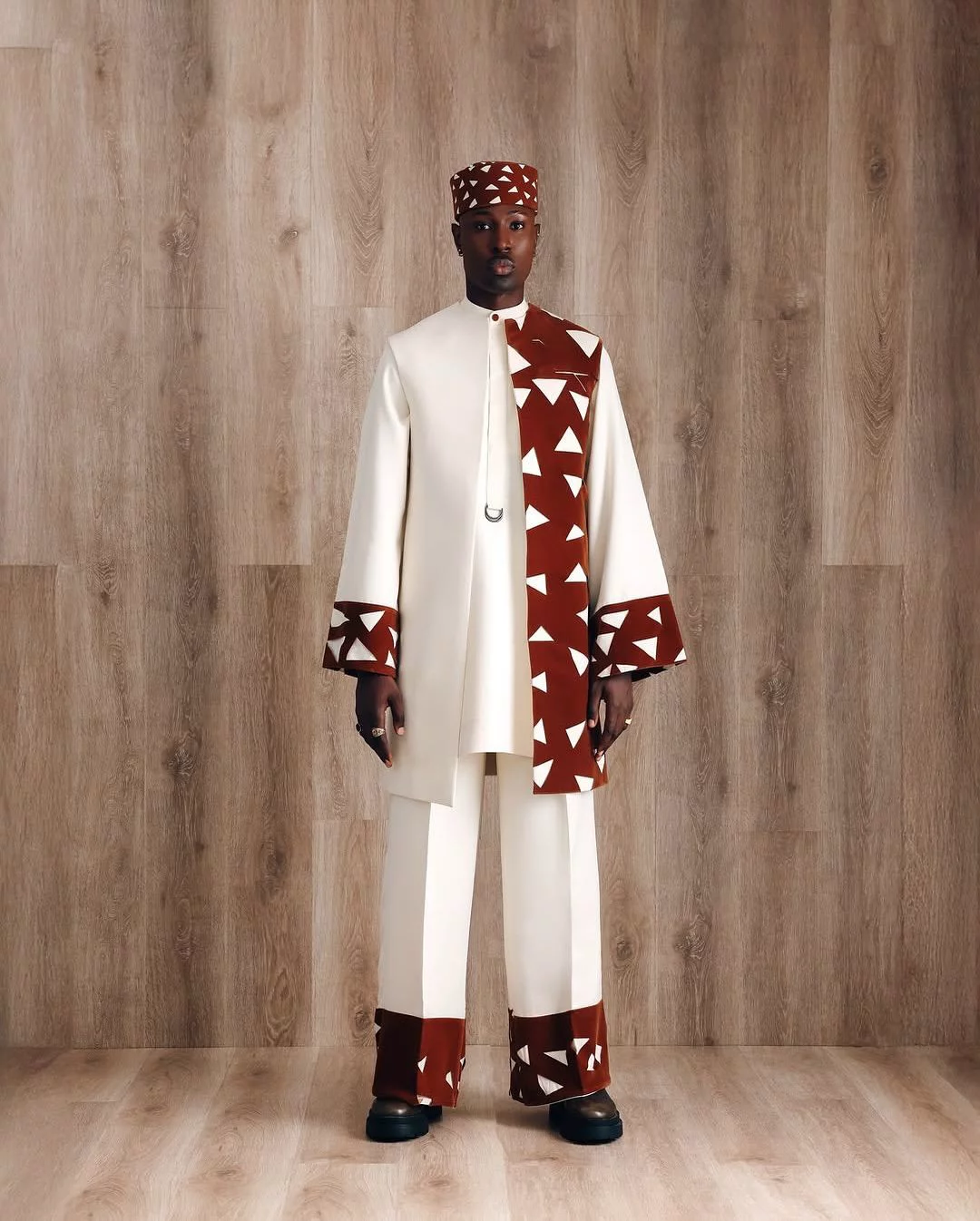
African fashion is not confined to local markets. The diaspora plays a major role in demand, especially for occasion wear, cultural dressing, premium tailoring, and identity-driven purchases.
This expands the addressable market in ways local-only models miss. A label in Lagos, Accra, Nairobi, Johannesburg, or Addis Ababa may be building a customer base that stretches across cities, continents, and communities. That geographic spread can stabilise demand and raise brand prestige.
The diaspora demand also changes pricing psychology. Customers often pay for connection, craftsmanship, and cultural continuity, not just utility. That creates a premium category that is hard to capture if the business is evaluated only through local retail assumptions.
Cultural capital has value.
African fashion brands often carry cultural capital that investors underestimate. A designer may shape what a generation sees as elegant, modern, celebratory, or authentically African.
That influence has economic consequences. It can drive media attention, event demand, partnership interest, and customer loyalty. It can also create barriers to entry because a brand with cultural legitimacy is harder to copy than a simple product line.
This is why valuation should include more than financial history. It should also consider fashion authority, cultural reach, and the designer’s role in shaping visual culture. In African markets, taste leadership is not decorative. It is commercially meaningful.
What Smart Investors ask

Smart investors ask different questions. They do not ask only how many units were sold. They ask whether the label can maintain identity while scaling, whether demand is repeatable, and whether the founder has built a defensible position.
They also ask about customer behaviour. Who buys the brand, why do they buy it, and how often do they return? Is the label a one-off event choice, or has it become part of the customer’s identity? Those answers matter more than vanity metrics.
The best investors also recognise founder dependence as both a strength and a risk. In many African fashion businesses, the founder is the brand. That can be powerful, but it also means the business needs systems, not just style.
Valuation frameworks should widen.
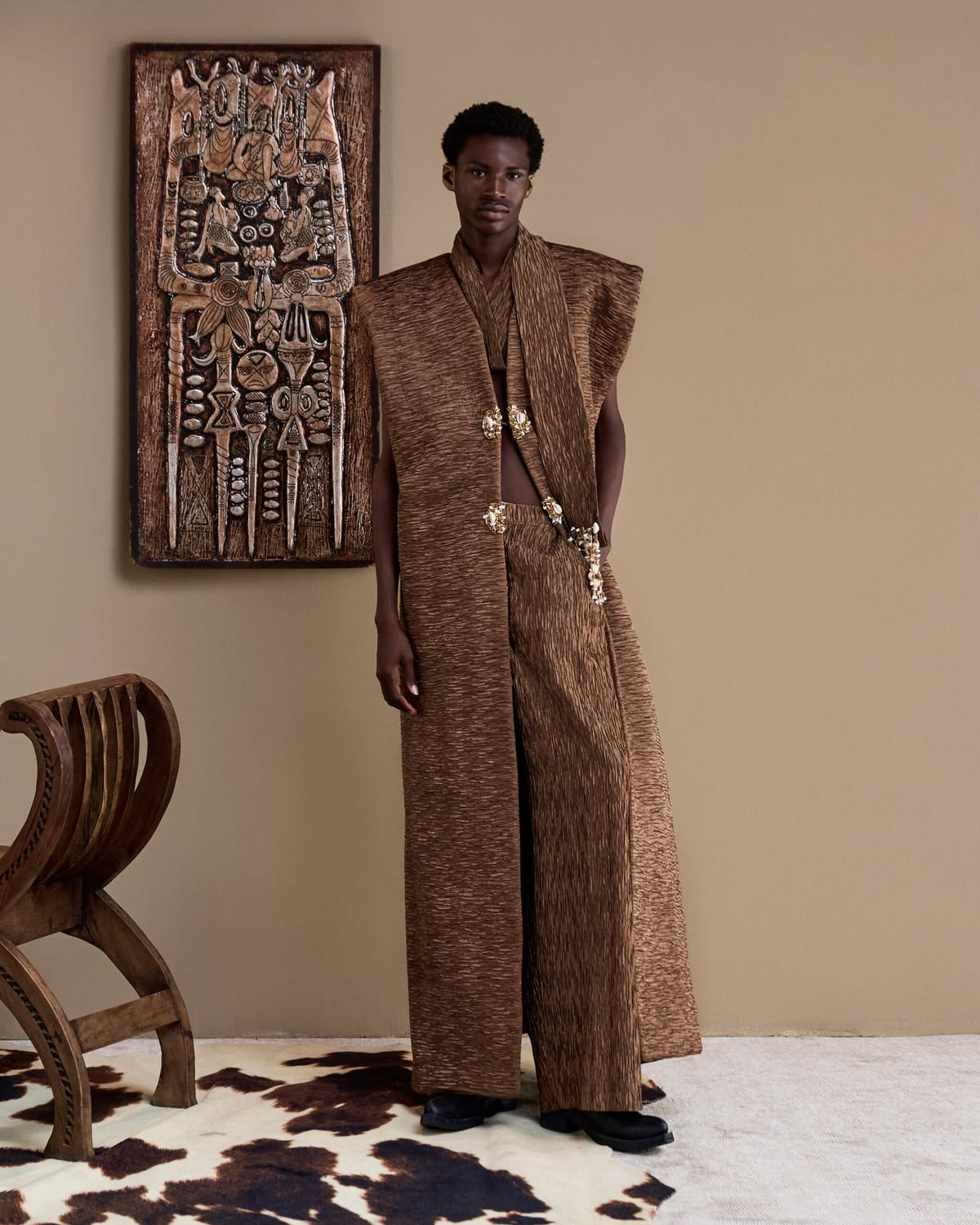
A better valuation framework for African designer brands should combine financial metrics with intangible ones. Revenue, gross margin, and cash flow are necessary, but not sufficient.
Investors should also assess:
– Brand equity.
– Cultural relevance.
– Diaspora reach.
– Editorial and celebrity pull.
– Pricing power.
– Repeat purchase behaviour.
– Product consistency.
– Operational resilience.
These factors help explain why some labels outperform what their size would suggest. They also help separate temporary hype from durable brand value.
The long view
African fashion investments work best when they are understood as long-term bets on brand building, not quick flips on product volume. The real upside lies in brands that can move from atelier logic to asset logic without losing their identity.
That transition takes time, capital, and patience. It also requires investors who understand that cultural influence can be a balance-sheet strength. A designer who shapes taste today may be building the market of tomorrow.
The market is still learning how to price that correctly. The winners will be the ones who see African fashion not as a niche, but as a serious, scalable, and culturally grounded asset class.
OMIREN Argument
African designer brands should be valued as cultural assets with economic power, not as small ateliers with limited upside. The investor’s mistake is treating fashion like inventory when the real assets are brand equity, cultural influence, and long-term desirability. OMIREN’s position is that African fashion investments require a wider lens: one that prices identity, reputation, diaspora demand, and creative authority as real components of value.
FAQs
- What is the main mistake investors make?
They undervalue African fashion brands by focusing only on product sales and ignoring brand equity, cultural capital, and diaspora demand.
- Why are margins not enough?
Because designer fashion derives value from scarcity, identity, and reputation, not only from production efficiency.
- What makes African fashion investable?
Strong brand positioning, loyal audiences, cultural relevance, repeat demand, and the ability to scale without losing identity.
- Why does diaspora demand matter?
It expands the market, supports premium pricing, and strengthens long-term brand visibility.
- Why is this an OMIREN topic?
Because it shows how African creativity can be treated as a serious economic asset, not just an aesthetic expression.