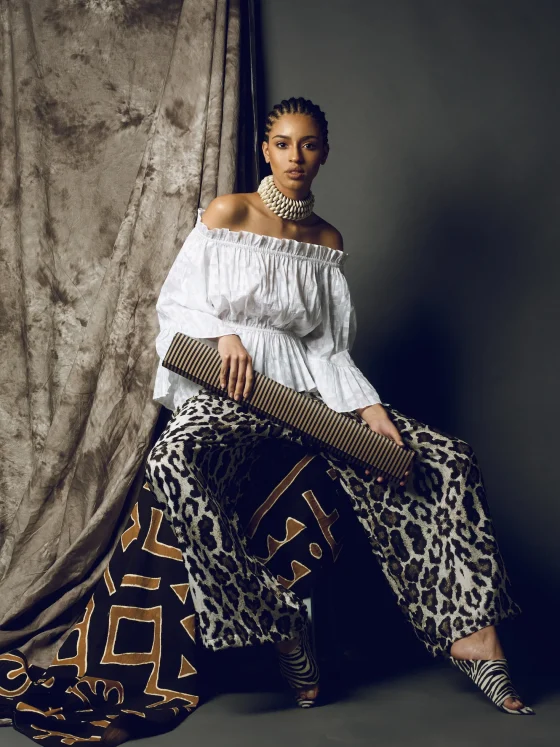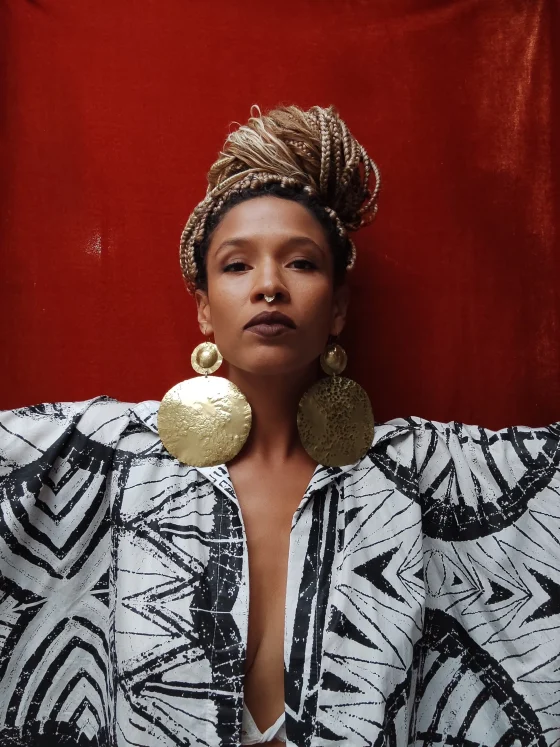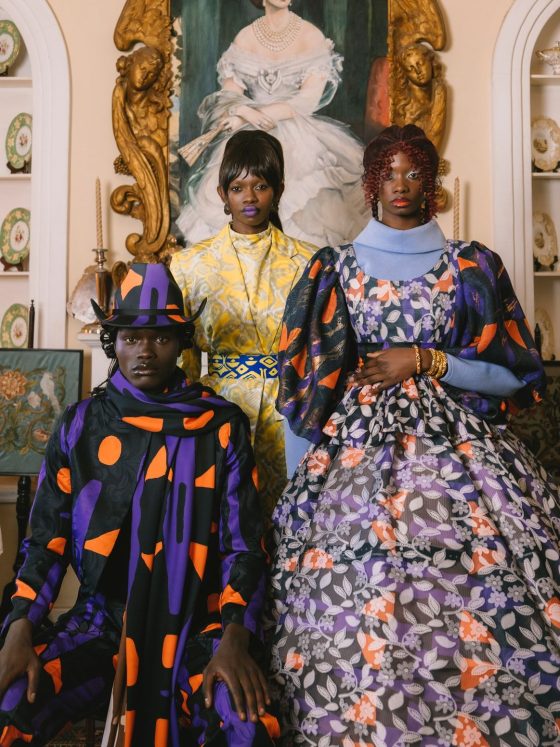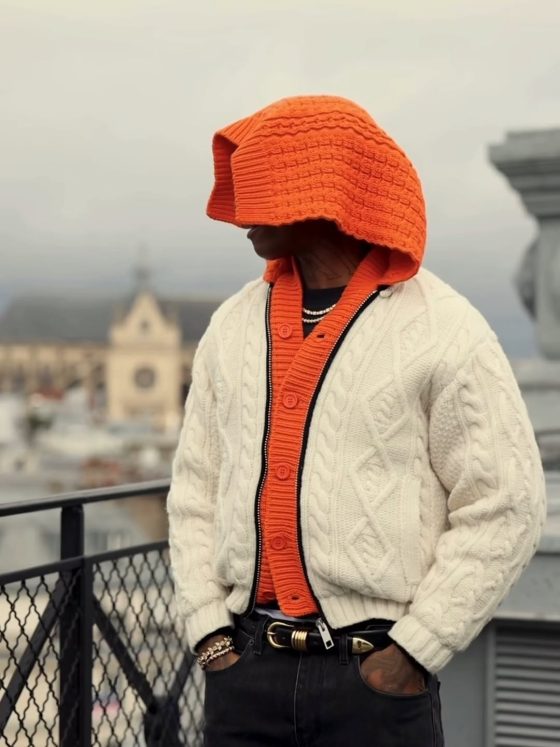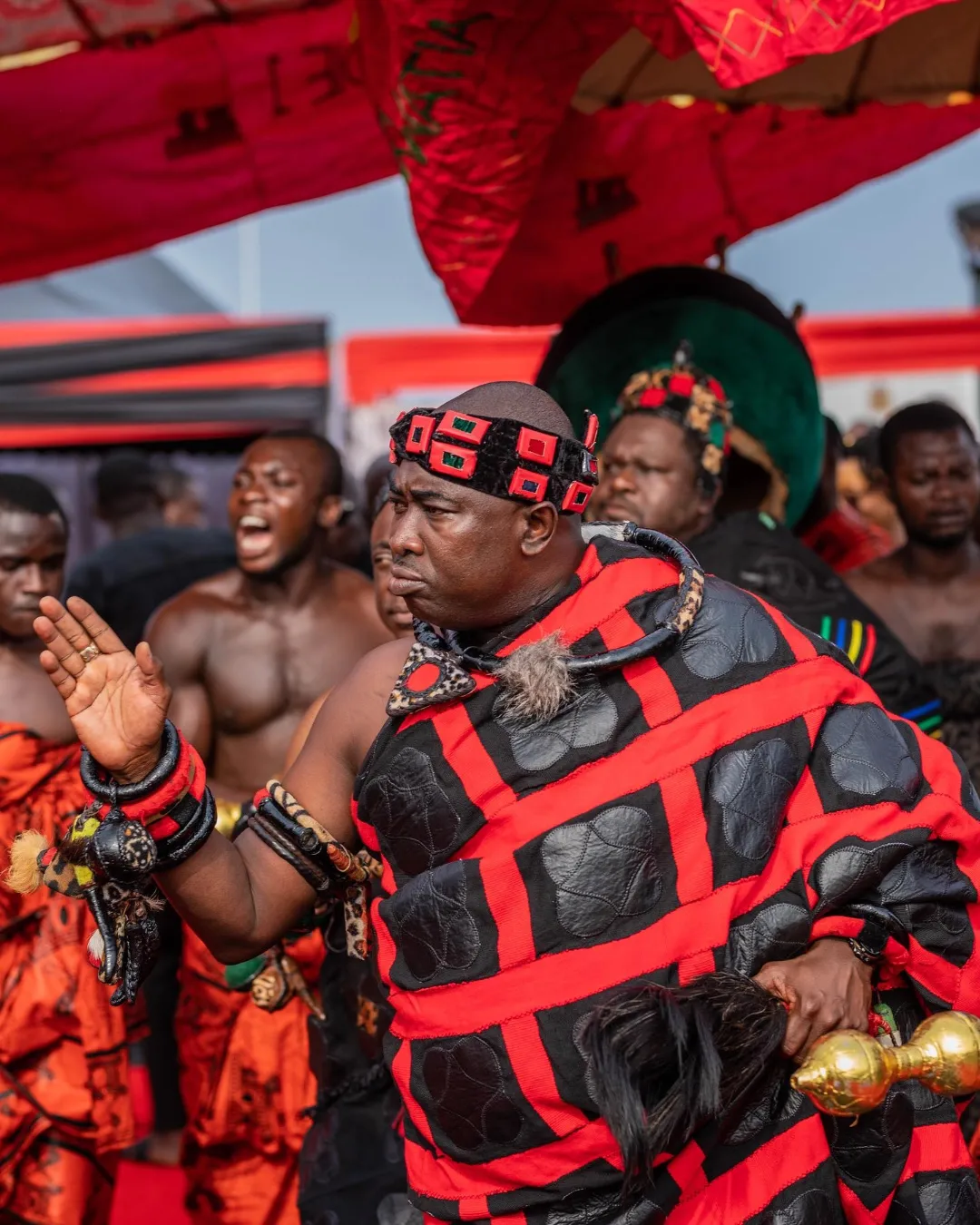
Anthropologist Mattia Fumanti found that members of the London Akan community often spent their weekends attending several ceremonies, with each gathering carrying its own recognised dress code. For anyone attending more than one event, that could mean changing outfits between occasions. The clothes changed because the occasion changed. Whether it was a wedding, a funeral, a church service, or a family celebration, each gathering carried its own expectations for dress, shaped by the community’s customs. Fumanti documents this in both “Showing-Off Aesthetics” (Ethnos, 2013) and his Routledge monograph Religion and Transnational Citizenship in the African Diaspora: Akan London (2022). The same principle continues to shape UK diaspora dress codes across Britain, where what people wear is often determined by the occasion and the community they are stepping into.
Learn why UK diaspora dress codes differ for Nigerian parties, Ghanaian funerals, church services, graduations, and other cultural occasions.
Why UK Diaspora Dress Codes Change by Occasion
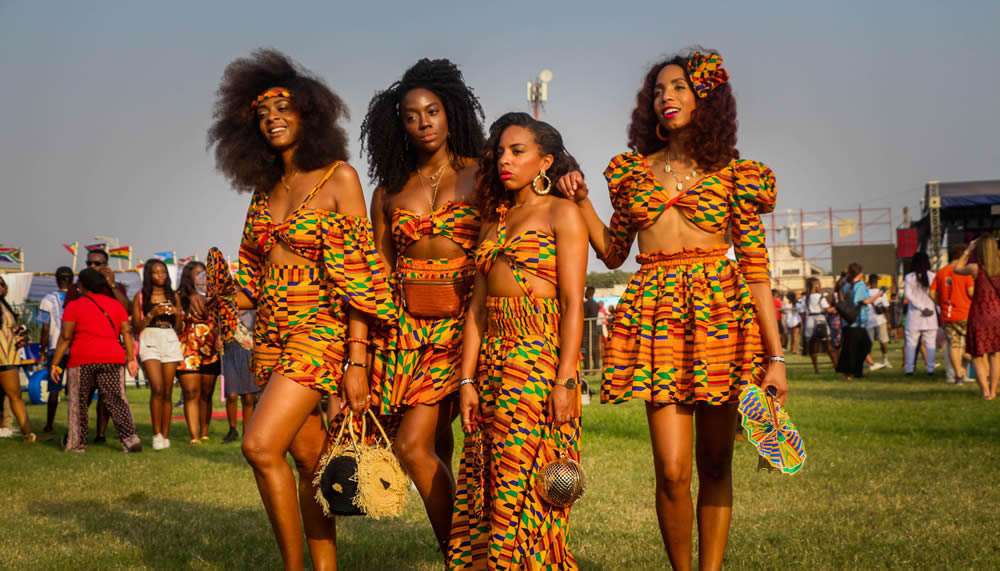
Clothing has long been part of how African communities mark life’s most important moments. Rather than treating ceremonies as occasions to dress well in general, many communities associate particular garments, fabrics, colours, and accessories with specific rites of passage. Fumanti argues that these public events help reinforce social relationships and community identity, with dress forming part of the shared aesthetic through which people make those relationships visible. That is why UK diaspora dress codes are organised around occasions rather than fashion trends. A wedding celebrates the formation of a family. A funeral honours the deceased. A church service reflects religious values. Birthdays and graduations mark personal milestones. Although these events differ across communities, each has developed its own expectations about what is appropriate to wear. The details also vary between cultures. Diaspora traditional dress within Nigerian, Ghanaian, Somali, and Caribbean communities reflects different histories, faith traditions, and ceremonial customs. Clothing is expected to match the significance of the occasion as much as the person wearing it.
Nigerian Owambe Weddings: Dressing for Celebration and Community
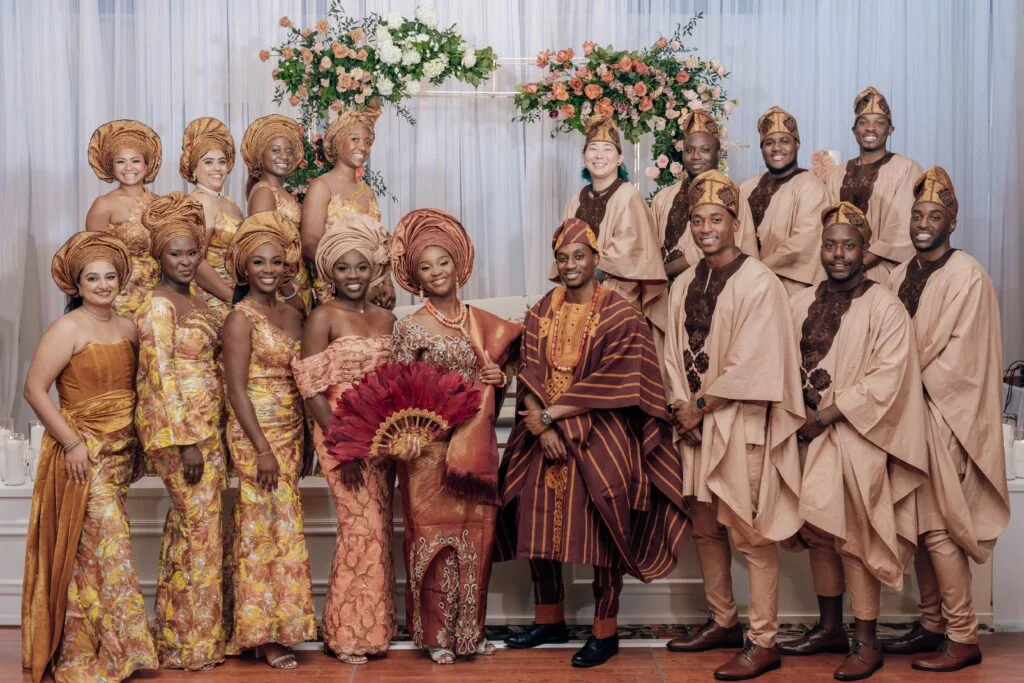
An owambe is more than a wedding celebration. It is a social gathering where clothing helps identify family connections, friendships, and participation in the event. One of its defining features is aso ebi, a coordinated fabric selected by the hosts and worn by relatives, friends, or invited groups. As documented in “The Fabric of Friendship: Aso Ebi and the Moral Economy of Amity in Nigeria” (Africa, 2013), although the practice originated among the Yoruba, aso ebi has become a prominent feature of celebrations across Nigeria and among Nigerian diaspora communities abroad. It serves as both a visual expression of solidarity and a way to honour the hosts.
The Nigerian party dress code extends beyond wearing the chosen fabric. Women commonly style the material as dresses, iro and buba, or modern gowns paired with a gele. Men often wear agbada, buba and sokoto, or tailored kaftans in matching or complementary fabrics. Textiles frequently chosen for weddings include lace, George fabric, and Aso Oke, because of their association with formality and celebration.
Etiquette is equally important. Guests who purchase and wear the family’s aso ebi are publicly signalling support for the couple and their families. At the same time, those outside the coordinated groups typically dress formally without competing with the designated colours. This is what makes owambe fashion distinct from conventional wedding guest attire. The goal is not simply to look elegant, but to participate visibly in a shared celebration where clothing reinforces community as much as individual style.
Ghanaian Funerals: When Mourning Has Its Own Dress Code
Among many Ghanaian communities, funerals are among the most significant public ceremonies, and clothing is part of the etiquette surrounding them. Ghanaian funeral attire is typically guided by the stage of the funeral rites, the family’s preferences, and the mourner’s relationship to the deceased. As Dr. Dan Bright, a sociologist at the University of Ghana, has explained, “Culturally, the black and red attire for funeral ceremonies in Ghana signifies a grieving period. Traditionally, red is associated with danger and black with grief, hence the use of these colours to communicate the passing of a loved one.” White may be worn to celebrate the life of the deceased, particularly for older people whose lives are celebrated rather than only mourned, and also on Sundays for thanksgiving or memorial services in some communities.
The exact expectations vary between families, ethnic groups, and local traditions, which is why guests often rely on guidance from relatives or funeral announcements before choosing what to wear. The garments themselves reflect the formality of the occasion. Women may wear tailored dresses or a kaba and a slit made from mourning cloth, while men commonly wear dark traditional or formal Western attire. Jewellery and accessories are usually more restrained than they would be at celebrations. Like the Nigerian party dress code, these customs show that dress is part of participating in the ceremony. The difference is that the focus shifts from celebrating family and community to expressing sympathy, remembrance, and respect.
Church, Birthdays, and Graduations: Dress Codes Become More Personal
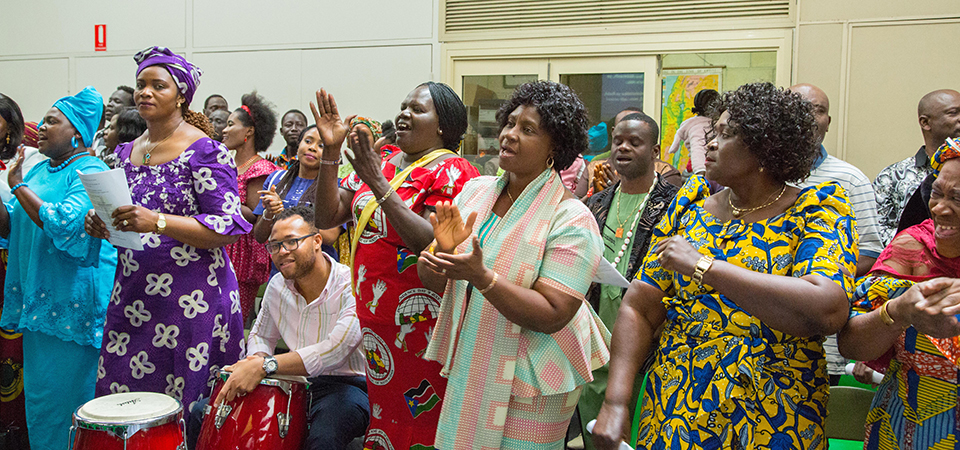
Unlike weddings and funerals, church services, birthdays, and graduations rarely follow a single prescribed dress code. Instead, they balance cultural tradition with personal expression, while still reflecting the expectations of the occasion.
Church attire is often shaped by both faith and culture. Among many Nigerian and Ghanaian congregations in Britain, worshippers continue to wear tailored suits, dresses, lace, Ankara, or traditional garments for important services such as thanksgiving celebrations and anniversaries. Research on Yoruba Aladura churches in the UK found that white garments, gele, and traditional lace or Ankara fabrics remain important symbols of religious identity and cultural continuity. However, younger members increasingly combine them with contemporary clothing.
Graduations have become another occasion where heritage is made visible. Rather than replacing academic dress, many graduates personalise it by wearing kente stoles, Ankara garments, or traditional attire beneath their gowns. For some British Nigerians, dressing this way is a deliberate expression of identity, allowing families to celebrate academic achievement and cultural heritage at the same time. Birthdays are generally the most flexible of these occasions, with no widely recognised colour conventions or coordinated fabrics comparable to owambe fashion or Ghanaian funeral attire. African occasion wear in the UK often combines tailored Western clothing with Ankara, lace, or other traditional textiles, depending on the celebration’s formality. Across Somali and Caribbean communities, similar flexibility exists, though modest dress informed by Islamic practice or the tradition of dressing formally for church continues to influence how many families approach important celebrations. As Omiren Styles has documented, second-generation Africans in Britain navigate layered identities through dress, combining heritage expectations with contemporary British sensibility in ways that differ by occasion, family, and generation.
The Omiren Argument
Much of the conversation around African fashion in the diaspora focuses on preserving traditional garments. That is the wrong measure of cultural continuity. Communities do not preserve culture by wearing the same fabrics forever. They preserve it by maintaining the social rules that give those fabrics meaning. A Nigerian wedding would lose little if guests wore different textiles. It would lose far more if no one understood why the occasion demanded coordinated dress in the first place. The same is true of a Ghanaian funeral, a church thanksgiving, or a graduation celebration.
Fumanti’s observation about London’s Akan community, that people would change outfits between events on the same day, is not a description of tradition being preserved in amber. It is a description of a living system. The clothes changed because the occasion changed. That is the custom. That is what is worth protecting. As Fumanti documents, dress in these communities is part of the shared aesthetic that makes social relationships visible. The fabric is the medium. The occasion is the message.
That is why UK diaspora dress codes matter. Their greatest achievement is not that they have kept traditional clothing alive in Britain. It is that they have kept the etiquette surrounding those clothes alive. The garments will continue to change as new generations reinterpret fashion. The expectation that dress should honour the occasion is far more difficult to replace.
The future of diaspora fashion will not be decided by which fabrics survive. It will be decided by whether the customs that give those fabrics meaning survive with them.
ALSO READ
- Ghanaian Funeral Fashion: The Most Serious Fashion Event in West Africa
- What It Actually Means to Dress “Back Home” When You’ve Never Lived There
- The UK African Fashion Scene Created Visibility. The Debt It Owes Is Commercial.
- Owambe Style Has Become Everyday Nigerian-British Fashion
Frequently Asked Questions
Why do diaspora dress codes vary between Nigerian and Ghanaian communities?
Nigerian and Ghanaian dress codes reflect different cultural histories, textile traditions, and ceremonial customs. Owambe style draws on Yoruba celebration culture, with aso ebi, coordinated fabrics, and visible community participation as its defining features. Ghanaian funeral attire reflects Akan beliefs about death, the spiritual realm, and community respect, with a colour system that communicates the mourner’s relationship to the deceased. Both communities value occasion-specific dress, but the garments, colours, and etiquette differ significantly.
How do second-generation Nigerians and Ghanaians interpret occasion dress codes in the UK?
Second-generation community members often combine heritage dress expectations with British fashion sensibility. They may wear traditional fabrics for established community events while adapting silhouettes, styling, and accessories to reflect contemporary taste. At graduations, many choose to wear kente stoles or Ankara garments beneath academic dress as a deliberate expression of dual identity. The underlying expectation that dress should honour the occasion is generally upheld even as specific garments evolve.
What is aso ebi, and how is it used in UK Nigerian weddings?
Aso ebi is a coordinated fabric selected by wedding hosts and worn by relatives, friends, or invited groups to signal solidarity with the couple and their families. Although the practice originated among the Yoruba, it has become a prominent feature of Nigerian celebrations across the diaspora. As documented in “The Fabric of Friendship: Aso Ebi and the Moral Economy of Amity in Nigeria” (Africa, 2013), aso ebi functions as both a visual expression of solidarity and a way of honouring the hosts. At UK Nigerian weddings, guests who wear the family’s chosen fabric are publicly signalling support; those outside the coordinated group dress formally without competing with the designated colours.
How should you dress for a Nigerian funeral in the UK?
Dress modestly and respectfully. Dark or muted colours such as black, navy, grey, or white are the safest choices, depending on the family’s customs. Avoid revealing outfits, flashy accessories, and overly casual clothing. If the family has chosen an aso ebi, wearing it signifies support and respect for the bereaved.
What colours should not be worn to a Ghanaian funeral?
Among many Ghanaian communities, black and red are the primary mourning colours: black signifies grief and red is associated with danger and the depth of loss. Bright, celebratory colours, including neon shades, bright yellow, or vivid red, worn as a fashion choice rather than as a mourning colour, are generally inappropriate. White may be appropriate for older deceased individuals whose lives are being celebrated, or for Sunday Thanksgiving services, but guests should confirm with the family before choosing. When in doubt, choose subdued colours and follow the family’s published dress code.
Do occasion dresses vary between first and second-generation diaspora communities?
Yes. First-generation community members often adhere closely to inherited dress codes, having grown up in the ceremonies where those codes were formed. Second-generation members may maintain the underlying etiquette while adapting the specific garments, fabrics, and styling to reflect their British context and contemporary fashion sensibility. The social expectation that dress matches the occasion tends to be preserved across generations even when the garments themselves evolve.