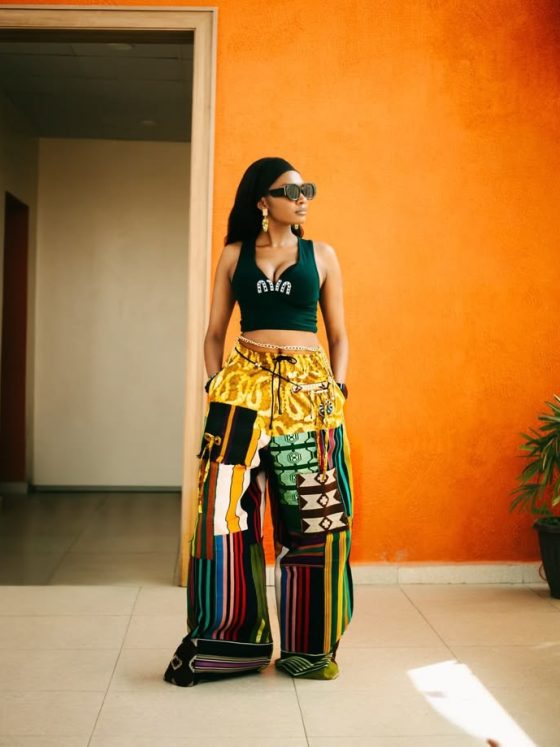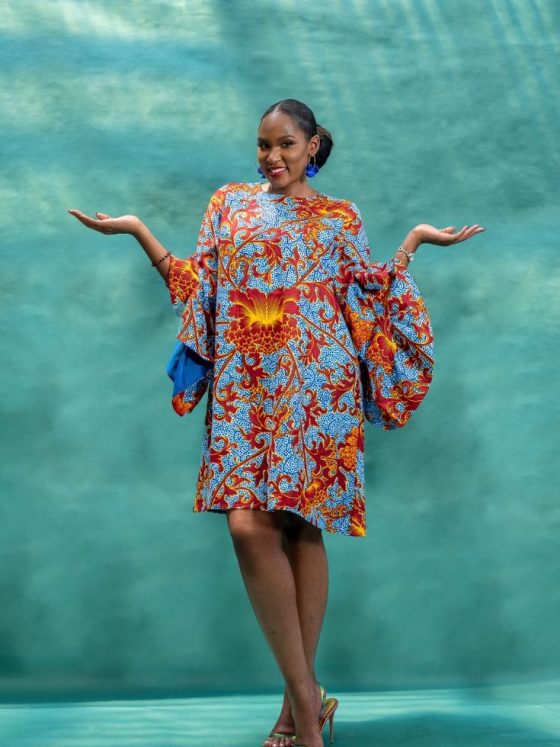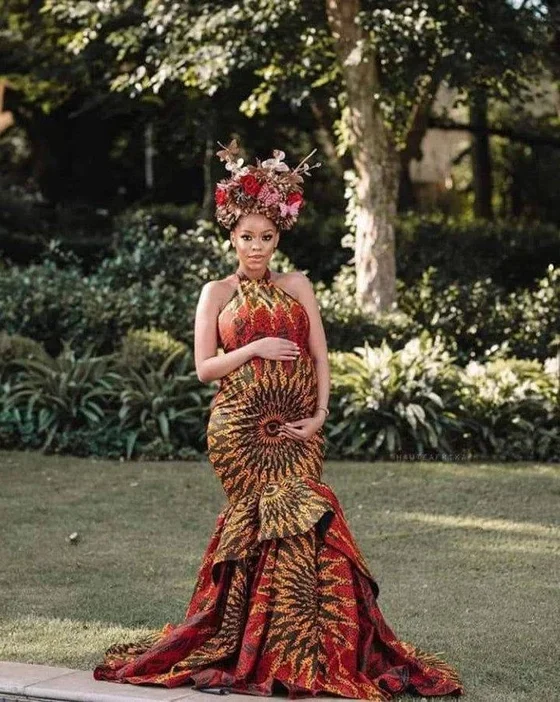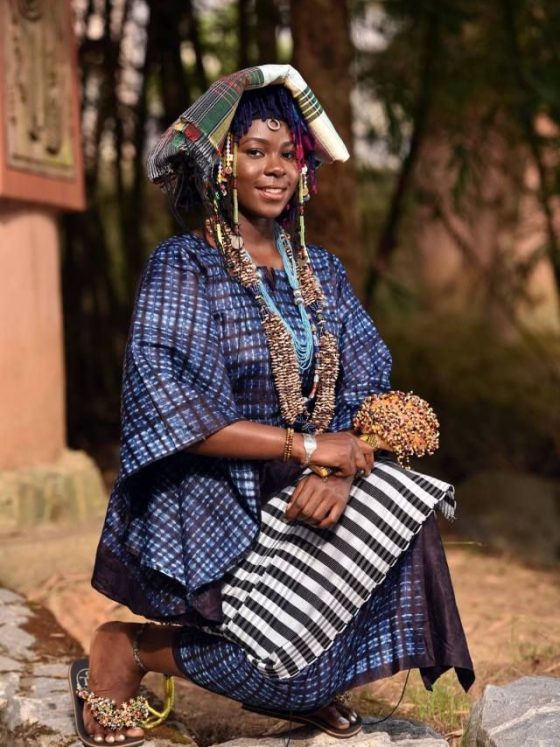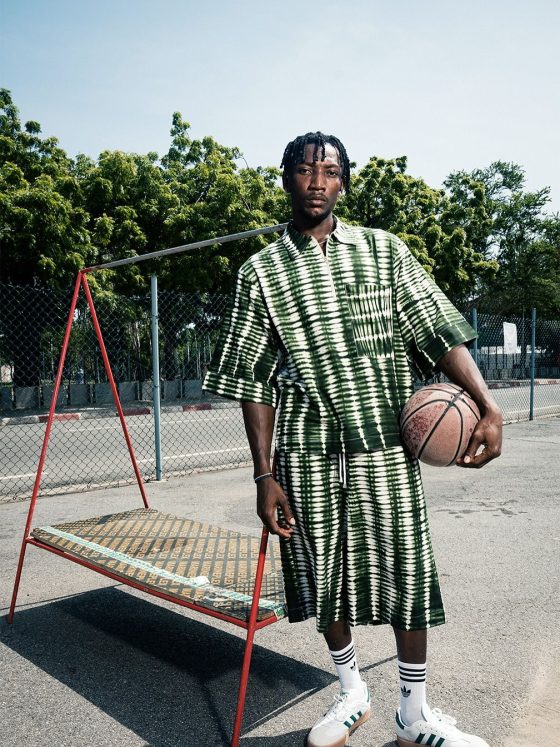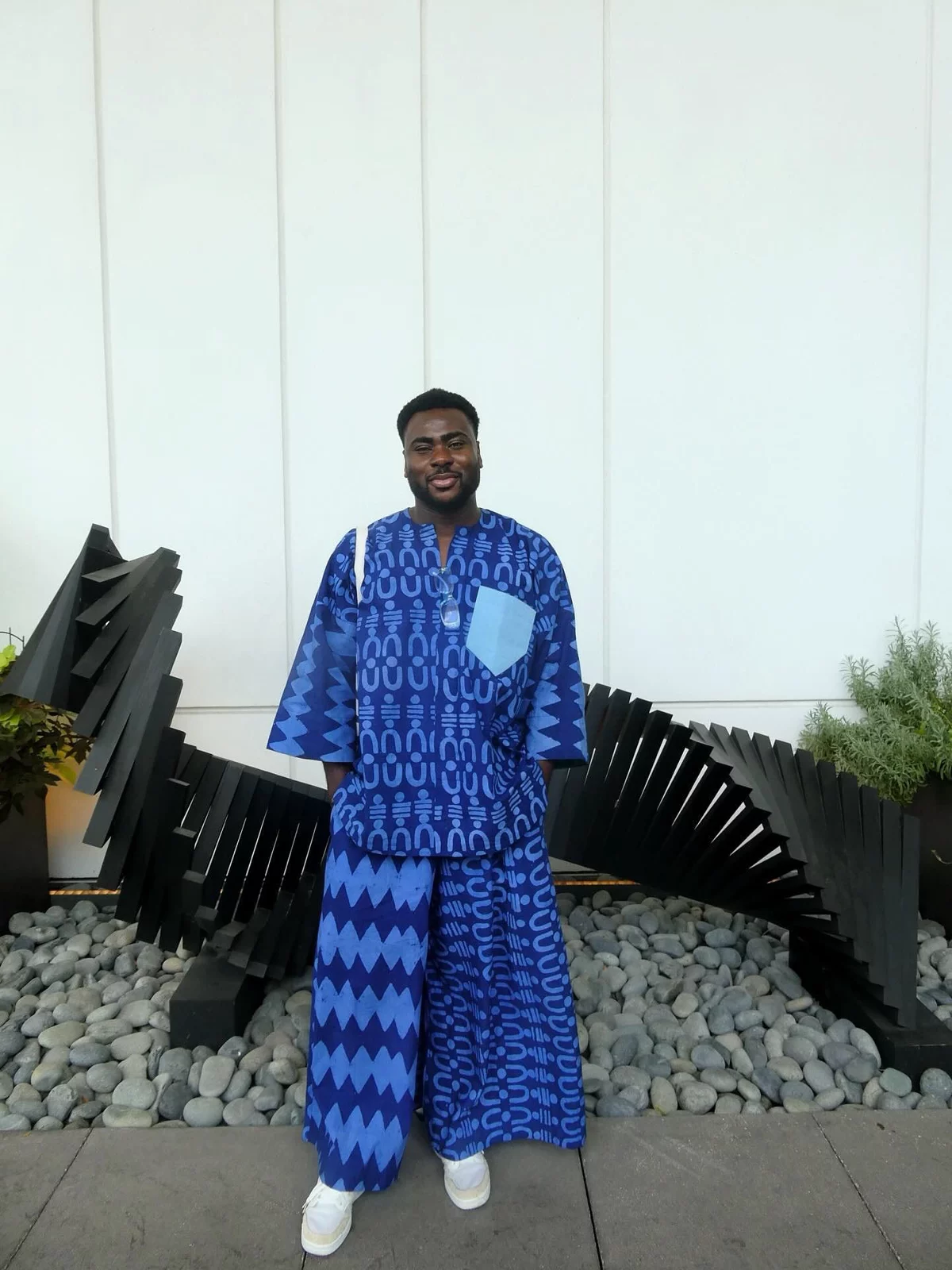
On a Saturday morning in Lagos, a woman opens her wardrobe and considers two lengths of Ankara fabric. One is a bold geometric print in deep blue and gold. The other is a softer floral in green and coral. She is dressing for a naming ceremony. The guests at the ceremony will include her mother-in-law, her colleagues from the office where she manages a team of twelve, the women from her church group, and the bride’s friends from university who are in their twenties and will be watching what everyone over forty chooses to wear. Each fabric communicates something different to each of these audiences. She is not choosing a pattern. She is choosing a position.
West African women’s wardrobes are never just about dressing well. Ankara and other everyday African prints carry social meaning, shape public perception, and help women negotiate respectability, identity, status, and joy in everyday life. That is what makes this topic bigger than fabric. Prints are not passive decoration. They are part of a social language that women use to move through family, work, worship, celebrations, and public space with intention.
In West African women’s wardrobes, Ankara is never passive decoration. It communicates respectability before a word is spoken. It carries resistance without needing to become a slogan. And it creates joy, which is itself a form of power.
What Ankara Actually Is
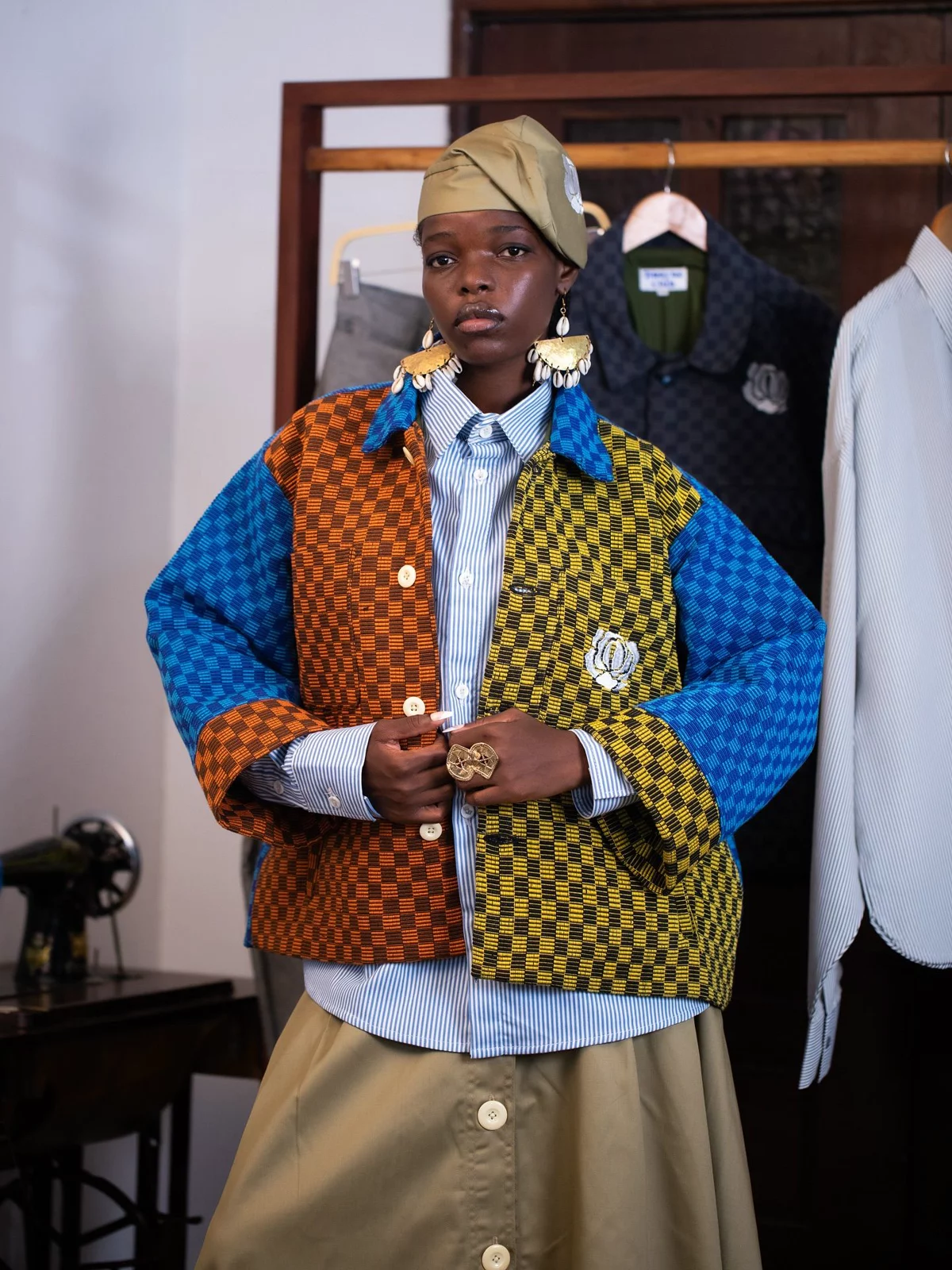
Ankara, also known as Dutch wax print, has a contested and layered origin that the fabric’s current cultural authority tends to obscure. The industrial process behind it was developed by Dutch manufacturers in the nineteenth century, inspired by Indonesian batik, and sold into West African markets where it was quickly adopted and transformed. The fabric is now manufactured primarily by the Dutch company Vlisco and its affiliates, as well as by African manufacturers including Woodin in Ghana. Cameroonian couturier Imane Ayissi, who made history in 2020 as the first Sub-Saharan African to show on the official Paris Haute Couture calendar, has been direct about the paradox: ‘When we talk about African fashion, it’s always wax, which is a real pity, because it’s killing our own African heritage.’ The cloth that much of the world reads as definitively African was made in Haarlem. That is not a reason to diminish what West African women have made of it. It is a reason to understand more precisely what they made, and why it required such cultural authority to transform a colonial commercial product into one of the most powerful dress languages in the world.
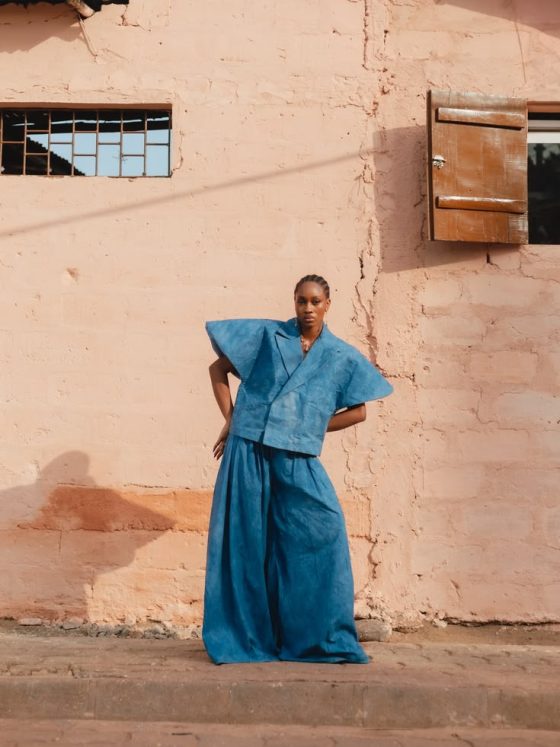
In skirts, blouses, dresses, headwraps, matching sets, and tailored ensembles that shift easily from practical to ceremonial, Ankara is worn daily in Nigeria, Ghana, Senegal, the Ivory Coast, and across West Africa. It appears in Lagos markets and Accra offices, in Dakar family compounds and Abidjan church services. It works across generations: what a younger woman wears as contemporary style may carry different meanings for an older woman who reads the same print through family, occasion, or community history. The cloth stays the same, but the interpretation changes. That interpretive flexibility is why prints matter politically. They allow women to be readable without being fixed.
ALSO READ
- The Aso-Ebi Economy: How Nigerian Celebration Culture Is Funding a Global Fashion Industry
- African Sacred Textiles: Adire, Kente, Aso-Oke, and Bogolan Reclaim Global Luxury
- Top Ghanaian Fashion Designers Shaping Africa’s Global Fashion Narrative
Respectability: The Print That Speaks Before You Do
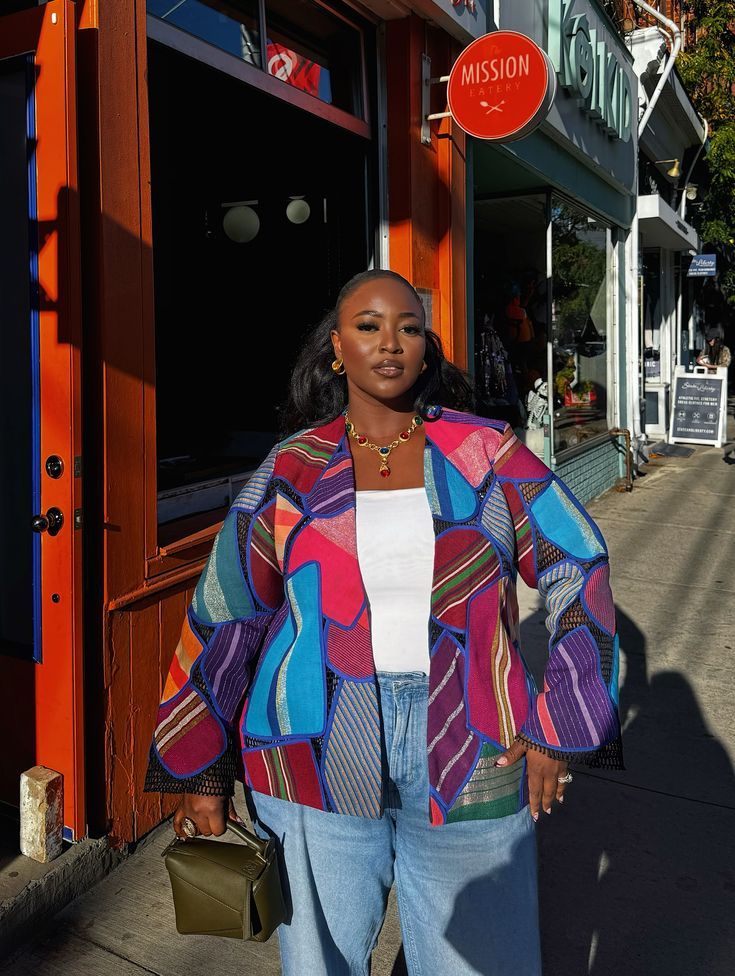
In many West African settings, dress is a form of public argument. The choice to wear Ankara or another African print can communicate neatness, seriousness, femininity, adulthood, or social respectability. This is especially important in spaces where women are constantly evaluated. Churches, offices, family events, market settings, and public ceremonies all create dress expectations. Prints help women meet those expectations while still retaining personal style.
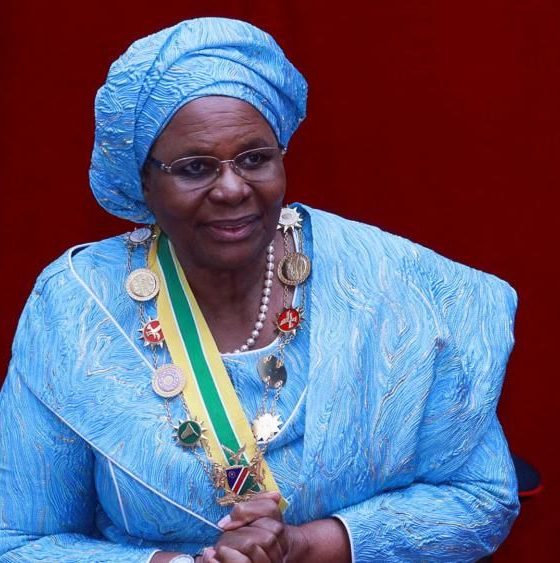
Respectability is not always about submission. Sometimes it is about control. A woman who dresses with care can decide how she wants to be seen and what she wants to project. The print becomes part of that decision. In Lagos, where the dress culture at significant social occasions is among the most elaborately coded in West Africa, an older woman arriving at a wedding in a well-tailored Ankara ensemble communicates seniority, social stability, and cultural fluency simultaneously. Her outfit does that work before she speaks a single word.
That is why African prints often carry so much emotional and social weight. They allow women to navigate visibility without surrendering agency.
Resistance: Wearing What the Market Would Rather You Import
Ankara and similar prints can also be a form of resistance. That resistance may not always be dramatic or explicit. Sometimes it appears as refusal: refusal to dress only in imported standards of polish, refusal to separate elegance from local identity, or refusal to let Western fashion be the only measure of sophistication.
Prints can challenge class assumptions. In many contexts, wearing African fabric with confidence asserts that local style is not less than foreign fashion. It says that beauty can come from within the culture, not only from outside approval. Nigerian designer Deola Sagoe, one of the first African designers to gain international recognition for high-end fashion rooted in local textiles, has built a career demonstrating that Ankara and indigenous materials carry the same luxury potential as European fabric. Her work, and the work of designers like Busayo Olupona and her treatment of Nigerian print as contemporary fashion language insist that the African print wardrobe constitutes a design intelligence that does not require external validation to be taken seriously.
There is also a political dimension to repetition. Matching prints, coordinated looks, and carefully tailored sets can turn women’s dressing into a collective expression. What looks like personal style may also be a quiet statement about belonging, solidarity, or social position. Prints can carry resistance without announcing it loudly.
Aso-Ebi: When Ankara Becomes a Social Architecture
The most precisely documented example of Ankara as a collective political expression is the aso-ebi tradition of the Yoruba people of southwestern Nigeria. The word ‘aso’ in Yoruba means ‘cloth,’ and ‘ebi’ means ‘family,’ so aso-ebi literally translates as ‘cloth of the family.’ As documented in the International Journal of Research and Innovation in Social Science, the tradition began as a requirement that every homemaker in a particular clan wear the same attire as a means of identifying with the family compound. Nigerian economic historian Ayodele Olukoju traces the rise of the modern aso-ebi phenomenon to the 1920s economic boom following World War I. Today, aso-ebi is worn as a uniform at weddings, funerals, naming ceremonies, and birthday celebrations across Nigeria and the diaspora. The choice of colour and pattern carries symbolic weight: gold for prosperity, white for purity, and specific shades that can signal the town or social group of the wearer.
The aso-ebi tradition demonstrates in its most visible form what the entire Ankara print wardrobe is doing at a smaller scale all the time. When families, friend groups, and church congregations coordinate in the same fabric, they are not making a style statement. They are building a social architecture. They are making solidarity visible. They are asserting that the people in the matching clothes belong to each other and intend others to read that belonging. The fabric becomes the statement that nothing said out loud could replicate.
Joy: The Political Act That Looks Like Pleasure
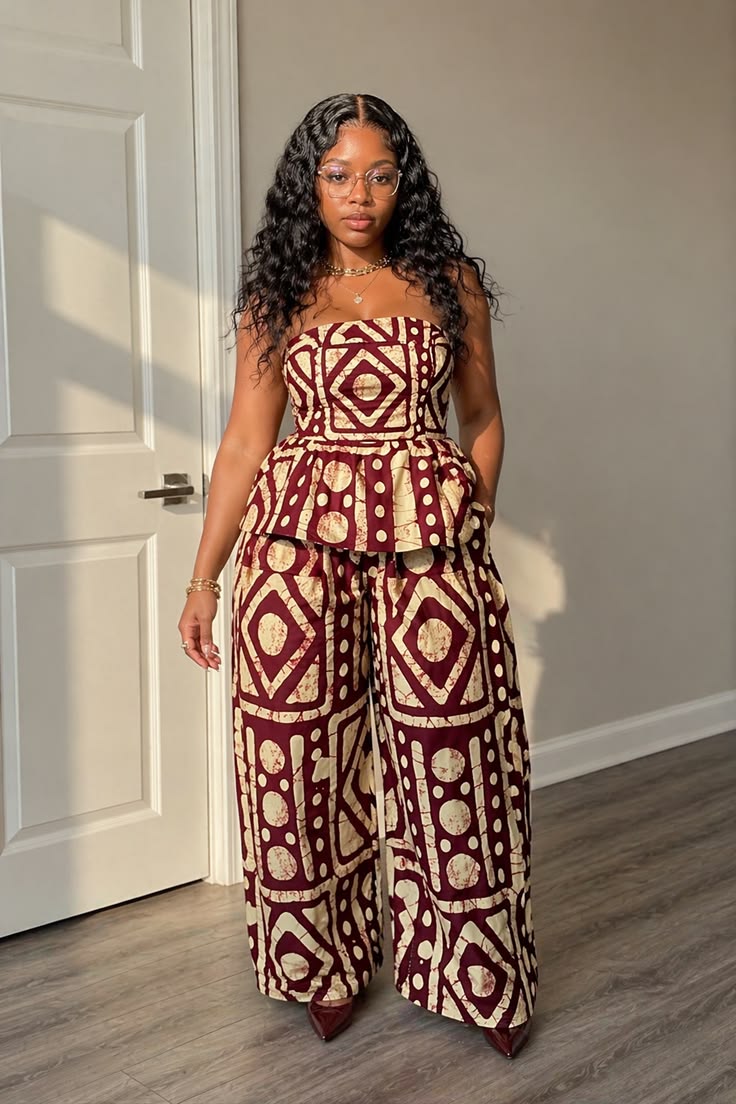
Not all political work in dress comes from conflict. Some of it comes from joy. West African women often use prints to create pleasure, confidence, and visual delight in ordinary life. That joy matters because it is not superficial. Choosing a bold fabric, a flattering cut, or a coordinated ensemble can be a way of claiming space in a world that often tries to make women’s style too small, too practical, or too controlled. Dressing beautifully can be a serious act of self-possession.
Prints also bring social energy. They animate family gatherings, religious events, weddings, and everyday encounters with texture and colour. A well-chosen print can make a woman feel seen by others and by herself.
Joy resists the idea that women must dress only for utility or restraint. It insists that pleasure is part of dignity. When Ankara’s colour and pattern are chosen not for conformity or display but for the private satisfaction they create in the woman wearing them, that choice is political in the most intimate way possible. The wardrobe becomes a site of social intelligence, where every decision about cloth, cut and colour is also a decision about how life is lived and negotiated in public.
They allow women to be readable without being fixed.
These prints are not background decoration. They are part of how women think, present, and act in the world. The print wardrobe is where a great deal of style knowledge lives: where taste is refined, identity is practised, and cultural memory is worn repeatedly until it becomes second nature. For West African women navigating Lagos, Accra, Dakar, and Abidjan, and for the diaspora communities in London, Paris, Toronto, and New York who carry the same cloth across borders, Ankara and other everyday prints are not fashion’s footnote. They are its argument.
ALSO READ
- Maasai Beadwork: Meaning, Symbolism, and the Language of Identity
- Clothing as Cultural Identity: What African Communities Wear and What It Means
FAQs
What does Ankara mean in West African fashion?
Ankara is the name commonly used in West Africa for Dutch wax print fabric, a machine-printed cotton textile whose production process was developed by Dutch manufacturers in the nineteenth century and sold into West African markets. It is now produced primarily by the Dutch company Vlisco and its African affiliates, as well as by African manufacturers including Woodin in Ghana. Despite its colonial commercial origin, Ankara has been so thoroughly transformed by West African dress culture, through bespoke tailoring, coordinated aso-ebi family sets, and daily and ceremonial wearing, that it functions as one of the most recognisable and culturally specific elements of West African women’s dress across Nigeria, Ghana, Senegal, the Ivory Coast, and beyond.
Why are African prints political?
Because they help women navigate respectability, resistance, belonging, and self-expression in public life, well-tailored Ankara ensembles in Lagos communicate seniority, cultural fluency, and social stability before the wearer speaks. The aso-ebi tradition, in which families and social groups wear coordinated Ankara fabric to weddings, funerals, and naming ceremonies, makes solidarity architecturally visible: the print becomes a public statement of belonging that no spoken declaration could replicate. And when a woman chooses African fabric over imported Western dress in a professional or formal setting, that choice asserts that local style is not lesser than foreign fashion.
What is aso-ebi, and how is Ankara used?
Aso-ebi is a Yoruba tradition originating in southwestern Nigeria in which family members, friends, and associates wear coordinated outfits made from the same fabric at social events as a mark of unity, solidarity, and shared identity. The word ‘aso’ means ‘cloth’ and ‘ebi’ means ‘family’ in Yoruba, so ‘aso-ebi’ translates as ‘cloth of the family.’ Ankara is the most commonly chosen fabric for aso-ebi in its modern form, valued for its affordability, availability, and wide range of colours and patterns. The tradition has spread beyond Yoruba communities across Nigeria and into the diaspora, turning what began as a kinship dress code into one of the most elaborate collective fashion practices in West Africa.
How do prints show joy?
Through colour, coordination, tailoring, and the pleasure of dressing with intention and beauty. A woman who selects a bold fabric for its private satisfaction rather than for conformity or display is making a political claim: that pleasure is part of dignity and that dressing for oneself is as legitimate as dressing for an occasion. The print wardrobe in West Africa is where taste is refined, identity is practised, and cultural memory is worn repeatedly until it becomes second nature. Joy resists the idea that women must dress only for utility or restraint. It insists that style is not a luxury added to life but a way of living it.
Why is this important to study?
Because it shows that clothing is not only aesthetic, but also a social and political language, fashion media in the West tends to discuss Ankara and African prints as if their significance were primarily seasonal or visual. That misses the deeper function they serve: helping women manage how they are read in public, how they belong to family and community, and how they move between tradition and modernity. The everyday print wardrobe is where a great deal of style knowledge lives, and it is where African fashion’s most durable influence is exercised. Studying it seriously treats West African women’s dress decisions as what they are: sophisticated, intentional, and often profound acts of social intelligence.