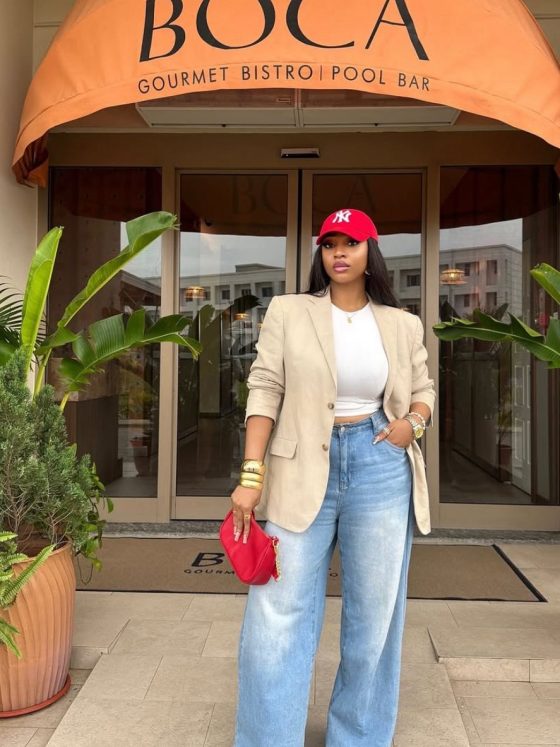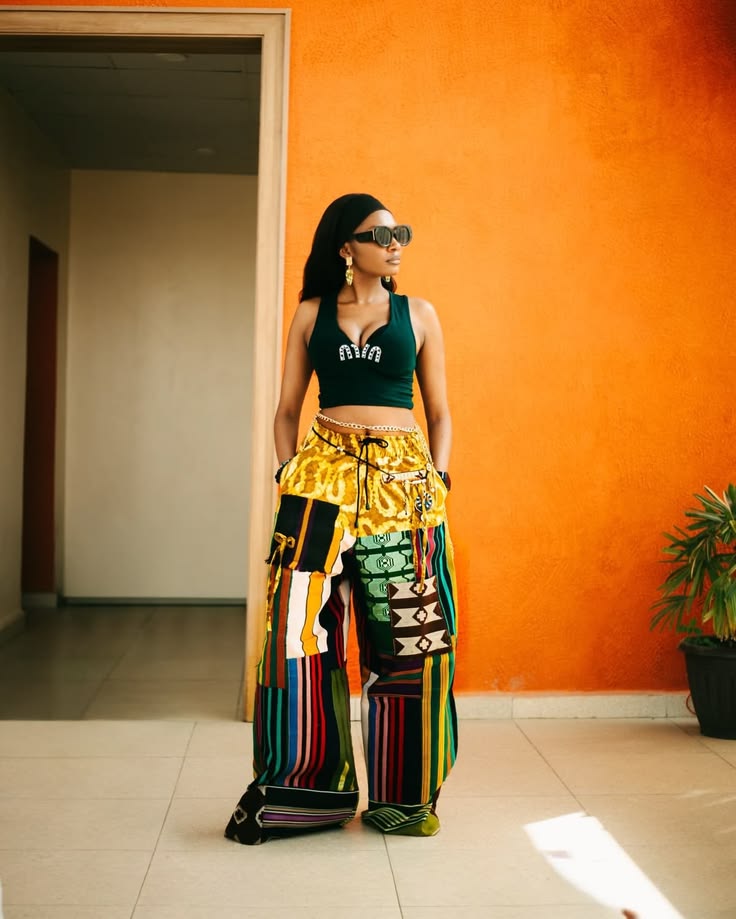
Consider two versions of the same Lagos woman on the same Tuesday. In the morning, she arrives at her office in a sharply tailored Ankara blazer over a white blouse, shoes polished, everything pressed. She is a mid-level manager in a firm where suits and conservative colours mark seniority. The blazer signals: I belong in this room. It does not surrender her cultural identity. It uses it as authority. That evening, she attends a cousin’s naming ceremony in a richly embroidered iro and buba, gele tied high, the fabric chosen specifically to signal the family’s expectations for her on this occasion. She is the same woman. She is wearing two entirely different arguments about who she is and where she stands.
African women use style as a form of soft power every day. Through clothing, they negotiate respectability, manage risk, assert freedom, and communicate who they are before they speak. That makes dressing more than an appearance. It becomes a social strategy, a cultural language, and sometimes a quiet form of resistance.
Discover how African women use fashion as soft power, negotiating respectability, risk, and freedom through everyday and occasion dressing choices. The clothes may look effortless. The strategy behind them rarely is.
What Soft Power Dressing Means in African Fashion
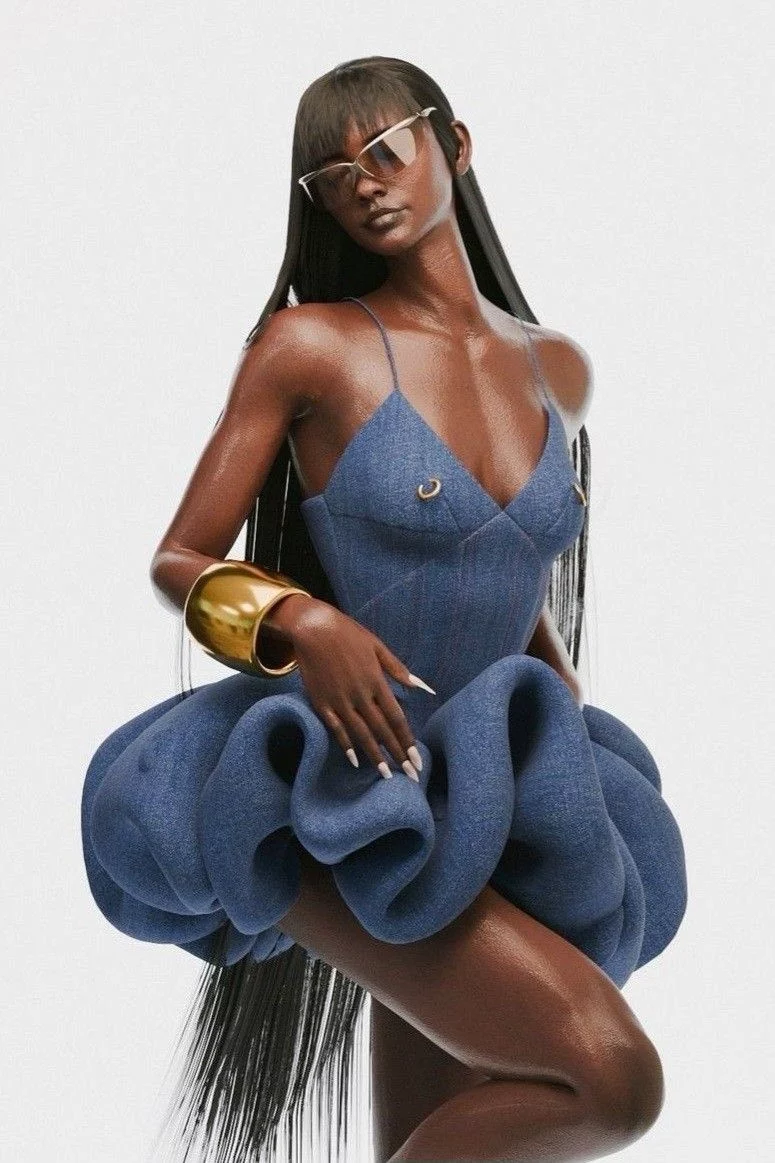
Soft power dressing is the use of clothing to influence how others read you without relying on force or loud declarations. In African women’s wardrobes, this can mean dressing for authority, dignity, beauty, protection, or visibility, depending on the moment. The idea is not about being subtle for its own sake. It is about knowing that clothes carry social meaning and using that knowledge deliberately. As researchers studying African women’s dressing practices have documented, African women balance multiple simultaneous expectations through their wardrobe choices: family, workplace, religious, and public expectations. Style becomes one way they handle those pressures without losing self-definition.
A woman may choose a clean, tailored look for work, a richly printed ensemble for celebration, or a modest silhouette for a setting that rewards restraint. Each choice communicates something. Soft power dressing is not passive. It is strategic.
The clothes may look effortless. The thinking behind them is rarely simple.
Respectability as Strategy, Not Submission
Respectability is often treated as restrictive, but many African women use it as a tool. Dressing carefully can help them move through institutions, ceremonies, and family spaces with authority and ease.
That does not mean they are dressing to please others. It means they are using appearance to create room for themselves. A well-chosen outfit can help a woman be taken seriously, avoid unwanted scrutiny, or enter a space with confidence. The woman in the morning Ankara blazer is not conforming to a corporate dress code. She is using that dress code to establish the right to be heard before she opens her mouth.
In that sense, respectability is not always submission. It can be a method of control. A woman who knows how she wants to present herself is also deciding how much of herself to reveal and how much to withhold. This is where soft power becomes visible. The dress is not just beautiful. It is protective, intentional, and socially intelligent. As Omiren Styles has documented in her analysis of how Ankara does political work within West African women’s wardrobes, the choice between fabrics and silhouettes in these settings is never purely aesthetic. It is also always a calculation about authority, visibility, and belonging.
ALSO READ
- Ankara Does Not Just Dress West African Women. It Argues for Them.
- Two Generations, One Fabric, Two Different Meanings
- African Professionals Are Not Dressing for an Interview. They Are Dressing Against a Bias.
Risk and Caution: When the Outfit Is Also Protection
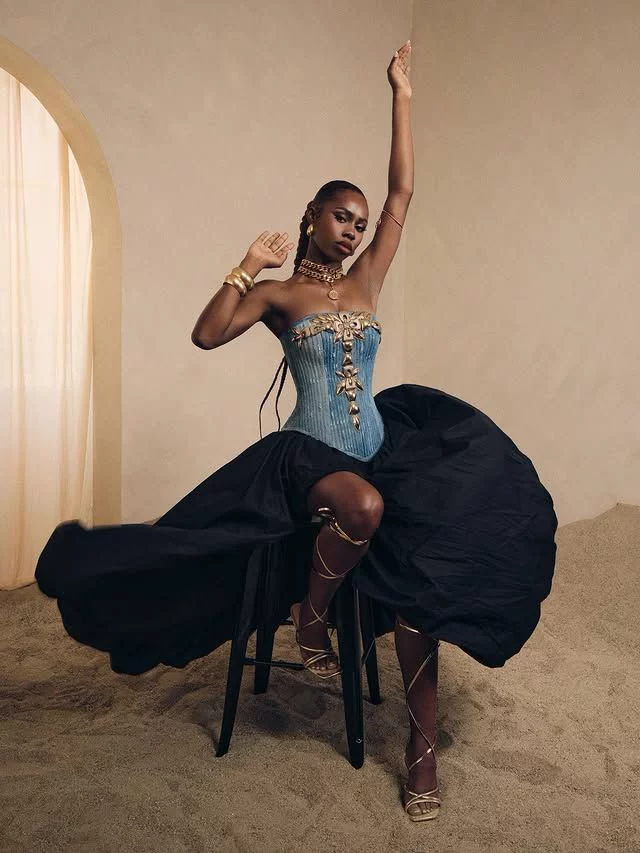
Not every style choice is made freely. In many African settings, women dress with awareness of class judgement, gendered scrutiny, religious expectations, and physical safety. A woman commuting at night in a major city may choose her outfit partly based on what kind of attention it will attract on public transport. A woman attending a work meeting in a conservative sector may dress modestly, not because she is modest by nature but because she knows the room will read her more charitably if she does. A woman at a family gathering may cover her shoulders not to express religious commitment but to avoid the commentary that uncovered shoulders would generate from specific relatives.
A woman may dress modestly in one space and boldly in another. She may avoid certain cuts, colours, or accessories depending on where she is going and who will see her. These decisions are not signs of fear alone. They are signs of careful reading of the environment and intelligent response.
Style becomes a way to navigate danger without always naming it. That is why clothing can be both expressive and defensive at the same time. A woman is not simply putting on an outfit. She is calculating how the outfit will move through the world with her. As the broader Omiren analysis of how African diaspora professionals navigate dress codes built around assumptions that exclude them demonstrates, this calculation is not unique to women. But for African women managing gendered, classed, and racialised expectations simultaneously, it is particularly dense. That density is part of what soft power dressing names and makes legible.
Freedom in the Wardrobe: Claiming Space Through Style
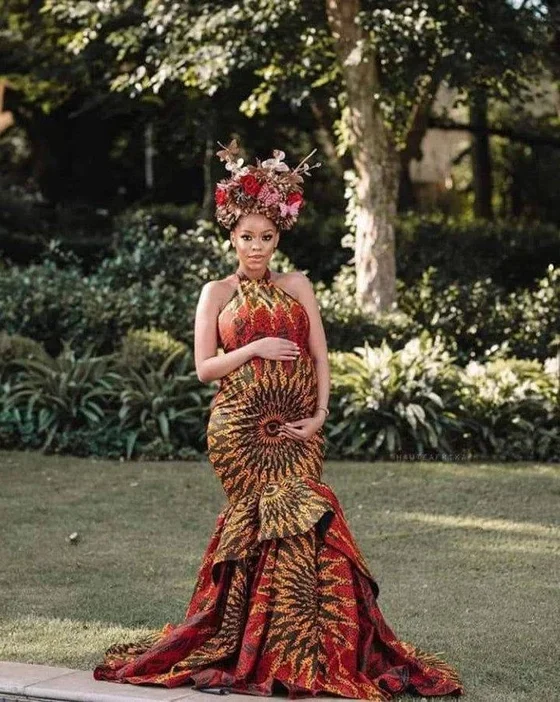
At the same time, style is one of the most accessible ways African women claim freedom. A bold print, an unusual silhouette, a carefully tied headwrap, or a sharply tailored look can all become forms of self-assertion.
Freedom here does not always mean total liberation from social rules. It often means finding breathing room inside them. A woman may not control the larger system, but she can control how she enters it. That is why occasion dressing matters so much. Weddings, church services, naming ceremonies, work events, and public appearances become moments where women can stage their own visibility. The wardrobe gives them room to declare taste, confidence, and identity.
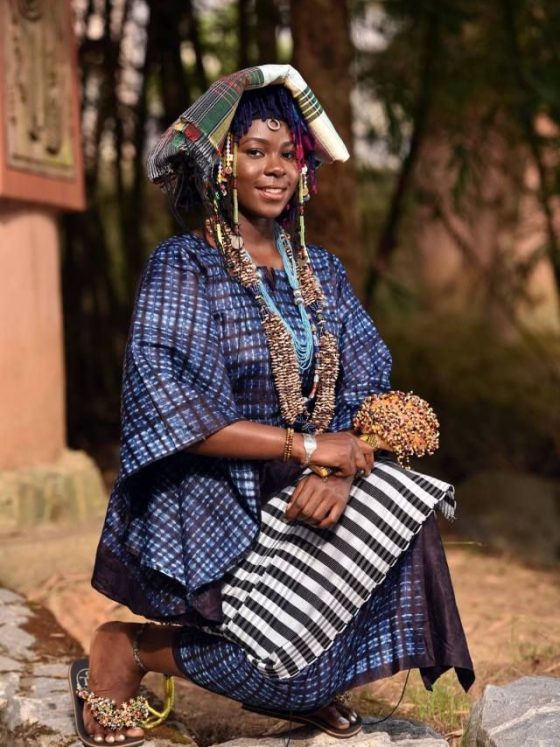
The woman at the evening naming ceremony, in her embroidered iro and buba, is not performing an obligation. She is also asserting herself: the specific fabric she chose, the way her gele is tied, the colour combination that signals something to the other women in the room who can read it. The occasion requires her to be present in traditional dress. She decides which tradition, in what form, to what effect.
Soft power dressing, therefore, holds tension. It is about compromise and creativity, caution and joy, discipline and expression. The point is not to resolve these tensions but to use them well.
Why Soft Power Dressing Matters Now
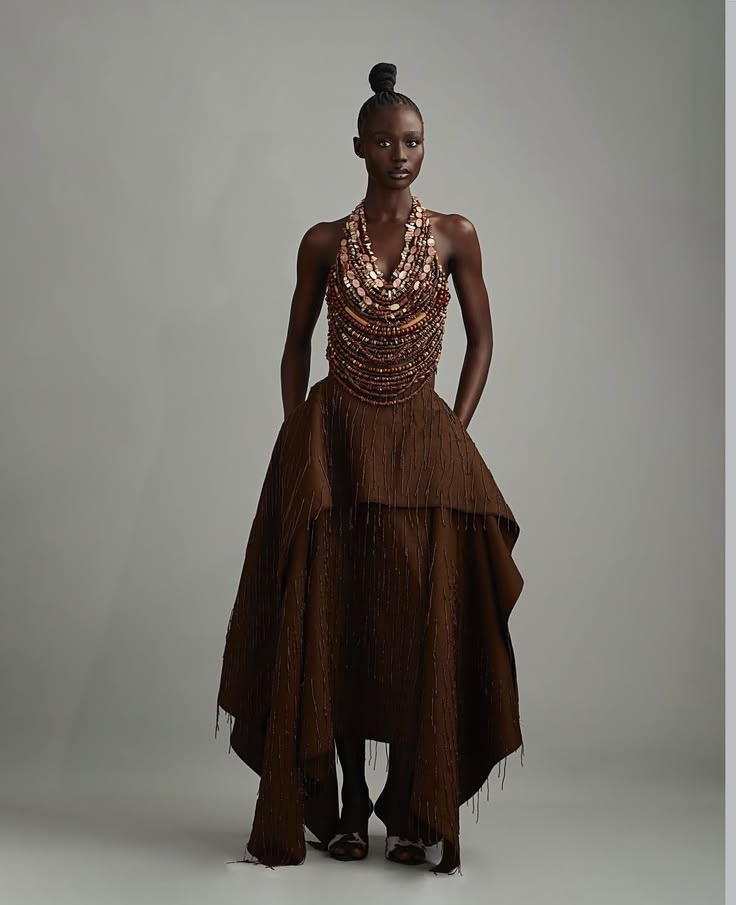
This topic matters because African women’s style is often judged from the outside as either too restrained or too flashy. Both readings miss the real work that dressing does.
Fashion is not only aesthetic in these contexts. It is social negotiation. It helps women move between roles, protect their dignity, and claim presence in public spaces that may not always be welcoming. Understanding soft power dressing also gives us a better framework for reading African fashion itself. Instead of asking only what looks good, we can ask what the clothing does. Who does it protect? Who does it impress? What space does it create? As Omiren Styles has argued in the full analysis of how the aso-ebi tradition turns Ankara into a collective social architecture, the most significant aspects of African women’s wardrobes are not the ones that are immediately visible. They are the strategic layer beneath the beauty: the calculation, the context, the community knowledge, and the lived intelligence that produced the outfit.
Soft power dressing shows that African women use style as a practical and emotional technology of power. Clothes help them negotiate respectability without surrendering identity, manage risk without giving up beauty, and claim freedom in spaces that often try to regulate them. What looks like everyday dressing is often a highly intelligent form of social navigation. African women’s wardrobes should be read as a strategy rather than a stereotype. Style is one of the ways power is lived, protected, and quietly rewritten.
ALSO READ
- Ankara Does Not Just Dress West African Women. It Argues for Them.
- African Professionals Are Not Dressing for an Interview. They Are Dressing Against a Bias.
- The Cultural Codes of Dressing Well: What Every Society Understands About Style and Respect
Frequently Asked Questions (FAQs)
What does soft power dressing mean in African fashion?
Soft power dressing is the use of clothing to influence how others read you through style, restraint, elegance, and social intelligence rather than through loud declaration or force. In African women’s wardrobes specifically, it describes the practice of dressing strategically across different social settings: choosing a tailored look that establishes authority at work, a richly embroidered ensemble that signals status and family membership at a ceremony, or a modest silhouette that reduces unwanted scrutiny in a conservative space. Each choice is doing social work beyond aesthetics.
Why is soft power dressing important for African women?
African women typically manage multiple simultaneous expectations with a single wardrobe: family, workplace, religious, and public expectations. Soft power dressing names the intelligence required to navigate those expectations without losing self-definition. Clothing helps African women move between roles, protect their dignity, claim visibility on their own terms, and communicate who they are before they speak. Understanding dressing as a strategy rather than decoration gives a more accurate account of what African women’s wardrobes are actually doing.
Is respectability always restrictive for African women?
No. Respectability can also be a strategy for gaining access, protecting dignity, and controlling perception. A woman who dresses carefully for a workplace setting dominated by conservative expectations is not necessarily deferring to those expectations. She may be using them as a tool: establishing the right to be heard, reducing friction in an environment that would otherwise read her differently, and creating room for herself through appearance before asserting herself in other ways. The same woman who dresses conservatively in one setting may dress boldly in another. Respectability, in this reading, is a mode she deploys rather than a constraint imposed on her.
How does style help African women manage risk?
By allowing women to adjust their presentation depending on setting, audience, and social expectations. A woman commuting at night may choose an outfit partly based on what kind of attention it will attract. A woman in a conservative professional environment may dress modestly to be read more charitably by colleagues. A woman at a family gathering may cover her shoulders not out of personal modesty but to pre-empt commentary from certain relatives. These are not signs of fear alone. They are signs of careful environmental reading and social intelligence in response. Style becomes a way to navigate risk without always naming it.
What is the difference between soft power dressing and simply following dress codes?
Dress codes are imposed. Soft power dressing is the active, strategic use of what the dress code allows and what it leaves open. A woman following a corporate dress code passively wears what is required. A woman practising soft power dressing wears what is required. Then she uses every degree of freedom within that requirement to communicate something additional: the Ankara blazer that meets the professional standard while asserting cultural identity, the gele tied in a way that signals specific membership to people who can read it. This jewellery carries personal history within a conservative silhouette. The constraint is the same. What the woman puts inside it is her own.
Why is this an Omiren topic?
Because Omiren Styles reads African fashion as power and culture rather than decoration, soft power dressing is where that analysis is most concentrated in women’s everyday experience. The same framework Omiren applies to African royal dress, diaspora fashion politics, and the economics of the African fashion market applies here: ask not just what the clothing looks like, but what it does, who it protects, who it impresses, and what space it creates. African women’s wardrobes are full of strategy. Soft power dressing is the name for that strategy made legible.