Menu
  • Fashion
    • Africa
    • Caribbean
    • Latin America
    • Trends
    • Street Style
    • Sustainable Fashion
    • Diaspora Connects
  • Culture
    • Textiles
    • Cultural Inspirations
    • Ceremony & Ritual
    • Art & Music
    • Cultural Inspirations
  • Designers
    • African Designers
    • Caribbean Designers
    • Latin American
    • Emerging Talent
    • Interviews
  • Beauty
    • Skincare
    • Makeup
    • Hair & Hairstyle
    • Fragrance
    • Beauty Traditions
  • Women
    • Women’s Style
    • Evening Glam
    • Workwear & Professional
    • Streetwear for Women
    • Accessories & Bags
    • Health & Wellness
  • Men
    • Men’s Style
    • Grooming Traditions
    • Traditional & Heritage
    • The Modern African Man
    • Menswear Designers
  • Diaspora
    • Diaspora Voices
    • UK Scene
    • US Scene
    • Caribbean Diaspora
    • Afro-Latino Identity
  • Industry
    • Strategy
    • Investment
    • Retail
    • Insights
    • Partnerships
  • News
    • Cover Stories
    • Fashion Weeks
    • Opinion & Commentary
    • Style Icons
    • Rising Stars
    • Editorial Intelligence
  • African Style
    • Designers & Brands
    • Street Fashion in Africa
    • Traditional to Modern Styles
    • Cultural Inspirations
  • Fashion
    • Trends
    • African Designers
    • Afro-Latin American
    • Caribbean Designers
    • Street Style
    • Sustainable Fashion
    • Diaspora Connects
  • Beauty
    • Skincare
    • Makeup
    • Hair & Hairstyle
    • Fragrance
    • Beauty Secrets
  • Lifestyle
    • Culture & Arts
    • Travel & Destination
    • Celebrity Style
    • Luxury Living
    • Home & Decor
  • News
    • Cover Stories
    • Designer Spotlight
    • Fashion Weeks
    • Style Icons
    • Rising Stars
    • Opinion & Commentary
  • Women
    • Women’s Style
    • Health & Wellness
    • Workwear & Professional
    • Evening Glam
    • Streetwear for Women
    • Accessories & Bags
  • Shopping
    • Fashion finds
    • Beauty Picks
    • Gift Guides
    • Shop the Look
  • Events
    • Fashion Week Coverage
    • Red Carpet & Galas
    • Weddings
    • Industry Events
    • Omiren Styles Special Features
  • Men
    • Men’s Style
    • Grooming Traditions
    • Menswear Designers
    • Traditional & Heritage
    • The Modern African Man
  • Diaspora
    • Designers
    • Culture
  • Industry
    • Insights
    • Investment
    • Partnerships
    • Retail
    • Strategy
Subscribe
OMIREN STYLES OMIREN STYLES

Fashion · Culture · Identity

OMIREN STYLES OMIREN STYLES OMIREN STYLES OMIREN STYLES
  • Fashion
    • Africa
    • Caribbean
    • Latin America
    • Trends
    • Street Style
    • Sustainable Fashion
    • Diaspora Connects
  • Culture
    • Textiles
    • Cultural Inspirations
    • Ceremony & Ritual
    • Art & Music
    • Cultural Inspirations
  • Designers
    • African Designers
    • Caribbean Designers
    • Latin American
    • Emerging Talent
    • Interviews
  • Beauty
    • Skincare
    • Makeup
    • Hair & Hairstyle
    • Fragrance
    • Beauty Traditions
  • Women
    • Women’s Style
    • Evening Glam
    • Workwear & Professional
    • Streetwear for Women
    • Accessories & Bags
    • Health & Wellness
  • Men
    • Men’s Style
    • Grooming Traditions
    • Traditional & Heritage
    • The Modern African Man
    • Menswear Designers
  • Diaspora
    • Diaspora Voices
    • UK Scene
    • US Scene
    • Caribbean Diaspora
    • Afro-Latino Identity
  • Industry
    • Strategy
    • Investment
    • Retail
    • Insights
    • Partnerships
  • News
    • Cover Stories
    • Fashion Weeks
    • Opinion & Commentary
    • Style Icons
    • Rising Stars
    • Editorial Intelligence
  • Opinion & Commentary
  • Women's Style

Why Some Clothes Are Kept Forever: The Emotional Value of Clothing

  • Fathia Olasupo
  • April 10, 2026
Why Some Clothes Are Kept Forever: The Emotional Value of What We Wear
Total
0
Shares
0
0
0

Every wardrobe contains pieces that are no longer part of daily rotation, yet they remain. They are not the most practical, not the most current, and sometimes not even worn at all. Still, they are kept.

These garments do not stay because of their material value. They stay because of what they carry.

A dress worn to a graduation. A shirt bought with a first salary. A piece inherited from a parent. These are not just clothes. They are records of specific moments, preserved in fabric.

Fashion, in this sense, becomes more than appearance. It makes memories visible.

Why do we keep certain clothes forever? Explore how memory, culture, and identity shape the emotional value of what we wear over time.

Clothing as a Record of Personal Milestones
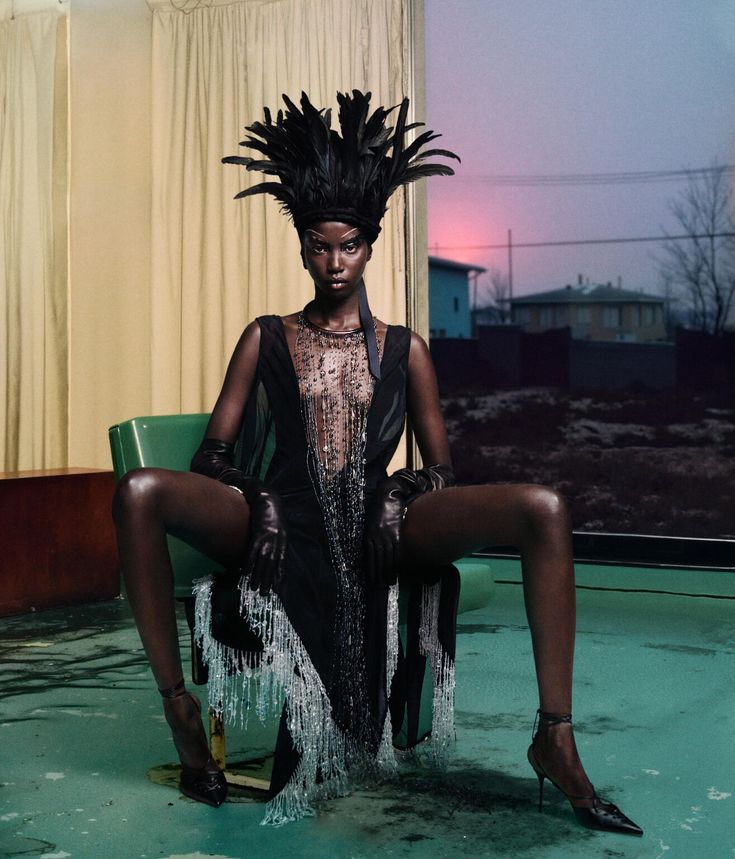
Clothing as a Record of Personal Milestones

Some clothes mark a transition. They represent moments when life shifted noticeably.

A carefully chosen outfit for a first job interview reflects anticipation and uncertainty. A garment worn to a celebration reflects joy and belonging. Even everyday pieces can take on meaning when they are tied to a particular phase of life.

Over time, these associations become fixed. The clothing is no longer just an object. It becomes a reference point for who a person was at that moment.

This is why people hesitate to let go of certain items. Removing them feels less like decluttering and more like disconnecting from a version of self.

Inheritance and Continuity

In many African and diaspora households, clothing is not always treated as disposable. It can move across generations, carrying both material and emotional value.

Garments passed down from parents or relatives often hold significance beyond their design. They represent continuity. They connect the present to the past directly and tangibly.

Wearing such pieces is not only about style. It is about participating in a lineage. Even when the garment is not worn regularly, its presence in a wardrobe serves as a reminder of where one comes from.

This approach contrasts with fast consumption cycles, where clothing is expected to move quickly in and out of use. Here, clothing is allowed to remain, to age, and to hold meaning over time.

Memory Shapes What We Return To

Not all meaningful clothing is stored away. Some pieces remain in active use, worn repeatedly because of how they make the wearer feel.

These garments may not stand out visually, but they carry a sense of familiarity and comfort. They are reliable. They fit not only the body, but also the memory attached to them.

People often return to these pieces without thinking. The decision feels natural, but it is influenced by experience.

In this way, memory does not only preserve clothing. It also guides present choices.

The Difference Between Value and Price
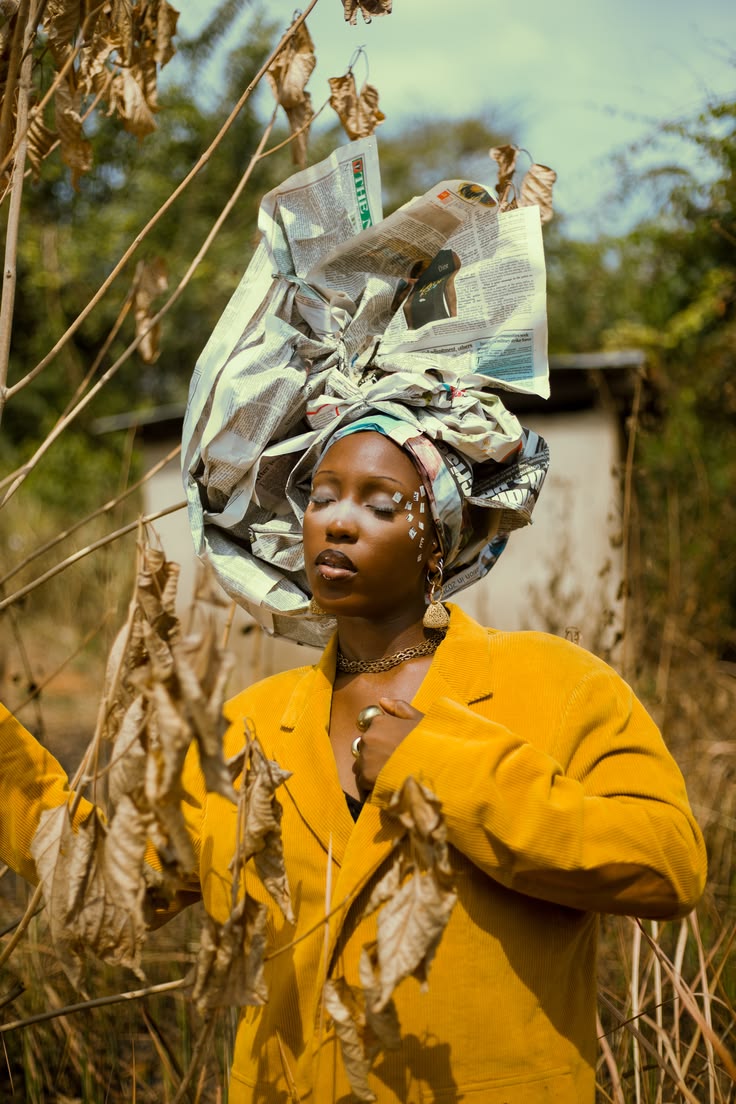
The Difference Between Value and Price

There is a clear distinction between what something costs and what it means.

A garment may be expensive but easily forgotten. Another may be modest in price but impossible to discard. The difference lies in emotional connection.

Fashion systems often emphasise newness and replacement. They encourage movement—buying, wearing, and discarding.

However, personal wardrobes do not always follow this logic. People hold on to items that are difficult to replace because their value cannot be reproduced.

This reveals a quieter truth: the most important pieces in a wardrobe are not always the most visible. They are the ones that carry meaning that cannot be transferred.

Why Letting Go Can Be Difficult

Letting go of clothing is often framed as a simple decision. In reality, it can be more complex.

Each item carries a story, and removing it can feel like closing a chapter without fully processing it. This is especially true for garments connected to significant life moments.

At the same time, not every item needs to be kept indefinitely. The challenge lies in recognising which pieces hold lasting meaning and which do not.

This requires a level of awareness that goes beyond appearance. It involves understanding the role clothing plays in personal history.

READ ALSO:

  • Leaving and Returning: How Migration Reshapes Fashion Identity in Ways We Don’t Talk About
  • When Style Is Misread: Why Cultural Fashion Is Labelled “Too Much”

Fashion Beyond Function
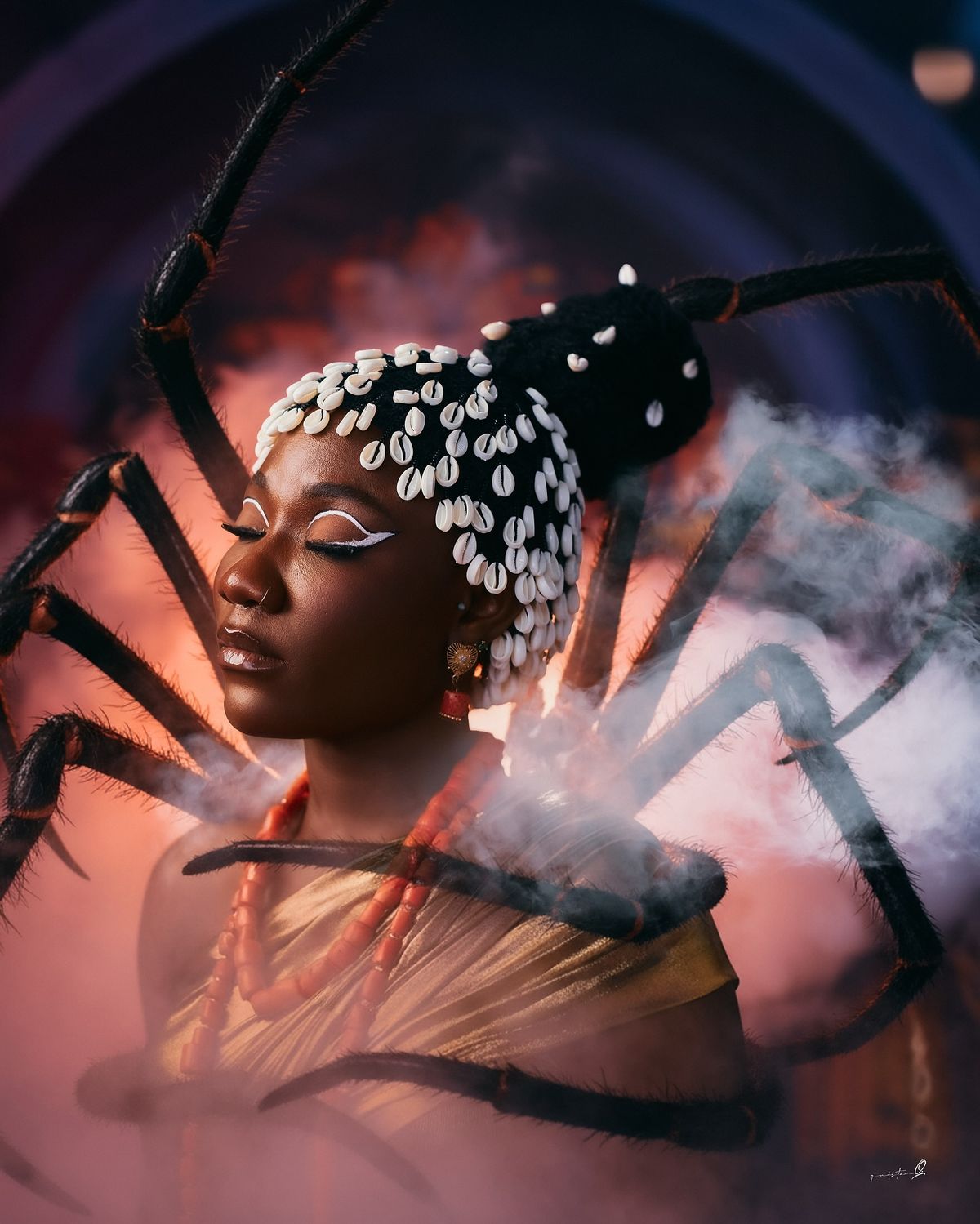
Fashion Beyond Function

When clothing is viewed only as functional, its emotional dimension is overlooked. But in practice, fashion operates on multiple levels.

It serves practical needs, but it also reflects identity, memory, and experience. The pieces that remain over time often do so because they fulfil more than one purpose.

They are not just worn. They are remembered.

What We Keep, We Carry

The clothes that remain in a wardrobe over time are not there by accident. They have passed through different phases of life and remain relevant, even when they are no longer worn regularly.

They represent moments, relationships, and personal shifts. They connect past experiences to the present, allowing individuals to carry parts of their history with them.

In a world where fashion often moves quickly, these pieces create pause. They remind us that clothing is not only about what is new or visible. It is also about what endures.

Because what we choose to keep is rarely just about the garment itself. It is about what we are not ready to lose.

FAQs

  1. Why do people keep clothes they no longer wear?

People keep certain clothes because of their emotional value, often tied to memories, milestones, or personal identity.

  1. Can clothing hold sentimental value?

Yes. Clothing can represent specific moments, relationships, and experiences, making it emotionally significant.

  1. Why is it hard to throw away old clothes?

It can be difficult because clothes are often linked to memories and past versions of oneself.

  1. What makes a piece of clothing meaningful?

A garment becomes meaningful when it is connected to important life events, personal achievements, or family history.

  1. How does culture influence how we value clothing?

In many cultures, clothing is seen as something to preserve and pass down, rather than discard quickly.

Post Views: 231
Total
0
Shares
Share 0
Tweet 0
Pin it 0
Related Topics
  • Clothing and Identity
  • emotional fashion meaning
  • sentimental wardrobe
Fathia Olasupo

olasupofathia49@gmail.com

You May Also Like
Blush That Shows on Deep Skin: The Formulas, Shades, and Application Techniques That Work
View Post
  • Opinion & Commentary

Who Actually Owns African Fashion? The Gap Between the Designer and the Distributor

  • Ayomidoyin Olufemi
  • April 23, 2026
Cultural Appropriation in Fashion: Why Sorry Is Not Enough
View Post
  • Opinion & Commentary

Cultural Appropriation in Fashion: Why Sorry Is Not Enough

  • Philip Sifon
  • April 18, 2026
Top 5 Wax Print Styles for Baoulé Women in 2026
View Post
  • Women's Style

Top 5 Wax Print Styles for Baoulé Women in 2026

  • Rex Clarke
  • April 17, 2026
Dressed for Power: How African Women in Politics Turn Clothing Into a Political Language
View Post
  • Women's Style

Dressed for Power: How African Women in Politics Turn Clothing Into a Political Language

  • Philip Sifon
  • April 16, 2026
View Post
  • African Designers
  • Opinion & Commentary

Why Fashion Brands Don’t Scale: Access Over Design

  • Fathia Olasupo
  • April 14, 2026
What Makes a Fashion Capital: Why the Definition Was Never Built to Include Africa
View Post
  • Cultural Inspirations
  • Opinion & Commentary

What Makes a Fashion Capital: Why the Definition Was Never Built to Include Africa

  • Fathia Olasupo
  • April 13, 2026
The Ndebele Aesthetic: Pattern, Identity, and the Global Brands That Have Borrowed Without Credit
View Post
  • Cultural Inspirations
  • Opinion & Commentary

The Ndebele Aesthetic: Pattern, Identity, and the Global Brands That Have Borrowed Without Credit

  • Philip Sifon
  • April 13, 2026
Maternity Fashion in Africa: Celebrating the Changing Body, Challenging the Invisible
View Post
  • Cultural Inspirations
  • Women's Style

Maternity Fashion in Africa: Celebrating the Changing Body, Challenging the Invisible

  • Philip Sifon
  • April 10, 2026

Leave a Reply Cancel reply

Your email address will not be published. Required fields are marked *

The Omiren Argument

African fashion and culture are not emerging. They are foundational. We document, interpret, and argue for the full cultural weight of African and diaspora dress. With precision. Without apology.

Omiren Styles Fashion · Culture · Identity

All 54 African Nations
Caribbean · Afro-Latin America
The Global Diaspora

Platform

  • About Omiren Styles
  • Our Vision
  • Our Mission
  • Editorial Pillars
  • Editorial Policy
  • The Omiren Collective
  • Campus Style Initiative
  • Sustainable Style
  • Social Impact & Advocacy
  • Investor Relations

Contribute

  • Write for Omiren Styles
  • Submit Creative Work
  • Join the Omiren Collective
  • Campus Initiative
Contact
contact@omirenstyles.com
Our Reach

Africa — All 54 Nations
Caribbean
Afro-Latin America
Global Diaspora

African fashion intelligence, in your inbox.

Editorial features, designer profiles, cultural commentary. No noise.

© 2026 Omiren Styles — Rex Clarke Global Ventures Limited. All rights reserved.
  • Privacy Policy
  • Editorial Policy
  • Terms of Use
  • Accessibility
Africa · Caribbean · Diaspora
The Omiren Argument

African fashion and culture are not emerging. They are foundational. We document, interpret, and argue for the full cultural weight of African and diaspora dress. With precision. Without apology.

Omiren Styles Fashion · Culture · Identity
  • About Omiren Styles
  • Our Vision
  • Our Mission
  • Editorial Pillars
  • Editorial Policy
  • The Omiren Collective
  • Campus Style Initiative
  • Sustainable Style
  • Social Impact & Advocacy
  • Investor Relations
  • Write for Omiren Styles
  • Submit Creative Work
  • Join the Omiren Collective
  • Campus Initiative
Contact contact@omirenstyles.com

All 54 African Nations · Caribbean
Afro-Latin America · Global Diaspora

African fashion intelligence, in your inbox.

Editorial features, designer profiles, cultural commentary. No noise.

© 2026 Omiren Styles
Rex Clarke Global Ventures Limited.
All rights reserved.

  • Privacy Policy
  • Editorial Policy
  • Terms of Use
  • Accessibility
Africa · Caribbean · Diaspora

Input your search keywords and press Enter.