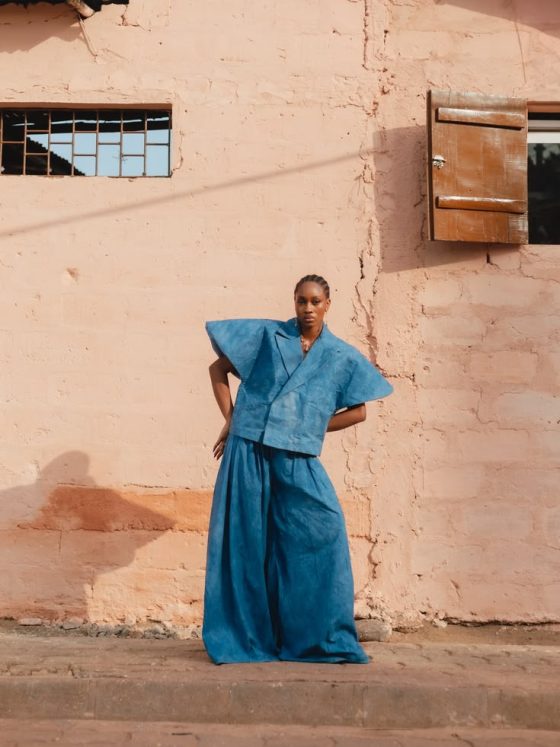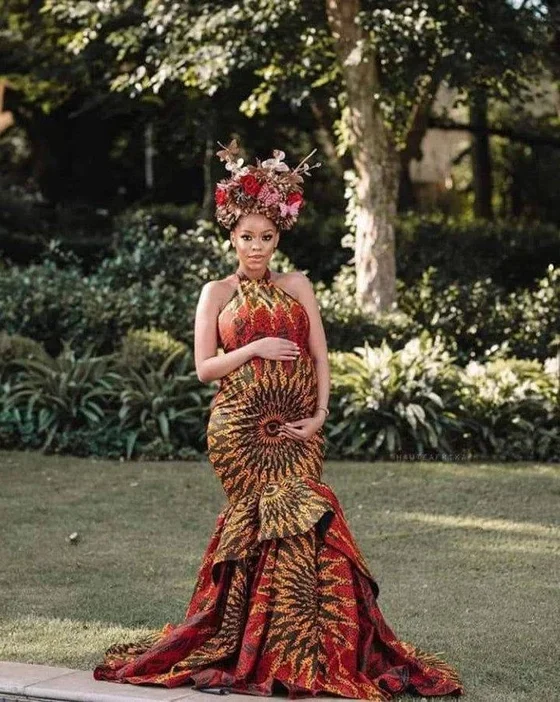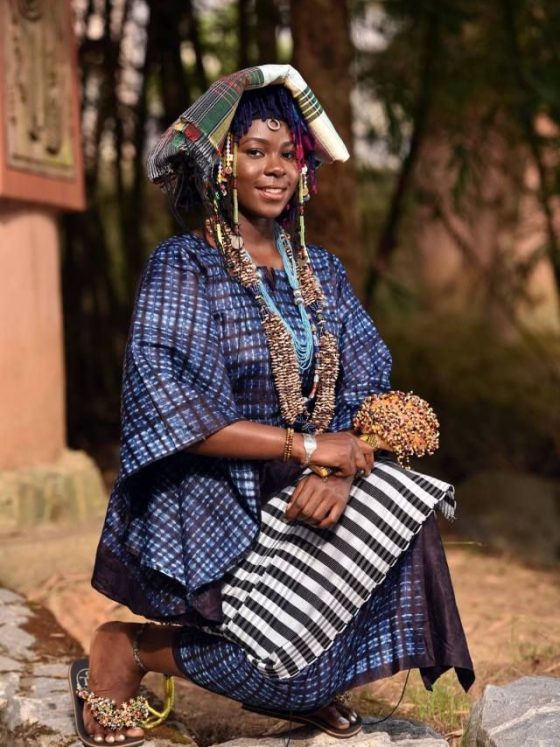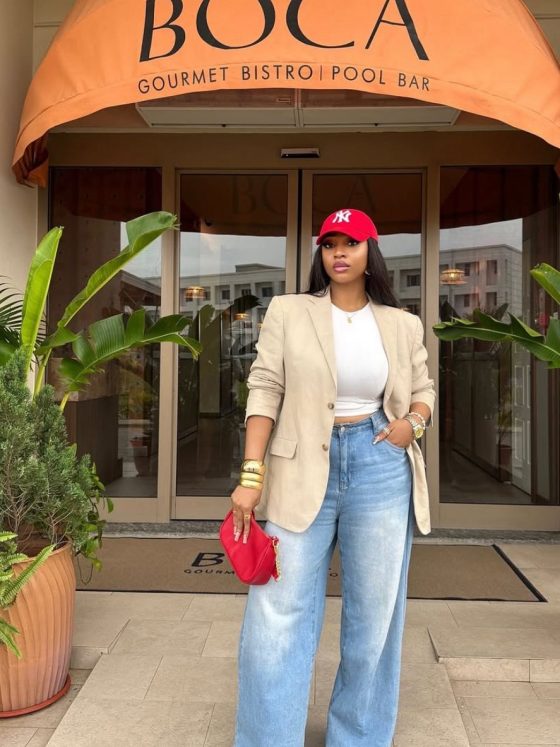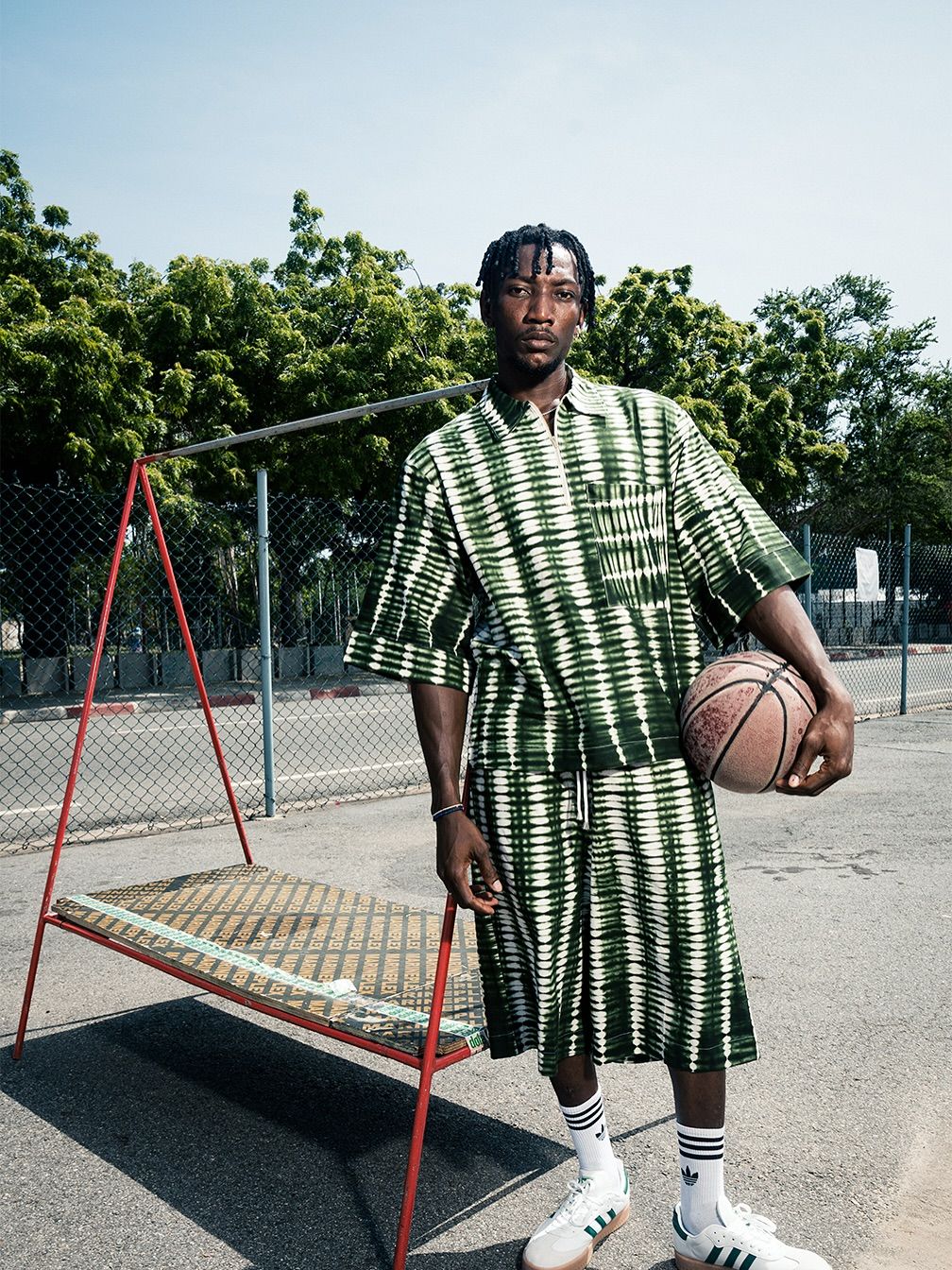
Most people think style is about taste. In reality, it is often about timing. What you wear at any point in your life reflects not just who you are but also where you are going and what you are leaving behind.
Periods of transition, graduation, a first job, relocation, loss, financial change, or personal reinvention quietly disrupt your wardrobe. Clothes that once felt natural begin to feel out of place. New environments demand new codes. Old pieces carry memories that no longer align with your present reality.
This is where style becomes something deeper than aesthetics. It becomes a tool for negotiation, helping you move between identities without losing yourself.
Explore how personal transitions shape style choices. Learn how clothing reflects shifts in identity, ambition, and cultural movement across life stages.
The Wardrobe in Between Identities
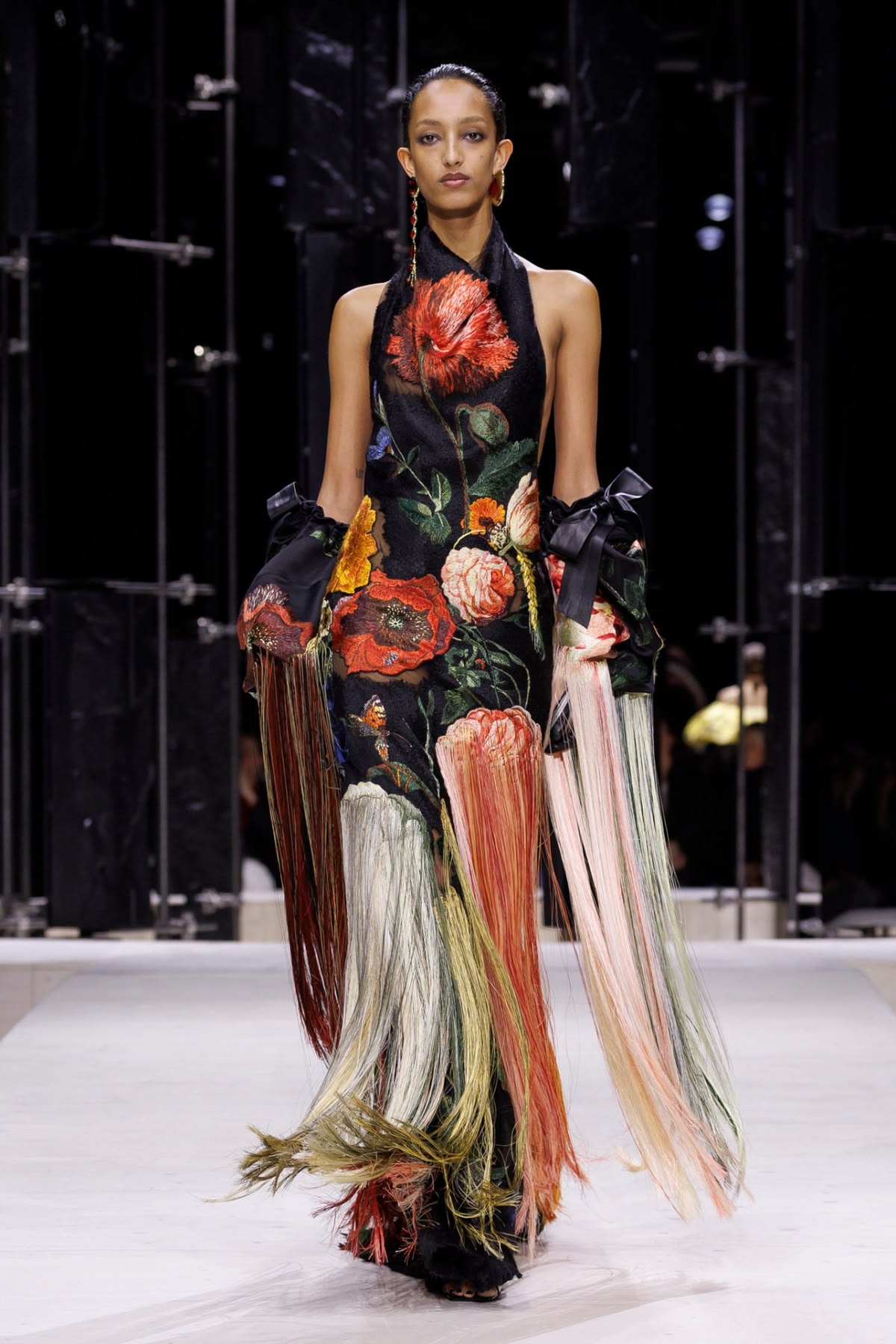
There is a phase where many people do not talk about the in-between stage.
You are no longer who you used to be, but you are not fully settled into who you are becoming. Your wardrobe reflects this tension:
- Clothes that feel too casual for your new environment.
- Pieces that feel too performative, as if you are dressing for a role rather than yourself.
- Items you keep out of nostalgia, even when they no longer fit your direction.
For a Nigerian student moving into the corporate world, this might mean shifting from casual campus wear to structured tailoring. For someone relocating abroad, the adjustment may involve adapting to the climate culture, and unspoken dress codes while still holding on to familiar elements of home.
This phase is often uncomfortable, but it is also where personal style is truly formed.
Dressing Upward: Style and Aspiration
One of the most powerful roles clothing plays during transition is signalling aspiration. People begin to dress not only for who they are but also for the spaces they want access to.
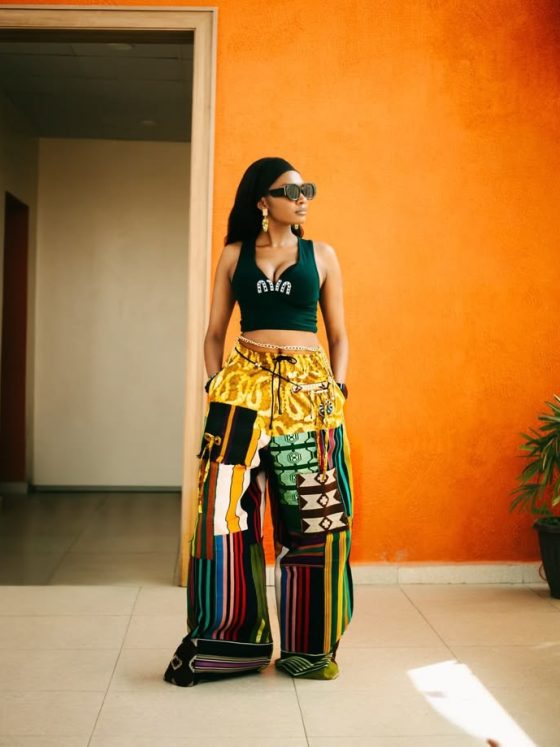
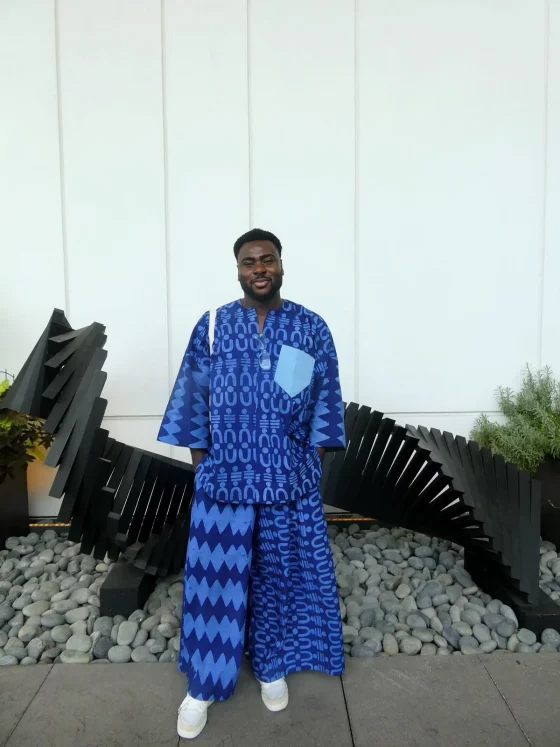
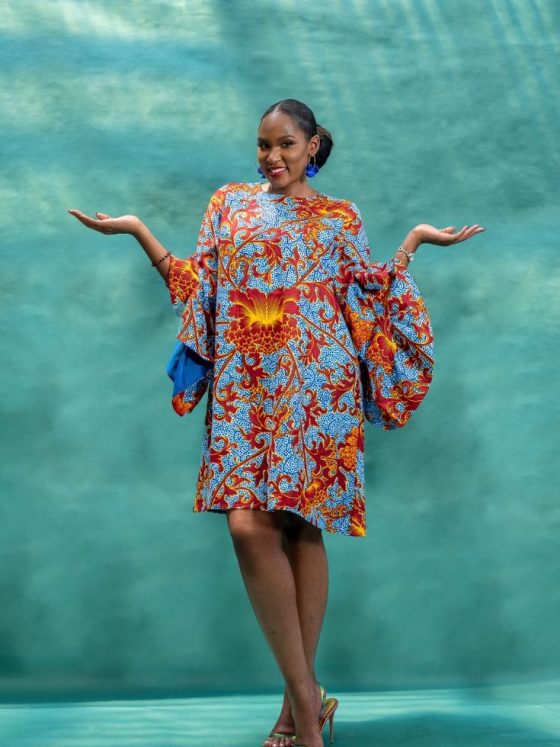
This is particularly visible in African and diaspora contexts, where clothing has long been tied to respectability, opportunity, and perception.
- A young professional invests in structured pieces to be taken seriously in formal environments.
- An entrepreneur refines their wardrobe to reflect authority and competence
- A creative entering global spaces balances individuality with credibility
But this comes with tension. Dressing up can sometimes feel like a distance from one’s roots, especially when dominant fashion standards are shaped outside one’s culture. The challenge is not simply to “look the part,” but to redefine what the part looks like.
True style during transition is intentional adaptation.
Letting Go: The Emotional Weight of Clothing
Transition also requires release.
Clothing holds memories. A dress worn during a significant period, a shirt tied to a past version of yourself, or even items bought during financial struggle or abundance, these pieces carry emotional weight.
Letting go is rarely just practical. It is psychological.
- Letting go of clothes that represent a past identity
- Letting go of items that no longer reflect your ambitions
- Letting go of versions of yourself that feel comfortable but limiting
This process is not about erasing the past. It is about making space for growth.
In many African households, clothing is preserved, passed down, or repurposed. This creates a different relationship with letting go—one that is less about disposal and more about transitioning meaning. A garment may leave your wardrobe but continue its life elsewhere, carrying history forward.
Building a Transitional Wardrobe
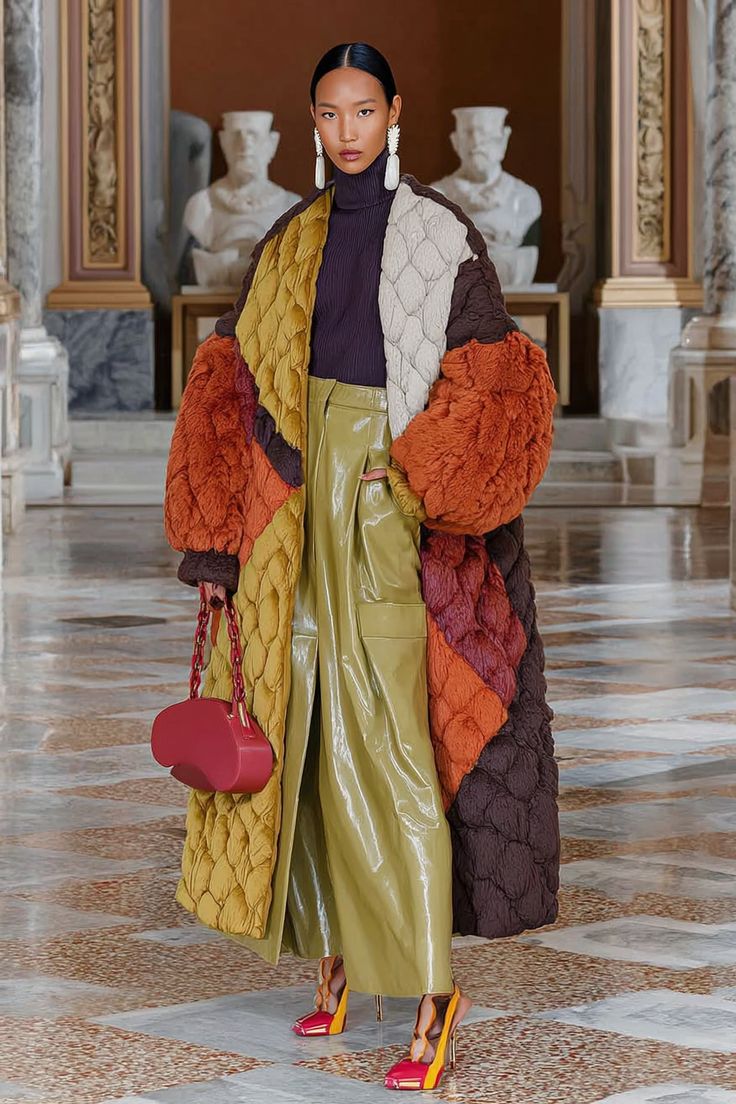
Rather than replacing everything at once, the most effective approach is gradual reconstruction.
- Identify what still works: Not everything needs to be discarded. Some pieces can evolve with you through new combinations and styling.
- Introduce structure slowly: As life becomes more demanding or formal, structured garments, tailored trousers, refined shirts, and well-cut outerwear begin to anchor your wardrobe.
- Maintain elements of familiarity: Whether through colour, texture, or silhouette, keeping aspects of your previous style ensures continuity and authenticity.
- Invest in versatility: Transitional periods benefit from clothing that can move across contexts, professional, social, and cultural spaces.
- Prioritise meaning over volume: Fewer, more intentional pieces create a wardrobe that aligns with direction rather than confusion.
A transitional wardrobe is not about perfection. It is about alignment.
Cultural Movement and Style Evolution
For those navigating movement across borders, Africa to the diaspora, Caribbean to Europe, Latin America to North America, the style becomes even more complex.
Clothing must now respond to:
- New climates
- Different social expectations
- Global perceptions of identity
- Internal questions of belonging
In these contexts, style becomes a balancing act. Too much adaptation can feel like erasure. Too little can create friction in new environments.
The most compelling wardrobes in transition are those that hold both worlds at once, integrating elements of origin with the realities of the present. This is where true signature style begins to take shape, not in stability, but in movement.
ALSO READ:
- Dressed to Lead: How Heads of State Use Fashion as an Instrument of Soft Power
- How to Develop a Signature Style That Has Nothing to Do With Trends
When Style Finally Settles
There comes a point when the transition stabilises. The confusion fades. The wardrobe begins to feel coherent again, not because life has stopped changing, but because you have learned how to adapt without losing yourself.
At this stage:
- Your choices become more deliberate.
- Your wardrobe clearly reflects your current reality.
- You no longer feel the need to overcompensate or prove anything.
Style becomes quieter, but more powerful. It is no longer about reacting to change, but about moving with it confidently.
Dressing for the Life You Are Entering
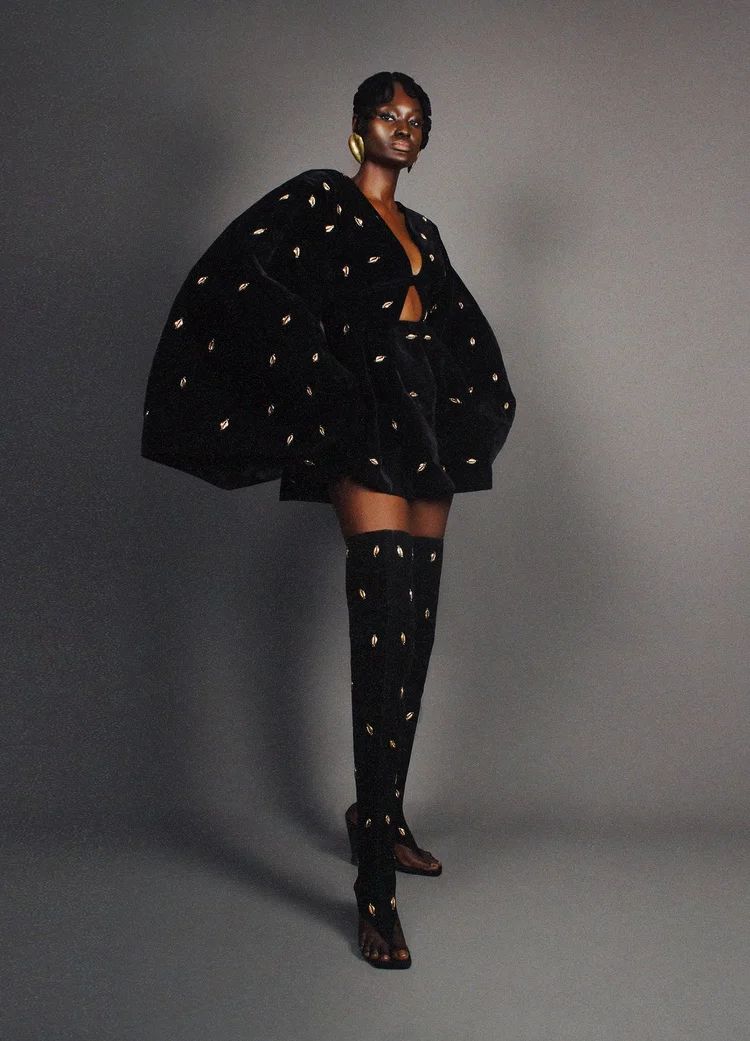
Ultimately, dressing during transition is about alignment with the future.
It asks difficult questions:
- Does your wardrobe reflect where you are going?
- Are you holding onto clothes out of comfort or fear?
- Are you dressing to belong, or to express?
The answers shape not just how you look, but how you move through the world.
Because in moments of change, clothing does more than cover the body. It becomes a bridge between identities, helping you step into new spaces while carrying your history with you.
And when done intentionally, it allows you to arrive not as someone entirely new, but as a more defined version of yourself.
FAQs
- How does personal style change during life transitions?
Style evolves to reflect new identities, environments, and goals, often requiring wardrobe adjustments that align with personal and professional growth.
- How can I update my wardrobe when starting a new phase in life?
Start by keeping versatile pieces, gradually introducing structured items, and choosing clothing that reflects your future goals rather than your past.
- Why do clothes feel different during major life changes?
Clothing is tied to identity and memory, so shifts in lifestyle or mindset can make previously comfortable items feel misaligned.
- How do I balance cultural identity with new environments in my style?
Incorporate familiar elements such as colour, texture, or silhouettes while adapting to new cultural and social expectations.
- What is a transitional wardrobe, and why is it important?
A transitional wardrobe consists of versatile, intentional pieces that help navigate life changes while maintaining authenticity and clarity in personal style.