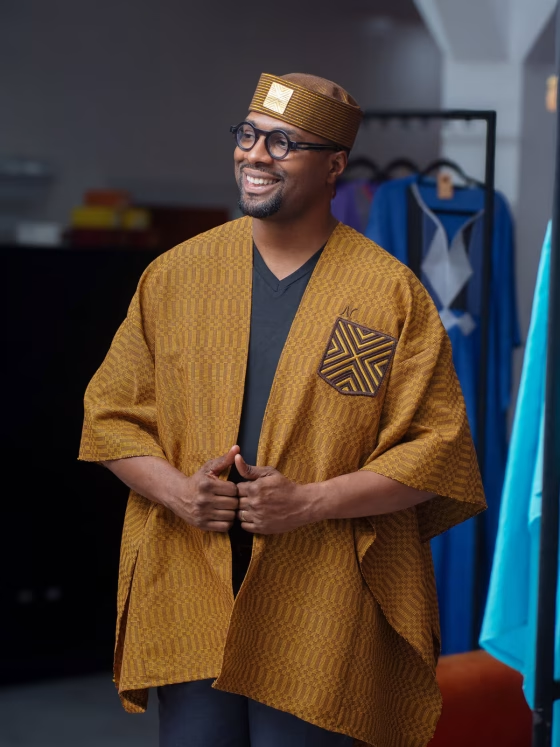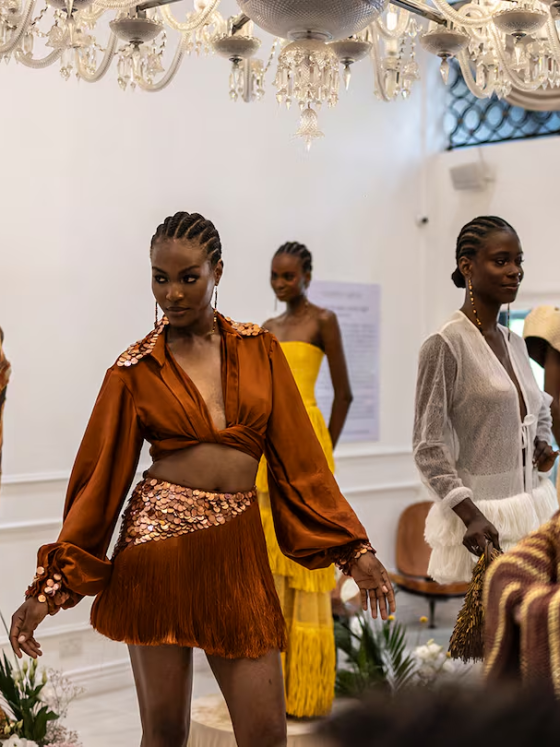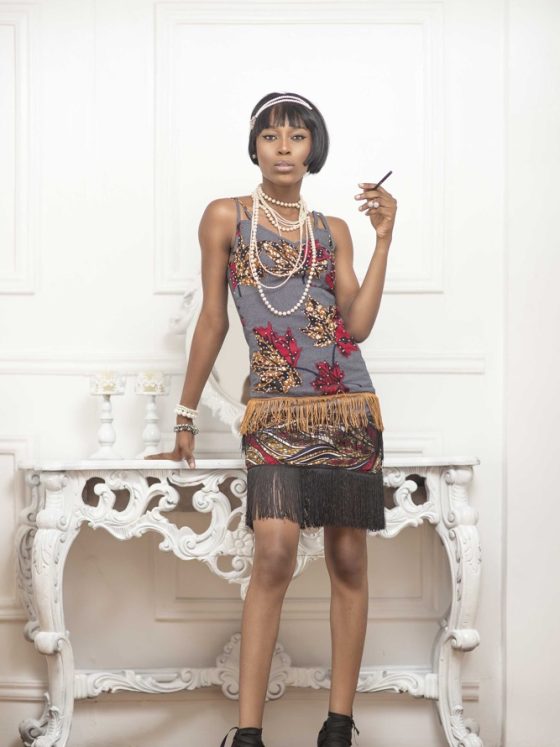
Guinea-Bissau’s fashion scene is small, but that is exactly what makes it interesting. Its designers are building a language of style that is rooted in heritage, shaped by craft, and increasingly visible in the wider African fashion conversation.
The real story here is not scale. It is identity. In Guinea-Bissau, fashion grows from the hands of tailors, weavers, and designers who treat culture as a working material rather than a nostalgic reference. That gives the country’s fashion output a distinct voice, one that feels intimate locally and increasingly relevant beyond its borders.
From artisan tailoring to sustainable luxury, Guinea-Bissau designers are turning heritage into a fashion identity with regional reach.
Explore how Guinea-Bissau designers are shaping African fashion through heritage fabrics, artisanal craft, and modern design rooted in Bissau-Guinean identity.
Heritage As Design Power
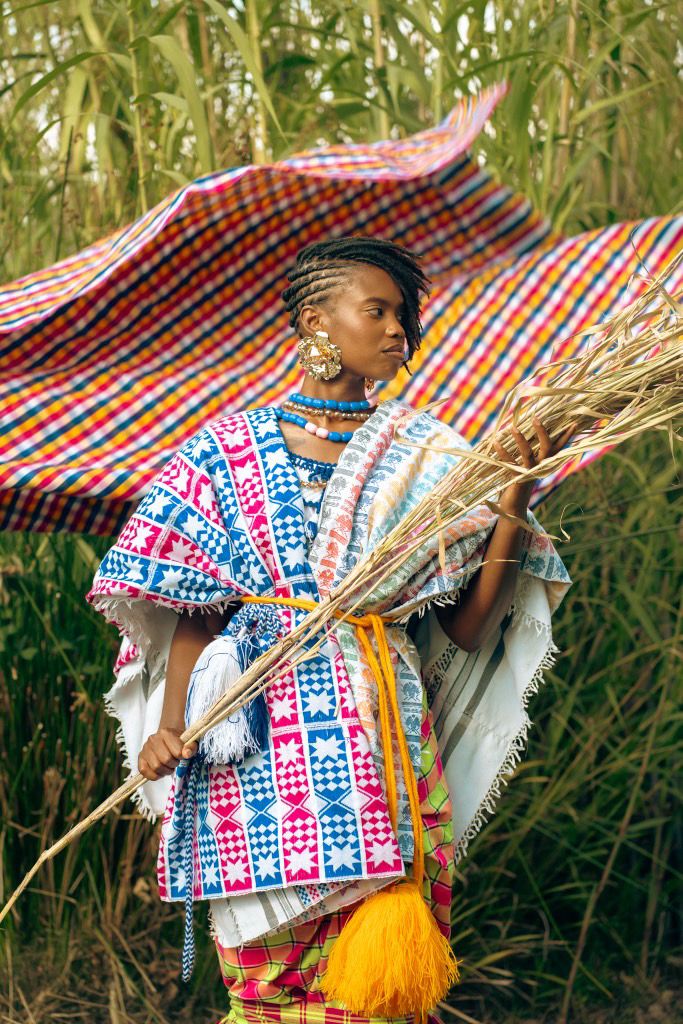
A lot of fashion markets talk about authenticity, but Guinea-Bissau’s designers are working with something more concrete: lived cultural practice. The country’s fashion scene is still strongly artisan-driven, with tailors and weavers transforming heritage fabrics into modern designs. That means the clothes are not simply inspired by tradition; they are produced through a relationship with it.
This matters because fashion in Guinea-Bissau is not built around industrial noise or trend cycles. It grows through material memory, especially textiles that carry local meaning. That is one reason heritage-based fashion can feel more durable than fast-moving trend culture. It has a source, and that source is still active.
This is also where the country connects to broader African fashion debates. Across the continent, designers are asking how to make cultural history feel contemporary without emptying it of meaning. Guinea-Bissau contributes to that conversation by showing that craftsmanship itself can be a modern design advantage.
A useful way to think about this is through the same lens used in Island Streetwear in Cape Verde: How Youth Turn Pano and Sneakers into Creole Identity. Like those conversations, Guinea-Bissau fashion demonstrates that local dress culture becomes more powerful when it is treated as a design language, not just a preserved symbol.
The Artisan Economy
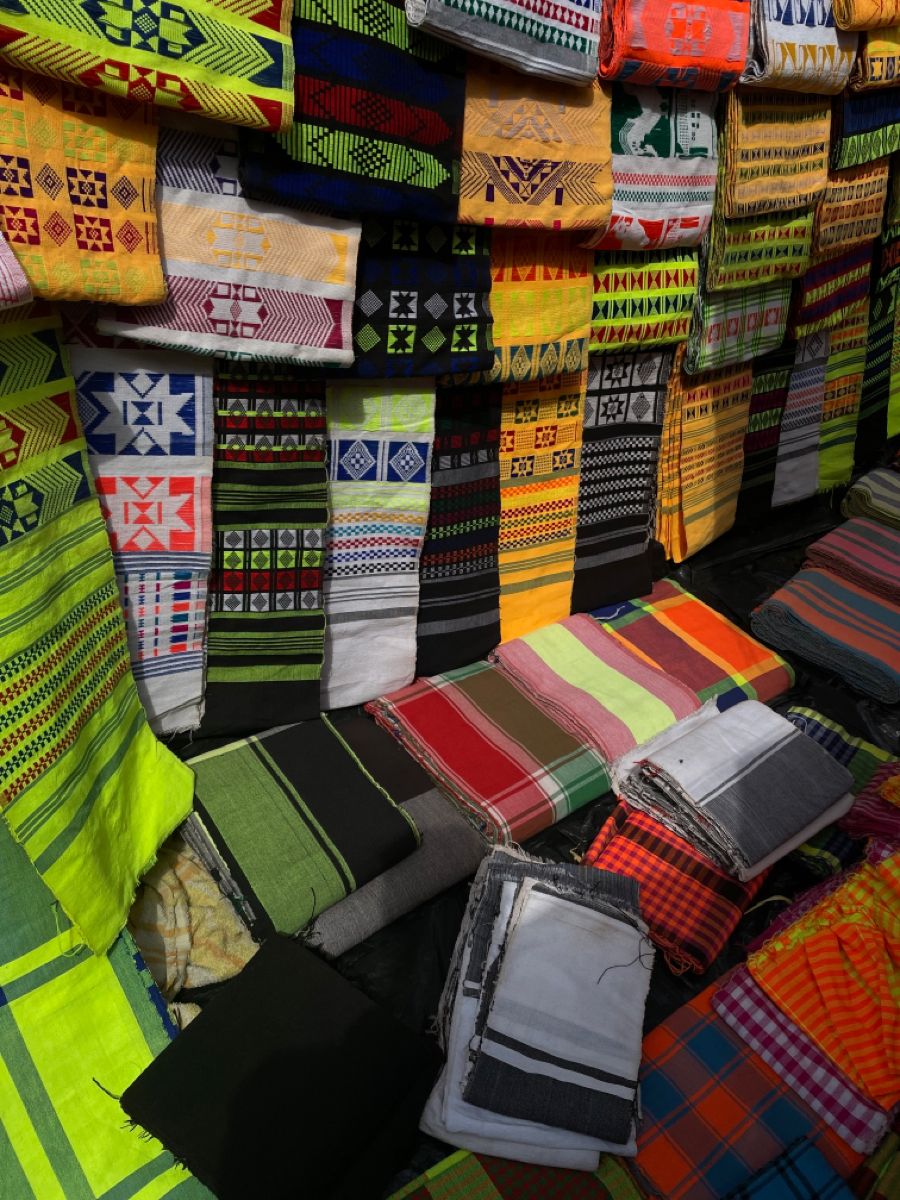
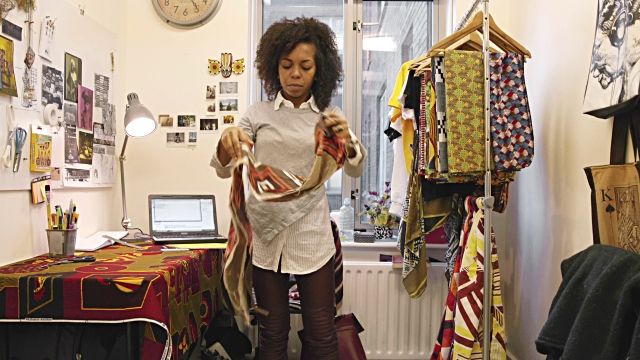
Fashion in Guinea-Bissau is also shaped by the scale of the local economy. Because the scene remains relatively small, it depends heavily on independent makers, custom tailoring, and tightly held knowledge passed through practice. That creates a fashion ecosystem with more manual skill than mass production.
This can be an advantage. Small-scale fashion scenes often develop a stronger identity because they cannot rely on volume alone. They have to rely on precision, recognisable aesthetics, and community trust. In Guinea-Bissau, this has helped keep fashion close to the social life of the country rather than separating it into a distant luxury system.
The artisanal base also gives young designers room to work across categories. A designer may move between ceremonial clothing, occasion wear, streetwear, and contemporary pieces without abandoning the cultural core. That flexibility is important because it means fashion can serve both daily life and creative ambition. It can be practical and expressive at the same time.
This is where Omiren-style editorial storytelling becomes useful. The best way to describe Guinea-Bissau fashion is not to overstate its size but to explain how its limited scale actually sharpens its identity. That same logic appears in Guinea-Bissau Traditional Wear and Cultural Dress Codes and African Heritage Textiles in Modern Fashion, where cloth is not treated as decoration but as structure.
Designers Moving The Conversation
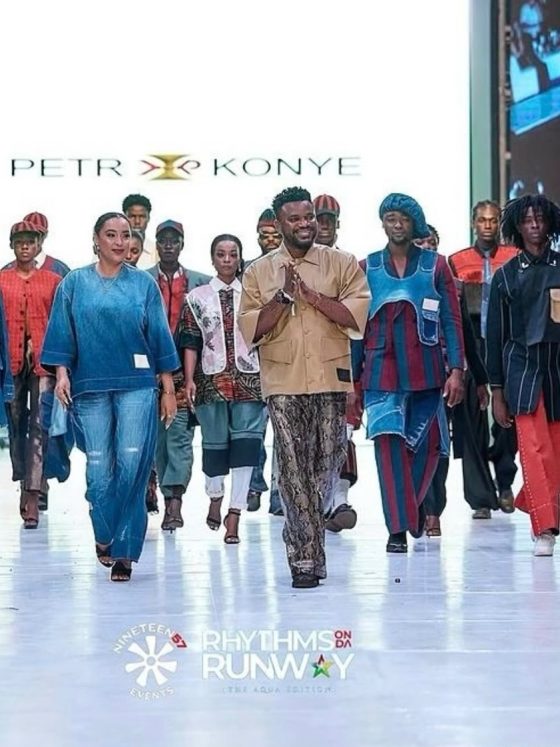
Even in a compact scene, designers are helping define what Bissau-Guinean fashion can look like today. One of the clearest examples is Adja Baio, whose work has been described as genderless, culturally rooted, and influenced by streetwear and maximalism. That combination matters because it shows how a designer can speak in a global fashion idiom without losing local specificity.
Adja Baio’s relevance is not just that she designs clothes. It is that she demonstrates how Guinean identity can be translated into forms that younger audiences actually want to wear. Genderless design, street influence, and cultural reference can all exist in the same garment if the designer understands how to balance them. That balance is what gives the work reach.
Another important label is JÚ, associated with Jucelyne Nhanro, which frames itself around sustainable African fashion rooted in Bissau-Guinean culture. That positioning is significant because it aligns heritage with contemporary concerns like ethical production and timelessness. In other words, it does not treat tradition as a museum piece; it treats it as a living foundation for modern brand identity.
There is also a broader regional conversation about promoting Guinean textiles and fashion. Events like the textile-focused “72 hours” initiative show how design, manufacturing, and international buyers are being linked through textile culture. That kind of infrastructure matters because designers do not grow in isolation. They grow when the cultural ecosystem around them becomes visible and investable.
African Fashion And Regional Reach
Guinea-Bissau’s importance in African fashion is partly geographic and partly symbolic. Geographically, it sits within a West African corridor where textile traditions, tailoring practices, and cultural exchange move across borders. Symbolically, it represents a model of fashion rooted in local craft rather than imported image-making.
That matters because African fashion is no longer defined only by the best-known capitals. Influence is now distributed across many smaller nodes, and those nodes often matter precisely because they are specific. Guinea-Bissau contributes to that shift by showing how regional fashion identity can stay sharp even without a large-scale industry.
This is also why the country’s fashion story belongs beside other identity-led fashion cultures on Omiren. A reader who understands Cape Verdean Designers Influencing Global Fashion Culture will recognise a similar pattern here: smaller cultural markets often have the strongest sense of visual memory, and that memory becomes a competitive advantage when the work is presented well.
The most interesting part of this shift is that it changes what African fashion means. Instead of one broad style, we get multiple rooted styles, each shaped by place, language, and material culture. Guinea-Bissau’s designers are part of that redefinition. They are not asking to be included as an exception. They are helping define the category itself.
Sustainability And Meaning
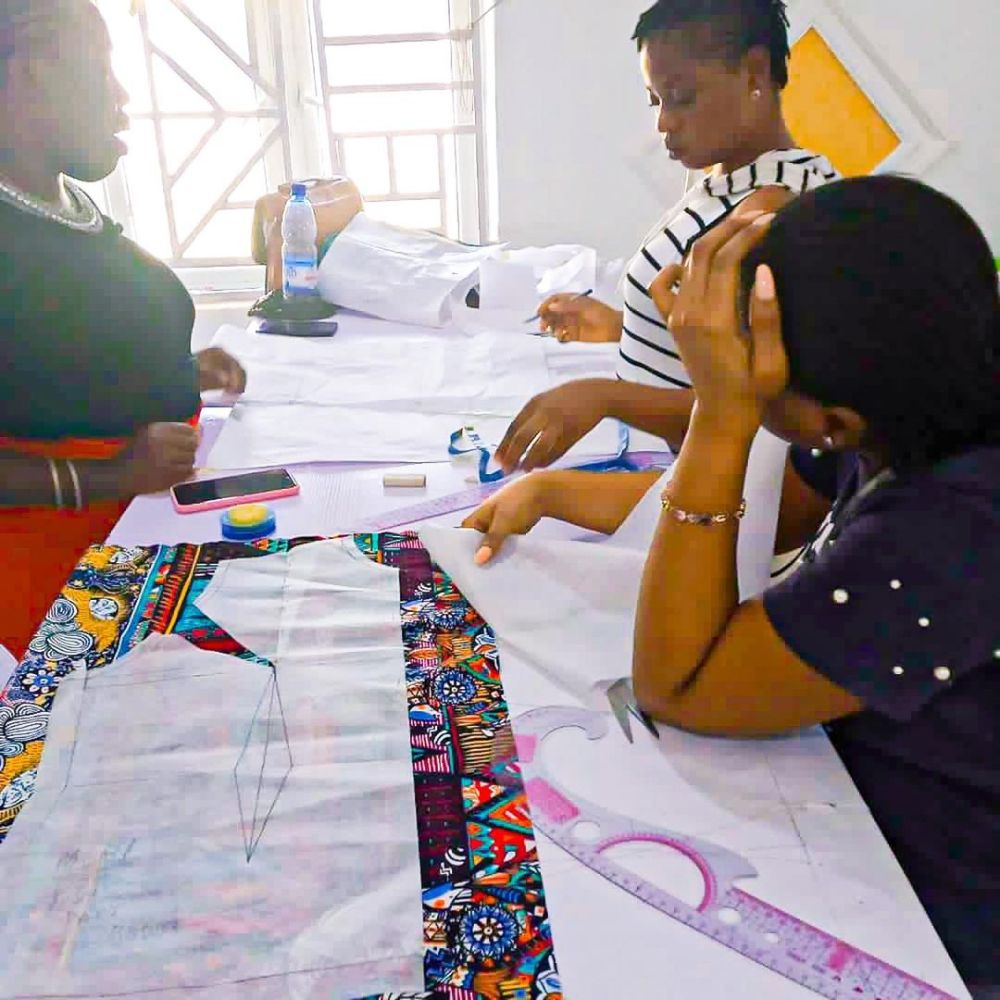
Sustainability in Guinea-Bissau fashion is not only about material choices. It is also about continuity. A design system that values local fabrics, handwork, and small-batch production already operates on a more sustainable logic than a disposable trend cycle. That does not mean the sector is perfect, but it does mean its foundations are culturally aligned with slower fashion.
This is where brands like JÚ are especially relevant. By framing their work around heritage and timelessness, they create a bridge between cultural preservation and modern consumer taste. That bridge matters because many younger fashion buyers want clothes with meaning, not just novelty.
There is also a deeper symbolic value here. When designers use heritage fabrics and local references, they are not only creating aesthetic continuity. They are protecting knowledge. Tailoring methods, weaving practices, and textile symbolism remain alive because they are still used. Fashion becomes a form of cultural maintenance.
ALSO READ:
Why This Matters Now
Guinea-Bissau’s designers matter now because African fashion is increasingly being judged by depth, not just visibility. A brand can no longer rely on generic aesthetics and still expect to stand out. Audiences want texture, story, and cultural grounding, and Guinea-Bissau offers all three.
This is especially important for younger African fashion consumers. They are looking for clothes that carry identity without feeling old-fashioned. That is where Guinea-Bissau’s designers have an opening: they can present culturally rich fashion that still feels current, wearable, and conceptually strong.
The country’s fashion future will likely depend on three things: stronger support for artisans, more visibility for emerging designers, and better pathways from local craft to regional markets. If those conditions improve, the existing cultural base is strong enough to support real growth. The raw material is already there.
In that sense, Guinea-Bissau is not a fashion market waiting to be discovered. It is already doing the work. The opportunity is to build the systems that allow that work to travel farther without losing its source.
Omiren Argument
Guinea-Bissau designers are shaping African fashion by turning heritage fabrics, artisanal methods, and cultural memory into contemporary design with regional reach.
The country’s fashion ecosystem is artisan-led, so identity is carried through craft rather than mass production. That gives the work intimacy, precision, and a strong sense of origin.
Designers like Adja Baio and JÚ show that Guinean references can coexist with streetwear, genderless design, and sustainable luxury. That breaks the outdated idea that African fashion influence only comes from large markets.
Guinea-Bissau’s strength is not size but specificity. Its fashion speaks clearly because it is anchored in local practice, and that clarity is what gives it room to grow.
Guinea-Bissau is not waiting to be added to African fashion. Its designers are already helping define what modern African fashion looks like when heritage is treated as a design advantage.
Frequently Asked Questions (FAQs):
- What makes Guinea-Bissau designers important in African fashion?
Guinea-Bissau designers matter because they bring a deeply rooted, craft-led approach to African fashion. Their work often starts with heritage fabrics, local tailoring, and cultural memory, which gives the design language a sense of authenticity that stands out in a crowded fashion landscape. Instead of copying broader global trends, they build from local identity, and that is what makes their contribution so distinct.
- Is Guinea-Bissau fashion mostly traditional or modern?
It is both. The strongest Guinea-Bissau fashion blends traditional fabric knowledge and tailoring methods with modern silhouettes, genderless styling, streetwear influence, or sustainable luxury ideas. That balance is important because it allows designers to remain culturally grounded while still appealing to contemporary audiences.
- Who are some designers shaping this scene?
Names like Adja Baio and JÚ are useful examples of the creative direction emerging from Guinea-Bissau. Their work shows how local identity can be translated into current fashion forms without losing its cultural centre. They represent a generation that sees heritage not as a limitation, but as a design resource.
- Why is craft so central to Guinea-Bissau fashion?
Because the local fashion ecosystem is still largely artisan-driven, handmade skill remains at the heart of production. Tailors, weavers, and small-scale makers carry much of the design culture, which means the fashion grows through technique as much as through concept. That gives the clothing a sense of care and specificity that mass production often lacks.
- How does Guinea-Bissau fashion connect to the rest of Africa?
It connects through shared conversations about identity, sustainability, and cultural pride. Across African fashion, there is growing interest in clothing that tells a story, and Guinea-Bissau fits that direction very well. Its designers contribute a West African perspective shaped by local fabrics, craft traditions, and regional memory, which makes the scene relevant beyond its borders.
- Can Guinea-Bissau fashion grow internationally?
Yes, but its international growth will depend on visibility, storytelling, and stronger support for local designers and artisans. The foundation is already strong because the style has a clear identity and a strong craft base. If those designers are supported with better platforms, stronger branding, and regional market access, the fashion can travel very well without losing its roots.
EXPLORE MORE:
Every garment tells a story. Explore more Omiren Styles features, uncovering the histories, meanings, and identities woven into clothing traditions across the continent.