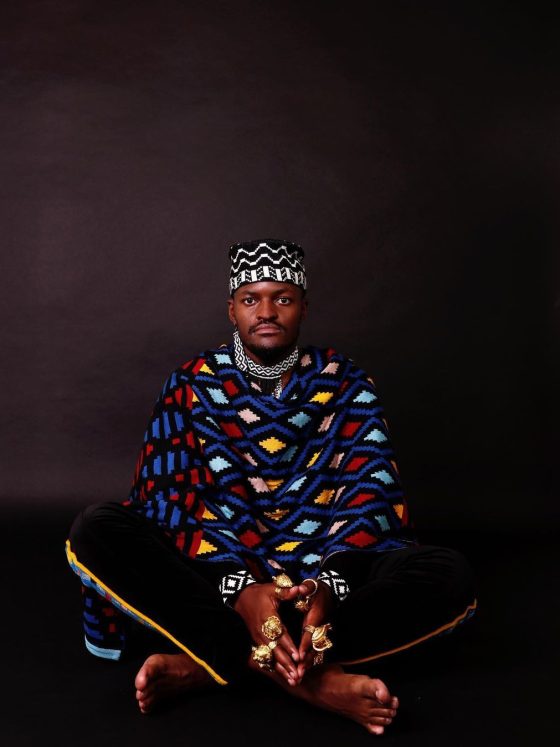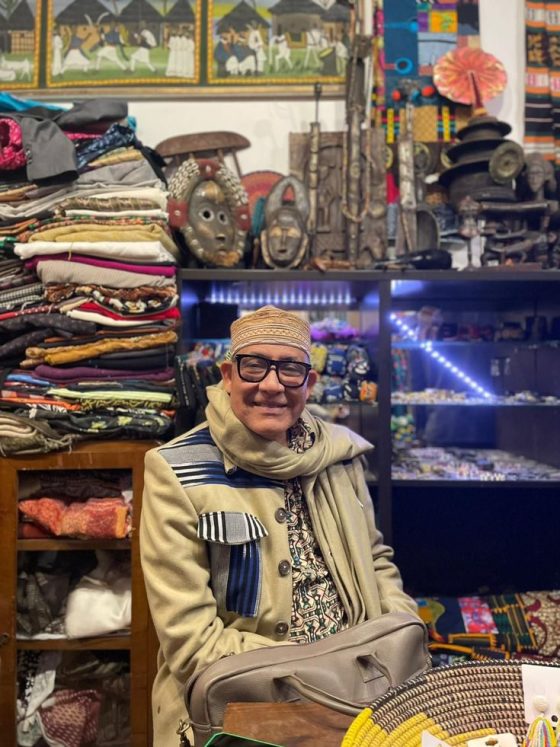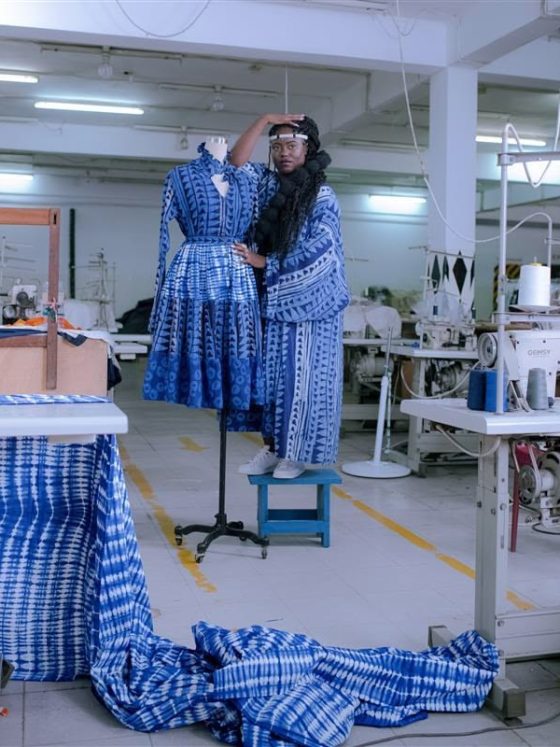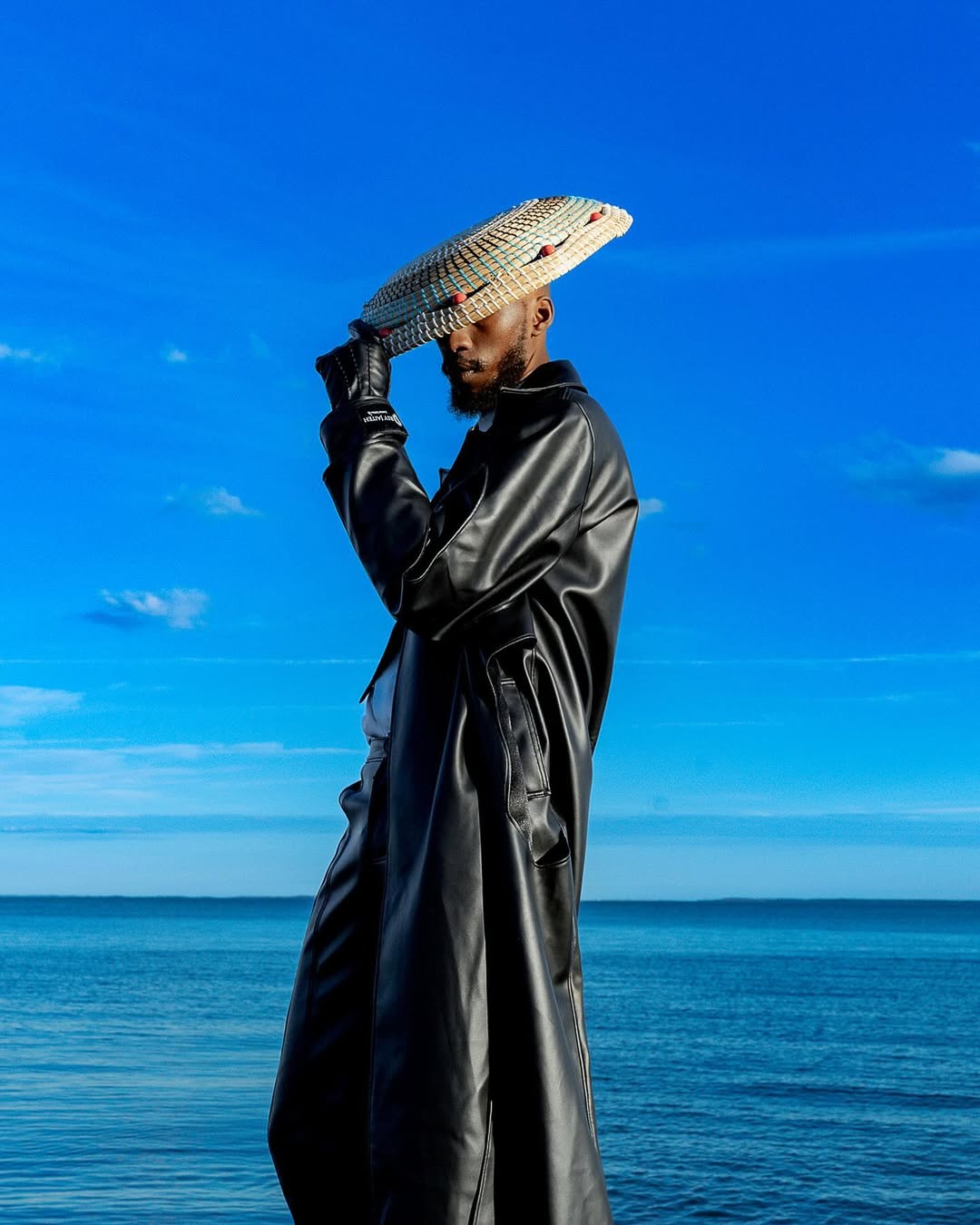
In recent years, Gambian fashion designers have gained increasing recognition on the global stage. From international runways and red carpets to sustainable fashion and contemporary streetwear, creatives from The Gambia are demonstrating that talent and cultural authenticity can reach audiences far beyond the country’s borders.
Many of these designers began their careers in local tailoring workshops, building on skills passed down through generations. Today, they combine traditional craftsmanship and modern design to create collections that reflect Gambian identity.
This article examines how they are achieving global recognition and what their success means for the future of African fashion.
Discover how Gambian fashion designers are building an international presence by combining traditional craftsmanship and modern design.
What Is the Root of Gambian Fashion Talent?
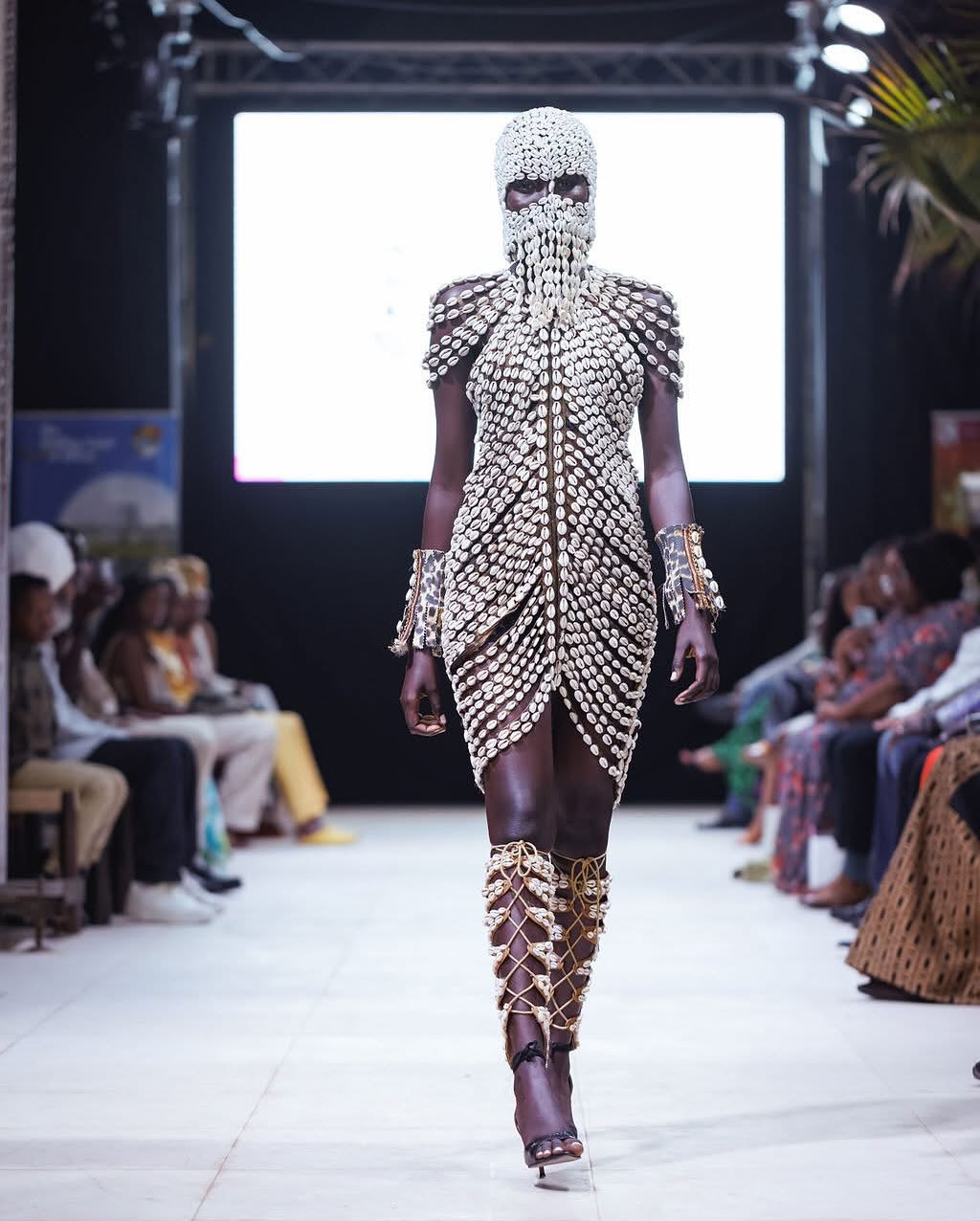
The success of Gambian fashion designers begins with the country’s long tradition of tailoring and garment-making. For many designers, fashion is a skill learned through years of practical experience rather than formal education.
Many start in family tailoring workshops in Banjul, Serrekunda, and other communities, often learning from fathers, uncles, or community tailors, where they develop cutting, sewing, fitting, and embroidery to a technical level that continues to shape their work as they build brands for international audiences.
Traditional garments such as the boubou, grandmuba, kaftan, and embroidered ceremonial wear also influence contemporary design. Rather than reproducing these styles unchanged, designers adapt their craftsmanship, construction, and decorative techniques for modern collections.
Local fashion platforms have also played an important role in developing new talent. Events such as Fashion Weekend Gambia and Gambia International Fashion Week provide opportunities for emerging designers to present their work, connect with industry professionals, and reach wider audiences. The textile traditions that underpin this creativity run deep. As Omiren Styles has documented in Top 5 Tie-Dye Styles for Mandinka Women, female dyer networks in The Gambia constitute a significant share of the artisan economy, and the craft knowledge these women carry has sustained communities for centuries. Traditional craftsmanship and growing industry support together create a strong foundation for Gambian fashion designers.
Six Gambian Fashion Designers Making Their Mark Beyond The Gambia
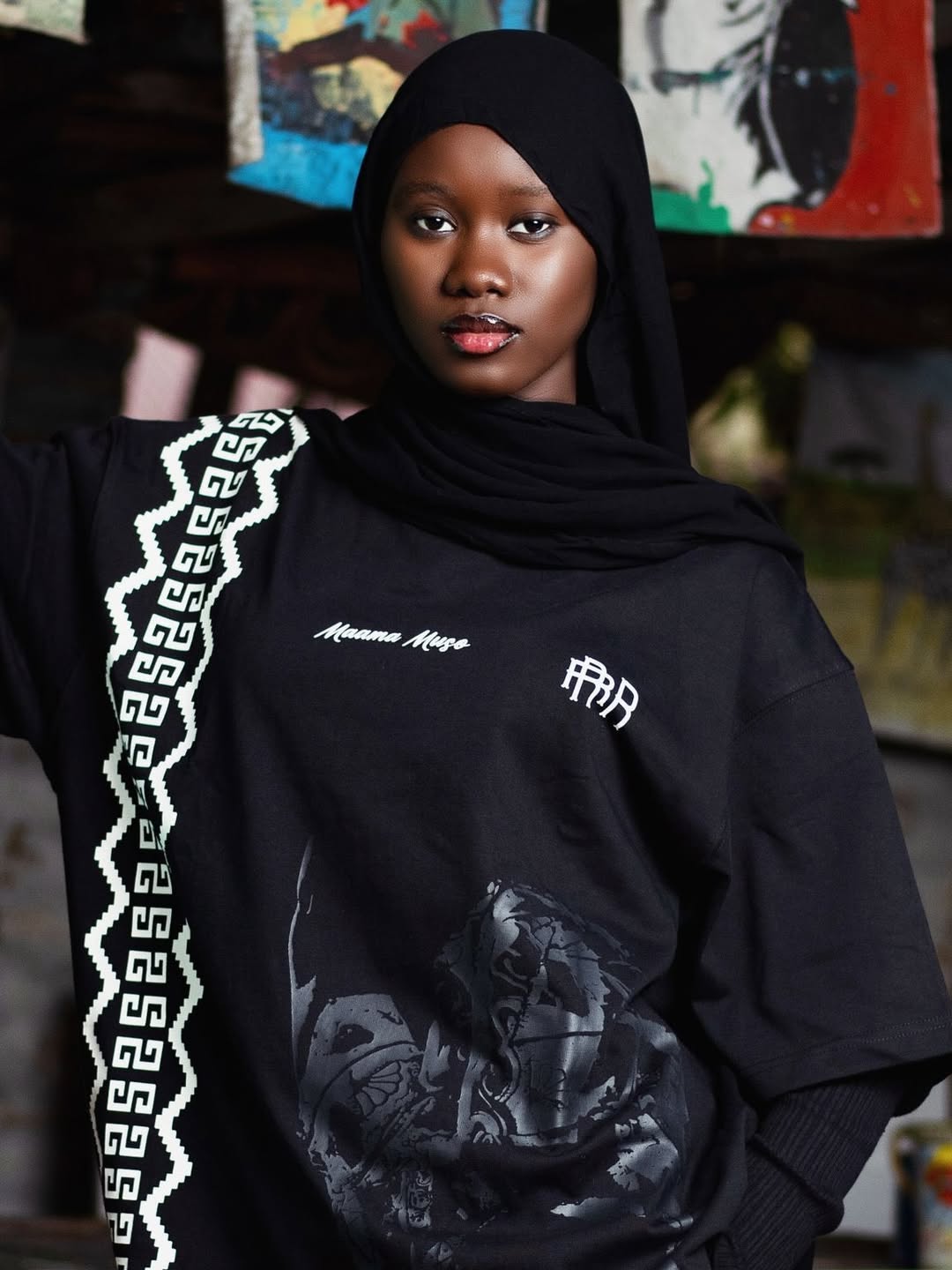
Gambian fashion designers are gaining visibility through work that connects local skills with wider opportunities. Several have established brands that operate in or reach international markets while drawing on their tailoring background and cultural elements.
Baseline_njie and Real Recognise Real 99 (RRR)
Yusupha Njie, known as Base_line_njie, founded Real Recognise Real 99 (RRR) in the United Kingdom. His path started with tailoring in The Gambia from a young age. After moving abroad, he built the brand around quality pieces that reflect identity and cultural context, with collections that incorporate storytelling drawn from Gambian experiences. The brand has produced several collections in a short time, with releases that focus on authenticity and connection to heritage.
Baba Jagne and JAGNE
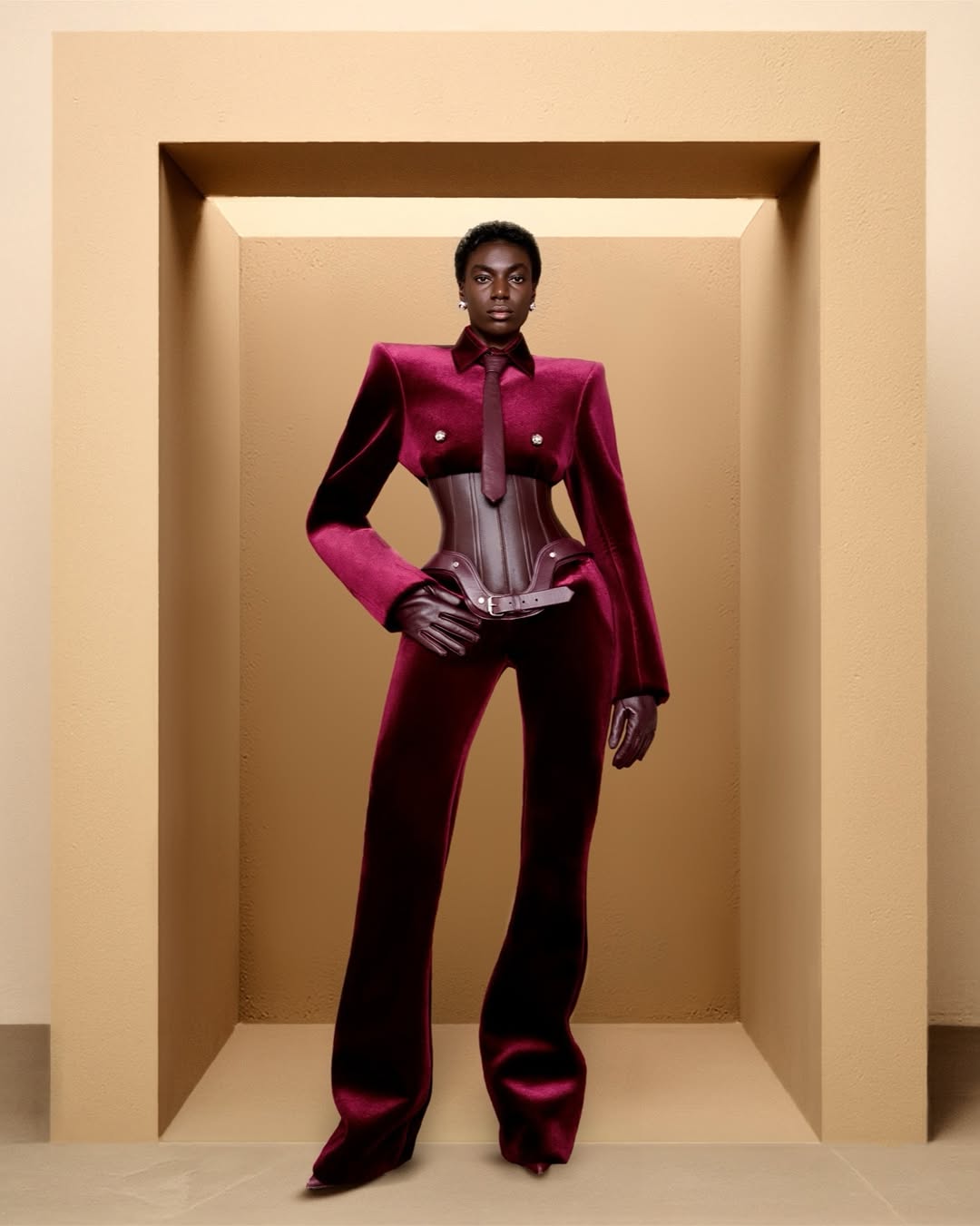
Baba Jagne operates JAGNE from an atelier in Los Angeles. He has become known as a tailor to high-profile clients, with work featured in major publications including Vogue. His contributions include custom pieces and alterations for celebrities such as Cardi B, with work extending to red-carpet appearances, magazine shoots, and projects such as the Michael Jackson biopic. His background supports precision techniques applied to contemporary designs that blend heritage elements with modern appeal.
Muhammed Jim Njie and Sahara Streetwear
Muhammed Jim Njie leads Sahara Designs from Berlin. His collections feature sustainable approaches, including the use of recycled materials in streetwear styles. Personal experiences inform the work, and the brand’s positioning within circular fashion discussions in Europe reflects a broader shift in how African designers engage with the sustainability conversation.
Awa Conateh and Yaws Creations
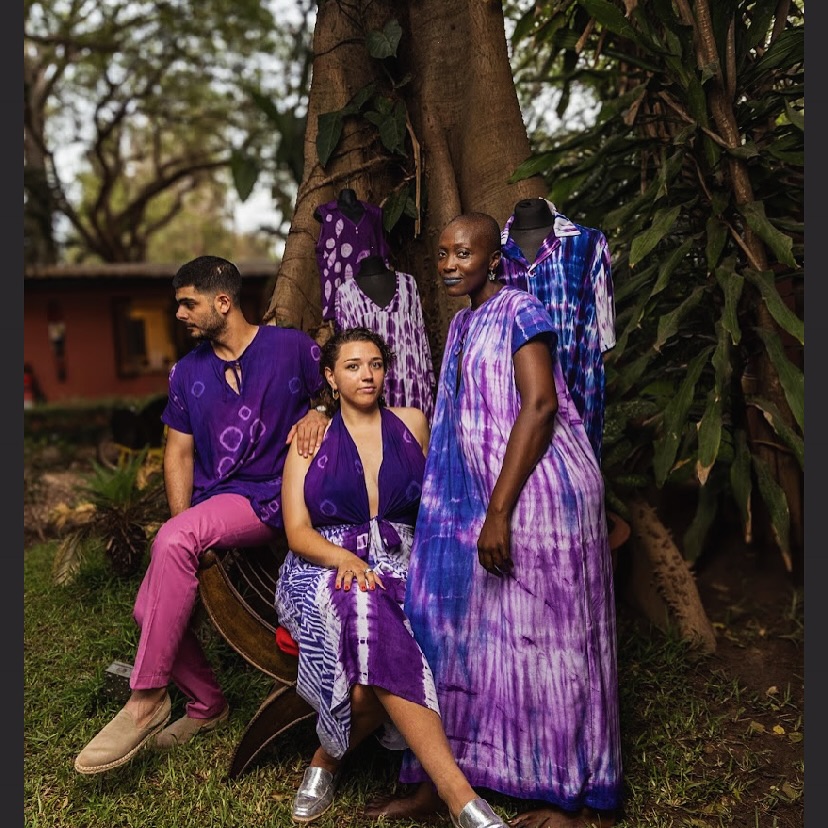
Awa Conateh founded Yaws Creations in The Gambia. Starting as a home-based operation, the label has expanded to include clothing, accessories, and home decor. It uses traditional textiles in contemporary designs and has pursued international opportunities through training, networking, and export efforts. Conateh has also mentored emerging talent and organised events that support the local scene, making her work serve both brand-building and ecosystem development.
Ferdos Suleiman and Ferdosia
Ferdos Suleiman created Ferdosia, a label known for modest fashion. The work incorporates Gambian and broader African influences into wearable, modern pieces, helping the brand gain attention in discussions of inclusive, culturally rooted styles on international platforms.
Lamin “Rey” Jaiteh and Rey Jaiteh
Lamin “Rey” Jaiteh is a New York-based designer and founder of Rey Jaiteh, a luxury streetwear and business casual brand. Born in The Gambia and influenced by his father’s tailoring background, he established the label in 2018. His collections blend Gambian cultural elements with New York influences, particularly from Harlem, creating elevated, handcrafted pieces. Jaiteh has presented at New York shows, including Flying Solo, and brought his work back to The Gambia with the “HOME” runway show, a marker of the diaspora-to-homeland circuit that defines how many Gambian designers build their reach.
Gambian designers are not a discovery. They are continuing a longstanding tailoring tradition that has always possessed the technical and cultural competence to operate internationally.
ALSO READ
- Top 5 Tie-Dye Styles for Mandinka Women in 2026
- Traditional Clothing in Sierra Leone: Culture, Identity, and Style
- Does Wearing Your Culture Make You Exotic? The Diaspora Fashion Paradox
- What Is Maison Château Rouge? The Paris Brand Built on African Diaspora Memory
Common Themes Driving Global Success
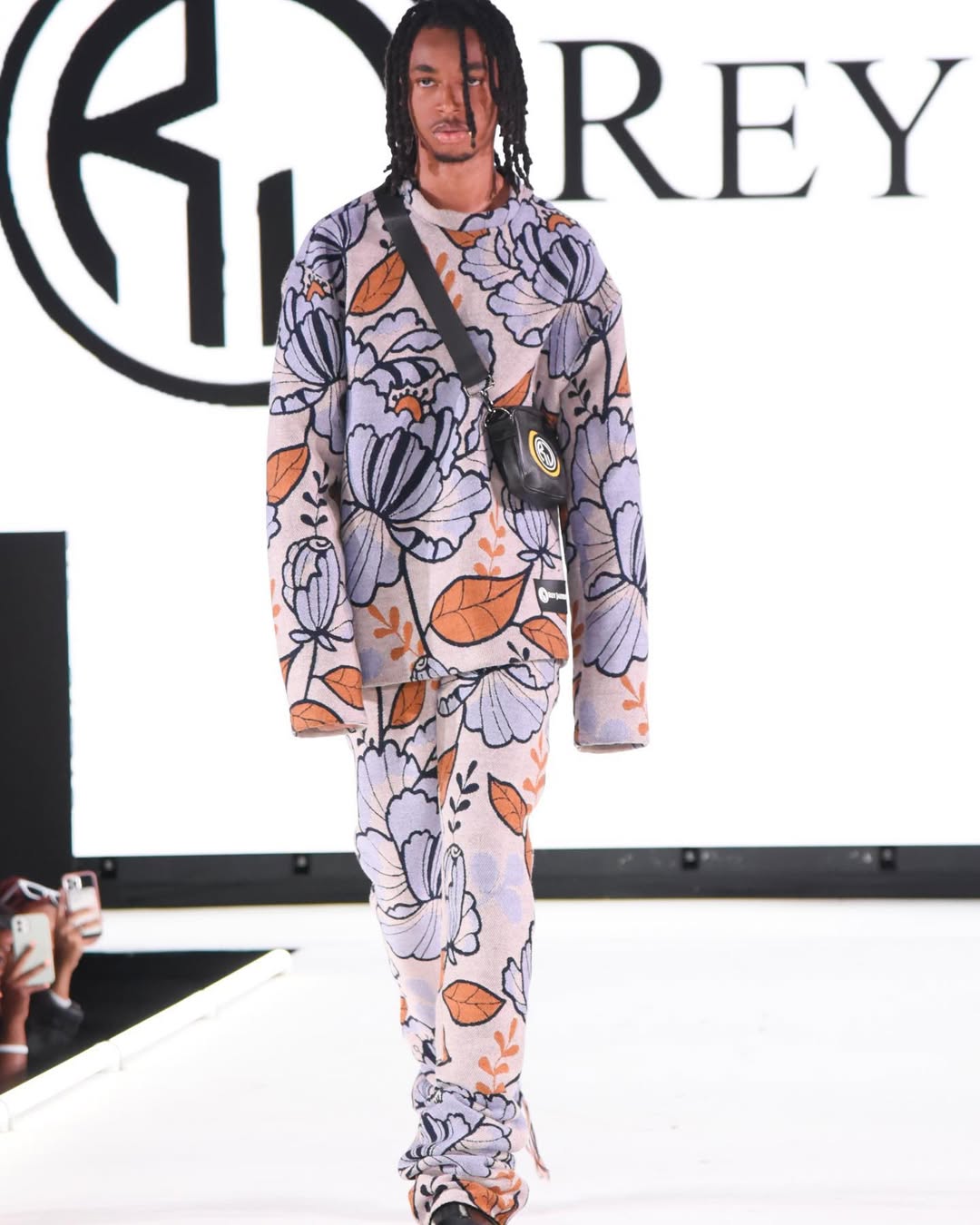
Gambian fashion designers share several patterns in their work that support activity in international spaces. These elements appear across different brands and contribute to the development of African fashion from The Gambia.
Heritage and Tailoring Foundation: Many designers combine skills acquired in family workshops and tailoring environments in Banjul and Serrekunda with contemporary design approaches. This includes the use of traditional construction methods, motifs, and textiles adapted for wider appeal. The result is work that maintains cultural grounding while addressing current market needs.
Diaspora Networks and Global Reach: Designers operating from London, New York, Los Angeles, and Berlin benefit from access to broader markets and resources while keeping connections to The Gambia, creating pathways for exchange and visibility that extend the presence of Gambian fashion brands. This pattern is not unique to Gambia. As Omiren Styles has examined in Does Wearing Your Culture Make You Exotic? In the Diaspora Fashion Paradox, second-generation African creatives in Britain and the United States are increasingly building on their cultural identity rather than suppressing it, and Gambian designers in the diaspora reflect the same shift.
Sustainability and Innovation: Several designers, including Sahara Streetwear, work with recycled materials and upcycling practices, aligning with broader industry shifts and helping distinguish their work within circular fashion discussions in Europe. This is not yet universal across the cluster, but it is a visible and growing strand. Ecosystem and Local Platform Support: Events associated with Gambia Fashion Week and Fashion Weekend Gambia provide early exposure, skill development, and networking. Designers such as Awa Conateh of Yaws Creations extend this further, actively building infrastructure rather than simply benefiting from it. The pattern of a diaspora designer keeping roots in the home country, whether through a return show or a supplier relationship, is also visible across African fashion more broadly, as Omiren Styles has documented in the profile of Maison Château Rouge, where diaspora memory and homeland cultural production operate in deliberate connection.
THE OMIREN ARGUMENT
Gambian fashion designers are not a discovery on the global stage. They are continuing a longstanding tailoring tradition that has always possessed the technical and cultural competence to operate internationally. The real issue is not a lack of talent or heritage, but the persistent gap in infrastructure, capital, and equitable recognition, which limits the scale and value capture of Gambian fashion brands.
True progress requires more than visibility. It demands investment, intellectual property protection, and industry structures that keep economic and creative control closer to the originators and their communities. This is not an emerging story. It is one of the foundational skills meeting modern barriers, whether that looks like a tailor in Banjul scaling into Yaws Creations or a Gambian-born designer navigating the New York fashion calendar. The argument is clear: Gambian designers deserve frameworks that treat their work as the serious cultural and economic contribution it already is.
FREQUENTLY ASKED QUESTIONS
Who are some notable Gambian fashion designers?
Notable Gambian fashion designers include Baba Jagne of JAGNE, based in Los Angeles; Lamin “Rey” Jaiteh of Rey Jaiteh, based in New York; Awa Conateh of Yaws Creations, based in Banjul; Yusupha Njie of Real Recognise Real 99 (RRR), based in the UK; Muhammed Jim Njie of Sahara Streetwear, based in Berlin; and Ferdos Suleiman of Ferdosia.
How did Gambian designers build international careers?
Most Gambian designers with international careers began in local tailoring environments and either relocated abroad or built diaspora networks while maintaining connections to The Gambia. Cities including London, New York, Los Angeles, and Berlin have become bases for Gambian fashion brands that retain cultural roots while operating in global markets.
What role do events like Fashion Weekend Gambia play?
Events such as Fashion Weekend Gambia and Gambia International Fashion Week provide emerging designers with opportunities to present their work, build industry connections, and gain early visibility. They function as both platforms and training grounds that help bridge local craft practice with international opportunities.
How do Gambian designers use traditional garments and fabrics in their work?
Gambian designers draw on traditional garments, including the boubou, grandmuba, and kaftan, as well as regional textile traditions. Rather than reproducing these unchanged, they adapt construction methods, motifs, and decorative techniques for contemporary collections that maintain cultural grounding while addressing current market demands.
What challenges do Gambian fashion brands face when scaling globally?
The main barriers include limited infrastructure and capital, difficulties accessing wider distribution and retail networks, and a lack of intellectual property protections that would allow designers to retain economic control over their work. Visibility on international platforms has increased, but the structural support needed for sustainable scale remains insufficient.