Denim was not made in Africa. It was imported, as most things that became global fashion standards were, through trade networks built to move goods from manufacturing centres outward, with Africa positioned as a consumer rather than a producer. What PETR KONYE is doing in Lagos changes that position. Not by rejecting the fabric, but by taking full ownership of what it can become.
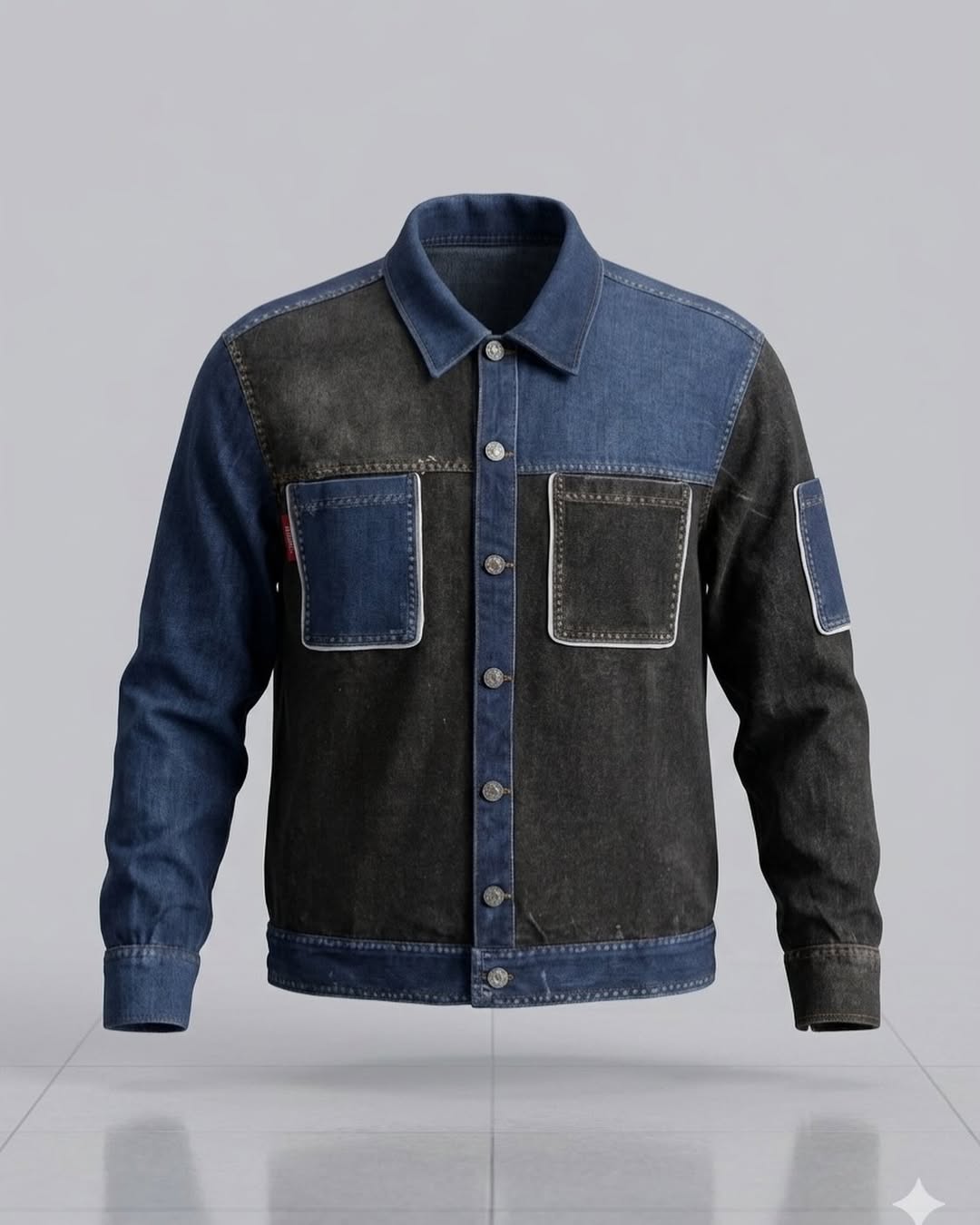
Founded in 2023 by Okonye Petr, PETR KONYE is a Nigerian denim label specialising in bespoke, made-to-measure distressed denim. It is not a fast fashion brand. It is not a brand that sources pre-constructed jeans and adds African print. The work is handcrafted, built from a foundation of over a decade of craft practice, and positioned at the intersection of West African tailoring tradition and contemporary premium streetwear.
The brand’s own claim is unambiguous: PETR KONYE describes itself as the only label producing bespoke, made-to-measure distressed denim in and from Africa. That is a market position worth taking seriously because it names something the wider African fashion conversation has yet to resolve: denim, despite its dominance in African streetwear for decades, has mostly been worn rather than made here at a premium level.
PETR KONYE is the Nigerian bespoke distressed denim brand founded by Okonye Petr. Discover how the label is redefining African luxury streetwear from Lagos.
The Man Behind the Brand
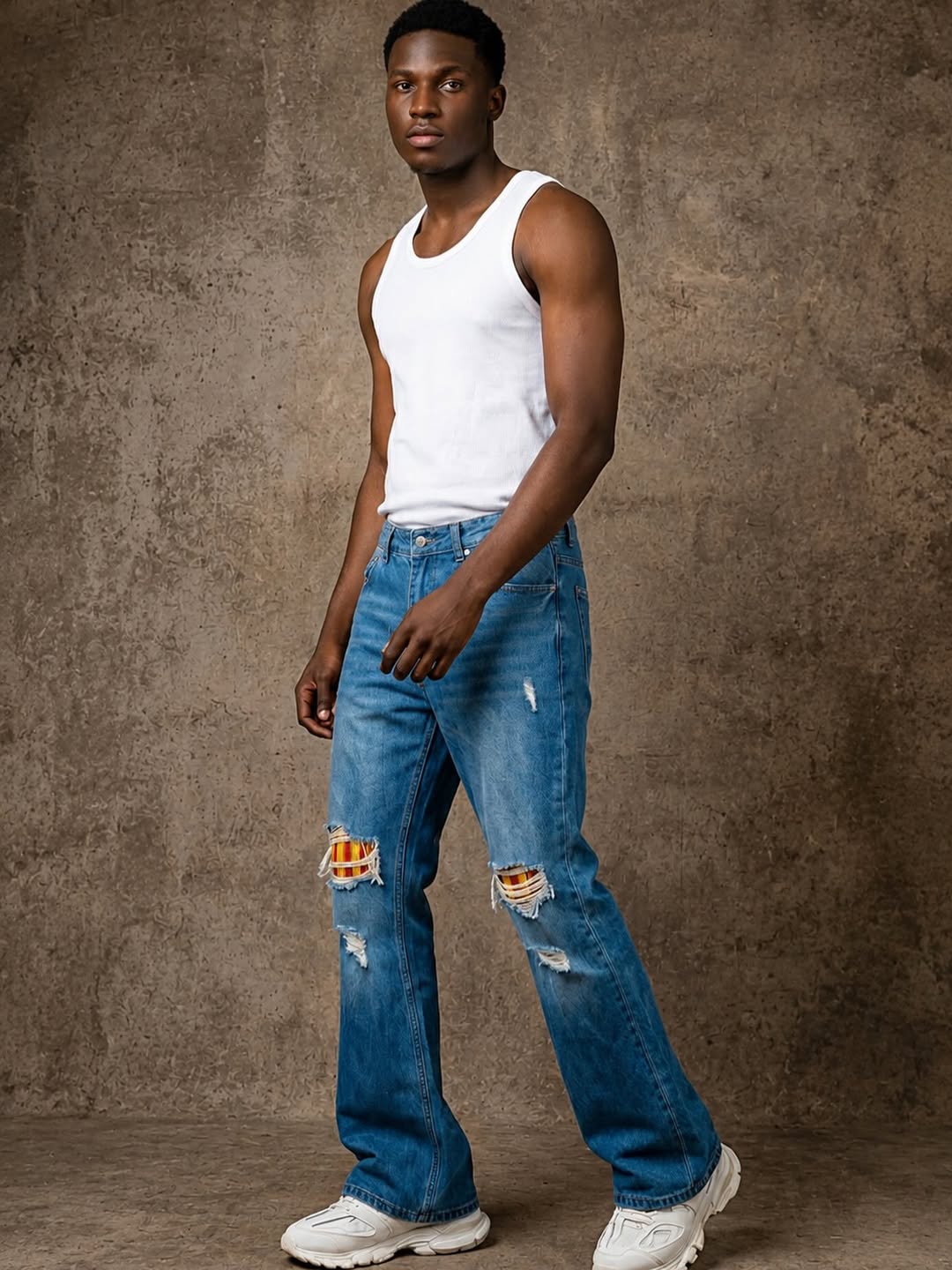
Okonye Petr brings more than a startup’s ambition to PETR KONYE. Before launching the brand, he spent over a decade as Creative Director of the broader Konye label, developing the technical fluency in garment construction and the editorial eye for design that the denim work now draws on directly.
That background shapes everything visible in the brand’s output. Distressed denim is, at its most generic, a method of destruction. Fraying, bleaching, tearing, and abrasion are applied to raw fabric to simulate the appearance of age and wear. In most fast-fashion contexts, it is a machine-based process applied at scale. At PETR KONYE, it is a handcrafted product applied individually, with each piece requiring controlled, deliberate technique rather than automated production. The difference is the difference between a template and a garment.
Okonye Petr’s West African tailoring background is what makes that distinction real rather than rhetorical. The same precision that goes into pattern cutting and fit, the values of bespoke construction, transfer directly into the controlled distressing work that the brand builds its collections around. This is not a designer who decided to do denim. It is a craftsperson who brought a serious practice to a fabric that, in West Africa, had not previously been considered fine-craft territory.
The Collections and What They Argue
In under two years, PETR KONYE has produced two standout collections, the first shown at Rhythm on the Runway and the second at off-schedule shows during Paris Fashion Week, earning a feature in Harper’s Bazaar. These are not small markers. Paris Fashion Week off-schedule show slots are genuinely competitive, even for established African brands, and Harper’s Bazaar coverage represents editorial recognition rather than local celebration. As Omiren Styles has documented in The African Deconstructed Denim Movement, Lagos Fashion Week SS26 made it impossible to ignore how African designers were rewriting what could be done with denim as a design material. PETR KONYE’s trajectory sits within that wider shift, but with a specificity that makes it distinct: the bespoke, made-to-measure emphasis sets it apart from the broader deconstructed denim conversation happening across the continent.
The client base reflects the brand’s positioning. Entrepreneurs, technology executives, musicians, and celebrities have adopted PETR KONYE pieces through Instagram, direct sales, and exclusive runway collaborations. That mix matters because it describes a customer who is buying a statement, not just clothing. Bespoke distressed denim at this level is not an everyday wardrobe decision. It is a declaration about who is making the clothes you wear and where.
We are the only designers producing bespoke, made-to-measure distressed denim in and from Africa. Our goal is to make this a recognised signature in premium streetwear.
Denim as a Site of African Reclamation
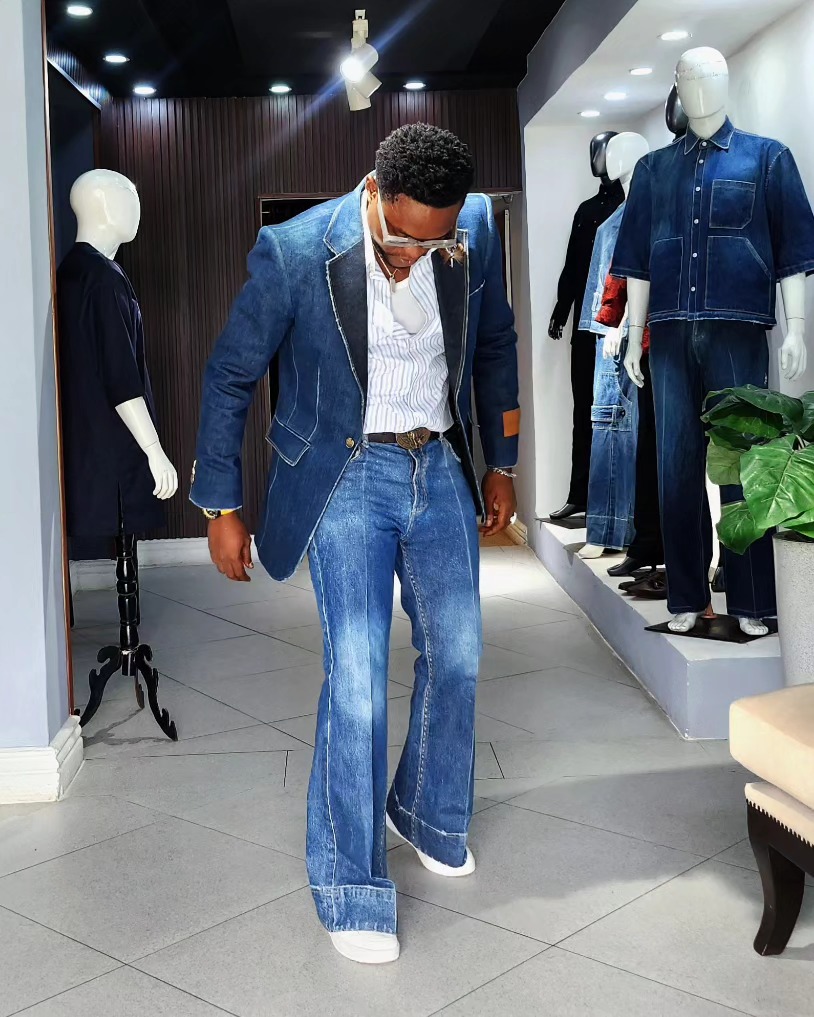
The significance of what PETR KONYE is doing is not only commercial. It is cultural and argumentative. Denim arrived in Africa the way most dominant global fabrics and fashion systems arrived: through colonial and post-colonial trade structures that positioned African consumers as recipients rather than originators. The Lagos streetwear scene has been reclaiming that dynamic for years, as Omiren Styles has traced in How Lagos Street Style Is Influencing What the Diaspora Wears in New York, where the Nike Air Force 1 and the global streetwear vocabulary were absorbed into Lagos dress culture and transformed rather than simply imitated. PETR KONYE takes that reclamation a step further: not only wearing denim on Lagos terms but also producing it on Lagos terms, at a premium, bespoke level that the European and American denim markets have not previously associated with Nigerian craft.
This move fits a pattern visible across Nigerian fashion more broadly. As Omiren Styles has documented in Nigeria’s Streetwear Revolution, the streetwear industry in Nigeria is a hive of creativity built on storytelling, cultural pride, and technical confidence. PETR KONYE belongs to that revolution not as a trend participant but as a brand that is extending the conversation into territory, premium bespoke denim construction, that the revolution had not previously occupied.
ALSO READ
- The African Deconstructed Denim Movement: What Lagos, Accra, and Johannesburg Built From a Western Fabric
- How Lagos Street Style Is Influencing What the Diaspora Wears in New York
- Nigeria’s Streetwear Revolution: Culture, Craft and Afrofuturism
- Top African Menswear Collections Released in 2025
What Is Next for PETR KONYE
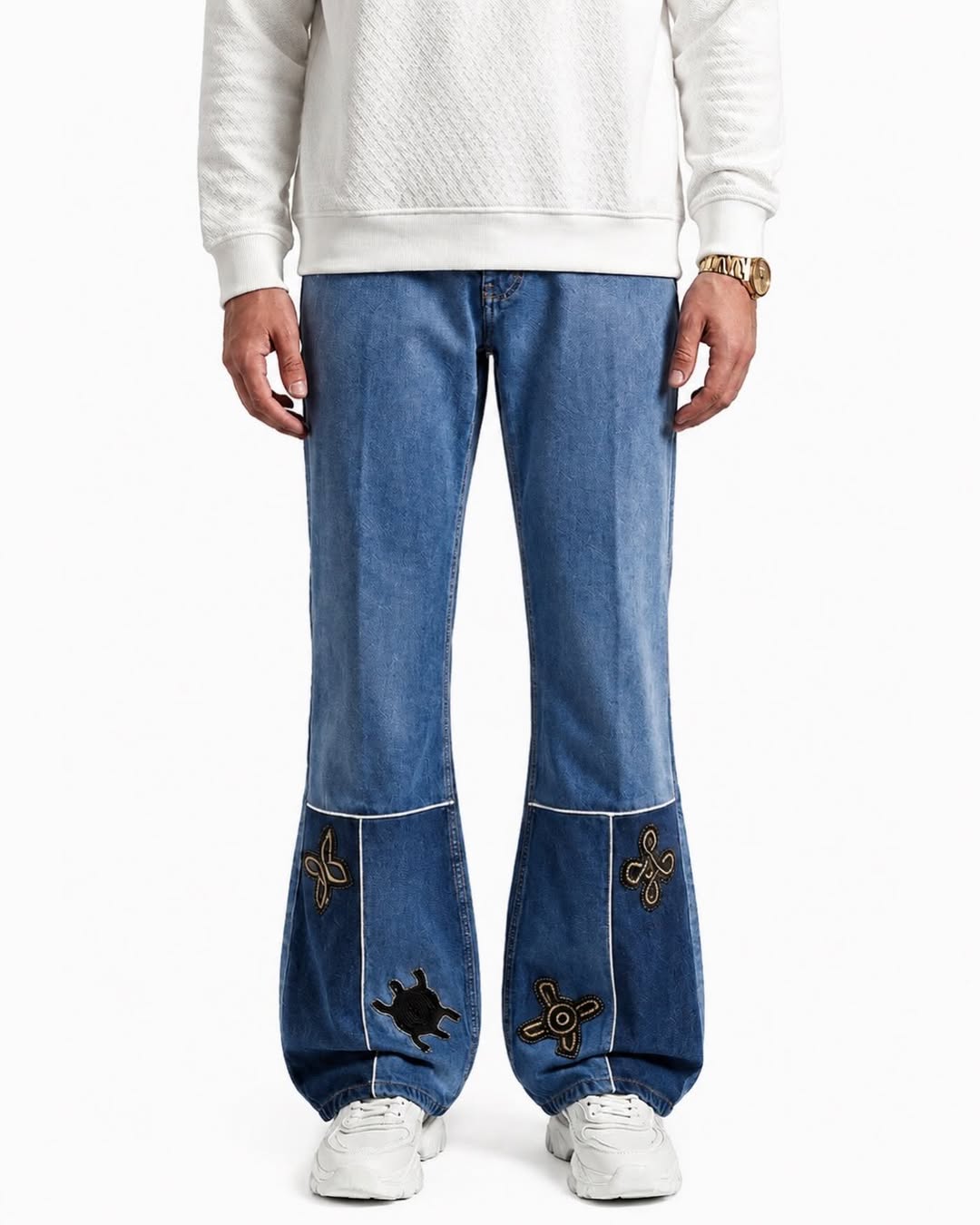
The brand’s next stated move is to open a flagship store on Lagos Island, which would give PETR KONYE a permanent physical presence in one of the city’s primary fashion and luxury retail corridors. That transition from Instagram and direct sales to a dedicated retail space is a significant structural step, signalling that the brand is building infrastructure rather than remaining in the early-stage artist-brand model that many Nigerian designers occupy for years. The wider context for this kind of positioning is captured in Omiren Styles’ survey of Top African Menswear Collections Released in 2025, which shows how the most competitive African labels are simultaneously deepening their craft and expanding their physical and digital reach. PETR KONYE is doing both.
The brand operates at the premium end of a fast-growing segment. African luxury streetwear, particularly menswear that draws on both tailoring heritage and contemporary urban aesthetics, is one of the most competitive and most-watched categories in global fashion right now. PETR KONYE’s entry into that space via handcrafted distressed denim is a distinct position that the market does not yet have a crowded answer to.
For Omiren Styles, that combination, craft foundation, cultural argument, commercial ambition, and a market position no one else has yet claimed from within Africa is exactly what makes PETR KONYE worth the first serious editorial treatment the brand is receiving in the editorial record.
THE OMIREN ARGUMENT
PETR KONYE matters because it occupies a position that did not previously exist in African fashion: a Nigerian label producing bespoke, made-to-measure distressed denim at a level of craft and market ambition that places it inside premium streetwear conversations usually conducted without Africa in the room. Denim has been worn in Lagos, Accra, and Johannesburg for generations. It has been styled, subverted, and claimed by African consumers and streetwear communities across the continent. What it has not been, until now, is handcrafted here at a bespoke level and presented to international markets as a product of African luxury craft rather than African consumption.
That is what Okonye Petr is building. Two collections, Paris Fashion Week off-schedule shows during Paris Fashion Week, a Harper’s Bazaar feature, and a client base of executives and cultural figures who choose PETR KONYE precisely because it represents something the global denim market has not previously offered: a garment that carries the cultural confidence of West African tailoring inside a fabric that global fashion assumed it owned. The flagship store on Lagos Island will be the next chapter. The editorial record starts here.
FREQUENTLY ASKED QUESTIONS
Who founded PETR KONYE?
PETR KONYE was founded in 2023 by Okonye Petr, a Nigerian designer with over a decade of experience as Creative Director of the Konye label. The brand is based in Lagos, Nigeria.
What does PETR KONYE specialise in?
PETR KONYE specialises in bespoke, made-to-measure distressed denim. Each piece is handcrafted, with the brand describing itself as the only label producing this kind of premium distressed denim in and from Africa.
Where has PETR KONYE shown its collections?
PETR KONYE has showcased at Rhythm on the Runway and in off-schedule shows during Paris Fashion Week, and has been featured in Harper’s Bazaar. The brand has released two standout collections since its founding in 2023.
How can I buy PETR KONYE denim?
The brand currently operates primarily through Instagram at @konye_clothings, direct sales, and exclusive runway collaborations. A flagship store on Lagos Island is planned as the brand’s next major expansion.
Why is PETR KONYE significant in African fashion?
PETR KONYE occupies a market position that did not previously exist: a Nigerian brand producing handcrafted, bespoke, distressed denim at a premium level. It brings West African tailoring precision to a fabric that global fashion has historically treated as a mass-produced Western export, positioning African craft at the centre of a category it has not previously led.