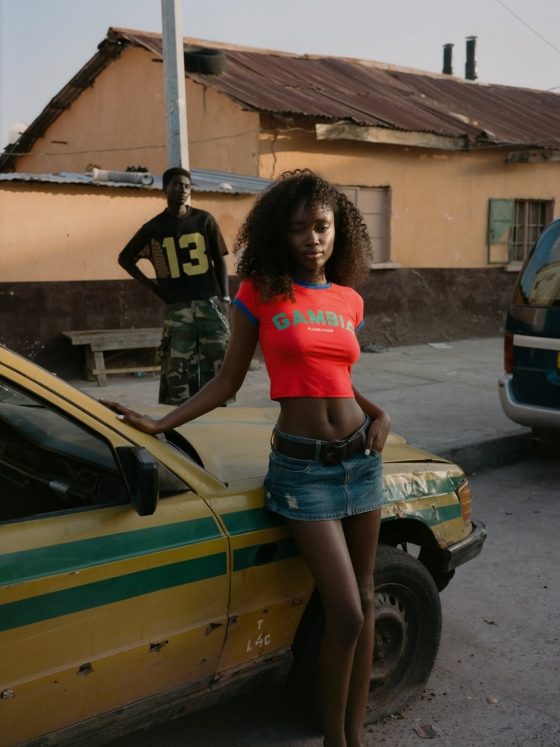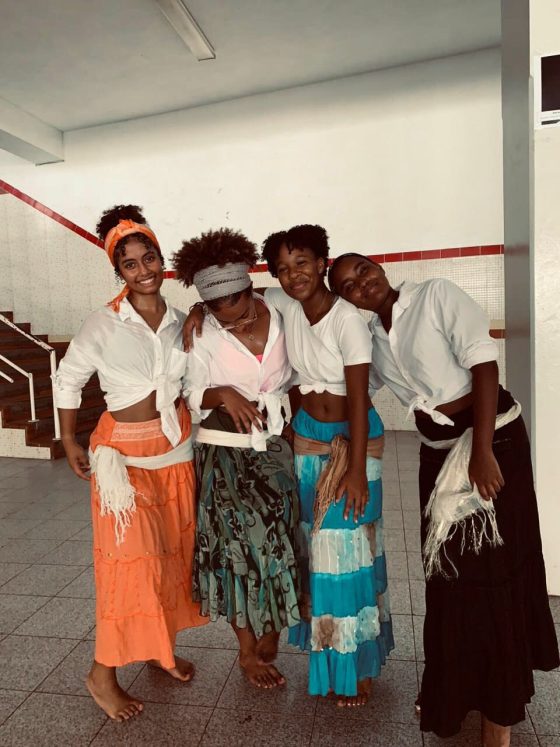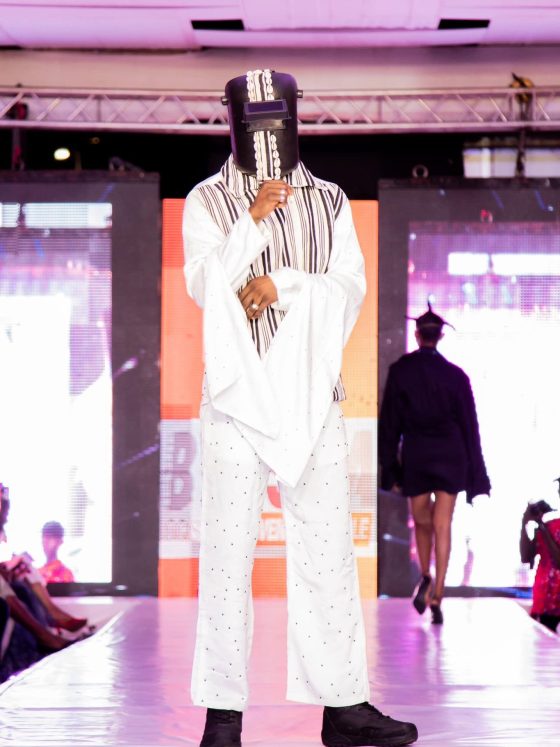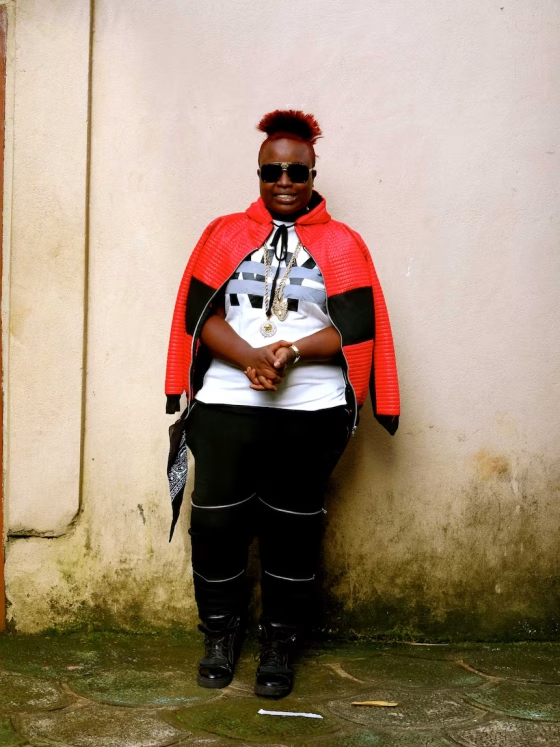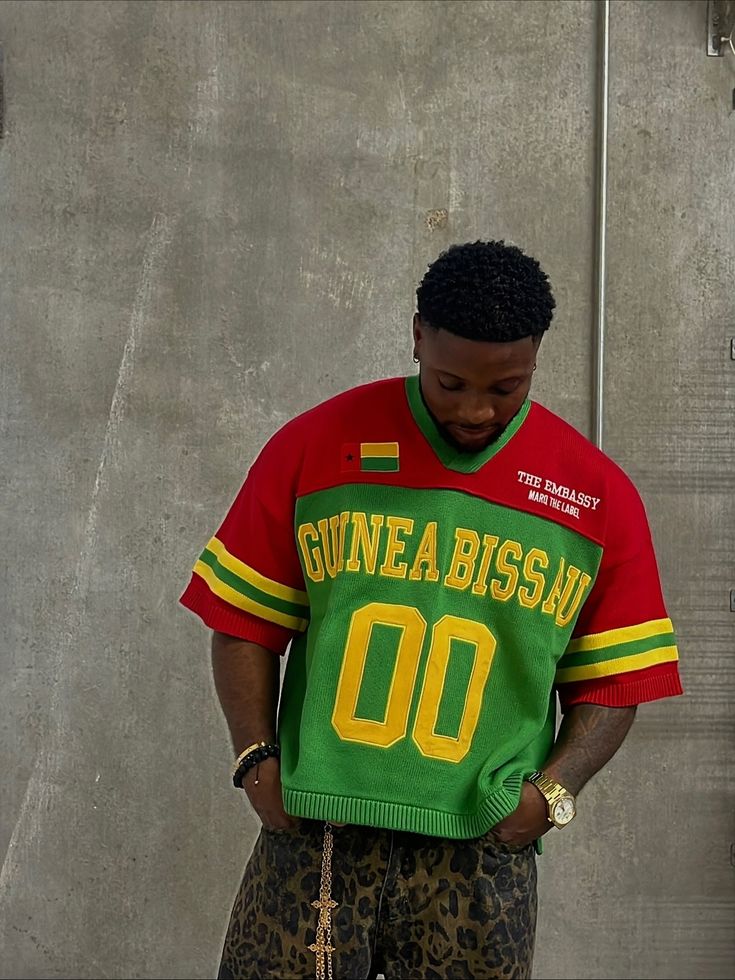
Streetwear in Guinea-Bissau is not imported from Lagos or Accra. It comes out of Bissau’s own hip-hop scene, where young rappers have been splicing baggy American denim with Balanta embroidery for a decade. In Kamicao market, eighteen-year-olds in oversized Adinkra tees and Nike sneakers are not copying anyone. They are writing Guinea-Bissau into a Global Black uniform on their own terms.
This is not a primer on what young people wear in Guinea-Bissau. It is a record of how Bissau’s youth rewrote the streetwear silhouette in Balanta and pano di pinti, refusing both Portuguese colonial dress and the conservative pano wraps of their elders. In a country where the urban population has nearly doubled in three decades, rising from 22.5% in 1997 to 45.5% today, Bissau’s streets have become the real runway: the place where youth test how far they can stretch Balanta, Fula, and Mandinga heritage without handing it over to either Lisbon or Lagos.
Discover how streetwear in Guinea-Bissau blends hip-hop, West African tradition, and urban youth culture, creating a modern style that defines Bissau’s fashion scene in 2026.
Bissau Youth Did Not Copy American Streetwear. They Corrected It.
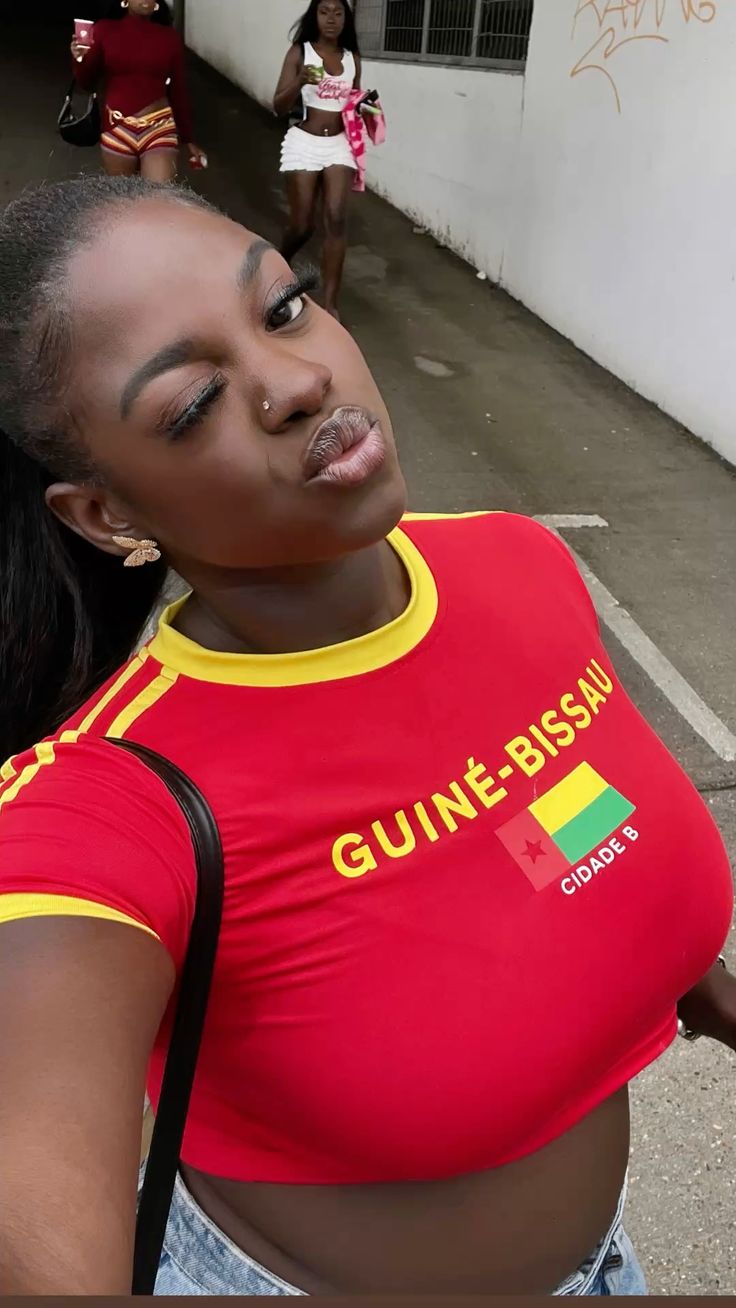
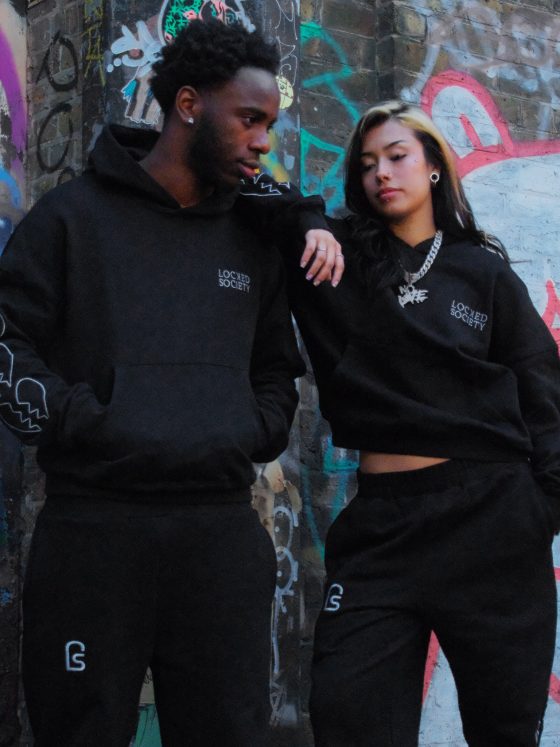
At first glance, Bissau’s silhouette looks borrowed from American hip-hop: the loose denim, the oversized tees, the Nike soles. Look twice, and you see Balanta zigzagging to correct the hem. Local tailors add Balanta embroidery to American jeans, with zigzag patterns matching pano di pinti textile design appearing on pockets and cuffs. The modification turns American denim into a Bissau garment. The factory in Asia stitched the jeans. Kamicao decides what it means.
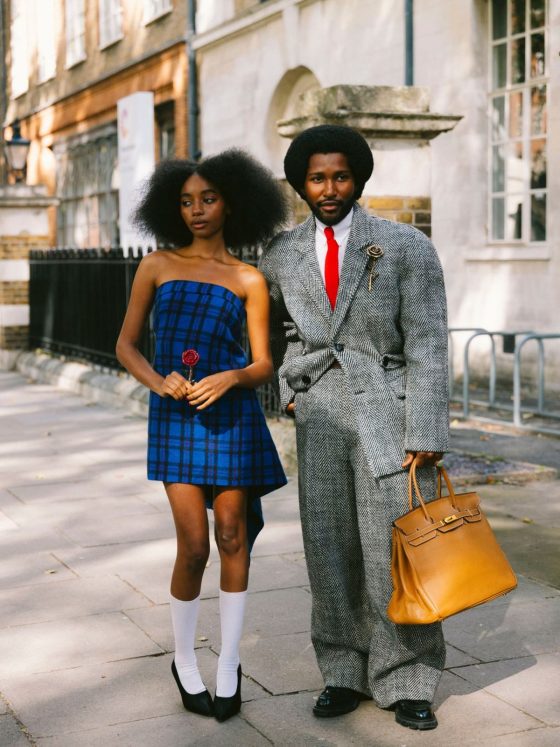
Young rappers in Bissau lead the hip-hop fashion scene, wearing flamboyant, oversized clothing, as the country’s hip-hop movement, dating back to the genre’s first wave in the late 1990s and early 2000s, has grown from political protest music into a full youth culture with its own visual identity. Students aged sixteen to twenty-five dominate streetwear adoption, particularly in urban areas where 45.5% of Guinea-Bissau’s roughly two million people now live, up from just 22.5% in 1997, according to World Bank data cited by UN-Habitat. The hip-hop community spans Balanta, Fula, Mandinga, and Portuguese-descended families, creating a multicultural fashion identity rather than a single ethnic statement. Young men favour baggy jeans; young women favour oversized graphic tees worn with wrapped pano skirts, a gendered split inside the same Afrocentric grammar.
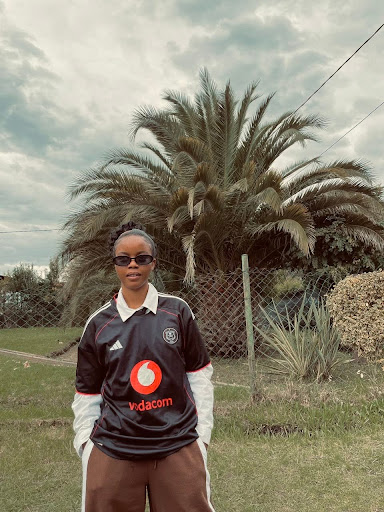
The tees themselves carry three vocabularies at once. Pan-African designs, Adinkra symbols, Pan-African flags, portraits of Kwame Nkrumah and Thomas Sankara connect Bissau to Ghana, Nigeria, and the wider Black liberation tradition. Hip-hop designs, Tupac, Bob Marley, Fela Kuti, connect Bissau to Lagos, Accra, Kingston, and Brooklyn. Local designs, Balanta zigzag patterns, Guinea-Bissau map outlines, and Portuguese colonial resistance symbols hold a specific identity that none of the others can claim. Willpack Danfa and Seco Dabo’s influence runs through all three: their baggy jeans and oversized tee combinations become trend templates that local tailors copy directly, a celebrity-to-student transmission that makes streetwear cultural currency rather than imported costume.
Streetwear in Guinea-Bissau is not a diluted version of Balanta tradition. It is the next chapter of it, written in both languages at once.
The Pano Di Pinti Did Not Survive by Staying Ceremonial. It Survived by Getting on a T-Shirt.
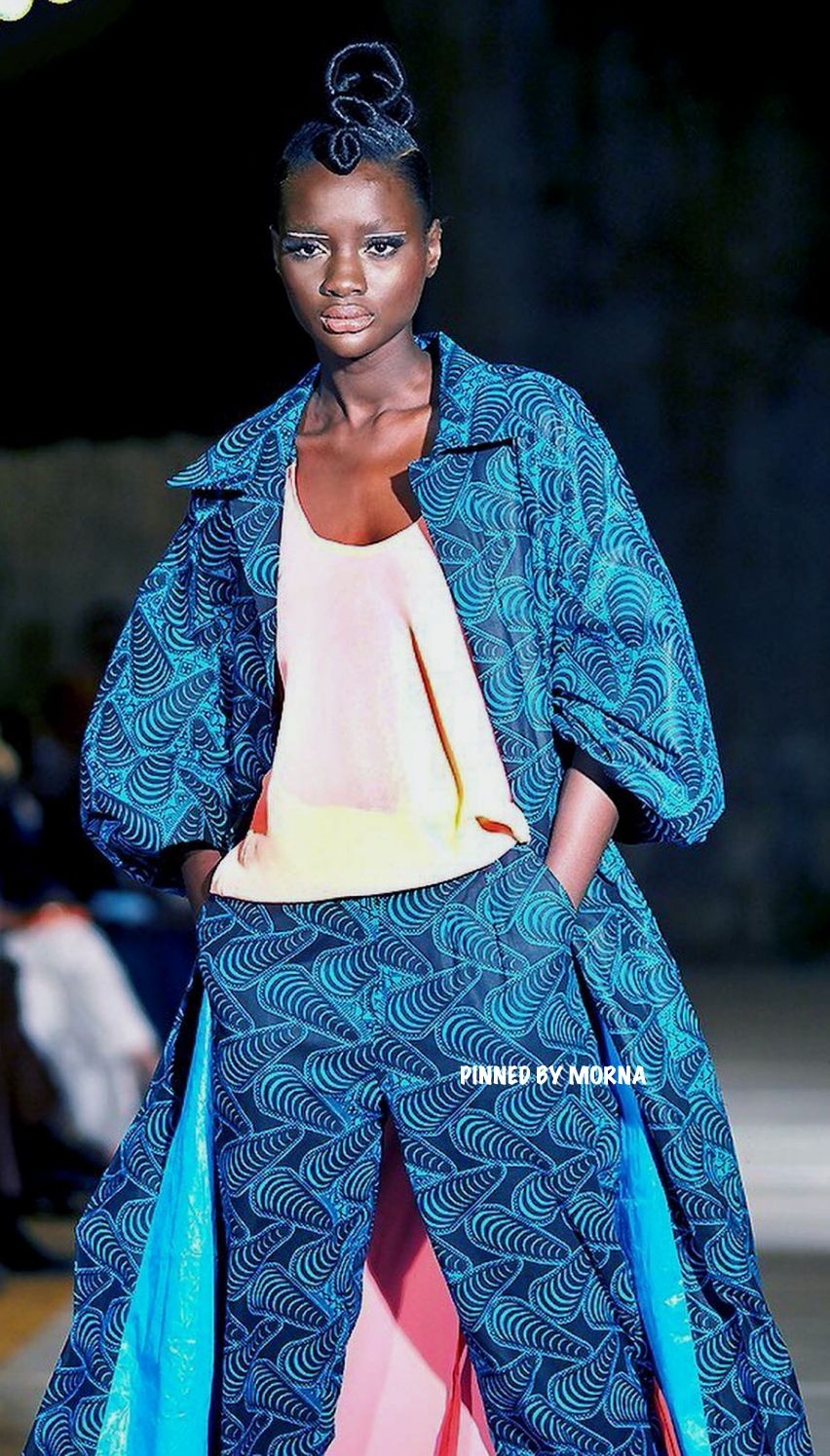
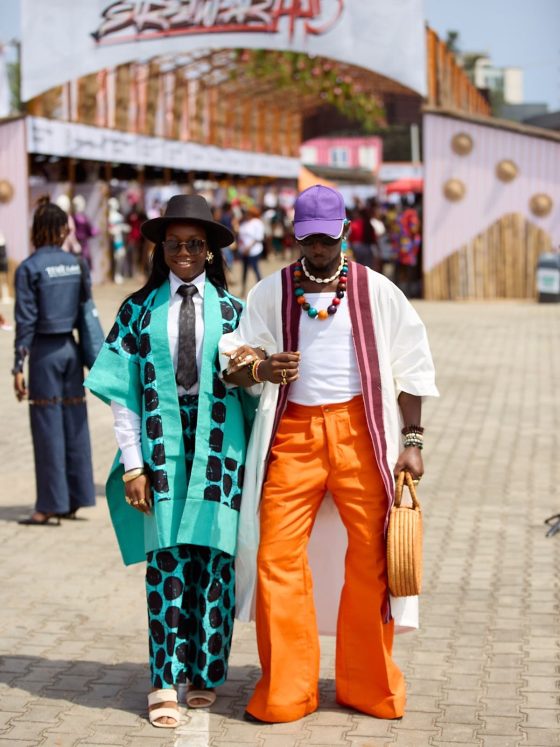
Balanta zigzag patterns from pano di pinti, representing water and the flow of the Niger River, now appear as border designs on graphic tee sleeves, collars, and hemlines. Tailors screen-print white zigzags onto deep indigo, matching the traditional pano colour palette down to the occasional red drawn from cassia leaves. Diamond shapes for fertility, cross marks for protection, parallel lines for family lineage: all of it now reads as streetwear vocabulary rather than ceremonial cloth. Traditional pano wraps still appear at weddings, worn by elders. Pano-patterned tees appear at school, at market, at hip-hop concerts, worn by youth. Guinea-Bissau’s pano-on-tees logic sits in the same continuum as Christie Brown, the Ghanaian house led by Aisha Ayensu, pulling Kente out of ceremony and into ready-to-wear: not preservation in glass, but preservation by use. As Omiren Styles has documented in Christie Brown by Aisha Ayensu: Ghanaian Luxury Fashion Taking the World Stage, heritage textiles survive global fashion’s gaze not by resisting reinterpretation but by being worn on weekdays, not just at ceremonies. The same logic runs through Traditional Clothing in the Benin Republic: Culture, Royalty, and Identity, where younger designers pair sneakers with agbada rather than treating ceremonial dress as untouchable: traditional attire endures as living infrastructure, not nostalgia.
This dual presence is the continuity mechanism. Young people wearing pano-patterned graphic tees signal cultural pride without putting on the conservative pano wraps their elders associate with formality and restraint. It is a third space: neither colonial nor traditional, unapologetically Afrocentric contemporary. Local tailors profit from the fusion, creating an economic incentive to keep the knowledge alive. When a tailor teaches an apprentice to screen-print pano patterns, the rateio loom technique survives inside the printing trade even as direct weaving declines. That transmission is now under pressure: cheap pre-printed tees from China cost 60-70% less than tailor-made pano-fusion pieces, and fewer young people are training as tailors at all, choosing technology and tourism instead. The fusion that kept pano alive in one generation may not have a workforce to keep producing it in the next.
ALSO READ
- Christie Brown by Aisha Ayensu: Ghanaian Luxury Fashion Taking the World Stage
- Traditional Clothing in the Benin Republic: Culture, Royalty, and Identity
- How Lagos Street Style Is Influencing What the Diaspora Wears in New York
- What Accra Street Style Is Actually Arguing in 2026
The Nike Air Force 1 Is Not a Rejection of Balanta Identity. It Is an Extension of It.
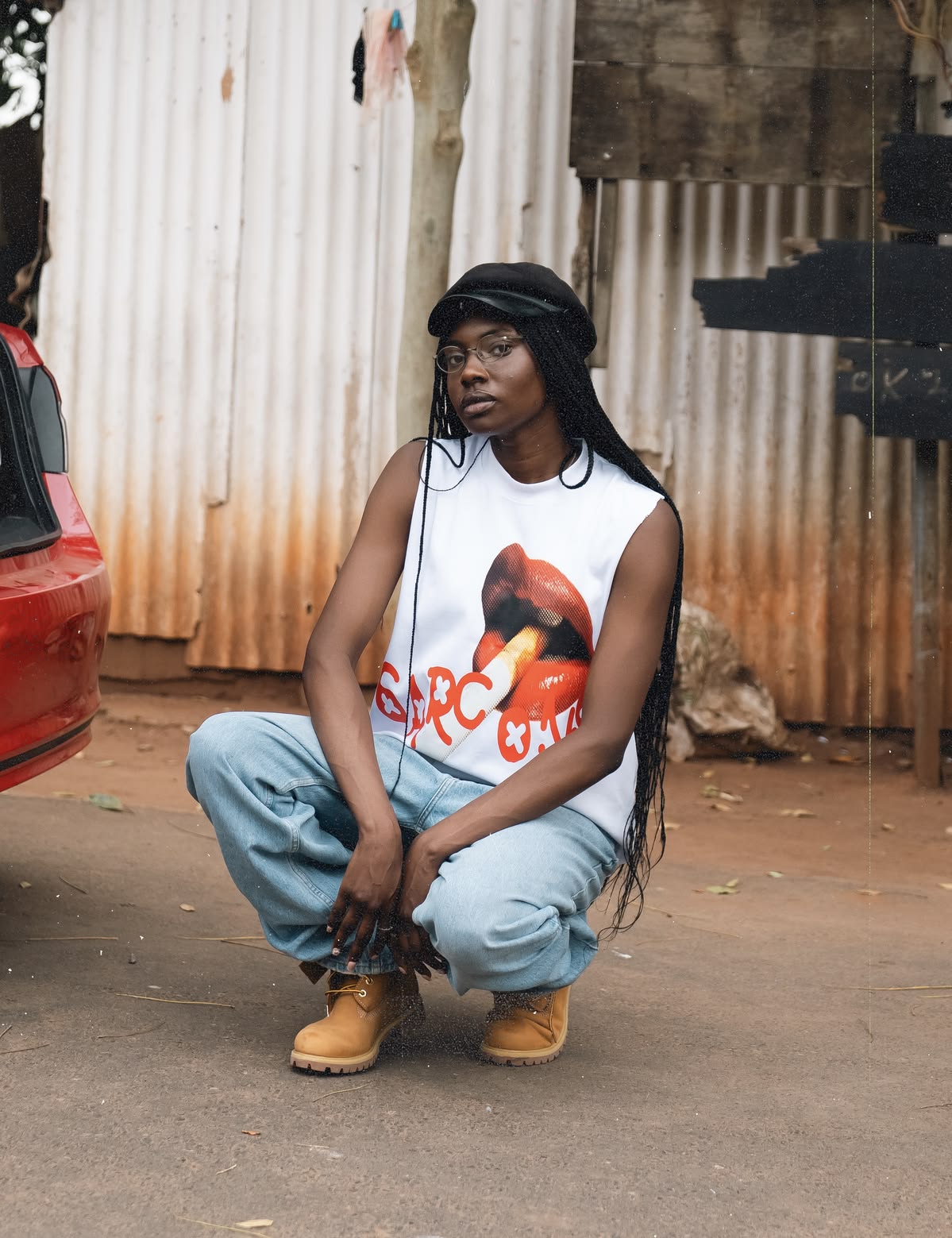
Three sneaker models dominate Bissau’s streets. Nike Air Force 1, white or black leather, 25,000 to 40,000 naira, worn mostly by male hip-hop fans with baggy jeans. Adidas Air Max, black with red or yellow accents, 20,000 to 35,000 naira, worn by both male and female students, often with oversized tees and wrapped pano skirts. Puma sneakers in white leather, priced between 15,000 and 25,000 naira, are the more affordable option for students with minimal income. Young people choose all three over traditional Balanta sandals or Portuguese-style formal shoes, a preference that signals economic aspiration as much as taste.
The sneaker price routinely exceeds a student’s daily income, which is exactly why ownership functions as an achievement marker. Saving for months for a first pair of Nike Air Force 1s and then wearing them daily is not casual consumption. It is a deliberate act of belonging to a sneaker culture that spans Lagos, Accra, Nairobi, and Brooklyn, proof that African youth participate in a global conversation on their own terms rather than waiting to be invited. Bissau’s relationship with the Air Force 1 is not unique on the continent. As Omiren Styles has documented in How Lagos Street Style Is Influencing What the Diaspora Wears in New York, the same sneaker became Lagos’s defining shoe in the 2000s by being absorbed into a dress culture that paired it with agbada and Ankara prints, rather than by staying American. Counterfeit sneakers from China now sell for 1,000 to 5,000 naira in Kamicao, and currency devaluation pushes more young people toward fakes that signal economic limitation rather than the cultural membership an authentic pair confers. That tension, between the sneaker as aspiration and the sneaker as compromise, is the live edge of Bissau’s streetwear economy in 2026.
The fact that Air Force 1s show up in classrooms, markets, and concerts is the durability story, not a runway write-up. Students attend school in them. Market vendors sell them in Kamicao. Local sneaker cleaners operate on Bissau’s streets to keep them looking new. None of that is incidental to identity. It is identity, extended into footwear, the same way the embroidered cuff extends Balanta cloth into denim.
THE OMIREN ARGUMENT
The critics who call Guinea-Bissau’s streetwear inauthentic are looking for the wrong thing. They want purity. They are watching continuity and calling it a loss.
Baggy jeans with Balanta embroidery stitched into the cuffs are not a compromise between African identity and American influence. They are a new document, written in both languages at once. The pano di pinti did not disappear when it moved from the loom to screen-print. It moved because living culture goes where its people go.
What Bissau’s young people are building in Kamicao market and at hip-hop concerts is not a diluted version of Balanta tradition. It is the next chapter. The question was never whether African youth would engage with global Black culture. The question was whether they would do it on their own terms.
They are. The embroidery on the jeans is the answer.
FREQUENTLY ASKED QUESTIONS
What do young people wear in Guinea-Bissau?
In Bissau, what young people wear means hip-hop silhouettes rewritten in Balanta and pano di pinti: baggy jeans, oversized tees, and sneakers, but never straight off the rack. The tees display Adinkra symbols, Pan-African flags, and hip-hop artist portraits, while local tailors add Balanta embroidery and pano di pinti zigzag patterns to the jeans themselves. Nike Air Force 1, Adidas Air Max, and Puma sneakers dominate the footwear market. Students wear this daily at school, at the market, and at hip-hop concerts, not only at Carnival or ceremonies.
How does hip-hop influence streetwear in Guinea-Bissau?
Hip-hop did not just introduce baggy jeans to Bissau. It handed the youth a template they immediately rewrote in their own textile language. Rappers Willpack Danfa and Seco Dabo became fashion leaders from 2014 onward, and their flamboyant, eclectic style became the trend template for students, who copy the silhouette while local tailors add Balanta embroidery and pano patterns that the original American reference never carried. Hip-hop connects Bissau youth to Lagos, Accra, Nairobi, and Brooklyn streetwear, creating a Global Black membership without erasing Guinea-Bissau identity.
What is modern street fashion in Bissau city?
Modern Guinea-Bissau clothing combines American baggy jeans with oversized graphic tees featuring Pan-African and hip-hop designs, finished at the cuffs and collar with Balanta pano di pinti zigzag patterns. Nike, Adidas, and Puma sneakers dominate the footwear market, and young women frequently pair oversized tees with wrapped pano skirts rather than baggy jeans. This appears daily at school, at the Kamicao market. At hip-hop concerts, not only at Carnival, it rejects both Portuguese colonial dress and the conservative pano wraps associated with elders.
How do traditional textiles enter streetwear in Guinea-Bissau?
Pano di Pinti’s Balanta zigzag patterns now appear as border designs on graphic tee sleeves, collars, and hemlines, screen-printed in white against deep indigo to match the traditional palette. Diamond shapes for fertility, cross marks for protection, and parallel lines for family lineage appear as central tee designs. This lets youth carry Balanta cultural coding without wearing the traditional pano wraps elders associate with formality, building a third space that is neither colonial nor traditional but unapologetically Afrocentric contemporary.
Why does streetwear matter for Guinea-Bissau’s youth culture?
As a record of African streetwear, West Africa still mostly goes unrecorded outside the Lagos-Accra axis; Bissau’s scene shows youth negotiating identity through clothing rather than declaring it. Baggy jeans with Balanta embroidery and pano-patterned tees signal Global Black membership while remaining Guinea-Bissau-specific. Sneakers function as cultural currency, with ownership of Nike Air Force 1s signalling economic aspiration even when the price exceeds a student’s daily income. The fact that this persists daily into 2026, not just at Carnival, is what proves the culture is alive rather than performed.
Omiren Styles covers the business of African fashion with precision and without apology. Subscribe to the regional intelligence that the African fashion press is not doing. African fashion and culture are not emerging. They are foundational.