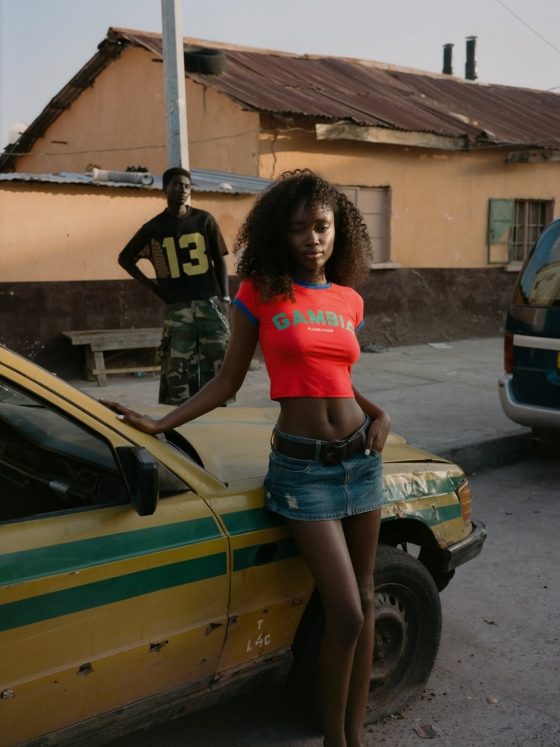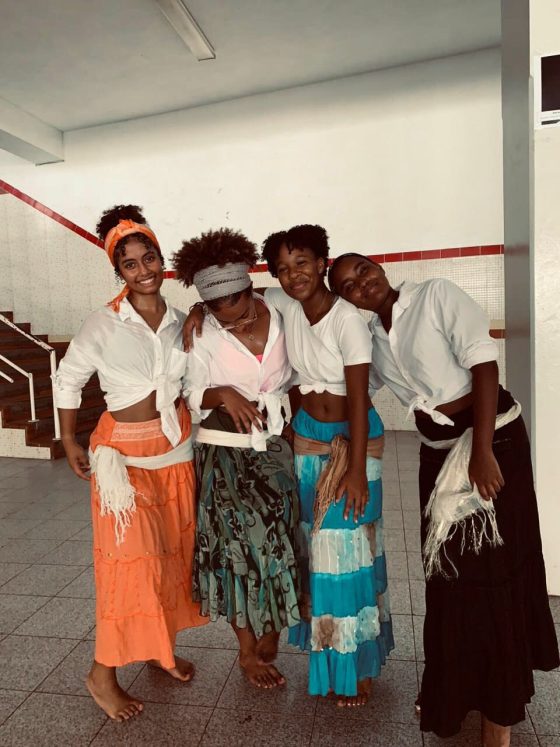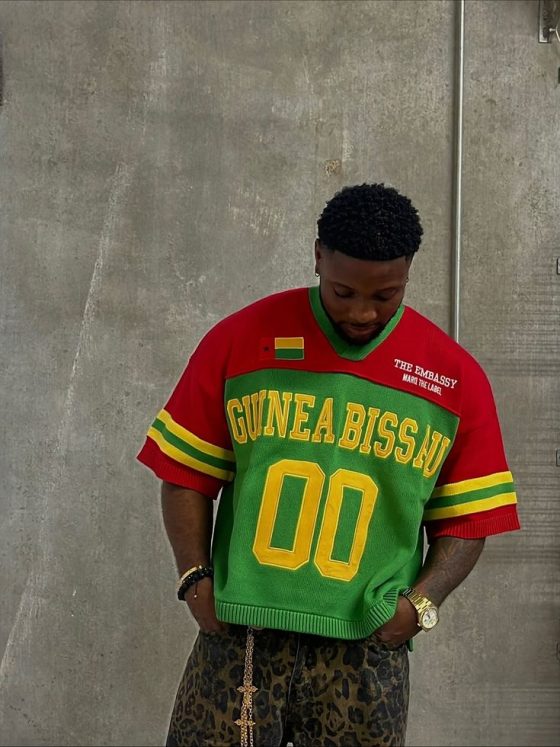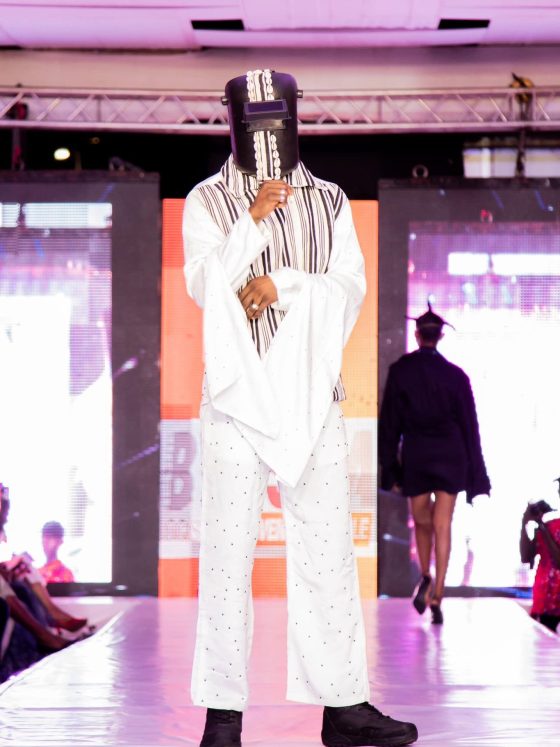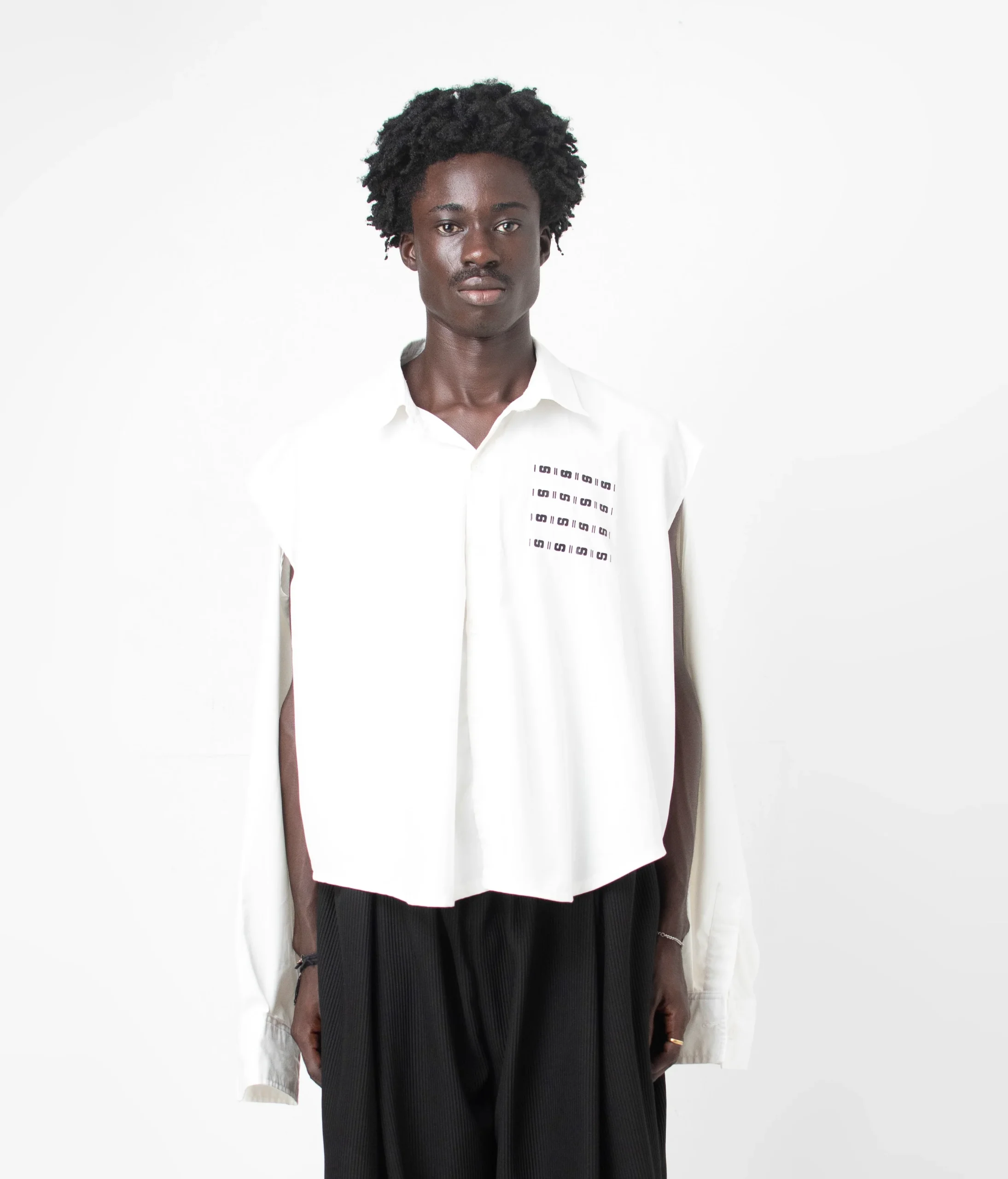
Walk through Osu on a Friday evening. Then walk through East Legon on a Sunday morning. Then cut through Jamestown on a weekday afternoon. What you see in those three locations, within the same city, within the same twenty-four hours, is not one aesthetic. There are several. And none of them is trying to be Lagos. None of them is trying to be London. Accra’s street style in 2026 is doing something that cities rarely manage to do cleanly: it is arguing from its own position, on its own terms, with full awareness of where it stands in the global fashion conversation. That argument has specific roots.
The Year of Return in 2019 permanently changed who was in Accra and who considered themselves at home there. The Kente GI registration in 2025 changed how Ghanaians talked about cultural ownership in fashion. A generation of designers who refused to build their practices around export validation changed what was available on the street. These are not background conditions. They are the active ingredients of what Accra is wearing right now, and understanding them is the only way to understand the city’s style on its own terms.
Accra street style has never been derivative of Lagos or London. In 2026, it is making its own case louder than ever, shaped by history, a new generation, and a city that refuses to be secondary.
Accra Is Not a Satellite of Anywhere
The comparison habit dies hard. Write about Accra fashion, and someone will reach for Lagos as the reference point, as though Accra is running a similar programme with a smaller budget. It is not. Lagos and Accra operate from different cultural foundations, different fashion histories, and different relationships to the global industry. Lagos is louder, faster, more maximalist, and more overtly competitive in how it announces itself. Accra is more considered. It builds more slowly. It holds its references closer.
The Ghanaian aesthetic tradition has always leaned toward a specific kind of restraint that coexists with serious ornamentation. Kente is elaborately structured, but its structure is precise rather than sprawling. Adinkra symbolism, printed onto cloth and embedded into jewellery and accessories across Accra’s street style, carries meaning in concentrated form. The visual language has never been about overwhelming the observer. It has been about rewarding the one who looks carefully. That is a different design philosophy from Lagos, and Accra’s street style carries it into everything it does in 2026.
What the Year of Return Left Behind
In 2019, Ghana welcomed 1.13 million visitors, an 18 per cent jump from the previous year, generating an estimated 3.3 billion dollars in tourism receipts. The Year of Return brought celebrities, investors, diaspora reconnections, and a global media spotlight that repositioned Accra in the international imagination. Cardi B walked through Osu. Steve Harvey toured the Cape Coast Castle. Naomi Campbell appeared at Afrochella. And then the cameras left, but many of the people stayed.
Since 2019, thousands of African Americans have relocated to Ghana, many of them under 30, drawn by the Blaxit movement and the specific promise that Accra represented: a city where Blackness was not a footnote. Those arrivals brought their own wardrobe sensibilities, purchasing habits, and aesthetic conversations. The Accra street style of 2026 carries that influx. You see it in how diaspora references sit alongside Ghanaian ones without conflict and in how the fashion conversation in the city has expanded to include returnees as participants rather than just tourists. The Year of Return did not end in 2019. Its fashion afterlife is still unfolding.
Kantamanto Is a Design Studio, Not a Charity Shop
No conversation about Accra street style is complete without a mention of Kantamanto Market. The largest second-hand clothing market in West Africa processes an estimated 15 million garments every week, arriving in bales from Europe, North America, and Asia. For global critics of fast fashion, Kantamanto is evidence of the clothing industry’s waste crisis. For the young Accra creatives who work there, it is the most generative raw material available in the city.
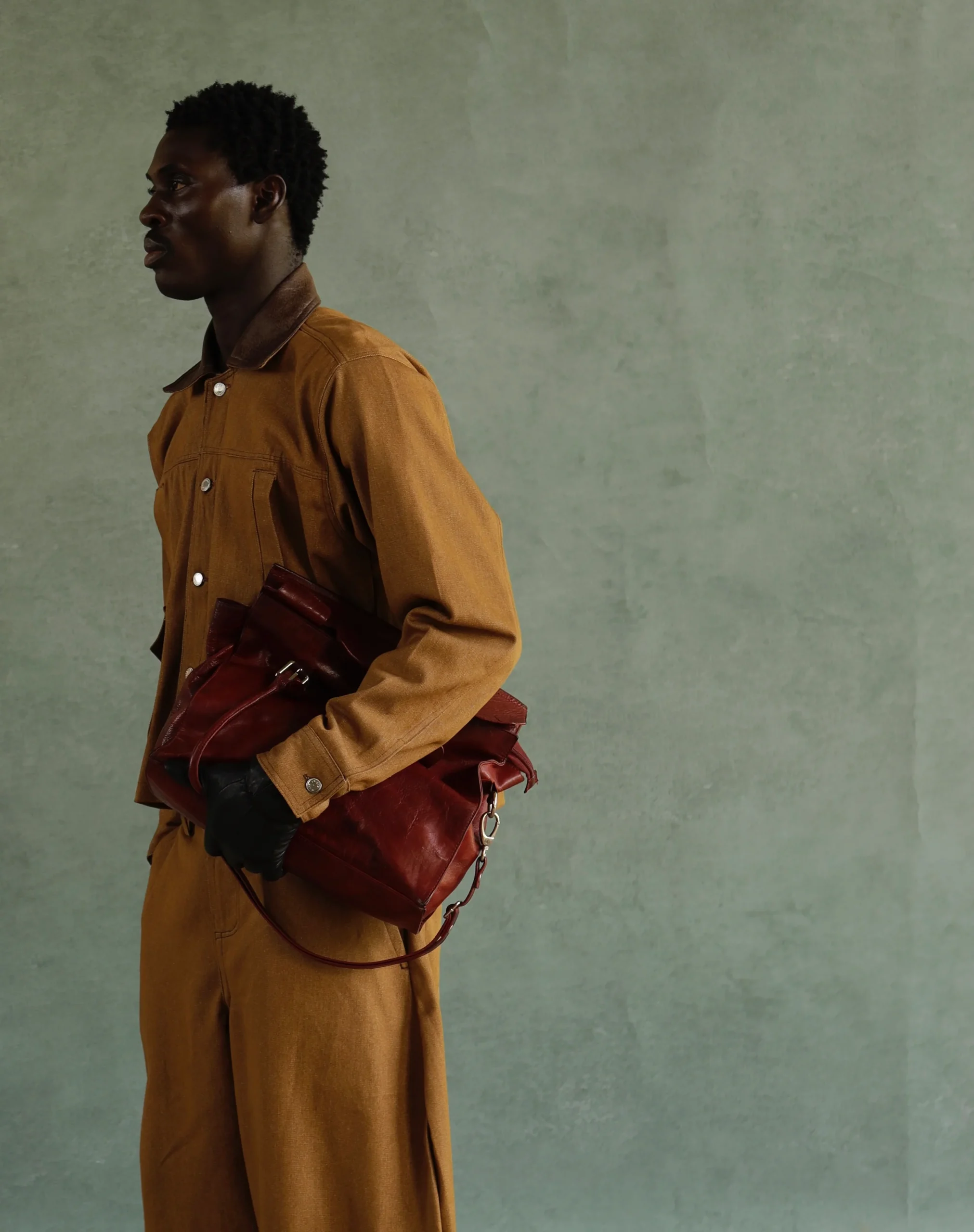
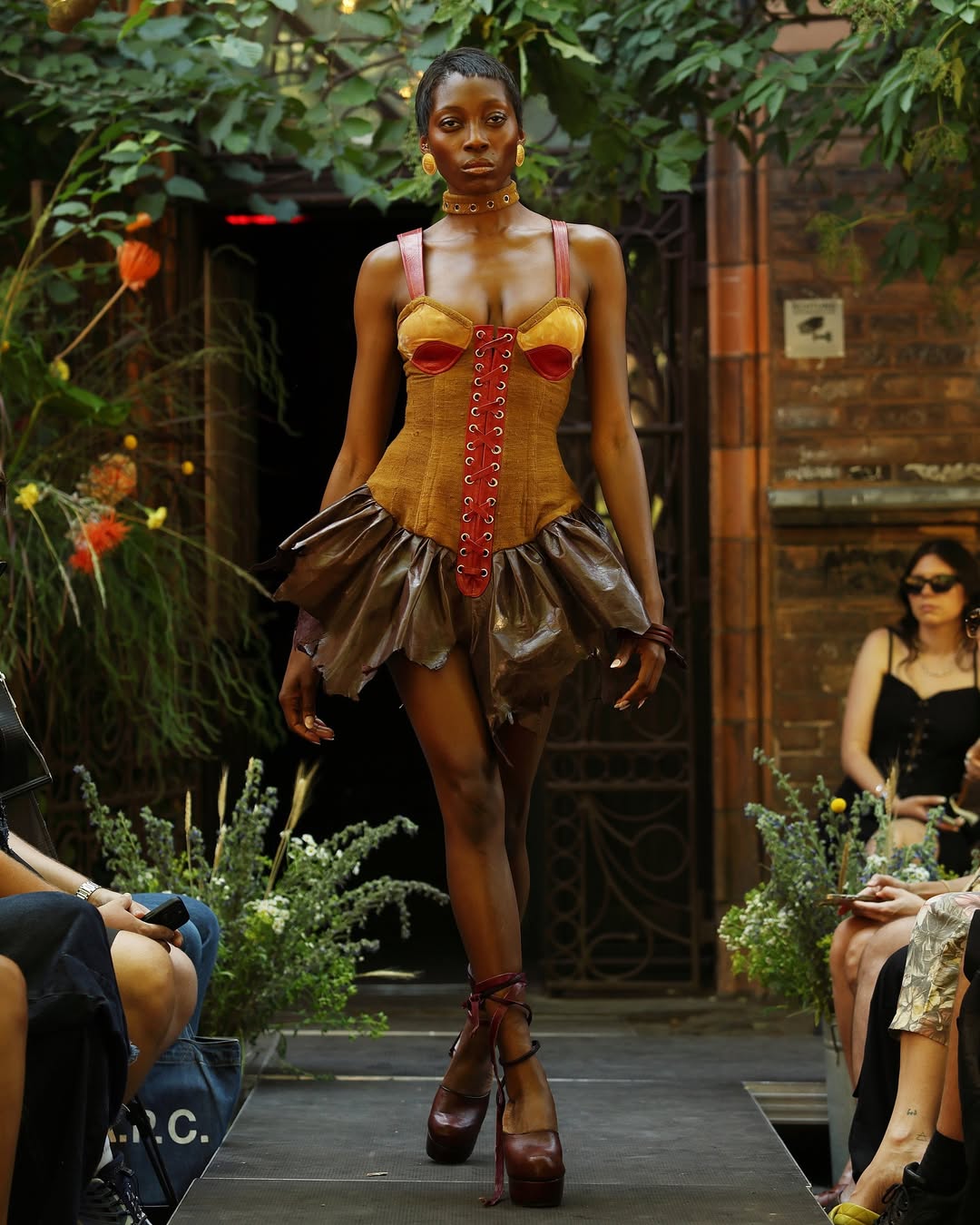
Designers like Kusi Kubi of Palm Wine Ice Cream have built entire creative practices around sourcing from Kantamanto, reworking second-hand pieces into genderless constructions that sit between everyday comfort and deliberate grandeur, with Ashanti gold and leather as recurring anchors. Subwae, founded by Christopher Akpo in 2018, takes a sustainable-sourcing philosophy, merging architecture-inspired design with Ghanaian landscape references into pieces presented as fashion installations. On the street, Kantamanto-sourced pieces are styled with a specificity that makes the market’s presence in Accra’s aesthetic undeniable. This is not vintage dressing. It is conscious, skilled re-authoring.
The Designers Who Stayed Home and Changed Everything
The export-only model has shaped African fashion for decades: design in Nairobi, Accra, or Lagos; present in London or Paris; get validated by the international press; then return. A generation of Ghanaian designers has rejected that framework, not out of insularity, but out of a deliberate argument about where value should be built and where it should circulate.
Free The Youth, founded in 2013 as a social media street-style blog, has grown into a fashion label, creative agency, and NGO that has collaborated with Nike and Daily Paper and has been featured in Vogue and GQ without relocating its base or its loyalty. Complex Department, founded by Atanko Davidson, produces luxury streetwear entirely sourced and made in Ghana, with collections built on vibrant colours, cultural monograms, and oversized tailoring that reads as both globally fluent and specifically Ghanaian.
FAMÖUS, founded by Miles Aidoo Taylor in 2018, works in futuristic streetwear with bold graphics and a design language unlike anything coming out of London or Lagos. These are not emerging brands. They are established practices that make a specific territorial claim: that Accra is where the work happens and where the work matters.
Kente GI Changed the Conversation on the Street
When Ghana secured Geographical Indication status for Kente in September 2025, the legal implications were primarily commercial. But the cultural ripple moved through Accra’s creative community differently. The GI registration was a public statement that Ghanaian cultural heritage had protective value, that a name could be owned, and that ownership had international legal backing. For designers and streetwear creatives already working with Kente and Kente-referencing aesthetics, it reframed the question of who gets to speak for Ghanaian cloth.
On Accra’s streets in 2026, you see this playing out in the way heritage fabric references are used. There is less casual borrowing of Kente patterns and more deliberate engagement with the tradition, whether that means working with authenticated weavers from Bonwire, making explicit reference to the Asante and Ewe weaving histories, or consciously departing from the visual vocabulary to make a point about innovation within a protected tradition. The GI debate did not slow down Accra’s use of its own textile heritage. It sharpened it.
The Aesthetic Itself: What Accra Actually Looks Like in 2026
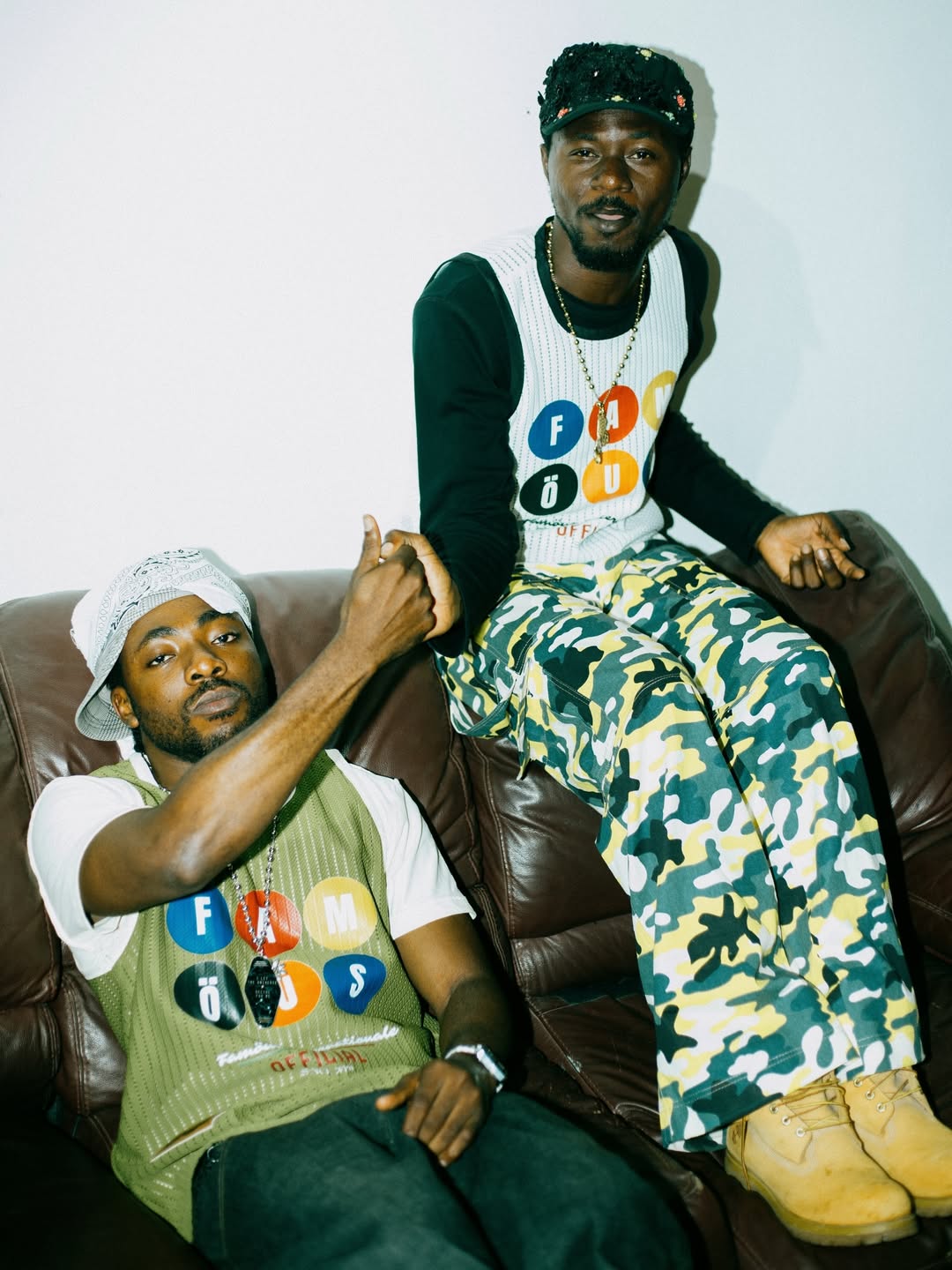
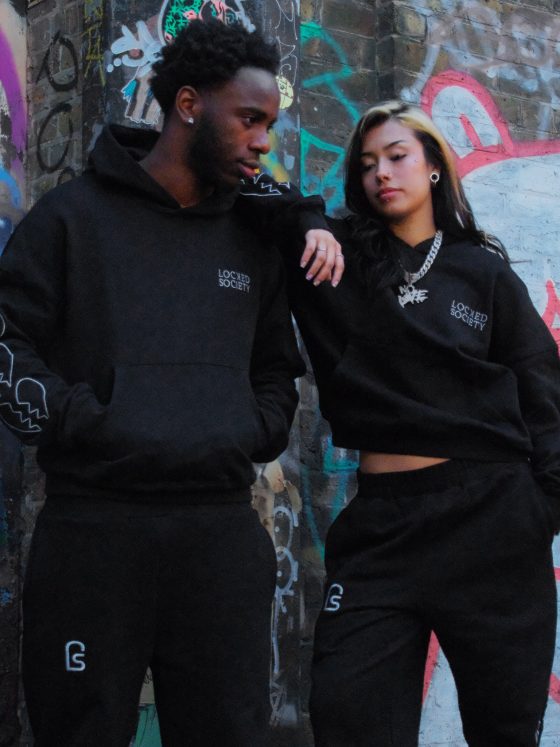
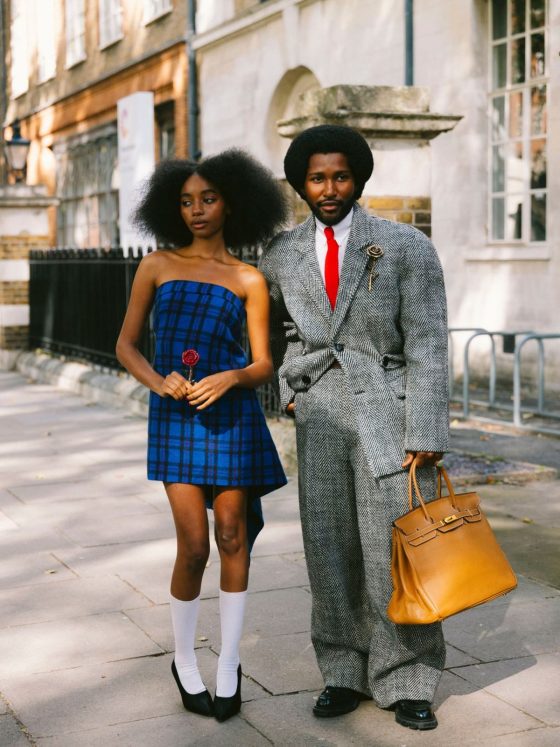
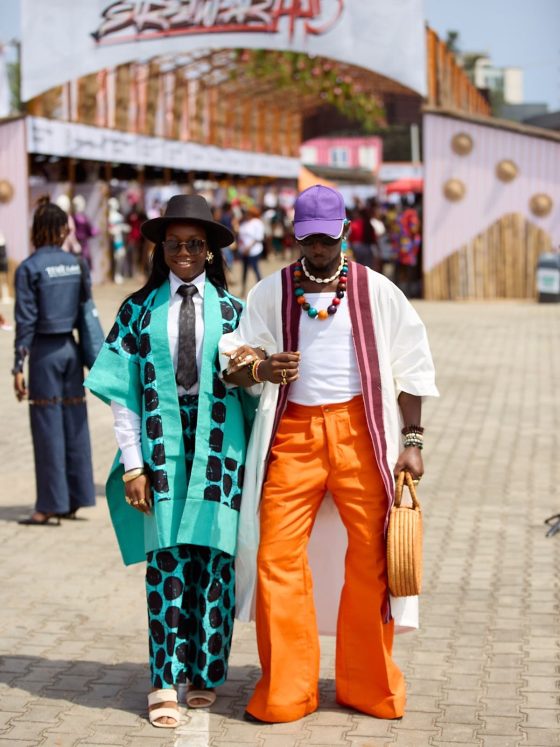
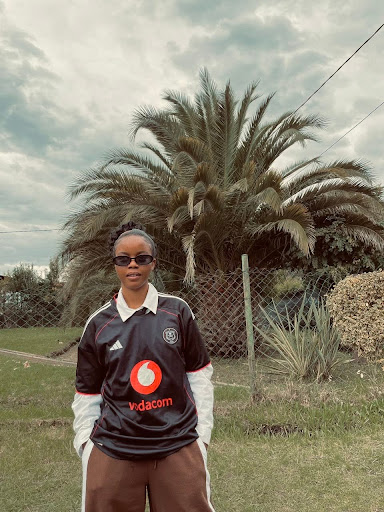
Street style in Accra in 2026 is not one thing, and its plurality is precisely the point. In the same week, you will see structured tailoring in deep kente-woven fabric worn with imported sneakers in East Legon. You will see Kantamanto-sourced vintage pieces reworked into something unrecognisable from their origin, styled with Adinkra-printed accessories on the streets around Makola Market. You will see the graphic-heavy, oversized pieces from brands like FAMÖUS and Complex Department worn by young creatives moving between studios and events in Accra’s expanding arts districts.
What connects these is not a uniform aesthetic but a shared posture. Accra street style in 2026 is not deferential. It does not look to external capitals for permission or validation. The references are layered and self-aware: global music and skate culture are absorbed and Ghanaianised; the heritage textile tradition is engaged rather than merely worn, with diaspora and homegrown sensibilities sitting alongside each other without one subordinating the other.
Accra Fashion Week, confirmed for December 15 to 20, 2026, will bring designers from Angola, Nigeria, the UK, and the US into that conversation. The city is not closing in. It is hosting on its own terms.
Why It Matters That Accra Is Doing This Now
African fashion cities are not interchangeable. Lagos makes one argument. Nairobi makes another. Dakar makes another still. Accra’s argument in 2026 is specific: that cultural ownership and creative innovation can occupy the same space, that a city can hold its heritage with legal seriousness while its youth culture moves in genuinely new directions, that you can be globally connected without being globally derivative.
That argument is not theoretical. It is being made every day in how people dress, what they buy, what they make, and what they refuse to call by someone else’s name. The street is where that argument lives first, before it reaches runways, retail, or international press. And in 2026, Accra’s streets are loud, specific, and entirely their own.
Read also:
- Where to Buy Kente Cloth Without Funding a Counterfeit Industry
- Five Kente Styles Fente Women Wear and the Living Grammar Behind Each One
- How Kente Weaves History Into Every Thread
The Omiren Argument
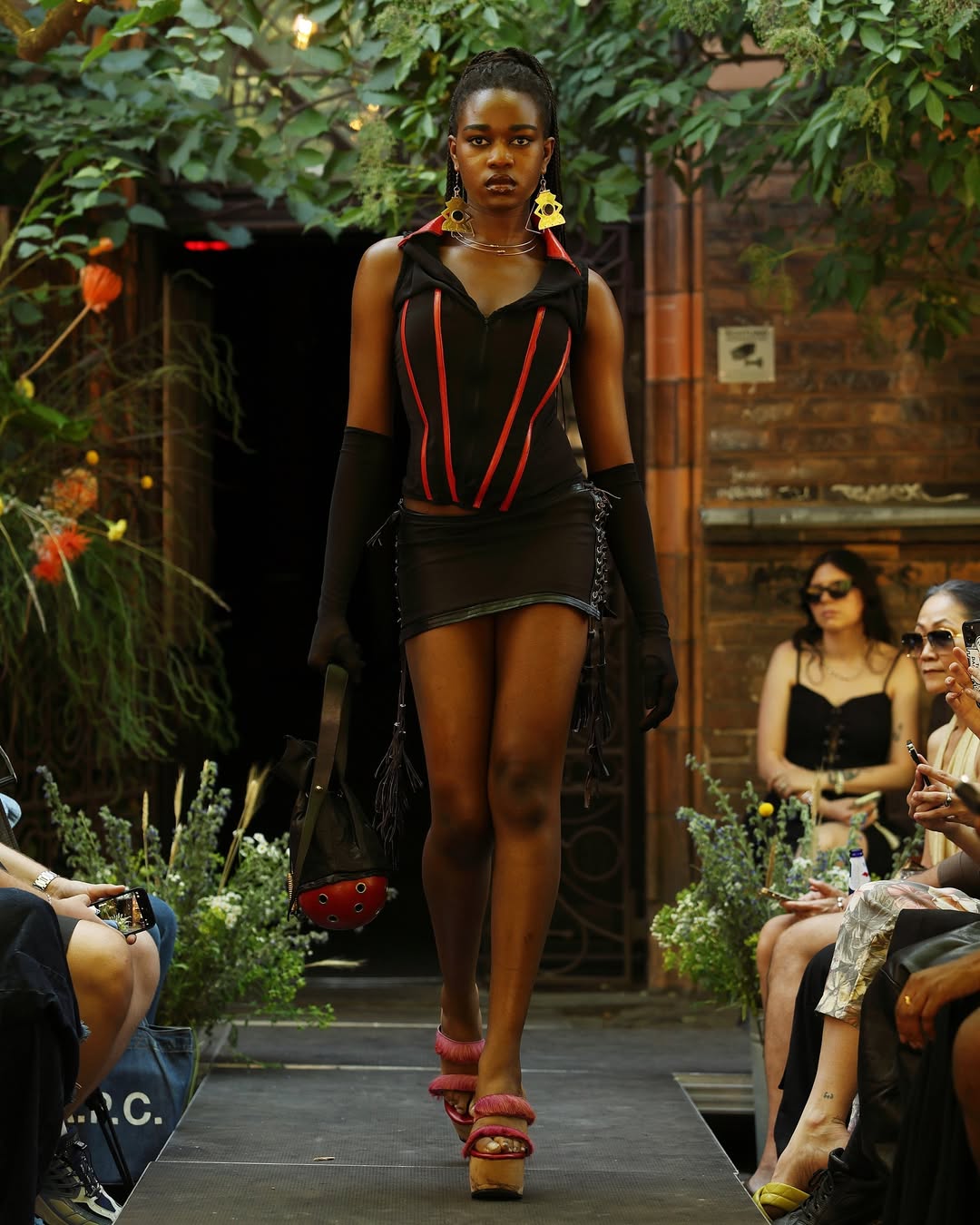
The secondary-city framing does two things to Accra: it positions the city as trailing Lagos in the African fashion hierarchy, and it positions Lagos as trailing London and Paris in the global one. Both positions are wrong, and accepting them means accepting a ranking system that African fashion cities did not design and do not benefit from.
Accra’s street style is not behind Lagos. It is beside it, doing something different, from different roots, for different reasons. What 2026 actually shows is a city whose fashion conversation has been deepened by specific, dateable events: a diaspora influx that changed who was in the room, a legal registration that changed what could be claimed, and a generation of designers who decided that home was the most radical place to build from.
Reading Accra through that lens is not flattering coverage. It is accurate. And accuracy is what the city has always deserved.
Frequently Asked Questions
- What makes Accra street style distinct from Lagos or London?
Accra’s street style draws on a different set of cultural references and a different design philosophy than those of Lagos or London. Where Lagos tends toward maximalist spectacle and London toward subcultural coding, Accra’s aesthetic is built around a kind of deliberate restraint that coexists with serious ornamentation. The Ghanaian aesthetic tradition — from Kente’s precise structure to Adinkra symbolism’s concentrated meaning — values depth over volume. Accra’s street style in 2026 also reflects specific local events: the Year of Return diaspora influx, the Kente GI registration, and a generation of designers choosing to build their practices domestically rather than seeking external validation first.
- How did the Year of Return affect Accra’s fashion scene?
The Year of Return in 2019 brought 1.13 million visitors to Ghana and introduced a significant influx of diaspora returnees, many of whom have since relocated permanently to Accra. These arrivals brought their own aesthetic sensibilities and purchasing power into the city’s creative ecosystem. The result is a street-style scene that now naturally carries diaspora references alongside Ghanaian ones, with returnees as active participants in the fashion conversation rather than tourists observing it. The Beyond the Return initiative, which runs as a decade-long programme through 2030, continues to sustain that energy.
- What is the Kantamanto Market, and why is it important to Accra’s fashion?
Kantamanto is the largest second-hand clothing market in West Africa, located in Accra and processes an estimated 15 million garments weekly. For Accra’s creative community, it functions as both a sourcing ground and a design challenge. Designers, including Kusi Kubi of Palmwine Icecream and Christopher Akpo of Subwae, have built practices around reworking Kantamanto-sourced materials into original pieces, turning second-hand garments into genderless, culturally grounded constructions. On the street, Kantamanto-sourced pieces are styled with precision that makes the market central to Accra’s aesthetic rather than peripheral.
- Which Ghanaian streetwear brands are shaping Accra’s style in 2026?
Several Accra-based brands are central to the city’s street style conversation in 2026. Free The Youth, founded in 2013, operates across fashion, a creative agency, and an NGO, with collaborations including Nike and Daily Paper. Complex Department produces luxury streetwear entirely sourced and made in Ghana, with collections built on Ghanaian cultural references and oversized tailoring. FAMÖUS, founded by Miles Aidoo Taylor in 2018, works in futuristic streetwear with bold graphics. Palmwine Icecream, led by British-Ghanaian creative director Kusi Kubi, builds genderless pieces from Kantamanto-sourced materials with Ashanti heritage as a design anchor. Subwae merges sustainability, Ghanaian architecture, and art-world presentation into a practice that has gained international attention while remaining Accra-rooted.
- How did the Kente GI registration change Accra’s creative community?
Ghana’s Geographical Indication registration for Kente in September 2025 was primarily a legal and commercial instrument, but its cultural effect on Accra’s creative community was significant. It reframed the conversation about who has the right to speak for Ghanaian textile heritage and sharpened designers’ engagement with Kente and Kente-referencing aesthetics. Rather than slowing down creative use of heritage fabric traditions, the GI registration appears to have deepened it, pushing designers toward more deliberate and informed engagement with Bonwire and Ewe weaving traditions and increasing awareness of the distinction between authenticated Kente and mass-printed pattern derivatives.
- Where can I find more on African street style and fashion culture?
Omiren Styles covers African and diaspora fashion with the editorial depth and cultural specificity the conversation demands. From city-specific street style analysis to designer profiles and heritage fashion history, we tell the full story. Visit omirenstyles.com