In Niger, clothing conveys much more than individual flair. Clothes are symbols of identity, heritage, social standing, and cultural belonging throughout the nation’s vast desert landscapes, towns, and agricultural villages. For many Nigerians, traditional attire continues to play a significant role in daily life, reflecting centuries of history influenced by trade routes, migration, religion, and environmental adaptability.
The Tuareg are one of the numerous ethnic groups that have contributed to Niger’s fashion legacy, and they are now especially linked to the nation’s aesthetic identity. They are well-known throughout the Sahara and beyond for their flowing robes, indigo-dyed textiles, and characteristic turbans. However, traditional Nigerian attire goes well beyond Tuareg attire. The clothing customs of the Hausa, Zarma-Songhai, Fulani, Kanuri, and other communities reflect their respective histories and lifestyles.
The persistence of these customs is what makes Niger so remarkable. Ceremonies and cultural events are not the only occasions when traditional clothing is worn. They still have an impact on the nation’s fashion production, social mores, and modern attire. Traditional clothing remains a significant way for people in many communities to express their respect, identity, and sense of belonging.
In West Africa, clothing frequently serves as a visual language that links people to their cultural history, demonstrating the connection between identity and clothing. However, the Sahara’s influence has shaped Niger’s unique fashion culture through centuries of cross-regional trade, migration, and climate.
Discover how traditional clothing in Niger reflects Tuareg influence, cultural identity, history, and the diverse fashion traditions of the Sahel.
The Tuareg and the Global Image of Nigerien Fashion
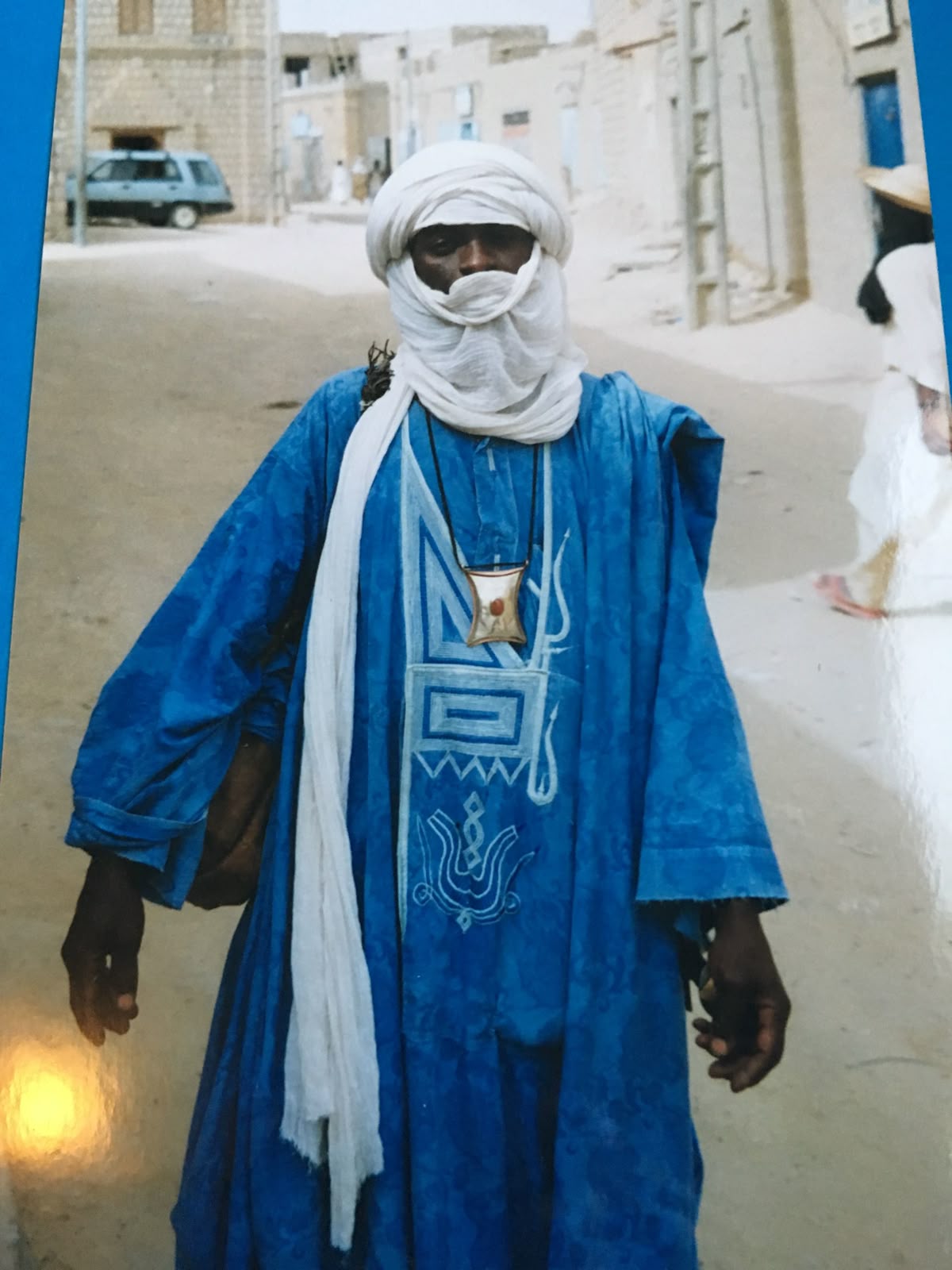
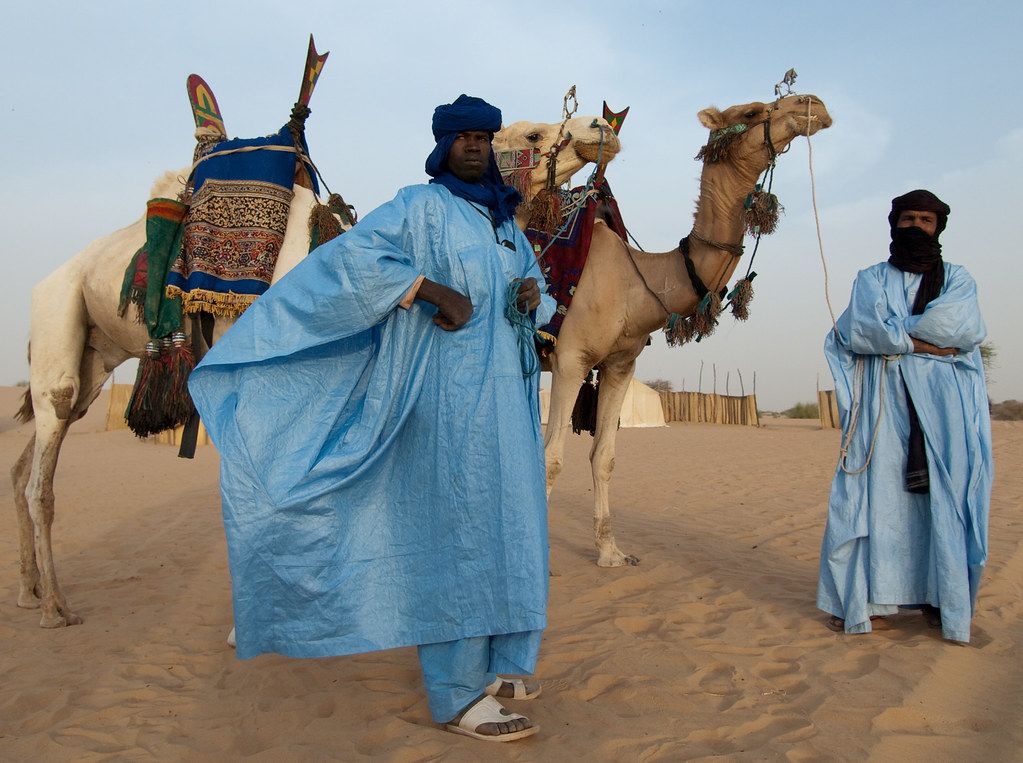
The Tuareg people’s traditional attire is one of the few items of clothing most closely connected with Niger. Known as the “Blue People of the Sahara,” the Tuareg have created a functional and culturally meaningful fashion sense. Their attire has profound social and symbolic significance while also reflecting the realities of living in one of the harshest locations on earth.
The tagelmust, a long indigo-stained veil typically worn by men, is the most distinctive feature of Tuareg clothing. Tuareg males have traditionally covered their faces to protect themselves from the harsh desert environment and to signify their social identity, in contrast to many cultures where veiling is mainly connected with women. The tagelmust conveys maturity and cultural affiliation while protecting the face from wind, dust, and strong sunlight.
The veil is complemented by flowing garments called gandouras or boubous. By allowing air to circulate throughout the body, these loose garments help regulate body temperature during periods of intense heat. Their style illustrates how traditional apparel often evolves from functional requirements rather than purely aesthetic ones.
The use of indigo dyes gave rise to the rich blue colour associated with many Tuareg outfits. In the past, the Tuareg were known as the “Blue People” because these pigments occasionally transferred to their skin. Even though modern production techniques have changed, indigo remains a significant symbol in Tuareg fashion.
Tuareg clothing has an impact outside of Niger. Tuareg clothing continues to influence modern designers and craftspeople throughout the Sahel and Sahara. There are numerous instances of textile customs influencing contemporary fashion throughout the region.
Tuareg dress is more than just a practical means of survival in the desert; it is a living testament to cultural continuity that remains essential to Niger’s identity.
Traditional Clothing Across Niger’s Diverse Communities
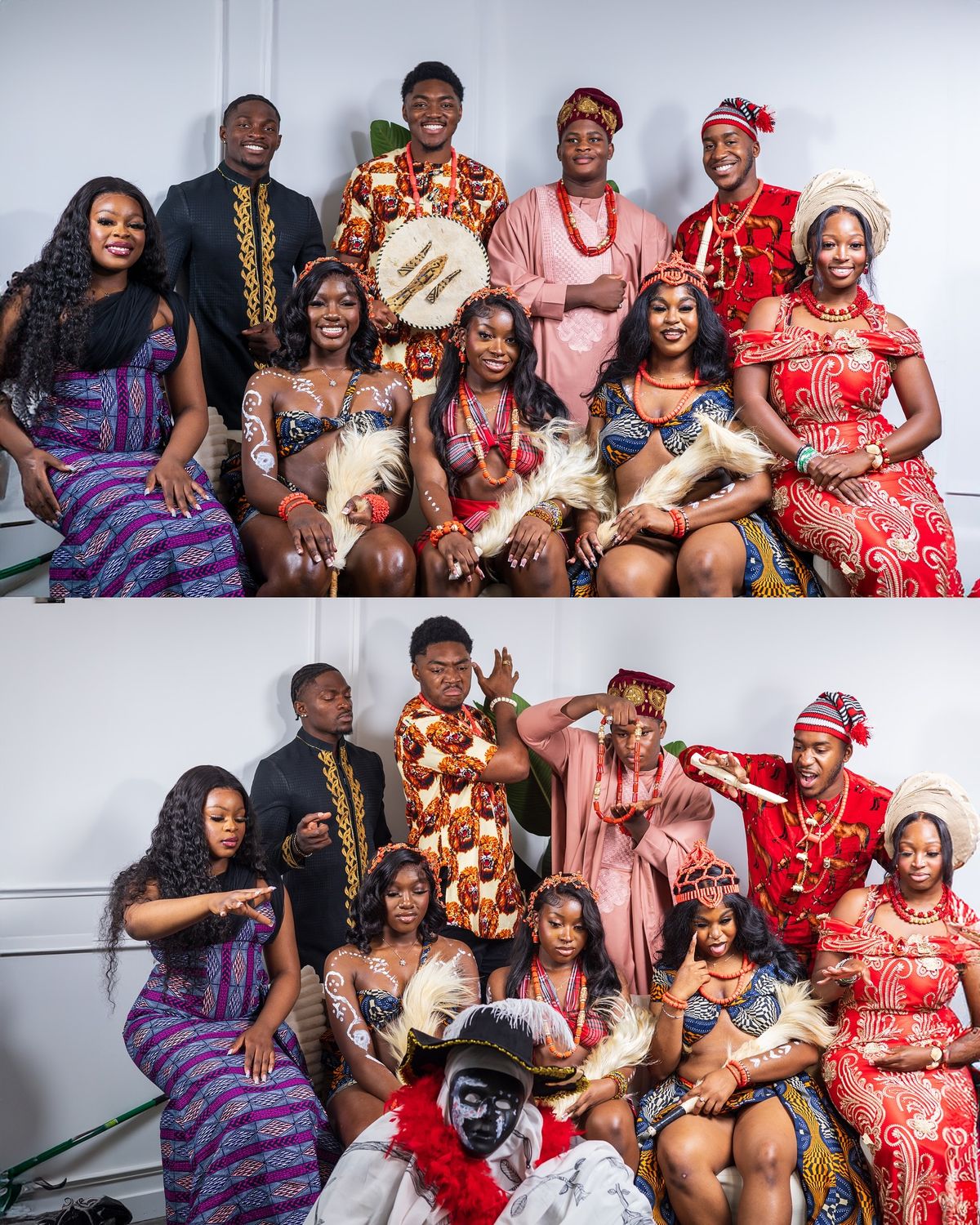
Niger’s fashion legacy is influenced by a variety of cultural groups, even though Tuareg clothing frequently garners the greatest worldwide notice. Every community has developed fashion customs that reflect its historical events, social structures, and surroundings.
One of the major ethnic groups in the nation, the Hausa, often dress traditionally in flowing gowns, intricately made hats, and embroidered robes. These clothing items often play crucial roles in religious ceremonies, weddings, and community events. In addition to being decorative, embroidery is a sign of skill and prestige.
In a similar vein, the Zarma-Songhai communities uphold unique fashion customs, including loose-fitting clothing suited to the Sahelian climate. Islamic influences and regional cultural customs that have developed over many generations are frequently reflected in clothing.
Fulani communities are especially well known for their exquisitely crafted clothing and ornamental jewellery that complement their pastoral customs. In Fulani society, age, marital status, and cultural connection are often communicated through clothing. Women’s clothing frequently has elaborate accessories and vibrant textiles that promote individual expression while preserving cultural continuity.
Due to centuries of commerce and engagement with neighbouring regions, the Kanuri people in eastern Niger also have extensive traditions of dress. Their clothing reflects historical ties that transcend contemporary national borders.
Despite these variations, Niger’s varied communities share a common thread. Traditional attire still serves as a means of expressing one’s identity. Wearing these clothes conveys a sense of belonging rather than just being attractive.
In West Africa, clothing frequently acts as an outward symbol of cultural history. Similar trends can be seen in nearby nations, where traditional clothing continues to change to reflect modern society without losing its symbolic meaning.
Niger’s varied fashion customs show that homogeneity is not the foundation of national identity. The cohabitation of various cultural manifestations shapes it.
ALSO READ:
Why Traditional Clothing Continues to Matter in Modern Niger
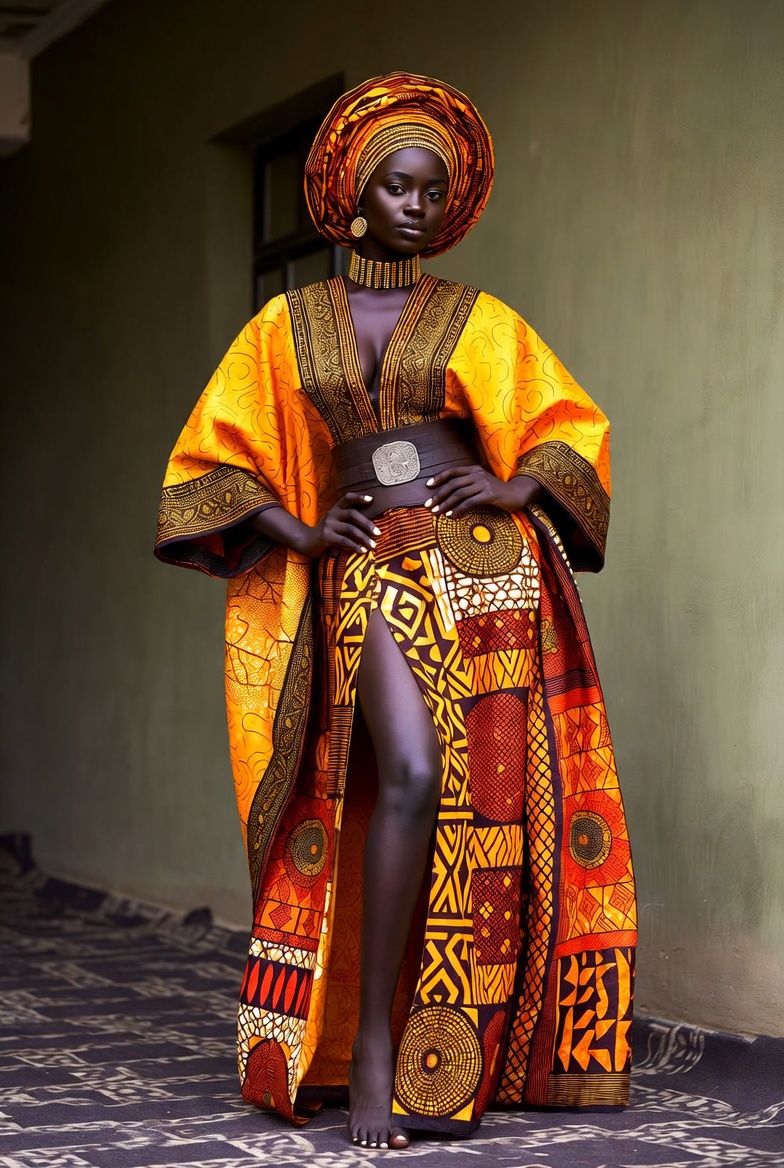
Many conversations regarding traditional attire are predicated on the idea that cultural decline is an inevitable result of modernisation. Niger paints a different picture. Traditional attire remains prominent in everyday life and public festivities, even as modern fashion continues to expand.
Weddings, naming ceremonies, religious gatherings, and cultural festivals are still significant occasions for traditional attire. Wearing traditional attire is a sign of respect for family history and cultural standards in many groups. These clothes serve as a link between people and histories that remain relevant today.
Younger generations are also discovering new ways to engage with traditional fashion. More and more designers and tailors are updating traditional clothing for contemporary consumers. While historic styles are modified to suit evolving lifestyles, traditional textiles may appear in modern silhouettes.
This process shows that maintaining cultural continuity does not necessitate opposing change. Rather, customs endure when societies keep finding new ways to make them meaningful. The continued appeal of Tuareg-inspired clothing illustrates how traditional attire can retain cultural significance while evolving in tandem with broader design trends.
In many African fashion sectors, tradition is increasingly seen as a source of creative inspiration rather than a constraint.
Because it offers a sense of connection that rapidly evolving fashion trends often cannot, traditional clothing remains significant. It connects people to families, communities, histories, and cultural values that continue to influence daily life.
The Omiren Argument
In Niger, traditional attire is important not just for its aesthetic appeal but also for its ability to preserve cultural identity over time.
Fashion trends shift quickly, especially in a world where global consumer culture and internet media are increasingly shaping society. However, many Nigerian communities still have close ties to traditional clothing.
It is widely believed that traditional attire will eventually be replaced by modern fashion. Niger suggests a different reality. While retaining cultural significance, traditional clothing continues to influence modern fashion.
Although Tuareg apparel has become one of Niger’s most recognisable trademarks abroad, the nation’s fashion identity is far more diverse than that of a single community. Numerous ethnic groups, including the Hausa, Fulani, Zarma-Songhai, Kanuri, and many others, contribute to a diverse and dynamic fashion culture.
The persistence of these customs shows that cultural identification is no longer a relic from the past but rather an active component of daily existence.
Traditional Nigerian attire remains important because it connects people to their history, place, and community. Clothing continues to be one of the most obvious manifestations of cultural identity in Niger, from the Tuareg’s indigo veils to the Hausa communities’ embroidered outfits. Its continuation will depend on communities’ capacity to maintain the significance of these customs for future generations, rather than on mere preservation.
Frequently Asked Questions (FAQs):
- What is the traditional clothing of Niger?
Traditional clothing in Niger varies by ethnic group but often includes flowing robes, embroidered garments, turbans, veils, and locally produced textiles suited to the Sahelian climate.
- Why do Tuareg men wear veils?
Tuareg men traditionally wear the tagelmust to protect themselves from desert conditions and to express cultural identity and social maturity.
- What is the significance of indigo in Tuareg clothing?
Indigo has historically been used to dye Tuareg garments and became closely associated with Tuareg identity throughout the Sahara.
- Do people still wear traditional clothing in Niger today?
Yes. Traditional clothing remains widely worn during ceremonies, religious events, and daily life in many communities across Niger.
- How does traditional clothing reflect cultural identity in Niger?
Traditional garments communicate ethnic affiliation, social status, cultural heritage, and community belonging, making clothing an important expression of identity.
EXPLORE MORE:
Explore more Omiren Styles features examining the textiles, traditions, and fashion cultures that continue to shape identities across Africa.