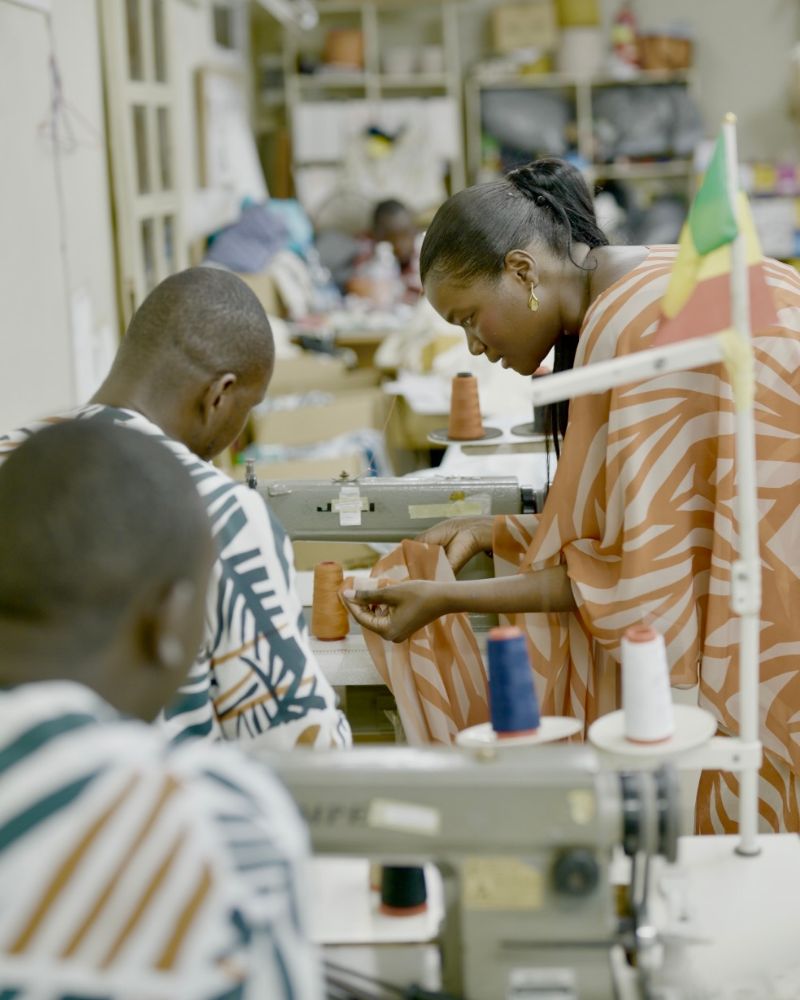
Togo’s ability to successfully strike a balance between modern creative innovation and cultural preservation will determine the country’s fashion future. Togolese fashion already has a solid foundation based on regional trade networks, youth expression, tailoring culture, and textile craftsmanship. Whether those strengths can develop into a long-term, sustainable creative infrastructure that can assist designers, craftspeople, and fashion entrepreneurs will determine the next phase of growth.
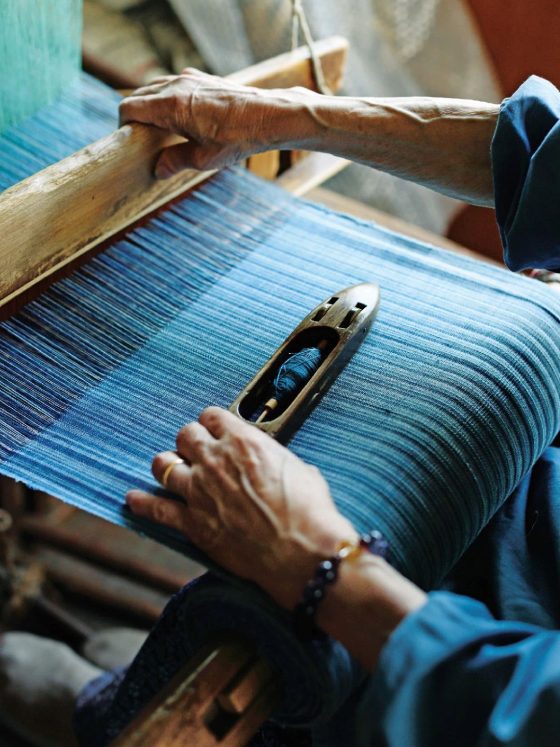
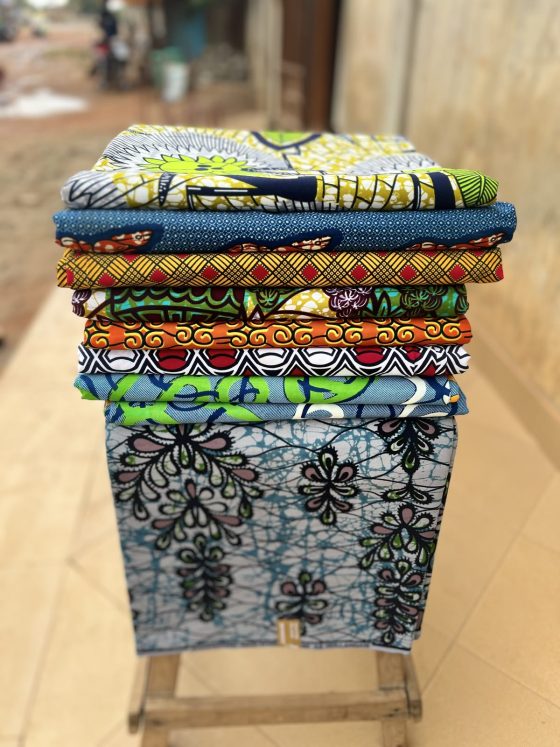
In Togo, fashion has always served purposes beyond aesthetics. Clothing has historically conveyed social standing, ceremonial identity, spirituality, ancestry, and cultural affiliation across various communities and geographical areas. Long before contemporary fashion industries emerged, Togolese identity was expressed through clothing, thanks to textile production, weaving customs, embroidery, dyeing techniques, and tailoring practices.
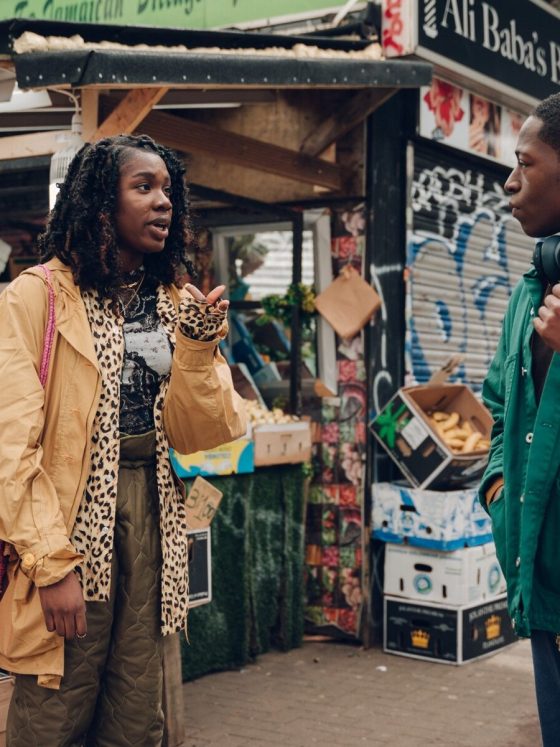
Through modern design language, digital fashion culture, and urban youth aesthetics, younger generations are still reshaping those traditions today. Cities like Lomé are becoming increasingly creative hubs where Afrocentric identity, streetwear, nightlife fashion, tailoring, and music culture converge. Without viewing either as culturally incompatible, young Togolese artists move fluidly between heritage and modernity.
This change is significant because antiquated frameworks that distinguish tradition from innovation continue to misrepresent African fashion globally. Togolese fashion shows that modern creativity and cultural preservation are not mutually exclusive. Cultural heritage itself frequently serves as the basis for innovation.
However, those same constraints have also promoted flexibility. To increase their visibility outside of conventional fashion systems, Togolese designers are using social media, digital branding, cultural storytelling, and independent creative collaboration.
Therefore, Togo’s current creative culture already contains the fashion of the future. The true question is whether policy, investment, and infrastructure will change quickly enough to sustain the innovation already revolutionising Togolese fashion from within.
The future of fashion in Togo depends on cultural preservation, youth creativity, textile craftsmanship, and stronger creative infrastructure.
Cultural Preservation Will Remain Central to Fashion in Togo
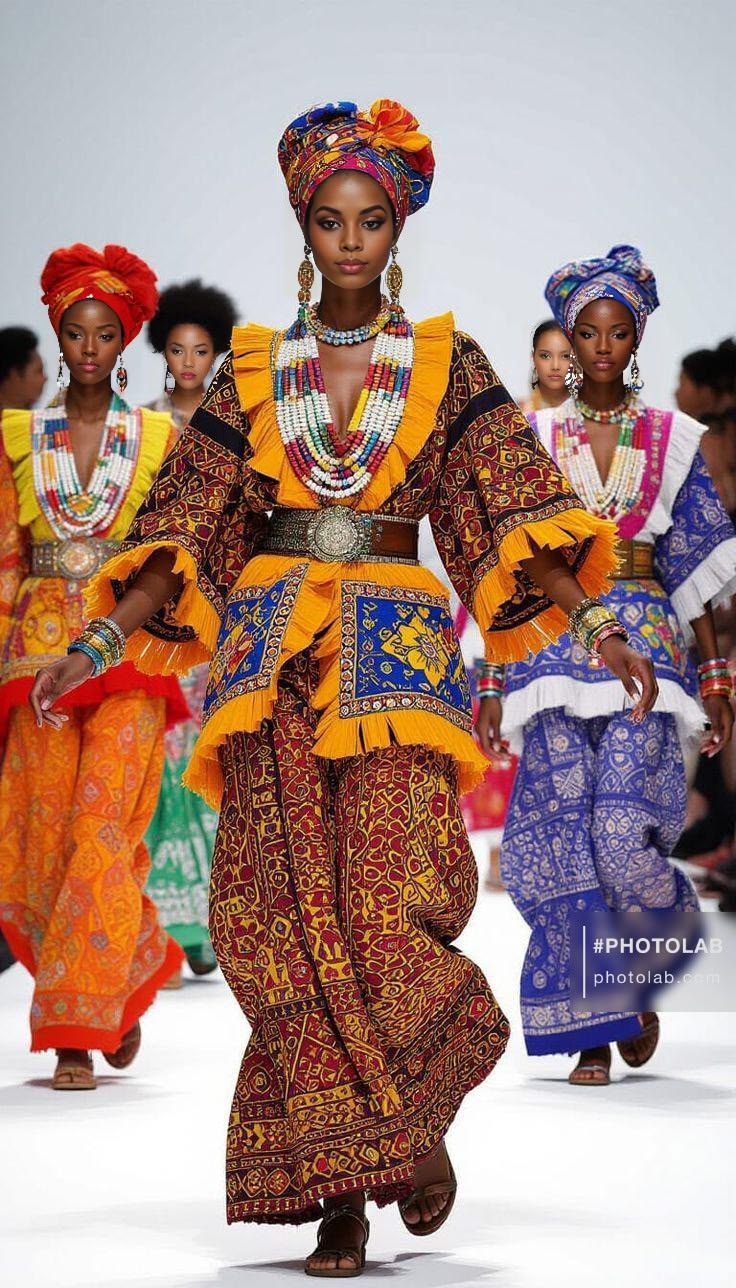
The future of fashion in Togo will continue to be shaped by cultural preservation, as clothing has historically held social significance that extends well beyond aesthetics.
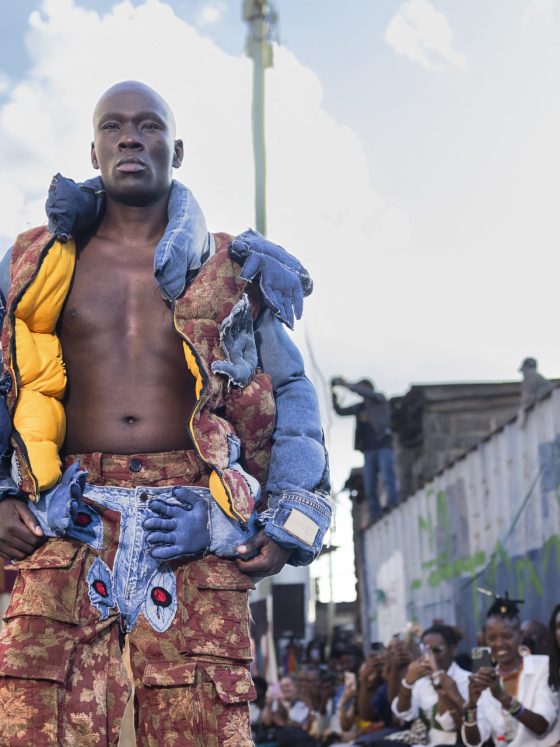
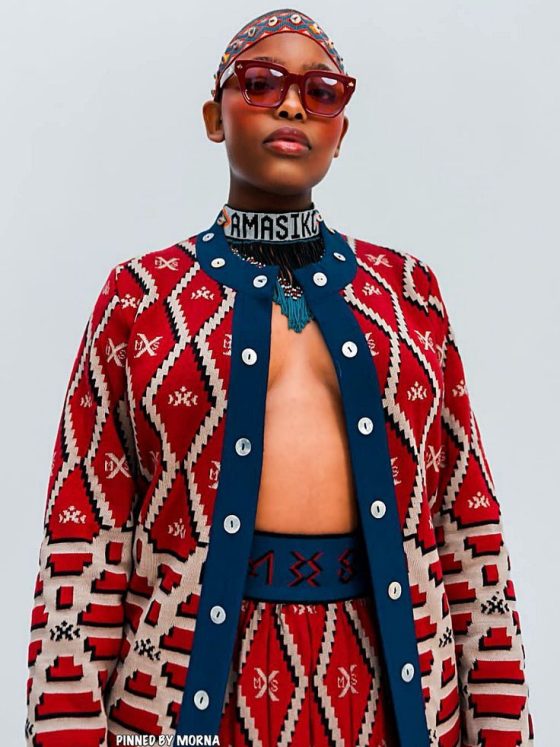
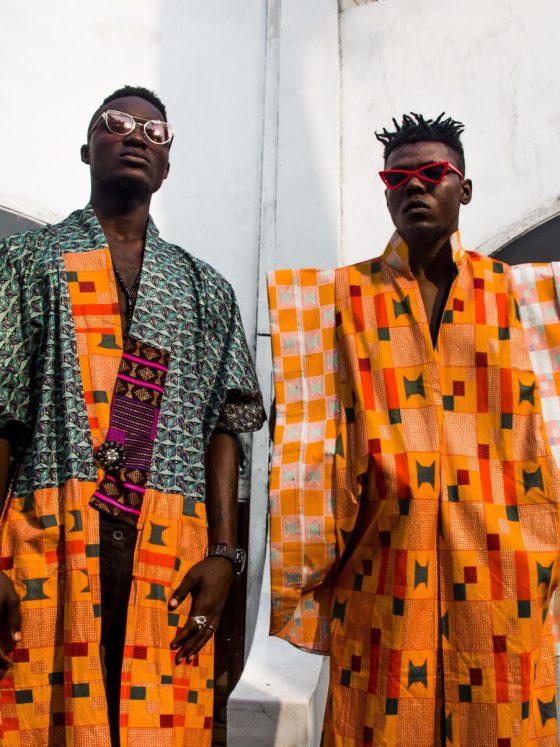
Textiles, embroidery, woven clothing, ceremonial attire, and tailoring customs have historically represented identity, authority, spirituality, and social belonging among Togo’s various ethnic communities. Instead of giving up on these traditions, modern Togolese designers are increasingly reinterpreting them through luxurious tailoring, modern Afrocentric aesthetics, experimental construction, and modern silhouettes.
The relationship between innovation and preservation is important because African fashion is frequently portrayed internationally through oversimplified narratives that claim modernity necessitates a break from tradition. The assumption is increasingly completely rejected by Togolese fashion. Instead of treating heritage as historical ornamentation, designers now view it as active, creative material.
Some artists use symbolic textile patterns and weaving customs to create contemporary clothing for urban audiences. Others use minimalist Afrocentric design, oversized tailoring, or streetwear-inspired silhouettes to reimagine ceremonial structures. Cultural preservation serves as an act of innovation rather than nostalgia in both situations.
In a similar vein, our write-ups on Togolese textile craftsmanship showed how artisanal production and weaving traditions continue to influence the nation’s modern fashion identity.
Economically, preservation is also important. In many communities, artisanal production systems, tailoring, embroidery, and handcrafted textiles offer jobs and cultural continuity. Local craftsmanship economies deteriorate if mass production and imported fast fashion completely eradicate cultural preservation.
Younger Togolese artists are also realising that maintaining culture does not entail permanently freezing it. Music, migration, technology, urbanisation, and generational shifts all contribute to the ongoing evolution of cultural identity. As a result, one area where those changes are evident is fashion.
Similar examples of African designers increasingly transforming cultural identity into a globally relevant contemporary design language can be found in brands like Orange Culture and Tongoro.
Therefore, whether cultural preservation continues to serve as a source of creative evolution rather than a static heritage performance will be crucial to the future of Togo’s fashion industry.
Youth Culture and Urban Creativity Are Redefining Togolese Fashion
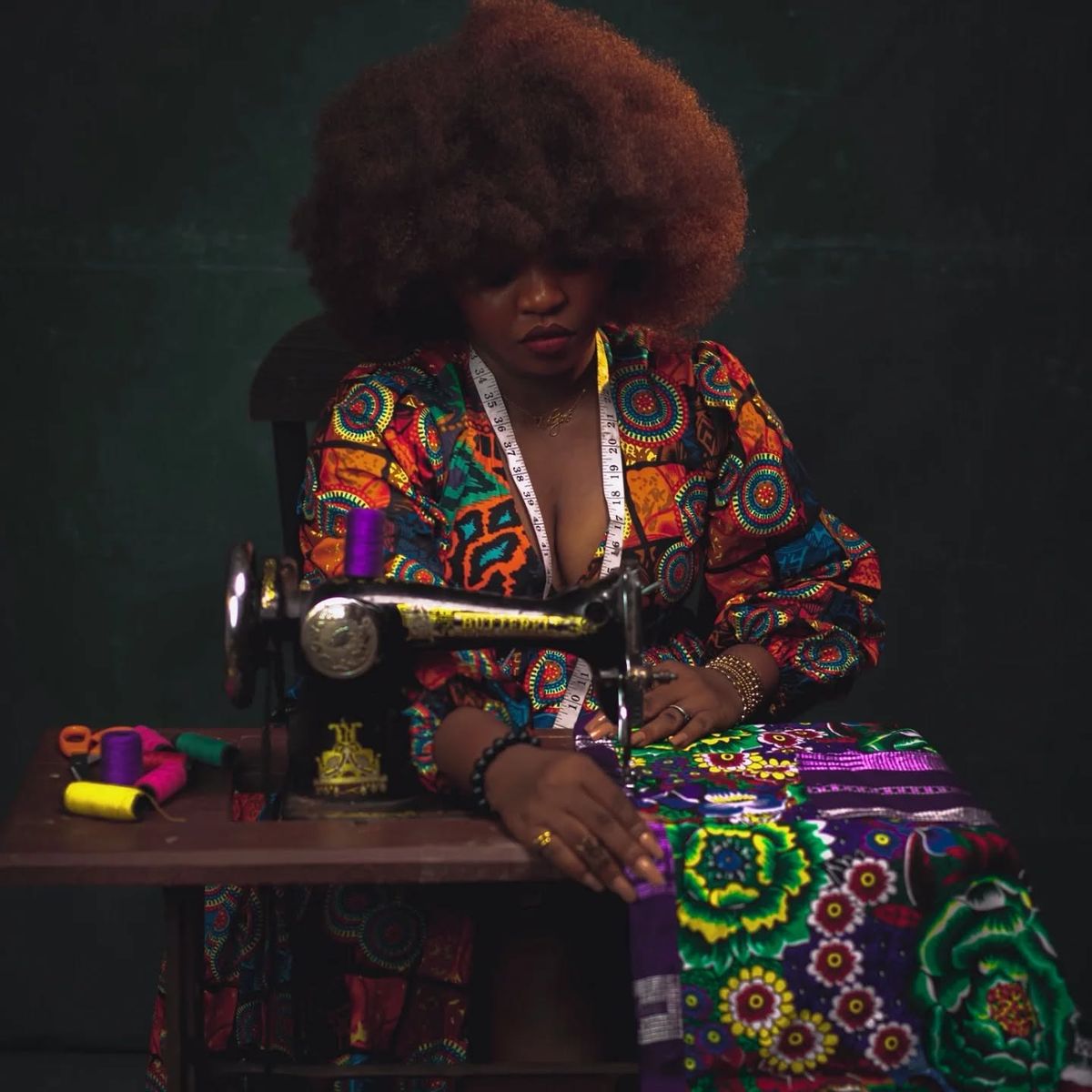
Urban youth culture, digital visibility, and modern creative entrepreneurship, particularly from Lomé, will all have a big impact on Togo’s fashion industry in the future.
Fashion is becoming a language of identity, ambition, music culture, and social engagement among young Togolese creatives. Streetwear, tailoring, sneakers, nightlife aesthetics, second-hand fashion markets, and digital image culture influence the evolution of style in modern Togolese cities.
Social media has drastically changed this process. Designers, stylists, photographers, and models in Togo can now directly present their work to broader African and international audiences without relying entirely on traditional fashion institutions, thanks to platforms like Instagram and TikTok.
Because digital culture lessens reliance on traditional fashion gatekeepers, this visibility is especially important for smaller African fashion economies. Through branding, photography, visual storytelling, and online fashion communities based on Afrocentric aesthetics, young designers can now gain recognition.
This change is already clearly reflected in Lomé’s urban youth culture. To create uniquely Togolese forms of expression, modern fashion in the city blends local inventiveness, nightlife culture, musical influences, tailoring traditions, and imported clothing.
Our examination of Lomé’s current youth fashion showed that, rather than merely copying trends, young people in the city already influence fashion through experimentation, adaptation, and cultural confidence.
However, Togo’s youth fashion also mirrors more general economic realities. Fashion intersects with photography, styling, music videos, beauty culture, tailoring, and social media marketing simultaneously within many young creatives’ unofficial entrepreneurial systems.
This flexibility is becoming a defining characteristic of African creative industries in general. In addition to making clothing, designers frequently work as creative directors, digital entrepreneurs, visual storytellers, and cultural commentators.
African companies like Ashluxe and Daily Paper also demonstrate how youth culture and digital visibility are increasingly influencing the direction of African fashion worldwide.
Therefore, whether urban creativity and digital entrepreneurship can develop into long-term creative sustainability will play a role in the future of Togo’s fashion industry.
ALSO READ:
Togolese Fashion Needs Stronger Infrastructure to Sustain Its Creativity
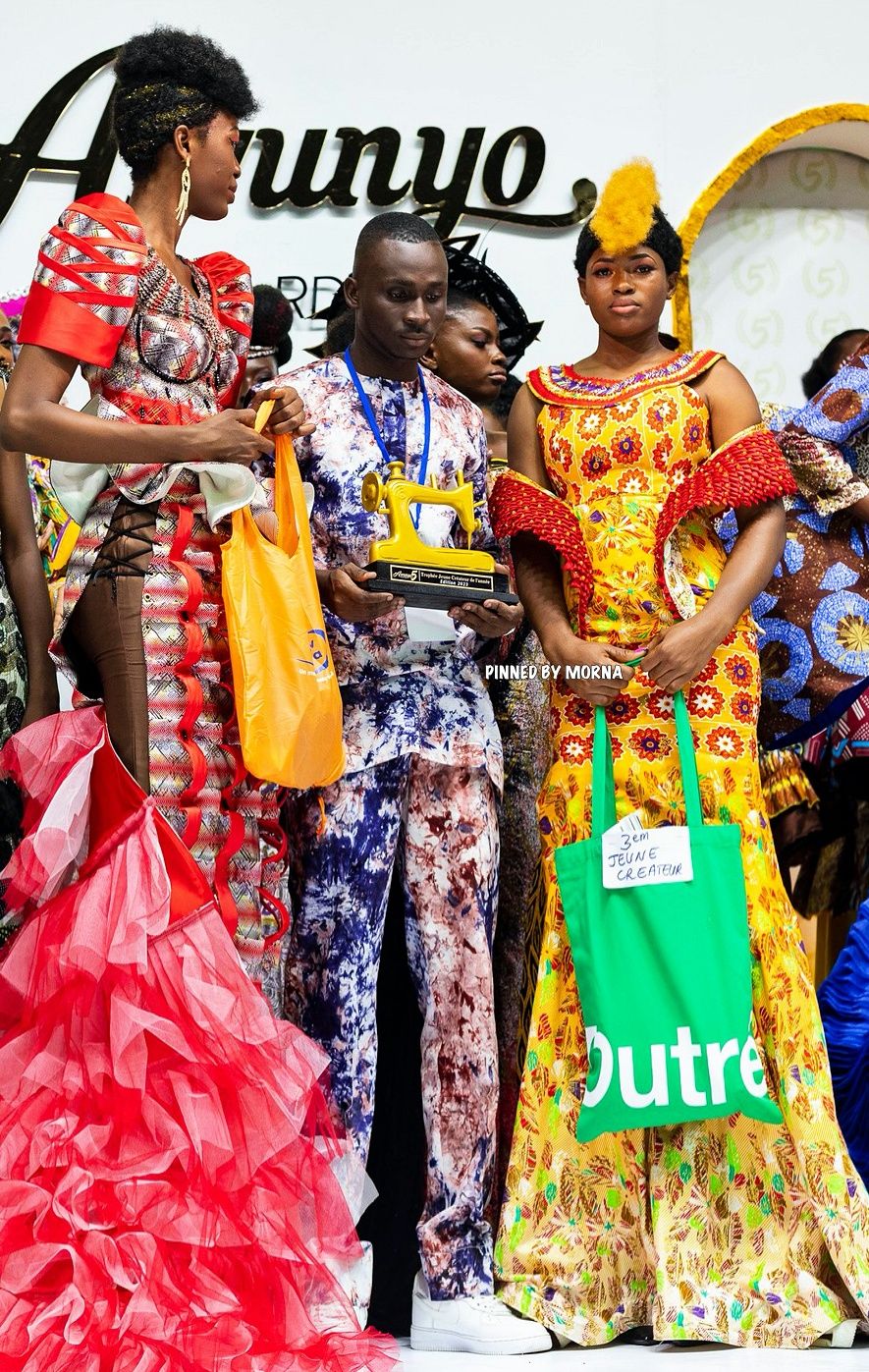
In the end, Togo’s fashion industry will rely not only on innovation but also on whether the nation’s current creative energy is supported by more robust infrastructure.
Through tailoring, textile interpretation, craftsmanship, cultural storytelling, and urban fashion experimentation, Togolese designers already exhibit innovation. Nonetheless, many creatives continue to work in sectors that lack infrastructure for fashion education, large-scale manufacturing, investment opportunities, and global media exposure.
Fashion industries struggle to grow sustainably beyond small production systems and independent entrepreneurship without more robust structural support.
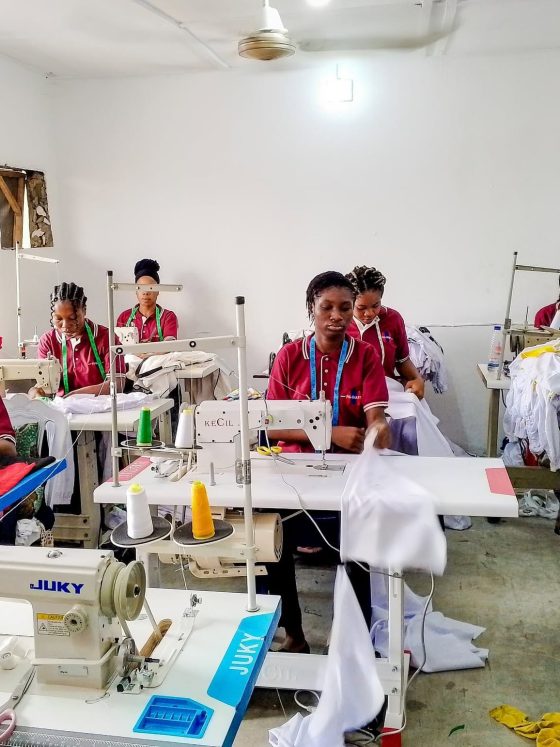
One of the most solid pillars of Togolese fashion development is still the tailoring culture. Because tailored clothing clearly conveys elegance, ceremony, professionalism, and identity, it continues to hold significant social significance throughout Togo. As a result, many modern designers come straight from tailoring backgrounds before starting their own fashion brands.
Our analysis of ceremonial dress customs also revealed this connection between identity and tailoring, as clothing has historically represented social structure, ceremonial belonging, and community visibility throughout Togolese society.
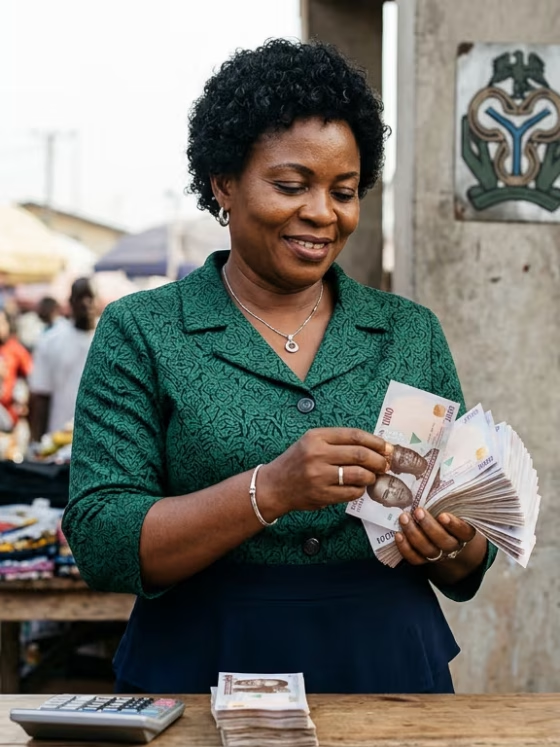
Investments in textile production, fashion schools, photography platforms, manufacturing systems, runway infrastructure, and artisan support initiatives could greatly strengthen the nation’s creative economy. Togo already has a rich cultural heritage and artistic ability. Structural investment is still scarce.
However, Togolese fashion need not completely mimic Western fashion systems to flourish. Rather than relying on traditional luxury-fashion structures, many African creative industries are growing through hybrid systems that combine digital entrepreneurship, independent branding, tailoring, and craftsmanship.
Similarly, companies like Hanifa and Boyedoe show how African fashion is increasingly establishing authority through Afrocentric identity, digital visibility, and cultural storytelling rather than just being close to European fashion institutions.
Therefore, Togo’s fashion industry’s future hinges on how quickly infrastructure develops to accommodate the innovation that is already changing the nation’s fashion culture from within.
The Omiren Argument
Instead of giving up tradition in favour of modernity, Togo’s fashion industry will rely on turning cultural preservation into the basis for cutting-edge creative innovation.
Through textile craftsmanship, tailoring culture, the inventiveness of urban youth, and ceremonial dress customs that continue to shape modern identity throughout the nation, Togo already has solid fashion foundations.
Togolese creatives already develop modern fashion systems through digital entrepreneurship, tailoring networks, Afrocentric storytelling, and reinterpretations of heritage that serve as sources of contemporary design innovation, despite their lack of infrastructure and low international visibility compared to larger African fashion industries.
This distinction alters the understanding of African fashion futures. African fashion industries do not become more creative once tradition has vanished. It arises from designers’ constant reinterpretation of preexisting cultural systems amid shifting generational identities, urban realities, and digital visibility.
Therefore, the future of Togo’s fashion industry rests on whether institutions, investors, media outlets, and cultural sectors acknowledge that the nation’s greatest fashion advantage already lies in its youthful inventiveness, craftsmanship traditions, and developing cultural identity.
Frequently Asked Questions (FAQs):
- What is the future of fashion in Togo?
The future of fashion in Togo will likely be shaped by cultural preservation, youth creativity, digital entrepreneurship, tailoring traditions, and stronger investment in creative infrastructure.
- How does cultural heritage influence fashion in Togo?
Cultural heritage influences Togolese fashion through weaving traditions, ceremonial clothing, textile craftsmanship, embroidery, tailoring systems, and symbolic dress practices adapted into contemporary design.
- Why is youth culture important to fashion in Togo?
Youth culture shapes fashion through streetwear, music influence, nightlife aesthetics, digital creativity, and urban identity, especially in cities such as Lomé.
- Can Togo develop a larger fashion industry?
Yes. Togo already possesses strong traditions of craftsmanship and creative talent. Long-term industry growth will depend on investment in production systems, education, fashion media, and infrastructure.
- How are Togolese designers using digital platforms?
Many Togolese designers use Instagram, TikTok, photography, and online branding to showcase collections, build audiences, and participate in contemporary African fashion conversations globally.
EXPLORE MORE:
Through editorials centred on identity, craftsmanship, urban life, and cultural transformation, the Omiren Styles Editorial Team covers Afrocentric fashion, African creative industries, textile heritage, and contemporary design culture.
Visit Omiren Styles to learn more about African fashion industries, textile heritage, designers, and Afrocentric creative culture.