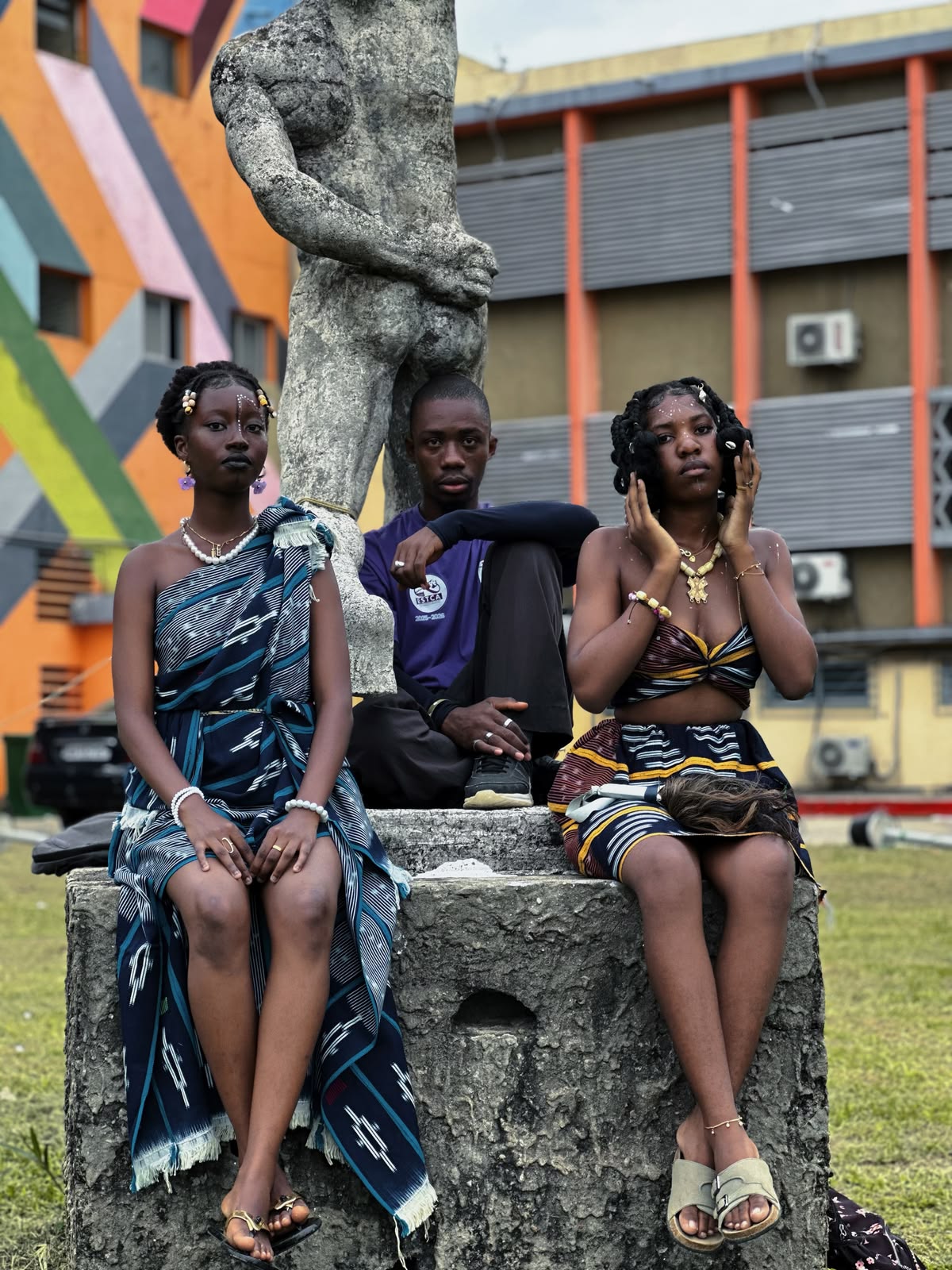
Benin’s ability to successfully integrate youth creativity, textile craftsmanship, cultural heritage, and modern design innovation into a sustainable fashion industry capable of expanding beyond local visibility will determine the country’s fashion future. The cultural underpinnings required for a strong fashion economy are already present in the Benin Republic. Building the institutional support, funding, and infrastructure necessary to maintain the current level of creativity is the current challenge.
In Benin, fashion has always been more than just ornamentation. Throughout history, clothing has been used by various ethnic groups and geographic regions to convey spirituality, royalty, a sense of community belonging, political status, and ceremonial identity. Long before contemporary fashion industries emerged, Beninese society’s fashion evolved socially through textile customs, embroidery techniques, tailoring practices, and symbolic dress practices.
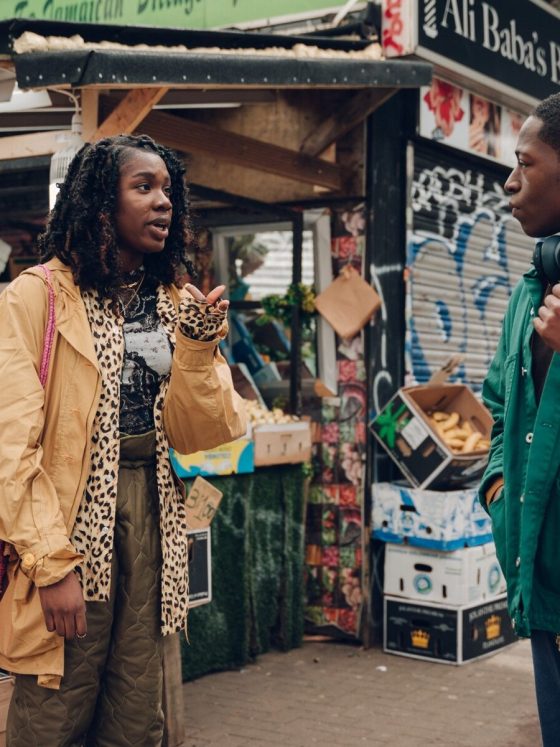
These customs are still being transformed into modern African fashion language by younger designers, stylists, photographers, and fashion entrepreneurs. In particular, Cotonou has developed into a burgeoning hub for youth fashion culture, where streetwear aesthetics, nightlife inventiveness, tailoring, musical influence, and digital fashion visibility constantly converge. Young Beninese artists are increasingly balancing modernity and heritage without viewing either as culturally incompatible.
This change is significant because African fashion industries are still often analysed using antiquated presumptions that treat modern fashion as distinct from African tradition. Beninese fashion is increasingly rejecting that framework outright. Instead of moving away from local cultural history, contemporary creativity in Benin is directly influenced by it.
However, the nation’s fashion future cannot rely solely on innovation. Compared with larger African fashion economies, Benin continues to face structural challenges, including underdeveloped manufacturing systems, uneven investment, inadequate infrastructure for fashion education, and low international media visibility. Instead of receiving institutional support, many designers continue to produce influential work through independent entrepreneurship.
However, highly adaptive creative systems have also been produced by those same conditions. Benin’s fashion entrepreneurs are increasingly using digital media, independent branding, tailoring culture, and Afrocentric storytelling to place themselves in regional and global discussions of contemporary African fashion.
Therefore, Benin’s current creative culture already contains the fashion of the future. The question is whether the value of what Beninese creatives are already creating will be acknowledged by institutions, investors, and the cultural sector.
The future of fashion in Benin depends on cultural heritage, youth creativity, textile innovation, and stronger local fashion infrastructure.
Cultural Heritage Will Continue Defining Fashion in Benin
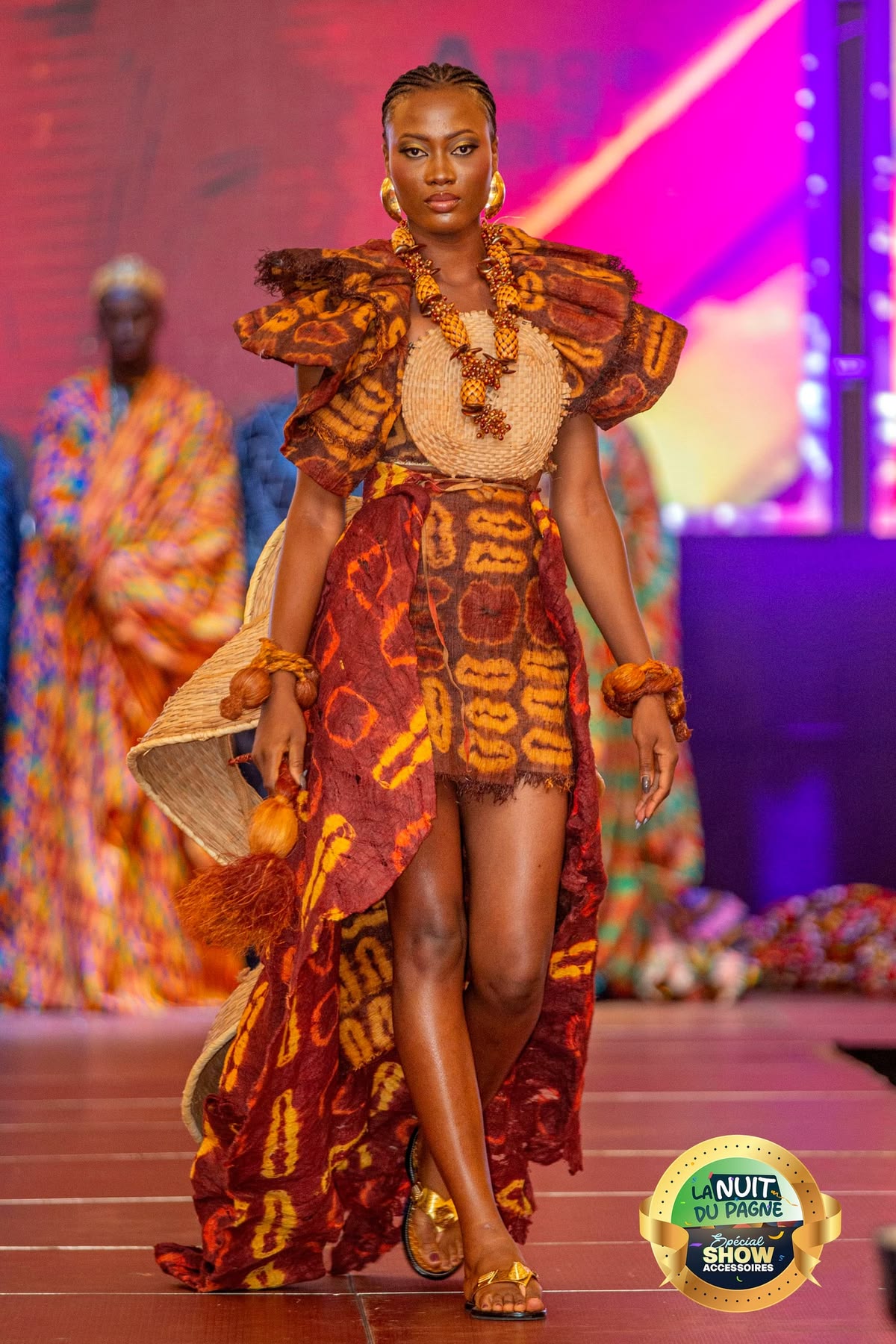
Because fashion in Benin has always served as a vehicle for social and cultural communication rather than mere surface aesthetics, cultural heritage will continue to be one of the most powerful factors shaping the industry’s future.
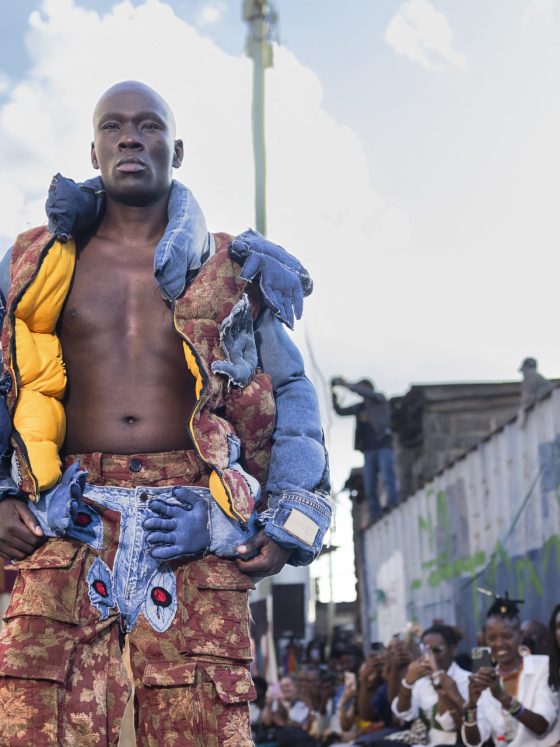
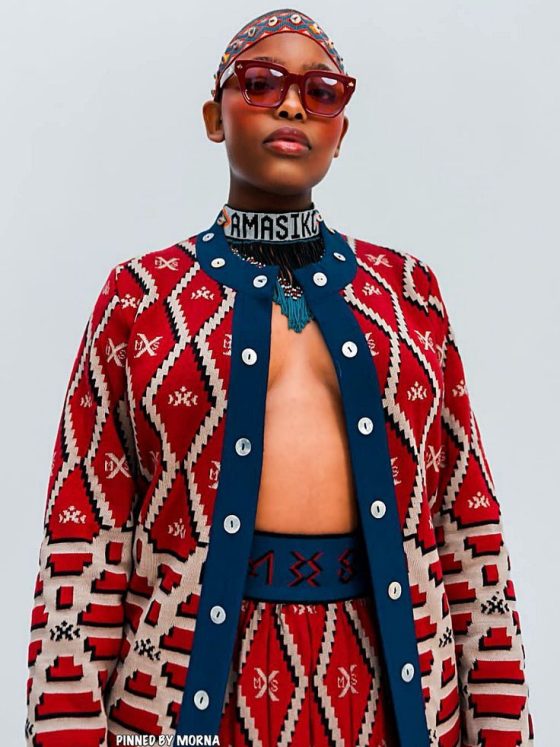
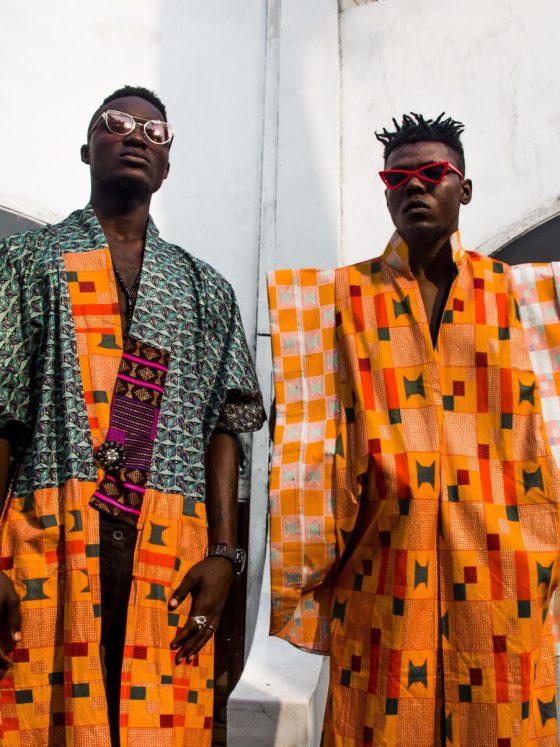
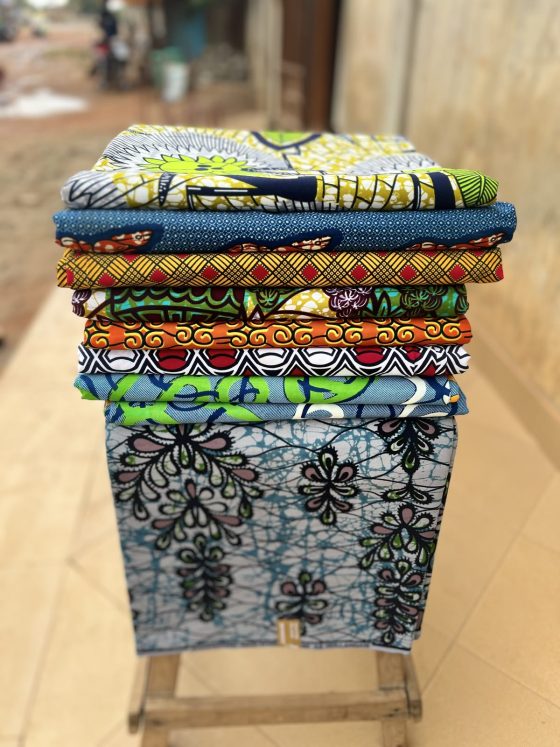
In the past, ceremonial attire, royal dress customs, embroidery techniques, symbolic fabrics, beadwork, and textile craftsmanship associated with particular communities and social structures were all ways that clothing in the Benin Republic represented identity. Instead of completely eschewing these historical allusions, modern designers are increasingly reinterpreting them through streetwear influence, luxury construction, modern tailoring, and modern silhouettes.
Because African fashion industries are often pressured from abroad to choose between cultural tradition and contemporary relevance, the relationship between heritage and modernity is particularly significant. Beninese designers are increasingly rejecting that division outright. African fashion already incorporates innovation within its own cultural systems, as its work shows.
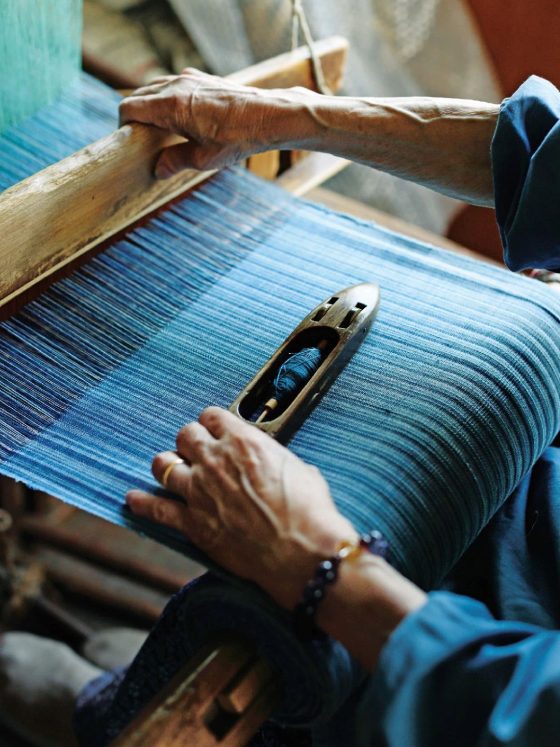
Some artists use indigenous craftsmanship, symbolic patterns, and traditional weaving methods to create contemporary clothing. Others use modern Afrocentric style associated with urban youth culture, minimalist aesthetics, or oversized tailoring to reimagine ceremonial structures. Both strategies are still closely linked to Beninese identity.
Long before international fashion systems tried to commercialise African aesthetics, Beninese communities used fabrics to communicate authority, spirituality, and social belonging. This was the focus of our study of symbolic textile traditions in the Republic of Benin.
Additionally, younger generations are beginning to see cultural heritage as flexible rather than static. In modern Beninese fashion, heritage does not serve as a form of nostalgia. It serves as creative material that can adapt to shifting urban identities, digital fashion culture, and contemporary design language.
Similar examples of how African designers are increasingly using cultural identity as a source of contemporary creative authority rather than merely as a historical reference can be found in African brands like Tongoro and Boyedoe.
Therefore, whether designers continue to turn tradition into innovation without reducing culture to aesthetic performance for global audiences will have a significant impact on the future of Benin’s fashion industry.
Youth Culture and Digital Creativity Are Transforming Benin’s Fashion Industry
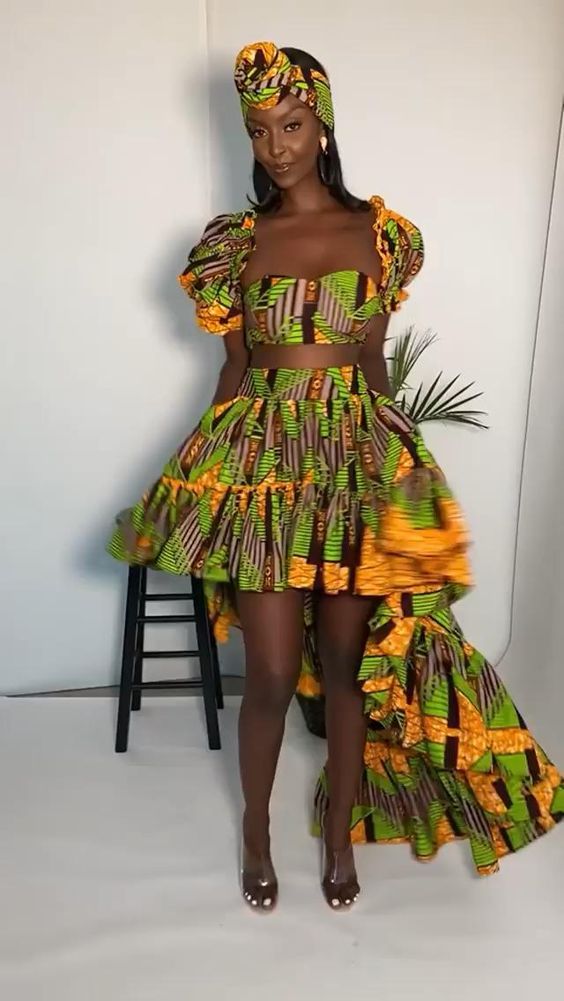
Youth culture, digital visibility, and creative entrepreneurship that emerge primarily from urban centres such as Cotonou and Porto-Novo will also play a major role in shaping Benin’s fashion industry.
Through music culture, nightlife aesthetics, tailoring experimentation, social media influence, and modern streetwear, young people are increasingly driving fashion trends throughout Benin. Fashion now operates through urban identity, self-expression, and digital image culture in addition to ceremonial dressing systems.
Social media has drastically changed this process. Beninese creatives can now exhibit their collections globally without relying solely on traditional fashion gatekeepers, thanks to Instagram, TikTok, fashion photography, and online African fashion platforms. Through storytelling, editorial campaigns, and visual branding rooted in Afrocentric identity and modern African aesthetics, designers are becoming increasingly visible.
Because online visibility reduces reliance on conventional global fashion infrastructure, this digital transformation is particularly important for smaller African fashion economies such as Benin. Through content creation and the development of digital communities, young designers can now directly contribute to regional and global fashion discussions.
In addition, Benin’s youth fashion culture reflects the nation’s unique social and economic conditions. Streetwear, second-hand clothing markets, custom tailoring, sneakers, nightlife fashion, and musical aesthetics influence young people’s perceptions of style in modern urban Beninese life.
In a similar vein, our study of Cotonou’s urban youth style showed how modern Beninese fashion already reflects a sophisticated fusion of urban creativity, global influence, and local identity.
The future of the nation’s fashion industry will likely depend increasingly on digital entrepreneurship. Due to the limitations of traditional fashion infrastructure, many designers already integrate social media marketing, styling, photography, fashion consulting, tailoring, and direct online sales simultaneously.
Modern African brands like Ashluxe and Daily Paper demonstrate how cultural branding and digital storytelling are increasingly influencing contemporary African fashion economies worldwide.
Therefore, the ability of young creatives to convert digital visibility into long-term institutional growth and economic sustainability will be crucial to the future of fashion in Benin.
ALSO READ:
Benin’s Fashion Future Depends on Infrastructure as Much as Creativity
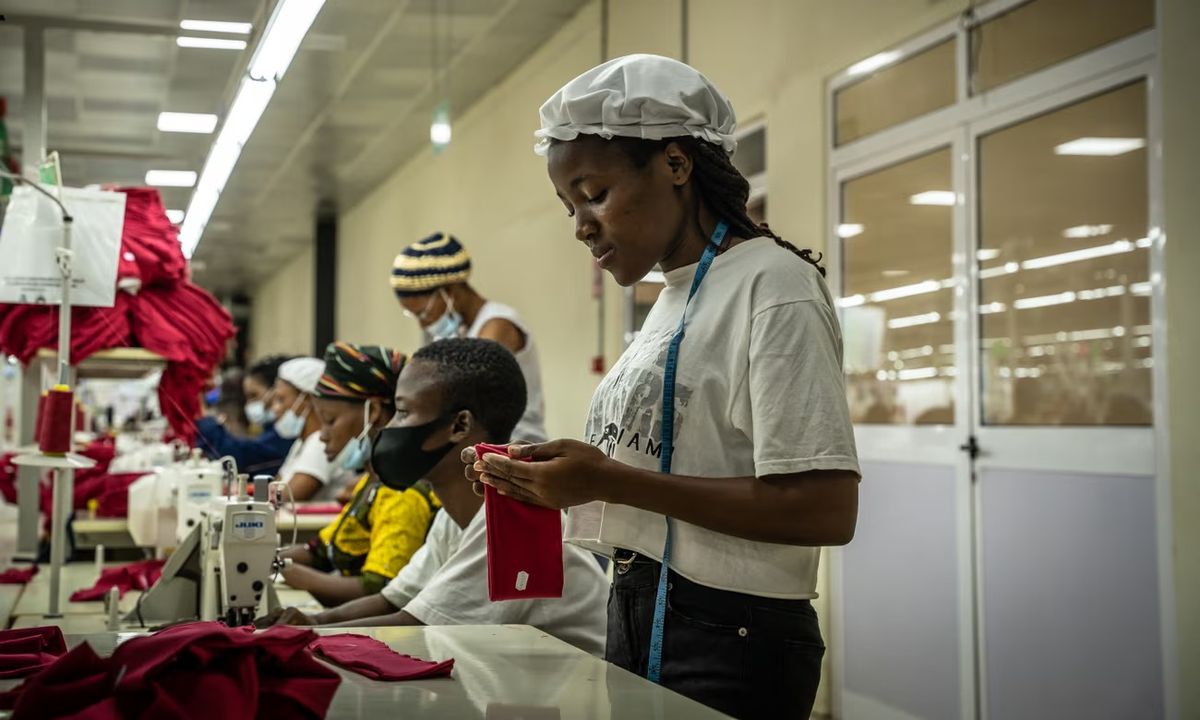
In the end, Benin’s fashion industry’s future depends not only on its creative talent but also on whether the nation builds a more robust infrastructure capable of sustaining long-term industry growth.
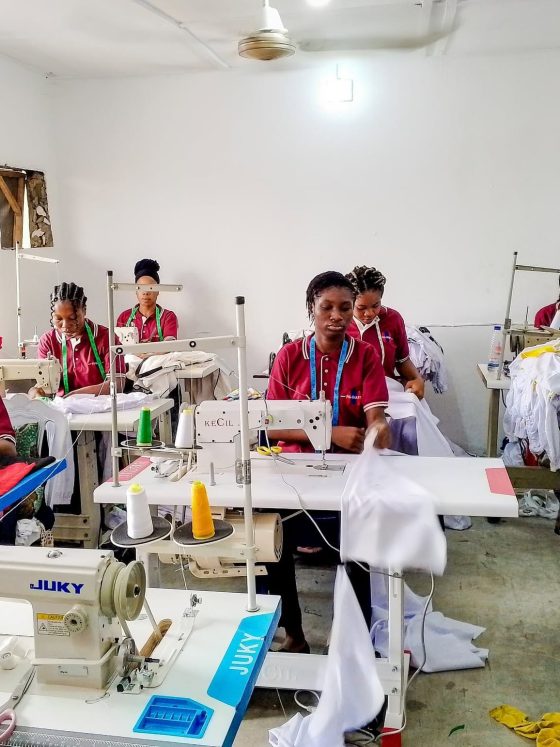
Through tailoring, textile interpretation, cultural storytelling, entrepreneurship, and innovative modern design, Beninese designers already exhibit a high level of creativity. Nonetheless, many creatives continue to work in sectors that lack media infrastructure, fashion schools, large-scale production systems, manufacturing investment, and long-term funding sources.
Fashion industries struggle to develop into long-lasting creative economies that reliably support designers without more robust structural support.
One of the best pillars for Benin’s fashion future at the moment is the tailoring culture. Because tailored clothing clearly conveys elegance, professionalism, celebration, and social identity, it remains socially significant nationwide. As a result, many designers start in tailoring systems before moving on to independent labels and fashion entrepreneurship.
Our examination of fashion identity in the Benin Republic, where clothing historically represented social authority, ceremonial belonging, and cultural visibility, also revealed this connection between tailoring and modern design.
The nation’s capacity to support up-and-coming designers, both locally and globally, could be greatly enhanced by investments in textile production, fashion education, photography, creative media, runway platforms, and manufacturing infrastructure. Benin already has the cultural resources needed to advance fashion. Stronger institutional development is the missing component.
Simultaneously, smaller African fashion industries are increasingly showing that innovation doesn’t always mean directly imitating Western production models. Beninese designers already use flexible systems influenced by regional craftsmanship traditions, economic realities, and entrepreneurial adaptability.
In a similar vein, brands like Orange Culture and Hanifa demonstrate how African designers are increasingly gaining international recognition through independent creative identity, digital culture, and storytelling, rather than relying solely on conventional fashion structures.
Therefore, whether infrastructure develops fast enough to support the creative direction already emerging from the nation’s designers, tailors, stylists, and youth culture will determine the future of fashion in Benin.
The Omiren Argument
Benin’s ability to replicate larger international fashion industries won’t determine the country’s fashion future; rather, it will depend on its ability to develop sustainable infrastructure around its existing cultural creativity.
Because of its rich textile history, tailoring culture, youth inventiveness, ceremonial identity, and modern Afrocentric design innovation, Benin already has solid fashion foundations. However, many designers continue to work independently across industries with little manufacturing or institutional support.
Through digital entrepreneurship, tailoring systems, urban youth identity, and reinterpretations of cultural heritage that already serve as contemporary innovations rather than mere historical preservation, Beninese creatives continue to shape influential fashion culture despite these structural constraints.
This distinction alters the global understanding of African fashion futures. In Africa, fashion innovation doesn’t start when Western approval arrives. It already exists within regional creative ecosystems where designers constantly transform culture via social engagement, entrepreneurship, and adaptation.
Therefore, whether Benin decides to make structural investments in the creativity already transforming its cities, tailoring workshops, digital platforms, and contemporary cultural identity will determine the country’s fashion future. There is already a direction. To maintain it, the infrastructure must now change.
Frequently Asked Questions (FAQs):
- What is the future of fashion in Benin?
The future of fashion in Benin will likely be shaped by cultural heritage, youth creativity, digital entrepreneurship, tailoring culture, and stronger investment in creative infrastructure.
- How does heritage influence fashion in Benin?
Heritage influences Beninese fashion through symbolic textiles, ceremonial clothing traditions, embroidery practices, tailoring systems, and cultural storytelling adapted into contemporary design.
- Why is youth culture important to fashion in Benin?
Youth culture shapes fashion through streetwear, music influence, nightlife aesthetics, social media visibility, and contemporary urban identity emerging largely from cities such as Cotonou.
- Can Benin build a larger fashion industry?
Yes. Benin already possesses strong cultural creativity and tailoring traditions. Industry growth will depend on investment in production systems, education, media platforms, and fashion infrastructure.
- How are Beninese designers using digital platforms?
Many Beninese designers use Instagram, TikTok, photography, and online branding to showcase collections, reach wider audiences, and participate in contemporary African fashion conversations internationally.
EXPLORE MORE
Through editorials centred on identity, craftsmanship, urban life, and cultural transformation, the Omiren Styles Editorial Team covers Afrocentric fashion, African creative industries, textile heritage, and contemporary design culture.
Visit Omiren Styles to learn more about African fashion industries, textile heritage, designers, and Afrocentric creative culture.