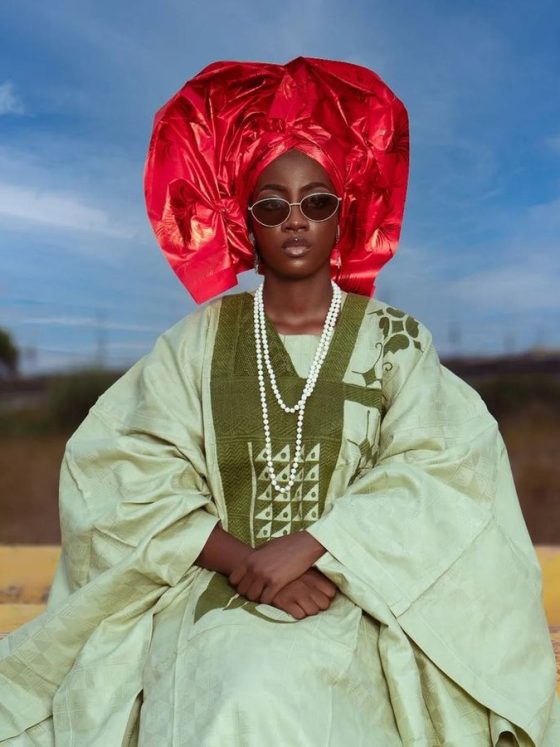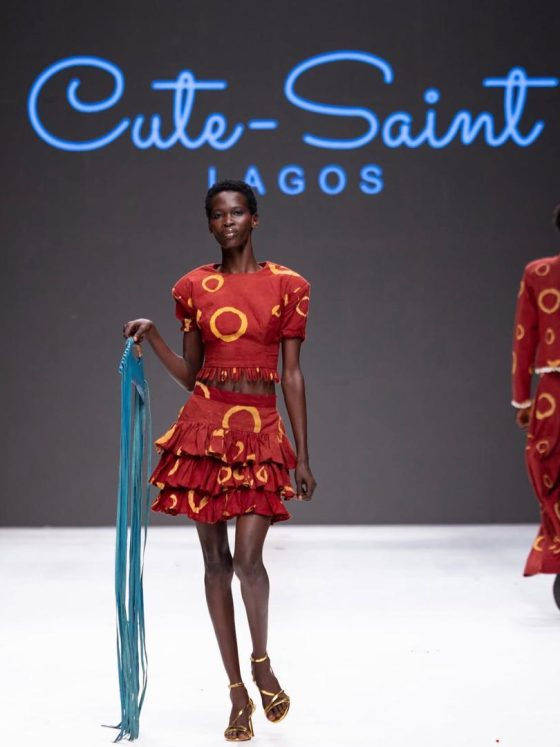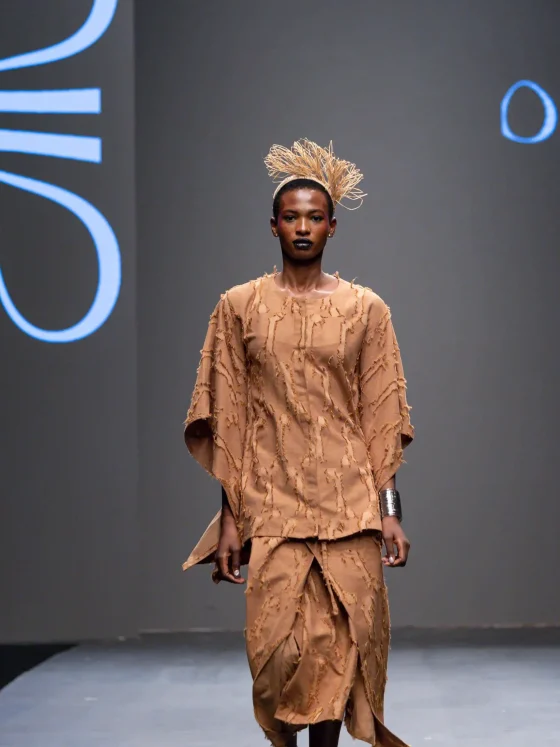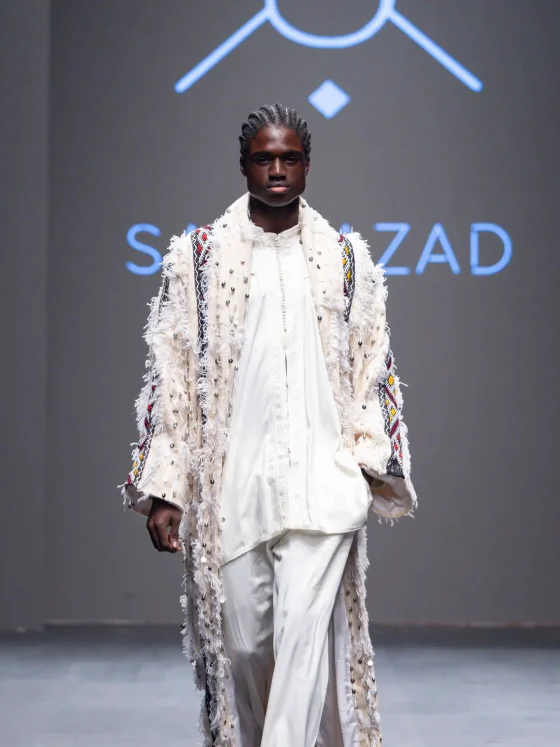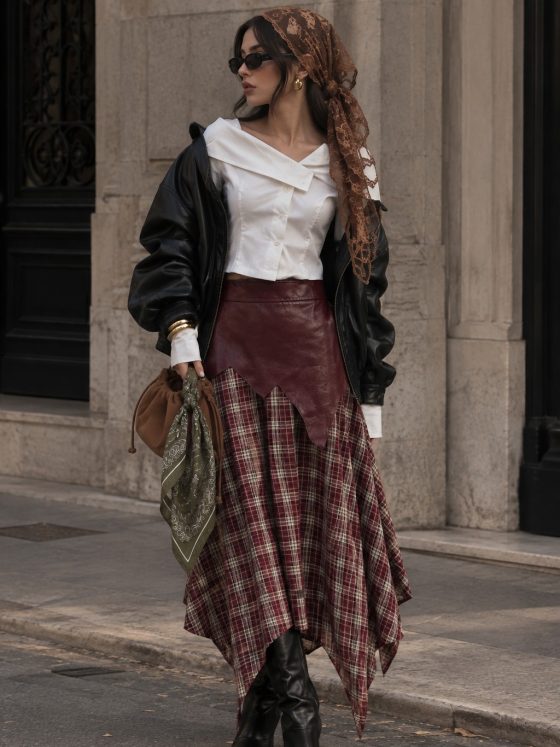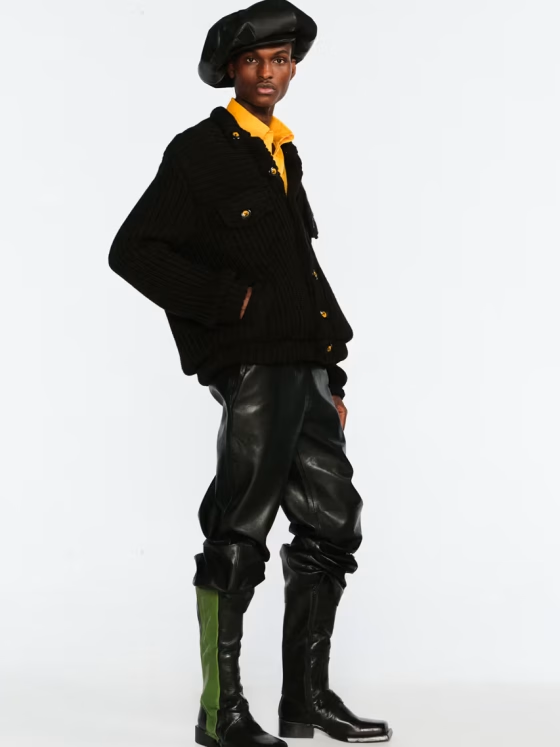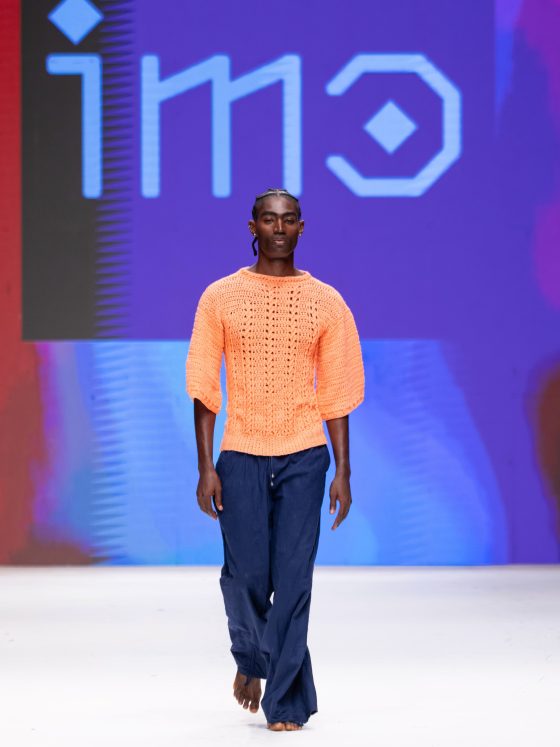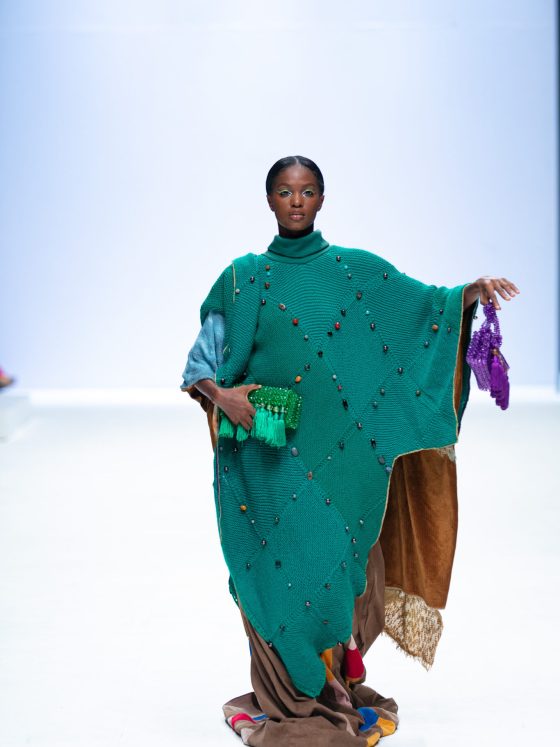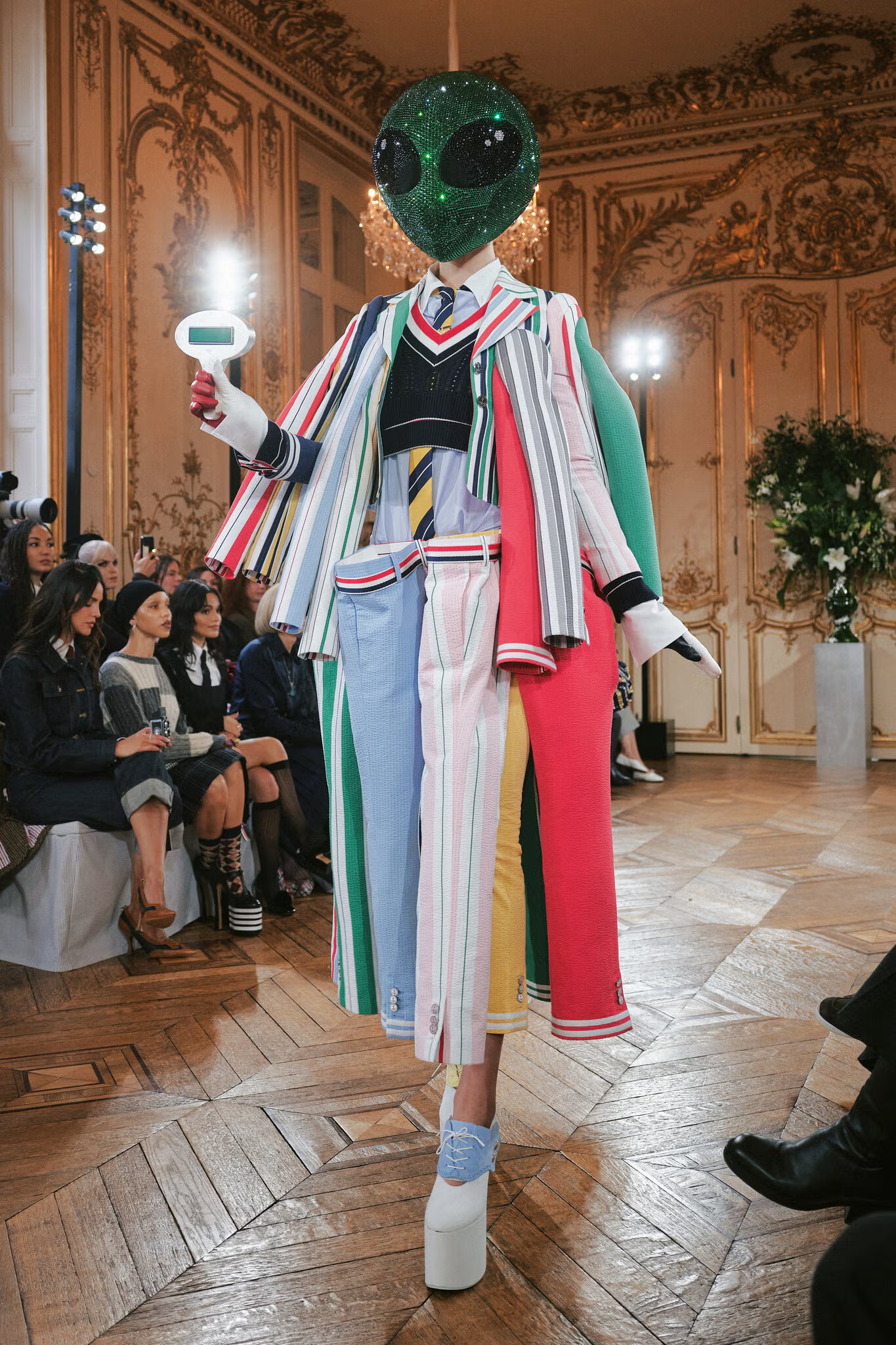
A photograph can show the outline of a dress without explaining what holds that outline in place. It can reveal an exposed seam without establishing whether the garment is comfortable, durable or consistently produced. That distinction matters whenever a description moves from a visible effect to an explanation of how it was achieved. A dress may appear unstructured. Whether it actually lacks internal support is a different question. The Victoria and Albert Museum’s investigation of a 1965 Cristóbal Balenciaga evening dress made for Ava Gardner makes the difference concrete.
The pale pink garment, known as “La Tulipe,” appears simple from the outside. X-ray research conducted with artist Nick Veasey revealed complex internal construction, including boning and corsetry. Its outward simplicity was not a complete account of its making. The lesson is not that every garment needs forensic investigation. It is that criticism should distinguish what an image shows, what documentation establishes and what the writer interprets.
Learn what fashion photographs reveal about shape and detail, why other views matter, and when construction or comfort claims need more evidence.
Describe the Visible Shape First
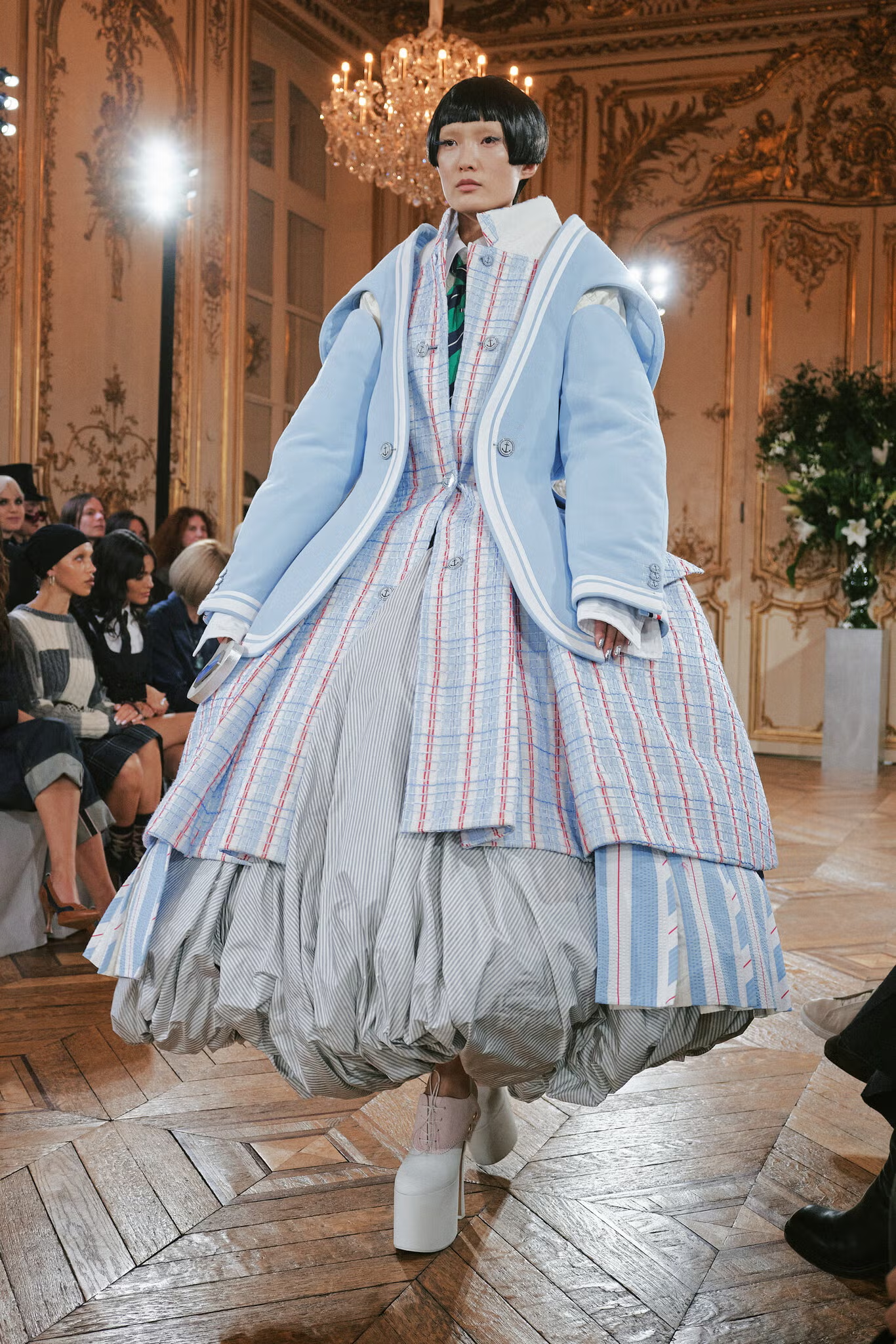
Before calling a garment architectural, fluid or effortless, describe the feature that prompted the word. Does the fabric stand away from the torso? Is volume concentrated at the shoulder or hem? Does the outline narrow, widen or change direction? Which details remain visible, and which are obscured? These questions give an interpretation a foundation. “Architectural” becomes more useful when the reader knows whether it refers to a projecting panel, a rigid outline or a relationship between separate volumes. In its construction study of Balenciaga’s tulip dress, the V&A identifies stiff silk gazar as a contributor to the shape.
It describes fabric joined at the centre front and centre back, without side seams, and a second panel hanging from the shoulders and secured beneath the arms. That arrangement creates the appearance of looseness. The museum’s documentation explains what an exterior image alone cannot establish. A critic can describe the visible effect without knowing every technical detail. The error comes when a plausible explanation is presented as an observed fact.
Follow the Garment Beyond the Front.
A front-facing photograph is one view, not the whole design. The V&A describes the tulip dress’s plain front as reserving interest for the back, where a large bow changes the composition. The contrast between those views is part of the garment’s design. An assessment based only on the front would miss that relationship. When other views are available, use them to test the first impression. Does a restrained front give way to rear volume? Does a side view reveal that the garment projects away from the body? Does a fastening reinforce the main lines or interrupt them?
The point is not to demand spectacle from every angle. A continuous silhouette can be as deliberate as a dramatic change. The task is to establish which decision has been made. The presentation format matters too. Omiren’s guide to collections, campaigns and lookbooks distinguishes the clothes from the material used to present them. A campaign can communicate a collection’s atmosphere without documenting every garment, while a sequence of lookbook images may provide more opportunities to compare visible proportions and details. Neither format should be assumed exhaustive.
Separate Appearance From Construction
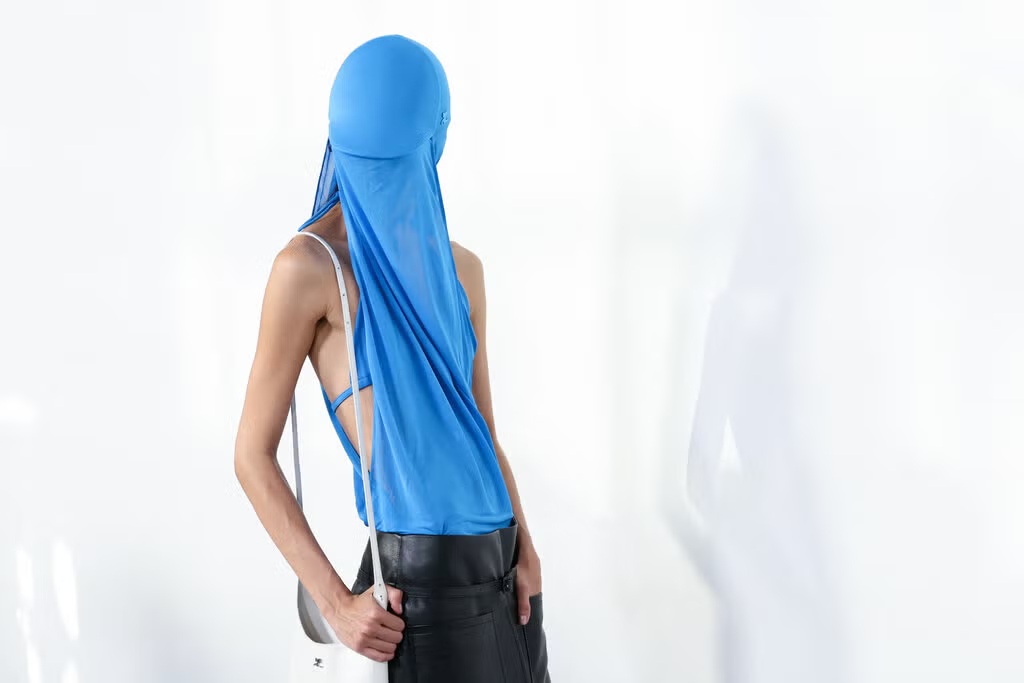
The difference between a weak claim and a supportable one is often a matter of precision. Consider this hypothetical description:
“The dress’s effortless construction makes it comfortable.”
The sentence makes two claims that an exterior photograph cannot settle. It characterises the construction and asserts a wearing experience. A more defensible description of the documented tulip dress would be:
“The dress appears to stand away from the torso. The V&A identifies stiff silk gazar and a particular arrangement of panels as contributors to that effect.”
The second version identifies the visible result, attributes the technical explanation and avoids inventing a wearer’s experience. That is not merely cautious wording. It gives the reader more information. It also prevents hidden complexity from becoming a status symbol. The V&A’s research shows that apparent simplicity can conceal substantial support, but this does not make internal complexity a universal measure of design quality. As an editorial principle, the relevant question is what a construction decision achieves. An elaborate interior should not receive automatic praise, and a restrained one should not receive automatic suspicion. The assessment must connect the technique to the garment’s purpose and result.
Observe What Movement Adds
A still image records one arrangement. Moving footage can show how that arrangement changes. The V&A’s study of a 1954 Balenciaga evening dress describes silk taffeta shaped through “bagging out”, creating spaces that fill with air as the wearer walks. Hoops support the fabric, while ties near the hem lift and amplify its ballooning effect. Here, movement belongs to the documented design rather than simply the presentation around it.
When footage is available, watch for changes: a skirt expanding during a turn, a back panel settling, a hem lifting or a silhouette appearing briefly in one pose. Then keep the language close to the observation. “The skirt lifts as the wearer turns” describes what happens in the sequence. “The skirt allows unrestricted movement” makes a broader claim. “The garment is comfortable” goes further still. Footage can extend an assessment of appearance and behaviour. It cannot substitute for testimony or testing of how the garment feels.
Match the judgement to the evidence.
A useful review makes its basis visible.
| Material available | What it can support |
| A front-facing photograph | Description of the visible outline, colour arrangement and details |
| Several angles | Comparison of proportions and visible relationships across views |
| Moving footage | Description of behaviour observed in that sequence |
| Reliable construction documentation | Attributed explanation of materials, techniques and internal arrangements |
| Physical examination | An account of the features actually inspected |
| Wear testing | An account of the wearer’s experience under stated conditions |
This is a reviewing framework, not a hierarchy in which one source answers every question. A maker’s explanation can establish an intention without proving its effect on every wearer. An interior photograph can reveal an arrangement without establishing long-term durability. A detailed image of one sample does not demonstrate the consistency of an entire production run. The strongest criticism does not avoid judgement. It makes the route to that judgement clear.
The Omiren Argument
Omiren should distinguish recognition from evaluation. A designer’s visibility, biography or cultural significance can justify attention. None supplies a verdict on the clothes. For coverage of African and diaspora designers, this distinction is particularly important to the publication’s own standard. Cultural context should deepen an examination of the work, not replace it with an obligation to praise.
The governing principle is precision. Where the evidence permits close criticism, offer it. Where it permits only a discussion of appearance, say so. Where the construction is explained by a source, attribute that explanation. The goal is neither relentless endorsement nor performative suspicion. It is a judgement the reader can follow.
Also Read:
- How Models Prepare for Castings, Fittings, and Runway Shows in African Fashion
- Fora Leonara Is Betting That Quiet Luxury Still Needs a Point of View
- How a Designer Turns One Archive, One Technique, or One Family Story into a Label Identity
- Diaspora Style Is Not Fashion’s Trend Reservoir
Frequently Asked Questions
What can a fashion photograph tell us about a garment?
It can show visible shape, colour relationships, styling and details within the frame. It can support an interpretation of those features, but technical explanations should be attributed to documentation rather than inferred as fact. The V&A’s tulip-dress research shows why: an outwardly simple dress was found to contain complex internal construction, including boning and corsetry.
Why do back views and movement matter?
They can alter an initial reading of the design. The V&A’s tulip-dress study documents a contrast between front and back, with a plain front reserving interest for a large bow at the rear, while its study of a 1954 evening dress explains an effect that develops as the wearer walks.
Can photographs establish comfort or durability?
Not on their own. A photograph-based review should distinguish visible features from tested performance and should not imply that the writer has worn or physically examined the garment. Wear testing can support an account of the wearer’s experience under stated conditions, while an interior photograph cannot establish long-term durability or production consistency.
How should a critic phrase a claim when the construction is unknown?
Describe the visible effect and keep the wording close to the observation. Where a source explains the technique, attribute that explanation to it, as in saying that the V&A identifies stiff silk gazar as a contributor to the shape. Avoid presenting a plausible explanation as an observed fact, or inventing a wearer’s experience.