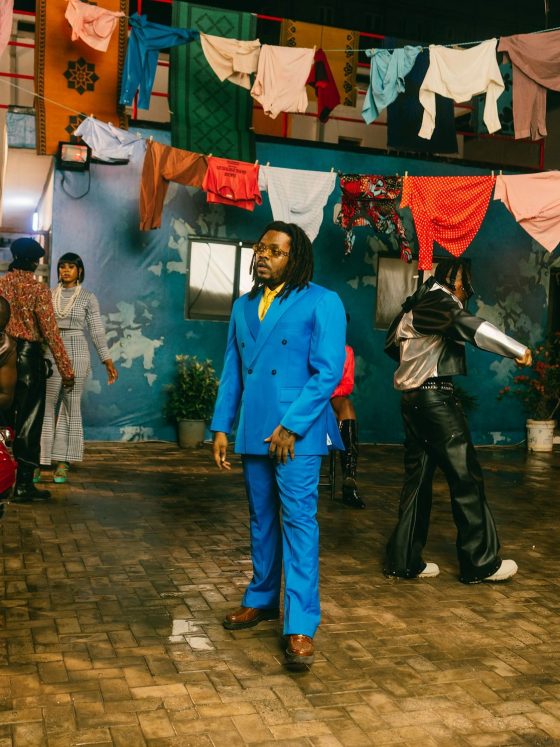
A fashion campaign does not fail because the individual contributors are untalented. It fails because the division of responsibility was never made clear.
Who owns the concept? Who makes the final call when the photographer’s vision conflicts with the art director’s? Who is accountable to the brand when the production schedule slips?
These questions, left unanswered before the shoot begins, produce creative drift. Creative drift produces incoherent output. Incoherent output results in a campaign that looks like several talented people working separately rather than a single coherent creative team working together.
How African and diaspora fashion campaign teams divide responsibility from concept to final image: roles, ownership, and the decision structure that produces coherent work.
The Five Responsibilities Every Campaign Team Must Assign

Before any creative conversation begins, five responsibilities need to be clearly assigned. On smaller productions, one person may hold more than one. What cannot be ambiguous is who holds each.
Creative director: owns the visual concept and the overall argument the campaign is making
Photographer: owns the visual execution within the parameters that the concept establishes
Stylist: owns garment presentation and ensures every look serves both the brief and the concept
Producer: owns logistics: schedule, budget, and getting the right people and materials in place
Brand representative: owns commercial approval: ensures the campaign serves the brand’s business objectives
The teams that produce the most coherent African fashion campaigns are not necessarily the most talented. They are the ones who assigned these responsibilities clearly before the first mood board was assembled.
A campaign team without a clear structure of responsibilities is not a team. It is a collection of talented people waiting for someone else to decide.
What a Clear Responsibility Structure Looks Like in Practice
Consider a Lagos-based womenswear brand commissioning a campaign for a new Ankara tailoring collection. Five contributors are involved: a creative director, a photographer, a stylist, a producer, and a brand manager.
Pre-production: concept and approval
The creative director develops the concept: the campaign will place the tailoring in contemporary Lagos professional environments, arguing that this cloth belongs in boardrooms, not just ceremonies. References are assembled. A written brief is distributed to all contributors.
The brand manager reviews the concept and approves it with one amendment: the garments must be clearly visible in every frame, because the campaign is also running as e-commerce product photography.
The creative director adjusts the brief accordingly. The concept does not change. The execution parameters do.
Production: who decides what
On the day of the shoot, the photographer makes all compositional and lighting decisions. The creative director gives direction when a particular approach does not serve the concept. The stylist makes all garment-presentation decisions: clips, adjustments, and accessory choices. The producer manages the schedule and flags when time is running short.
A conflict arises: the photographer wants to shoot image six with the model partially silhouetted for dramatic effect. The stylist points out that the e-commerce requirement means the garment must be fully visible.
The creative director makes the call: a silhouette shot is captured for editorial use, and a fully lit version is captured for the e-commerce brief: two frames, one decision, five minutes.
Post-production: final approval
The photographer and creative director select the edit together. The brand manager reviews the final selection and approves 17 images, flagging 2 for reshoots because the garment construction is unclear at small sizes.
The reshoots happen. The campaign delivers.
The campaign worked not because everyone agreed on everything. It worked because everyone knew in advance who would decide what when they disagreed.
Why Campaigns Fail: The Responsibility Gap
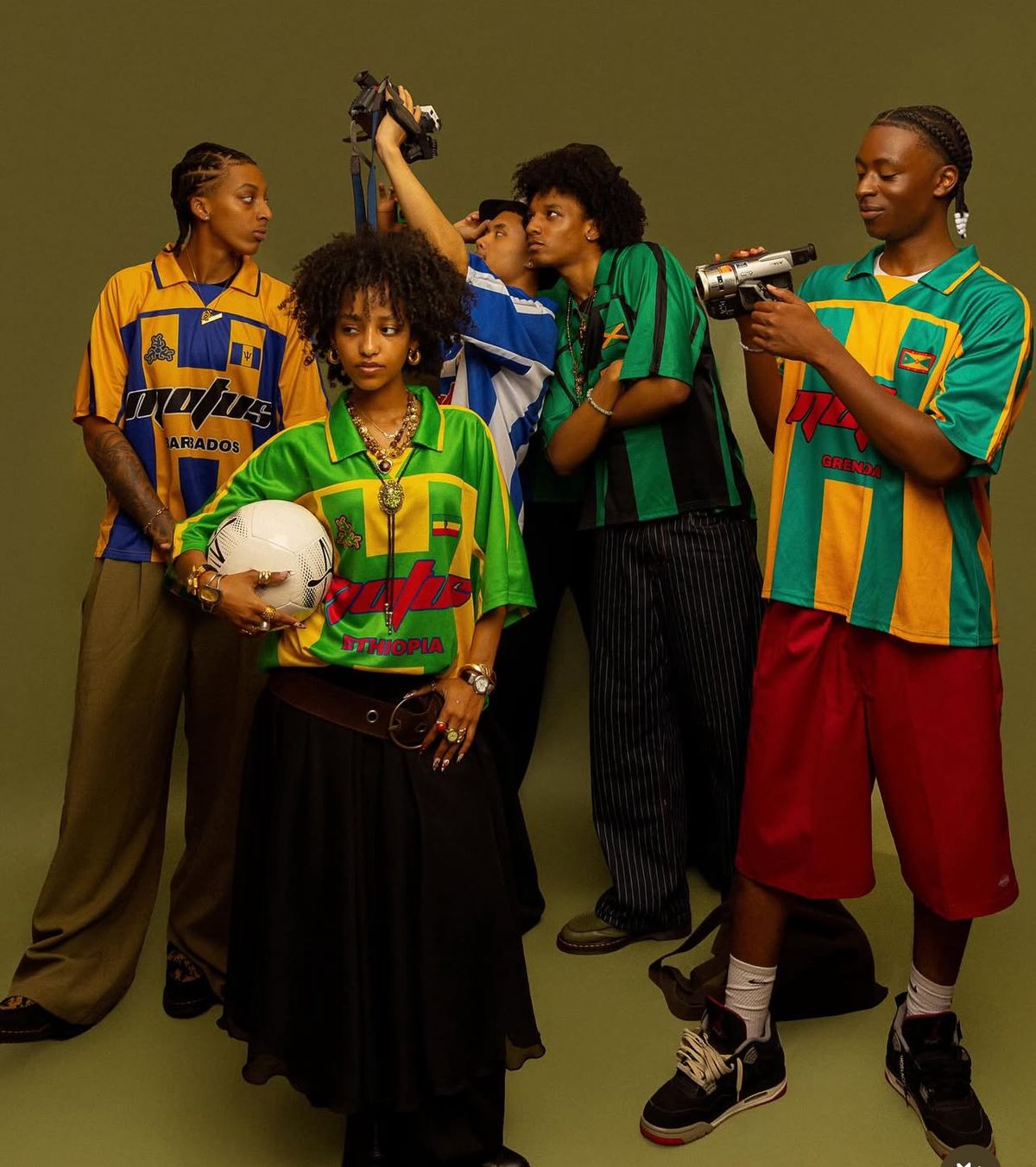
The most common cause of campaign failure in African fashion is not budget, talent, or brief quality. There is ambiguity about who is responsible for what.
Ambiguity produces a specific failure mode: everyone defers to everyone else on decisions that need to be made, and everyone overrides everyone else on decisions that belong to someone specific.
The photographer waits for the creative director to confirm the shot list. The creative director waits for the brand to confirm the concept. The brand provides feedback on the lighting. The stylist makes casting suggestions that conflict with the art director’s vision.
Each of these is a symptom of the same problem: the responsibility structure was not established before the work began.
The solution is not more meetings or more documents. It is clear about three things: who owns the concept, who owns the execution, and how conflicts between the two are resolved.
How Responsibility Should Be Divided
Concept ownership
The creative concept belongs to the creative director. This means the creative director has the authority to make final decisions about the concept’s direction, its visual references, and how it is translated into the brief for each contributor.
The brand has approval authority over the concept, not creative authority. The brand can reject a concept or ask for it to be developed differently. The brand cannot redesign the concept itself.
A brand that redesigns the concept rather than approving or rejecting it is producing a campaign by committee. A campaign produced by a committee is almost always incoherent.
Execution ownership
Execution authority belongs to the relevant specialist in each domain. The photographer makes compositional and lighting decisions. The stylist makes garment presentation decisions. The producer makes scheduling and logistics decisions.
The creative director has the authority to give direction within each domain in service of the concept, but not to override the specialist’s technical judgment.
The creative director can tell the photographer that a particular approach does not serve the concept. The creative director cannot tell the photographer how to achieve a different approach, because that is the photographer’s technical domain.
The decision structure on the set
On the day of the shoot, decision-making speed matters more than decision-making quality in isolation. A team that spends 30 minutes negotiating a shot-list change loses irreplaceable time.
The most effective structure: the photographer decides within the frame, the stylist decides on the garment, the creative director decides whether the result serves the concept, and the brand representative has final approval on images for use.
One person in each domain. One point of escalation is when a decision crosses domains. That is the entire structure.
The responsibility structure does not constrain creativity. It creates the conditions in which creativity can move at the speed a shoot requires.
Brand feedback
Specific, domain-appropriate brand feedback accelerates a campaign. General feedback derails it.
Specific feedback: the jacket needs to be clearly visible in the first three images. The model’s expression in image seven does not communicate the brand’s aspirational positioning. These are actionable instructions.
General feedback: “the images feel off” or “this is not quite what we imagined” is not feedback. It is a symptom of the brief not having been clear enough. A campaign team that receives general feedback mid-shoot has a pre-production problem, not a feedback problem.
ALSO READ
- Fashion Photography Planning: Light, Location, and Composition for Clothing-Led Stories
- African Luxury Fashion and the Problem with Silence
- The Governance Gap: Why Investors Pass on African Fashion
- The State of African Fashion 2026: Investment, Manufacturing, Retail, and Export
Where Responsibility Breaks Down
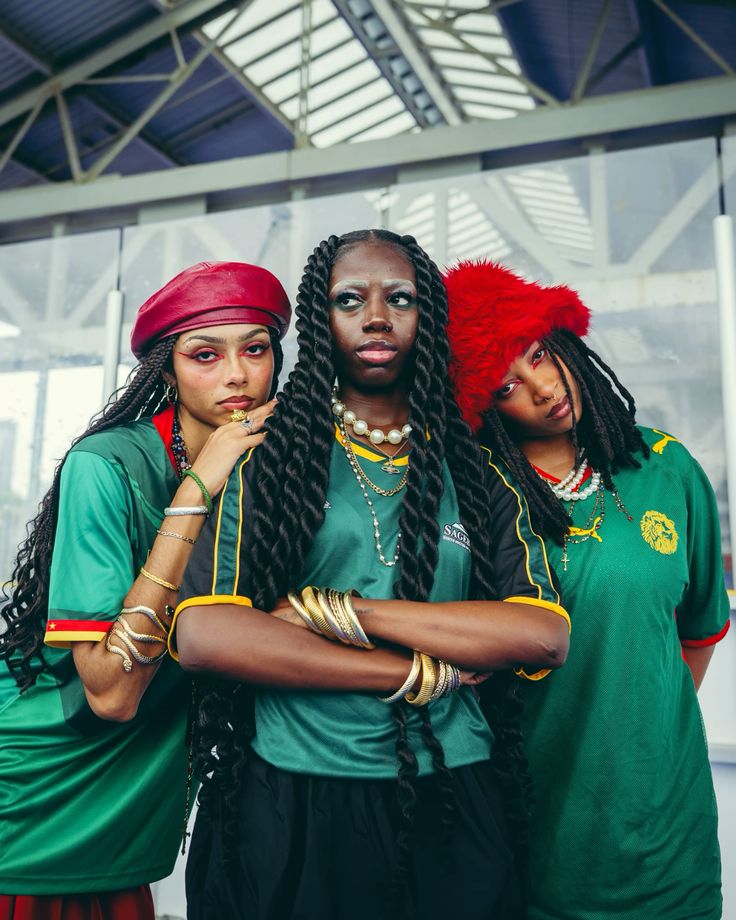
The absent brief
A campaign that begins without a written brief distributed to all contributors will have a different concept in every participant’s head.
The brief is not a creative document. It is a responsibility document. It establishes what the campaign aims to achieve, who is responsible for what, and how decisions will be made when things do not go according to plan.
Every campaign, regardless of scale, needs one.
Overlapping authority
When two people believe they have authority over the same decision, the result is either conflict or paralysis. Both outcomes cost time and creative coherence.
The most common overlap in African fashion campaign production is between the creative director and the photographer over shot composition. Both have legitimate creative intelligence to contribute. The question is not whose intelligence is superior: it is who has the authority to make the final call.
As African fashion brands build more sophisticated campaign operations, this overlap is increasingly common. The governance structures that African fashion brands are still developing often lack clear creative decision-making frameworks, so campaign teams default to personal negotiation rather than professional structure. The brands that build those frameworks earliest will produce more consistent campaign output.
Late brand involvement
A brand that is not involved in concept approval and appears at the final image review with fundamental objections to the creative direction has not been managed correctly.
Late brand involvement is almost always a sign that the approval process was not established clearly at the start.
The correct structure: the brand approves the concept before production begins. The brand approves the final image selection after production. The brand does not redesign the concept or the images during production. If the concept approval was thorough, the final image approval should be straightforward.
What a Clear Responsibility Structure Produces
A campaign team with a clear structure of responsibilities produces coherence. The images look like they were made by a single creative intelligence rather than assembled from individually strong contributions that do not add up to a whole.
This matters commercially because incoherent campaigns do not build brands. A series of strong individual images without a unifying argument communicates nothing about the brand that made them.
For African and diaspora fashion brands building their visual identities in competitive international markets, coherent campaign work is a brand-building tool. The brands that have built the most recognisable visual identities in African fashion, the ones that command attention without announcing themselves, are the ones whose campaigns read as singular statements. That singularity comes from the structure of responsibility, not the talent level.
The creative team that understands this builds the structure of responsibilities before the mood board. They know who decides, who contributes, and who approves in every domain before the first creative conversation begins.
A campaign is only as coherent as the structure that produced it. The responsibility structure is not a constraint on creative work. It is the condition that makes coherent creative work possible.
FAQs
Who has the final say in a fashion campaign?
It depends on the decision. The creative director has the final say on whether the execution serves the concept. The photographer has the final say on technical and compositional execution within the parameters established by the concept. The stylist has the final say on garment presentation. The brand representative has final say on whether the finished images are approved for use. These are distinct domains, not a single hierarchy. A campaign team that understands this does not have a single person with the final say over everything; it has one person with the final say in each domain, which is an entirely different and much more functional structure.
What roles make up a complete fashion campaign team?
A complete campaign team typically includes a creative director who owns the concept, a photographer who owns the visual execution, a stylist who owns garment presentation, a producer who owns logistics, and a brand representative who owns commercial approval. In smaller productions, one person may hold more than one role. What matters is that each function is covered and the responsibilities attached to each are clear before the work begins.
How do creative directors and photographers negotiate control on a campaign?
The clearest approach is to establish in advance that the creative director has authority over whether the execution serves the concept, and the photographer has authority over how to achieve the execution technically. The creative director can tell the photographer that a particular approach does not serve the concept. The photographer decides how to address that feedback within their technical domain. When both people understand this structure, negotiation becomes a matter of direction rather than conflict.
How do African creative teams manage remote or international collaboration?
The responsibility structure becomes more important, not less, when the team is working across distances. A remote collaboration without a written brief and a clear approval process relies on assumptions to fill gaps that shared physical space would naturally fill. The brief needs to be more detailed, the approval checkpoints more explicit, and the communication channels more deliberately structured. The campaigns that work well across remote or international teams are those that treat the responsibility structure as the foundation of collaboration rather than an administrative formality.
What should a fashion campaign brief always include?
At minimum: the campaign’s creative concept and the argument it is making about the brand, the garments to be featured and how they must be shown, the responsibilities of each contributor and who has authority over which decisions, the approval process and who has sign-off at each stage, and the production schedule with the decision points built in. The brief is not a creative document. It is a responsibility document. Its function is to ensure that every contributor begins the work with the same understanding of what the campaign is trying to achieve and who is accountable for what.