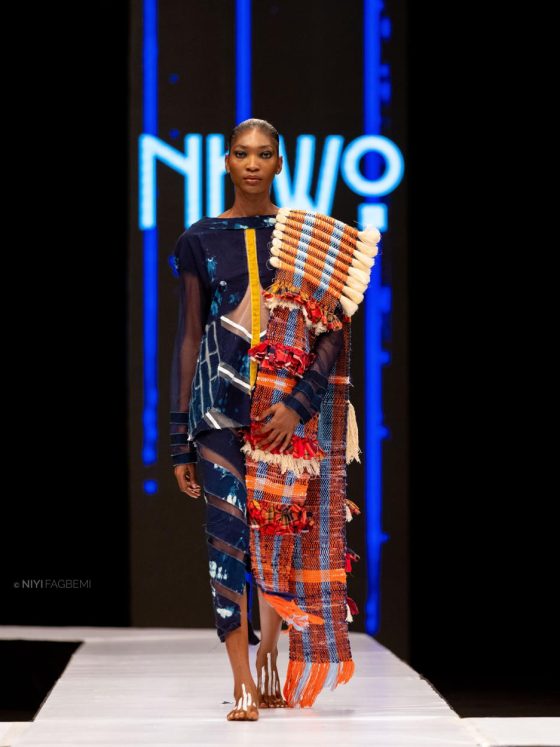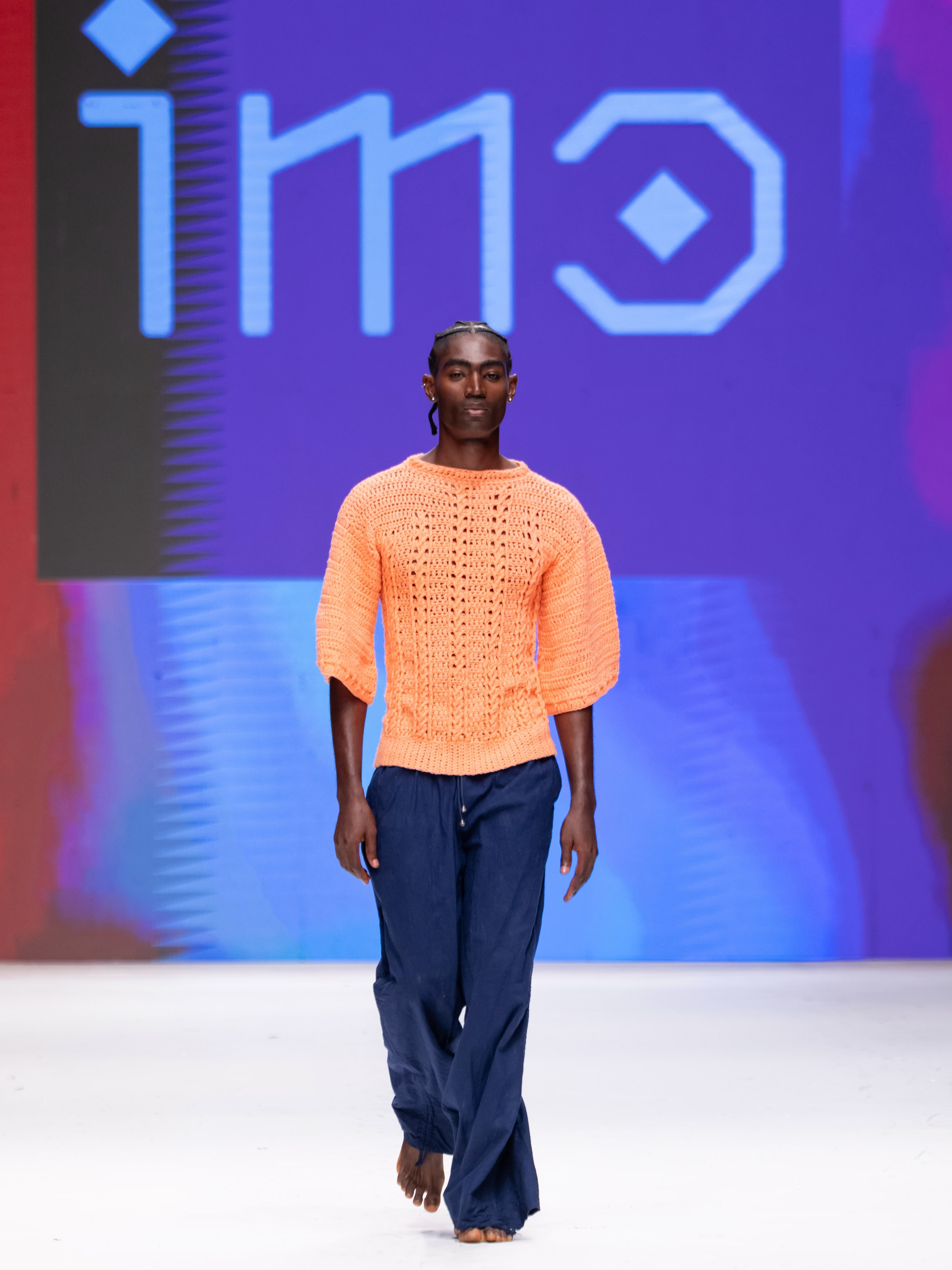
Studio Imo calls its latest collection “Clan.” Presented at Lagos Fashion Week on Friday, 30 October 2026, the Spring/Summer 2027 offering places community at the centre of its account of craftsmanship, bringing Jay BZ and 21 Wool Street into the presentation as collaborators. In its contemporary coverage, Marie Claire Nigeria identifies an ombré jumpsuit, an ombré mini dress and a crochet robe among the pieces shown. The season label and the show date differ, which is why a Spring/Summer 2027 collection appeared in October 2026: the reporting identifies “Clan” as Spring/Summer 2027 and places its presentation at Lagos Fashion Week this autumn.
For a label closely associated with crochet, the title introduces a question beyond technique. What happens when the people contributing to a collection become part of its central proposition rather than remaining behind the brand name? “Clan” makes collaboration a reason to pay attention. Fully understanding the collection, however, requires distinguishing its stated idea from what is currently documented about the work.
That distinction is the spine of this piece. A collection title is a promise about how to read the clothes. It tells the audience what the designers want them to notice before a single garment appears, and it invites questions the show itself may not answer. This article takes that invitation seriously, sticks to what is reported, and asks what a reader would need to know next.
Studio Imo’s Spring/Summer 2027 Clan collection puts crochet and collaboration in focus. Omiren examines its community-led proposition in depth.
A collective proposition at Lagos Fashion Week
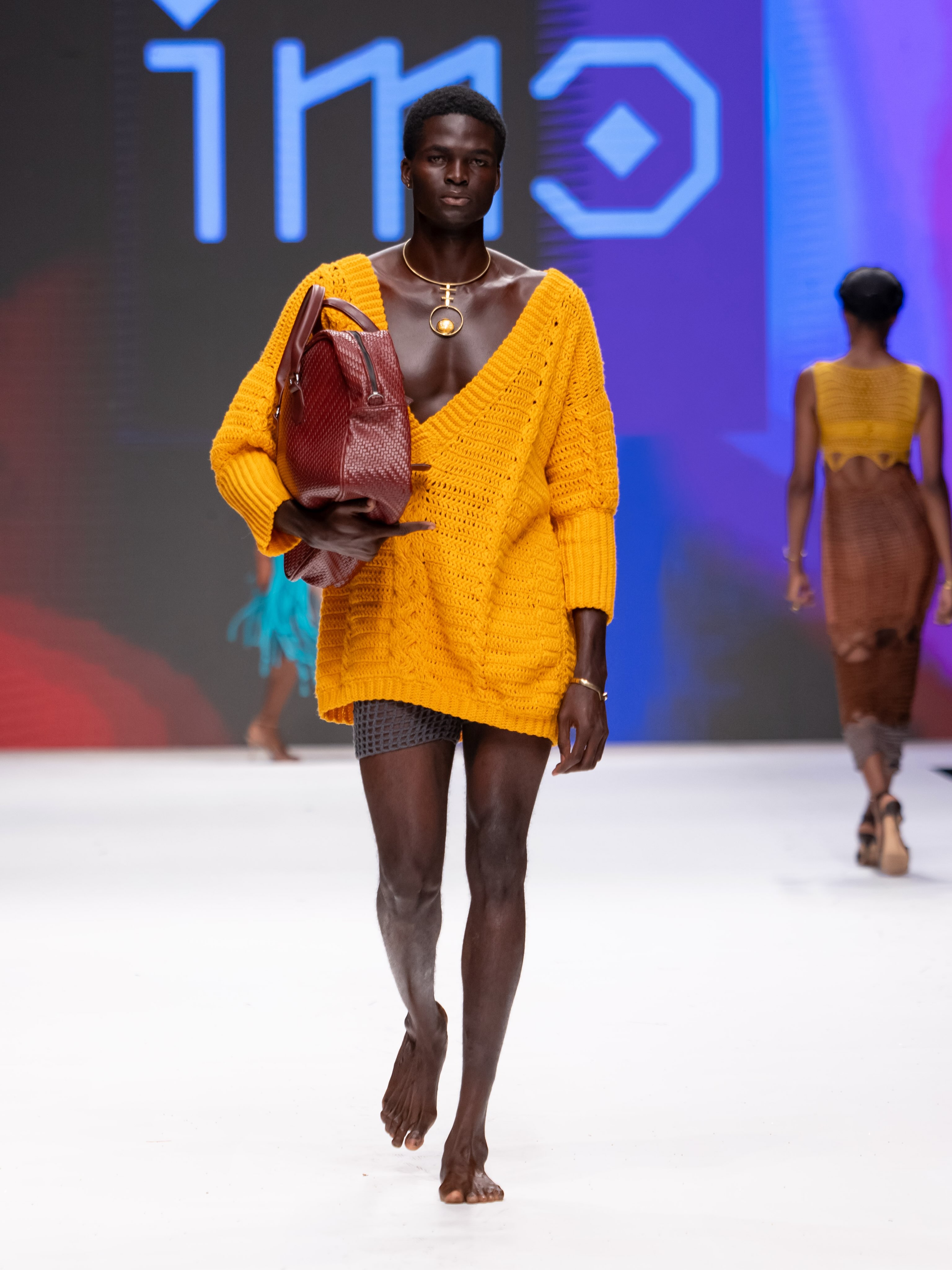
Marie Claire Nigeria’s account connects “Clan” to the statement, “At the heart of craftsmanship is community.” Its report describes a presentation centred on collaboration, naming Jay BZ and 21 Wool Street as partners. It also records stylist Uche Uba’s appearance closing the show. These details give the collection a collective frame. The presentation introduces the work through relationships around the label, rather than through an individual designer’s vision alone.
The precise nature of those relationships remains less clear. The published report does not explain which elements Jay BZ and 21 Wool Street contributed or how responsibilities were divided. Their involvement can be acknowledged without assigning them unverified roles in design, production or styling. That distinction points to the next interesting layer of the story: how collaboration works. A partnership might introduce a technique, challenge an established silhouette, or change how a garment is developed. Explaining those contributions would give the collection’s community proposition greater substance.
“Naming a collaborator is where the story starts. Explaining what they changed is where it becomes criticism.” Omiren Styles, Editorial Intelligence
It helps to be plain about why this matters. Collaboration is easy to announce and hard to evaluate from the outside. A name on a press line can mean anything from a single finishing detail to a shared design process, and an audience cannot tell which without being told. Lagos Fashion Week gives designers a public stage for exactly this kind of claim. For wider context on who is building careers around it, see our look at the Lagos designers who stay and win.
Collaboration is part of Studio Imo’s history.
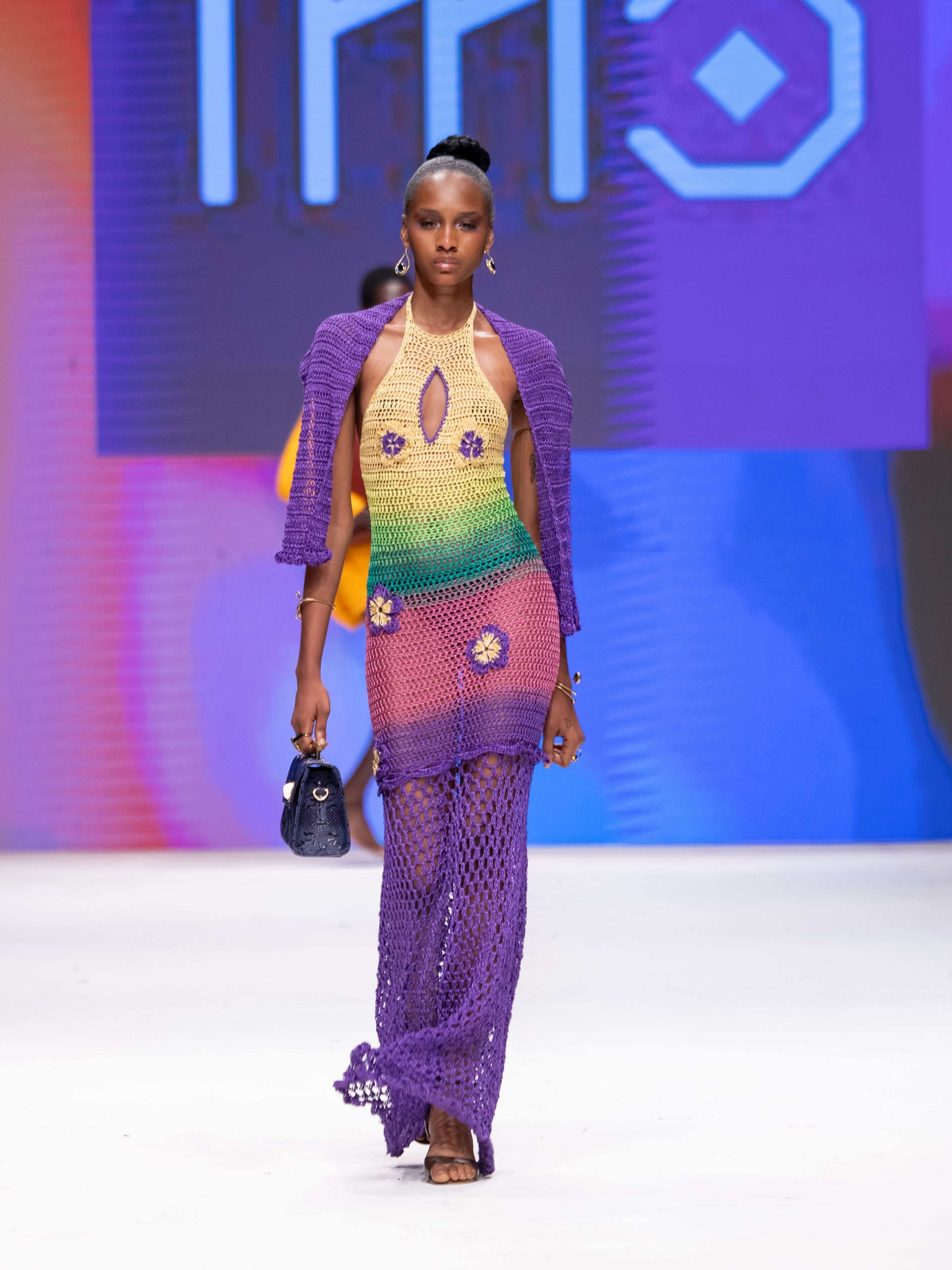
The collective framing connects with the label’s origins. Studio Imo identifies Edwin Okolo and Imobong Emah as its founders, describing a remote collaboration begun in 2013 while they were studying in Ghana and Nigeria. Its account links their early work to shared fashion references and an ambition to bring a contemporary Nigerian sensibility to their projects. The label’s Lagos Fashion Week designer page likewise describes a design duo, with Okolo as creative director, and dates the label to 2013.
Under Okolo’s creative direction, the label says crochet became its signature. It traces his early instruction in the technique to his grandaunts and describes an ongoing interest in the relationship between material, construction and drape. Read alongside “Clan,” that history offers useful context. The label’s account of itself includes learning from others, working across distance and developing ideas through shared references. Community is not an entirely new subject introduced for this season.
Studio Imo also lists collaborations with Orange Culture, IAMISIGO, Denike and Maxivive in its brand history. These establish collaboration as part of its stated practice, although that account alone does not explain the responsibilities or outcomes of each partnership. One of those names has its own story: we have profiled Bubu Ogisi of IAMISIGO, whose approach to making African fashion on her own terms offers a useful point of comparison. The current collection provides an opportunity to make those working relationships more legible.
Crochet remains the foundation of “Clan”.
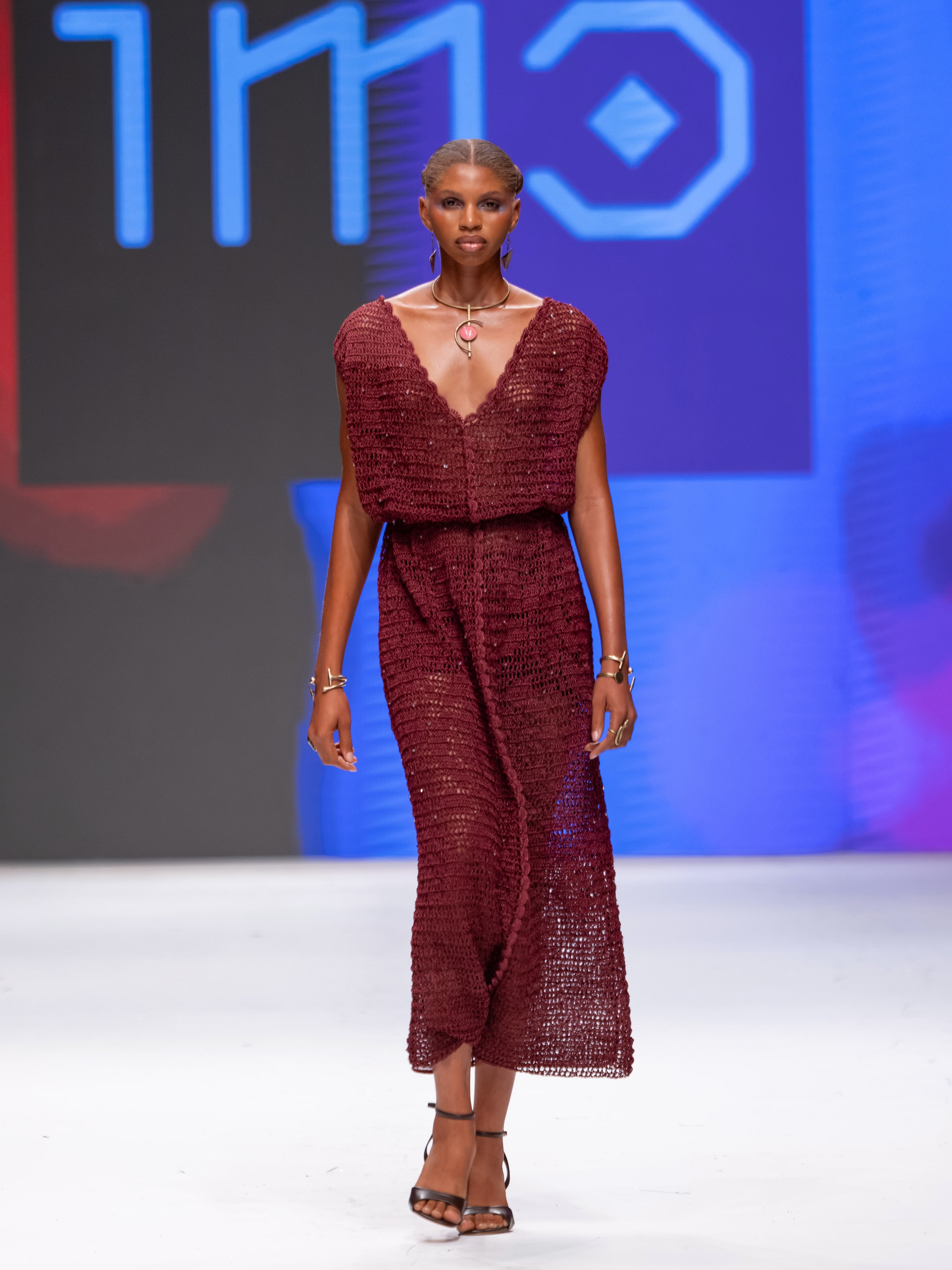
“Clan” does not appear to abandon the technique through which Studio Imo has established recognition. Marie Claire Nigeria describes crochet across several garment types and mentions wool and macramé in the presentation. Its account places the label’s established handwork in conversation with different forms of dress. That range is relevant, but it should not be mistaken for a complete assessment. A jumpsuit, mini dress and robe imply different uses and relationships to the body; their presence alone does not establish how successfully each garment is resolved.
General references to materials do not provide a garment-by-garment specification, either. Without that information, it would be premature to draw conclusions about comfort, durability or suitability for particular climates. Those questions matter because Studio Imo describes knitwear for African climates as an area of interest. The ambition warrants further examination, but it remains distinct from independently demonstrated performance in the current collection. For the wider field, our look at how African designers reach buyers shows what it takes for a technique-led label to scale.
For now, the clearer point is continuity: crochet remains central while the collection’s narrative gives greater prominence to shared creative participation.
What a reader should ask next
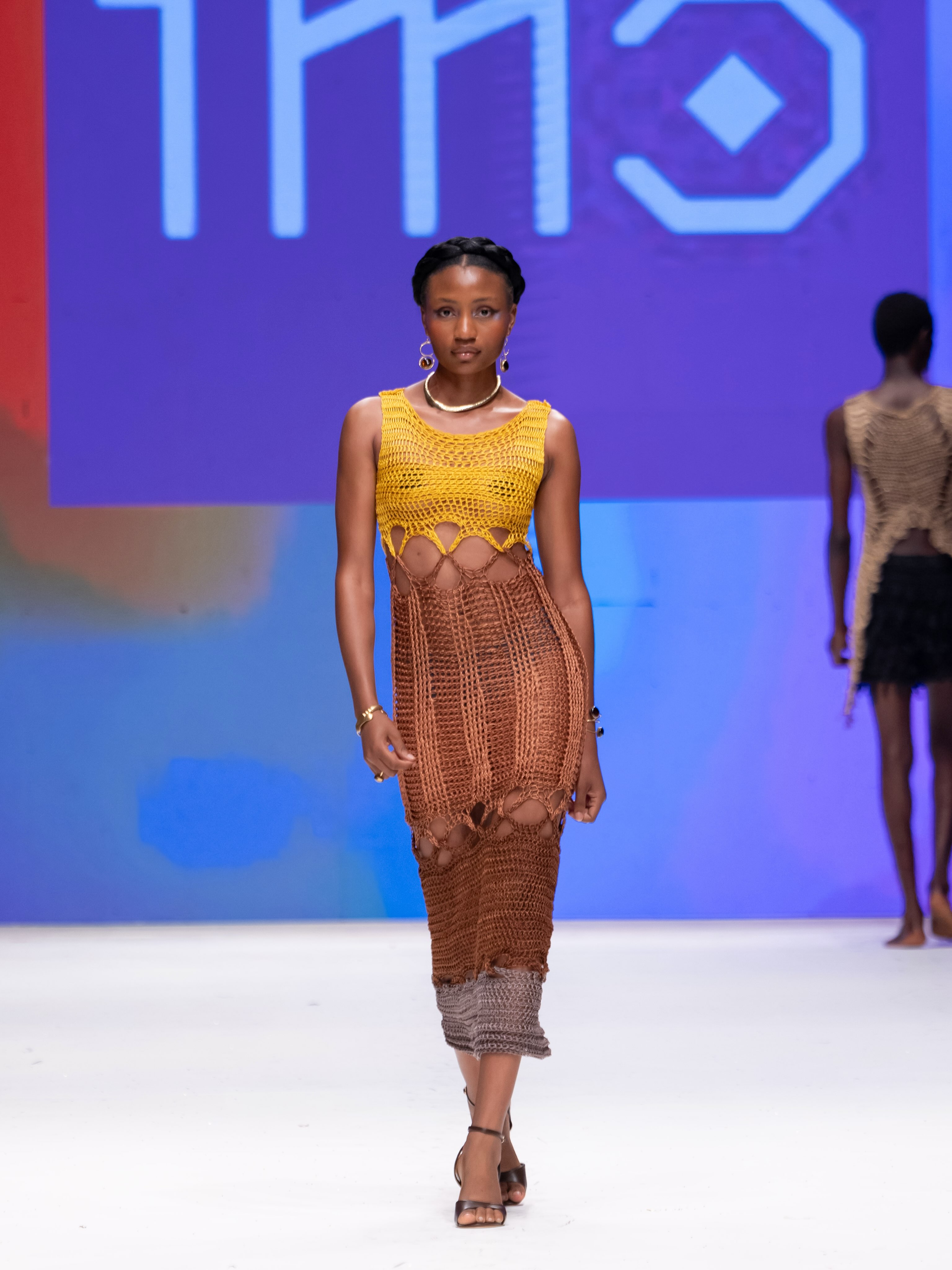
A collection built on community raises practical questions that are fair to put to any label. Who developed which pieces? Were collaborators credited by name where the work was theirs? Did the partnership change a technique, a silhouette or the way a garment was made? None of these questions assumes a problem. They are the ordinary questions a reader would ask of any shared project, and the answers would turn a collective slogan into something a reader can verify.
There is also a useful distinction between visibility and credit. Appearing in a presentation makes a collaborator visible. Being described in the label’s own words makes their contribution legible. The second is harder, and it is where the most valuable reporting on “Clan” will eventually sit.
Taken together, these questions describe a reading habit rather than a criticism. A reader who knows what is documented, what is attributed and what remains unexplained is better placed to judge any collection that leads with community. That habit is also fair to the label, because it credits what Studio Imo has said about itself without stretching it into claims nobody has yet made. As more detail about the partnerships emerges, the same questions will show whether “Clan” widens the conversation about who makes a Studio Imo garment or simply names the people nearby.
The Omiren Argument
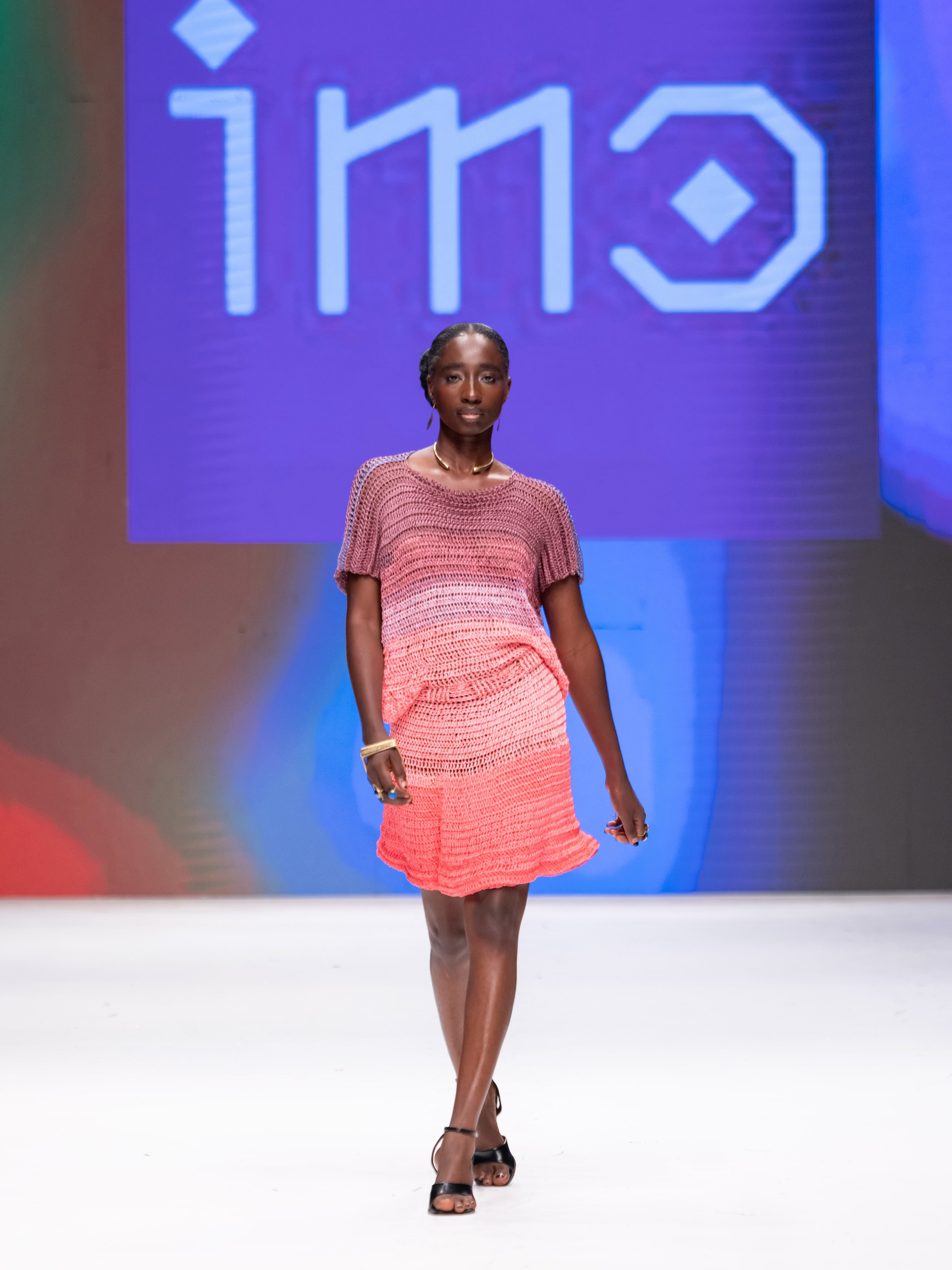
Studio Imo deserves attention here not simply because its work involves handcraft, but because “Clan” opens a more specific conversation about authorship. A signature technique can make a label recognisable. Explaining who develops the work, how contributions are credited and what collaborators introduce can make that identity more intelligible.
Omiren’s position is that community should be examined as a working relationship, not accepted automatically as a measure of creative achievement. Equally, the absence of a detailed public account is not evidence that a collaboration lacks substance. The available reporting establishes a current collection, a collective proposition, and named participants. It does not establish the complete production process or demonstrate what each partnership changed. “Clan” therefore offers a credible starting point for discovery rather than a finished verdict. Its most valuable next chapter would explain the decisions and exchanges through which the collective idea becomes clothing. More designer discoveries are at Omiren Styles.
Also Read:
- Emerging African designers at Africa Fashion Week
- The designers behind AMVCA 2026
- African fashion events, buyers and data gaps
- Hertunba and Florentina Agu follow another Nigerian label
Frequently Asked Questions
What is Studio Imo’s “Clan” collection?
“Clan” is Studio Imo’s Spring/Summer 2027 collection, presented at Lagos Fashion Week in October 2026. Contemporary reporting connects its proposition to community, craftsmanship and collaboration. The season designation and show date are different identifiers, so a 2027 season appeared in 2026.
Who founded Studio Imo?
According to the label’s published history, Edwin Okolo and Imobong Emah founded Studio Imo in 2013. The brand identifies Okolo as its creative director.
Who collaborated with Studio Imo on “Clan”?
Marie Claire Nigeria names Jay BZ and 21 Wool Street as collaborators. Its report does not specify their exact responsibilities, so their individual contributions require further clarification.
Is this a first-hand review of the collection?
No. This article draws on contemporary reporting and Studio Imo’s published brand history. It does not incorporate show attendance, a new interview, physical garment inspection or wear testing. The reported garments, an ombré jumpsuit, an ombré mini dress and a crochet robe, are examples, not a complete inventory.