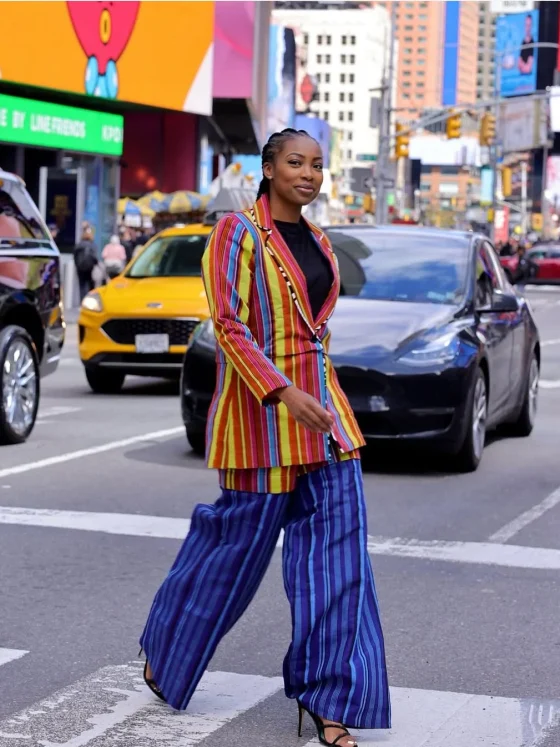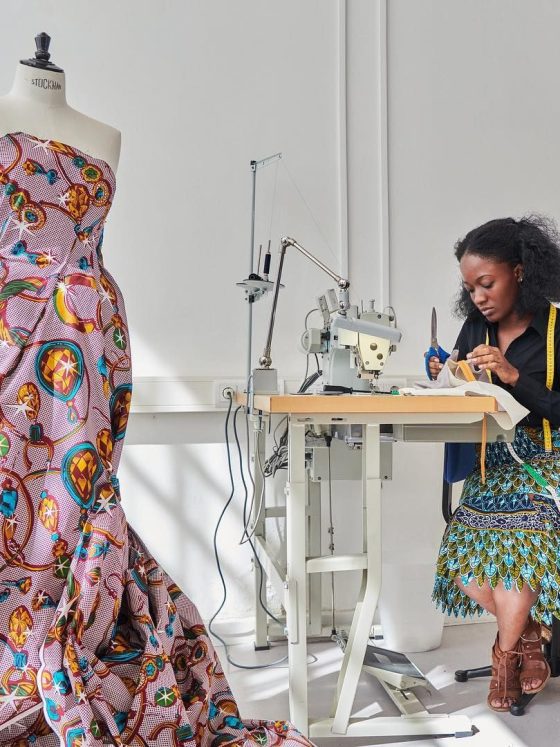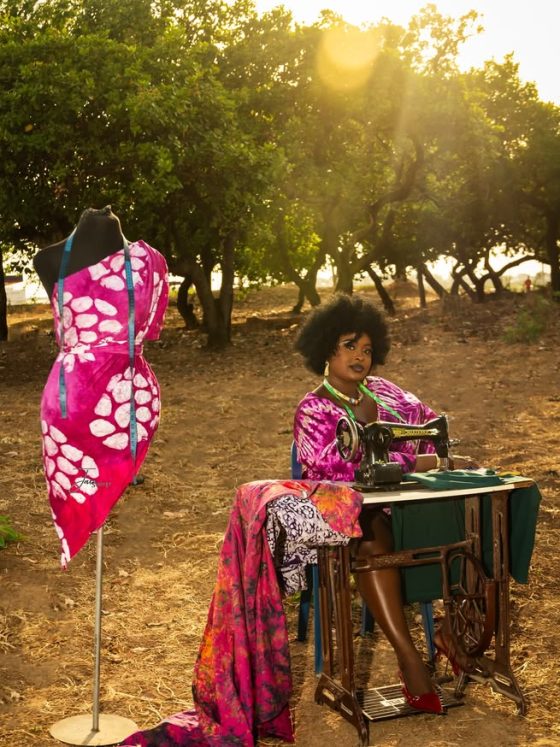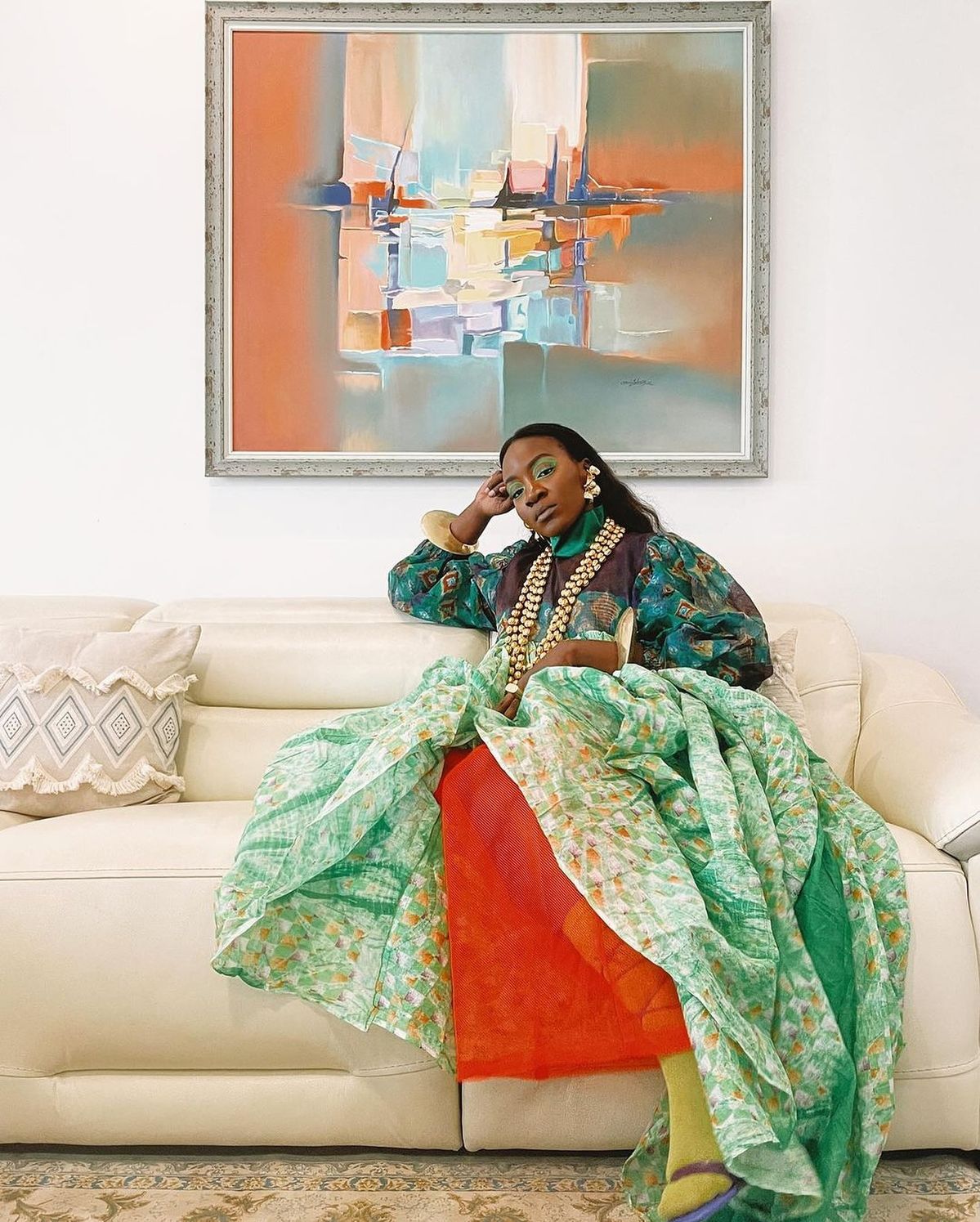
The fashion industry often mistakes visibility for origin. A silhouette appears on a runway. A print enters luxury retail. A styling detail begins circulating through editorial campaigns. Trend reports give it a name: new maximalism, craft revival, global colour, sculptural menswear. Then the industry treats the season of recognition as the moment the aesthetic began. That is the mistake.
Many of the looks that mainstream fashion presents as new have longer lives in African, Caribbean, Latin American, and wider diasporic dress systems. They have been worn at weddings, in music scenes, through religious life, in market economies, at Carnival, at family gatherings, in barbershops, on dance floors, and in local tailoring traditions. They may be inherited, adapted, remixed, or newly created. But they are not waiting in those spaces to become fashionable. They are already fashion.
The African fashion market is worth 31 billion dollars. The industry’s problem is not a lack of access to diaspora aesthetics. It is that its systems for recognising fashion have historically been too narrow to read them properly. As Omiren Styles’ documentation of the diaspora fashion paradox confirms, Afrobeats-influenced streetwear aesthetics that have been current in South London’s Nigerian and Ghanaian communities for a decade are described as new only when they become visible to Western observers. The moment of discovery is not the moment of creation. The two are separated by years, sometimes decades, of communities building, practising, and refining a visual system that the mainstream had not yet found a way to read.
The fashion industry has ample access to diaspora style. Its systems for recognising fashion are too narrow to read it. That is not an ethical problem. It is a forecasting problem.
Diaspora Style: How Fashion Moves Through More Than Runways
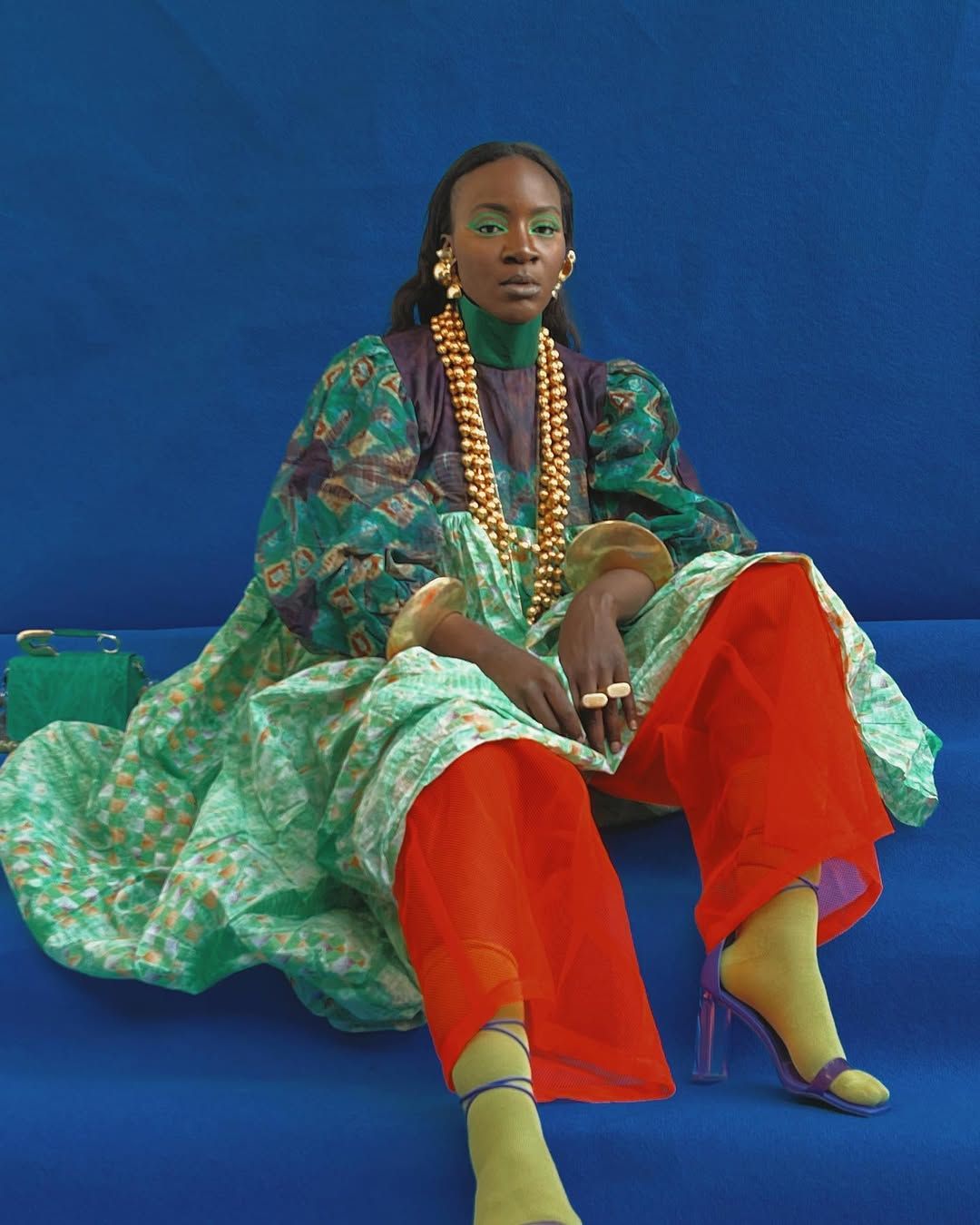
Fashion forecasting often privileges a familiar set of signals: international runway calendars, major retailers, celebrity styling, luxury campaigns, trade fairs, influencer data, and European or North American street-style reporting. These sources are useful. They are not neutral. They tend to recognise fashion only after it has passed through institutions already considered authoritative. By that point, an aesthetic may have moved through many other spaces: local designers, music videos, migration networks, religious gatherings, club culture, informal retail, family archives, tailors, stylists, and community photographers.
Diasporic fashion is especially difficult to reduce to a single point of origin because it develops through movement. Migration, forced displacement, trade, travel, colonial histories, digital communication, and family memory all shape how clothing changes. Modern fashion cannot be understood without diaspora’s interruptions, interventions, and innovations. That does not mean every style has one pure source. It means fashion history is more geographically complex than the industry’s standard mood-board process often allows.
A look may be shaped in Lagos, adapted in London, photographed in Johannesburg, sold through a New York retailer, and reinterpreted in São Paulo. The point is not to identify one city as the owner of the style. The point is to understand the relationships that gave it form. Fashion scholarship argues that African fashion in particular is better understood as plural, relational, and produced through adaptation, mediation, and exchange rather than as a single aesthetic category. The industry needs methods capable of reading those relationships rather than flattening them into a single trend signal.
The industry’s problem is not a lack of access to diaspora aesthetics. It is that its systems for recognising fashion have historically been too narrow to read them properly. When fashion institutions recognise diaspora aesthetics late, the consequence is not only a credit problem. It is a forecasting problem.
The Cost of Late Recognition
When fashion institutions recognise diaspora aesthetics late, the consequence is not only a credit problem. It is a forecasting problem. A buyer who sees a cultural practice only after it has been translated into runway language is not identifying an early signal. They are observing a signal after it has already been filtered through designers, editors, luxury pricing, and commercial approval. This produces a predictable result: the industry believes it is responding to a new trend while the communities whose dress practices informed the trend may already be moving elsewhere. As Omiren Styles’ documentation of global fashion’s relationship with African craft traditions confirms, the criterion that determines which African traditions global fashion returns to is the same one that determines which traditions are most legible without deep cultural knowledge. The trend-identification system rewards the most pre-translated aesthetics rather than the most significant ones.
The failure is analytical. Trend reports become less precise when they describe a long-standing visual system as a seasonal novelty. Creative teams produce weaker briefs when they use broad terms such as “African-inspired print” or “global craft” instead of identifying a specific textile, maker, region, production method, and cultural context. The consumer receives a simplified product. The originating community receives little credit, little economic return, and little authority over how its work is described. Fashion then calls the result inspiration.
Diaspora Style Is Not One Thing
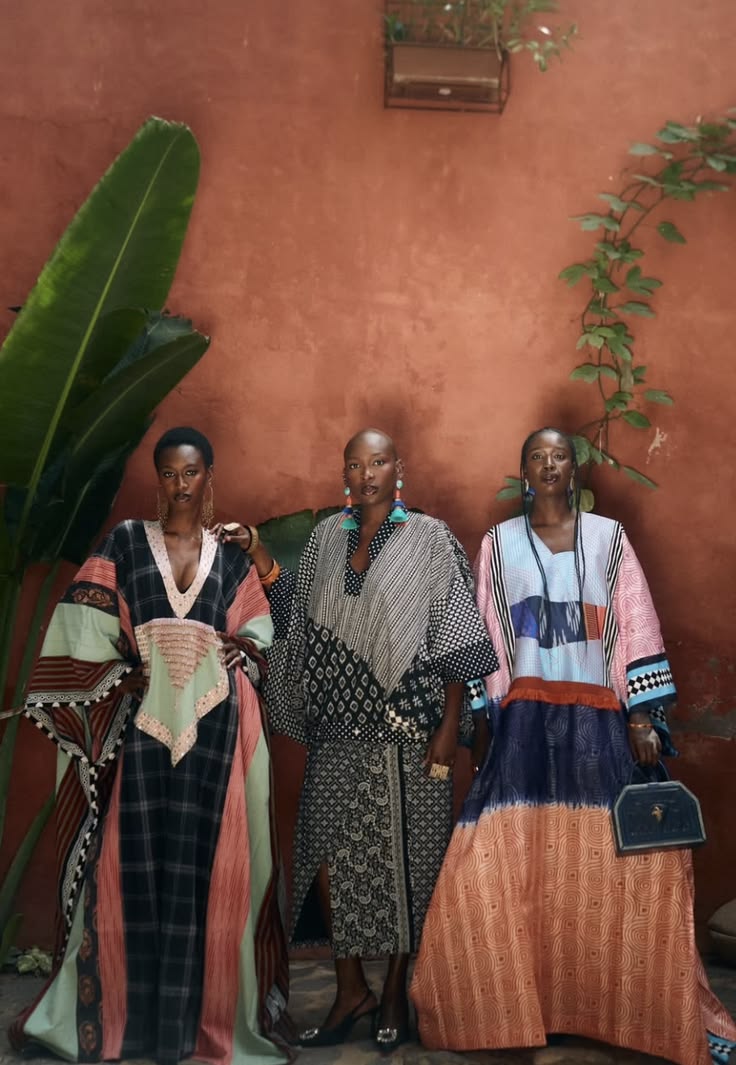
The phrase “diaspora aesthetics” can be useful, but it can also be careless. African, Caribbean, and Latin American dress traditions are not interchangeable. Nor is there one diaspora look that can be separated from place, class, religion, generation, gender, race, migration history, or local production. A Nigerian agbada does not carry the same history as Jamaican dancehall styling. Brazilian Afro-diasporic dress cannot be treated as an extension of West African textile culture. Kanga textiles, adire, kente, shweshwe, and Kuba raffia each have different technologies, histories, and systems of meaning.
The industry should not respond to this complexity by becoming afraid to engage. It should respond by becoming more precise. Precision is not a restriction on creativity. It is the basis of better design. A mood board that labels every African reference as either tribal or global misses the specificity needed to make the design decision original. A brief that names the specific textile tradition, the producing community, the construction method, and the contemporary designers working within that tradition produces stronger creative work than one that uses continental shorthand.
Agbada Is Not Oversized Tailoring
The agbada offers a useful example of what precision requires. Its broad, flowing form is often described through Western menswear vocabulary as oversized, voluminous, or cape-like. Those descriptions capture only its outline. They do not explain its social life. As Omiren Styles’ documentation of the agbada and its power symbolism confirms, the agbada communicates formality, prosperity, age, authority, celebration, religious identity, and occasion across Yoruba and wider West African dress traditions. Its scale is not merely aesthetic excess. It is part of a tailored system involving the robe, buba, trousers, cap, fabric quality, and the wearer’s movement. European and American fashion may periodically embrace dramatic sleeves, oversized suits, and extended proportions. That does not mean every large silhouette derives from the agbada. Tailoring has multiple global histories.
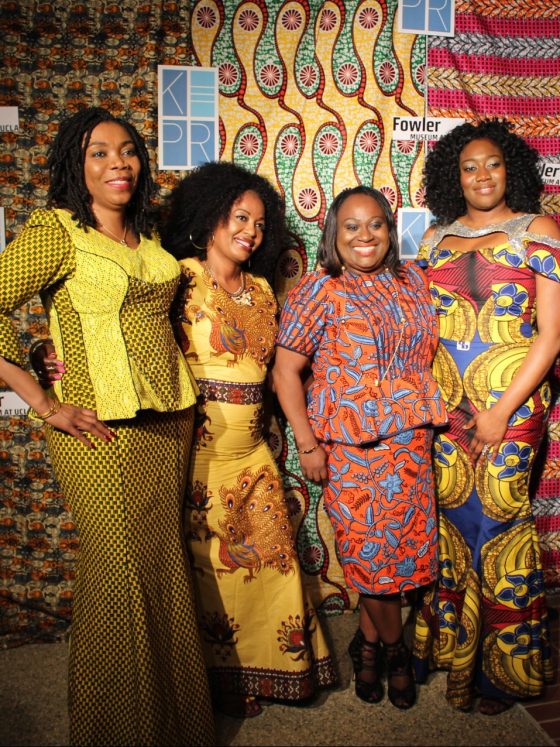
But it does mean that buyers and creative directors should stop treating West African formal dress as a visual reference without any technical or social context. If a collection draws on the agbada, name it. Research it. Collaborate with people who understand it. Do not flatten it into sculptural volume. The same principle applies to print. Mainstream fashion frequently celebrates maximalism, clashing colour, and print-on-print styling as though these are recent discoveries. Yet many African textile traditions have long developed sophisticated visual systems around colour, scale, repetition, symbolism, dyeing, weaving, and pattern placement. That does not mean every mixed-print fashion look comes from Africa. It means designers should be careful with the language they use when encountering visual logics familiar in African and diasporic dress.
The Missing Credit Structure
The credit problem in fashion’s engagement with diaspora aesthetics is documented and specific. As Omiren Styles’ documentation of bogolan and the consequences of naming failure confirms, fashion houses including Givenchy and Oscar de la Renta have used bogolan patterns without attribution to Malian craft communities. The use of African-inspired print as a marketing descriptor allows a brand to invoke the cultural authority of a specific African textile tradition without naming the tradition, crediting its practitioners, or establishing any economic relationship with the communities that built the visual system being referenced. The source drops out of the citation. What remains is the mood.
A better brief asks a different set of questions. What textile tradition is being referenced? Is the design printed, woven, resist-dyed, embroidered, or appliquéd? What does the material’s construction make possible? Who are the contemporary makers, designers, and traders sustaining that practice? Is the brand borrowing a motif, collaborating with a producer, or commissioning new work? How will origin, credit, and commercial benefit be handled? These questions create better fashion. They also reduce the risk of treating living cultural systems as an anonymous resource bank.
From Diversity to Expertise
Fashion’s common response to criticism has been representational diversity: more Black and brown models, more diverse casting, more cultural references in campaigns, more language about inclusion. These changes matter. But they do not automatically create expertise. A fashion company can cast a diverse runway while still misunderstanding the textiles it uses. It can hire a Black model for a campaign while relying on an inaccurate account of African dress. It can celebrate global influence while sourcing from communities without clear consent, credit, or compensation. As Omiren Styles’ documentation of African fashion photographers confirms, the shift that matters is not who appears in the images but who controls how African faces, bodies, and cultural systems are framed. Representational diversity changes the cast. Cultural expertise changes the brief.
The bigger structural change is intellectual. Buying teams need people who understand textile histories, regional fashion systems, garment construction, and cultural context. Trend forecasters need methods that include local retail, diaspora media, independent designers, music, nightlife, community events, and informal fashion economies, not only luxury runways and social-media data. Creative directors need relationships with researchers, makers, stylists, and cultural practitioners who can challenge a mood board before it becomes a campaign. This is not a request for symbolic consultation after the collection has been designed. It is a request to build cultural knowledge into the earliest stage of decision-making.
What Better Forecasting Looks Like
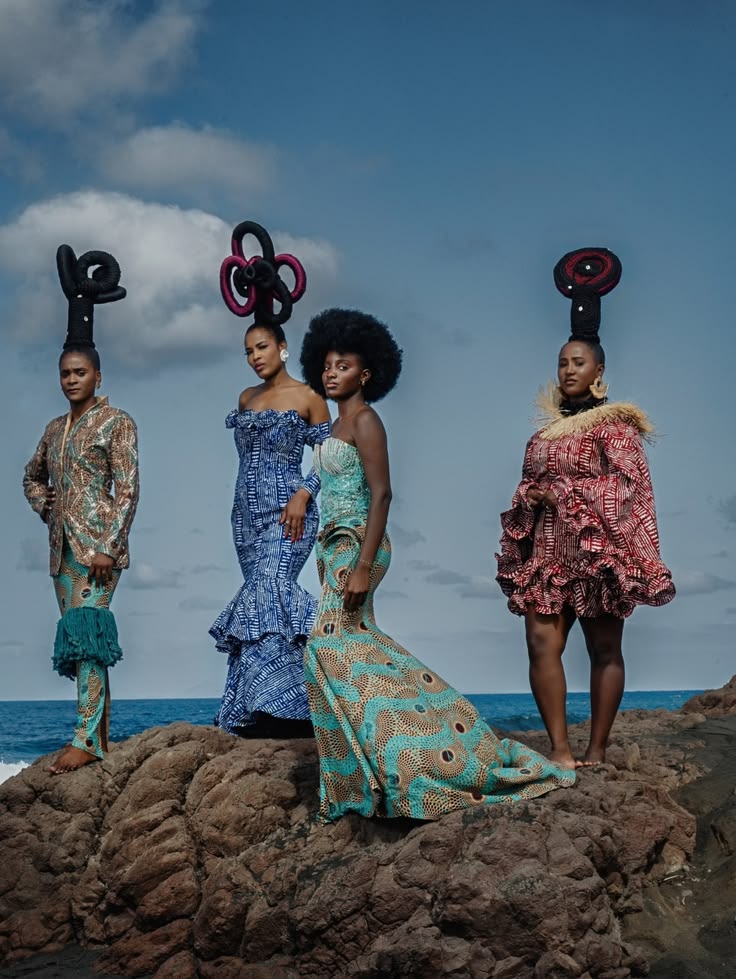
A stronger industry workflow would begin by widening the map. Trend forecasters should monitor designers, stylists, photographers, retailers, tailors, musicians, and culture writers working in cities such as Lagos, Accra, Nairobi, Johannesburg, Kingston, London, Atlanta, São Paulo, and Paris. But they should not treat those places as sites of aesthetic extraction. The purpose is not to arrive early enough to commercialise a community’s style before anyone else does. As Omiren Styles’ documentation of African identity across fashion contexts confirms, on the continent, African identity in fashion is often present without needing to justify itself. In the diaspora, it can become performance in the conscious sense: an assertion of visibility that requires deliberate effort to maintain against systems built around a different default. The forecasting tool that captures only the performance misses the presence. Both are fashion.
The purpose of better forecasting is to understand fashion as a living, reciprocal system. That means tracking not only what is visually popular but also why it is worn, who wears it, where it is made, how much it costs, and what social conditions shape its use. It also means investing in direct relationships. A designer interested in adire should work with contemporary Yoruba dyers, textile scholars, and Nigerian designers rather than downloading a pattern reference. A brand using Caribbean Carnival forms should speak with mask makers, designers, and performers rather than treating feathers and beads as generic festival decoration. The best forecasting does not remove culture from a garment to make it portable. It keeps the culture visible enough to understand what the garment is actually saying.
The Omiren Argument
Diaspora style is not a reservoir of fashion trends. The African fashion market is worth 31 billion dollars. The dress systems it encompasses, Yoruba agbada tailoring, Malian bogolan resist-dyeing, Ghanaian kente weaving, Jamaican dancehall styling, Afro-Brazilian ceremonial dress, and hundreds of other practices across the African continent and its diasporas- are not collections of silhouettes and prints waiting for a luxury house, forecaster, or buyer to identify them as commercially useful. They are made through communities with their own histories, markets, design systems, methods of transmission, and aesthetic authority. The industry’s task is not to discover these systems. It is to learn how to read them properly.
That requires better research, direct relationships, specific credit, fair commercial structures, and the humility to recognise that fashion knowledge does not begin when it reaches a runway. For buyers, forecasters, and creative directors, this is not simply an ethical correction. It is a strategic one. The industry will make better predictions when it stops treating mainstream visibility as the beginning of fashion and starts recognising the many places where fashion has already been happening. Trend reports that describe long-standing visual systems as seasonal novelties are not early signals. They are late observations, made late because the forecasting method was too narrow to see the system that produced the look. Fixing the forecasting method is not a diversity initiative. It is a competitive advantage.
Also Read:
- The Lagos Fashion Market Report 2026: Retail, Price Points and Growth Categories
- Afrobeats and the New Language of Global Fashion
- Ola Ebiti Stylist: Nigerian Heritage, Tailoring and Editorial Fashion
- When Dressing Becomes Declaration: Clothing as Cultural Identity
Frequently Asked Questions
Why does mainstream fashion arrive late to diaspora style?
Mainstream fashion forecasting primarily monitors international runway calendars, major retailers, celebrity styling, luxury campaigns, and European or North American street-style reporting. These sources only recognise an aesthetic after it has passed through institutions already considered authoritative. Diaspora fashion, which develops through migration, music, informal retail, community events, family archives, and local tailoring traditions, is not captured by those signals until it has already circulated for years within diasporic communities. By the time it appears in a trend report, the communities that developed it may already have moved elsewhere.
What is diaspora aesthetics in fashion?
Diaspora aesthetics refers to the dress traditions, styling systems, and visual cultures developed by communities shaped by migration, displacement, and cultural exchange. African, Caribbean, and Latin American diasporic dress traditions are not one unified category. Nigerian agbada tailoring, Jamaican dancehall styling, Brazilian Afro-diasporic dress, and many other traditions each have distinct histories, technologies, social functions, and systems of meaning. Fashion scholarship argues that modern fashion cannot be understood without the diaspora’s interventions and innovations, and that African fashion, in particular, is better understood as plural and relational rather than as a single aesthetic category.
How should the fashion industry credit diaspora style?
Specific credit requires naming the textile tradition, the producing community or country, the construction method, and where possible the contemporary designers and makers sustaining the practice. African-inspired print is not specific credit. Adire resist-dyed cloth produced by Yoruba dyers in Abeokuta, Nigeria is. Beyond naming, credit means establishing fair economic relationships with the communities whose visual systems are referenced: commissioning work from relevant producers, partnering with designers from the originating community, and being transparent about the distinctions among inspiration, collaboration, and reproduction.
What does cultural literacy mean in fashion?
Cultural literacy in fashion means having the knowledge to understand what a garment, textile, or styling choice communicates in its originating cultural context, not only in the receiving mainstream market. It means knowing the difference between an agbada and oversized tailoring, between bogolan and abstract print, between kente and generic geometric pattern. It means buying teams with researchers who understand textile histories, trend forecasters with methods that include diaspora media and informal fashion economies, and creative directors who can challenge a mood board for accuracy before it becomes a campaign.
How can fashion forecasting better include diaspora communities?
Better forecasting requires broadening the signal map beyond luxury runways and social media data to include local retail, diaspora media, independent designers, music, nightlife, community events, and informal fashion economies in cities such as Lagos, Accra, Nairobi, Johannesburg, Kingston, and São Paulo. It requires tracking not only what is visually popular but also why it is worn, who wears it, where it is made, and what social conditions shape its use. And it requires direct relationships with designers, makers, stylists, and cultural practitioners from diasporic communities rather than secondary observation of their work after it has been filtered through mainstream institutions.
Explore More
Read the full Fashion > Opinion section for Omiren Styles’ documented positions on how the global fashion industry should engage with African and diaspora dress systems, cultural literacy, credit, and the forecasting methods that produce better fashion.